

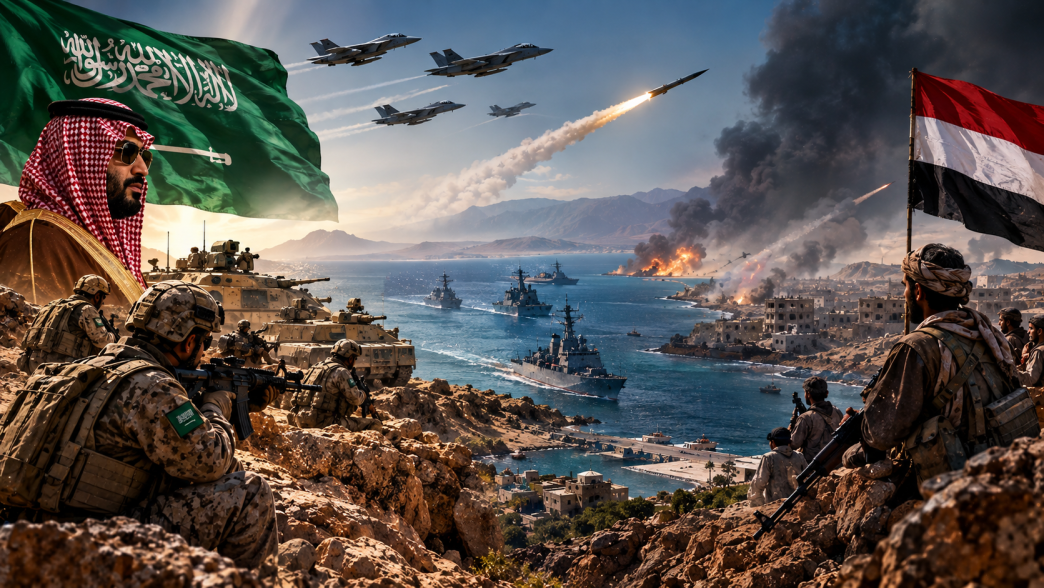
The renewed escalation of hostilities between the Houthis and Saudi Arabia in Yemen is threatening the security balance in the Gulf. The attack on King Khalid International Airport in Riyadh on October 10, which reportedly killed 13 people, exposed Saudi Arabia’s vulnerability despite its advanced weapons systems and substantial defense budget. The continuation of reciprocal attacks demonstrates that the crisis in Yemen is now producing consequences that extend beyond the country’s borders.
Riyadh faces three options: launch a comprehensive military operation, prioritize defense and diplomacy, or withdraw from the civil war in Yemen. The central question, however, is not simply how much damage can be inflicted on the Houthis, but which course of action would make Saudi Arabia more secure in the long term. 
Why is military superiority not enough?
Saudi Arabia’s biggest challenge is its inability to translate military capabilities into lasting political outcomes. Using missiles and unmanned aerial vehicles, the Houthis can threaten airports, energy facilities, and military installations, imposing significant costs on a far more powerful adversary.

While Saudi Arabia must protect critical infrastructure across a vast territory, even occasional breaches of its defenses can cause economic losses and undermine investor confidence.
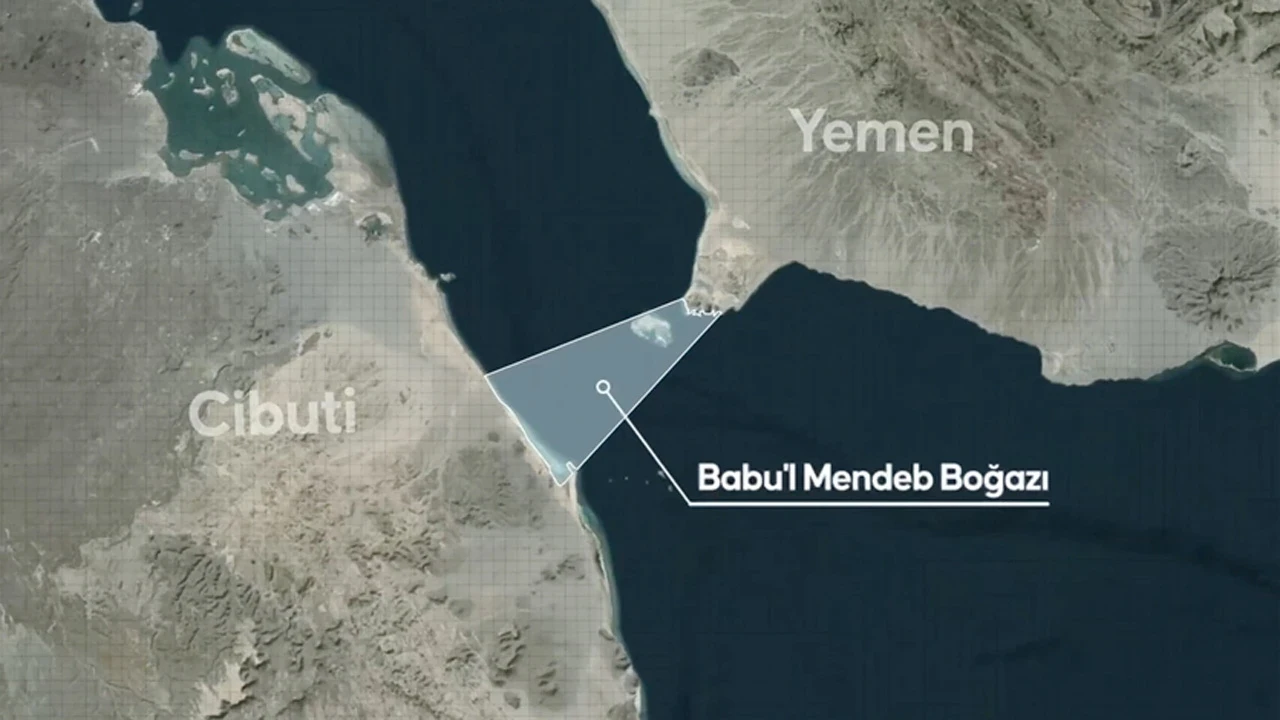
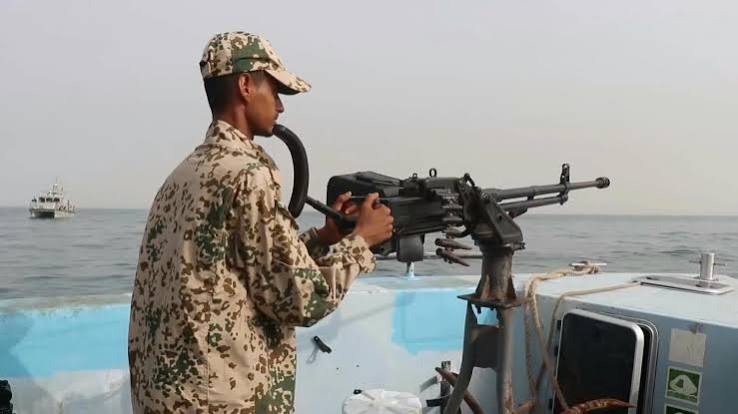
Security challenges around the Red Sea and the Bab el-Mandeb Strait also give this threat a global dimension. Attacks in the region can disrupt maritime trade, energy shipments, and supply chains. Developments in Yemen have therefore become not merely a regional power struggle but also an issue of global economic security.
Can a new military operation deliver a solution?
Riyadh could respond with large-scale operations targeting Houthi missile systems, weapons depots, and command centers. Providing greater support to forces fighting the Houthis in Yemen could also be considered.
However, Saudi Arabia’s intervention, which began in 2015, failed to dislodge the Houthis from Sana’a. Air superiority alone is insufficient to establish lasting control over Yemen’s mountainous terrain or resolve the country’s political problems.
Moreover, civilian casualties and damage to infrastructure could strengthen the Houthis’ narrative of resistance against foreign intervention and increase Iran’s support for the movement. A new war would also put Crown Prince Mohammed bin Salman’s Vision 2030 program at risk. Weakened investor confidence, threats to energy facilities, and rising defense expenditure could undermine the kingdom’s economic transformation goals.
Defense and diplomacy offer a more realistic alternative
Saudi Arabia’s second option is to strengthen its defensive capabilities and prioritize diplomatic initiatives without leaving attacks unanswered. Protecting critical infrastructure, sharing intelligence, and conducting limited operations against imminent threats could form the foundation of this strategy.
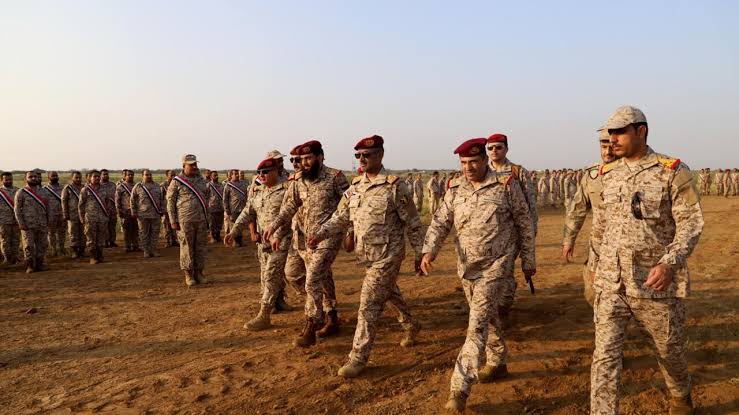
However, remaining exclusively on the defensive could also be interpreted by the Houthis as a sign of weakness. Diplomacy must therefore be based on reciprocal commitments and a verifiable ceasefire. Negotiations facilitated by Oman and the United Nations could aim to secure an end to Houthi attacks on Saudi territory and maritime trade in exchange for restrictions on Saudi military operations. Continued humanitarian assistance, prisoner exchanges, and monitoring violations could also help sustain an agreement.
Would withdrawing from Yemen be enough to bring peace?
Ending Saudi Arabia’s military intervention in Yemen could reduce the costs of the conflict. However, an unconditional withdrawal could allow the Houthis to portray it as a victory and weaken the forces supported by Riyadh. Disengagement should therefore take place under an agreement that safeguards border security and maritime transportation.
The collapse of a previous ceasefire also offers an important lesson. According to the information presented in the analysis, a ceasefire that had lasted approximately four years broke down following a coalition attack on Sana’a Airport on July 13, triggering renewed escalation and reciprocal attacks. This experience highlights the importance not only of declaring a ceasefire but also of ensuring that all parties keep their own allies committed to the agreement.
Conclusion: The objective should be to protect Saudi Arabia, not govern Yemen
A new war in Yemen could deepen Saudi Arabia’s security problems rather than resolve them. Disruptions to maritime trade in the Bab el-Mandeb Strait and the Red Sea could also place additional pressure on global energy markets. For the United States, such an escalation would carry the risk of drawing Washington into another prolonged conflict in the Middle East.

The most realistic strategy for Riyadh is to maintain strong defensive capabilities, avoid large-scale offensives, and pursue a negotiated exit. Military superiority does not guarantee lasting success when political objectives are unrealistic. Saudi Arabia’s priority should not be to determine Yemen’s political future by force, but to safeguard its borders, citizens, and economic transformation.