

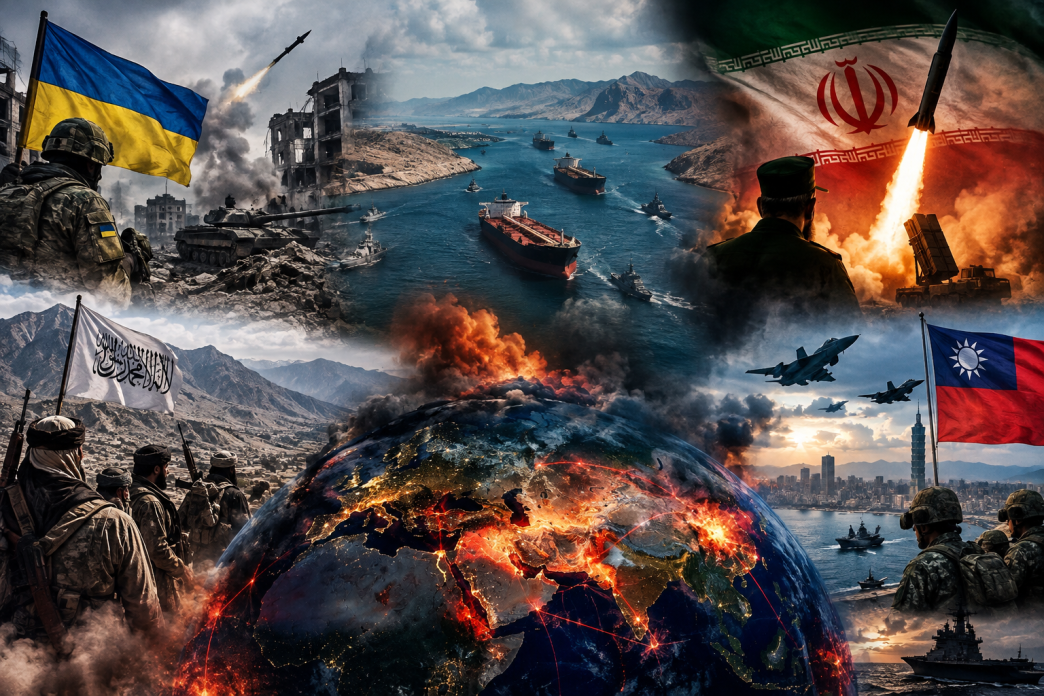
The deterioration of the international security environment in recent years has made the prospect of a Third World War more than just an academic debate. The war that has been raging in Ukraine for years, direct clashes between Israel, Iran and the United States in the Middle East, the devastation in Gaza and Lebanon, instability in Sudan and Yemen, tensions in Asia, and strategic competition stretching from the Red Sea to the Taiwan Strait all indicate that the world is increasingly becoming a broader arena of conflict.
Although these developments may appear to be independent crises, the connections between them are growing stronger. Russia’s war in Ukraine, North Korea’s military support for Moscow, global competition between China and the United States, regional tensions centered on Iran, and military activity in the Indo-Pacific are different dimensions of the same international power struggle. Extending from the security of maritime trade routes and energy markets to the defense industry and critical technologies, this struggle demonstrates that warfare is no longer confined to soldiers fighting on the battlefield. 
Thinking of World War III exclusively as a formally declared conflict in which every country enters the war simultaneously and fights on a single front makes it difficult to understand current developments. A more realistic approach is to examine whether wars continuing in different parts of the world influence one another within a shared strategic competition. From this perspective, it is possible to argue that some of the fundamental elements of a Third World War have already emerged.
The nature of war Is changing, not its name
What made the First and Second World Wars historically unique was not simply that the fighting spread across numerous countries and continents. Their defining characteristic was the transformation of states’ economic and social systems to meet the demands of war. Millions of people were mobilized, industrial production was redirected toward military needs, financial systems were geared toward sustaining the war effort, and large sections of society became part of total mobilization.
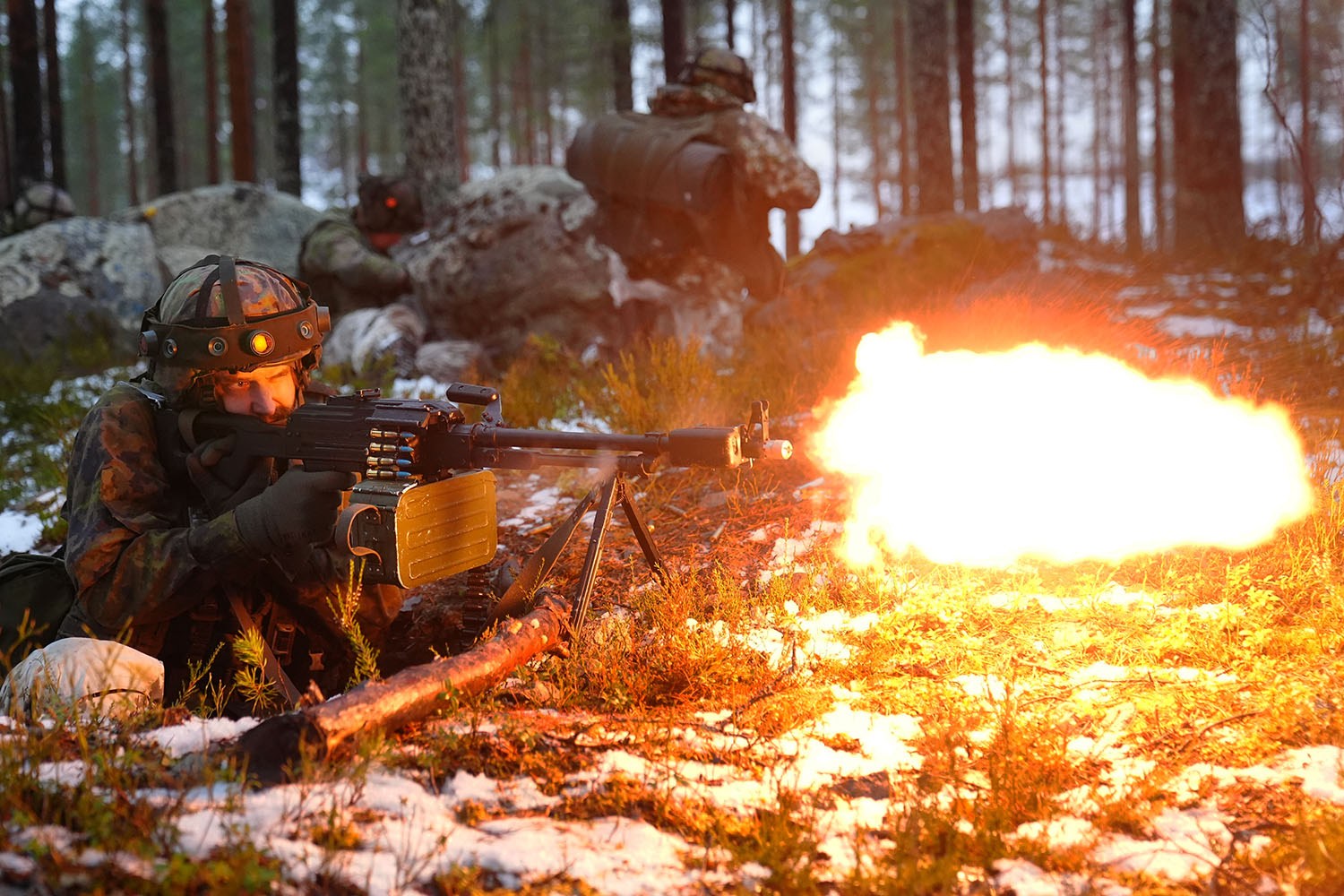
The world is not experiencing global mobilization on the same scale today. However, this does not mean that a worldwide dynamic of warfare is not taking shape. Major powers are increasing defense budgets, expanding ammunition production, reorganizing supply chains according to security priorities, and attempting to reduce their dependence on foreign suppliers for critical technologies. Economic sanctions, export restrictions, technology embargoes, and trade pressure have also become complementary instruments of military competition.
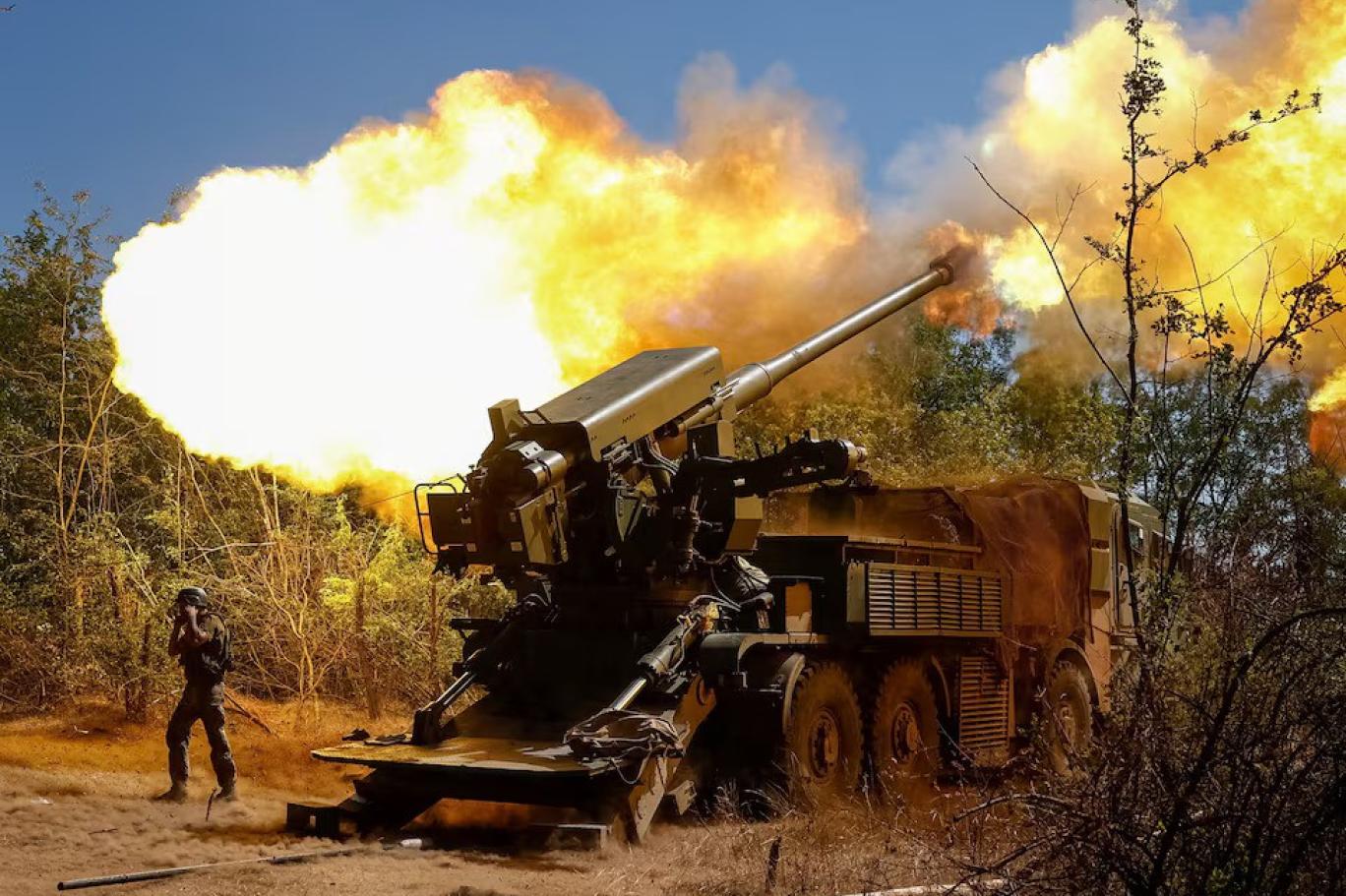
Unmanned aerial vehicles, precision-guided munitions, electronic warfare, satellite systems, cyber capabilities, and artificial intelligence-enabled command-and-control technologies are fundamentally changing the character of modern warfare. Military superiority is no longer measured solely by the number of tanks, aircraft, or soldiers a country possesses. A nation’s ability to produce equipment rapidly, replace losses, sustain ammunition stocks, and effectively use battlefield data has also become decisive.
Therefore, although the world is not experiencing a repetition of the total wars of the past, it is moving toward a prolonged global struggle in which military, economic, technological, and political instruments are employed together.
A common struggle stretching from Ukraine to Hormuz
The war in Ukraine remains one of the most prominent fronts in this global competition. While Russia’s military operations are challenging Europe’s security architecture, the weapons and ammunition supplied to Ukraine by Western countries have made Europe’s defense-industrial production capacity a strategic issue. North Korea’s military support for Russia demonstrates that the war in Europe cannot be separated from the security dynamics of Asia.
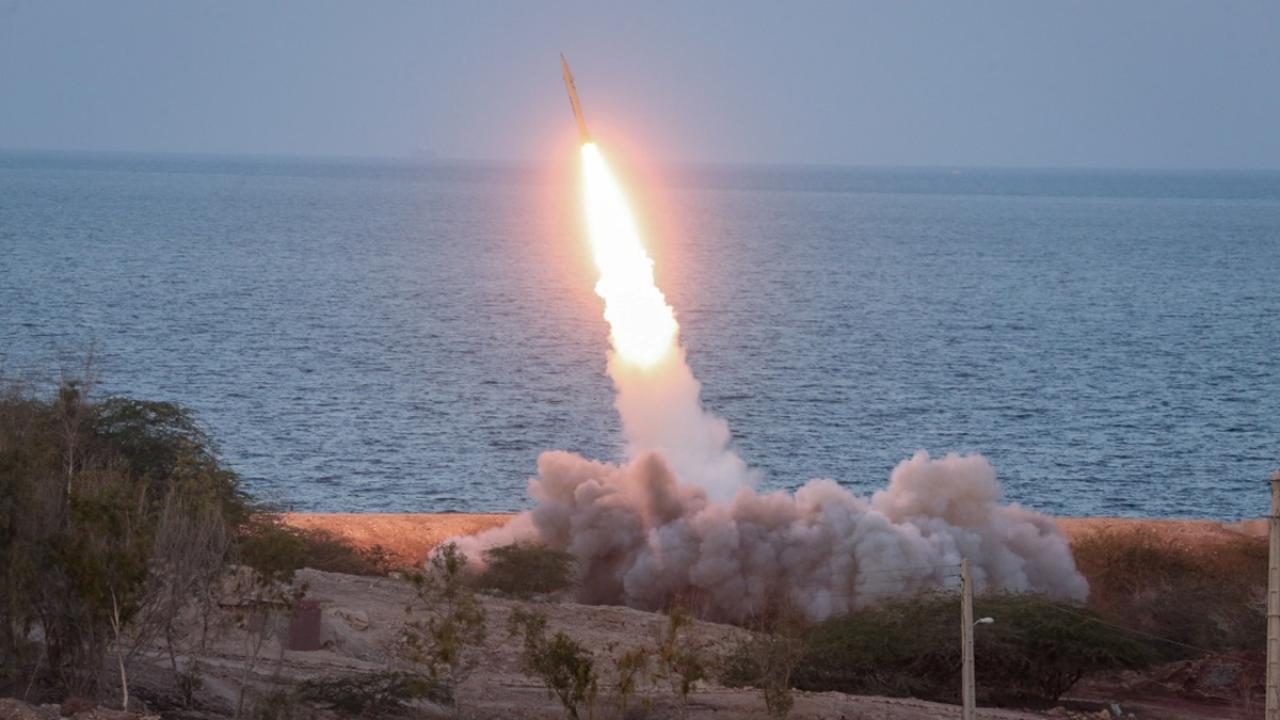
As of October 14, 2026, continued attacks on Ukraine’s energy infrastructure, uncertainties surrounding Western support, and the role of technologies such as satellite communications on the battlefield demonstrate how heavily modern conflicts depend on a wider interconnected system.
In the Middle East, meanwhile, the conflict involving the United States, Israel, and Iran is one of the clearest examples of how a regional war can produce global consequences. Attacks in the Strait of Hormuz and disruptions to maritime traffic directly affect energy supplies, shipping, and international markets. On October 14, attacks on commercial vessels around Hormuz and the sinking of a cargo ship once again demonstrated that maritime routes have become a direct part of military competition.
The significance of these developments extends beyond rising oil prices or slowing trade. The air defense systems, interceptor missiles, naval assets, and intelligence capabilities deployed by the United States in the Middle East compete for resources that may also be needed in potential crises elsewhere. A prolonged war on one front can consume military resources that would otherwise be available for another.
Similarly, threats to commercial shipping in the Red Sea affect transportation between Asia and Europe, while a potential crisis in the Taiwan Strait could have consequences ranging from global semiconductor production to maritime trade. As a result, fronts that appear geographically distant are becoming interconnected components of the same strategic landscape through economic and military links.
The new front of War: Economies and the defense industry
Assessing the debate over World War III solely through missile strikes, tank movements, and military casualties provides an incomplete picture. The struggle between major powers extends from weapons factories and energy corridors to financial systems and digital infrastructure.
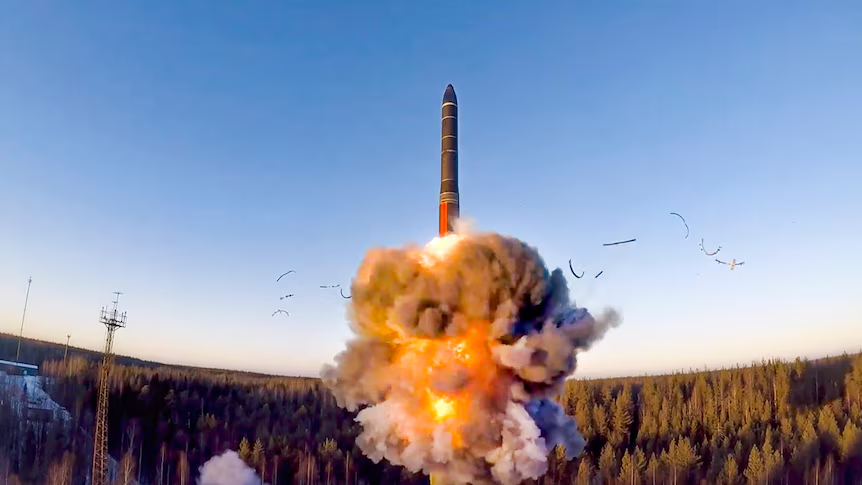
Production capacity in the defense industry is now at least as important as technological superiority. A country may possess advanced fighter aircraft and air defense systems, but these capabilities may not be decisive if it cannot manufacture the ammunition required for a prolonged conflict quickly enough. Using expensive interceptor missiles against cheaper unmanned systems also places considerable pressure on defense budgets.
Economic indicators confirm this transformation. An April 2026 assessment by the International Monetary Fund found that approximately half of countries had increased military spending over the previous five years. It also highlighted how rising defense expenditures can put additional pressure on budget deficits and inflation.
At the same time, competition over semiconductors, artificial intelligence, satellite communications, rare earth elements, and energy technologies is turning economic dependencies into security concerns. States are now seeking to secure not only the weapons needed to fight wars but also the industrial infrastructure and technological ecosystems required to produce and operate them.
As a result, the global struggle has expanded far beyond the battlefield. Trade restrictions, sanctions, barriers to technology transfers, and control over critical supply chains are emerging as instruments intended to limit an adversary’s ability to wage war even before a conflict begins.
Why have the major powers not yet entered a direct world war?
The existence of interconnected conflicts around the world does not mean that the United States, China, and Russia are directly confronting one another in a single war. Nuclear deterrence dramatically increases the cost of an all-out conflict between these countries. Rather than accepting the risk of mutual destruction, major powers frequently resort to indirect support, economic pressure, technological competition, and limited military interventions.
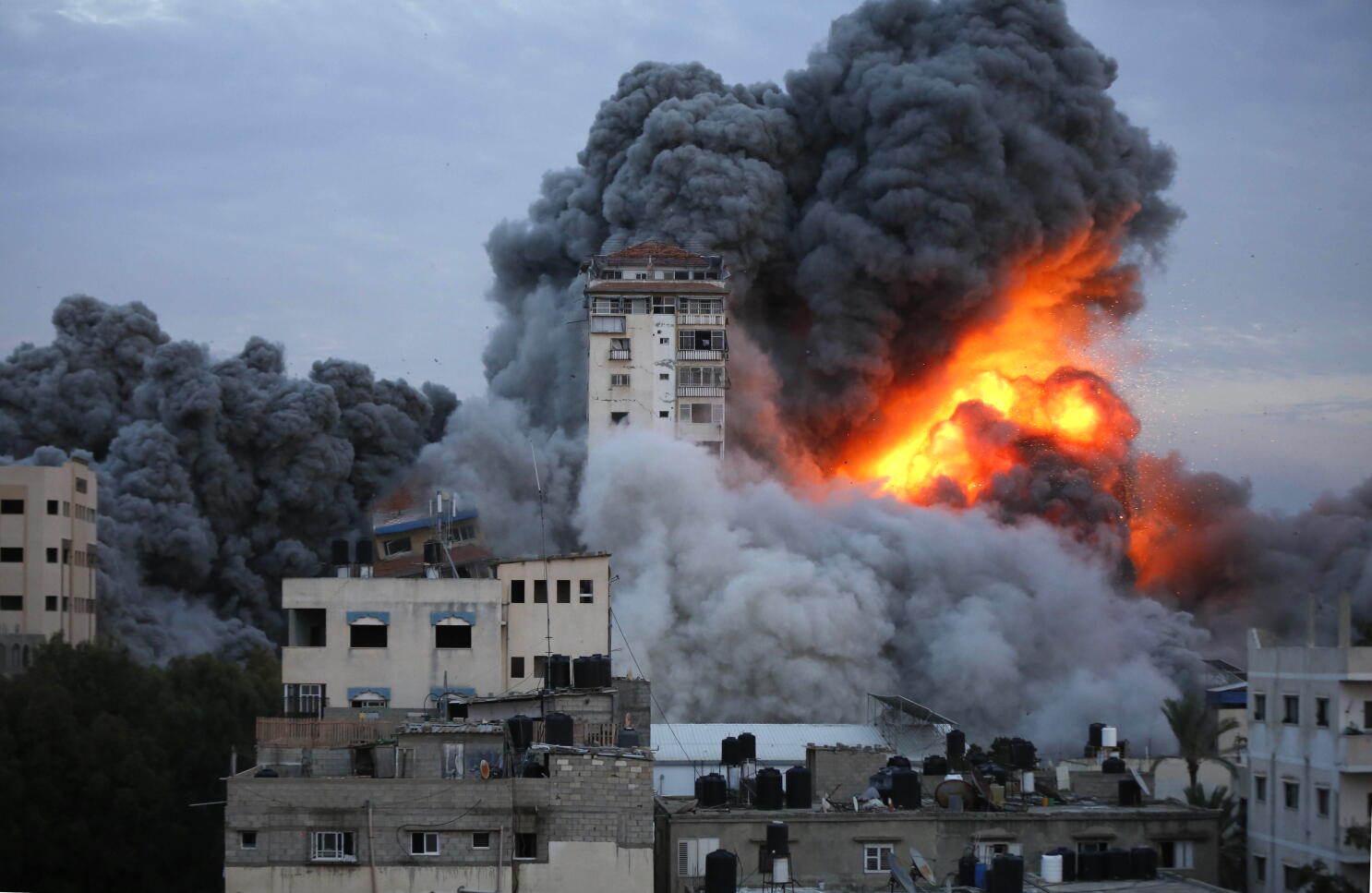
However, this mechanism does not eliminate the risk of war. On the contrary, the growing connections between operations in different regions increase the likelihood of miscalculation and uncontrolled escalation. An attack in one region could trigger alliance obligations elsewhere; the closure of a maritime route could deepen an energy crisis; and the withdrawal of military support from an ally could encourage an adversary to take more aggressive steps.
Historically, world wars were not experienced by all societies at the same time or in the same way. Although the Second World War is generally considered to have begun in Europe in 1939, the United States entered the war in 1941. For China, the conflict with Japan had begun much earlier. These differences demonstrate why it is difficult to reduce a global war to a single starting point.
It is impossible to know with certainty which developments future historians will identify as turning points. Nevertheless, the expansion of conflicts, the hardening of alliances, the reorganization of economies around security priorities, and the acceleration of military production all suggest that international politics has entered a more dangerous phase.
Conclusion: Can a World War happen without being declared?
There is not yet an indisputable criterion for declaring the beginning of World War III as an established historical fact. Current conflicts do not all operate under a single command structure, share a common political objective, or stem from interconnected formal declarations of war. Nevertheless, it is no longer sufficient to view the global security environment merely as a collection of unrelated regional crises.
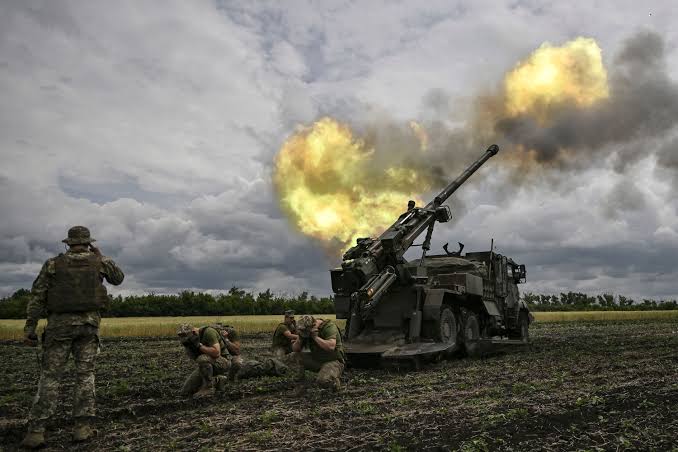
The war in Ukraine is changing Europe’s security order; conflicts in the Middle East are threatening energy supplies and maritime trade; and competition in the Indo-Pacific is affecting global technology production. The defense industry, economic sanctions, cyber capabilities, and critical infrastructure have become common instruments in these struggles. Developments on one front influence decisions and capabilities on another.
The central question, therefore, is not whether World War III has been formally declared, but how far a global system of warfare has already taken shape. The current situation points to an interconnected struggle for power, unfolding across multiple fronts and through different instruments, in a form distinct from the world wars of the past.
Perhaps the greatest misconception of our time is to expect World War III to resemble its historical predecessors. A new world war may not emerge through the opening of every front on a single morning. Instead, it could develop as regional conflicts reinforce one another, major powers become increasingly involved, and economic life is reorganized around security concerns.
The world may not yet be experiencing a single conflict that has evolved into a fully mobilized, all-out war. However, significant elements of a global struggle that could be described as World War III are already unfolding. The greatest strategic risk ahead is that these separate elements will become increasingly interconnected rather than remaining distinct.