


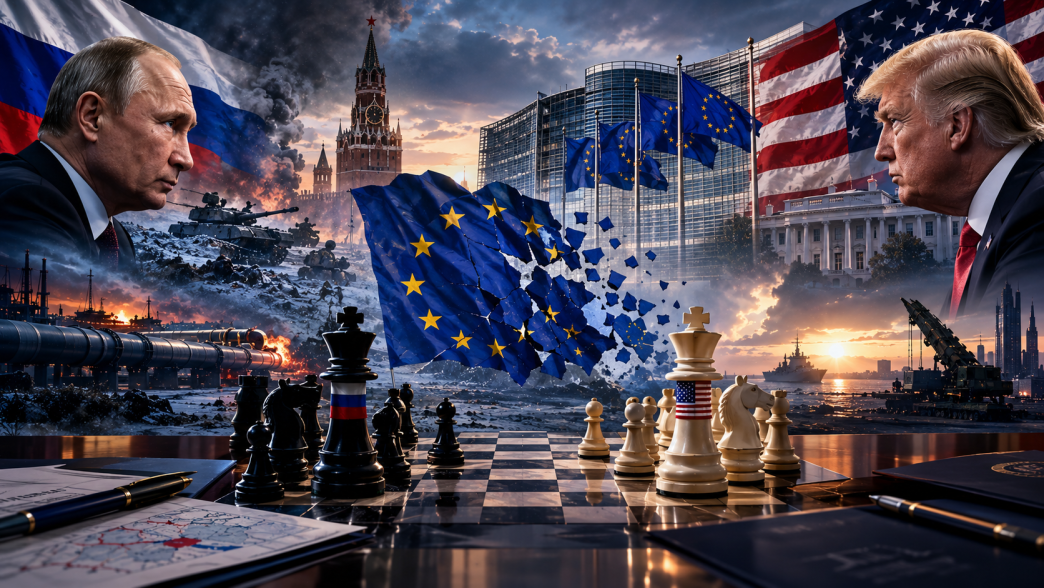
The planned resumption of peace talks between Russia and Ukraine should not be viewed solely as an effort to bring the war to an end. Moscow is seeking to turn the negotiations into an opportunity to limit NATO’s military presence in Europe and reduce the European Union’s influence over the continent’s security policies. This approach could have consequences not only for the future of the war in Ukraine but also for the strategic relationship between the United States and Europe.
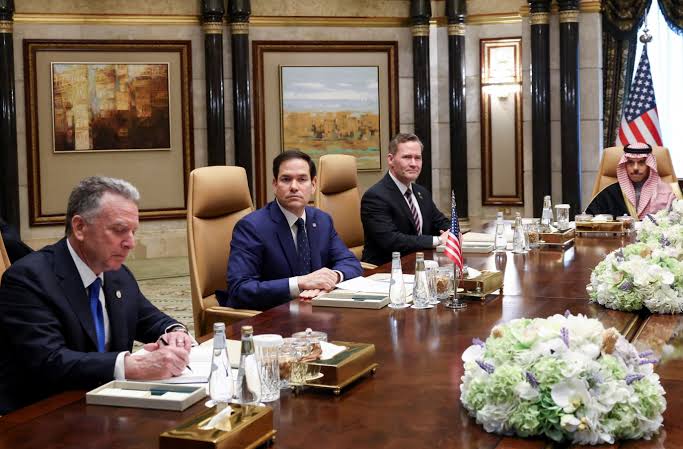
For Russia, negotiations offer a potential route to achieving objectives that have proved difficult to secure through military operations alone. By placing NATO’s expansion, the deployment of allied forces, and the future European security architecture on the negotiating table, the Kremlin could seek to reshape the strategic balance without relying exclusively on battlefield gains. The central question is whether a diplomatic process intended to end the war could also deepen divisions within the Western alliance. 
Moscow’s focus on NATO’s eastward expansion
Yuri Ushakov, a foreign policy aide to the Kremlin, has argued that European countries should participate in the negotiations. Although Moscow presents this demand as recognition of Europe’s importance to any lasting settlement, Russia’s broader objective is to reopen the debate over NATO’s expansion and military presence across the continent.
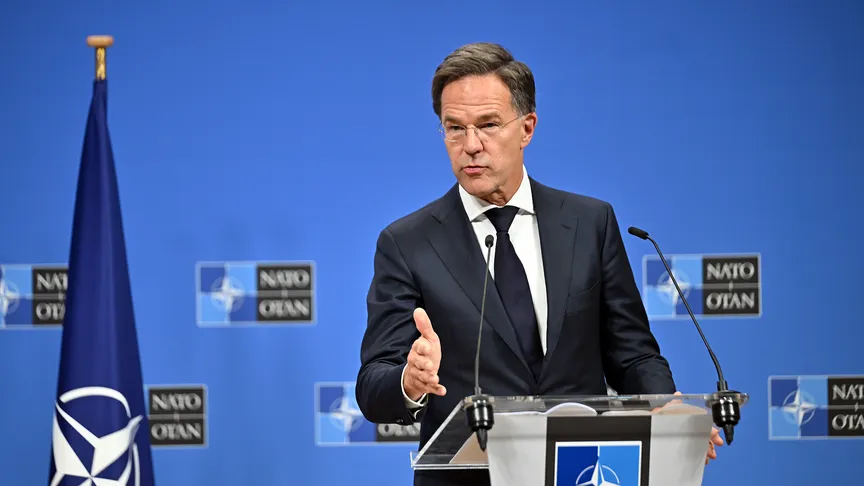
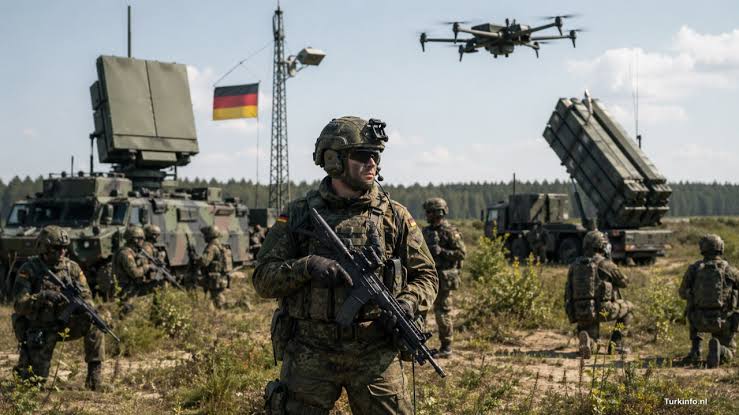
Vladimir Putin could seek a return to the NATO security arrangements that existed before 1997, when former Eastern Bloc countries began joining the alliance. Such a demand could bring the future of allied forces in Poland, Estonia, Latvia, Lithuania, and Finland into the negotiations. All five countries share borders with Russia, making their security arrangements particularly sensitive for Moscow.
However, accepting such demands would raise fundamental questions about European sovereignty and the right of individual states to determine their own security partnerships. It could also establish a precedent in which Russia gains influence over NATO’s force posture and the defense decisions of neighboring countries.
Moscow may therefore seek to use concessions over Ukraine as leverage for a much broader restructuring of European security. If negotiations focus primarily on satisfying Russia’s demands while leaving the security concerns of European states unresolved, the consequences could extend well beyond the battlefield.
Strategic divisions between the United States and Europe
The resumption of Washington-mediated negotiations gives Russia an opportunity to engage directly with the US administration over its core demands. By insisting that European security must be discussed alongside the war in Ukraine, Moscow could exploit differences between Washington and European capitals over how the conflict should end and what security guarantees should follow.
The risk is particularly significant if the United States pursues a settlement that prioritizes a rapid end to the fighting without sufficiently coordinating its decisions with European allies. Any reduction in pressure on Russia, changes to military assistance for Ukraine, or compromises over NATO’s future posture could create tensions within the transatlantic alliance.
For Moscow, such divisions could offer strategic advantages even without a comprehensive peace agreement. If European governments begin to question Washington’s long-term commitment to their security, they may face greater uncertainty over their defense planning and their ability to deter Russia independently. At the same time, the United States could find it more difficult to maintain a unified Western position on sanctions, military support, and the future of European security.
European governments, however, have shown little willingness to accept Russia’s demands for a fundamental rollback of NATO’s military presence. Withdrawing allied forces or limiting the alliance’s future deployments under Russian pressure could effectively grant Moscow a veto over Europe’s security architecture. For this reason, achieving a ceasefire in Ukraine must be distinguished from allowing Russia to dictate the wider terms of European defense policy.
A ceasefire in Ukraine, a new struggle in Europe
Kyiv is seeking concrete measures, including limited ceasefires covering energy infrastructure and grain exports, as well as prisoner exchanges. Such steps could reduce immediate suffering and create opportunities for further negotiations. Nevertheless, disagreements over territorial concessions and credible postwar security guarantees remain major obstacles to a lasting settlement.
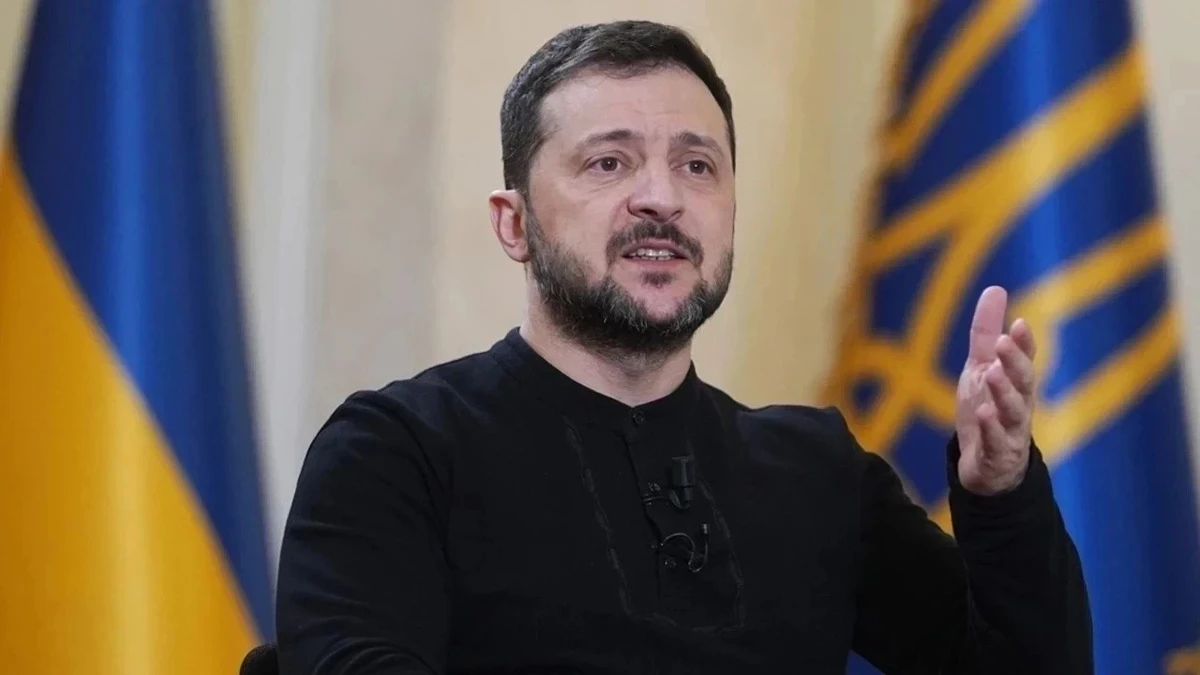
Russia’s willingness to return to negotiations should not automatically be interpreted as evidence that the Kremlin is prepared to abandon its broader strategic objectives. Moscow may view diplomacy as a means of securing political concessions, limiting Ukraine’s future military options, and influencing the relationship between Europe and the United States.
For Ukraine, the central challenge is to secure an agreement that prevents renewed Russian aggression rather than merely suspending the fighting. For Europe, the challenge is broader: it must ensure that decisions affecting its long-term security are not made exclusively through bilateral arrangements between Washington and Moscow.
This issue also highlights the importance of European defense capabilities. If European governments become increasingly uncertain about the reliability of American security commitments, they may accelerate efforts to strengthen their defense industries, improve military coordination, and reduce strategic dependence on Washington. Yet these efforts require substantial investment, political unity, and time. In the short term, disagreements over the war could weaken European cohesion before greater strategic autonomy becomes achievable.
Could Russia exploit the peace process to weaken Europe?
Ultimately, Moscow could use the diplomatic process surrounding the Ukraine war to reshape European security in ways that weaken the EU’s collective influence in its dealings with the United States. The key mechanism would not necessarily be a direct confrontation with Europe, but the creation of disagreements over NATO, sanctions, military assistance, and the terms of a future settlement.
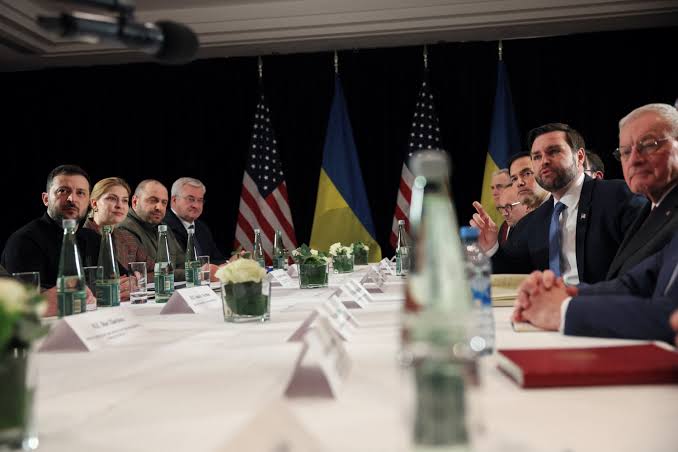
If Washington and Moscow reach understandings that leave European security concerns inadequately addressed, European governments could find themselves facing decisions largely shaped by the two powers. Such an outcome would expose the limits of the EU’s ability to act as an independent strategic force.
The success of the peace process should therefore be measured not only by whether the guns fall silent in Ukraine, but also by whether the resulting settlement provides credible security guarantees and respects the right of European countries to determine their own defense arrangements.
A durable peace requires more than an agreement between Russia, Ukraine, and the United States. It requires a security framework that includes Europe as a genuine participant rather than treating it as a secondary stakeholder. Otherwise, negotiations intended to end the war could become part of a wider geopolitical struggle in which Russia seeks to weaken Europe’s strategic position relative to Washington and reshape the balance of power across the continent.

