



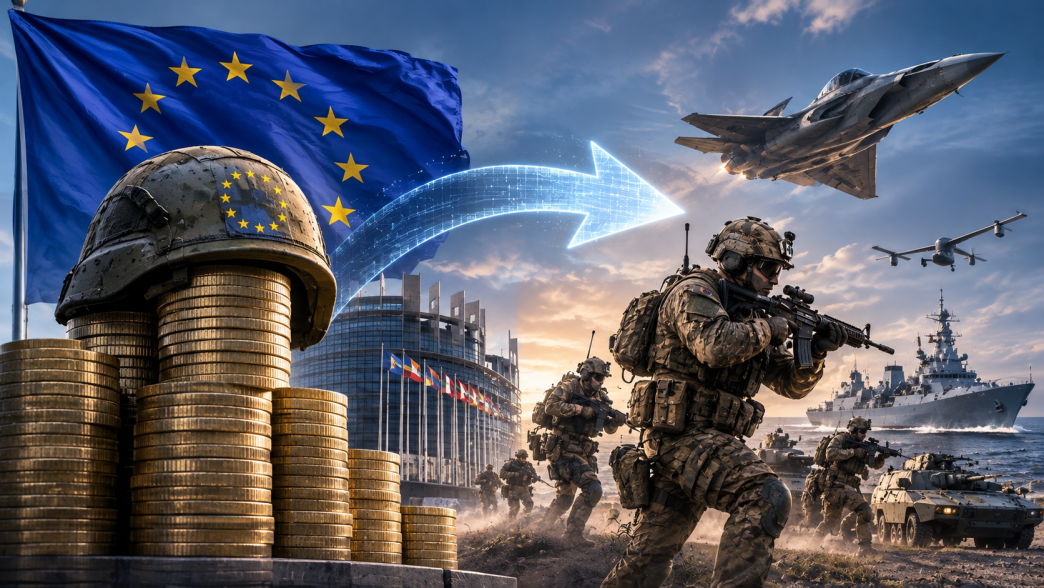
NATO’s future effectiveness will be measured not so much by the size of its member states’ defense budgets as by their ability to transform these resources into actual military power. Developments in Europe’s security environment, particularly the Russia-Ukraine War, demonstrate that the alliance must be defined not merely by its deterrence posture but also by its military preparedness to sustain prolonged warfare when necessary.
For many years, the central issue in NATO debates has been defense spending as a percentage of gross domestic product. The United States, in particular, has turned this figure into an important instrument of political pressure while urging its European allies to assume greater responsibility. However, increased defense budgets do not automatically translate into stronger military capabilities. The real question is how much of this investment can be converted into usable, sustainable, and interoperable military capabilities. 
At the 2025 Hague Summit, the allies’ agreement to increase defense and security spending to 5 percent of GDP by 2035 marked an important turning point in this regard. By the Ankara Summit in July 2026, European countries and Canada had recorded an increase of more than $139 billion in defense investment. Europe’s decision to begin rebuilding capabilities that it had neglected for decades is a positive development. Nevertheless, increased budgets must be matched by tangible military results on the ground.
NATO’s defense plans and the capability gap
One of the alliance’s main challenges is the mismatch between national defense policies and collective military requirements. An increase in one country’s defense spending does not automatically compensate for another ally’s shortcomings in air defense, ammunition, or strategic transportation. Similarly, purchasing advanced weapons systems does not necessarily mean that trained and combat-ready forces capable of using them effectively have been established.
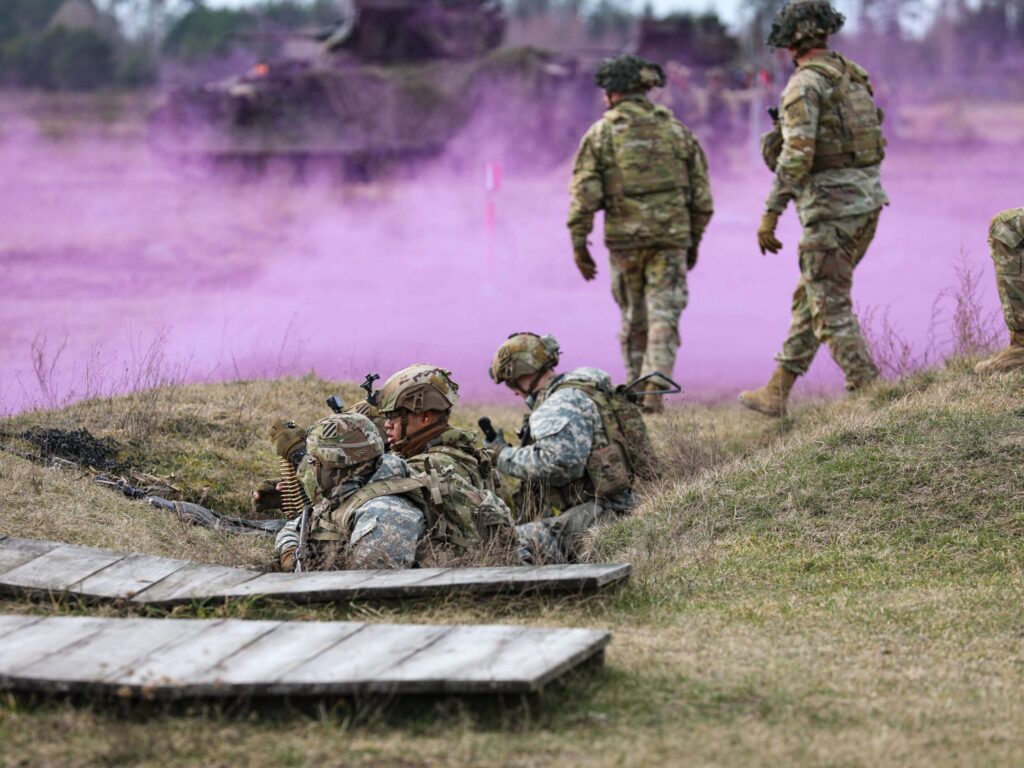
NATO already has an important institutional framework to address this problem. The regional defense plans adopted at the 2023 Vilnius Summit stand out as one of the most comprehensive military arrangements introduced since the end of the Cold War. These plans identify the forces, reinforcement mechanisms, and command structures required to defend alliance territory. The military capability targets updated in 2025, meanwhile, outline the areas in which these requirements must be fulfilled.
Integrated air and missile defense, long-range strike systems, logistics infrastructure, ammunition stockpiles, and large-scale land formations are among the most important requirements. NATO must therefore direct its defense investments not merely toward meeting national budgetary targets but toward developing the operational capabilities demanded by its collective defense plans.
An important distinction must be made here: having defense plans in place does not mean that military preparedness has been achieved. Forces must be trained, equipped, and capable of rapid deployment when necessary. Intelligence sharing must remain uninterrupted, command-and-control systems must operate reliably, and logistical networks must be able to sustain prolonged military operations. NATO’s actual strength will emerge only when all these elements can function together.
The US role and Europe’s growing responsibility
One of the most critical dimensions of this debate is Europe’s dependence on American military capabilities. US intelligence, strategic transportation, aerial refueling, long-range strike capabilities, and advanced command-and-control systems play a major role in NATO’s operational effectiveness. Although European countries are increasing their defense industry investments, addressing deficiencies in these areas within a short period will not be easy.
The Trump administration’s NATO 3.0 approach envisages Europe assuming greater responsibility for the continent’s conventional defense while the United States maintains its strategic role. Given Europe’s economic and technological capacity, expecting it to take on greater military responsibilities is reasonable. Washington’s desire to allocate resources to other strategic regions, including the Indo-Pacific and the Middle East, further reinforces this direction.
However, the reduction of the US military presence in Europe and Europe’s ability to fill the resulting gaps may not proceed at the same pace. Procuring new weapons systems, training personnel, integrating military formations, and conducting joint exercises can take years. Consequently, if American capabilities are withdrawn before Europe completes the necessary preparations, a serious security gap could emerge within NATO.
Considering that Russia closely monitors both military developments and security vulnerabilities across Europe, this transition must be managed carefully. What matters most for the alliance’s future is not simply how many troops the United States withdraws, but how closely such decisions correspond to Europe’s actual military capabilities.
Political changes in Washington and Europe’s position
The new political landscape that emerged in the United States following the 2026 midterm elections is also influencing debates about NATO’s future. The Democrats’ gains in Congress suggest that oversight of the Trump administration’s European policy could increase. However, a change in the balance of power in Congress does not eliminate the presidency’s authority over foreign policy and military deployments.
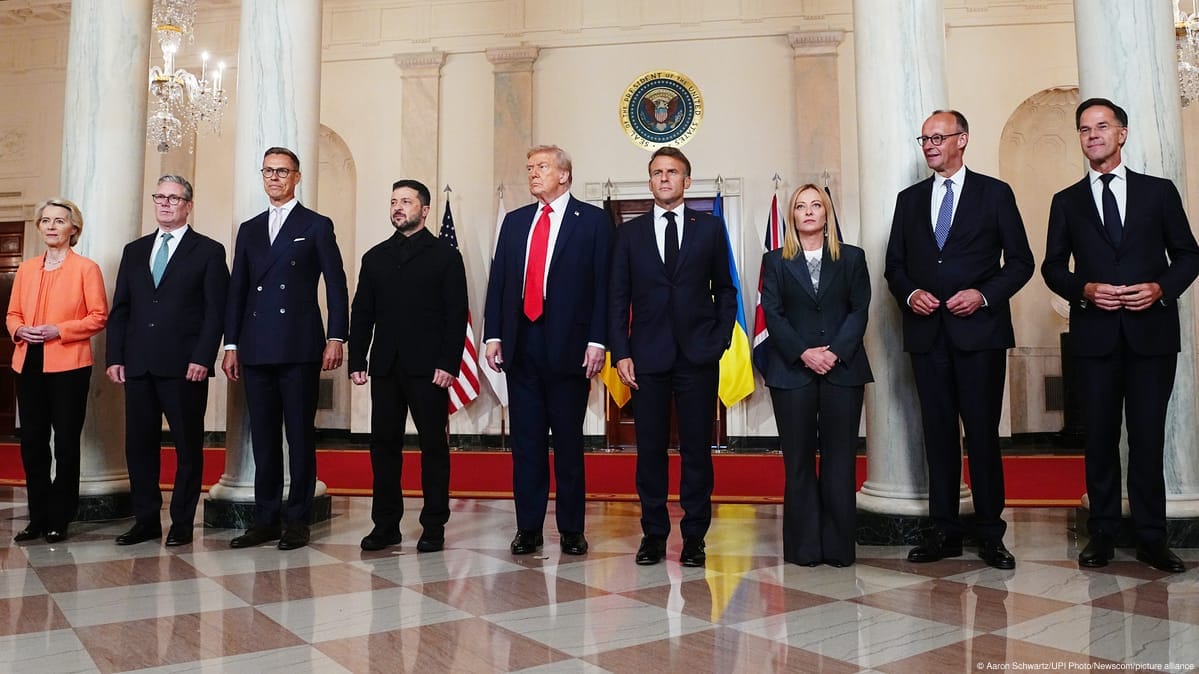
Nevertheless, Congress’s concerns about reducing the American military presence in Europe are significant. The Fiscal Year 2026 National Defense Authorization Act introduces certain restrictions on major changes involving US military personnel, equipment, bases, and command responsibilities in Europe. Its purpose is to ensure that the consequences of decisions taken by the American administration for NATO’s overall security are properly assessed.
European capitals, meanwhile, are seeking to assume greater responsibility without entering into direct political confrontation with Washington. Although this approach is understandable from a diplomatic perspective, it should not prevent European governments from openly acknowledging shortcomings in their defense capabilities. Supporting the objectives of NATO 3.0 is not the same as accepting reductions in the American military contribution under all circumstances.
European countries need to clarify which military missions they can assume, which critical capabilities still require American support, and what conditions must be met before the US contribution can be reduced. Otherwise, Europe may appear politically prepared to accept a transfer of responsibilities while struggling to shoulder the military burden in practice.
The key measure that will determine NATO’s future
The real test facing NATO in the coming period will not be the percentage increase in defense spending, but what the alliance can actually accomplish in the face of a military crisis. Building a stronger European defense industrial base, increasing ammunition production, and pursuing joint military projects could strengthen the alliance’s resilience over the long term.
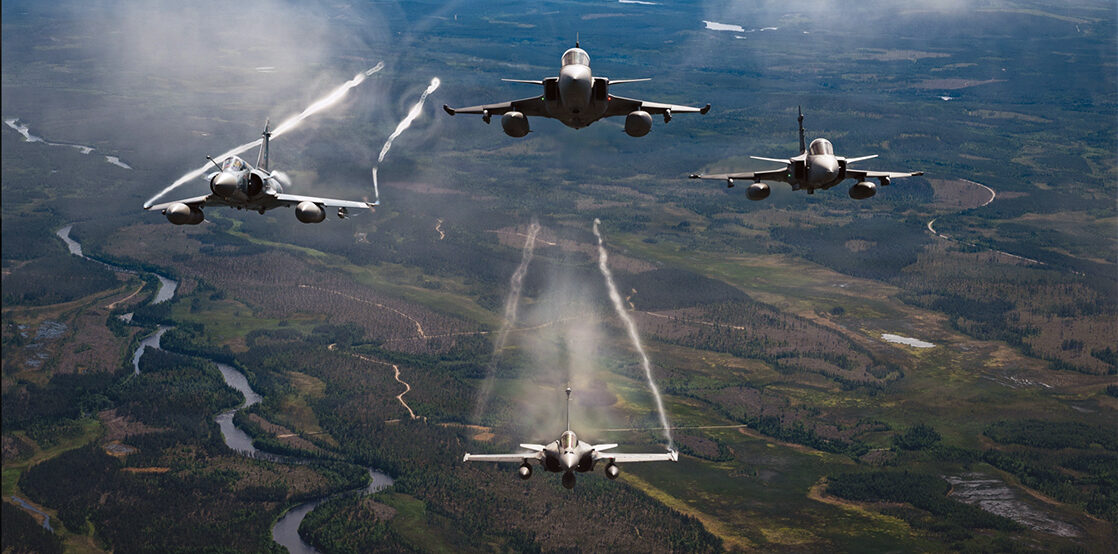
However, redistributing responsibilities does not automatically mean that military capabilities are transferred as well. As the US role in Europe evolves, potential gaps must be identified in advance, and European allies must reach the level of capability required to address them.
NATO already has collective defense plans and substantially increased investment commitments. The next step is to transform these political decisions into military strength with tangible results on the ground. The alliance’s greatest risk lies in the continuing gap between the objectives agreed upon by its leaders and the operations its armed forces can actually deliver. Unless this gap is closed, NATO cannot claim to have successfully adapted to the emerging security order.

