


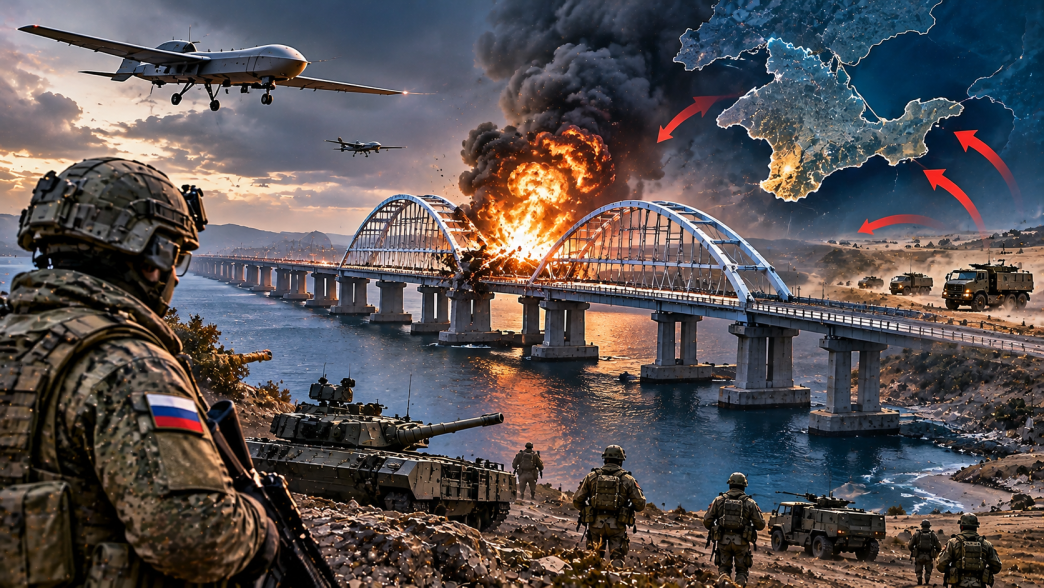
Recent developments in the Russia-Ukraine War demonstrate that maintaining control over Crimea, which Moscow annexed in 2014, is becoming increasingly costly in military and logistical terms. The extensive Ukrainian attack on the Crimean Bridge on the night of November 17, which caused significant damage to both its road and railway sections, has once again brought the strategic dimension of the war into focus.
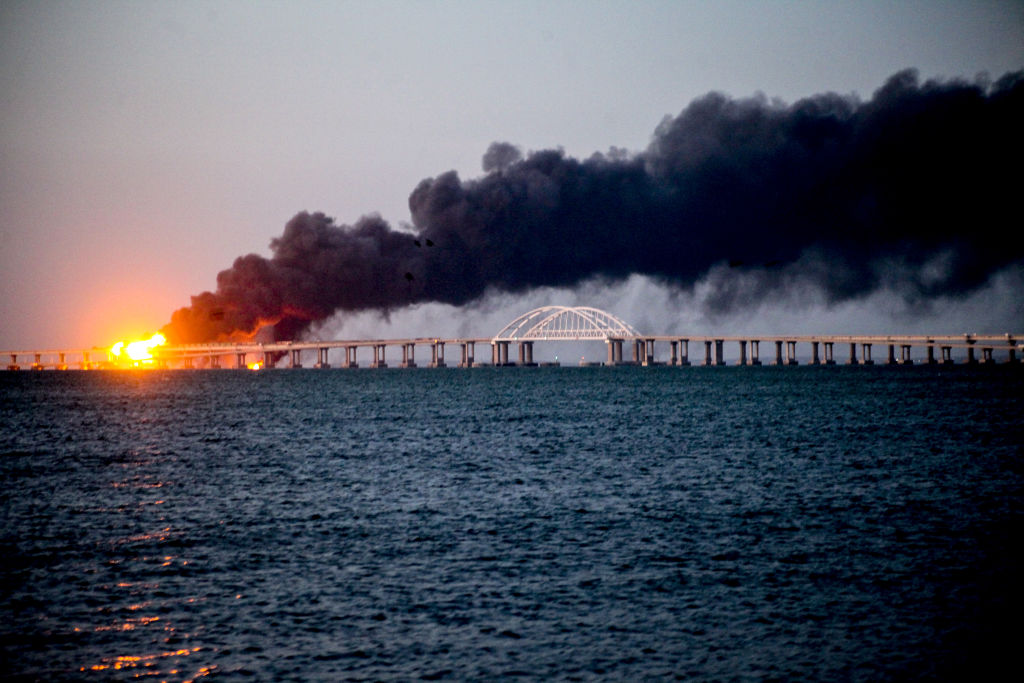
Ukrainian President Volodymyr Zelensky said the attack was the seventh phase of a multi-stage operation that had been underway for several weeks. Ukrainian-made Palianytsia unmanned aerial vehicles, Neptune cruise missiles, and Ruta and FP-5 systems were reportedly used during the operation. Ukraine’s Security Service also announced that one of the bridge’s metal arches and the road section beneath it had been completely destroyed. 
The significance of this attack extends beyond the physical damage inflicted on the structure. The Crimean Bridge is one of the most prominent symbols of Russia’s efforts to consolidate its 2014 annexation. For Moscow, the bridge represents more than a physical connection between mainland Russia and the occupied peninsula; it is also a tangible manifestation of its political and military control over Crimea.
Consequently, the bridge’s disruption represents both a military and psychological blow to the Kremlin’s dominance in the region.
The symbol of Russia’s annexation policy under attack
Construction of the bridge connecting the Sea of Azov and the Black Sea across the Kerch Strait began in 2016, two years after Russia annexed Crimea. The project, which cost approximately $4 billion, was completed in 2018. Stretching 19 kilometers, the structure became one of the longest bridges in Europe.
The construction of the bridge was regarded as a major manifestation of Russia’s refusal to recognize Ukraine’s territorial integrity. Indeed, in a resolution adopted in 2018, the United Nations General Assembly addressed the construction of the bridge as a development contributing to the further militarization of Crimea. The United States, the European Union, the United Kingdom, and several other countries subsequently imposed sanctions on companies involved in the project.
Moscow, meanwhile, developed air defense systems, maritime barriers, and various other security measures to protect the bridge. Particularly after the launch of Russia’s full-scale invasion in 2022, the structure became one of Ukraine’s primary strategic targets.
The political implications of the latest attack are also significant. For years, the Russian leadership presented the bridge as one of the country’s most heavily protected infrastructure facilities. The damage therefore raises questions not only about the effectiveness of Russia’s military security measures but also about the Kremlin’s image of control and deterrence.
Crimea’s military and logistical connections are weakening
The disruption of the Crimean Bridge could have significant consequences for Russia’s military and civilian transportation capabilities on the peninsula. Before the war, the bridge was the most reliable road and railway connection between mainland Russia and Crimea. It continued to play a critical role in military transportation following the occupation.
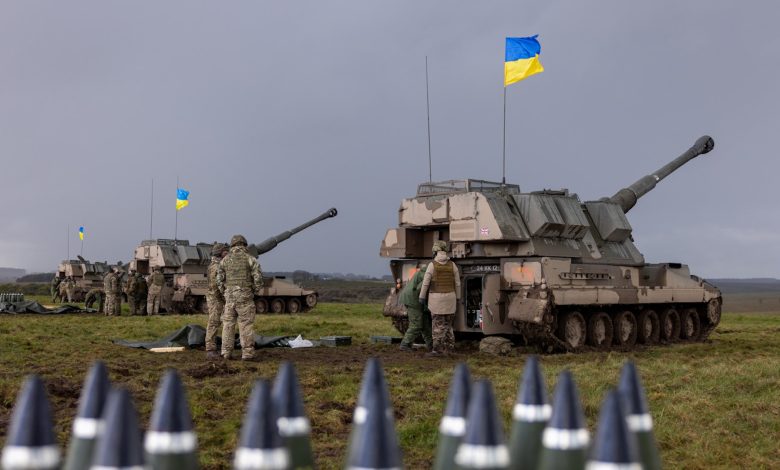
Russia transformed the approximately 700-kilometer Novorossiya highway, which passes through occupied territories in eastern and southern Ukraine, into an alternative logistical route. Extending from Rostov-on-Don through Kherson, Zaporizhzhia, and Donetsk to Simferopol, this route became particularly important for transporting heavy military vehicles and supplies.
However, Ukraine’s medium-range drone strikes against targets in occupied territories have also made the security of this route increasingly uncertain. The disruption of the Crimean Bridge could further increase Russia’s dependence on this alternative land corridor.
At the same time, the prolonged closure of the bridge could restrict Russia’s ability to rapidly reinforce the peninsula. According to expert assessments, repairing the damaged section could take months or even more than a year. This could leave Crimea in a more isolated logistical position from Russia’s perspective.
The consequences will not be limited to the military sphere. Transportation and security concerns could also grow among Russian citizens who settled in Crimea following the annexation. Rising economic and logistical costs could turn Moscow’s efforts to maintain control over the peninsula into an increasingly resource-intensive burden.
Ukraine’s growing defense industry capabilities
Another important dimension of the attack is that it demonstrates the level Ukraine has reached in developing its domestic defense industry. The coordinated use of domestically produced missile and unmanned aerial vehicle systems with different ranges and operational capabilities can be regarded as a tangible result of Kyiv’s efforts to reduce its dependence on foreign suppliers.
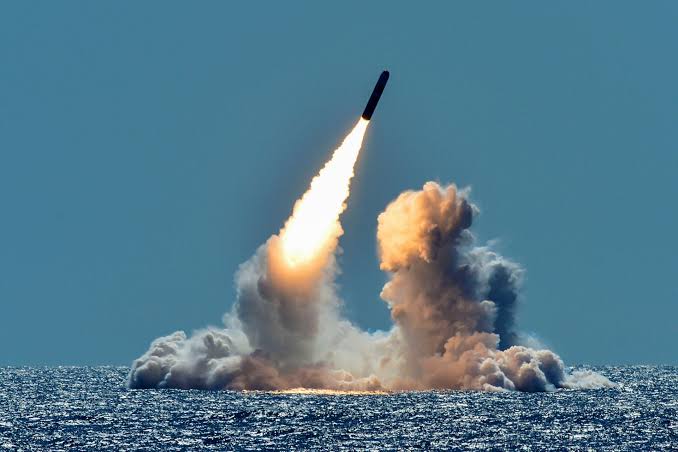
The Neptune cruise missile, the Palianytsia unmanned aerial vehicle, and the FP-5 Flamingo cruise missile developed by Fire Point are among the systems Ukraine has produced using its own technological capabilities. Zelensky stated that the Flamingo system’s communications link remained operational until the final moments of the attack.
This development demonstrates that the course of the war is being shaped not only by military capabilities on the battlefield but also by defense industry production and technological independence. For Ukraine, which has encountered restrictions on the use and availability of certain foreign-supplied systems, domestic production is becoming increasingly important in terms of operational freedom of action.
Implications for the diplomatic balance of the war
The attack on the Crimean Bridge is also noteworthy because it took place while diplomatic contacts between Moscow and Washington regarding the future of the war were continuing. Ukraine is seeking to strengthen its position in any potential negotiations through the military results it achieves on the battlefield.
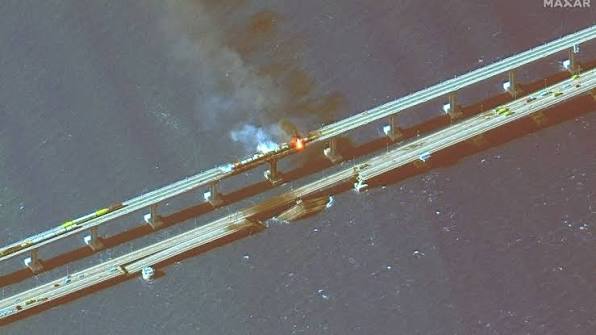
Damage to the bridge could increase the cost of maintaining Russian control over Crimea while intensifying questions about the sustainability of Moscow’s annexation policy. From Russia’s perspective, abandoning Crimea would be extremely difficult politically and strategically. However, the growing military and economic resources required to retain the peninsula are deepening the dilemma facing the Kremlin.
Ultimately, the attack on the Crimean Bridge represents a significant development demonstrating Ukraine’s ability to target Russia’s logistical infrastructure in occupied territories. It also shows that domestically developed defense industry systems can produce strategic consequences. One of the factors determining the future course of the war will be not only the ability of the opposing sides to capture territory but also their capacity to undermine the other side’s ability to maintain control over it.

