


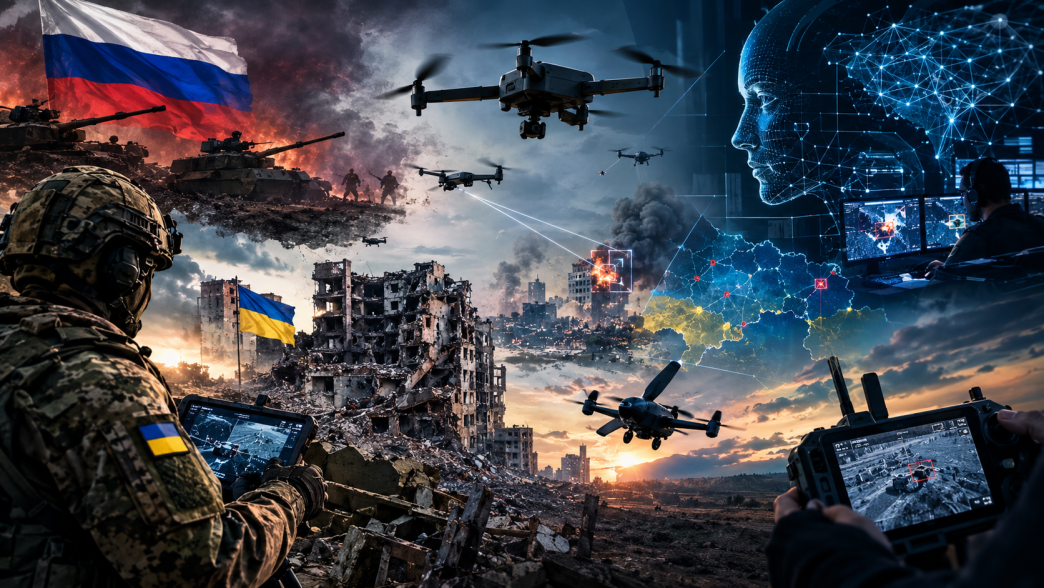
The Russia-Ukraine war and the US-Iran war once again demonstrate that modern warfare cannot be understood solely through military capacity and technological superiority.
The air power, precision-guided munitions, intelligence networks, satellite systems, and high-technology warfare capabilities possessed by major powers may not, by themselves, be decisive if the opposing side changes the way it conducts war. Indeed, as Robert M. Cassidy argued in his now-classic study, one of the fundamental weaknesses of major-power militaries is the difficulty of adapting an institutional culture shaped around large-scale and conventional warfare to lower-cost, dispersed, and asymmetric forms of conflict.
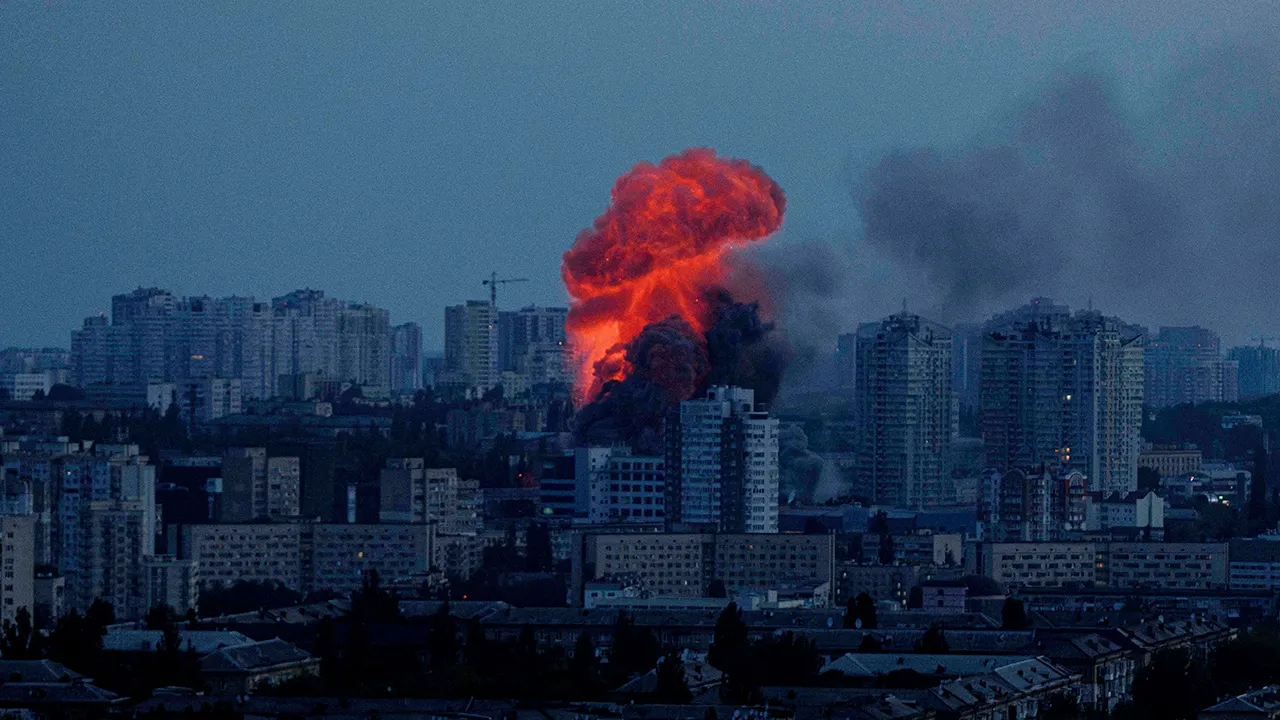
Today, the experience of war stretching from Ukraine to Iran shows that this assessment has acquired a new dimension. The main reason why small or medium-sized powers are no longer “easy prey” is not merely guerrilla warfare or geographic advantage.
Low-cost unmanned systems, artificial intelligence-supported targeting, electronic warfare, distributed command and control, long-range missiles, cyber capabilities, and rapid production capacity enable actors with more limited resources to disrupt the cost calculations of major powers.
The war paradox of great powers
Throughout history, major powers have naturally regarded the military superiority they possess as the fundamental factor determining the outcome of war. Large armies, concentrated firepower, air superiority, armored units, and technological capacity reinforced the idea that neutralizing the opponent’s central elements in a short period of time could bring the war to an end.
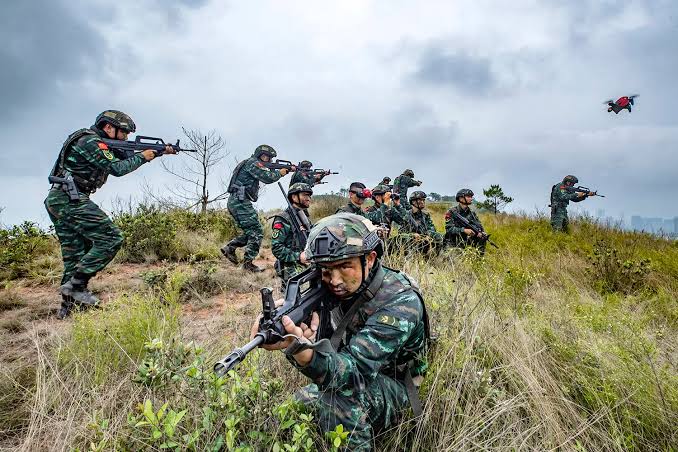
However, in asymmetric warfare, the issue often shifts from the question of “who has more firepower?” to “who can sustain the war in the way they want?”
The historical framework presented by Cassidy points precisely to this issue. Major powers often fail not because they lose the war, but because they are unable to translate their superiority into a strategic outcome. One of the main reasons for this is the tendency of large militaries to impose their own military paradigm rather than adapt to the form of warfare preferred by the opponent.
Although examples such as Vietnam, Afghanistan, Somalia, Indochina, and Chechnya had different circumstances, they contain important lessons regarding this common problem.
For this reason, the gap between military superiority and strategic superiority is growing. A country may possess overwhelming superiority in the air, at sea, or in conventional firepower. Yet if the opposing side disperses the war, spreads the costs, and prolongs the conflict over time, this superiority may not directly translate into a political outcome.
The limits of the precision-strike paradigm
Particularly within US military thinking, precision-guided munitions and long-range strike capabilities were regarded for many years as tools that could replace the large-scale use of ground forces. The assumption was that destroying command centers, air-defense systems, missile infrastructure, and other critical targets through precision strikes could rapidly cripple the opponent’s ability to wage war.
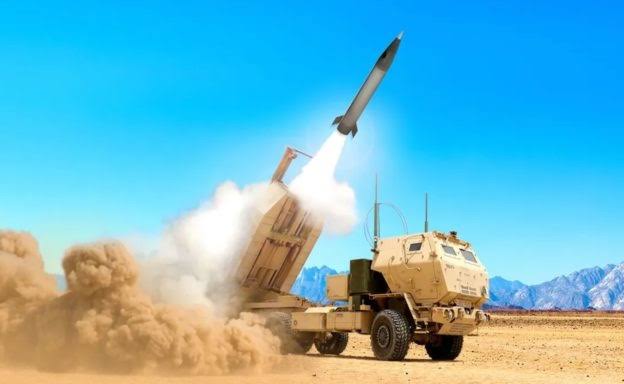
This approach, together with concepts such as “shock and awe,” “effects-based operations,” and rapid dominance, became one of the important elements of modern warfare thinking.
However, for this approach to work, the opponent’s center must actually be identifiable, reachable, and of such a nature that destroying it will cause the rest of the system to collapse as well.
The Iran case presents an important challenge to this assumption.
The distributed warfare model in the Iranian case
Confronting the technological and conventional superiority possessed by the United States and Israel through a direct contest of strength would not have been rational for Iran. Instead, Tehran’s approach to warfare is based on a model centered on dispersing its capabilities, protecting critical assets, fragmenting its command structure, and continuously keeping the opponent’s high-cost systems engaged.
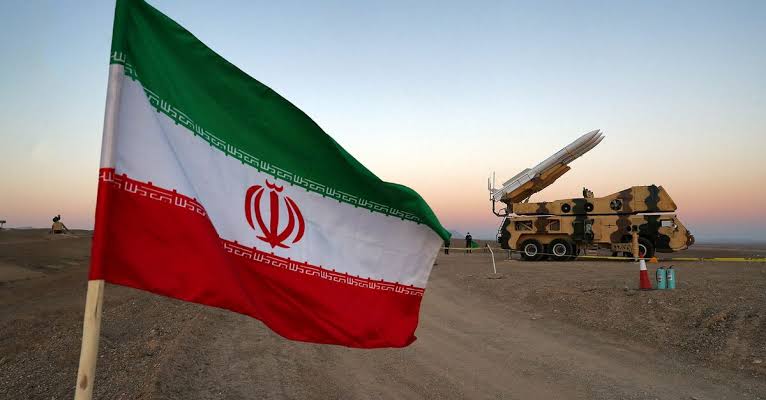
At the center of this approach is a departure from the idea of a “single center.” Distributing a country’s missile, unmanned aerial vehicle, command-and-control, and logistical capabilities across different regions can reduce the impact of the opponent’s intelligence and precision-strike capabilities.
Iran’s geographic depth, underground infrastructure, mountainous terrain, and dispersed command-and-control structure provide important advantages in this regard. Thus, even if the opponent’s superior air power can strike targets individually, it may struggle to eliminate the entire system at the same time.
This situation reveals the difference between “hitting a target” and “eliminating the ability to wage war” in modern warfare.
The Russia-Ukraine war adds a new layer
The Russia-Ukraine war has added a different dimension to this debate. Here, the issue is not merely the weaker side waging an asymmetric struggle against the stronger side; it is also the ability of relatively low-cost technologies to challenge the effectiveness of large and expensive military systems.
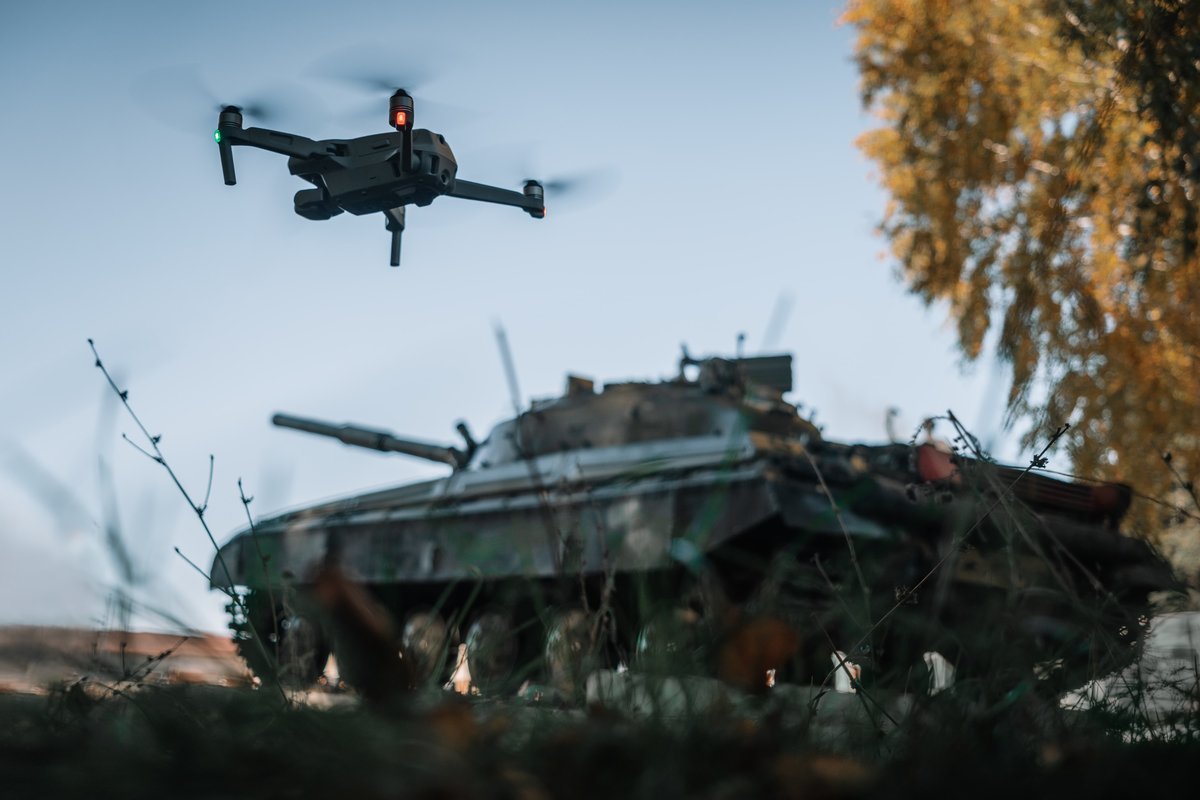
On the Ukrainian battlefield, unmanned aerial vehicles, electronic warfare, and artificial intelligence-supported systems are evolving extremely rapidly. As of 2026, the war has transformed into a broader technological competition extending from artificial intelligence in target identification to decision-support mechanisms, from unmanned aerial vehicles to unmanned ground vehicles.
What is more striking is the cost balance. Continuously threatening air-defense missiles, radars, armored vehicles, or logistical infrastructure worth millions of dollars with cheap or relatively low-cost unmanned systems is becoming a problem that tests not only the military capabilities of major powers, but also their ammunition stocks and the production speed of their defense industries.
The need for the United States to use large quantities of air-defense interceptors against Iranian attacks also constitutes a notable example of this new cost equation. Reports based on current US sources indicate that Iranian attacks have increased the use of high-cost interceptor systems such as Patriot and THAAD and that this has placed pressure on ammunition stocks.
Therefore, the wars of the future cannot be explained solely by the question of “who possesses the most advanced weapon?” The question of “who can produce faster, replenish at lower cost, and keep the opponent’s expensive defensive systems occupied for longer?” is becoming at least equally important.
Why are small powers not easy prey?
It would be misleading to evaluate the concept of “small power” solely in terms of military personnel or defense budgets.
A small state may possess a limited number of fighter aircraft, ships, or armored vehicles compared with a major adversary. However, its geography, the population’s will to fight, underground infrastructure, local production capacity, missile and UAV inventories, electronic warfare capabilities, and external supply networks can raise its overall warfighting capacity to a level far higher than it might initially appear.
Moreover, the meaning of war for a small power is not the same as its meaning for a major power.
For a major power, war often means achieving a specific and limited political objective. For a small power, the same conflict may become a matter of regime survival, state survival, or national existence. This can create a significant difference between the two sides in their tolerance for losses and time.
One of the important points in Cassidy’s analysis emerges here as well: even when the weaker side knows that it cannot achieve a direct military victory, it can move closer to its strategic objectives as long as it does not lose the war. A major power, meanwhile, may achieve numerous tactical successes, but if it cannot accomplish its political objective quickly, the cost of the war can steadily increase.
Therefore, the equation of “small army = easy defeat” is no longer valid.
Technological superiority is no longer enough
One of the most important paradoxes of modern warfare is that as technology becomes more widespread, technological superiority is becoming less absolute.
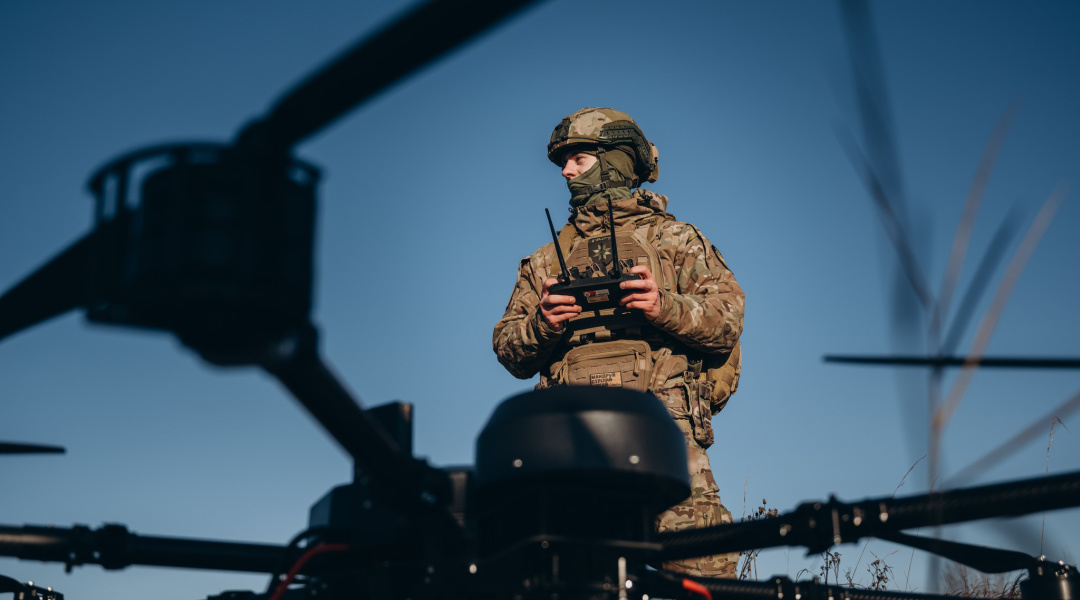
Satellite imagery, precision navigation, commercial electronics, unmanned systems, artificial intelligence software, and advanced communications technologies that were once accessible only to major states can now be used by a broader range of actors.
Therefore, although technological asymmetry has not completely disappeared, the technology-access gap is narrowing.
The rapid development of unmanned systems in Ukraine and Russia’s development of new-generation jet-powered unmanned aerial vehicles and different targeting technologies in response demonstrate how quickly technological competition on the battlefield can change. Likewise, Ukraine’s increasingly extensive use of unmanned ground vehicles shows that the relationship between human manpower and robotic systems is also changing.
The fundamental conclusion here is this: Technology is no longer merely an advantage of major powers; it is also becoming a scalable force multiplier for smaller actors that organize it effectively.
The economics of war is changing
Another dimension of the new military reality is the war of costs.
Major powers can develop extremely expensive aircraft, air-defense systems, ships, satellites, and precision munitions. However, if the opposing side simultaneously produces large numbers of cheaper systems and continuously threatens them, the economic mathematics of war changes.
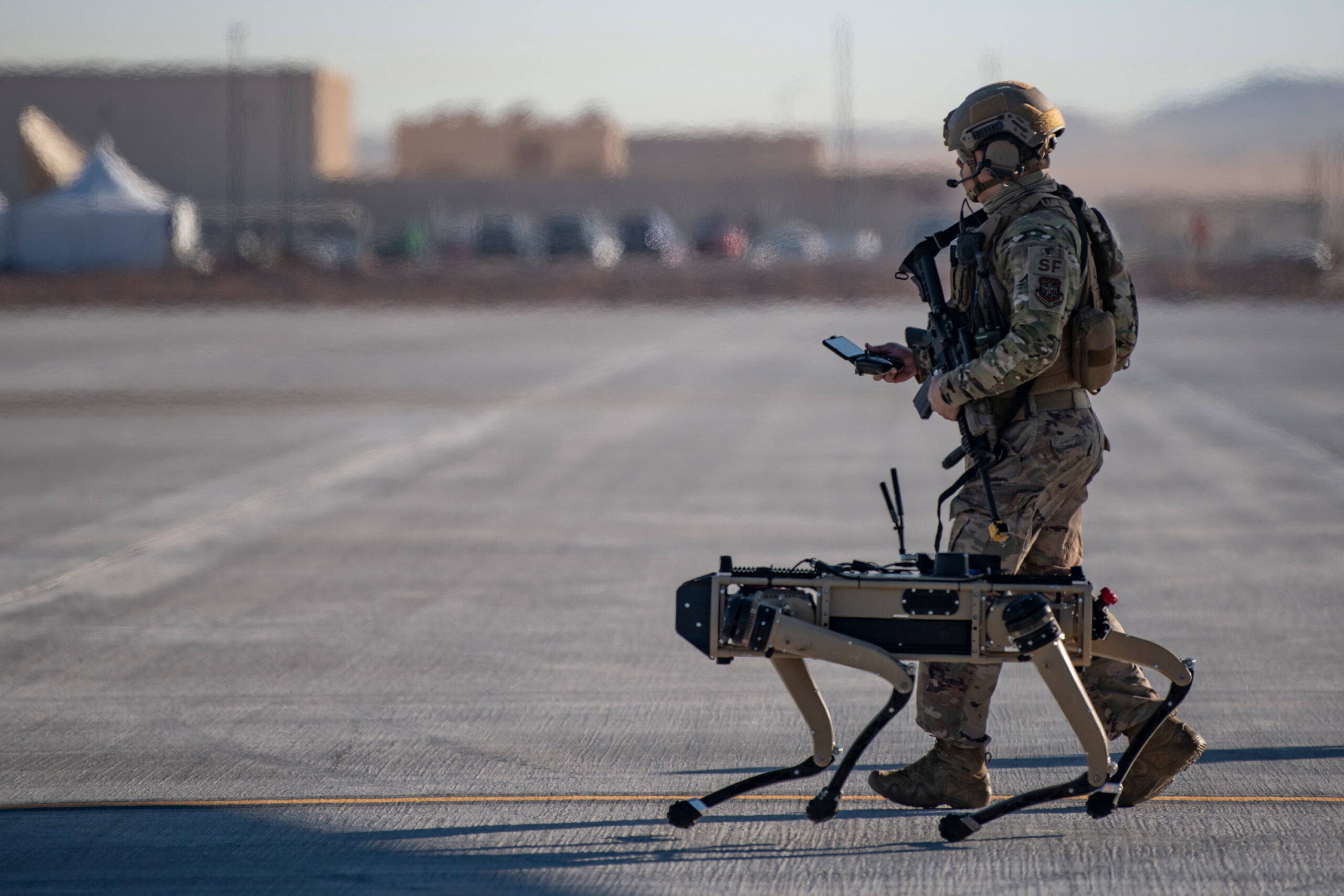
A missile striking a one-million-dollar target may be militarily successful. But if tens of millions of dollars’ worth of interceptor ammunition must be spent to protect that target, a question of long-term sustainability emerges.
For this reason, in the future of the defense industry, it will not only be the “most advanced system” that becomes decisive. The capacity for mass production, low cost, rapid replenishment, software updates, and the ability to develop new variants quickly based on data coming from the battlefield will also become decisive.
The war in Ukraine is an important laboratory in this regard. Current assessments indicate that the rapid development of inexpensive unmanned systems is putting pressure on NATO’s traditional and slower procurement cycles.
The new global military reality
The picture emerging from the Russia-Ukraine and US-Iran wars shows that the classical understanding that “a major power crushes a small power” needs to be seriously reconsidered. However, this does not mean that small powers can defeat major powers in a conventional sense either.
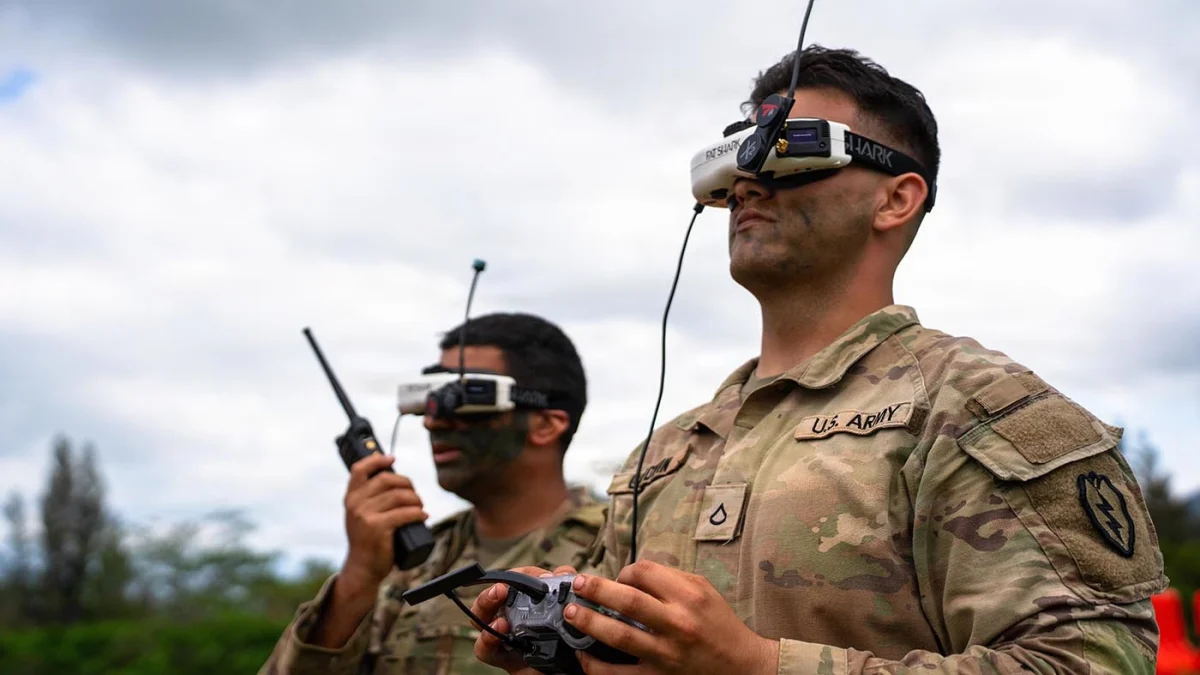
The real change lies in how the outcome of war is produced.
Major powers still possess overwhelming air power, naval power, intelligence capabilities, nuclear deterrence, and economic resources. However, smaller actors no longer have to confront this superiority directly. They can disperse the war, conceal their targets, use cheap systems to keep expensive platforms engaged, relocate critical infrastructure, decentralize their command structures, and prolong the conflict over time.
Thus, war can cease to be a “platform war” in which the major power holds the advantage and become a “systems war” in which the smaller power can gain greater advantages.
Conclusion
When the Russia-Ukraine war and the US-Iran war are assessed together, the most important lesson that emerges is that military size and the capacity to determine the outcome of war are not the same thing.
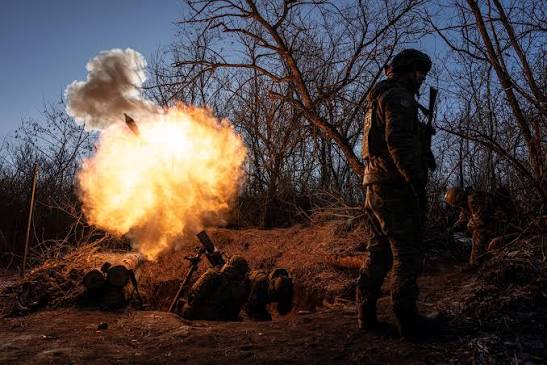
The advantages of major powers remain in firepower, technology, intelligence, and economic capacity. By contrast, the advantages of smaller actors can emerge through dispersion, adaptability, access to low-cost technologies, geographic depth, local knowledge, will to fight, and the capacity to prolong the conflict.
For this reason, in the new era, measuring a country’s military power solely by the number of fighter aircraft, tanks, ships, or missiles it possesses is becoming increasingly inadequate. The real question is how quickly this capacity can be replenished, how rapidly it can adapt to changes on the battlefield, and to what extent it can make the opponent’s superiority costly.
The paradox of modern warfare emerges precisely here: Major powers can bring greater resources and technology to war; however, when smaller powers can make the war longer, more dispersed, cheaper, and more unpredictable, the initial disparity in power does not automatically determine the outcome of the war.
Therefore, the new military reality visible on the Russia-Ukraine and US-Iran fronts demonstrates that in future wars, adaptability, production capacity, asymmetric strategy, and resilience will be at least as important as conventional firepower.
