


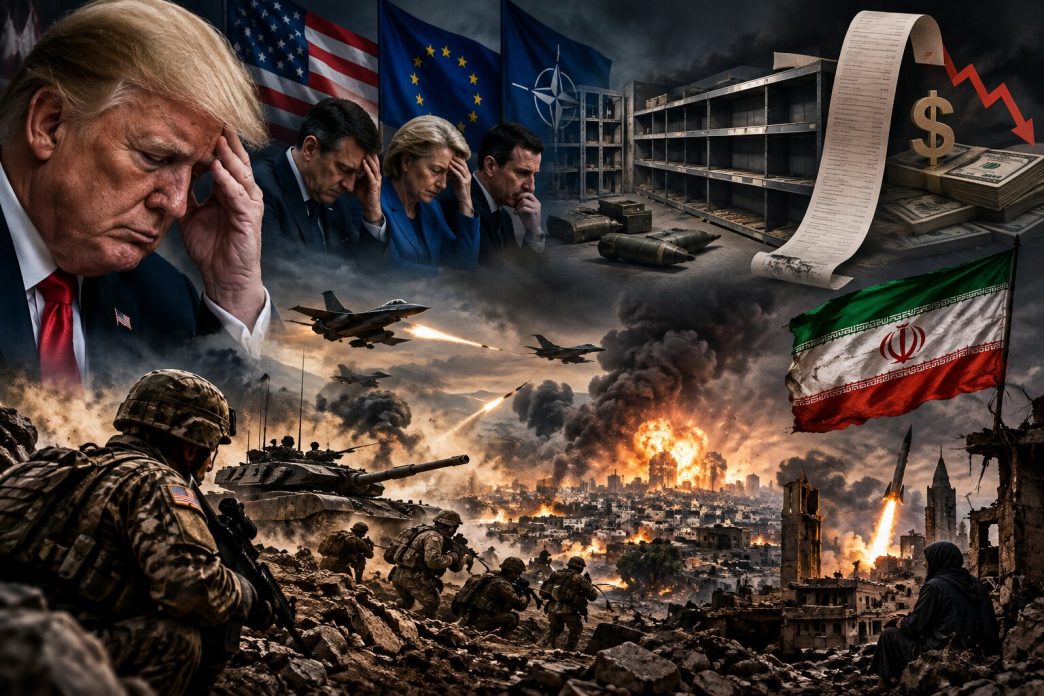
The war between the United States and Iran has entered a new and increasingly costly phase. Seven months into the conflict, Washington is confronting a problem that goes well beyond the immediate financial burden of military operations: the war is consuming precision munitions, exposing weaknesses in the U.S. defense-industrial base, damaging American facilities across the Middle East and creating an energy shock that is increasingly affecting the U.S. economy.
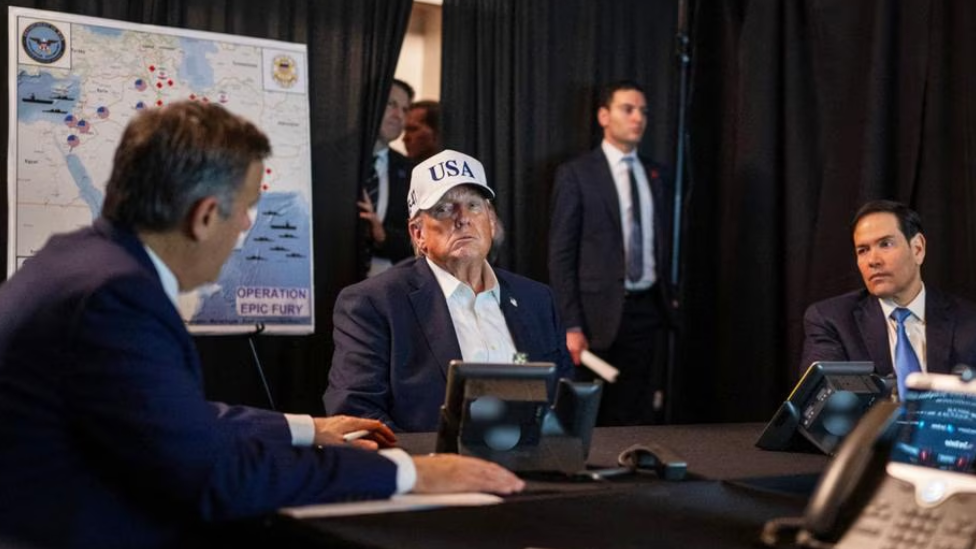
The Pentagon Inspector General’s first independent assessment of the conflict found that the United States had spent approximately $33.4 billion through June 30 on Operation Epic Fury. Of that amount, $22.3 billion was associated with replenishing munitions, $3.7 billion with equipment losses and $7.4 billion with additional operational costs.
But that figure is already outdated.
According to the latest assessment available on September 15, the cost of the war had risen to approximately $38 billion by August 1, with the Congressional Budget Office estimating that the conflict could add roughly another $3 billion per month if it continues at its current intensity.
The financial number is significant. But the more important question for Washington is what the United States is consuming to generate that bill.
The real problem is not the $38 billion
The central strategic issue exposed by the war is not simply how much money the United States is spending. It is how rapidly the U.S. military is consuming weapons that cannot be replaced at the same speed.
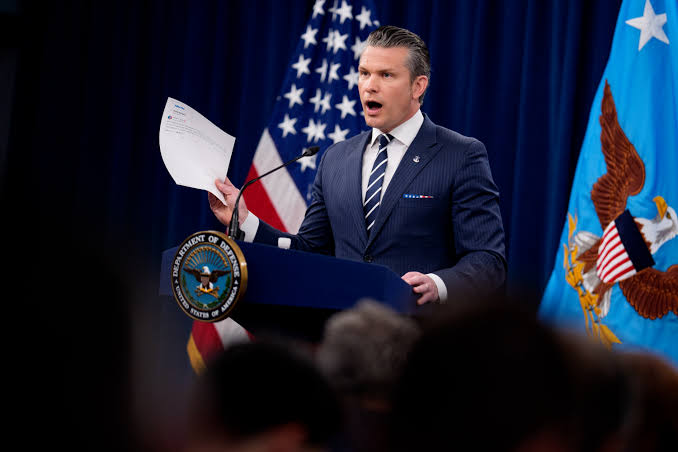
The Pentagon Inspector General identified persistent bottlenecks in the production of solid rocket motors, high-quality explosives and propellants, as well as shortages of skilled manufacturing labor. The report also noted that the Department of Defense has been reallocating funds to address emerging constraints and industrial bottlenecks.
This is a crucial finding.
The United States remains by far the world’s most capable military power in terms of airpower, naval power, intelligence, surveillance, space assets and long-range precision strike. But a prolonged high-intensity war is testing the ability of the American defense-industrial base to sustain those capabilities.
The problem is particularly important because Washington is not fighting Iran in a strategic vacuum.
The United States is simultaneously supporting Ukraine, preparing for a potential confrontation with China in the Indo-Pacific and maintaining deterrence against Russia. Every interceptor, cruise missile or precision-guided weapon consumed in the Middle East is therefore part of a much larger global inventory calculation.
The Iran war has consequently exposed a fundamental imbalance between the rate at which the United States can consume advanced weapons and the rate at which its industrial base can replace them.
That may prove more strategically significant than the headline cost of the war itself.
Iran has become a stress test for the American defense industry
The scale of American weapons expenditure illustrates the problem.
During the early months of the war, U.S. forces used hundreds of Tomahawk cruise missiles and large numbers of Patriot and THAAD interceptors to defend American and allied positions against Iranian ballistic missiles and drones.
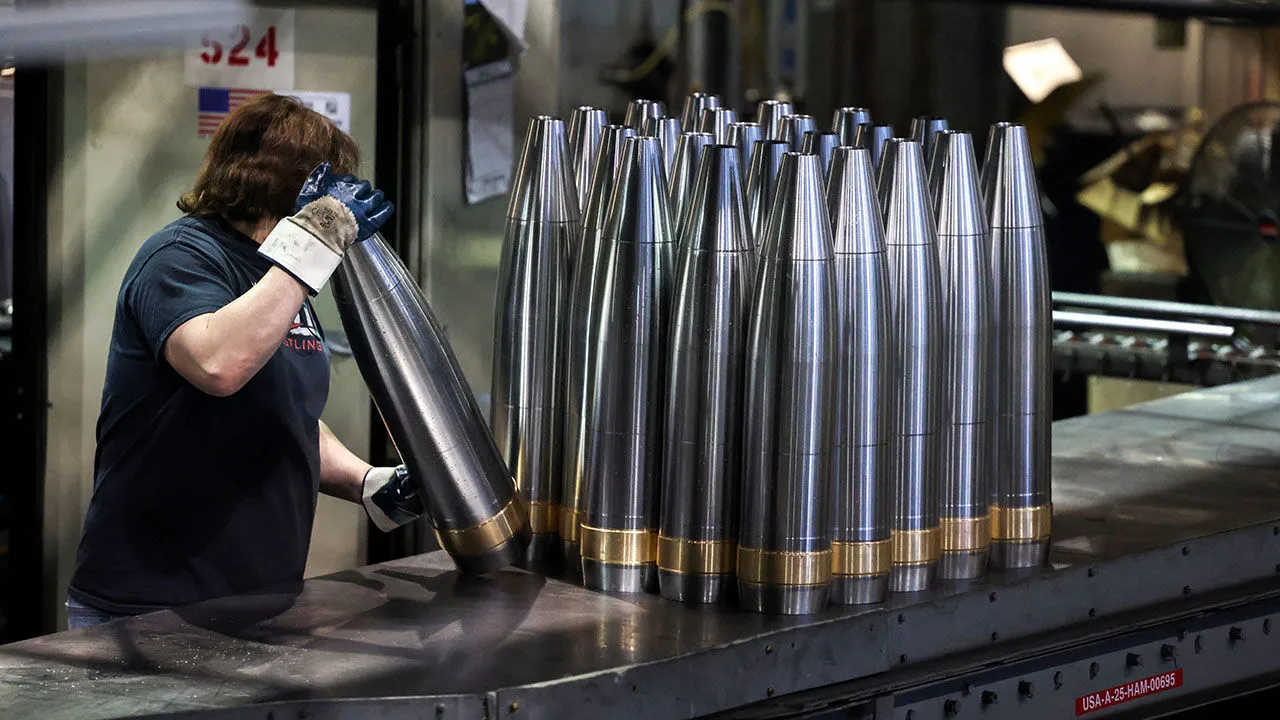
These systems are extraordinarily effective, but they are also expensive and relatively slow to replenish.
That creates a difficult economic equation.
Iran can launch relatively inexpensive drones and missiles in large numbers. The United States and its allies often have to respond with interceptors costing hundreds of thousands or millions of dollars.
The result is an unfavorable cost-exchange ratio.
This does not mean Iranian weapons are defeating American defenses. They are not. Rather, Iran has demonstrated that forcing an advanced military to intercept large numbers of comparatively inexpensive threats can itself become a strategic weapon.
This is a lesson that will not be lost on China, Russia or other potential U.S. adversaries.
The MQ-9 losses reveal another vulnerability
The war has also exposed the vulnerability of expensive unmanned platforms.
The Pentagon Inspector General’s assessment reported that as many as 30 MQ-9 Reaper drones had been destroyed by the end of June. Subsequent reporting has indicated that the number of Reaper losses may have risen significantly as the war continued.
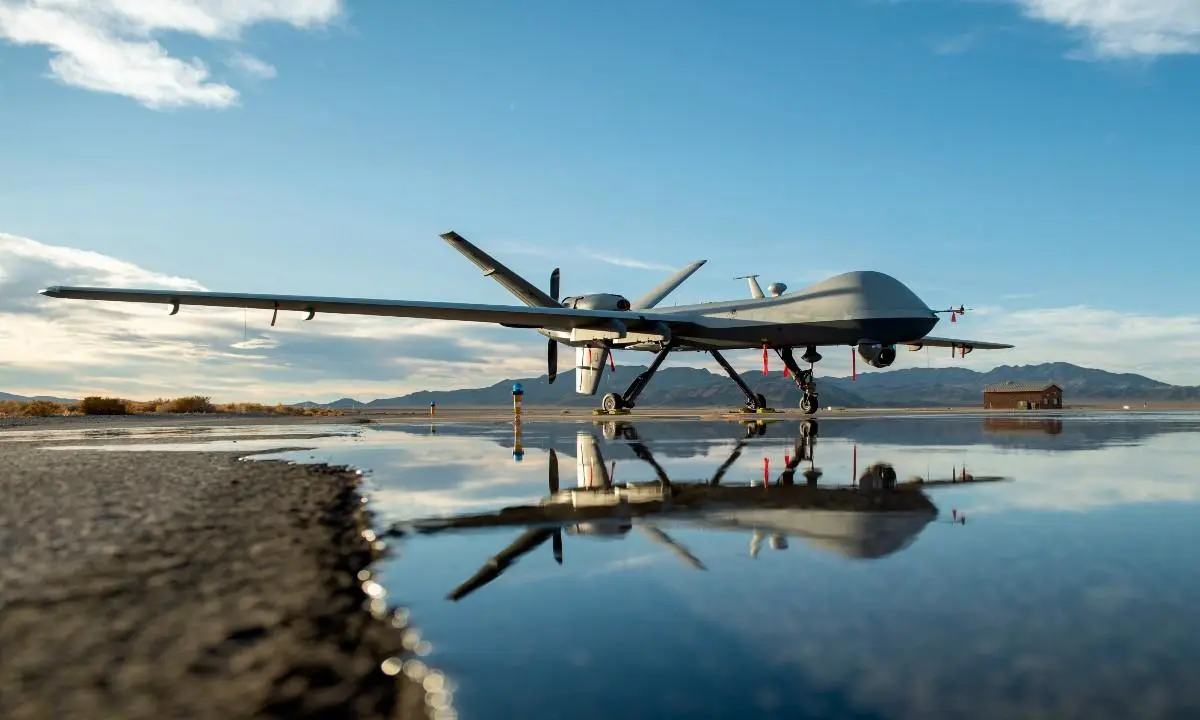
The significance of these losses goes beyond the replacement cost of individual aircraft.
The MQ-9 has long been one of the most important platforms in the U.S. inventory for persistent intelligence, surveillance, reconnaissance and precision strike missions. Losing large numbers of these aircraft demonstrates that an unmanned system designed primarily for permissive or moderately contested environments can face serious challenges when operating against a sophisticated missile and air-defense network.
The lesson for the U.S. Air Force is increasingly clear: future unmanned systems will have to be cheaper, more survivable, more autonomous and easier to replace.
The Iran war is therefore accelerating a broader transformation in American thinking about unmanned warfare.
The era in which the United States could rely primarily on a relatively small number of expensive and highly capable platforms is increasingly giving way to a model based on mass, attrition tolerance and distributed systems.
American bases are no longer uncontested rear areas
Another major consequence of the war has been the damage inflicted on U.S. military infrastructure across the Middle East.
The Pentagon Inspector General reported that Iranian attacks damaged or destroyed hundreds of buildings and structures at American installations in the region.
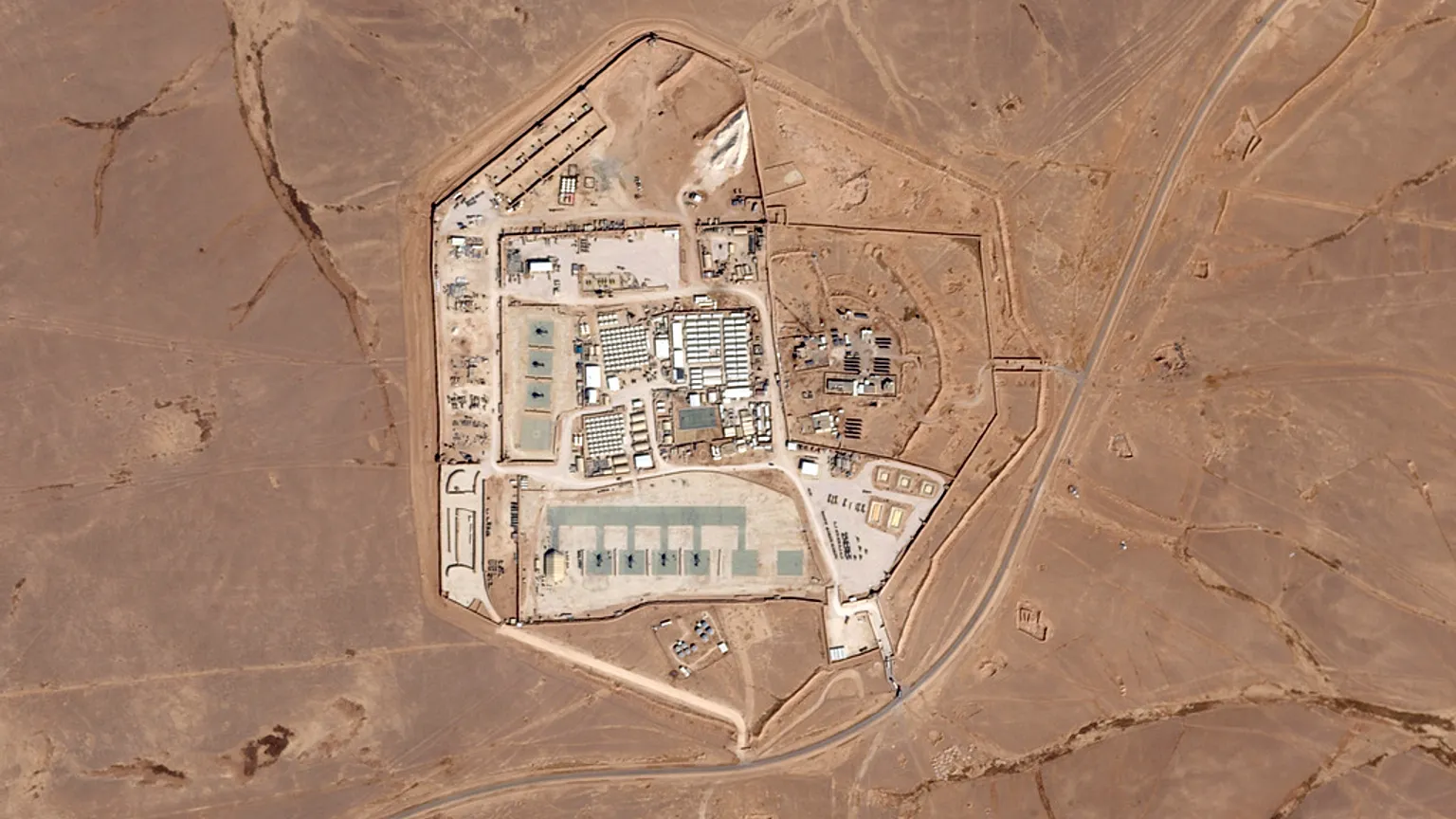
This is strategically important because the U.S. military’s Middle Eastern posture has traditionally depended on a network of forward bases that allow Washington to project power rapidly across the region.
Iran’s ability to repeatedly threaten those facilities changes the calculation.
When an airbase, logistics hub or ammunition facility is damaged, the cost is not limited to repairing buildings. Aircraft may have to be relocated. Supplies may have to travel longer distances. Maintenance cycles become more complicated. Fuel and ammunition have to be transported from more distant locations.
In other words, Iranian attacks can impose costs on the United States even when they fail to destroy major American combat formations.
The result is a gradual increase in the logistical price of maintaining U.S. military power in the Middle East.
Hormuz is turning the military bill into an economic bill
The most dangerous dimension of the conflict for Washington may ultimately be outside the Pentagon’s budget.
The war has transformed the Strait of Hormuz into a central economic pressure point.
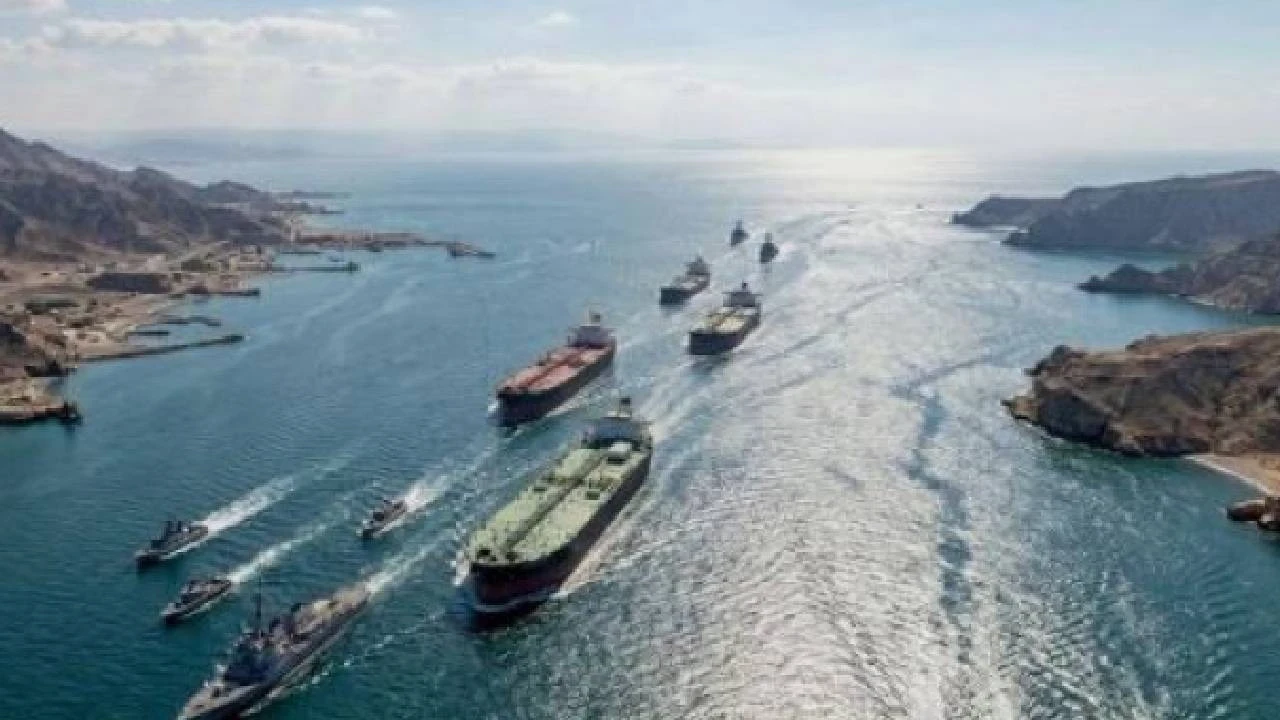
By September 15, Brent crude had moved back above $100 per barrel, reaching roughly $108 in some trading sessions as concerns over prolonged disruption intensified.
The significance for the United States is obvious.
Washington can absorb a $38 billion military bill. The broader economic consequences of a prolonged energy shock are far more difficult to contain.
Higher oil prices feed directly into gasoline prices, transportation costs, inflation and household expenses. They also complicate the Federal Reserve’s monetary policy and undermine the economic narrative on which an incumbent administration may rely during an election year.
The Congressional Budget Office has estimated that the energy shock generated by the conflict could add roughly 0.5 percentage points to U.S. inflation around early 2027 if elevated energy prices persist.
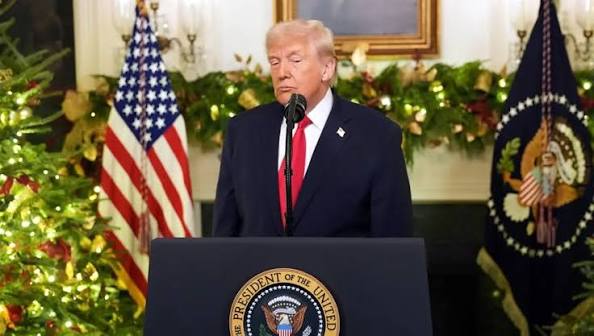
This creates a paradox for the Trump administration.
Washington wants to impose sufficient pressure on Iran to force Tehran into a settlement. But the longer the conflict continues, the greater the risk that the resulting energy shock damages the U.S. economy.
The war therefore creates a strategic dilemma:
The military pressure that Washington needs to maintain may be the same pressure that makes the economic consequences of the conflict increasingly painful.
The November elections are becoming part of the war equation
This is where the military and economic dimensions converge with domestic politics.
The November midterm elections are approaching, and the political environment is becoming increasingly difficult for the Trump administration.
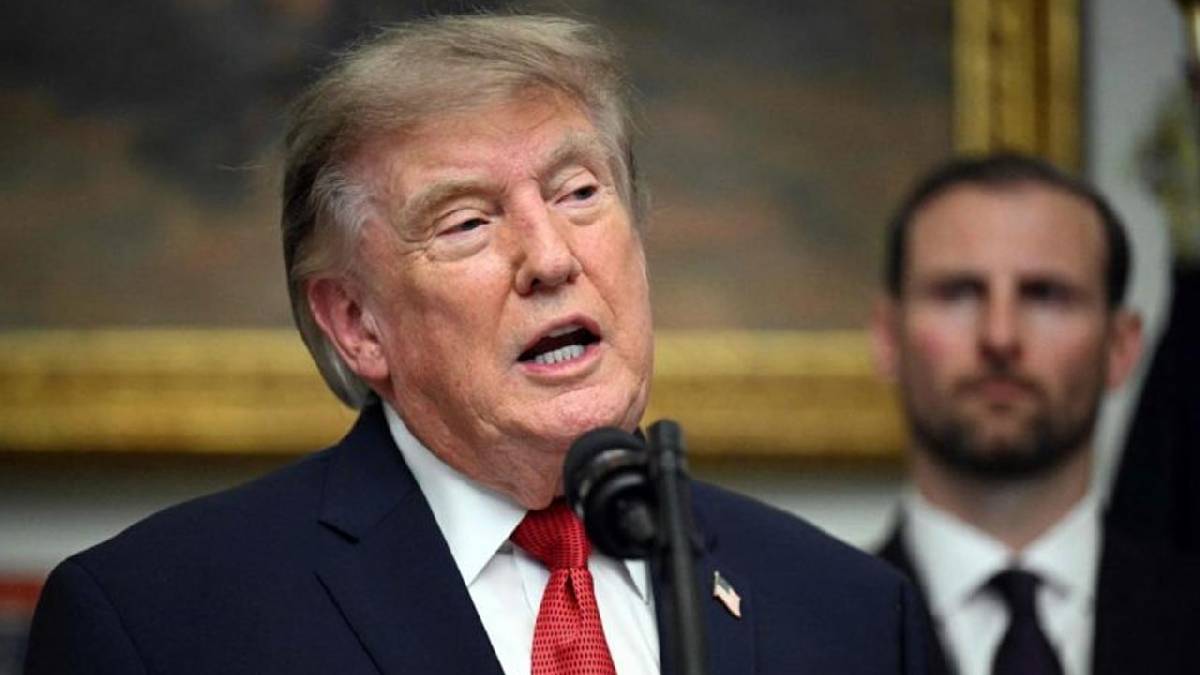
A Reuters/Ipsos poll released on September 14 put Trump’s overall approval rating at approximately 35 percent, while Democrats held an advantage over Republicans in the generic congressional preference.
The political significance of the Iran war is not simply that Americans may oppose another foreign conflict.
The more serious problem for Trump is that the war is increasingly connected to the issues that matter most to voters at home: gasoline prices, inflation, household costs and economic uncertainty.
That is particularly dangerous for an administration that has made economic performance a central component of its political argument.
The war therefore has the potential to create a political feedback loop.
Iran prolongs the conflict.
The conflict keeps oil prices elevated.
Higher oil prices increase inflationary pressure.
Higher inflation damages consumer confidence.
And declining economic confidence makes the war increasingly difficult to defend politically.
This is precisely the kind of dynamic that could become decisive among independent and swing voters.
The strategic question is now sustainability
None of this means that the United States has lost its military superiority.
Far from it.
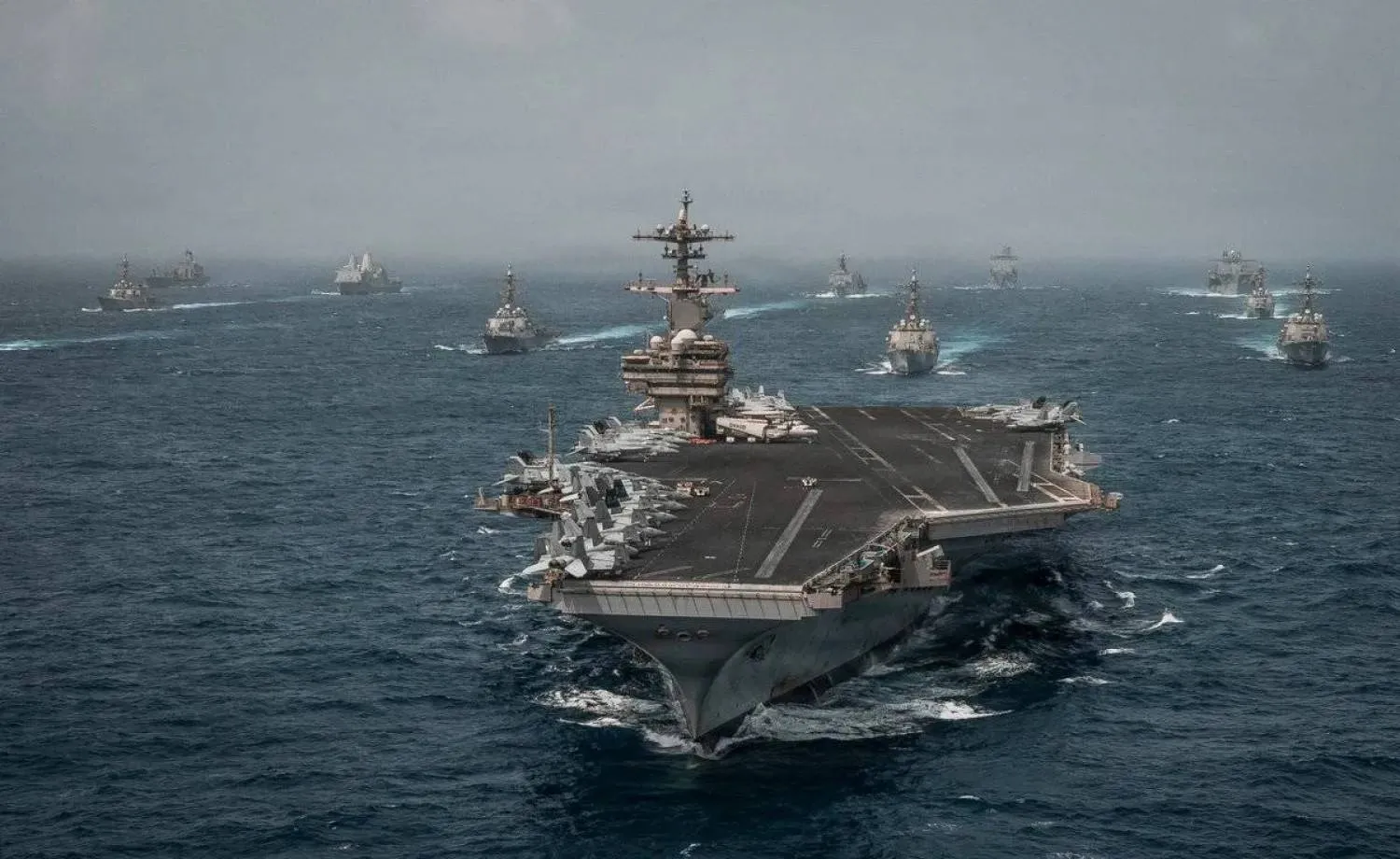
The U.S. remains capable of conducting operations on a scale that no other country can easily match. American airpower, intelligence capabilities, naval assets, space infrastructure and precision-strike systems continue to give Washington enormous advantages.
But the Iran war has demonstrated that military superiority and military sustainability are not the same thing.
The United States can destroy large numbers of Iranian targets. The harder question is whether it can continue doing so indefinitely while simultaneously maintaining adequate reserves for other theaters.
That distinction is critical.
A major conflict with China over Taiwan would likely require enormous quantities of long-range missiles, air-defense interceptors, anti-ship weapons, drones and other precision systems. A simultaneous confrontation with Russia would place additional pressure on the same industrial base.
The Iran war has therefore become an unexpected test of America’s ability to fight a prolonged, high-intensity conflict while preserving sufficient capacity for other strategic contingencies.
The bigger lesson for Washington
The most important conclusion from the first seven months of the war is not that the United States is running out of money.
The United States can spend tens of billions of dollars on a military campaign.
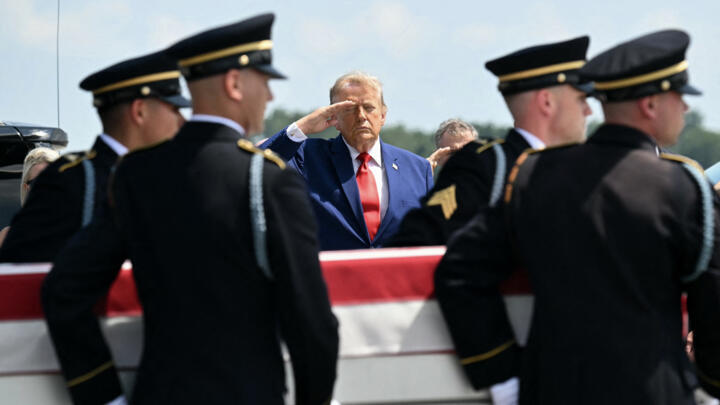
The deeper problem is that money cannot instantly create industrial capacity.
A factory cannot suddenly produce thousands of additional missiles simply because Congress appropriates more funds. Solid rocket motors require specialized production lines. Advanced explosives require specialized supply chains. Skilled workers cannot be created overnight. Complex missile systems require long production cycles.
This is why the Pentagon’s warning about industrial bottlenecks may ultimately prove more important than the $38 billion headline figure.
Iran has unintentionally exposed one of the most important vulnerabilities in American military power: the gap between America’s enormous technological advantage and the industrial capacity required to sustain that advantage in a prolonged war.
For the United States, the strategic lesson is therefore straightforward.
The next generation of American warfare will require not only better weapons, but more weapons, cheaper weapons, faster production and a defense-industrial base capable of replacing losses at wartime speed.
The Iran war is providing Washington with that lesson at an exceptionally high price.
And as of September 15, 2026, the most consequential question is no longer whether the United States can afford the war.
It is whether Washington can afford to keep consuming its strategic arsenal at the current rate while preparing for the wars that may come after Iran.
Source: Times of Defence
