


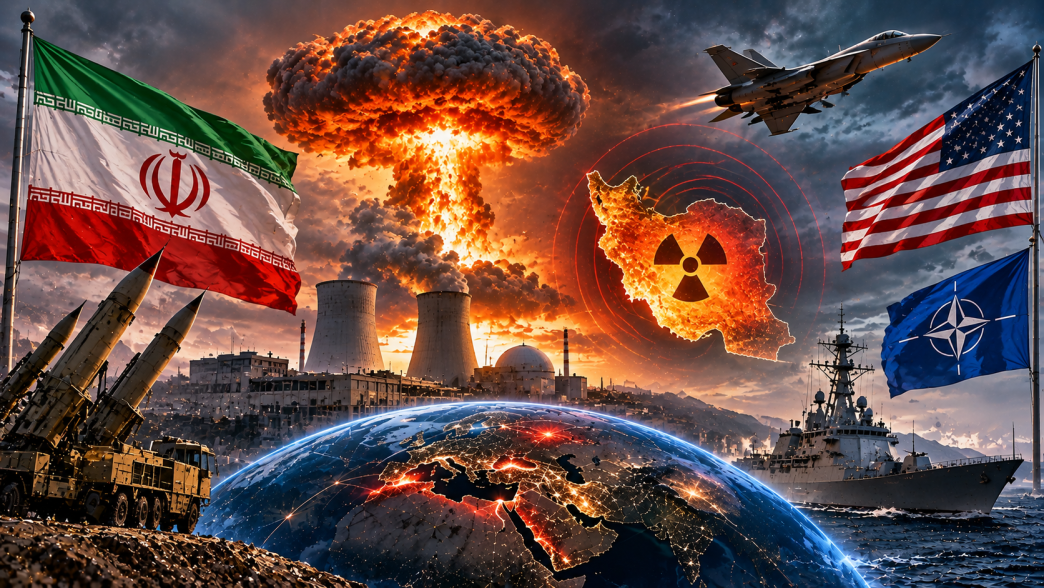
The war between Iran, the United States, and Israel has brought renewed scrutiny not only to the military balance in the Middle East but also to the concept of nuclear deterrence, one of the fundamental pillars of the global security architecture. Following the outbreak of hostilities, the announcement in June that Washington and Tehran had reached an agreement on a framework for seeking a resolution raised expectations that maritime traffic through the Strait of Hormuz would return to normal and that global energy markets would stabilize. However, despite diplomatic initiatives, the strategic consequences of the war extend far beyond a temporary ceasefire.
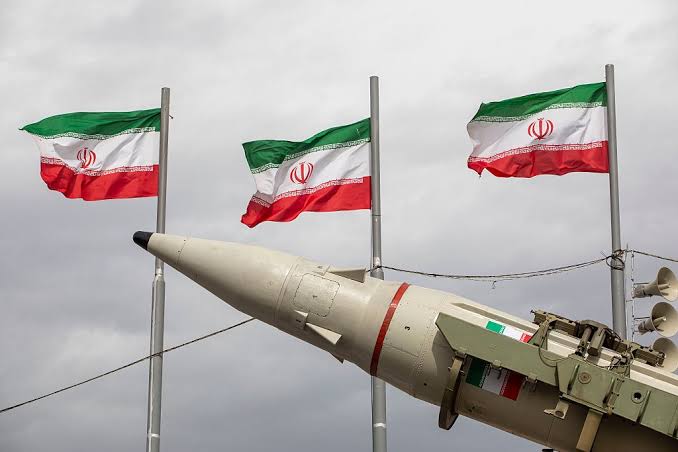
One of the most widely debated issues today is whether the war in Iran could develop into a direct nuclear confrontation. Under current circumstances, the possibility of a large-scale nuclear war involving the reciprocal use of strategic nuclear weapons by the United States, Israel, and Iran can be considered relatively low. Such a scenario would threaten not only the military capabilities of the parties involved but also the survival of every state in the region and the global economic system. The risk of uncontrollable escalation resulting from the use of nuclear weapons would impose an extremely heavy cost on all sides. 
Nevertheless, the relatively low probability of a strategic nuclear war does not mean that all scenarios involving the use of nuclear weapons can be dismissed. In particular, the possibility of tactical nuclear weapons being used against a limited military target represents a risk that deserves closer attention. Even if such use were assumed to remain geographically and militarily limited, crossing the nuclear threshold could fundamentally change the nature of the conflict. Therefore, the real danger lies less in the parties deliberately deciding to engage in an all-out nuclear war than in a conventional conflict spiraling out of control and bringing the possibility of limited nuclear use into consideration.
The credibility of the nuclear non-proliferation regime is being questioned
For decades, the international system’s efforts to prevent the proliferation of nuclear weapons have been based on the Treaty on the Non-Proliferation of Nuclear Weapons (NPT), inspections conducted by the International Atomic Energy Agency (IAEA), and various bilateral and multilateral agreements. The primary objective of this framework has been to keep existing nuclear risks under control without increasing the number of nuclear-armed states and to prevent new crises through diplomatic mechanisms.
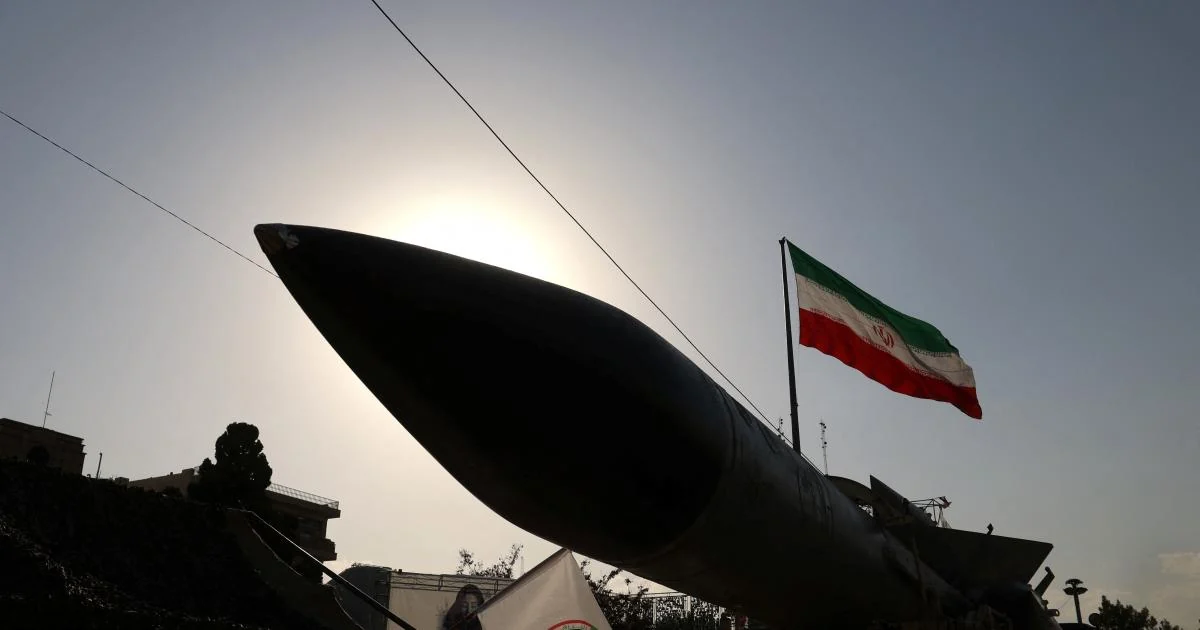
However, the war in Iran has once again exposed the fragility of this system. In particular, expectations that nuclear activities could be restricted through diplomatic negotiations have suffered serious damage. The growing perception that a state’s compliance with international agreements does not, by itself, eliminate the possibility of military intervention is also making efforts to prevent nuclear proliferation more difficult.
The Joint Comprehensive Plan of Action (JCPOA), signed between Iran and the P5+1 countries in 2015, demonstrated that a diplomatic solution based on monitoring nuclear activities, easing sanctions, and fulfilling mutual obligations was possible. However, the agreement’s gradual loss of effectiveness undermined trust between the parties. In particular, the United States’ withdrawal from the agreement and subsequent developments demonstrated how vulnerable international commitments can be to changes in government and geopolitical rivalries.
This situation has significant implications not only for Iran but also for other countries that may be expected to negotiate over their nuclear activities in the future. States may begin questioning whether diplomatic concessions can provide long-term security. Similarly, the perception that the possibility of military intervention remains even when international agreements are respected could encourage some countries to develop their own deterrent capabilities.
The fact that successive US administrations have maintained Washington’s position that Iran must not be allowed to acquire nuclear weapons demonstrates that this issue constitutes a bipartisan national security priority for the United States. However, replacing diplomatic solutions with military pressure could ultimately produce the opposite of the intended result by increasing, rather than reducing, the motivation to pursue nuclear weapons.
Nuclear proliferation pressures could increase in the Middle East
The war in Iran could lead countries across the Middle East to reassess their security policies. Regional states are concerned not only about Iran’s nuclear activities but also about the extent to which security guarantees provided by major powers can be considered reliable.
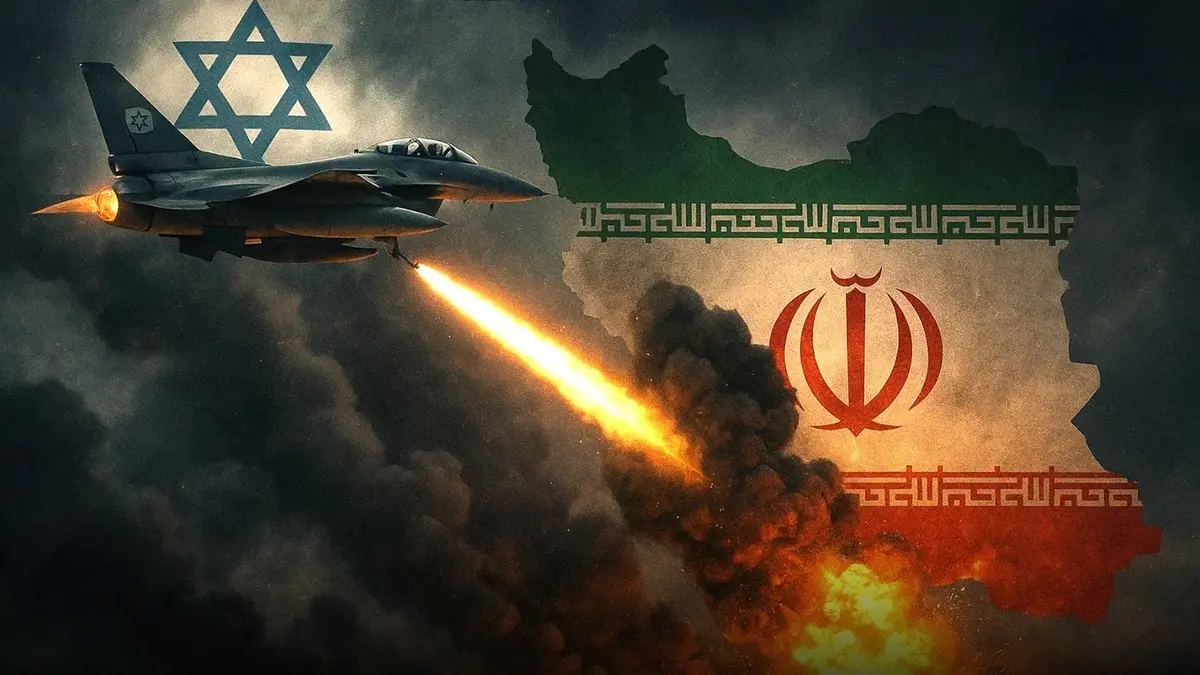
For regional actors such as Saudi Arabia, Türkiye, and Egypt, the emerging situation raises new questions about the future of the existing security architecture. In particular, the failure to prevent the war despite the US military presence and security commitments in the region highlights the limitations of dependence on external security guarantees.
Under these circumstances, some countries may choose to expand their nuclear technological capabilities rather than directly pursue the development of nuclear weapons. The development of civilian nuclear energy programs, uranium enrichment, and nuclear fuel-cycle technologies could be regarded as strategic options for shortening the time required to acquire nuclear weapons while formally remaining within the boundaries of international law. Known in the literature as nuclear latency, this approach can provide states with a certain degree of deterrence without officially possessing nuclear weapons.
On the other hand, strengthening defense cooperation with nuclear-armed countries could also emerge as an alternative security instrument. The mutual defense agreement between Saudi Arabia and Pakistan represents a notable example in this regard. Such arrangements can be interpreted as evidence that regional countries do not wish to base their security exclusively on American military protection.
The principal risk, however, is the emergence of an arms race in which countries feel compelled to respond to one another’s security policies. One state’s expansion of its nuclear technological capabilities could encourage others to take similar steps. Such a process could turn the Middle East into one of the world’s most sensitive arenas of nuclear competition.
For Türkiye, the fundamental priority is to prevent regional security from being drawn into a nuclear arms race, strengthen diplomatic mechanisms for resolving disputes, and establish a balanced security architecture that does not make any country’s security dependent on another state’s nuclear capabilities.
Great-power competition is deepening nuclear risks
The war in Iran has unfolded at a time of intensifying global power competition among the United States, China, and Russia. These three actors have different interests in the Middle East, distinct approaches to the Iranian question, and competing expectations regarding the future of the regional security order.
While the United States prioritizes limiting Iran’s nuclear capabilities and reducing its military influence in the region, China seeks to protect its energy security and economic relations across the Middle East. Russia, meanwhile, views developments that could restrict the West’s military and political room for maneuver in the region through the lens of its own strategic interests.
These differences make coordinated international efforts to prevent nuclear proliferation more difficult. Disagreements within the United Nations Security Council, in particular, create significant obstacles to the implementation of sanctions and the effectiveness of diplomatic pressure mechanisms.
The intensification of great-power competition is also transforming nuclear deterrence from a purely military security instrument into an element of the broader struggle for geopolitical influence. States may increasingly attach greater importance to their strategic partnerships with particular power centers than to compliance with international rules. This approach could undermine the principle of shared responsibility that underpins the existing nuclear non-proliferation regime.
Why should the use of tactical nuclear weapons not be ruled out?
When assessing nuclear risks in the Iran war, it is essential to understand the distinction between strategic and tactical nuclear weapons. Strategic nuclear weapons are systems designed to destroy an adversary’s military capabilities, cities, and critical infrastructure on a large scale. Tactical nuclear weapons, by contrast, generally have more limited ranges and different explosive-yield options and are designed for use against specific military targets.
This distinction does not mean that tactical nuclear weapons are easy to use or that their consequences would be limited. On the contrary, the perception that nuclear weapons with lower explosive yields are militarily usable could increase the risk of crossing the nuclear threshold. Decision-makers might assume that using such a weapon would not compel the opposing side to launch a broader nuclear retaliation. However, the extent to which this assumption would hold true during a crisis is highly uncertain.
One of the most significant scenarios that could bring the use of tactical nuclear weapons into consideration in the Iran war would involve one side attempting to neutralize a critical target that it has been unable to destroy through conventional military means. Military deadlocks involving deeply buried facilities, hardened military infrastructure, and strategically important targets could bring such an option into the debate.
Nevertheless, the United States and Israel would face serious political, military, and legal obstacles to using tactical nuclear weapons against Iran. The availability of conventional military options would make the potential military advantages of nuclear use highly questionable. Furthermore, the radiological consequences of a nuclear explosion on Iranian territory could affect not only Iran but also neighboring countries and the wider region.
The most significant problem, however, is the inability to predict how the opposing side would respond. An operation designed as a limited nuclear strike could develop into a much broader confrontation through reciprocal retaliation. Therefore, the use of tactical nuclear weapons cannot be regarded as a limited military option outside the scope of nuclear warfare. On the contrary, it represents one of the most dangerous thresholds that could open the way to a strategic nuclear war.
For this reason, although the possibility of a large-scale nuclear war in the Iran conflict remains low, it would be incorrect to completely dismiss the risk of tactical nuclear weapons being used. Factors such as military failure, regime security, and the potential loss of deterrence could make decision-making considerably more dangerous during a crisis.
The war is weakening nuclear monitoring mechanisms
One of the most serious problems created by armed conflicts in terms of nuclear security is the disruption of international monitoring mechanisms. The inspections carried out by the IAEA at nuclear facilities, regular information sharing, and technical monitoring activities are critically important for determining whether nuclear programs are being conducted for peaceful purposes.
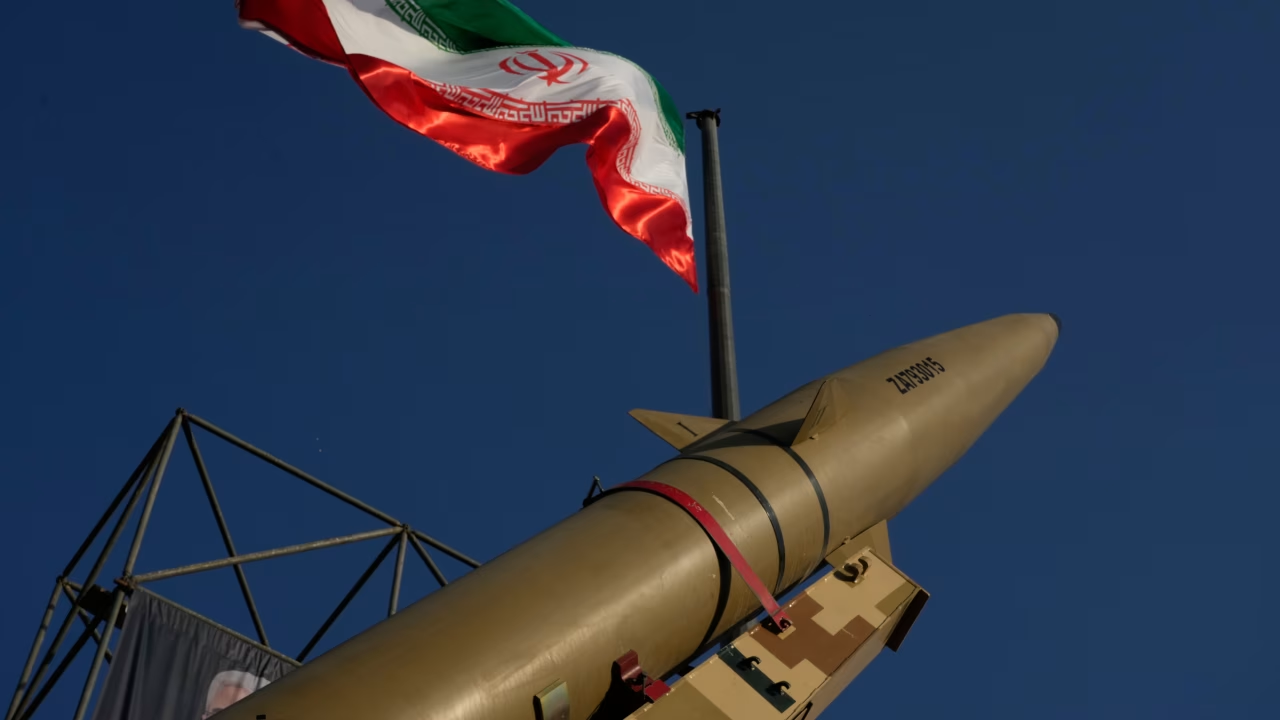
However, maintaining the effectiveness of these mechanisms under wartime conditions becomes extremely difficult. Restrictions on inspectors’ access to facilities, uncertainties in the assessment of satellite imagery and technical data, and difficulties in tracking the movement of nuclear materials could all undermine effective oversight. In areas experiencing intense military operations, obtaining reliable information about the status of nuclear facilities becomes increasingly complicated.
Furthermore, the security of nuclear materials becomes a separate concern when state authority weakens or critical infrastructure is damaged. The possibility that sensitive technologies and nuclear materials could fall outside government control, end up in the hands of illegal networks, or be used in activities beyond international oversight represents a security threat that could persist long after the war ends.
The enforcement of sanctions also becomes more difficult in a conflict environment. States may prioritize their military requirements over their international obligations. As a result, the institutional mechanisms established to prevent nuclear proliferation could fall behind developments on the ground.
Is a new post-war nuclear security architecture possible?
Despite all these risks, the war in Iran could also create an opportunity for the international community to establish a new arms-control and nuclear security framework. History shows that major crises have sometimes paved the way for significant arms-control initiatives. Measures to restrict nuclear testing following the Cuban Missile Crisis and the strategic arms limitation agreements signed between the United States and the Soviet Union throughout the Cold War are important examples.
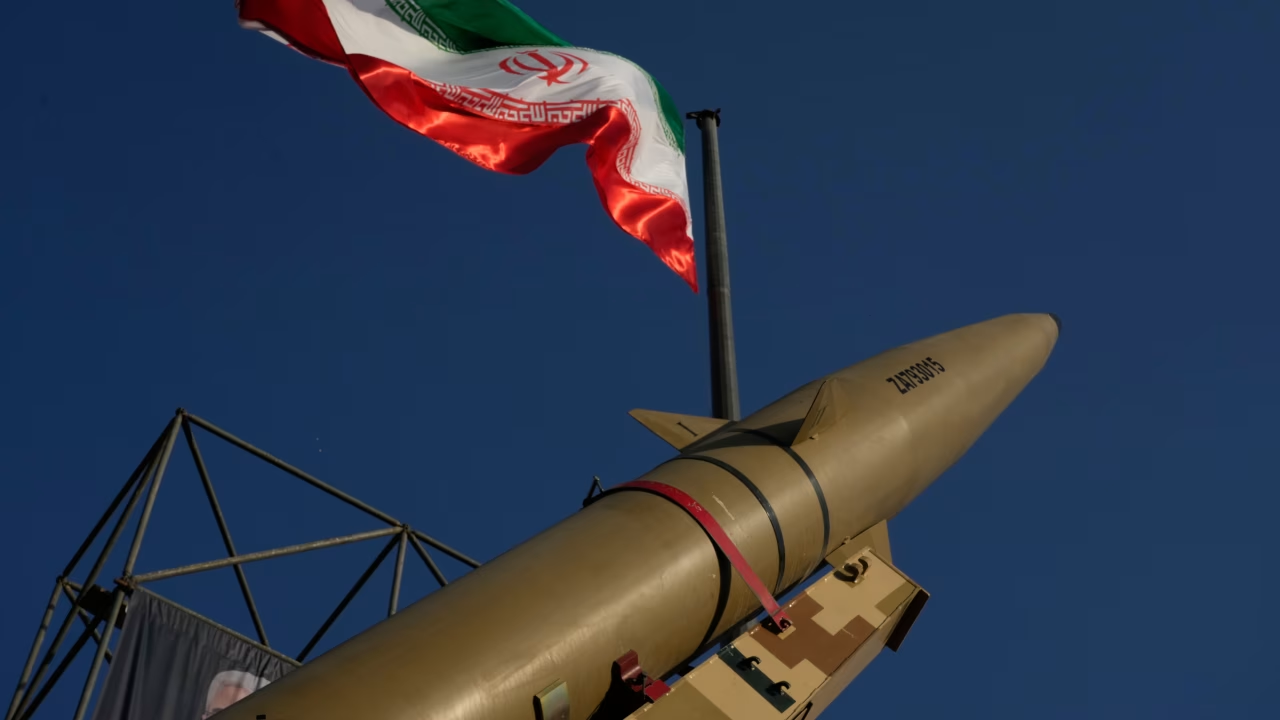
A similar approach could be developed for the Middle East following the war in Iran. Establishing a new mechanism that takes into account the security concerns of all regional states, is based on mutual verification, and aims to prevent the proliferation of nuclear weapons would represent an important step toward long-term stability.
The idea of transforming the Middle East into a nuclear-weapon-free zone could regain prominence within this framework. However, for such an initiative to succeed, it would be necessary to address not only Iran’s nuclear activities but also the nuclear capabilities and security policies of all regional states on an equal basis. As long as uncertainty surrounding Israel’s nuclear capabilities persists, establishing a lasting regional security order based solely on obligations imposed on Iran appears unlikely.
Technological developments could also contribute to this process. Artificial intelligence-supported monitoring systems, advanced satellite imaging technologies, remote sensing, and digital tracking mechanisms for nuclear materials could strengthen international verification capabilities. However, technological solutions can only be effective if they are supported by the political will of states and the independence of international institutions.
Conclusion: Nuclear war is unlikely, but crossing the nuclear threshold poses a greater risk
The war in Iran has once again demonstrated that nuclear weapons are central not only to deterrence relations among major powers but also to regional security policies. Under current military and political conditions, the likelihood of a large-scale strategic nuclear war between the United States, Israel, and Iran remains low. It is difficult to imagine that the parties would fail to recognize the devastating consequences of such a confrontation. However, this does not justify dismissing scenarios involving the limited use of nuclear weapons.
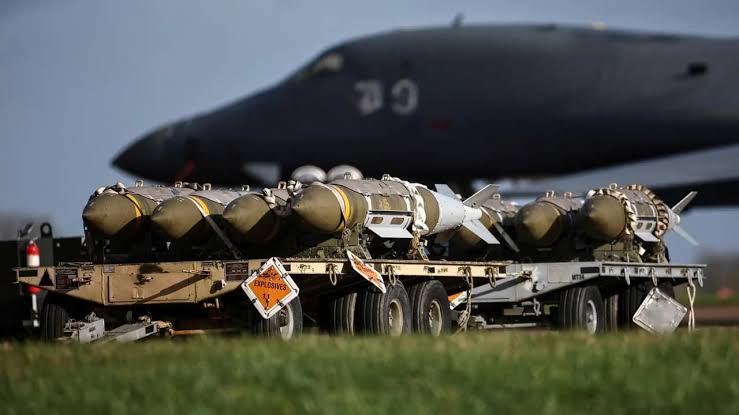
In particular, the possibility of tactical nuclear weapons being used against specific military targets should be regarded as one of the most dangerous scenarios associated with the current conflict. Once nuclear weapons are used, regardless of the scale of their deployment, it would mean crossing a nuclear taboo that has been maintained for decades. It would be extremely difficult to predict where the retaliatory cycle that followed might eventually stop.
Another long-term consequence of the war could be the emergence of a new nuclear proliferation trend in the Middle East. Declining confidence in security guarantees could encourage states to strengthen their own deterrent capabilities and establish alternative defense partnerships. This could fundamentally alter the security equation not only for Iran but for the entire region.
For Türkiye, the priority is to prevent the Middle East from becoming a region defined by nuclear competition and mutual threats. This requires a new understanding of cooperation based on mutual sovereignty and security principles while taking the concerns of regional countries into account. Türkiye’s diplomatic capabilities, NATO membership, regional relations, and developing defense industry offer significant opportunities to contribute to the establishment of such a security architecture.
Ultimately, the fundamental question raised by the war in Iran is not when a nuclear world war might begin, but to what extent the international system can preserve the political and legal boundaries designed to prevent the use of nuclear weapons. Although the likelihood of a strategic nuclear war remains low, the mere emergence of circumstances in which the use of tactical nuclear weapons becomes a possibility constitutes a serious warning for global security. A lasting solution depends not on the pursuit of military superiority, but on restoring diplomatic trust and ensuring that the international nuclear non-proliferation regime is applied consistently to all states.

