


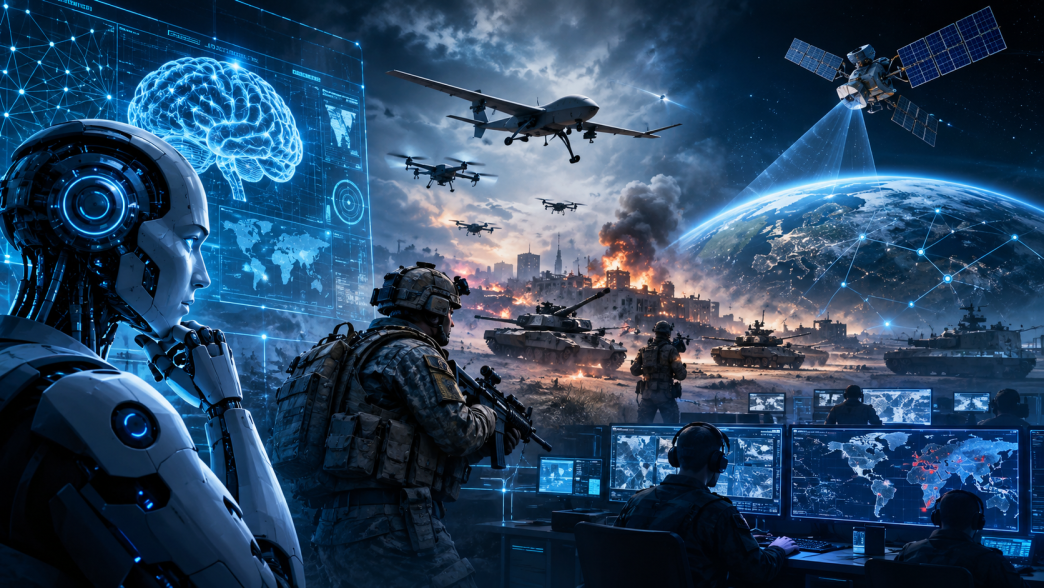
The war in Iran has once again brought the role of artificial intelligence in military operations to the forefront of international security debates. Although assessments surrounding Operation Epic Fury have described the conflict as the first AI war in history, its true nature cannot be explained solely through this characterization. Artificial intelligence has not yet evolved into an independent decision-making mechanism that eliminates the human element from the modern battlefield. The real transformation lies in the speed at which military decisions are made, how intelligence is processed, and how quickly targets can be identified.
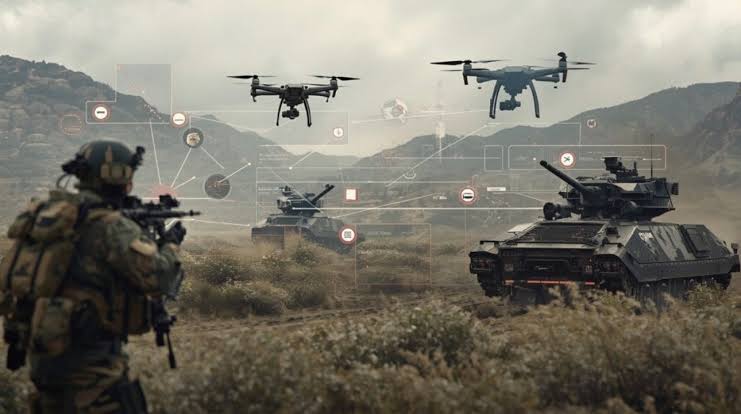
Today, the course of warfare is shaped not only by firepower, strike accuracy, and intelligence capabilities, but also by AI-powered analytical systems. Machine learning enables data analysis that previously required large teams of personnel working over extended periods to be completed within much shorter timeframes. This provides commanders with more options and more comprehensive operational assessments. However, accelerating the decision-making process does not mean transferring military responsibility to machines. On the contrary, a new era is emerging in which the human element carries increasingly complex and critical responsibilities. 
Human oversight in target selection
One of the most prominent claims in debates over AI-assisted target identification is that attack decisions are now being made by algorithms rather than human operators. However, the way existing military systems function demonstrates that this interpretation is considerably oversimplified. Artificial intelligence classifies intelligence gathered from different sources, prioritizes potential targets, and presents decision-makers with various options. Nevertheless, human oversight remains necessary before these recommendations can become operational decisions.
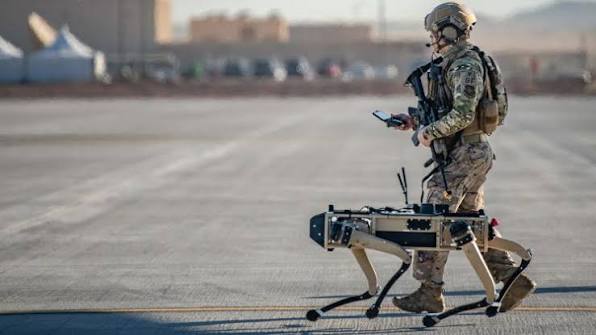
Target verification, intelligence assessment, reviews under international humanitarian law, and the authorization of final operational decisions constitute separate areas of responsibility. While intelligence analysts assess the reliability of available information, legal advisers examine the legal boundaries of an operation. At the final stage, military commanders evaluate the risks and potential consequences before making a decision.
The transformation taking place, therefore, is not the removal of humans from the decision-making process, but rather the execution of preliminary procedures at machine speed. This distinction is particularly important because technically identifying a target and determining whether an attack against it is legally, politically, and militarily justified are two entirely different matters.
Directive 3000.09, previously issued by the U.S. Department of Defense, now referred to as the Department of War, established certain oversight principles governing the development and use of autonomous weapon systems. Nevertheless, the current level of advancement in artificial intelligence technologies makes it necessary to reconsider regulations developed in an earlier technological environment.
The U.S. Army’s targeting doctrine, FM 3-60, also approaches target selection within the framework of command responsibility. Under this doctrine, commanders retain final authority over the approval of targeting activities and the determination of acceptable levels of risk. In other words, machines can assist in identifying targets, but they cannot assume command responsibility.
The military targeting process itself consists of several stages, including deciding, detecting, engaging, and assessing the results. While artificial intelligence accelerates this cycle, the responsibility for evaluating strategic priorities, political consequences, and moral considerations remains with human decision-makers.
A new era in intelligence and target identification
One of the most significant effects of artificial intelligence on the battlefield is its ability to integrate intelligence from different sources into a common analytical framework. Identity-based target identification and behavioral analysis are among the most important capabilities this technology brings to military operations.
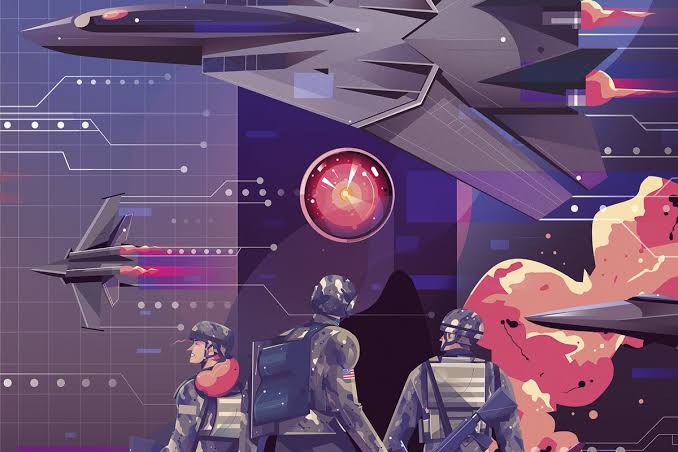
According to assessments available in open sources, the integration of advanced AI models such as Anthropic’s Claude with military decision-support platforms such as Palantir’s Maven Smart System is making it easier to transform enormous volumes of data into actionable intelligence. Satellite imagery, signals intelligence, reconnaissance and surveillance activities, and various forms of behavioral data can be analyzed within the same system. This makes it possible to establish connections between information previously examined independently and accelerate assessments concerning potential targets.
This transformation is changing not only the speed of military operations but also the way military personnel work. Tasks that once required large teams of analysts working for weeks can now be completed in significantly less time with fewer personnel. However, this increase in efficiency should not be interpreted as evidence that artificial intelligence can independently make decisions about warfare.
Indeed, Clausewitz’s fundamental understanding of the nature of war remains relevant today. Technology can transform the instruments, methods, and tempo of warfare. However, it cannot eliminate the political objectives, human will, and reciprocal struggle for power that fundamentally shape the character of war.
The shrinking targeting cycle
One of the most important developments on the modern battlefield is the gradual reduction in the time between obtaining intelligence and striking a target. In the past, one of the main reasons why mobile and high-value military targets could not be neutralized was the delay between intelligence assessment and the execution of an operation.
Iraq’s mobile Scud missile launchers during the 1991 Gulf War provided a notable example of this problem. Iraqi forces could relocate their launchers before U.S. forces completed target identification and launched an attack, allowing them to evade strikes. This demonstrated that firepower and weapon accuracy alone were insufficient. Obtaining accurate intelligence at the right moment was equally decisive.
A similar challenge continues to exist today, although it takes different forms. The fact that a munition strikes designated coordinates with high precision does not guarantee that those coordinates were based on an accurate intelligence assessment. In other words, the technical effectiveness of a weapon and the accurate identification of its target are two separate issues.
Operations targeting enemy military personnel, command centers, or critical infrastructure did not emerge with artificial intelligence. Such strategies have existed for decades. What has changed is the ability to conduct targeting activities using significantly larger volumes of data while reducing, to a certain extent, dependence on human intelligence sources.
During the early stages of the Information Age, military institutions struggled to make sense of enormous quantities of data. Today, artificial intelligence has become an important instrument for managing this information overload. Cyber intelligence, electronic surveillance, and the continuous collection of information about potential targets are now among the fundamental components of modern military operations.
Pattern-of-life targeting, which involves analyzing the daily movements, communication habits, and activities of individuals or military units, is another important aspect of this transformation. AI’s greatest advantage lies in its ability to combine information from multiple sources on a scale that would be difficult for human personnel to manage independently.
Nevertheless, despite all these technological capabilities, the fundamental question remains unchanged: Does identifying a target necessarily mean that it should be neutralized? This question cannot be answered through algorithms alone. Targeting decisions require the combined assessment of international law, ethical principles, political priorities, and military strategy.
The intelligence problem exposed by the Iran war
On the first day of the Iran war in 2026, a U.S. missile struck an elementary school in Minab, Hormozgan Province, killing civilians, including children. The incident became one of the most striking cases to raise questions about the limitations of AI-assisted military systems.
Initial assessments available in open sources suggested that outdated intelligence information may have contributed to the attack. Since the school was located near a facility belonging to Iran’s Islamic Revolutionary Guard Corps, it was considered possible that old targeting information had been used without being adequately updated.
The incident exposed one of the fundamental vulnerabilities of AI-assisted targeting systems: the output generated by a system cannot be considered independently of the accuracy of the data supplied to it. Even the most sophisticated algorithms can produce incorrect results when operating with outdated, incomplete, or inaccurate information.
There is insufficient evidence to conclude that artificial intelligence itself was directly responsible for the failure. Intelligence errors, shortcomings in operational assessments, and the uncertainty inherent in wartime conditions may also have contributed to the outcome. Nevertheless, the fact that the attack took place despite the presence of a school nearby raises serious questions about the quality of human oversight.
Tools such as Target Workbench within the Maven Smart System organize intelligence data, establish connections between different sources, and facilitate target assessments. However, the information provided by these systems does not automatically guarantee the accuracy of the final decision to strike. Target verification, the assessment of civilian casualty risks, legal review, and command authorization remain indispensable stages of the process.
The Minab strike should therefore not be viewed merely as a technological failure. It should also be regarded as an example that requires a broader reassessment of the relationship between intelligence quality, operational oversight, and military responsibility.
Conclusion: Human responsibility in the face of technological speed
As the role of artificial intelligence in military operations expands, it is becoming possible to access more information on the battlefield and evaluate it within increasingly shorter periods. However, algorithms do not produce certainty; they generate probabilities based on the available data. If that data is incomplete, inaccurate, manipulated, or outdated, the conclusions reached by the system will inevitably reflect those shortcomings.
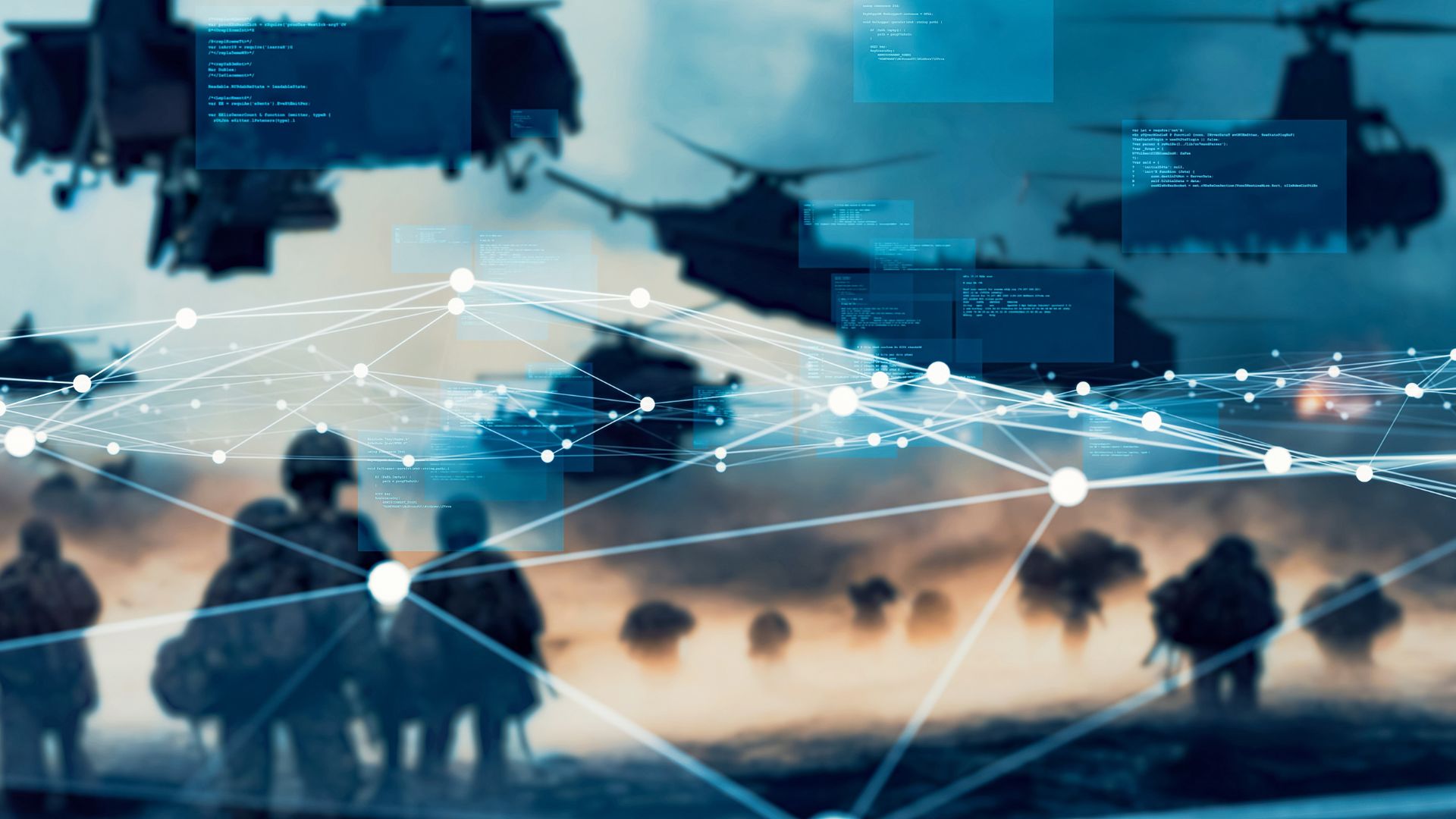
Moreover, the greatest danger in the future may not necessarily be the complete removal of humans from the decision-making process. A more significant risk is that human decision-makers, under time pressure, may begin accepting algorithmic recommendations without sufficiently questioning them. Numerical assessments and high probability scores generated by artificial intelligence can create a misleading sense of confidence. In such an environment, human operators may gradually move away from independent evaluation and become little more than approvers of system-generated recommendations.
For this reason, it is not enough for modern military doctrines merely to regulate the use of artificial intelligence. They must also clearly establish at which stages, with what authority, and to what extent human oversight must be exercised. The primacy of human judgment must be preserved, particularly in preventing civilian casualties, verifying targets, and ensuring legal accountability.
Today, while the speed of intelligence processing on the battlefield is increasingly determined by machine capabilities, responsibility for the resulting decisions still rests with human beings. Therefore, the defining characteristic of warfare in the age of artificial intelligence is not the disappearance of humans from the battlefield, but the growing responsibility they must assume within an increasingly fast and complex decision-making environment. Future military superiority will depend not merely on possessing the most advanced algorithms, but on the ability to integrate these technologies with accurate intelligence, effective command structures, and robust legal oversight.

