


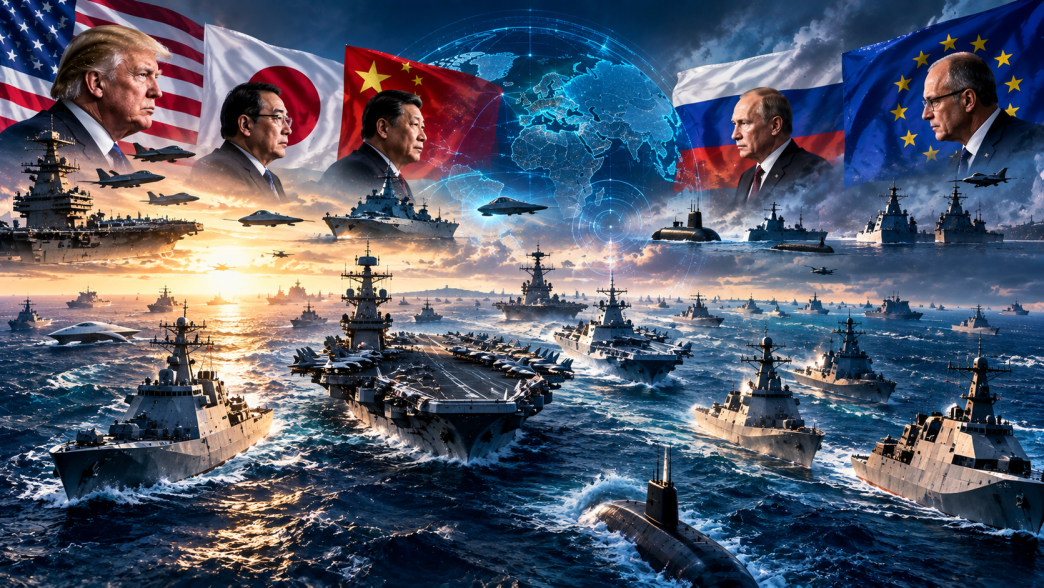
For many years, superiority at sea was synonymous with possessing large and advanced warships. States sought to strengthen their naval power by building larger battleships, bigger aircraft carriers, quieter submarines, and more capable destroyers. The fundamental objective of this approach was to achieve strategic superiority over an adversary by concentrating increasingly expensive and capable platforms within the same fleet.
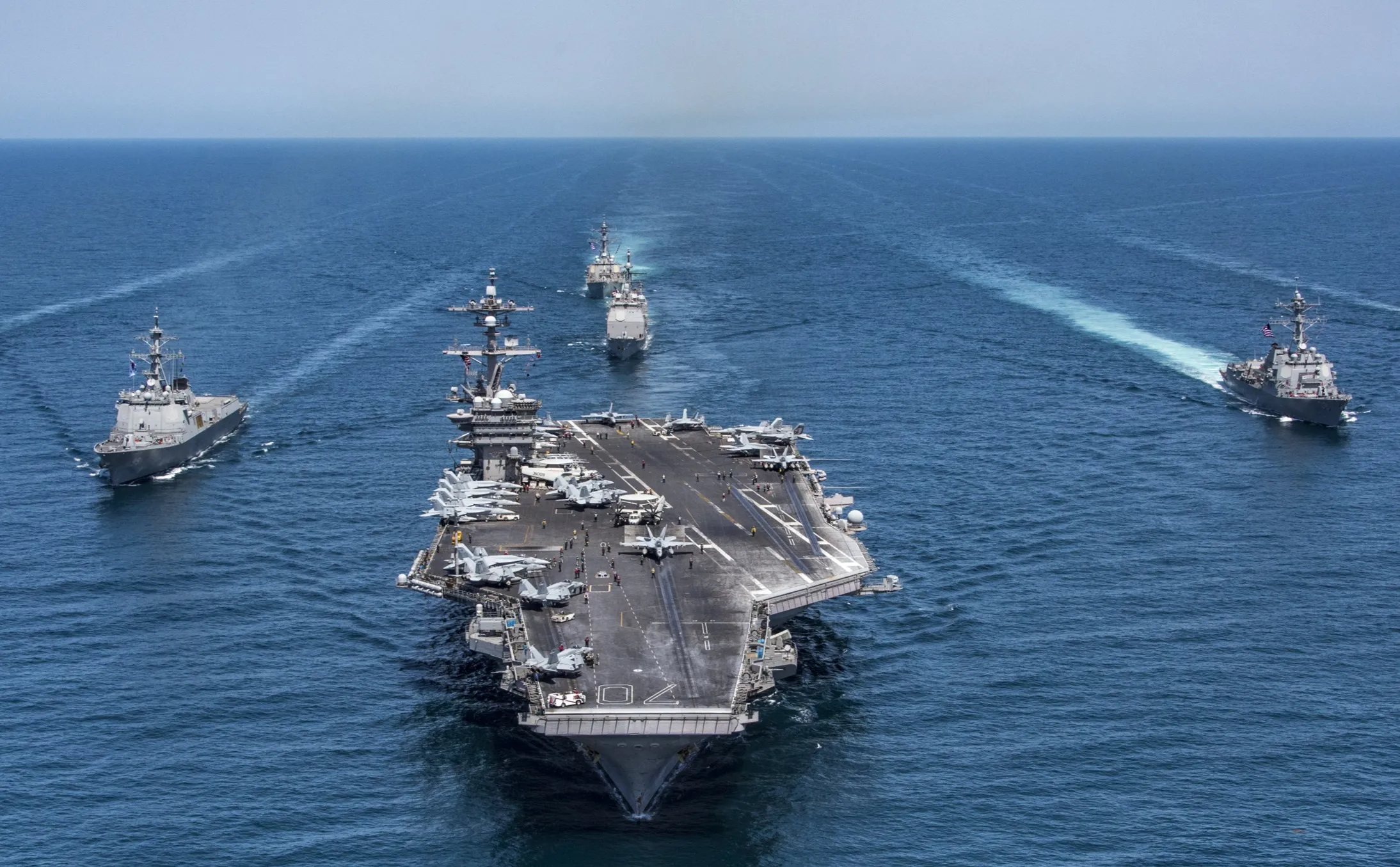
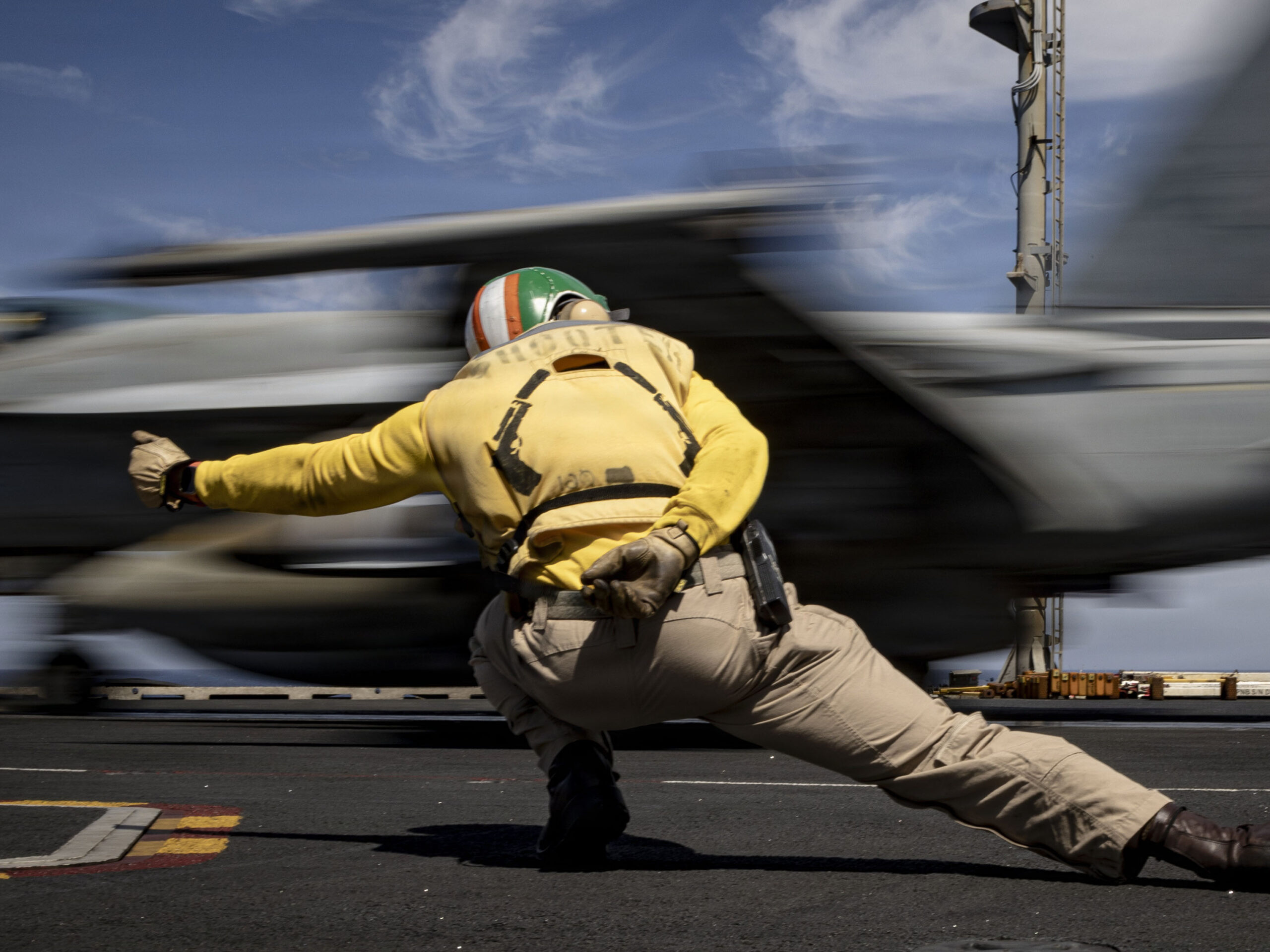
However, the current war with Iran is demonstrating how powerful this model can be while also exposing a significant dilemma. US Navy aircraft carriers still provide a unique capability to conduct sustained air operations without being completely dependent on land bases. Yet expecting these same ships to continuously carry out a wide range of maritime security missions increases the strain on the system.
The USS Abraham Lincoln’s continued operations for more than 250 days without making a port call became one of the most striking examples of this. While the ship and its air wing supported operations related to the war with Iran, the US Navy also had to carry out missions such as enforcing a naval blockade, protecting commercial vessels, monitoring Iranian activities, and maintaining control over one of the world’s most critical maritime passages.
The burden on high-cost platforms is increasing
Following prolonged deployments, personnel requirements, maintenance problems, and resupply difficulties became increasingly visible. The fact that the problems experienced by the Abraham Lincoln were brought before Congress demonstrated that the human and logistical dimensions of modern aircraft carriers must be considered alongside their military capabilities.
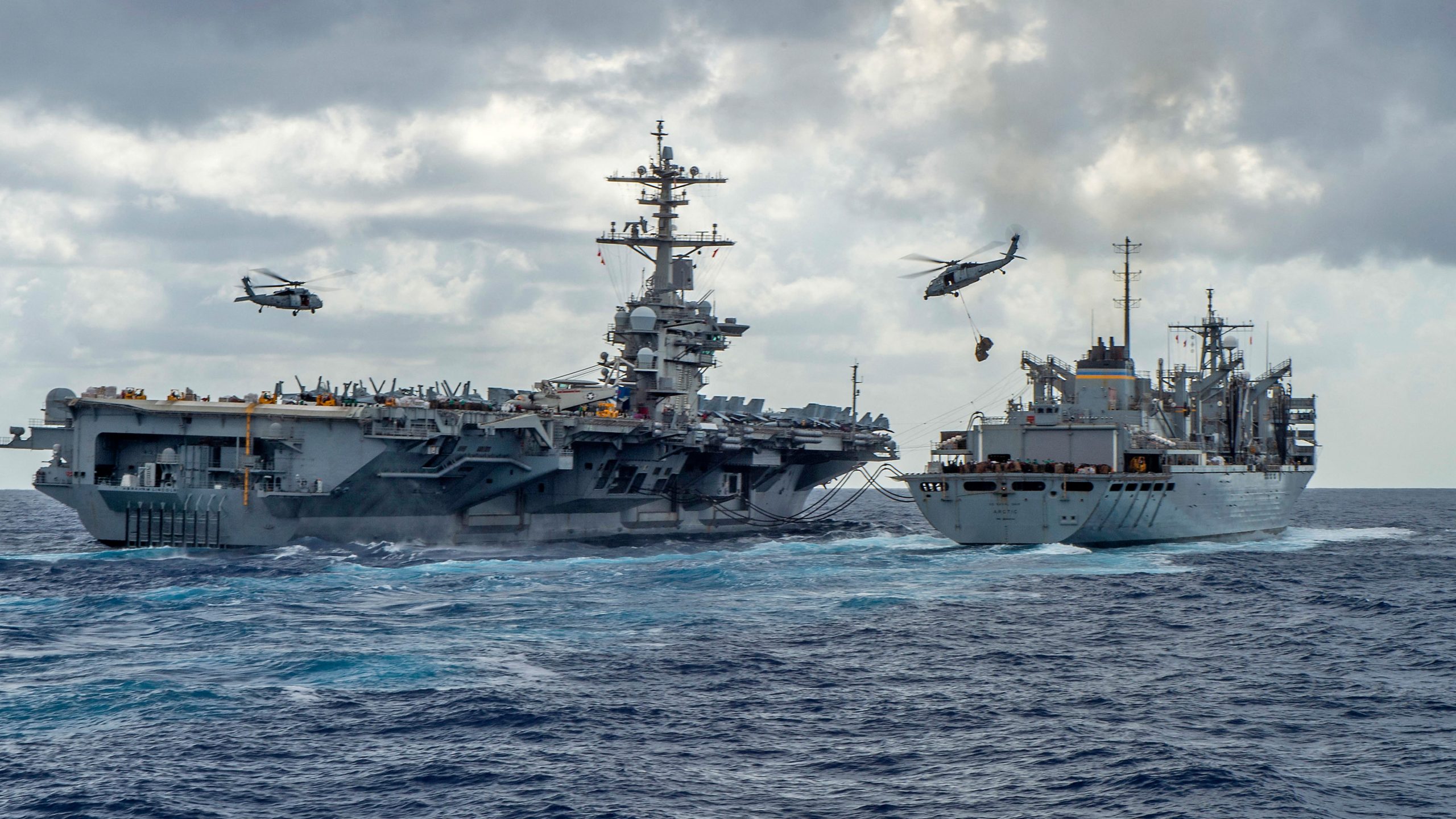
The US Navy’s decision to send the USS George Washington to replace the Lincoln also carried another strategic cost. As a result of this change, one of the aircraft carriers was temporarily pulled away from the Indo-Pacific region, which Washington considers one of its long-term strategic priorities.
The conclusion to be drawn from this is not that aircraft carriers have lost their importance. On the contrary, aircraft carriers remain among the most important naval platforms capable of generating sustained and high-intensity air power in overseas regions.
The problem is that these extraordinarily capable ships are also expected to perform a large number of routine or low-intensity maritime security missions.
Missions such as surveillance, vessel identification, protection of critical infrastructure, mine detection, intelligence gathering, and monitoring maritime traffic may not require a 100,000-ton nuclear-powered aircraft carrier and thousands of personnel.
New elements of naval warfare
It is precisely at this point that a new wave of technology is emerging in naval warfare. Autonomous surface vessels, unmanned underwater systems, semi-submersible vehicles, artificial intelligence, advanced sensors, and distributed communications networks are changing the traditional approach to how naval power can be employed.
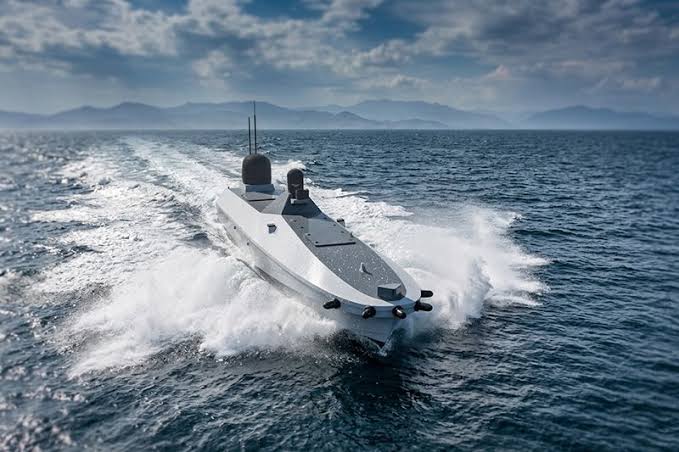
The basic idea is to distribute large numbers of smaller and lower-cost systems across a wide geographic area rather than placing every mission on a handful of extremely expensive platforms.
These systems can conduct continuous surveillance, monitor strategic chokepoints, identify suspicious vessels, inspect underwater infrastructure, detect mines, and gather intelligence. When the data they collect is integrated by AI-enabled systems, situations requiring intervention by crewed warships can be identified much more rapidly.
As a result, the navy’s high-value crewed assets can be allocated to missions where actual combat power is required, rather than spending hours conducting routine search and surveillance operations across vast maritime areas.
The security gap in coastal regions is growing
The US Navy’s Littoral Combat Ship program was also originally developed in response to a similar requirement. The goal was to develop ships capable of operating at high speed in coastal areas, being reconfigured for different missions, and offering modular capabilities.
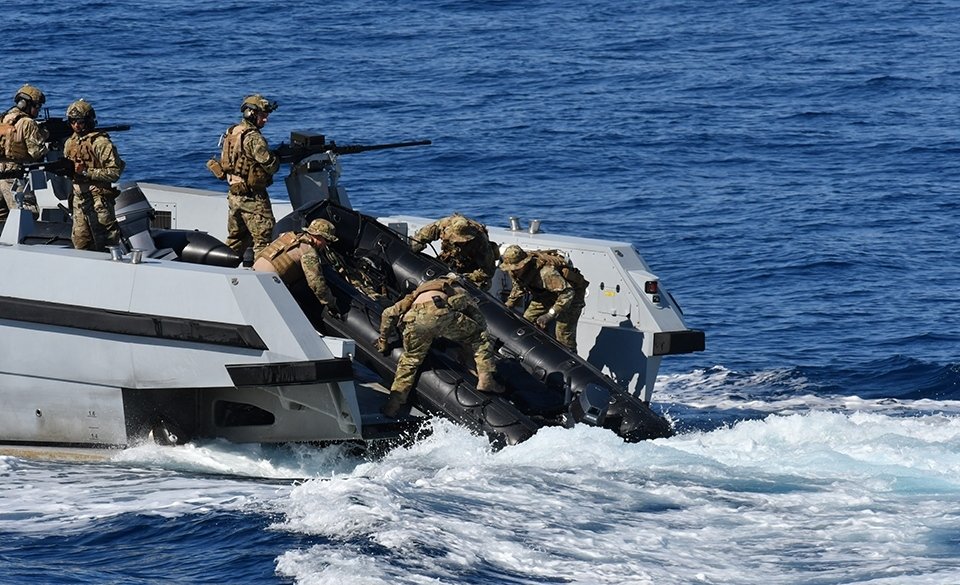
However, over time, the program encountered serious problems due to changing requirements, technical difficulties, rising costs, and debates over the ships’ resilience in combat environments. The retirement of some vessels much earlier than expected also exposed the limitations of this approach.
Nevertheless, the security problem that the LCS was designed to address has become even more important today.
Drug trafficking organizations are using low-profile boats and semi-submersible vessels in the Caribbean and Eastern Pacific that are difficult for radar systems to detect. Iran and affiliated actors can pose serious risks to commercial maritime traffic around critical chokepoints such as the Strait of Hormuz and Bab el-Mandeb.
The security of undersea cables and other underwater infrastructure in Europe is becoming increasingly important. Meanwhile, the growth of China’s military capabilities is turning the maritime areas around the South China Sea and Taiwan into an increasingly intense arena of competition.
The common feature of these different threats is the same: the need for continuous surveillance across large, crowded, and geographically complex maritime areas.
The distributed navy model
Under these conditions, the solution of the future may be to establish a distributed maritime security network rather than relying on crewed warships to perform every mission.
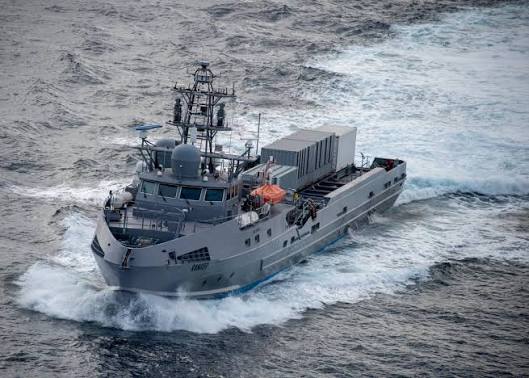
Advances in artificial intelligence, autonomous navigation, battery technologies, machine vision, sonar, and communications systems are enabling unmanned platforms to operate for longer periods and across wider areas.
An autonomous surface vessel can continuously monitor a particular maritime corridor, while underwater vehicles can track activity and infrastructure on the seabed. Unmanned aerial vehicles and satellites can create a broader surveillance layer. When information gathered from these different sources is integrated within a single command-and-control network, detecting abnormal activity at sea can become much easier.
The most important consequence of this approach is the emergence of a model based on “large numbers of interconnected systems” alongside the traditional concept of “a small number of highly capable platforms.”
The economics of naval power is changing
An aircraft carrier strike group can provide an extraordinary amount of firepower and air operations capability. But this requires platforms worth billions of dollars, extensive logistical chains, and thousands of highly trained personnel.
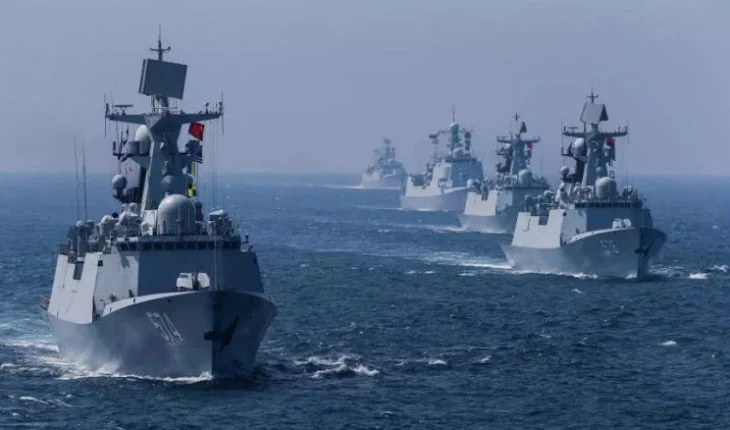
Autonomous systems do not necessarily have to replace this capability. The primary objective is to determine more effectively where expensive crewed platforms should be employed.
Using an aircraft carrier for strategic air operations cannot be evaluated according to the same resource-allocation logic as using it to monitor a smuggling route for hours. Similarly, keeping a destroyer or submarine engaged in routine surveillance missions for extended periods can result in inefficient use of its high-end combat capabilities.
Autonomous systems can help close this gap and ensure that crewed platforms remain available for more critical missions.
The center of competition in the defense industry is shifting
This transformation is also changing the character of competition within the naval defense industry. Traditionally, major shipyards and naval construction programs spanning many years have been at the center of naval projects.
Under the new model, however, artificial intelligence, sensors, autonomous systems, software, and open architectures are becoming at least as important as the ships themselves.
The ability to integrate technologies developed by smaller companies into existing platforms more rapidly is creating an alternative to procurement programs that can take decades. Modular systems also make it possible to incorporate new sensors, software, and autonomous vehicles into existing fleets in a shorter period of time.
Consequently, the naval power of the future will be shaped not only by the ships produced by shipyards, but also by the digital and autonomous ecosystem that connects these vessels.
How will the fleet of the future take shape?
The emerging picture does not indicate that the era of aircraft carriers or large warships is coming to an end. On the contrary, these platforms will retain their importance because of the firepower and resilience they provide in high-intensity conflicts.
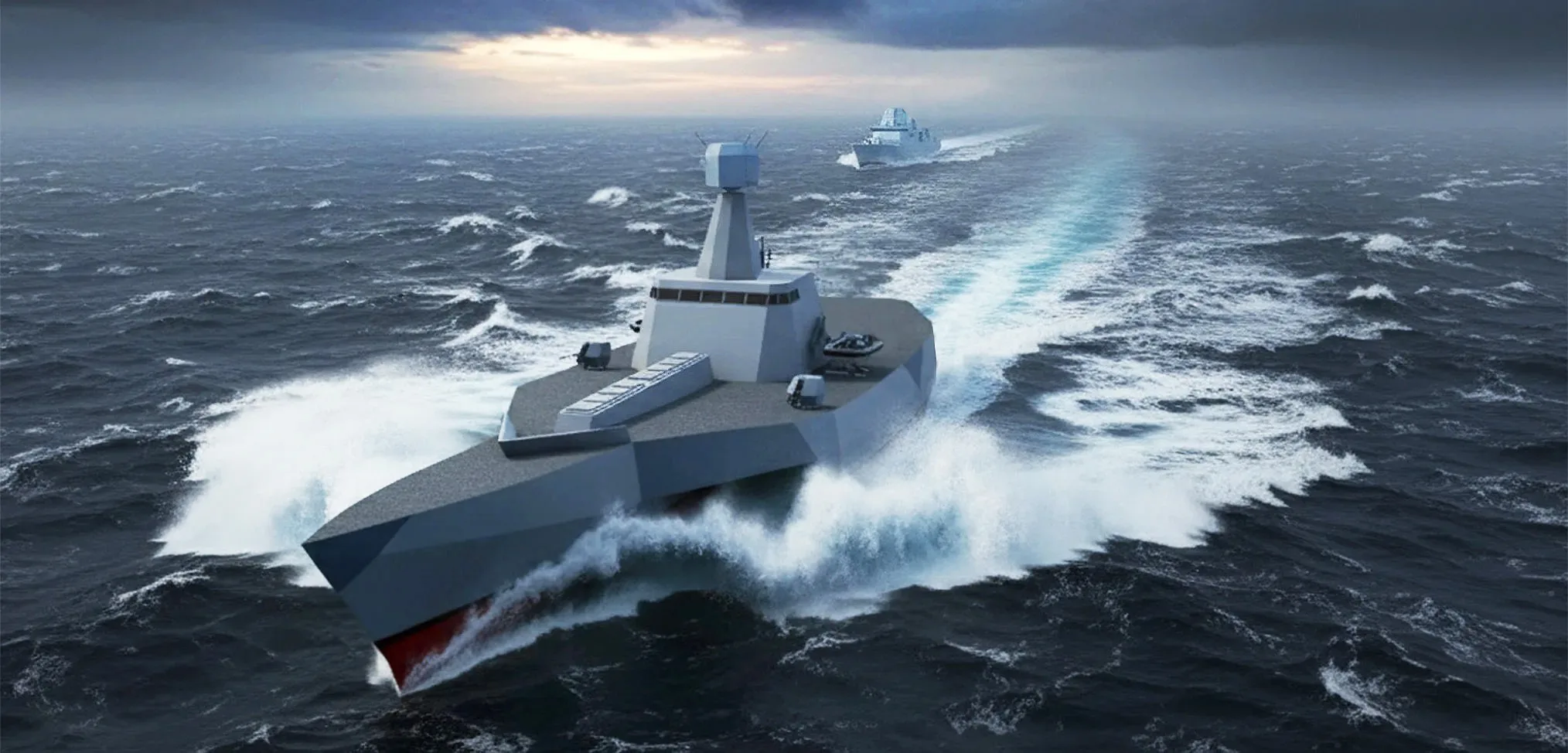
However, future navies will not consist solely of large platforms. Large numbers of autonomous surface and underwater vehicles operating around major warships, advanced sensors, artificial intelligence systems, unmanned aerial vehicles, and satellite links will become increasingly important.
For this reason, the criteria by which naval power is measured may also change. In the future, what matters will not only be how many ships or aircraft carriers a country possesses, but also how much of the sea these platforms can observe simultaneously, how quickly they can process the data they collect, and how effectively different crewed and uncrewed assets can be employed within a single operational network.
The future of naval warfare points not to the disappearance of large warships, but to the creation of an increasingly extensive network of autonomous systems operating around them. Large platforms will remain at the center of high-intensity combat, while smaller and unmanned vehicles will provide continuous surveillance of the seas.
As a result, the strength of navies will be measured not only by the capabilities of the platforms they possess, but also by the effectiveness of the network created by all these elements working together.
