


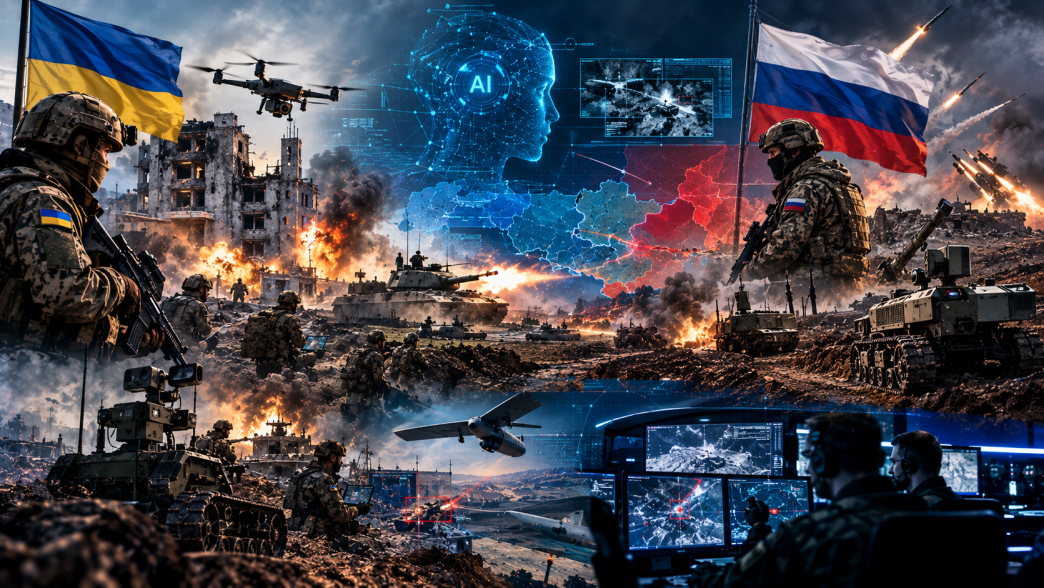
When Russia’s full-scale attack on Ukraine began in February 2022, very few people anticipated that the war would evolve into a struggle over unmanned systems and artificial intelligence on such a scale. Yet the years that have passed have clearly demonstrated that modern warfare is not conducted solely through tanks, artillery, missiles, and fighter aircraft.
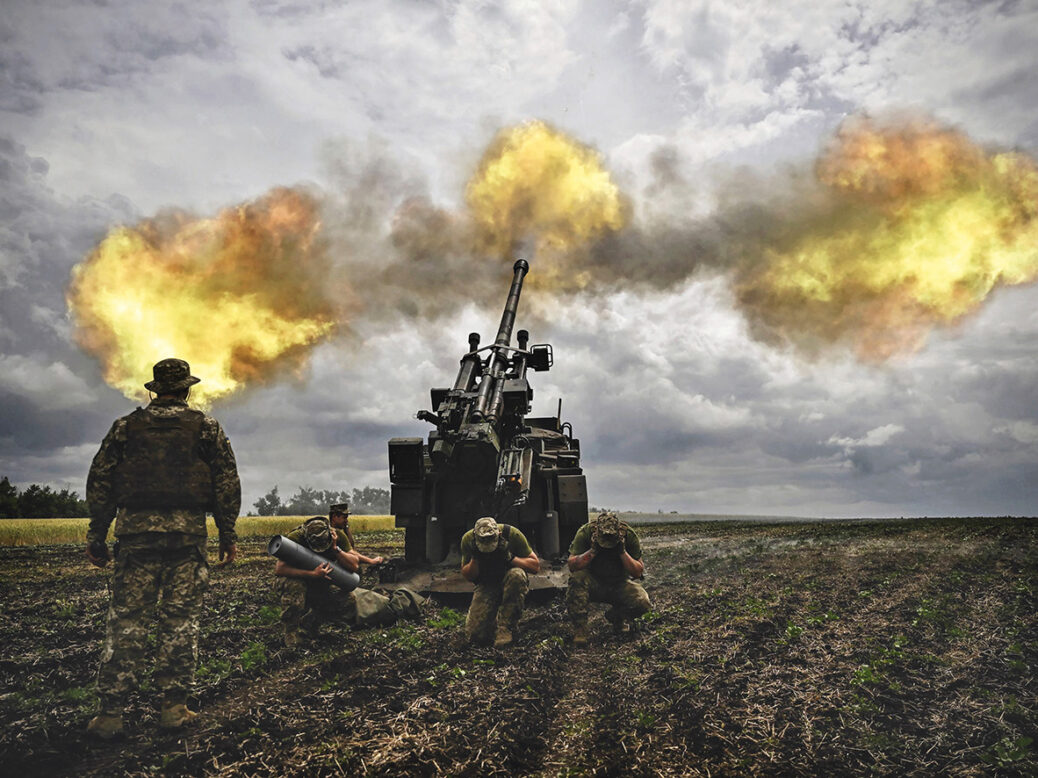
Low-cost air, ground, and maritime drones have changed the character of the battlefield. Ukraine, in particular, has developed significant capabilities to continuously monitor the movements of Russian forces and carry out precision strikes against specific targets by using large numbers of unmanned systems. Russia, in response, has also developed its own unmanned systems, taking technological competition to an even more advanced stage.
However, the next phase of the war is not solely about the drones themselves. The real strategic value is emerging in how the enormous amount of data collected by these systems on the battlefield will be used.
The imagery obtained by Ukraine every day through thousands of unmanned aerial vehicles constitutes one of the most comprehensive real combat datasets in the history of modern warfare. These images are not used solely for intelligence purposes; they have also become a valuable resource for training artificial intelligence systems.
Combat data is a new strategic resource
The scale of the battlefield imagery accumulated by Ukraine since 2014, particularly after 2022, provides the country with a significant technological advantage. Through imagery obtained from real conflict environments, algorithms are learning to recognize vehicles, soldiers, weapon systems, patterns of movement, and different combat scenarios.
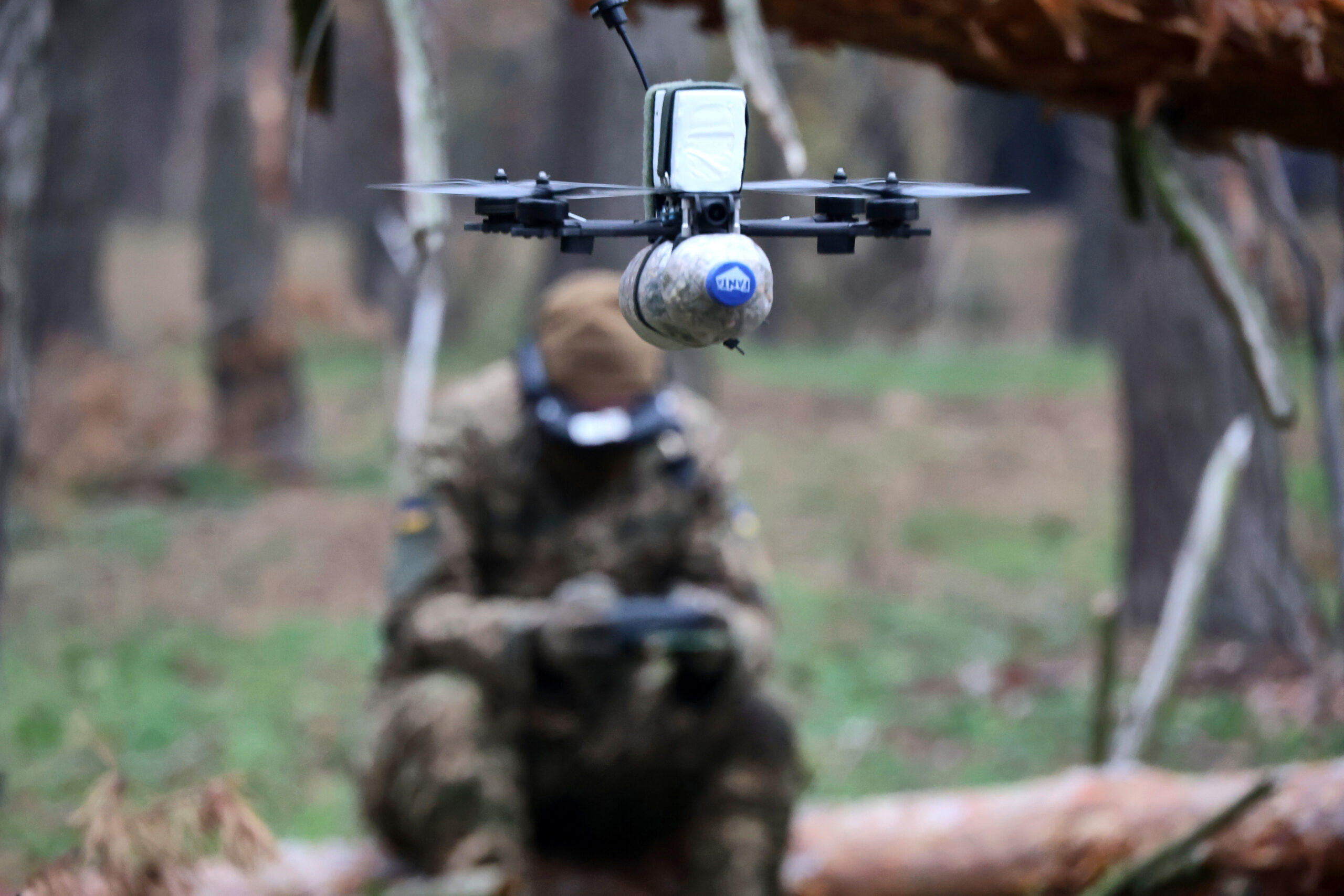
According to a statement made in May by Robert Brovdi, Commander of Ukraine’s Unmanned Systems Forces, the amount of raw drone footage produced each day alone can reach between 12 and 15 terabytes.
The importance of this data does not stem solely from its volume. Real combat environments contain far more variables than artificial intelligence systems can encounter under laboratory conditions. When a drone succeeds, it shows which method works. When another mission fails due to Russian electronic warfare systems, camouflage, weather conditions, or air defenses, it reveals the conditions under which the system is inadequate.
For this reason, every strike and every failed mission produces new data for improving subsequent operations.
The cycle that emerges is extremely important: war generates data; data improves artificial intelligence; improved artificial intelligence enables the development of more effective systems; and these systems collect new battlefield data.
Artificial intelligence is changing targeting processes
One of the most striking consequences of this transformation is that the target detection and attack capabilities of drones are increasingly being supported by artificial intelligence.
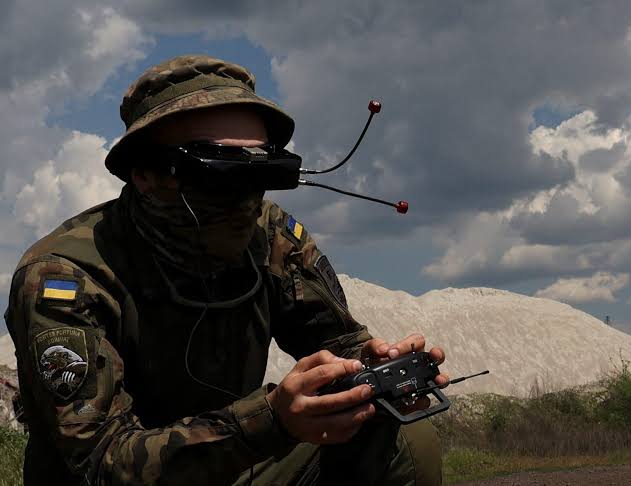
Systems such as Hornet, developed by Perennial Autonomy, are among the examples of a new approach aimed at turning data obtained from the battlefield into an operational advantage. Through AI-supported targeting, unmanned aerial vehicles are intended to detect and target Russian logistical assets more rapidly.
This also directly affects the logistical dimension of warfare. When the supply chains of frontline units, ammunition depots, vehicles, and transportation routes are continuously monitored, pressure can be increased on the systems that sustain the enemy’s ability to fight.
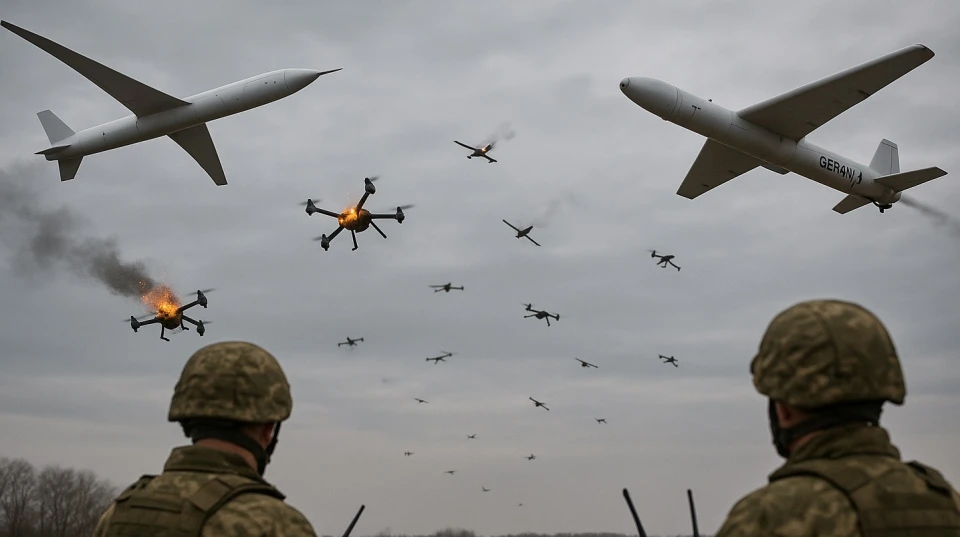
Similar technologies have also begun to be used in air defense. AI-supported interceptor drones, through computer vision and autonomous guidance technologies, are being used to detect and destroy Shahed-type attack drones operated by Russia.
The notable point here is that relatively inexpensive software and unmanned platforms can be used instead of high-cost munitions. For example, some systems can significantly expand the functionality of existing equipment by equipping commercial thermal cameras worth a few hundred dollars with AI-supported target recognition and tracking capabilities.
Autonomy is spreading across all domains of warfare
AI-supported technologies are not limited to aerial drones. Similar solutions are also being transferred to ground vehicles, maritime platforms, and long-range strike systems.
Ukraine is also developing autonomous underwater vehicles such as Sea Trident and Marichka. The country’s defense technology innovation platform, Brave1, has also begun supporting projects involving humanoid robots for military purposes.
For maritime drones used in the Black Sea, AI-supported navigation systems are being developed so that missions can continue even if the communications link is disrupted. This points to an important reality of warfare: as electronic warfare systems become more advanced, the dependence of unmanned vehicles on continuous human control is becoming an increasingly significant vulnerability.
For this reason, the effective drones of the future will not simply be remotely controlled vehicles. Systems capable of navigating independently along predetermined routes, perceiving their surroundings, and minimizing the need for human intervention when necessary will become increasingly important.
Russia is also in the artificial intelligence race
This technological transformation is not a one-sided process in which only Ukraine is seeking to gain an advantage. Russia is also accelerating the use of AI-supported systems on the battlefield.
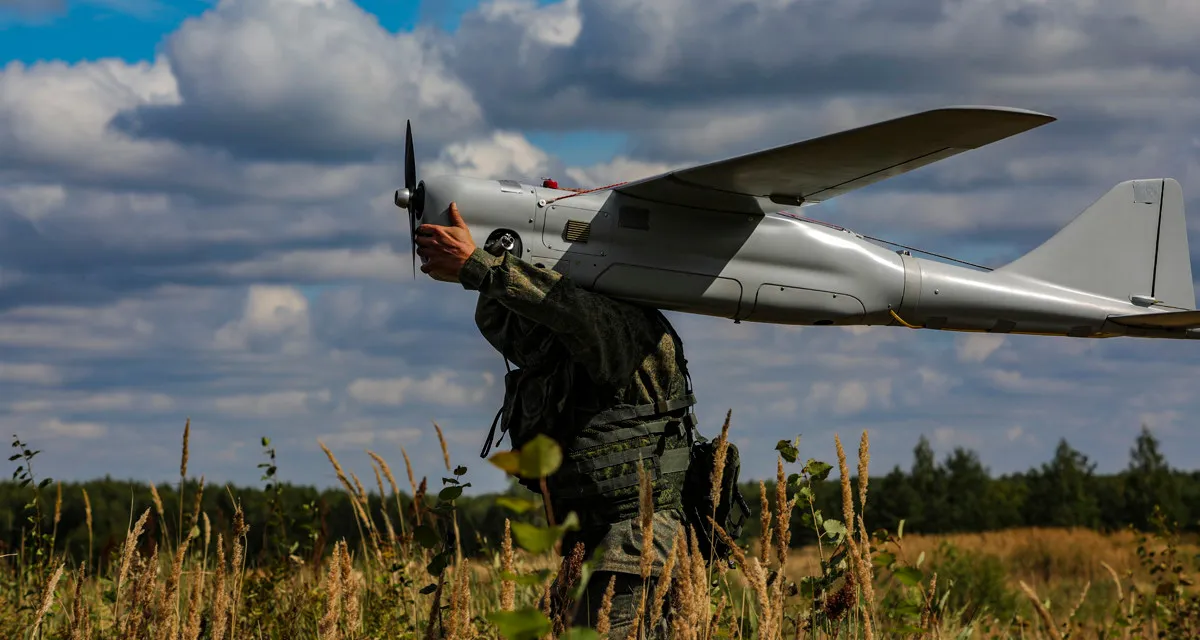
Russian forces are reportedly working on using machine vision in Geran-type drones to autonomously recognize targets and carry out terminal-stage guidance.
According to Brave1 sources, Russia is also working on loitering munitions such as V2U. These types of systems, which use AI processing modules such as the NVIDIA Jetson Orin, are intended to be capable of detecting and attacking targets without direct intervention from a human operator.
This development also brings serious legal and ethical debates. A weapon system independently determining its target can create new risks in terms of civilian casualties, particularly in complex combat environments where the margin of error in target detection is high.
Therefore, the proliferation of artificial intelligence on the battlefield is not merely a technological issue. Determining at which stages human control should be mandatory, who should bear responsibility for target selection, and how autonomous weapons should be assessed under international humanitarian law are becoming increasingly important issues.
The real power is turning data into decisions
Collecting data on the battlefield alone is not enough. The real difference emerges from how quickly this data can be processed and transformed into an operational decision.
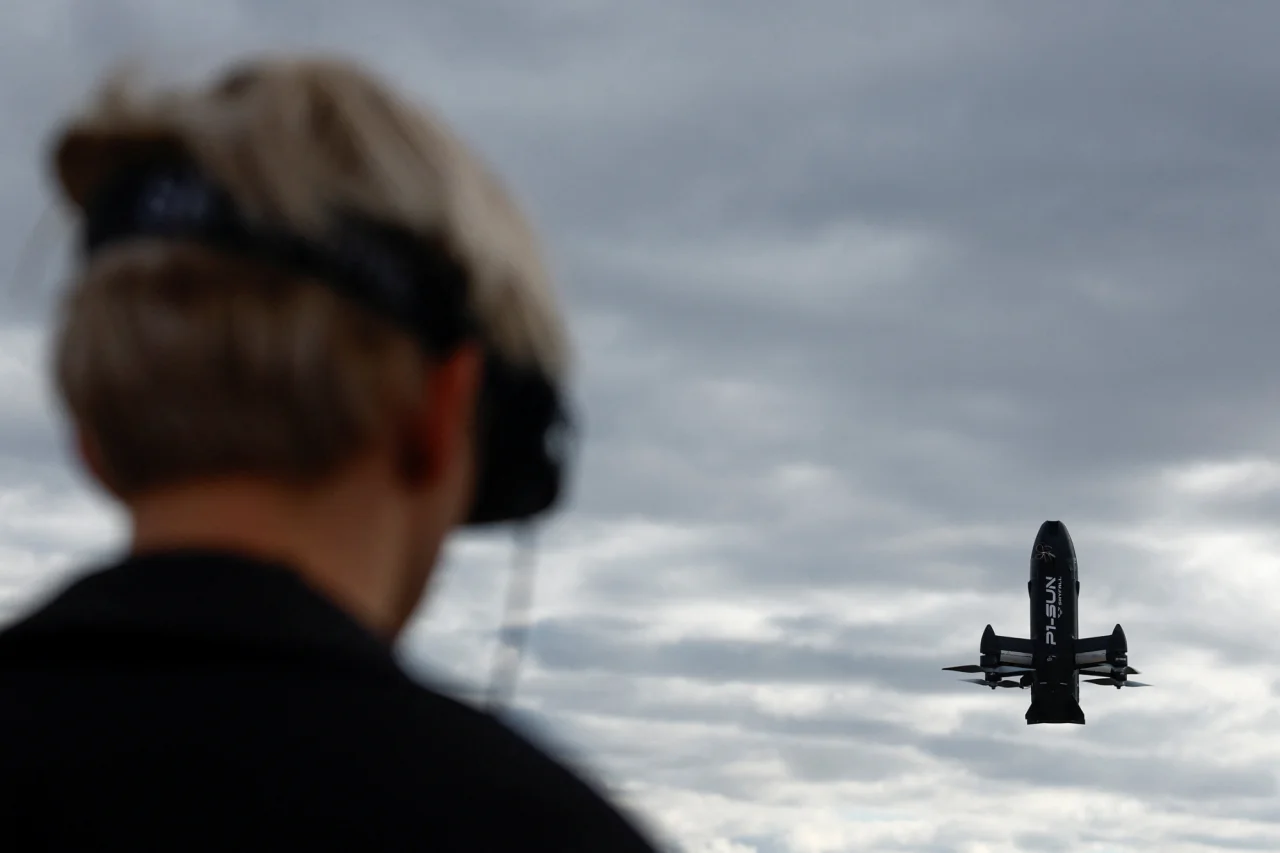
One of Ukraine’s long-term objectives is to bring sensors, drones, and the command structure together within a single integrated system. As Ukrainian officials have described it, the goal is to create a battlefield network that operates like a single “living organism,” rather than a structure in which different elements operate independently of one another.
This approach can also be seen in the transformation of Western militaries. The United States and European countries are investing in software architectures that will enable fighter aircraft, drones, sensors, satellites, and weapons systems to communicate with one another through a common digital architecture.
NATO is similarly developing AI-supported systems capable of combining information from different sources in order to track the movements of Russian forces in real time.
The objective here is not simply to collect more data. It is to shorten the decision-making time of the command structure.
The kill chain is getting shorter
In the Ukraine war, the cooperation between drones used for intelligence, reconnaissance, and surveillance and attack drones is significantly reducing the time between target detection and strike.
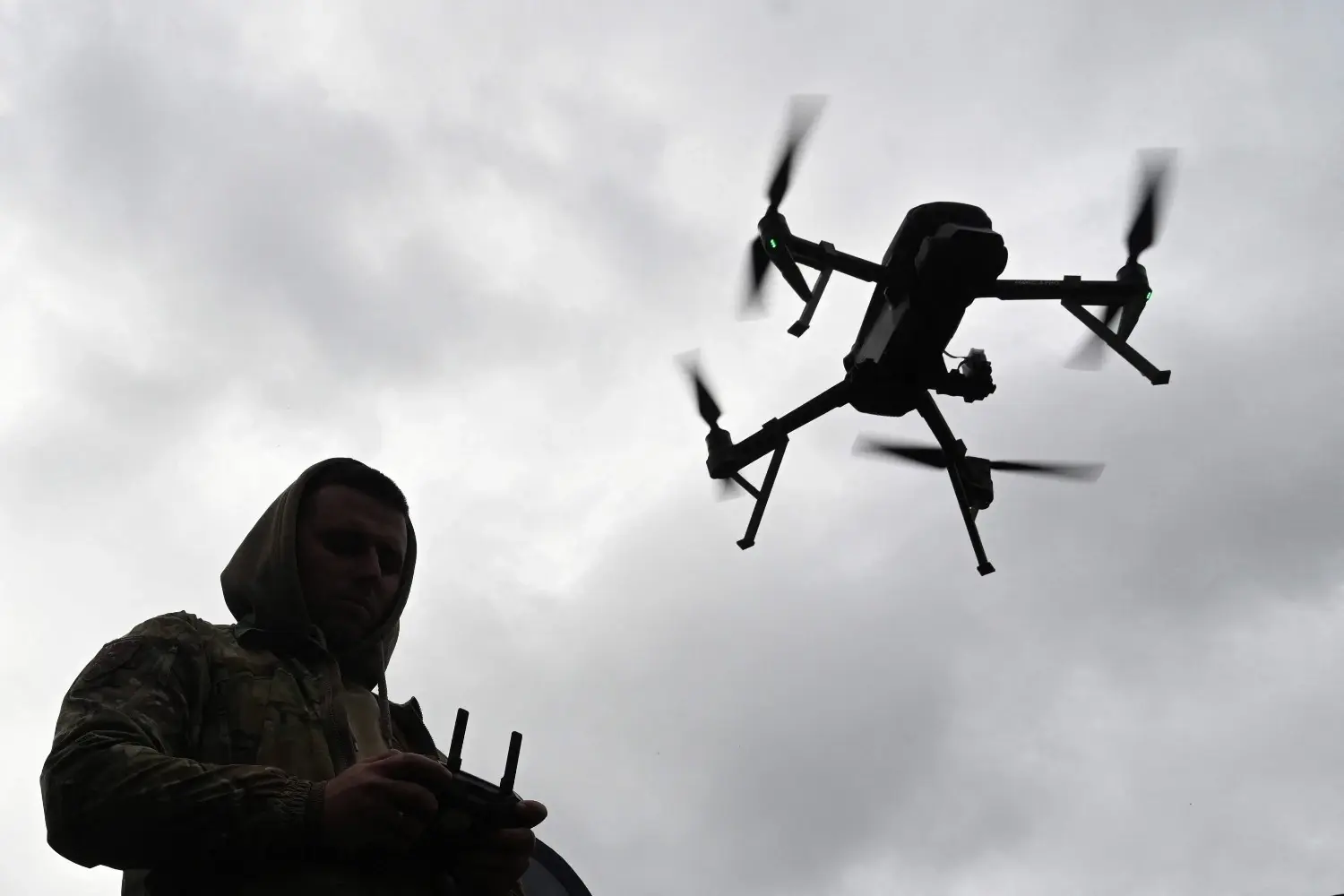
When Ukraine’s situational awareness platforms such as Delta are used together with continuous aerial surveillance and AI-supported software such as Avengers, targets can be identified and engaged more rapidly.
An important feature of these systems is that they are not attempting to completely replace humans. Artificial intelligence is primarily being used to filter and interpret volumes of data that a human operator could not evaluate simultaneously.
When information from satellite imagery, drone cameras, radars, electronic warfare systems, and other sensors is combined, an enormous pool of data emerges. Artificial intelligence can identify changes within this pool, flag potential targets, create three-dimensional models, and identify patterns that the human eye alone might not detect.
This is changing the speed of warfare.
As the time required to detect, analyze, and relay a target to a commander and issue a strike order becomes shorter, the decision-making cycle on the battlefield also accelerates.
The AI-supported army model is expanding
The expansion of Ukraine’s defense ecosystem also demonstrates that this transformation could be permanent. According to the Ministry of Defense’s data, more than 200 companies are working on AI-supported drone technologies, while more than 70 AI and computer vision systems are being used in the field.
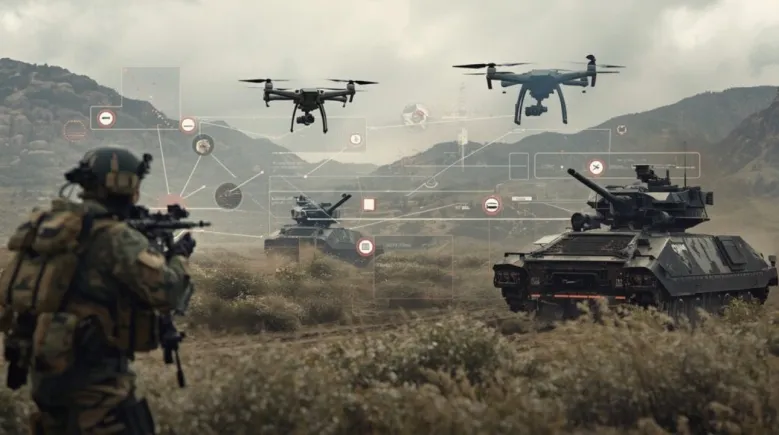
This is also changing the nature of competition in the defense industry. It may no longer be enough simply to develop more powerful engines, longer-range munitions, or more advanced platforms.
The real competition is increasingly centered on questions such as who can collect data faster, who can analyze it more accurately, who can train AI models more rapidly, and who can deploy these models more quickly under real combat conditions.
For this reason, the Russia-Ukraine war is effectively serving as a real-time laboratory in terms of the role artificial intelligence will play in future warfare.
The human factor is not disappearing
Despite all these developments, it is not yet an inevitable conclusion that artificial intelligence will completely replace human decision-makers on the battlefield.
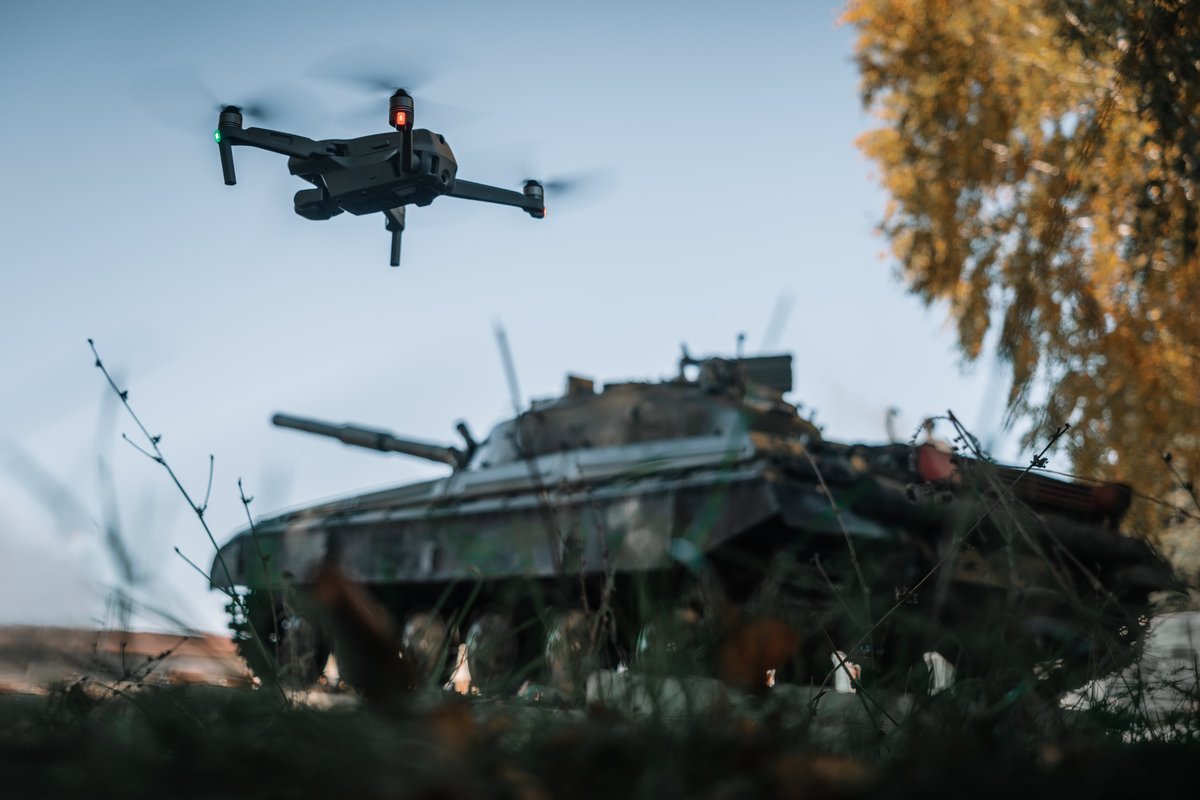
On the contrary, the current trend points toward a hybrid warfare model in which humans and machines undertake different tasks. Artificial intelligence can scan large amounts of data, identify potential targets, optimize routes, and classify threats. However, making operational decisions, assessing the nature of a target, and especially determining legal responsibility still place the human element at the center.
The experience of drone units in Ukraine also supports this. Some commanders in the field argue that effective drones should be capable of operating largely autonomously along predetermined routes, with human intervention required only during the final stage.
This approach indicates that future warfare systems are moving not toward being completely unmanned, but toward a model in which humans intervene only where they are genuinely necessary.
Data may determine the warfare of the future
One of the most important conclusions to emerge from the Ukraine war is that the battlefield is increasingly becoming a data network.
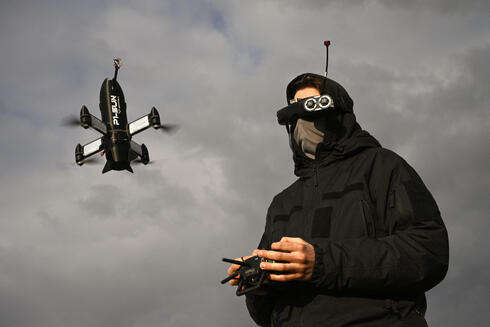
Drones are no longer merely vehicles that conduct attacks; they are also becoming the eyes and ears of the battlefield. Sensors continuously collect data, artificial intelligence processes this data, command systems assess the resulting picture, and armed platforms act on the basis of this information.
Thus, a new layer is being added to the classic elements of warfare—tanks, artillery, missiles, and aircraft: real-time data and artificial intelligence.
In the coming period, military superiority may not be explained solely by how many weapons or platforms an actor possesses. How effectively an army can see the battlefield, how quickly it can derive meaning from this imagery, and how rapidly it can turn the information obtained into operations will become increasingly decisive.
The struggle between Ukraine and Russia demonstrates that this transformation is still in its early stages. Competition on the battlefield is no longer only between humans and machines; it is also taking place between datasets, algorithms, sensors, and artificial intelligence models.
For this reason, in the armies of the future, superiority may lie less with the side possessing the most expensive weapon and more with the side capable of transforming the data obtained from the battlefield into an advantage in the fastest and most accurate manner.
