




The conflict balance in Yemen, which had appeared largely frozen for a long time, has begun to shift again in recent days with the military gains achieved by the Houthis along the Red Sea coast.
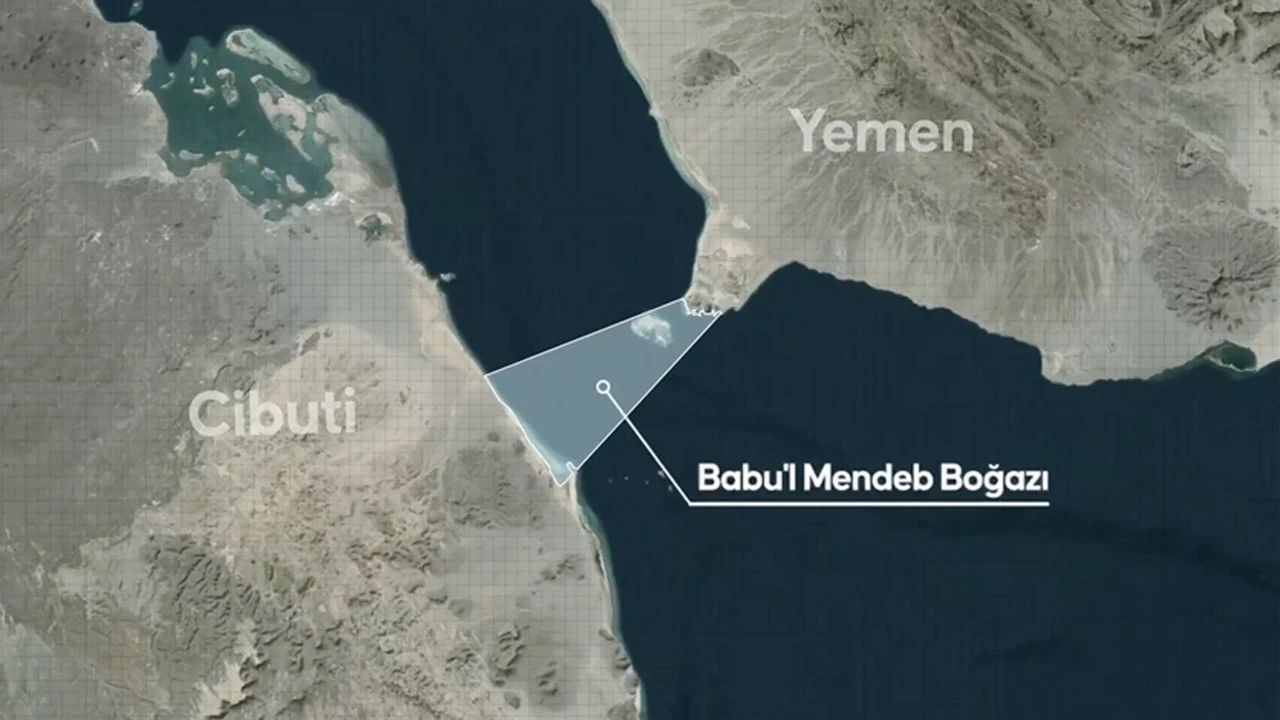
While forces affiliated with the Yemeni government continue their attacks on Houthi positions, the increase in missile and UAV attacks by the Iran-backed Houthis against Saudi Arabia demonstrates that the conflict is no longer confined solely to Yemen’s internal dynamics.
In particular, the Houthi takeover of the Red Sea port city of Mokha and a strategic island on the Bab el-Mandeb Strait represents a significant change in the military picture on the ground.
For the Yemeni government, these losses mean that its defensive line along the country’s western coast has suffered a serious setback, while for the Houthis, they mean an expansion of their capacity to exert pressure over the Red Sea.
The Yemeni government has announced that it will send more troops to the Red Sea coast in order to retake the lost areas, while government officials describe the developments of recent weeks as a temporary setback. However, developments on the ground are increasing the possibility that the conflict in Yemen could once again turn into a full-scale war.
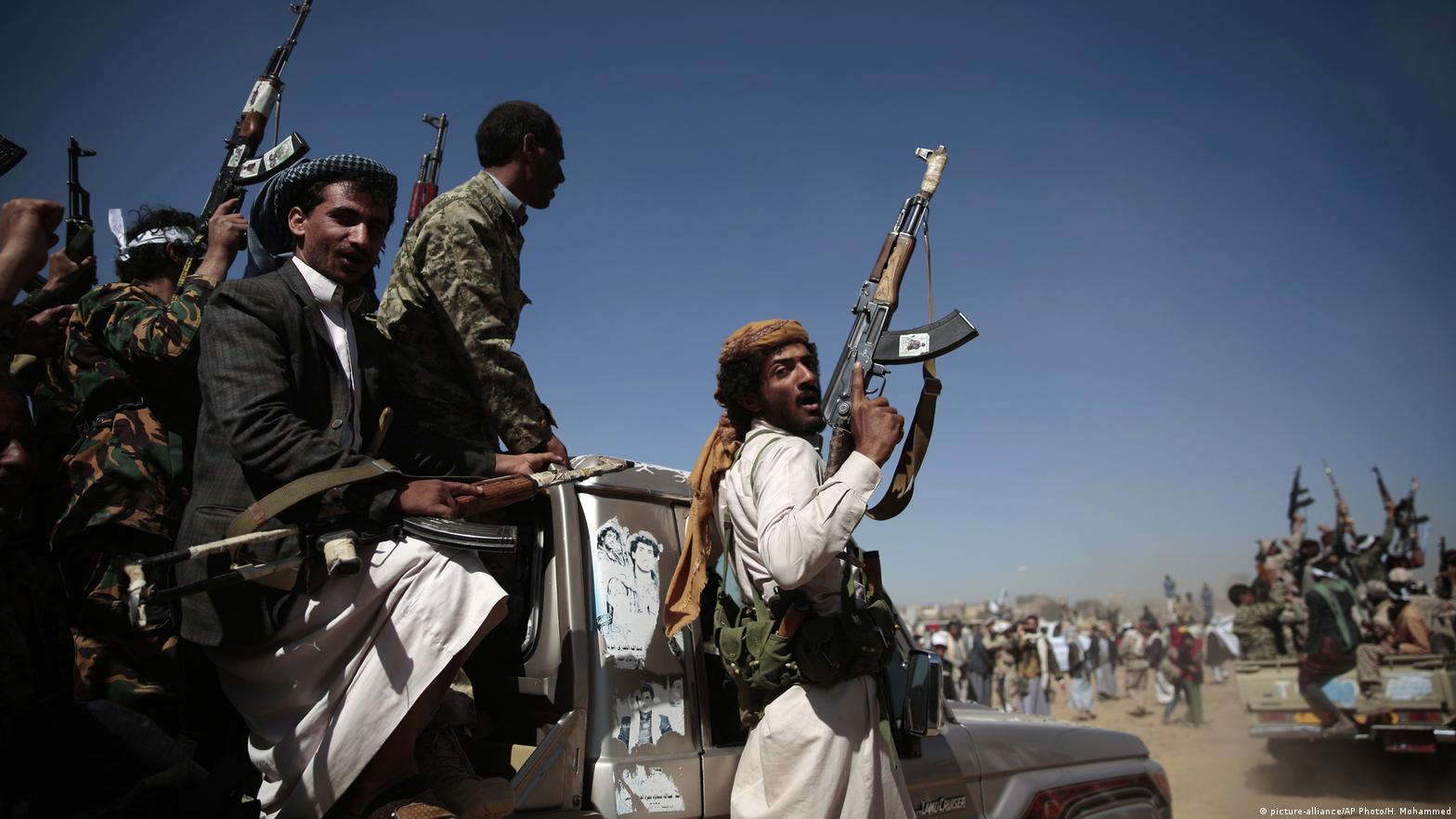
Sultan al-Arada, a member of Yemen’s Presidential Leadership Council, described the developments in Mokha and other areas along the western coast as “painful and regrettable,” while announcing that government-affiliated forces were regrouping and preparing for a counterattack.
Council President Rashad al-Alimi, meanwhile, described the losses as “incidental” developments and stated that the objective of restoring state institutions and establishing sovereignty throughout the country would not be abandoned.
These statements demonstrate that the Yemeni government’s military withdrawal does not mean that the conflict has ended. On the contrary, a new front of confrontation along the Red Sea coast can be expected to emerge in the coming period.
Houthis increase pressure on Saudi Arabia
One of the most significant consequences of the military activity in Yemen has been the further expansion of the conflict directly into Saudi Arabian territory. The activation of air-raid warning sirens in the southern Saudi Arabian areas of Abha and Khamis Mushait demonstrates that the Houthis’ capacity to launch attacks across the border remains intact.

The Houthis claimed that they had carried out UAV and missile attacks against military targets in Saudi Arabia and a base in the border area. Saudi Arabia, meanwhile, announced that a projectile had fallen in a populated area in the border region along the Red Sea, injuring two people and damaging a mosque and several buildings.
What is particularly noteworthy here is that the Houthis are not limiting their military activities solely to targets within Yemen. Their targeting of Saudi Arabia’s oil infrastructure and maritime transportation in the Red Sea as part of the blockade they have declared is making the economic and energy dimension of the conflict increasingly important.
Although the Houthis maintain that they do not intend to target commercial vessels belonging to other countries, the growing threat of attacks in the Red Sea is creating serious uncertainty regarding the security of maritime transportation in the region.
The strategic importance of the Red Sea comes to the fore again
The fundamental reason why developments in Yemen have global significance is the country’s geographical position. The Bab el-Mandeb Strait is a critical maritime passage connecting the Red Sea with the Gulf of Aden and the Indian Ocean. For this reason, any military crisis around the strait can produce economic and strategic consequences far beyond Yemen’s borders.
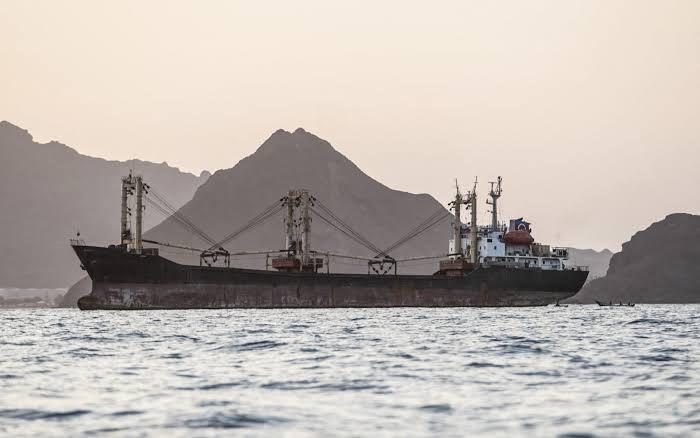
Moreover, the Houthi capture of important points along the Red Sea coast, such as Mokha, is increasing the group’s capacity to exert pressure on maritime traffic. This is once again making the security of the Red Sea route, which is already highly sensitive for global trade, a matter of concern.
The importance of Bab el-Mandeb becomes even clearer when considered together with the Strait of Hormuz. While a disruption in the Strait of Hormuz can place direct pressure on energy markets, security problems in Bab el-Mandeb can affect the transportation of oil and commercial goods through the Red Sea to Europe and other markets.
Therefore, the war in Yemen can no longer be viewed solely as an issue of civil war. The military balance along the country’s western coast, maritime security in the Red Sea, Saudi Arabia’s energy infrastructure and global oil markets have become directly interconnected.
The strategic space emerging for Iran
The pressure exerted by the Houthis on Saudi Arabia’s oil infrastructure and maritime transportation in the Red Sea needs to be assessed within the broader strategic framework of the war between Iran and the United States.

The increased risk to maritime transportation in the Red Sea and the intensification of attacks against Saudi oil infrastructure could create new uncertainty regarding global oil supplies. Every new risk emerging in terms of supply security becomes a factor capable of creating upward pressure on oil prices.
For this reason, developments on the Yemen front could create a strategic pressure area for Iran independently of any direct military intervention. If the conflict between the United States and Iran expands, an intensification of Houthi attacks could create a new security problem for Washington and its regional allies.
In other words, the Yemen front is becoming one of the areas where the struggle between Iran and the United States could expand geographically. The addition of the Red Sea front to the pressure around the Strait of Hormuz could make the risks to energy security considerably more complex.
Yemen could once again be dragged into a full-scale war
The most serious consequence of the current developments in Yemen is being felt directly by the country’s population. According to United Nations data, more than 80,000 people have been displaced by the fighting since the beginning of September alone. The International Organization for Migration reports that this figure has exceeded 82,000.
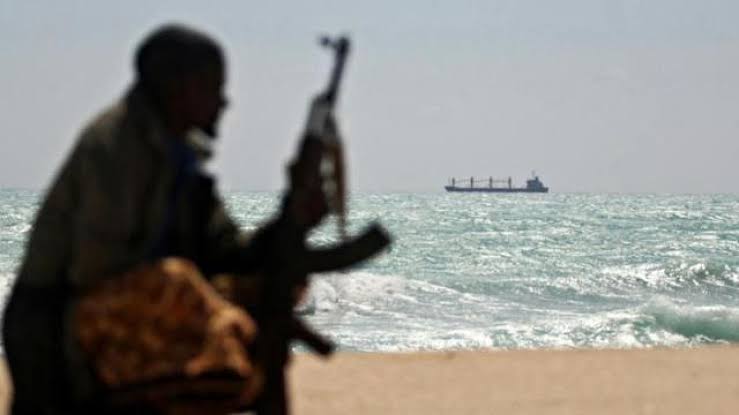
The fact that people are being forced to leave their homes demonstrates that the conflict is not limited solely to military targets. Civilians fleeing the fighting around Hodeida are reported to have left the area at night under heavy bombardment and mortar fire, with some people witnessing burning vehicles and civilians who had lost their lives on the roads.
People reaching camps in and around Aden are also reported to be facing serious difficulties in accessing basic necessities. Some families were forced to leave their homes so quickly that they could not even take their essential belongings with them. Access to basic needs such as education, healthcare and food supplies is also becoming a new problem for displaced people.
This situation demonstrates the humanitarian cost of the renewed expansion of fighting that had largely halted following the ceasefire that began in Yemen in 2022. The country had already experienced a severe humanitarian crisis as a result of years of war. A new wave of conflict brings with it the risk of completely destabilizing this fragile structure once again.
The military toll of the war is growing
The National Resistance forces operating alongside the Yemeni government announced that more than 500 pro-government fighters had been killed along the Red Sea coast over the past four weeks. This figure represents one of the first comprehensive assessments released by the government side regarding the intensity of the recent fighting.

The same forces also claimed that more than 1,000 Houthis had been killed in the Hodeida and Taiz areas. However, the Houthis did not confirm these claims.
The Yemeni army’s announcement that it had carried out airstrikes against Houthi positions in Mokha, Dhubab and other parts of Taiz province indicates that the conflict is once again intensifying through reciprocal attacks. The Houthi side, meanwhile, referred to attacks by Saudi-backed forces in Taiz and artillery fire in Saada province in the north of the country.
This picture indicates that the conflict in Yemen could once again evolve not around a single front, but into a multi-front struggle in which reciprocal military pressure is increasing across different parts of the country.
The U.S. base in Djibouti is also part of the new equation
Another important consequence of the Houthi advance along Yemen’s Red Sea coast is that the group has moved closer to the U.S. military base in Djibouti. The Houthi-controlled areas reaching within approximately 32 kilometers of the base are making the military balance around Bab el-Mandeb more sensitive from the perspective of the United States as well.
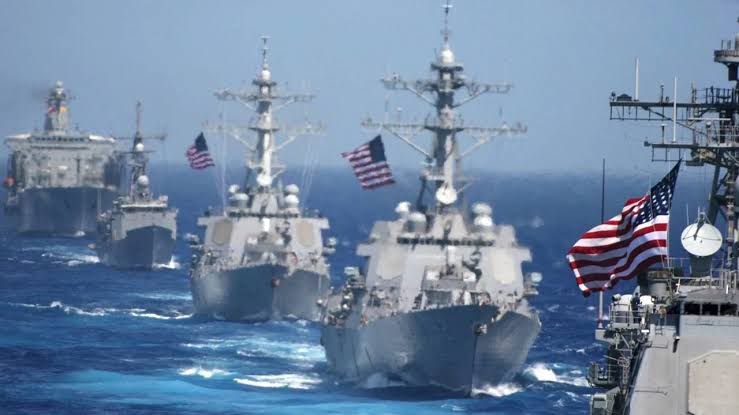
Djibouti is a strategic country that hosts the military presence of numerous countries in the Horn of Africa. The presence of military bases belonging to China, France and Japan, in addition to the United States, demonstrates that the area around Bab el-Mandeb is not merely a commercial maritime route, but also a zone where the military presence of major powers intersects.
For this reason, the intensification of the conflict in Yemen is also bringing the security of foreign military bases in the region onto the agenda. If the Houthis gain further ground in the coastal areas, increased military activity and security measures on both sides of Bab el-Mandeb can be expected.
At the same time, the arrival of Yemenis fleeing the fighting in Djibouti demonstrates that the humanitarian dimension of the crisis is also spreading to neighboring countries by sea.
After thousands of Yemenis reached Djibouti through dangerous maritime crossings, the country’s navy, coast guard and other institutions began conducting rescue operations.
The Yemen crisis is becoming a regional security problem
The latest developments in Yemen make it difficult to view the war once again solely within the framework of the country’s internal power struggle. On one side is the Houthis’ expanding military control along the Red Sea coast, while on the other are government forces preparing for a counteroffensive.
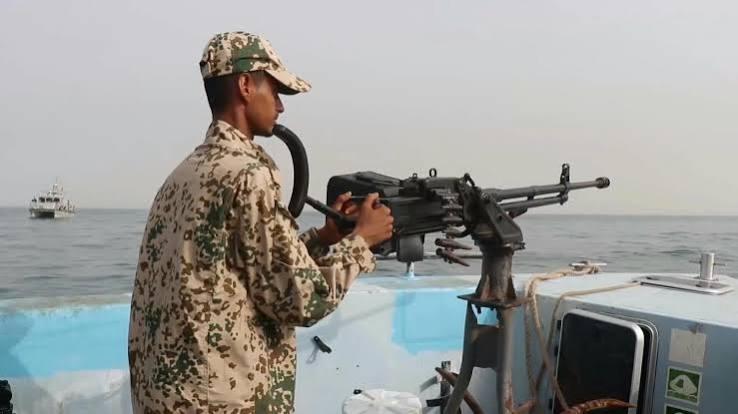
Added to this are missile and UAV attacks against Saudi Arabia, the targeting of oil infrastructure, threats to maritime transportation and military activity around Bab el-Mandeb.
When all these elements are considered together, Yemen is becoming one of the key nodes of the broader security crisis in the Middle East. In particular, the fact that tensions around the Strait of Hormuz and security problems along the Red Sea are occurring during the same period is creating a new picture in which risks to energy supplies and global maritime trade could reinforce one another.
The most critical issue, however, is whether the conflict in Yemen will once again turn into a prolonged civil war. The reactivation of fronts that had relatively calmed following the 2022 ceasefire is making the prospect of a political solution in the country more complicated. The Houthi gains along the Red Sea coast and the preparations by government forces for a counteroffensive point to the beginning of a new power struggle in Yemen.
For this reason, the latest developments in Yemen should be viewed beyond the scope of a local military conflict. The security of the Red Sea, control of Bab el-Mandeb, protection of Saudi oil infrastructure, global energy prices, the U.S. military presence in the region and the possibility of the Iran-U.S. conflict expanding are all becoming interconnected within the same strategic equation.
If the war in Yemen grows again, the consequences will not be limited to the Yemeni people, but could affect a broad geography extending from the Red Sea to global energy markets.
