


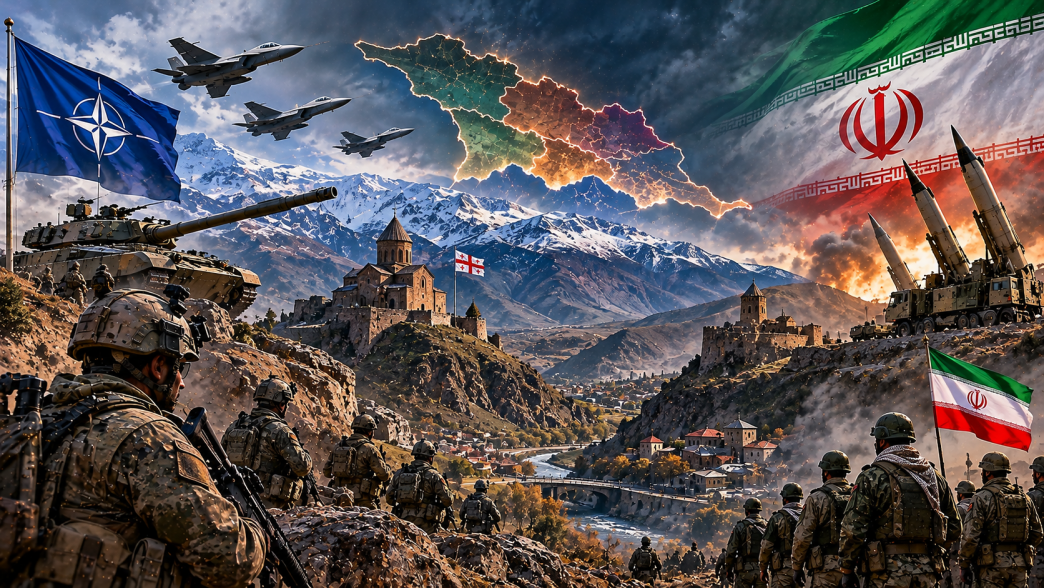
Although Tehran’s regional influence is widely believed to have weakened considerably following the war between Iran, the United States and Israel, developments in the South Caucasus suggest that this assessment needs to be reconsidered. At first glance, it may seem unrealistic for Iran, whose military capabilities have suffered severe damage, whose energy revenues are under pressure and whose room for manoeuvre in maritime trade has been restricted, to confront the United States directly on a new front. However, Tehran’s recent statements reveal that it regards the Caucasus not merely as a neighbouring region, but as an integral part of its national security and regional influence.
Two issues have now become priorities for Iran. The first is the US-backed Trump Route for International Peace and Prosperity (TRIPP), which is planned to pass through southern Armenia. The second is the Baku-Tbilisi-Ceyhan (BTC) pipeline, which transports Azerbaijani oil through Georgia to Türkiye’s Port of Ceyhan. Tehran does not view these two routes merely as economic and commercial infrastructure. It sees both as developments that could expand US influence in the region and narrow Iran’s strategic room for manoeuvre. 
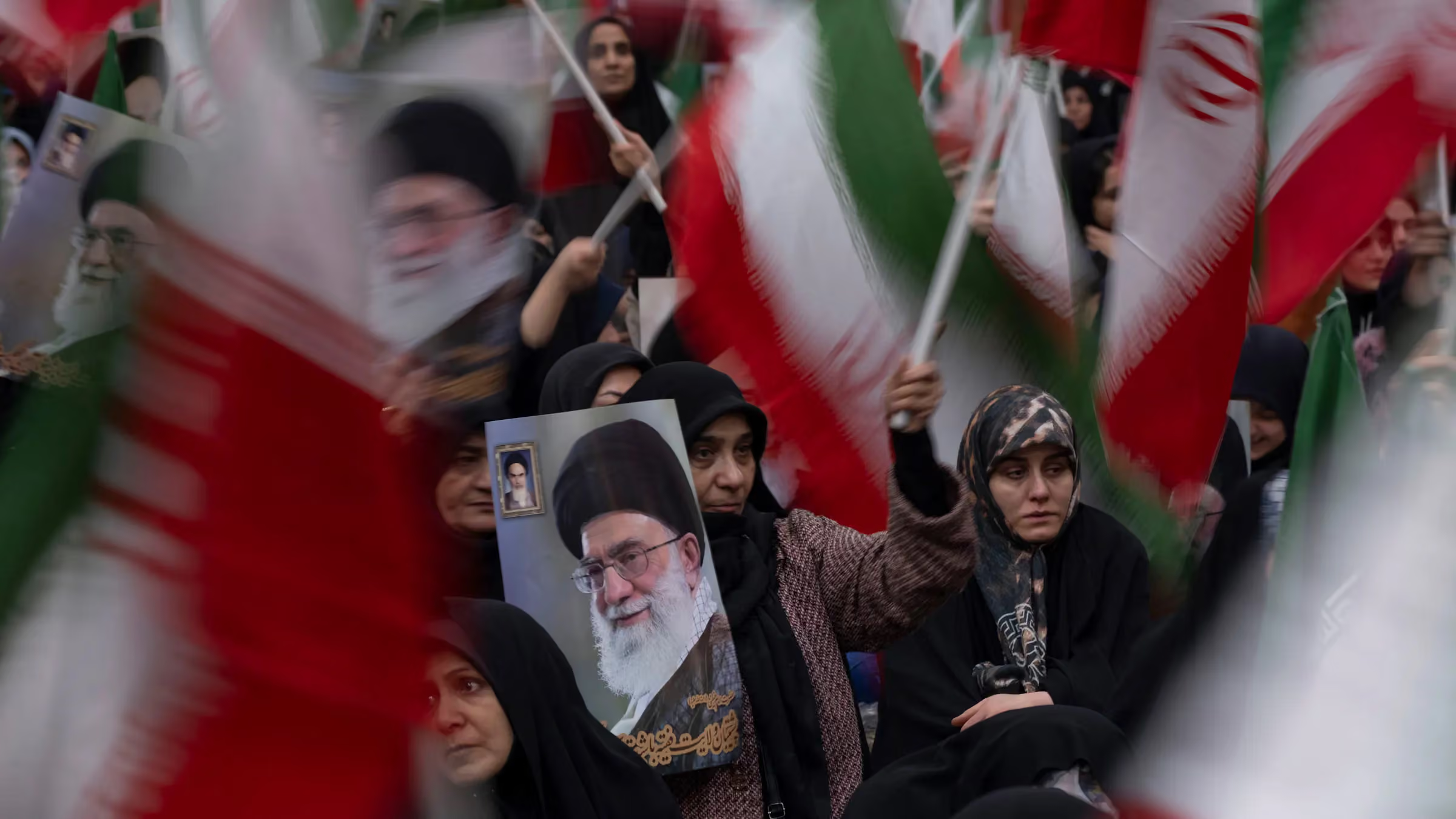
One of Iran’s strongest messages on this issue came on 5 November from Ali Akbar Velayati, the Supreme Leader’s adviser on international affairs. Following the Armenian Parliament’s approval of the framework agreement signed with the United States on TRIPP by 63 votes to 32, Velayati stated in an article published in Tehran’s Ettelaat newspaper that Washington would face a forceful response if it attempted to cross Iran’s red lines. He also said that Iran considered itself responsible for the security of the South Caucasus, with or without Russia’s support.
Velayati’s remarks should not be dismissed as an ordinary diplomatic reaction. Having served as foreign minister between 1981 and 1997, Velayati has for many years been one of Iran’s most senior foreign policy advisers and is closely connected to the office of the Supreme Leader. Although Iran’s Foreign Ministry and its embassy in Yerevan have issued more conciliatory statements, seeking to distinguish TRIPP from the Zangezur Corridor, which they had previously opposed, the approach adopted by the centres of power in Tehran presents a different picture.
TRIPP and Iran’s historical security concerns
The strategic importance of the South Caucasus for Iran cannot be explained solely by current developments. Historically, the region has occupied a critical position in terms of the security of Tehran’s northern borders, its influence over Azerbaijan and Armenia, and trade routes extending towards Europe.
The Treaty of Turkmenchay, signed between Russia and Qajar Iran in 1828, marked a major turning point in the end of Iran’s historical dominance in the region. The transfer of the khanates of Yerevan and Nakhchivan to Russia and the recognition of the Aras River as the border significantly narrowed Iran’s sphere of influence in the north. Even today, this treaty remains part of Iran’s historical memory as a symbol of the substantial territorial and political influence it lost to foreign powers.
The fact that the TRIPP route is planned along the Aras River, immediately adjacent to the border established by the Treaty of Turkmenchay, heightens Tehran’s sensitivities. The Iranian leadership fears that the establishment of an American economic and political presence in this area could, over time, create the conditions for military and intelligence activities.
Indeed, while Iran’s Foreign Ministry has stated that it has received assurances that American military personnel will not be deployed in Armenia, it has also stressed that the project must not alter the region’s geopolitical structure. This approach demonstrates that Tehran’s main objection is not simply to the transport link itself, but to the long-term US presence in the South Caucasus.
A new area of pressure stretching from Hormuz to the Caucasus
The importance of the South Caucasus for Tehran has increased further in the aftermath of the war with Iran. With its ability to compete directly with the US Navy at sea now limited, Iran may regard the region’s energy and transport infrastructure as alternative instruments of pressure.
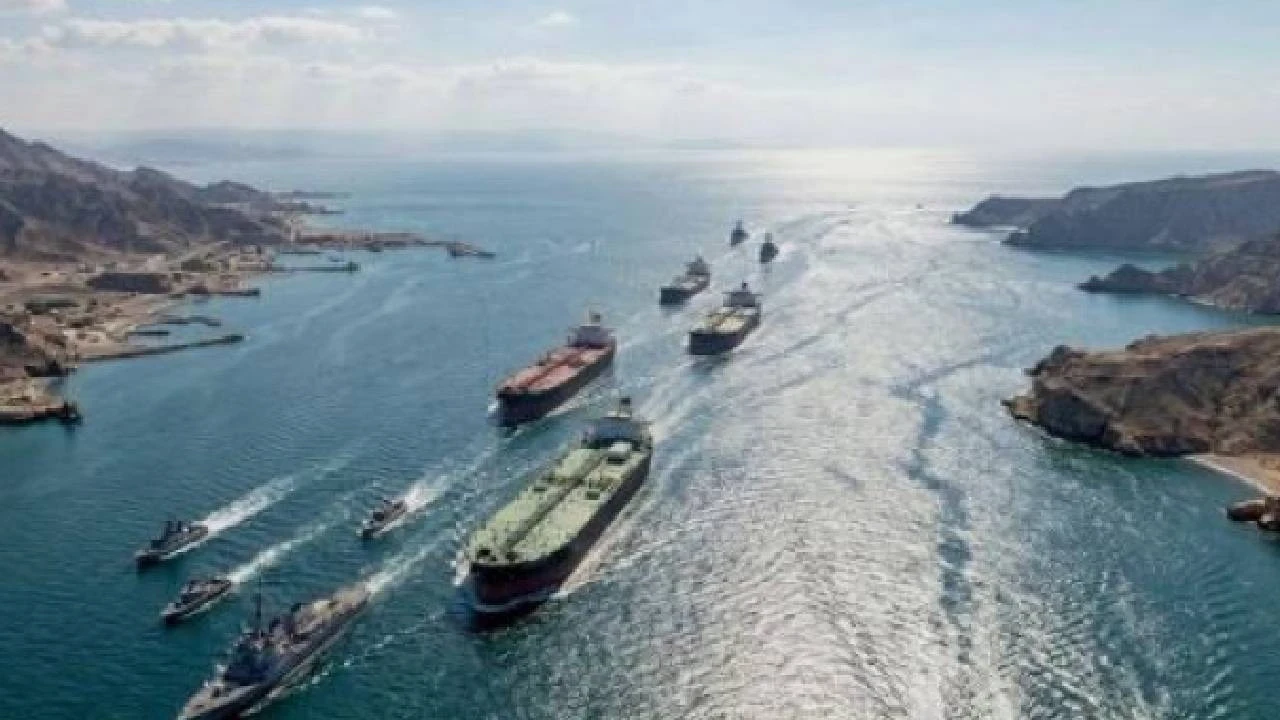
In this context, the fact that some Iranian security experts have described the Caucasus as a new strategic strait is noteworthy. Iran, which can influence global energy flows through the Strait of Hormuz, believes it could establish a similar capacity for pressure through the oil and natural gas routes in the Caucasus.
The Baku-Tbilisi-Ceyhan pipeline lies at the centre of this strategy. The fact that Azerbaijan accounted for 46.4 per cent of Israel’s crude oil imports in 2025 demonstrates the importance of the BTC pipeline for Tel Aviv. At the same time, a significant portion of Azerbaijani oil reaches European markets, particularly Italy. Kazakhstan’s shift towards the BTC pipeline, due to security problems affecting export routes to the Black Sea through Russia, has also increased the importance of this infrastructure for Central Asia.
Consequently, a potential attack on the pipeline could affect not only Azerbaijan’s energy exports, but also Israel’s oil supplies, Europe’s energy security and Central Asia’s trade connections with the West. For Iran, such an action could provide an opportunity to exert economic and political pressure on multiple actors without directly confronting the US Navy.
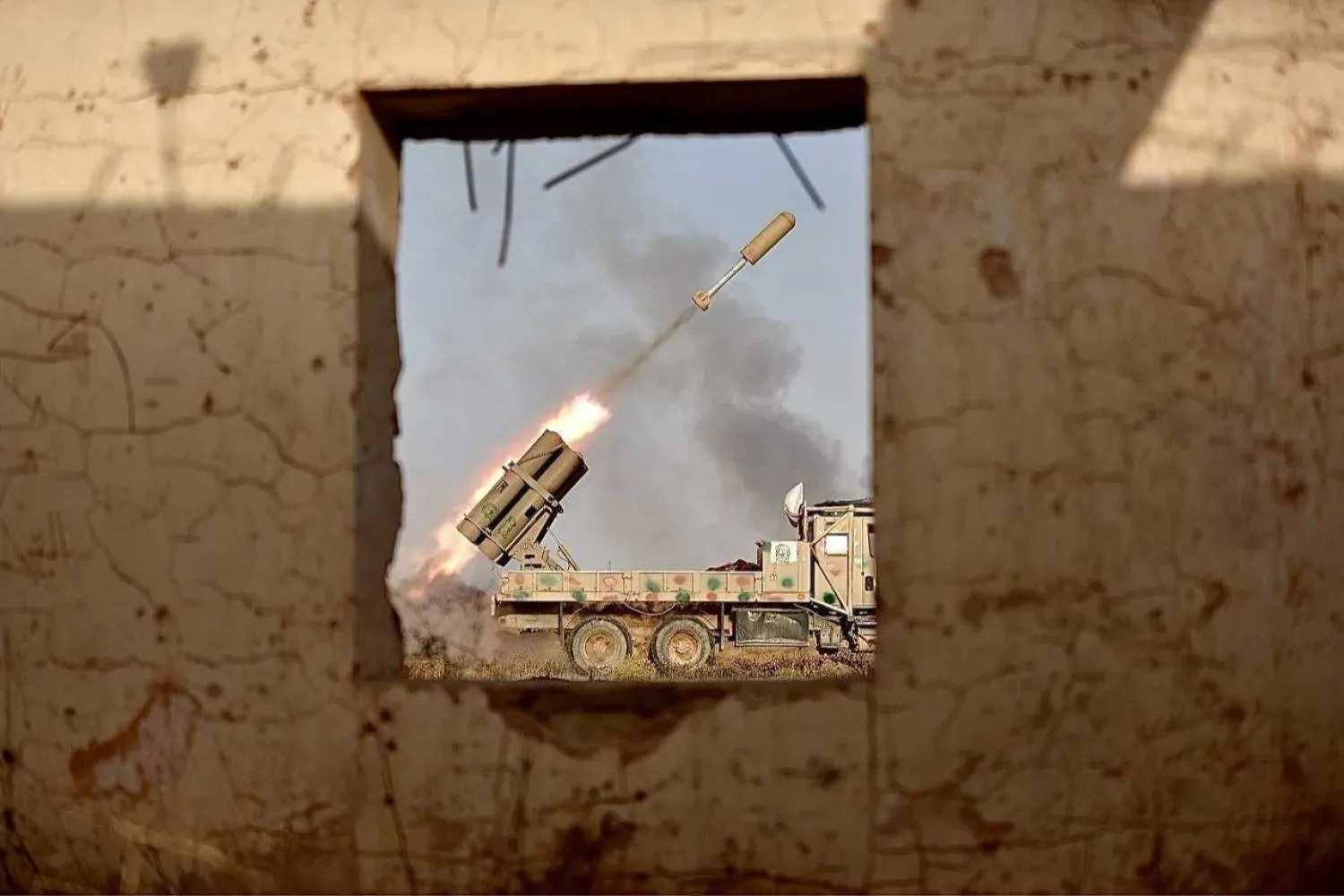
Tehran appears to have raised this possibility before. Statements by figures linked to Iran’s Islamic Revolutionary Guard Corps suggesting that they could target oil pipelines belonging to hostile countries, alongside announcements by Azerbaijani security agencies that they had uncovered an alleged sabotage attempt against the BTC pipeline, bring the security dimension of energy infrastructure into focus. The strike by Iranian-launched unmanned aerial vehicles against the airport in Azerbaijan’s Nakhchivan region in March 2026 also demonstrated that tensions between the two countries could escalate into direct military confrontation.
Is Iran changing its policy towards Azerbaijan and Armenia?
For many years, Iran’s approach to the South Caucasus has been shaped by different calculations towards Azerbaijan and Armenia. Following the collapse of the Soviet Union, Tehran generally pursued a policy closer to Yerevan during the Armenia-Azerbaijan conflict. The closure of Armenia’s borders with Türkiye and Azerbaijan turned Iran into an important economic and logistical link for Yerevan. Transport to Karabakh through Iran was also an important element of this relationship.
At the heart of this policy lie Iran’s historical and societal concerns regarding Azerbaijan. A significant proportion of Iran’s population is made up of ethnic Azerbaijanis. Tehran has long feared that an independent and powerful Azerbaijan could generate political and social repercussions among Iran’s Azerbaijani population. Baku’s strategic relations with Israel and Türkiye further complicate Iran’s security calculations.
However, a new source of tension has recently emerged in relations with Armenia as well. Prime Minister Nikol Pashinyan’s rapprochement with the West and his approval of the US-backed TRIPP project have hardened Iran’s approach towards Yerevan. As a result, Tehran has begun to view Armenia, which it regarded for many years as a strategic partner against Azerbaijan, as an actor that may now act contrary to its own security interests.
Yadollah Javani, one of the political representatives of Iran’s Islamic Revolutionary Guard Corps, compared the leaders of Azerbaijan and Armenia with Ukrainian President Volodymyr Zelensky in 2025. This was another indication of this approach. Tehran interprets the rapprochement of regional countries with external actors such as the United States as a threat to its own security.
Could the Caucasus become the next line of military tension?
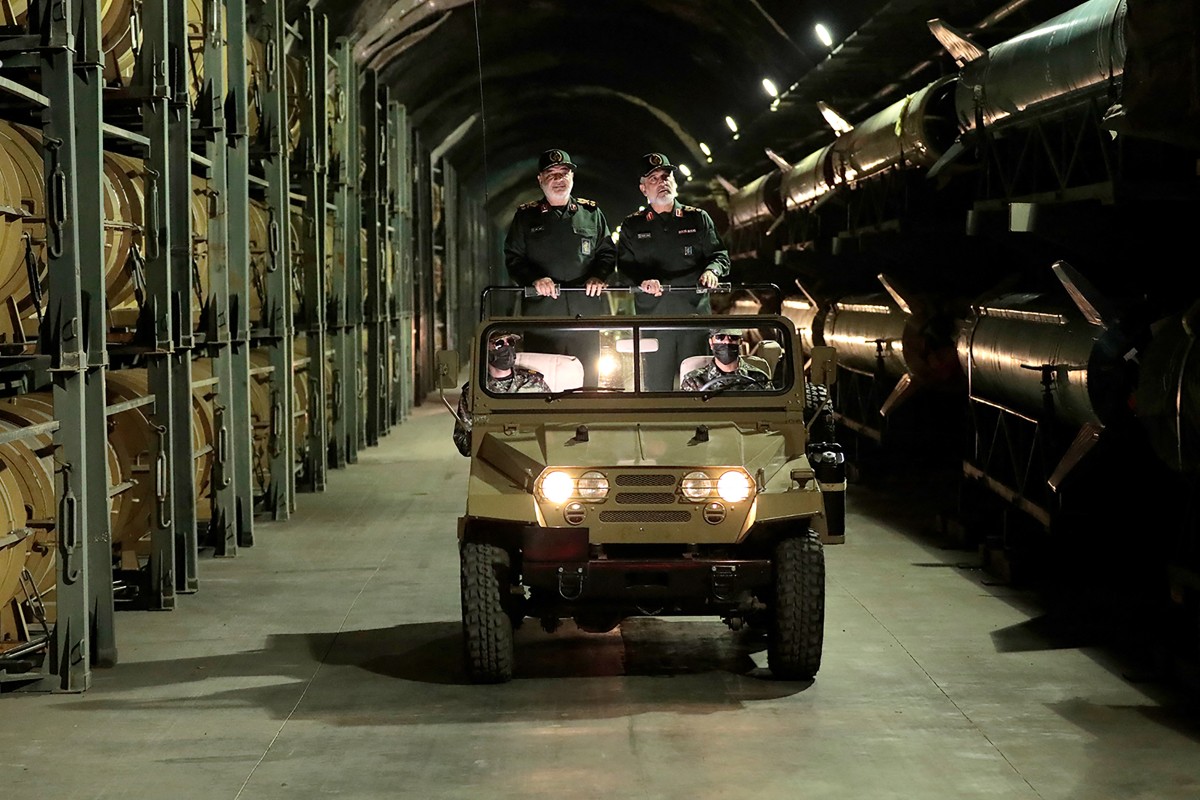
Iran’s current military and economic circumstances make it difficult for the country to launch a large-scale, direct war in the South Caucasus. However, Tehran does not necessarily need to conduct a conventional military operation to maintain its influence in the region. It could also create serious security problems through limited attacks on energy infrastructure, unmanned aerial vehicles, sabotage activities, cyber operations and mechanisms of political pressure.
In particular, Armenia’s Syunik region, the TRIPP route and the BTC pipeline could become some of the most sensitive points in regional competition in the coming period. Any threat Iran creates in these areas would directly concern not only Armenia and Azerbaijan, but also Türkiye, Georgia, Israel, Europe and the United States.
For Türkiye, developments in the Caucasus should be assessed within a broader strategic framework. Its alliance with Azerbaijan, transport and energy links extending towards the Turkic world, the security of the Middle Corridor and regional stability constitute Ankara’s principal areas of interest. Therefore, the security of the TRIPP and BTC routes is important not only for protecting economic projects, but also for maintaining regional balances of power.
In conclusion, the possibility that the Caucasus could become Iran’s next arena of military tension should not be overlooked. Although Tehran’s capacity to initiate a direct war has been constrained, there is no indication that it has abandoned its strategic interests in the region. Indeed, following its military losses in the Middle East, the Caucasus could become a new arena of pressure and deterrence for Iran. The decisive factors in the coming period will be how the United States shapes its presence in the region and what instruments Iran seeks to use to challenge that presence.

