


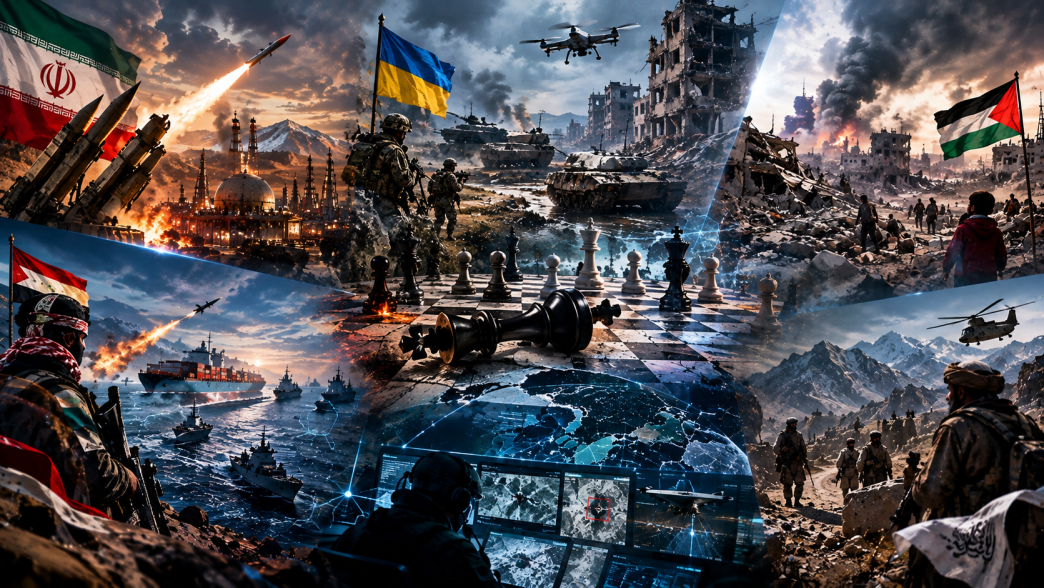
Developments stretching from Ukraine to Iran, and from Gaza to other conflict zones across the Middle East, are reopening debate over one of the most fundamental assumptions of modern warfare: technological superiority and a larger military force can no longer guarantee a swift and decisive victory on their own. Air superiority, precision-strike capabilities, and advanced intelligence systems influence the course of war, but they are not always sufficient to force an adversary to abandon its political will.
Behind this transformation lies not only the emergence of new weapons systems but also the combined impact of unmanned aerial vehicles, AI-assisted target detection, persistent surveillance, and precision-strike technologies. Troops, vehicles, and logistical assets exposed on the battlefield can be detected and targeted far more easily than in the past. As a result, militaries are moving critical functions underground, while supply lines are becoming an increasingly decisive factor in determining the outcome of war. 
Technology Is Driving the Battlefield Underground
Advanced reconnaissance systems and inexpensive unmanned aerial vehicles are making it increasingly difficult to remain concealed along the front lines. Troop movements can be monitored continuously, while detected targets can be struck with relatively inexpensive munitions. This is forcing militaries to develop new ways to protect command centres, ammunition depots, production facilities, and critical communications infrastructure.
Underground facilities offer a significant advantage in this regard. Tunnels, bunkers, and hardened installations help protect military capabilities from airstrikes and precision attacks. However, today’s underground defences should not be assessed in the same terms as the trench warfare of the past. The objective is no longer simply to protect soldiers, but to preserve the command, production, logistics, and ammunition systems that enable a war to continue.
This transformation is also affecting the balance between attackers and defenders. Defending forces can rely on facilities prepared in advance within territory they control, whereas attackers advancing into enemy territory must expose their troops and logistical assets to greater risks. Neutralising underground targets, meanwhile, can require prolonged operations, specialised capabilities, and substantial costs.
Consequently, the defensive advantage is gaining renewed strength in modern warfare. Numerical or technological superiority may be necessary to overcome defensive systems, but it does not necessarily produce a decisive breakthrough on the battlefield.
The war in Ukraine: Numerical superiority and the supply problem
The Russia-Ukraine war is one of the clearest examples of this situation. Despite Russia’s advantages in manpower and certain areas of military capability, its slow and costly advances demonstrate how technological developments can strengthen the defender.
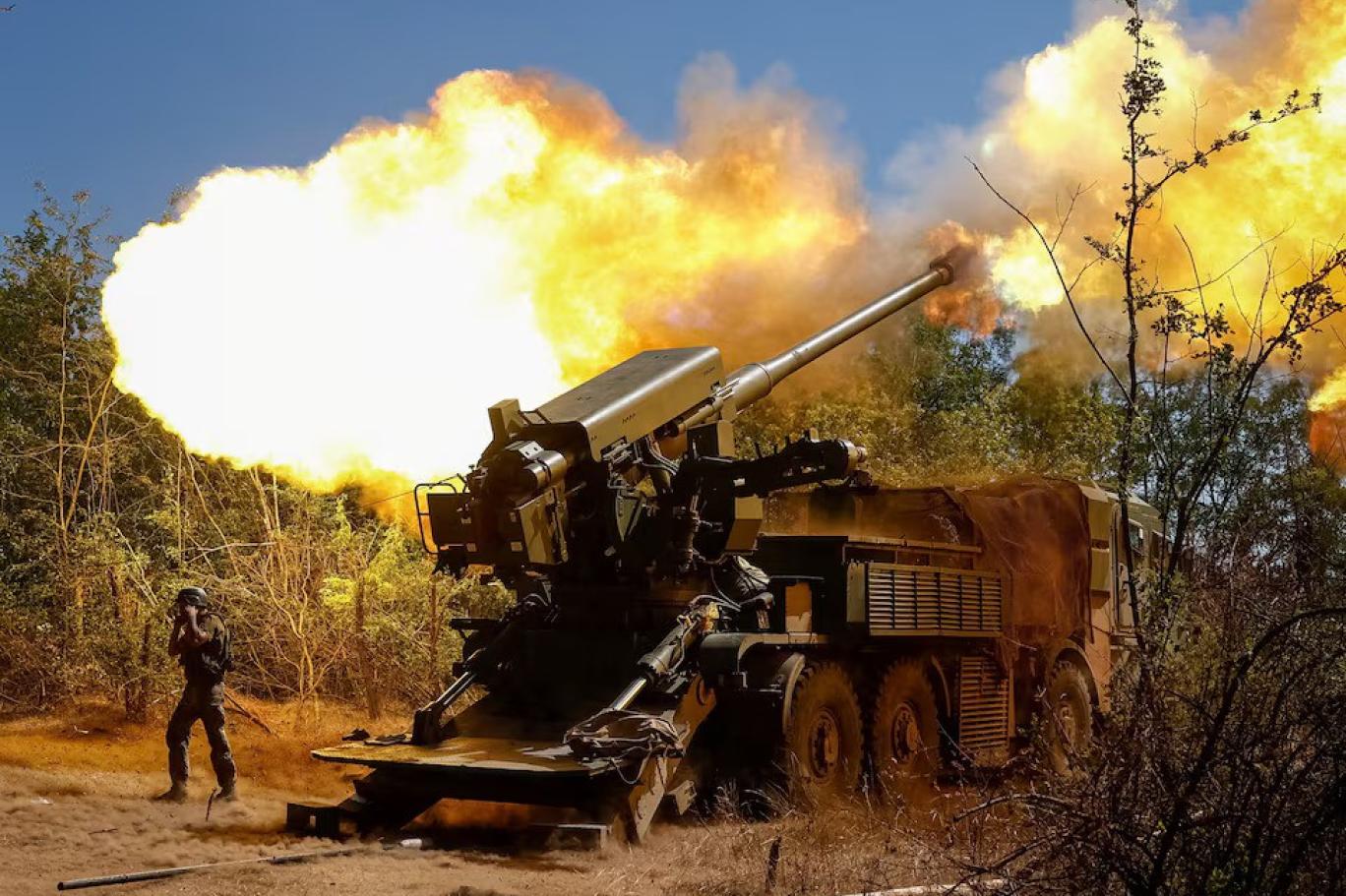
In Ukraine, soldiers rely on trenches and fortified positions along the front, while command centres and critical infrastructure are dispersed or reinforced to protect them from attacks. Distributing production facilities across different locations, concealing depots, and maintaining flexible logistics networks are essential to sustaining the country’s ability to fight.
The central issue is not merely how far Russia can push Ukrainian forces back on the battlefield, but also whether it can cut off Ukraine’s external support and supply flows. As long as military aid, ammunition, and other critical materials continue to enter the country through its western borders, Ukraine can preserve its capacity to resist.
This demonstrates that the outcome of a war is not determined by firepower on the front lines alone. An attacker unable to sever supply routes may fail to achieve its desired political objectives, even while suffering greater losses and consuming more resources than its adversary.
The Iranian example: Neutralising underground capabilities
Iran, too, seeks to preserve a substantial portion of its military capabilities through underground facilities, protected command centres, and missile storage infrastructure. Underground missile facilities around Kermanshah and Isfahan, alongside hardened nuclear installations such as Fordow and Natanz, illustrate different dimensions of this approach.
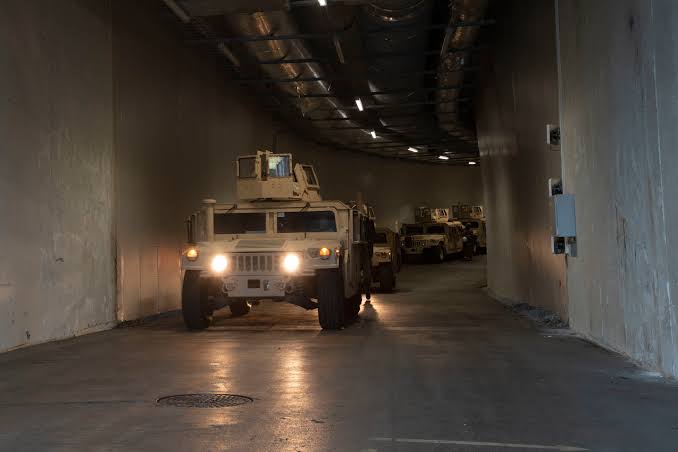
The United States’ advanced intelligence and surveillance systems, airpower, and precision-strike capabilities do not guarantee that it can eliminate all of Iran’s critical military capabilities in a short period. Detecting a hardened facility is not the same as completely neutralising the systems inside it. Moreover, missile systems and unmanned aerial vehicles brought out from underground can continue to inflict damage on an adversary even after attacks have taken place.
This situation highlights the limits of military superiority while increasing the importance of ammunition stocks, production capacity, and logistical continuity. Even a powerful military such as that of the United States can face challenges involving ammunition consumption, replenishment requirements, and the neutralisation of hardened targets during a prolonged conflict. These difficulties bring the cost dimension of modern warfare into sharper focus.
The central lesson from Iran is clear: Inflicting severe damage on a country’s military infrastructure does not necessarily mean eliminating its entire capacity to retaliate. Systems protected underground, surviving supply networks, and reusable platforms can prolong a conflict.
The new strategic objective: Disrupting supply networks
In modern warfare, the attacking side should not focus solely on how quickly it can defeat its adversary’s military forces. One of the more important questions is how effectively it can disrupt the supply networks that sustain the adversary’s underground operational system.
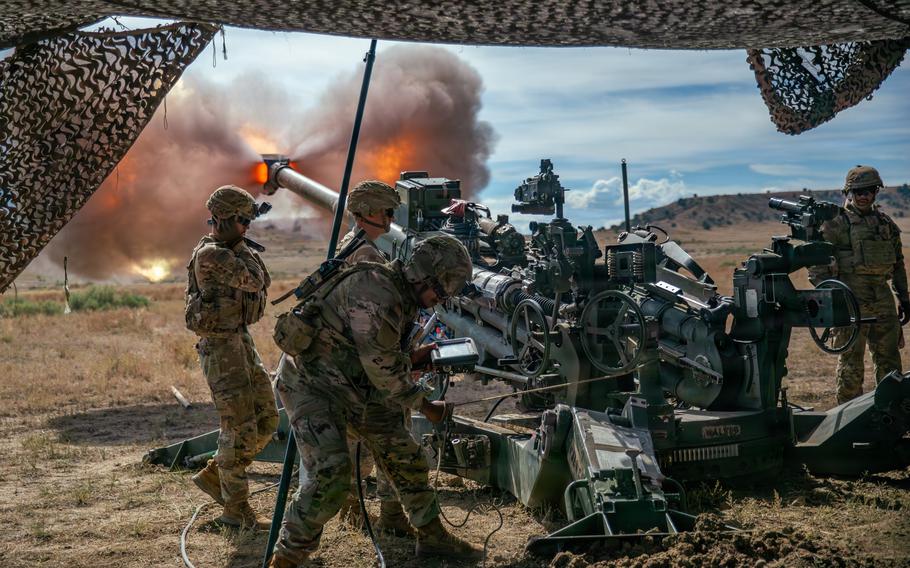
Troops operating underground still need food, ammunition, energy, and communications. Generators require fuel, weapons systems need spare parts for maintenance, and production facilities depend on raw materials and components to continue operating. When these flows are interrupted, the advantages provided by protected facilities can gradually diminish.
However, completely sealing off supply routes is not always possible. If a country continues to receive support from friendly nations by land, sea, or air, cutting all its connections can become extremely difficult for an attacker. The war in Ukraine demonstrates how geography and external support can limit the ability of military superiority to produce decisive results.
For defenders, preparing underground facilities to withstand a prolonged siege, securing critical stockpiles, and establishing sustainable supply relationships with friendly countries are vital. This requires not only military planning but also effective economic resource management and foreign policy.
The true measure of military superiority is changing
It is difficult to predict precisely how modern warfare will evolve. Technological advances are increasing offensive capabilities, but the same technologies also allow defenders to resist at lower cost and constrain an attacker’s movements. AI-assisted target detection, unmanned systems, and precision-strike weapons are making the battlefield more transparent, while underground infrastructure and dispersed logistics networks are creating limits to that transparency.
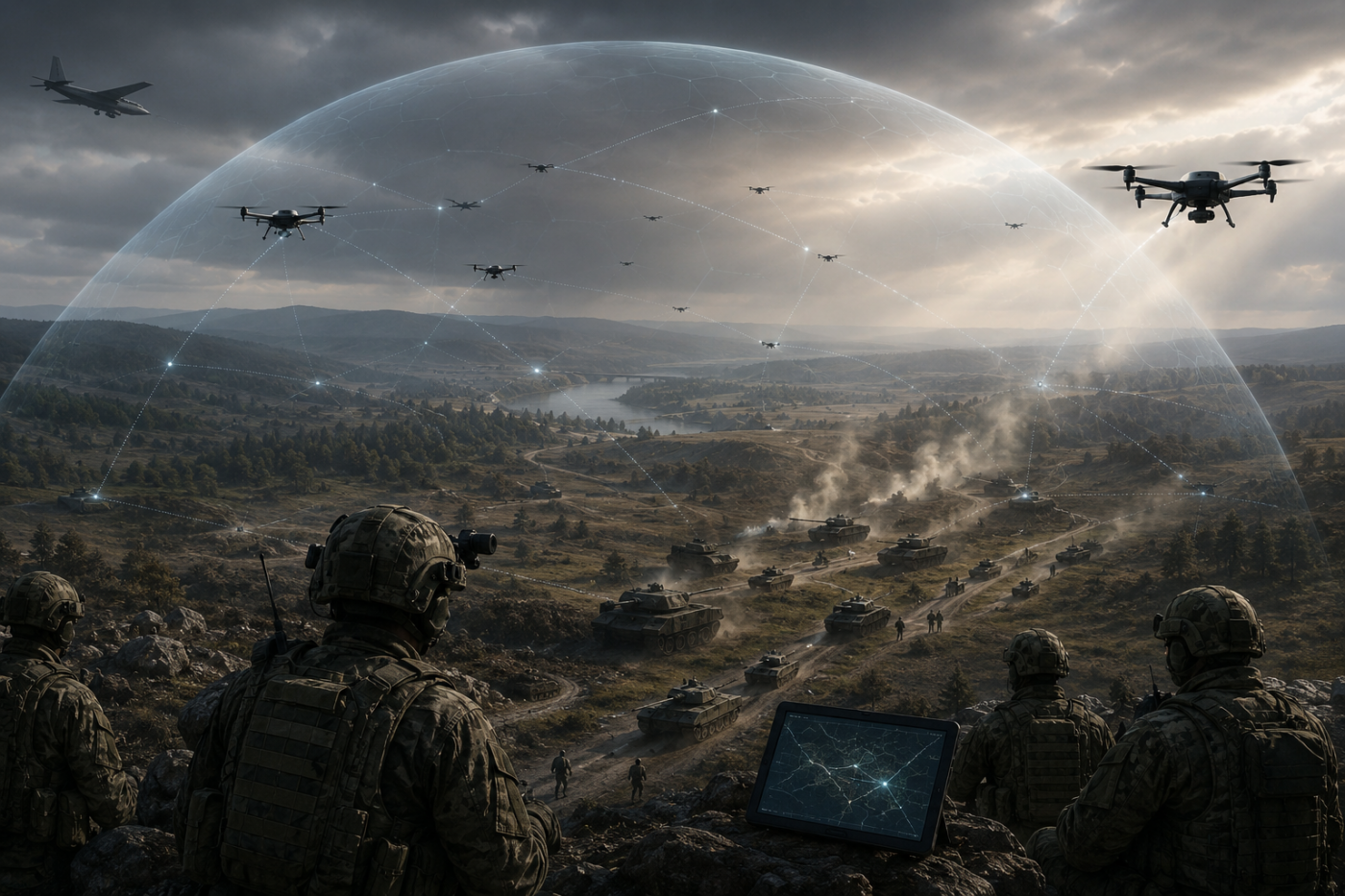
This has important implications for global defence policies. Military success can no longer be measured solely by the number of platforms an armed force possesses, its firepower, or its technological sophistication. Sustaining ammunition production, securing access to energy, obtaining critical components, and protecting supply routes are becoming just as decisive as battlefield performance.
Ultimately, military superiority in modern warfare is becoming less of a guarantee of swift victory. Overcoming an adversary’s defensive systems remains important, but disrupting the networks that sustain its ability to fight is becoming equally critical. Even the most advanced militaries may face a longer and more costly conflict than anticipated when confronting a country capable of protecting its assets underground, receiving external support, and managing its resources over an extended period.
In the wars of the future, the decisive factor will not simply be who can strike harder, but who can sustain the capacity to fight for longer.