

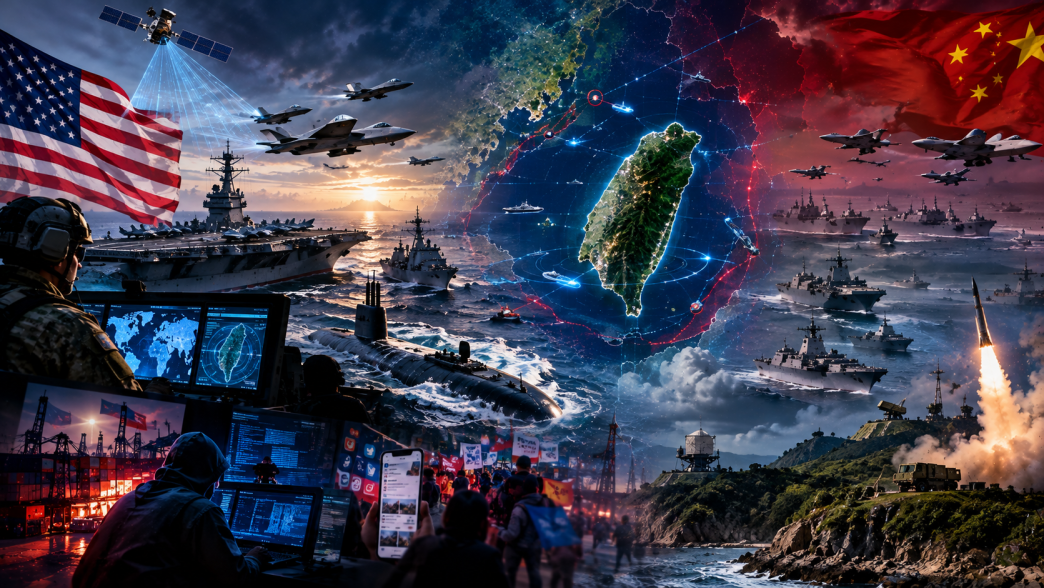
The rivalry between the United States and China in the South China Sea is no longer being played out solely through naval power, aircraft carriers, or missile systems. The real struggle is increasingly shaped by grey-zone strategies designed to force an adversary to back down without triggering direct warfare. While China has gained considerable experience in this field over the past decade, Washington’s patrols, diplomatic statements, and joint declarations with its allies have proved insufficient to halt Beijing’s moves.
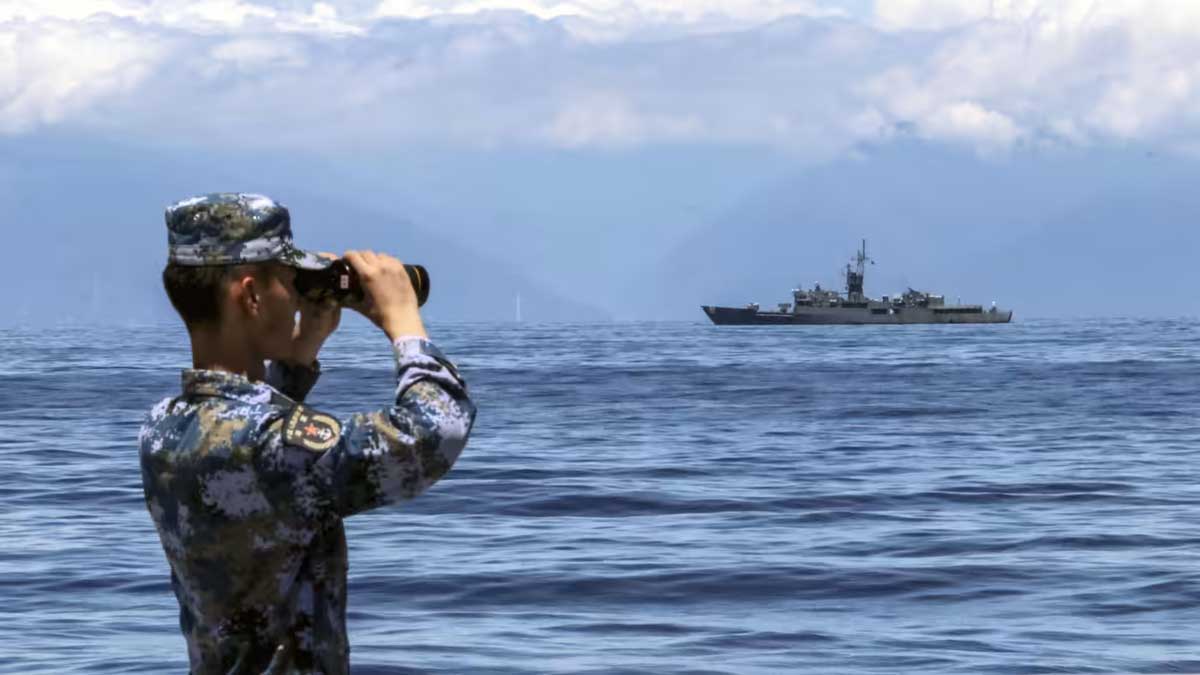
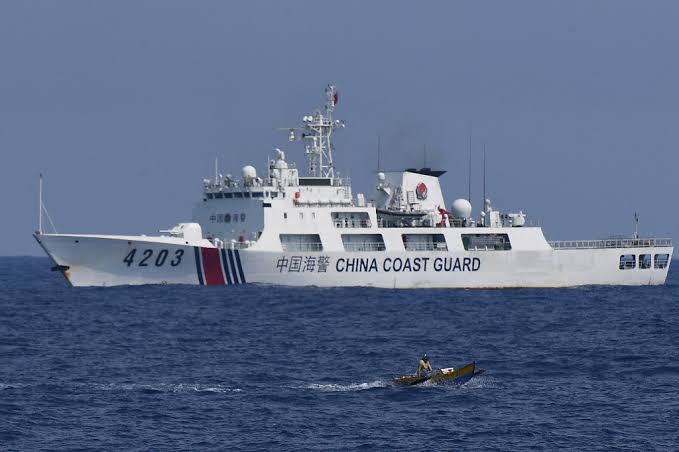
Interference by Chinese coast guard vessels with Philippine boats, the concentration of maritime militia around disputed reefs, and the use of unmanned aerial vehicles to monitor foreign ships are among the key elements of this strategy. Beijing is expanding its presence on the ground without crossing the threshold into military conflict, gradually seeking to turn its claims into facts on the ground. Washington, meanwhile, has generally limited its responses out of concern about escalating tensions. 
However, rather than changing China’s calculations, this approach could reinforce the perception that similar actions can be sustained at little cost. To preserve its deterrence in the region, the United States needs not only to demonstrate its military superiority but also to develop a strategy capable of countering Beijing’s grey-zone moves on the same level.
China’s Low-Intensity Coercion Strategy
Beijing’s approach in the South China Sea is based on achieving strategic objectives without resorting to military force. Coast guard units, maritime militia operating under the guise of fishing vessels, and unmanned systems are used as complementary tools when necessary. Through this method, China can undermine its neighbours’ sovereign rights while avoiding the political and economic costs of direct warfare.
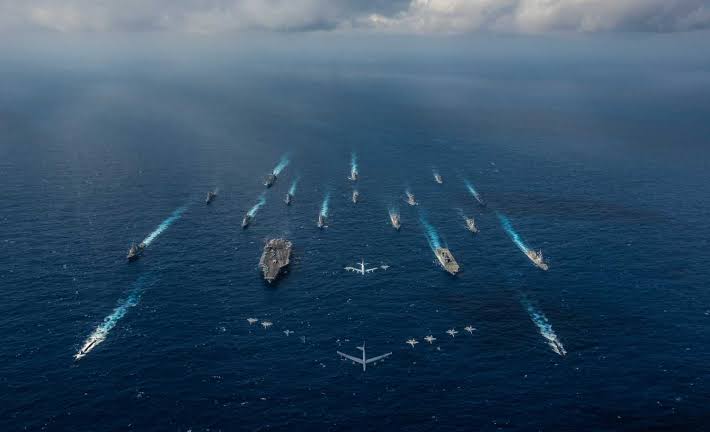
This situation also exposes the limitations of the United States’ traditional approach to deterrence. Large-scale military capabilities do not always provide an effective response to an adversary’s limited and deniable actions. Moreover, Washington’s consideration of military intervention in every incident carries the risk of unnecessary escalation.
The solution lies not in copying China’s methods outright, but in making more effective use of US strengths in intelligence, cyber capabilities, electronic warfare, and regional partnerships.
A New Approach from Intelligence to Counteraction
The targeting cycle used by the US military—find, fix, finish, exploit, analyse, and disseminate—can be adapted to grey-zone competition. Within this framework, a model could be developed that prioritises calibrated responses designed to constrain an adversary’s activities and impose costs rather than directly destroying physical targets.
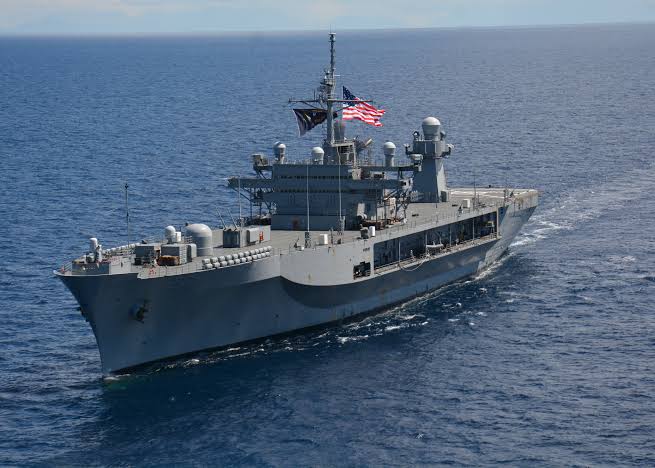
The initial stages of this process are largely already in place. The United States has sufficient reconnaissance and surveillance capabilities in the region to monitor the activities of the Chinese navy, coast guard, and maritime militia. Improving intelligence sharing with the Philippines and other regional countries could make this network even more effective.
The main shortcoming emerges when intelligence must be translated into countermeasures that produce tangible results on the ground. Washington often acts cautiously out of concern that tensions could spiral out of control. Yet measured responses, grounded in law and implemented within clearly defined limits, can also strengthen deterrence without resorting to direct military confrontation.
Electronic warfare is one such option. If Chinese unmanned aerial vehicles are used to harass or surveil US partners, electronic jamming and methods designed to temporarily disable these systems could be considered under appropriate circumstances. Depending on how tensions develop, similar capabilities could become part of a broader deterrence framework.
The central issue is not simply to deliver a technical response. Beijing must be shown clearly that pressure against US allies will not go unanswered. At the same time, the potential effects of electronic warfare on civil aviation, maritime transport, and regional security must be taken into account.
Cyber Capabilities and Economic Pressure
Another instrument available to the United States is the cyber domain. Cyber operations targeting Chinese military and administrative networks could be considered not only for intelligence gathering or defence but, where necessary, as part of a range of calibrated response options. For example, following an aggressive intervention against a Philippine vessel, legal and technical measures could be considered against Chinese-linked maritime organisations believed to be responsible.
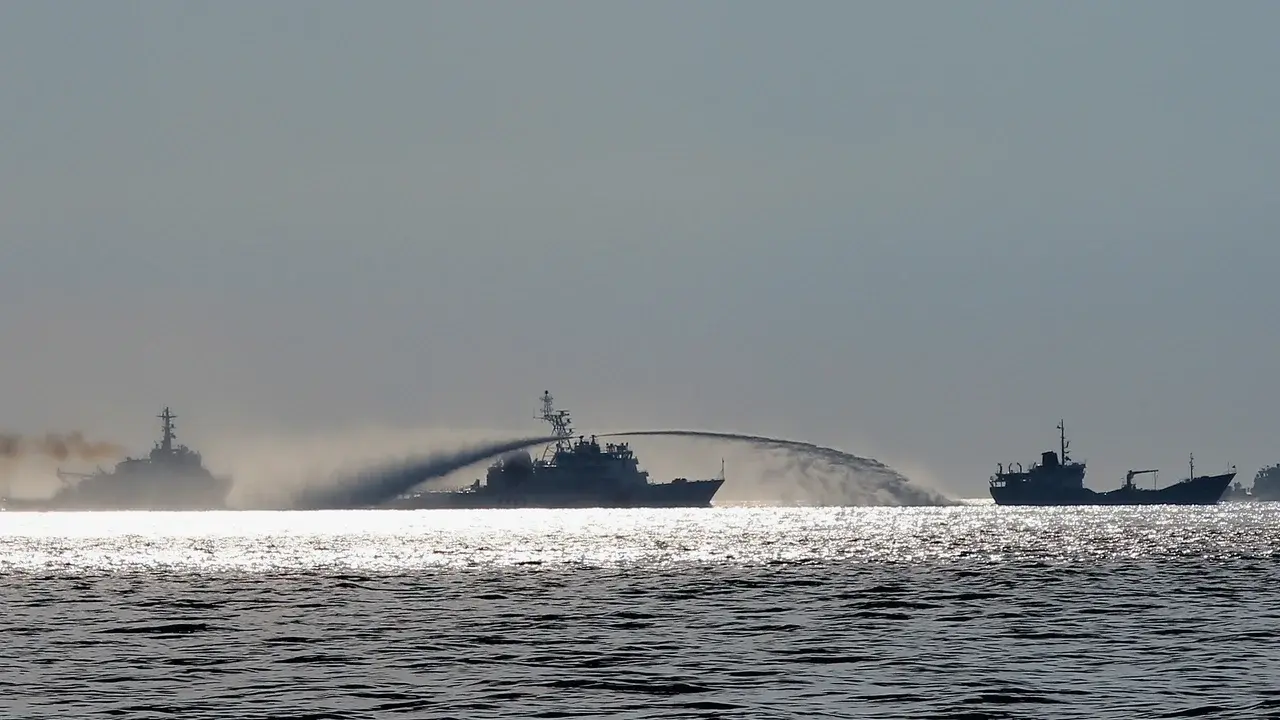
However, the targets, effects, and legal foundations of cyber operations must be carefully assessed. Actions that could affect civilian infrastructure or provoke a broader retaliatory response may deepen a crisis rather than strengthen deterrence.
Economic instruments could serve a similar purpose. In 2022, the United States imposed sanctions on Chinese distant-water fishing companies linked to human rights abuses and illegal fishing. This approach could be expanded to cover companies proven to have supported illegal activities or maritime militia operations in the South China Sea.
Freezing assets, restricting financial transactions, and making it more difficult for the companies concerned to access the international financial system could increase the costs of these activities. Nevertheless, sanctions must be based on concrete evidence, comply with international law, and avoid becoming arbitrary measures directed exclusively against a particular country.
Regional Partners at the Centre of Deterrence
One of the United States’ greatest advantages is its network of partnerships across the Asia-Pacific. Security cooperation with countries throughout the region, particularly the Philippines, Japan, and Australia, could create a common framework for countering China’s coercive policies.
The fundamental principle of this approach is that regional countries must be able to exercise their rights under international law in their territorial seas and exclusive economic zones. The United States, meanwhile, can strengthen their operational capabilities through intelligence sharing, surveillance capacity, logistical support, and the provision of necessary technical resources.
For example, inspections against illegal fishing could be intensified under national law; maritime militia activities could be documented and brought before international forums; and Chinese movements in disputed areas could be monitored more comprehensively. However, it is important to remember that the rights associated with exclusive economic zones are not equivalent to the sovereign powers exercised in territorial seas. Every intervention must be grounded in the relevant law of the sea and the legal authority of the state concerned.
This distinction is particularly important in an environment where China presents its own activities as coast guard operations while attempting to restrict the rights of its neighbours. By supporting its partners in acting on a legal basis, Washington can reduce the effectiveness of Beijing’s coercive strategy.
Information Superiority and Strategic Communication
In grey-zone competition, what happens on the ground matters, but so does how events are documented and communicated to international audiences. Exposing Chinese maritime activities through satellite imagery, radar data, recordings from unmanned systems, and other intelligence can limit Beijing’s ability to present events in a different light.
Expanding intelligence sharing with regional countries could enable them to defend their rights more effectively. Countries such as the Philippines could establish a stronger basis for diplomatic initiatives and legal proceedings by documenting Chinese interference with their vessels.
Keeping direct communication channels between Washington and Beijing open should also be an important part of this strategy. Communication established before potential countermeasures are taken could give China an opportunity to de-escalate tensions and help prevent a conflict arising from miscalculation.
Does the Risk of Escalation Require Abandoning Deterrence?
A more active US grey-zone strategy could increase tensions in the short term. Chinese retaliation, an intensification of cyberattacks, or more dangerous encounters at sea cannot be ruled out. For this reason, Washington’s actions must be measured, gradual, and governed by clearly defined legal boundaries.
Nevertheless, constantly remaining on the sidelines in the name of deterrence is not without risks. As long as Beijing faces no significant costs, it may continue expanding its coercive methods. Such a process could weaken the confidence of regional countries while enabling China to extend its de facto control over maritime areas.
The rivalry in the South China Sea should be viewed as part of a broader global power struggle. As competition between the United States and China intensifies in technology, trade, critical minerals, supply chains, and military capabilities, even relatively small maritime incidents in the region can produce wider strategic consequences. Military activity around Taiwan and the strengthening of regional alliances demonstrate that this competition is unfolding simultaneously across multiple fronts.
Washington’s challenge is not to confront China militarily over every incident, but to prevent Beijing from continuously benefiting from low-intensity coercion. Achieving this requires a coherent strategy that combines intelligence and technological superiority with regional partnerships, employs economic and legal instruments, and delivers measured responses when necessary.
Ultimately, remaining passive in grey-zone competition is not a neutral choice. On the contrary, it can make it easier for an adversary to continue using its existing methods. The United States’ ability to maintain deterrence against China will depend not only on the scale of its military power but also on how effectively it can use that power against coercive actions that remain below the threshold of armed conflict.