


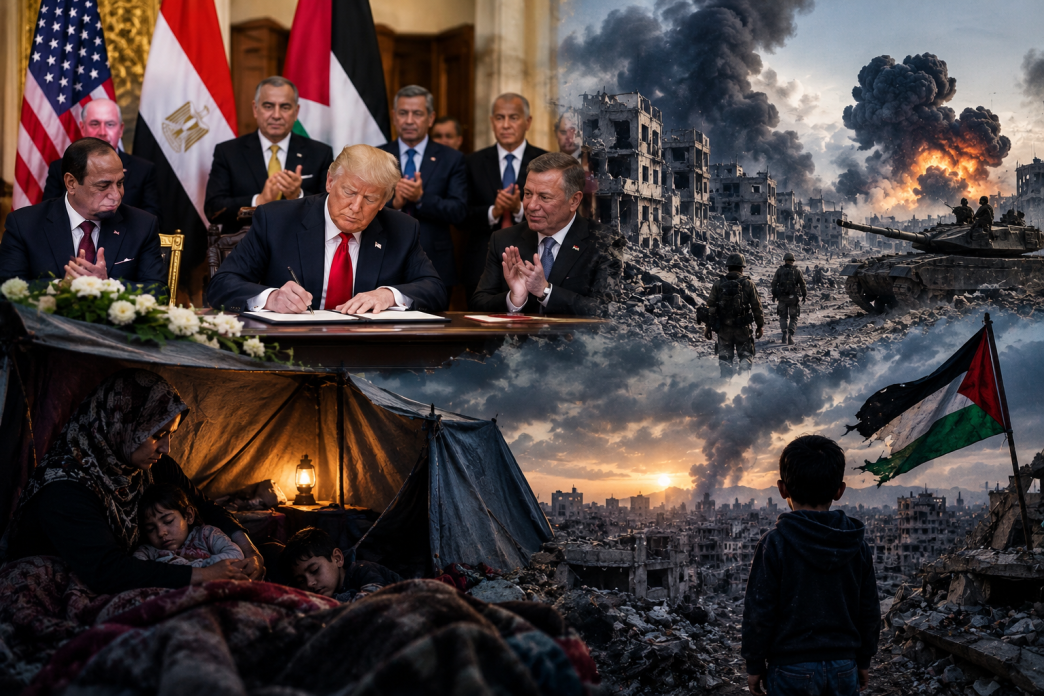
The ceasefire announced as having taken effect in Gaza on October 10, 2025, is being presented as a significant diplomatic achievement by Donald Trump’s administration. However, the situation on the ground reveals a deep divide between the agreement as announced and the daily lives of Palestinians. The continuation of Israeli attacks, civilian deaths, the collapse of the healthcare system, and millions of people facing a housing crisis demonstrate that a ceasefire alone does not mean peace.
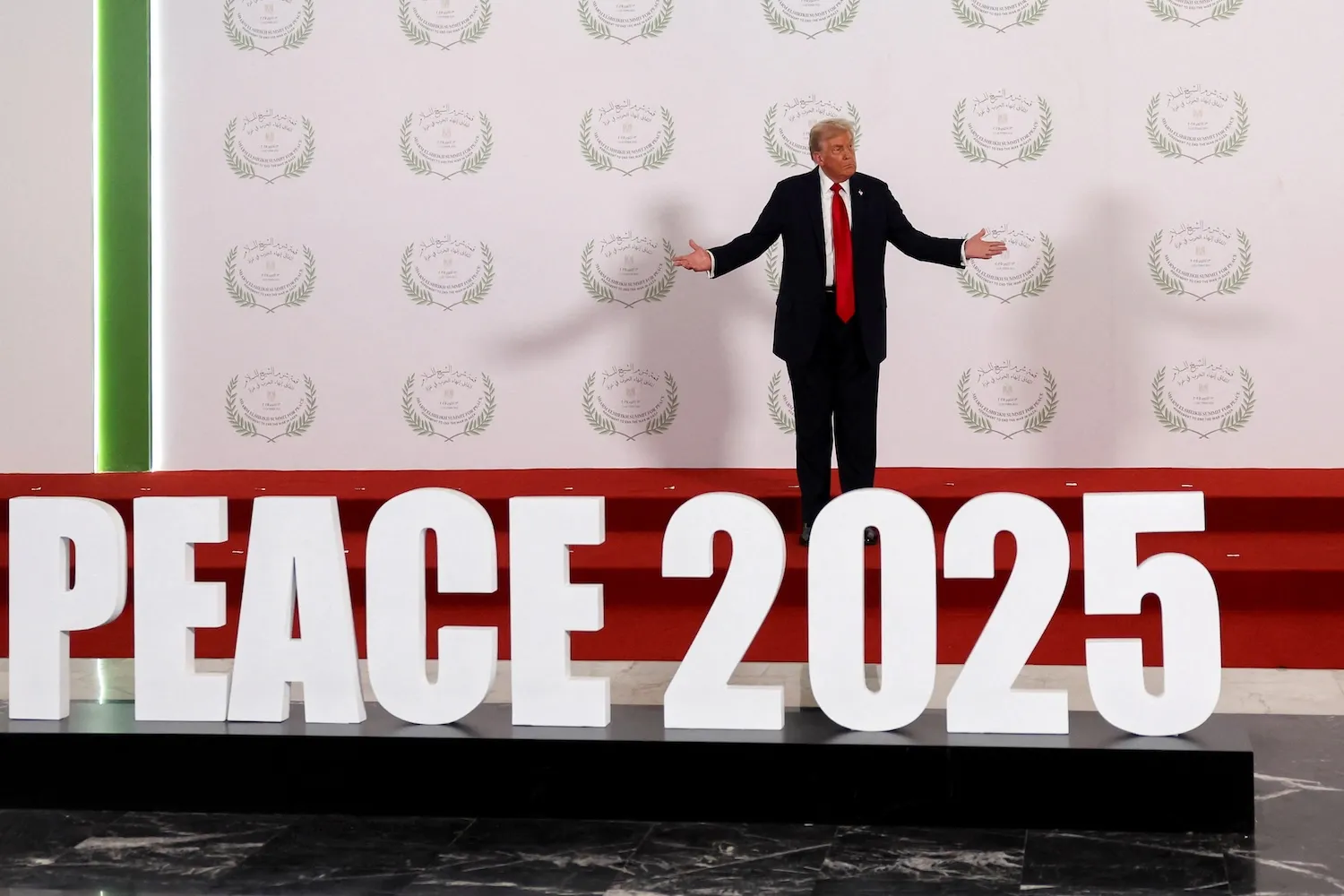
The true meaning of a ceasefire is not simply a reduction in the use of weapons or statements by the parties declaring their commitment to an agreement. It requires the establishment of conditions in which civilians are no longer killed, humanitarian aid arrives without interruption, and people can safely return to their homes. In Gaza, these conditions have yet to be achieved. 
A ceasefire was declared, but casualties continue
The killing of at least seven Palestinians by Israeli fire, including an eight-year-old girl, even on the first anniversary of the ceasefire, demonstrates the severity of the situation on the ground. According to figures from Gaza’s Health Ministry, at least 1,498 Palestinians have been killed and 5,306 injured since the ceasefire took effect on October 10, 2025. These figures show that civilians have continued to face the risk of death and injury during the ceasefire.
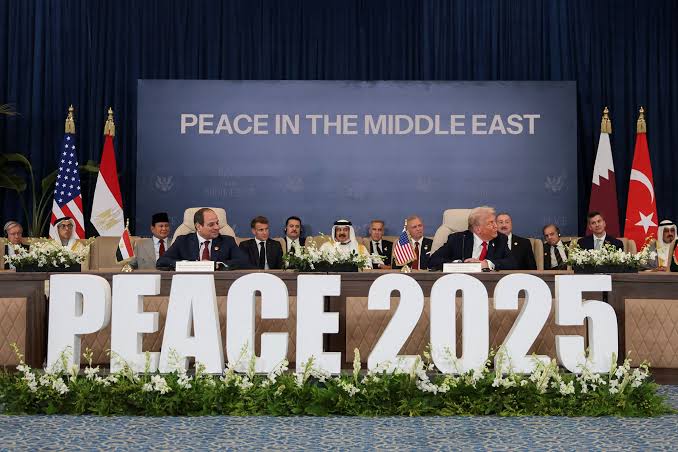
The overall toll of Israeli attacks since October 2023 is far more devastating. According to figures reported by Gaza’s Health Ministry, at least 74,389 Palestinians have been killed, while the number of injured has exceeded 175,423. At least 21,976 of those killed are children. This picture demonstrates that the devastation in Gaza has developed into a humanitarian catastrophe on a scale that cannot be explained solely as the consequence of a military conflict.
Another issue requiring careful consideration by the international community is the allegations of genocide. The mass killing of civilians in Gaza, the severe destruction of living conditions, and the obstruction of access to basic necessities lie at the center of serious legal debates concerning the crime of genocide. Although a legal determination of genocide requires competent judicial bodies to assess the relevant elements, including specific intent, the gravity of the situation does not remove the obligations under international law to prevent genocide and protect civilians.
The healthcare system has collapsed, and humanitarian aid remains inadequate
One of the most important tests of the ceasefire in Gaza is whether basic human needs are being met. However, reports from humanitarian organizations indicate that shortages of food, clean water, medicine, and medical supplies continue. The World Health Organization drew attention to the dire state of the healthcare system through assessments indicating that, in early October 2026, not a single hospital in Gaza was fully functional.
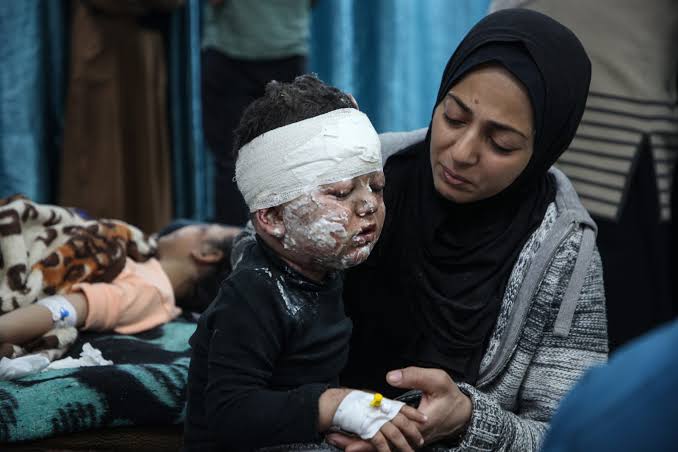
Delays in the entry of medical supplies, inadequate hospital equipment, and damage to healthcare infrastructure can cause even treatable illnesses to have fatal consequences. Moreover, restoring healthcare services requires more than the delivery of medicine. Essential resources such as electricity, water, fuel, medical equipment, and specialized personnel must also be provided together.
The problem is not limited to healthcare. According to the United Nations Office for the Coordination of Humanitarian Affairs (OCHA), approximately 279,000 people are living in 400 temporary displacement sites at risk of flooding, while around 44,000 people are sheltering in buildings at risk of collapse, according to its October report. As winter approaches, inadequate tents, damaged sewage systems, and shortages of clean water are creating additional health risks, particularly for children and older people.
Furthermore, according to a Reuters report published on October 16, the suspension of commercial supplies threatens the limited progress made in combating malnutrition among children. UNICEF emphasizes that improvements in the nutritional status of young children remain fragile and could be reversed unless a regular flow of supplies is maintained.
The promise of reconstruction remains unfulfilled
One of the most important expectations the ceasefire offered Palestinians was the opportunity to return home and rebuild their lives. Yet vast areas of Gaza remain in ruins. In addition to residential buildings, schools, hospitals, water networks, and other essential infrastructure have suffered extensive damage. The lack of adequate safe shelter is forcing hundreds of thousands of people to live in temporary and dangerous conditions.
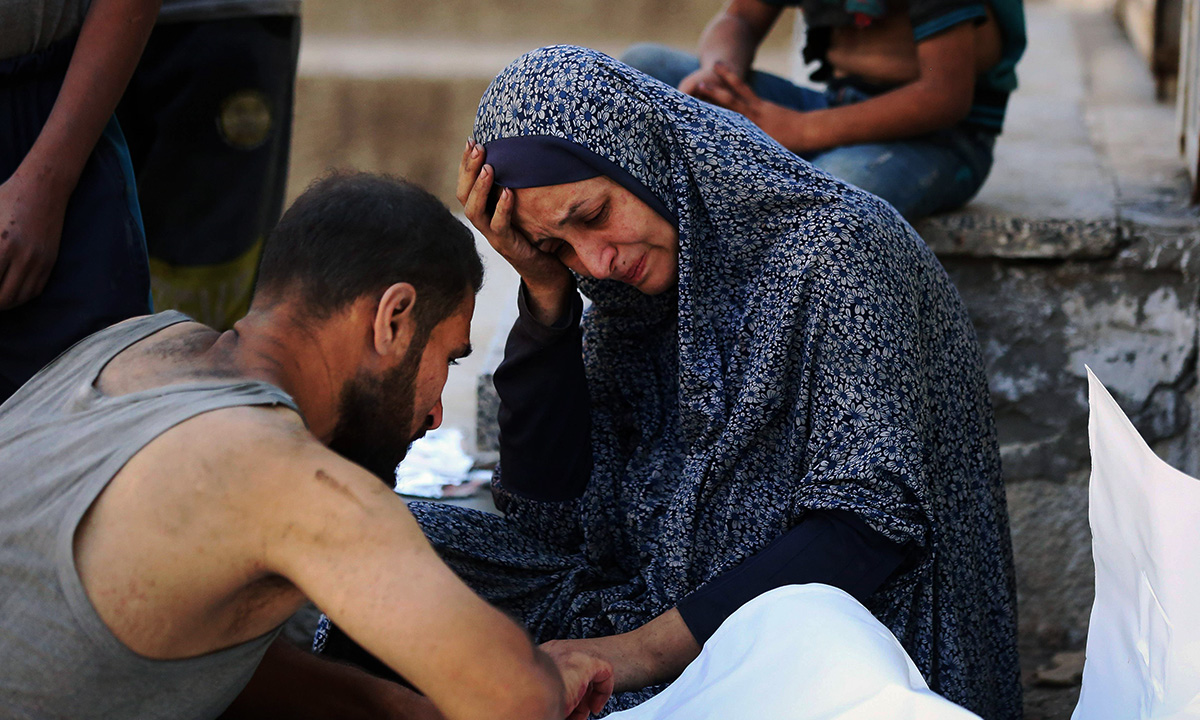
Peace and reconstruction initiatives supported by the US administration have also failed to overcome the obstacles on the ground. Reports that preparations for an international stabilization force planned under Trump’s Board of Peace have been hampered by Israeli restrictions on access highlight the gap between diplomatic plans and their implementation.
Reconstruction is not simply a matter of rebuilding structures. People must be able to return home safely, essential services must be restored, and confidence must be established that further attacks will not take place. Without these conditions, announced economic projects and international conferences will have only a limited impact on the daily lives of Gaza’s population.
The success of a ceasefire cannot be measured by political statements
Developments in Gaza demonstrate how easily the term “ceasefire” can be turned into a declaration of political success. Washington may present the agreement as a diplomatic achievement, but the existence of an agreement does not mean that obligations on the ground are being fulfilled. In a statement marking the first anniversary of the ceasefire, the United Nations Human Rights Office also reported that killings and injuries were continuing and that serious concerns about civilian protection remained.
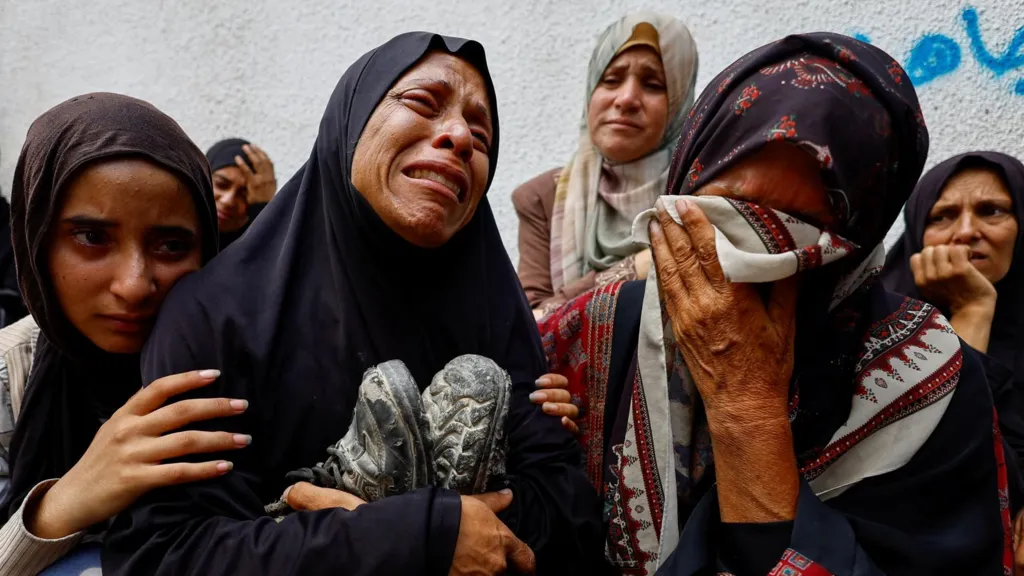
What is happening in Gaza is also a test of the credibility of international law. Effective investigations into allegations of war crimes and genocide, the protection of civilians, and accountability for those responsible for violations are among the fundamental conditions for lasting peace. The international community’s responsibility cannot be limited to calling for a ceasefire; concrete diplomatic and legal measures must also be taken to protect civilians.
Ultimately, the ceasefire in Gaza has not ushered in a period in which violence has ended and life has returned to normal. As Palestinians continue to be killed, families remain displaced, and basic needs go unmet, the agreement cannot be regarded as a peace achievement in itself.
The true measure of a ceasefire is not the existence of diplomatic documents but whether people can survive and live in safety. Unless civilians in Gaza are protected, humanitarian aid is delivered without interruption, destruction comes to an end, and reconstruction begins, the language of a ceasefire risks concealing the continuing dimensions of the catastrophe facing Palestinians rather than bringing it to an end.