


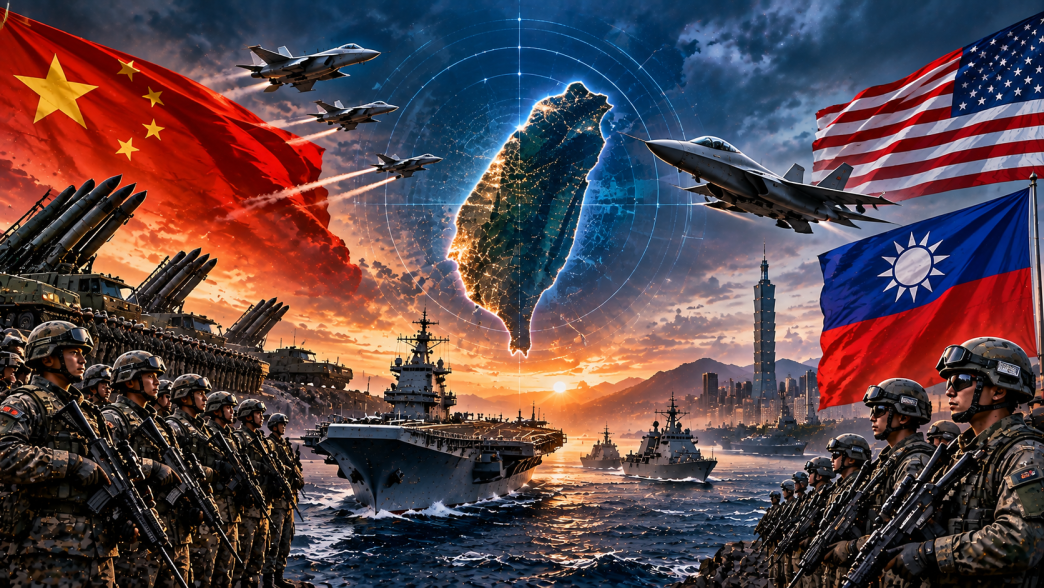
The security environment taking shape in East Asia can no longer be understood solely through the lens of military capabilities. The region is witnessing a multidimensional struggle for power in which economic resilience, technological superiority, defense industry capacity, alliance relationships, and political choices are increasingly interconnected. China’s rise, the United States’ Indo-Pacific strategy, Japan’s evolving defense policies, and Taiwan’s political future have become key factors shaping the region’s emerging order.
These developments are also changing assessments of when a potential conflict in the Taiwan Strait might occur. Western security circles have long focused on the modernization objectives of the People’s Liberation Army (PLA), particularly the year 2027. However, reaching a certain level of military capability does not necessarily mean that Beijing will choose to act at that particular moment. The more decisive factor is how the Chinese leadership assesses the prevailing political conditions and under what circumstances it might consider employing military force. 
From this perspective, Taiwan’s presidential election scheduled for 2028 could represent a far more significant strategic turning point than any individual military modernization milestone.
Jonathan Czin, a former China specialist at the CIA and the US National Security Council, argues in his analysis for Foreign Affairs that Beijing’s priority is not necessarily to launch military action in the near future, but rather to influence Taiwan’s political direction. This approach suggests that China is placing increasing emphasis not only on military pressure but also on building political influence, leveraging economic relations, and exploiting divisions within Taiwan’s domestic political landscape.
A different perspective, however, comes from a former US naval attaché who served in Beijing and continues to maintain contacts with Chinese officials. According to his assessment, Washington and Beijing may be approaching a new period of coexistence in which competition is kept within certain limits, resembling the strategic stability that emerged following the normalization of relations in the late 1970s and early 1980s.
If such a rapprochement materializes, the most important question for East Asian security will no longer concern Taiwan alone. Japan’s position within a potential new balance between the United States and China could become just as consequential as the Taiwan issue itself.
A Historic Transformation in Japan’s Security Policy
Sanae Takaichi’s rise to the position of Japanese prime minister can be regarded as one of the most significant developments in Japan’s security policy since the era of Shinzo Abe. The more proactive defense approach strengthened during Abe’s premiership between 2012 and 2020 is now entering a new phase under Takaichi.
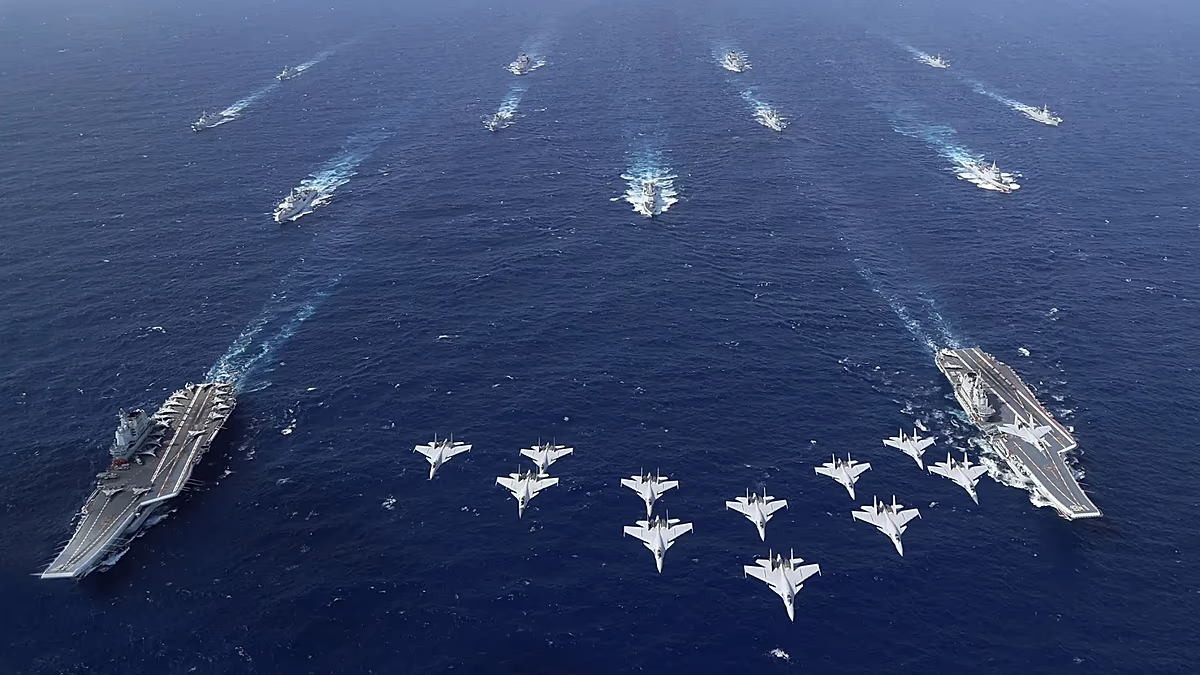
Her administration has made increased defense spending, expanded military capabilities, and stronger security partnerships across the Indo-Pacific central priorities. At the heart of this approach lies the conviction that Taiwan’s security and Japan’s national security cannot be considered separately.
For Japan, a potential conflict in the Taiwan Strait would mean much more than a military confrontation between China and Taiwan. It could seriously disrupt the country’s energy supplies, maritime trade routes, and regional economic connections. Given Japan’s heavy dependence on maritime transportation for access to energy resources, developments around Taiwan have become a direct national security concern.
This position essentially builds upon Shinzo Abe’s earlier argument that a crisis in Taiwan would inevitably become a security crisis for Japan as well.
Beijing, however, interprets Tokyo’s policy differently. The Chinese leadership views Japan’s expansion of military capabilities and its increasingly explicit position on Taiwan as attempts to shift the regional balance of power against China. Beijing also argues that Japan is adopting a more assertive security posture without adequately addressing its responsibilities arising from its wartime history.
Japan’s defense transformation, therefore, is not simply a response to the perceived Chinese threat. It also represents the return of historical mistrust between the two countries to the center of their strategic competition.
For Taiwan’s ruling Democratic Progressive Party (DPP), meanwhile, Takaichi’s approach presents a significant opportunity. Japan’s more determined security posture strengthens Taiwan’s connections with regional democratic and security networks while contributing to greater deterrence against China.
The Debate Over Rapprochement with China in Taiwanese Politics
One of the strongest challenges to Japan’s Taiwan policy comes from the more traditional, Beijing-accommodating wing of Taiwan’s opposition Kuomintang (KMT) party. This faction, commonly described as Deep Blue, advocates preserving historical and cultural ties with China, expanding cross-Strait dialogue, and establishing the foundations for a potential political reconciliation between the two sides over the longer term.
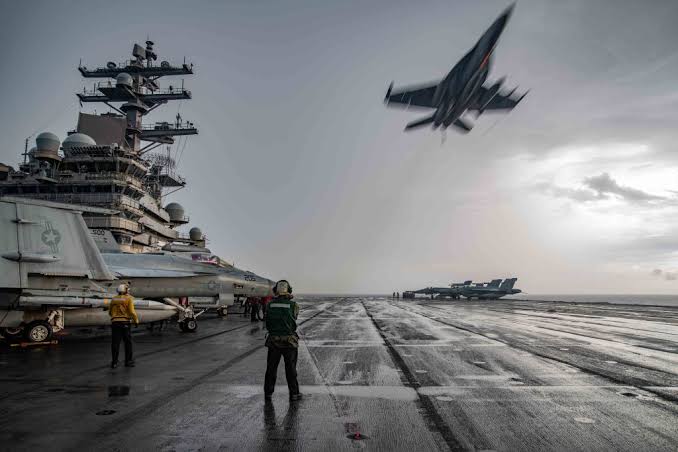
Represented by figures such as Ma Ying-jeou, Hung Hsiu-chu, and Chang Ya-chung, this approach opposes turning Taiwan into the frontline of the broader geopolitical confrontation between China and the US-led regional powers.
From this perspective, Japan’s security approach toward Taiwan could narrow the island’s ability to determine its own political and economic future. Rather than becoming part of a military rivalry between major powers, Taiwan should seek to reduce the risk of conflict by developing its relations with Beijing in a controlled manner.
Supporters of Takaichi’s policies, however, argue that rapprochement with China alone cannot guarantee peace. According to this perspective, the most effective way to constrain Beijing’s military and economic pressure is to strengthen Taiwan’s defense capabilities and establish more robust relationships with regional partners, particularly Japan.
The divide between these two approaches is emerging as one of the most important political debates Taiwan will face ahead of the 2028 election.
Cheng Li-wun’s emergence as KMT leader has introduced another dimension to this debate. Her emphasis on reviving dialogue with China and normalizing cross-Strait relations is influencing Beijing’s expectations regarding Taiwan’s political future.
According to Jonathan Czin’s assessment, the Chinese leadership attaches greater importance to options that could produce a change in Taiwan’s political orientation than to immediate military intervention. Consequently, the strengthening of the KMT faction advocating closer relations with China is viewed in Beijing as a potential strategic opportunity.
There is, however, an important limitation to this calculation. Policies explicitly favoring Beijing do not enjoy overwhelming or uncontested public support within Taiwanese society. There are also differing opinions within the KMT itself regarding how far relations with China should be developed. Therefore, Beijing’s political expectations remain far from certain.
The 2028 Election Will Test China’s Strategic Patience
The significance of the 2028 election lies primarily in the fact that uncertainty over Taiwan’s political future directly affects China’s long-term strategic calculations.
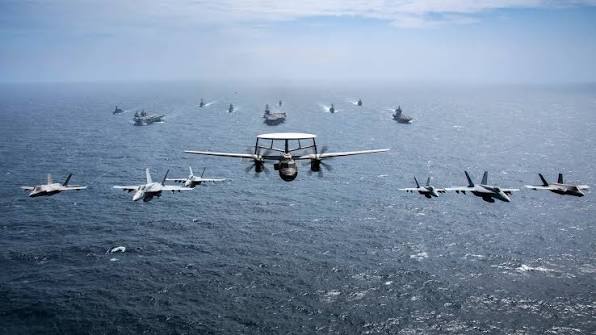
A KMT victory could reinforce Beijing’s belief that its approach of pursuing political objectives through political pressure, economic relations, and diplomatic engagement rather than military intervention is working. Such an outcome could give the Chinese leadership additional time to manage cross-Strait relations and deepen political rapprochement.
A fourth consecutive victory for the DPP, however, would carry a very different meaning for China. Beijing could interpret such an outcome as evidence that years of military pressure, economic leverage, and efforts to build political influence have failed to change the preferences of Taiwanese voters.
For Beijing, the issue would extend beyond losing an election. The Chinese leadership might conclude that Taiwan’s political identity and expectations for the future are moving increasingly further away from the mainland. This could prompt Xi Jinping’s administration to reconsider its existing strategy.
Nevertheless, it would be misleading to assume that the election results would automatically determine China’s decision to resort to military intervention. Beijing has numerous instruments of pressure at its disposal beyond the use of military force.
US-China Rapprochement and Japan’s Strategic Position
The assessment offered by the former US naval attaché, who approaches the Taiwan issue from a different perspective, demonstrates why developments cannot be understood solely through relations between Beijing and Taipei.
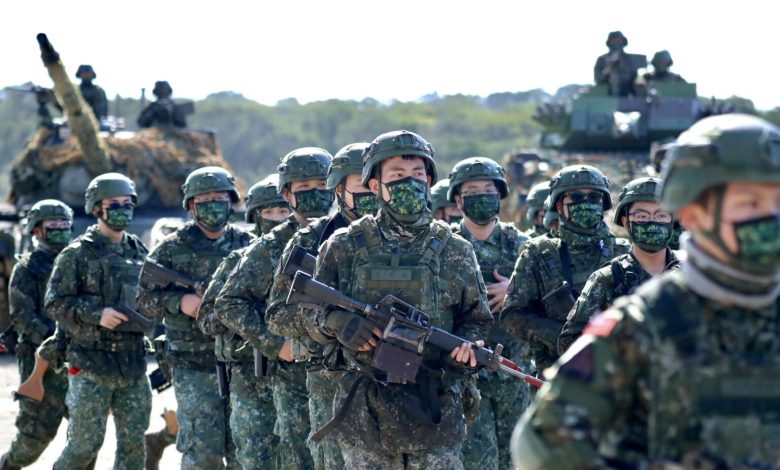
According to this view, Donald Trump has not fundamentally abandoned the longstanding strategic framework underpinning US policy toward China. Although competition between Washington and Beijing continues, both sides appear to be seeking a balance that prevents direct confrontation.
In particular, the continuation of contacts between Trump and Xi Jinping raises the possibility of a framework in which economic, technological, and political competition can be managed within certain limits.
Such an arrangement would not eliminate all disagreements between the two countries. On the contrary, the United States and China could continue competing while maintaining different economic and technological systems. However, mutual understanding and communication channels could be established to prevent this rivalry from escalating into military conflict.
This is precisely where Japan’s position becomes critical.
Takaichi’s decision to define Taiwan as a core Japanese national security concern could complicate any potential strategic accommodation between Washington and Beijing. If US-China relations move toward greater stability, whether Tokyo will maintain its more assertive security posture will become one of the most important questions shaping the emerging regional order.
In other words, a potential understanding between Washington and Beijing may not necessarily eliminate Japan’s security concerns. Japan could even become increasingly concerned that its own strategic interests might be pushed into the background as a new balance takes shape between the United States and China.
For this reason, assessing the future of East Asia requires looking not only at China’s policy toward Taiwan but also at how the alliance between the United States and Japan will evolve.
Competing Visions for Asia at the Xiangshan Forum
The Xiangshan Forum, held in China in September 2026, provided one of the most visible platforms for competing strategic perspectives on the future of East Asia.
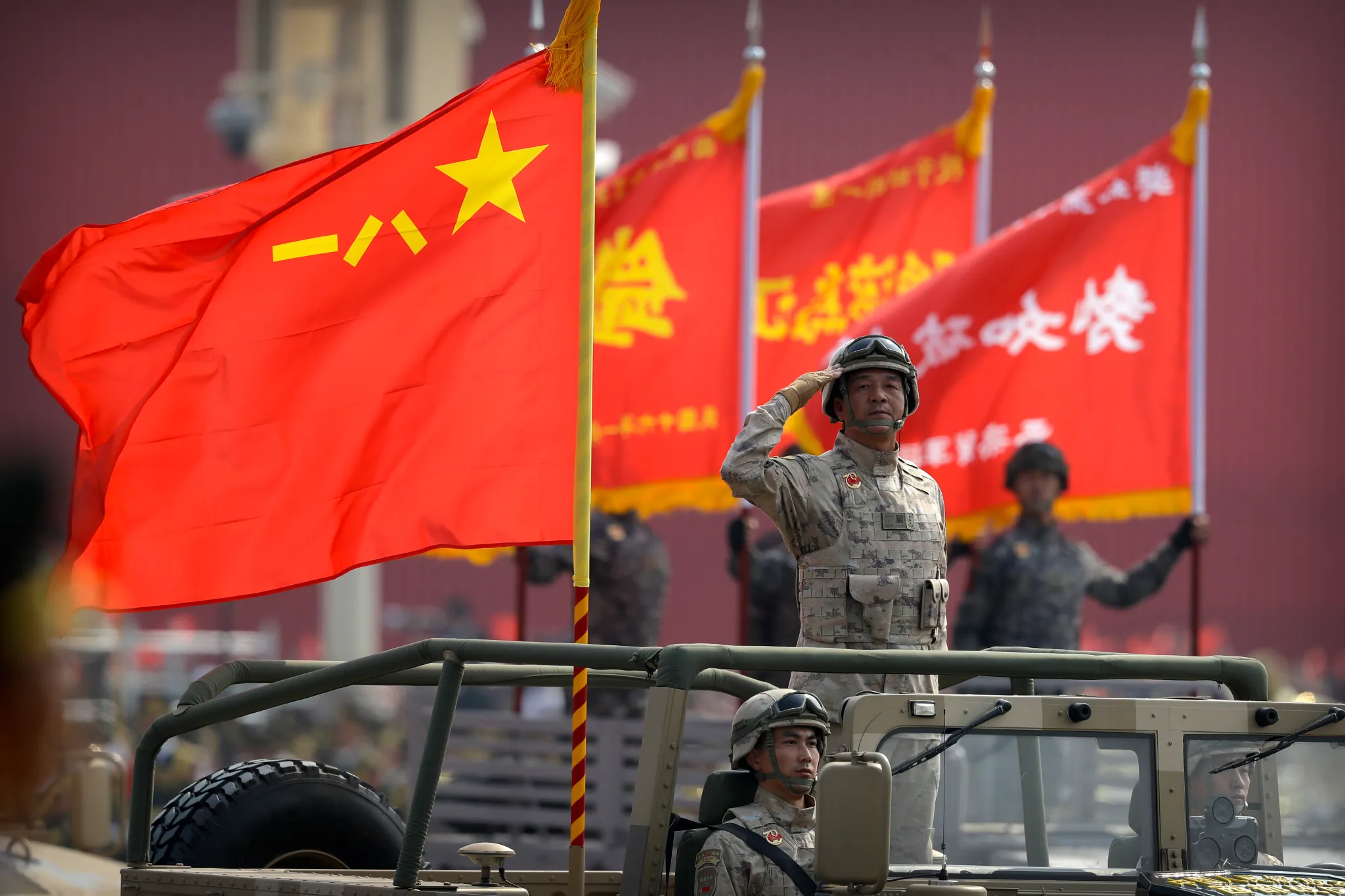
Discussions at the forum demonstrated that Taiwan is no longer viewed merely as a question of territorial integrity or a political dispute between two sides. At the center of the debate is the broader question of what kind of security architecture should emerge across the Asia-Pacific region.
Former Japanese Prime Minister Yukio Hatoyama criticized Takaichi’s remarks on Taiwan, arguing that her rhetoric had further complicated China-Japan relations. Hatoyama emphasized the importance of avoiding statements that could raise questions in Beijing about Japan’s commitment to the 1972 Japan-China Joint Communiqué and its commitments within the framework of the One China policy.
Hatoyama’s position reflects the concern that placing Taiwan at the center of Japan’s regional security policy could make relations with China increasingly fragile over the long term.
Supporters of Takaichi, by contrast, argue that Japan’s security interests cannot be considered independently of its diplomatic sensitivities toward China. However, they maintain that these sensitivities should not take precedence over the country’s defense requirements.
The debate within Japan, therefore, is not simply about how to manage relations with China. It also concerns the extent to which Japan’s post-World War II security doctrine should evolve.
How Will Trump-Xi Relations Shape the Regional Balance?
Relations between the United States and China will continue to influence the strategic calculations of all major actors in East Asia in the coming period.
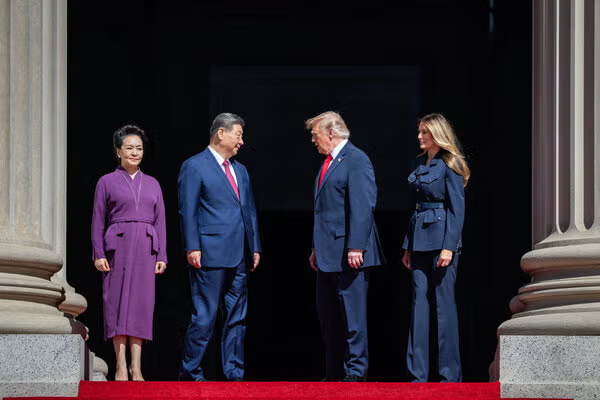
The Trump administration’s pursuit of a degree of economic and political stability with Beijing does not mean that China will abandon its military activities or end its pressure on Taiwan. Nevertheless, an understanding between the two major powers aimed at reducing the risk of direct confrontation could make it possible to manage regional tensions more effectively.
Within this framework, Taiwan is becoming an important test of whether US-China competition can be prevented from inevitably turning into war.
The 2028 election, however, occupies a special place in Beijing’s calculations. If the Chinese leadership continues to believe that political change in Taiwan remains possible, it may choose to postpone military intervention and maintain its existing pressure strategy.
A renewed DPP victory, on the other hand, would raise questions about the effectiveness of this approach. Xi Jinping’s administration could conclude that political and economic instruments have failed to deliver the desired results. Such an assessment could strengthen the incentive to intensify military pressure against Taiwan.
Would a Fourth Consecutive DPP Victory Push China Toward Military Escalation?
A fourth consecutive DPP victory in Taiwan could seriously complicate Beijing’s political calculations. However, there are insufficient grounds to conclude that such an outcome would automatically lead to a decision to invade the island.
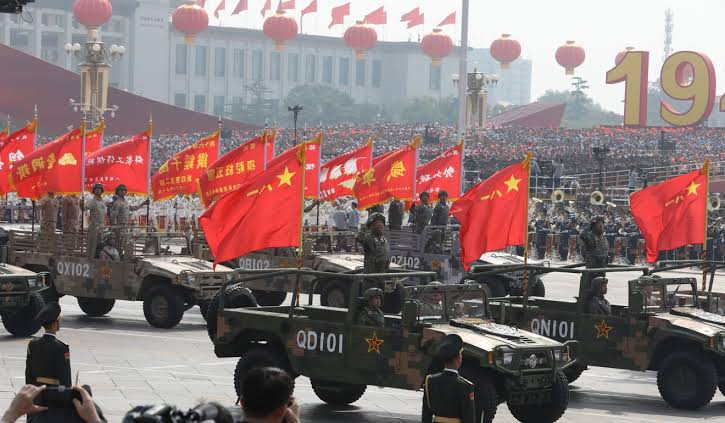
Admiral Samuel Paparo, former commander of US Indo-Pacific Command, stated at the 2025 Honolulu Defense Forum that China’s military activities around Taiwan should not be regarded as ordinary exercises, describing them instead as preparations associated with forced reunification. Paparo’s remarks reflected growing concerns in the United States that the Chinese military is developing the capabilities necessary to place Taiwan under military pressure, sever its connections with the outside world, or potentially launch an operation against the island.
Nevertheless, China’s options are not limited to a large-scale amphibious assault.
Beijing could increase pressure on Taiwan without resorting to open warfare. Maritime traffic monitoring, inspections of vessels, disruptions to transportation routes, economic sanctions, intensified military activities in the air and maritime domains, and cyber operations could all form part of such an approach.
These measures could generate serious disputes under international law and disrupt maritime commerce while seeking to narrow Taiwan’s economic and political room for maneuver.
One of the defining characteristics of gray-zone operations is that they blur the threshold at which military conflict begins. As the parties attempt to restrict each other’s freedom of action without entering into direct warfare, the risks of miscalculation and uncontrolled escalation could increase.
For the United States, Japan, and other regional actors, therefore, the greatest danger may not necessarily be a sudden, full-scale Chinese invasion. Instead, it could be the gradual transformation of a prolonged pressure campaign into a much broader security crisis.
Beyond Taiwan: The Search for a New Regional Order
Assessing the future of strategic competition in East Asia solely through the Taiwan issue risks overlooking other important dimensions of the regional power struggle.
Japan considers Taiwan’s security an inseparable component of its own national defense and is developing regional security partnerships accordingly. The Deep Blue faction within the KMT, meanwhile, advocates restoring dialogue with China and preserving the possibility of political reconciliation. Xi Jinping’s administration is attempting to influence Taiwan’s future by combining military pressure with political and economic instruments. The Trump administration, for its part, is seeking a strategic balance that can limit the risk of direct confrontation while continuing to compete with China.
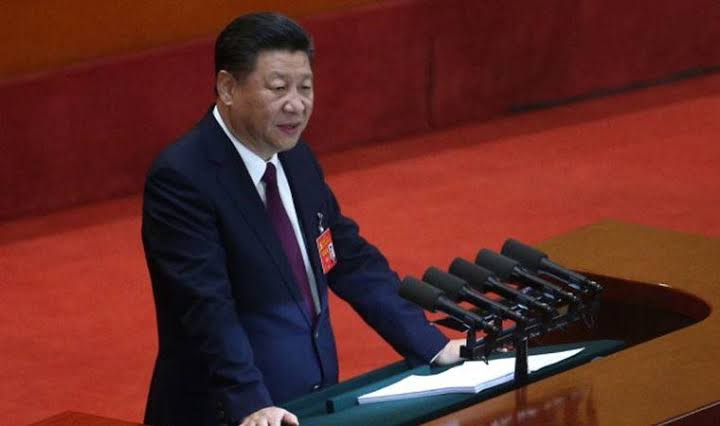
The common point connecting all these approaches is the importance of the 2028 election for East Asia’s security architecture.
Yet the issue extends far beyond Taiwan itself. If the United States and China succeed in establishing a more stable relationship, what position will Japan occupy within this new equation? To what extent will Washington take Tokyo’s security concerns into account as it develops relations with Beijing? Will Japan allow a potential US-China accommodation to constrain its own strategic interests?
The answers to these questions could determine the direction of the regional balance of power just as much as Taiwan’s future.
Ultimately, 2028 will be more than an election year in which Taiwan’s voters decide which political party will govern the island. It will also be a period in which China’s strategic patience, America’s Indo-Pacific commitments, and Japan’s evolving security doctrine will be put to the test.
A political shift in Taiwan could strengthen Beijing’s strategy of avoiding direct conflict. Conversely, the continuation of the existing political trajectory could create the conditions for China to intensify its military and economic pressure.
The most decisive development, however, will be whether competition between Washington and Beijing evolves into a managed balance or triggers a broader struggle for power involving Japan and other regional actors.
To a large extent, the future of East Asia will depend on how this emerging regional power architecture takes shape.

