

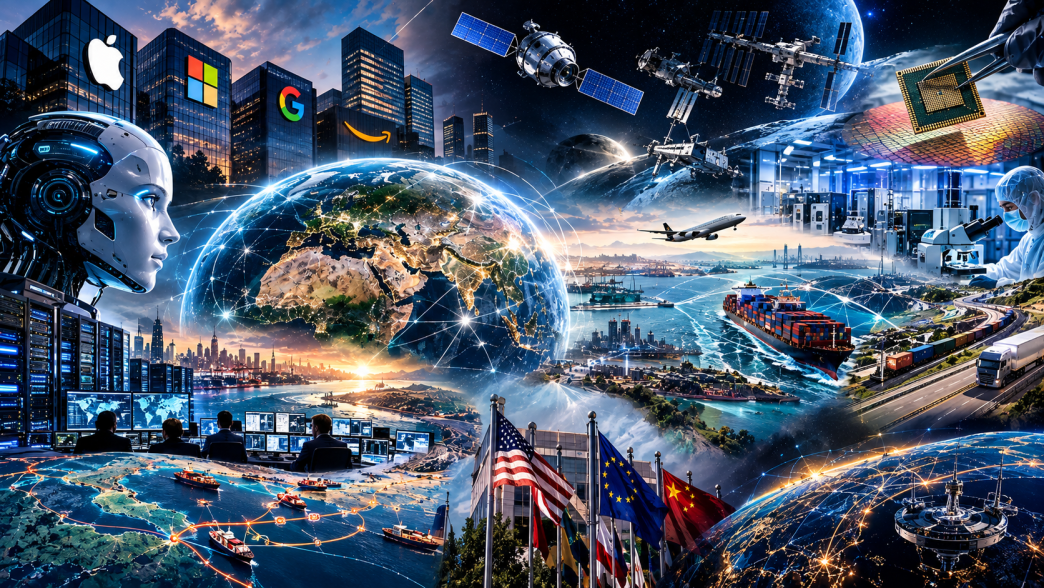
For a long time, the concept of power in the international system was defined through territory, population, military forces, energy resources, and economic capacity. How powerful a state was measured by the size of its territory, the quality of its population, its economic production capacity, its military strength, and its diplomatic influence in the international arena. However, another field that was previously monopolized by states is now being added to these traditional indicators of power: technological infrastructure.
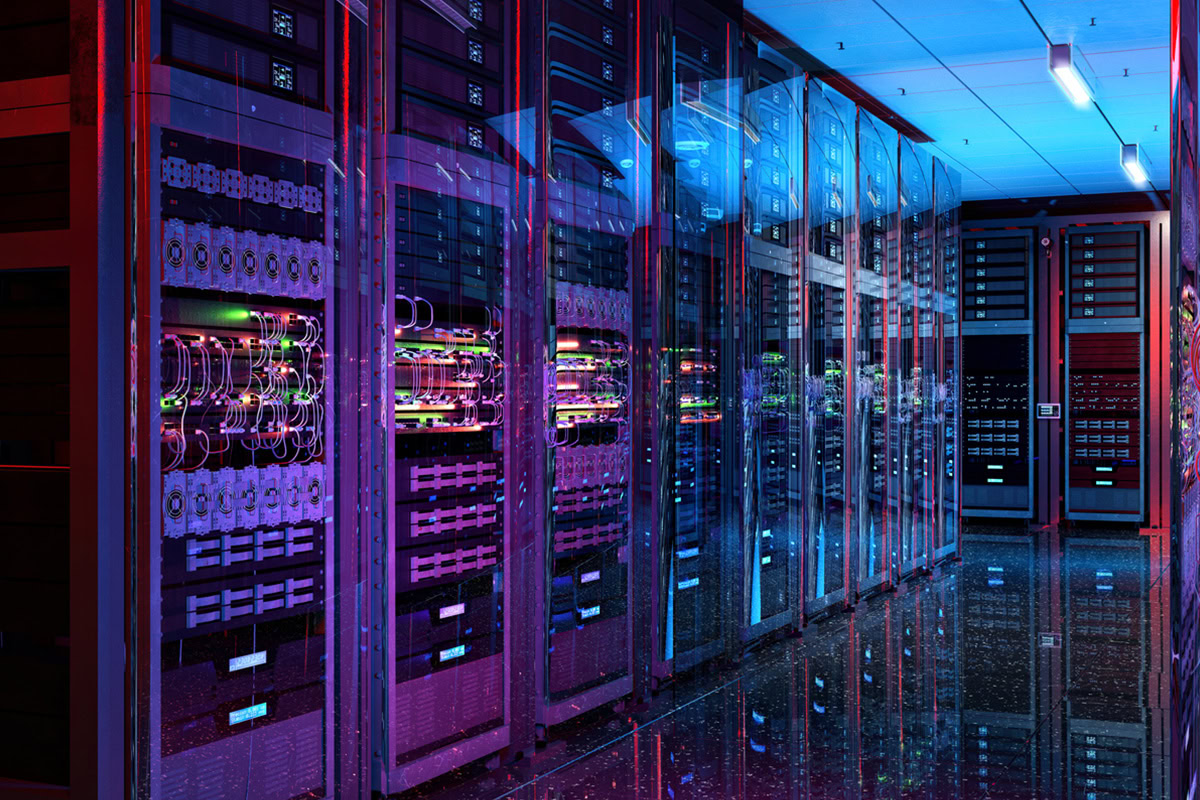
Many of the most striking examples of this transformation are technology companies. They are not states, they have no seat at the United Nations, and they have neither their own territory nor citizens.
Nvidia, Microsoft, Apple, Alphabet, Amazon, Meta, SpaceX, and the new companies increasingly moving to the center of the artificial intelligence ecosystem control significant parts of the infrastructure that modern states need, from cloud infrastructure to satellite communications, from processors to data centers, from social media platforms to artificial intelligence models.
Therefore, the question that needs to be asked today is very different from “Can a company be more powerful than a state?”
To what extent can a state become dependent on another actor’s technology in order to exercise its own sovereign powers?
This is where the real debate over sovereignty begins.
The source of power is shifting from territory to technology
At the foundation of the modern state system lies the ability to exercise sovereignty over a specific geographical area. The concept of the state that took shape after Westphalia made states that exercised legal and political authority over clearly defined territories the principal actors in the international system.
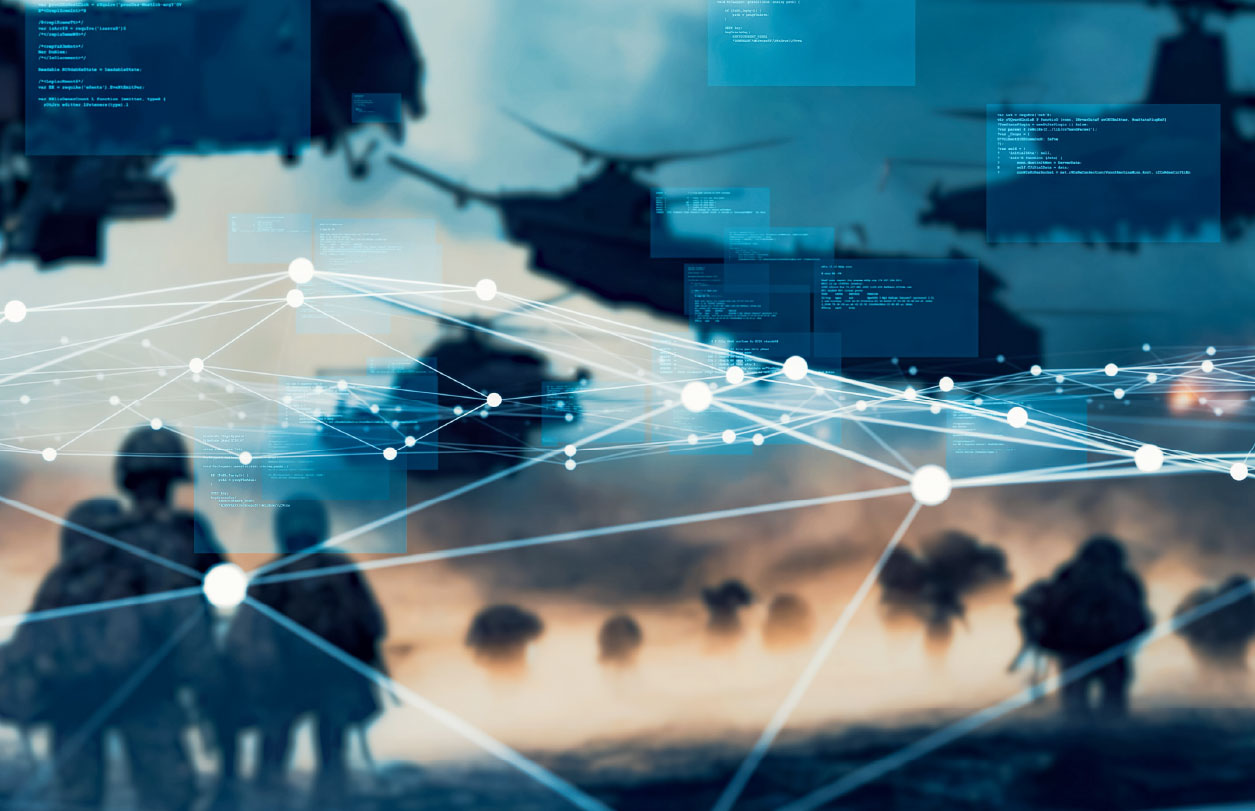
The state collected taxes, built armies, protected its borders, constructed infrastructure, and mobilized economic resources. Private companies, meanwhile, operated as part of the state’s economic system.
But the digital revolution has begun to reverse this relationship.
Today, the world’s largest technology companies are not merely selling products. Through the infrastructure carrying internet traffic, communication platforms used by billions of people, data centers, cloud systems, artificial intelligence models, satellite networks, and advanced processors, they are shaping how the global economy functions.
For this reason, technology is no longer merely an economic sector; it is directly a strategic element of power.
A country’s electricity grid may be functioning, its banking system may be standing, and its borders may be secure. Yet if the cloud systems used by public institutions, the centers where critical data are stored, communication infrastructure, or artificial intelligence-supported decision-making mechanisms depend on technologies belonging to companies in other countries, that state’s sovereignty is not as absolute as it appears.
This is where a new concept emerges: digital sovereignty.
Digital sovereignty does not mean that a country must produce all technology within its own borders. Such a goal is not realistic in today’s economy either. The real issue is that the state must not lose its options regarding critical technologies, must be able to maintain control over its data, must be able to move its infrastructure to alternative providers when necessary, and must be able to make strategic decisions without becoming dependent on the approval of a private company.
The chip is no longer just an electronic component
As the artificial intelligence race accelerates, semiconductors have risen to a strategic position comparable to oil or natural gas.
This is because an increasingly large part of modern economies and military systems depends on computing capacity. From unmanned aerial vehicles to early warning systems, from missile defense to intelligence analysis, from financial markets to energy management, a very wide range of fields requires high-performance processors.
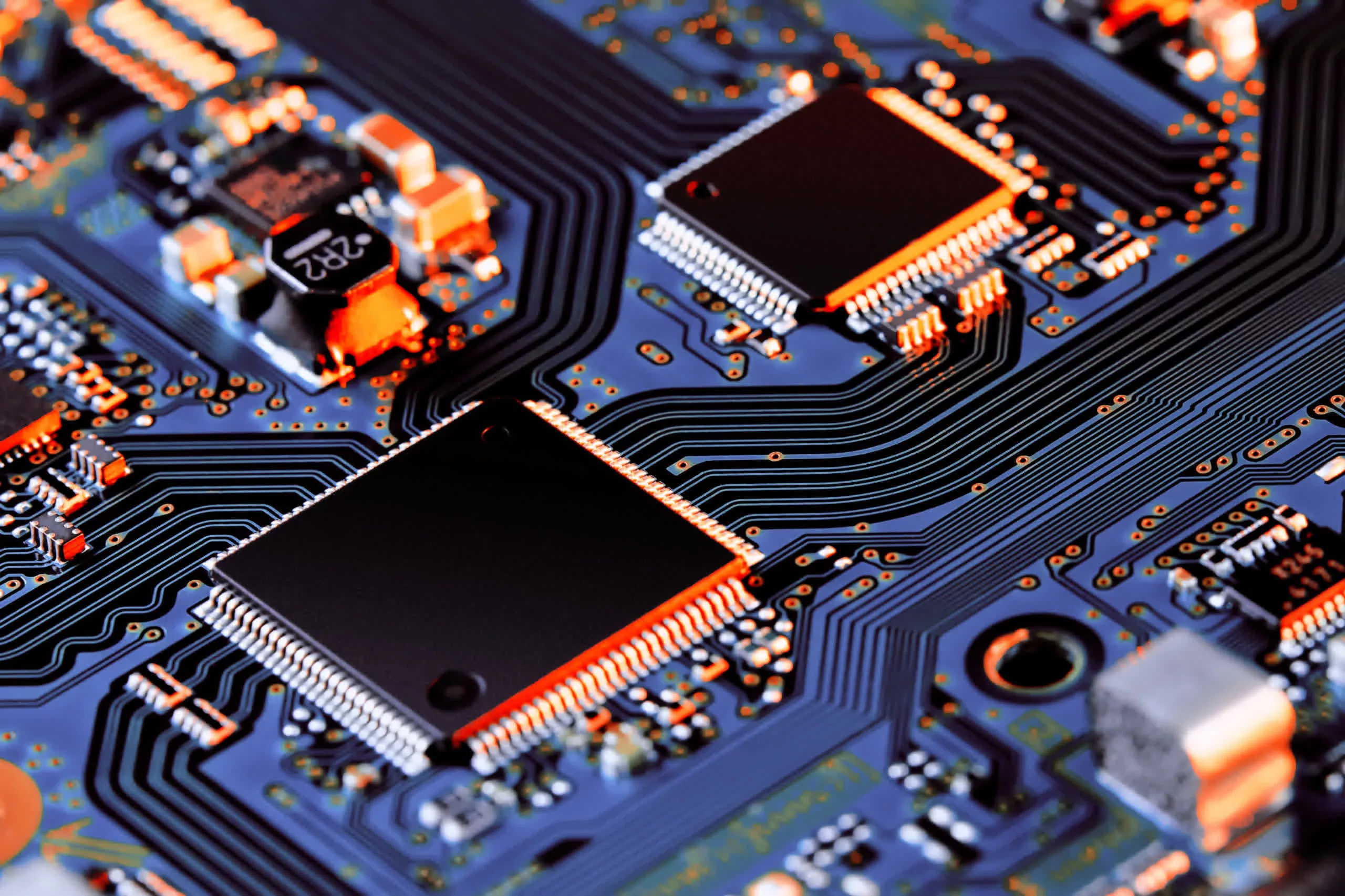
Therefore, the technology competition between the United States and China is not simply about the trade balance. The real struggle is focused on who will control the computing infrastructure that will determine the economy and military capacity of the future.
The rise of Nvidia cannot therefore be read merely as a company story.
The company’s chips play a critical role in training and running artificial intelligence models. The dependency created by Nvidia together with its software ecosystem goes beyond hardware and also influences which technological architectures countries and companies will use to develop artificial intelligence.
The attention financial markets are paying to Nvidia’s valuation today is also a reflection of this strategic transformation. As of October 2026, Nvidia approaching a market capitalization of approximately $5.8 trillion reveals the financial scale of artificial intelligence infrastructure.
But the more important development is that artificial intelligence infrastructure is now beginning to create its own financing mechanisms. In October, Nvidia’s $500 billion initiative aimed at using artificial intelligence processors as financial assets sparked debate on Wall Street, while Amazon’s consideration of refinancing billions of dollars’ worth of Nvidia chips through special-purpose financial structures demonstrates that chips are becoming not only technological but increasingly financial strategic assets as well.
This situation adds another question to the power struggle of the future alongside “Who produces more tanks?”: “Who controls more computing capacity?”
Data routes are becoming new strategic corridors
This transformation is not limited to chips. Data itself is also becoming as strategic as energy, oil, and trade routes.
Iraq is one of the striking examples.
For many years, Iraq’s geopolitical importance was assessed through its oil reserves, access to the Persian Gulf, and energy corridors. Today, however, the country’s geographical position is becoming important for another reason as well: data.
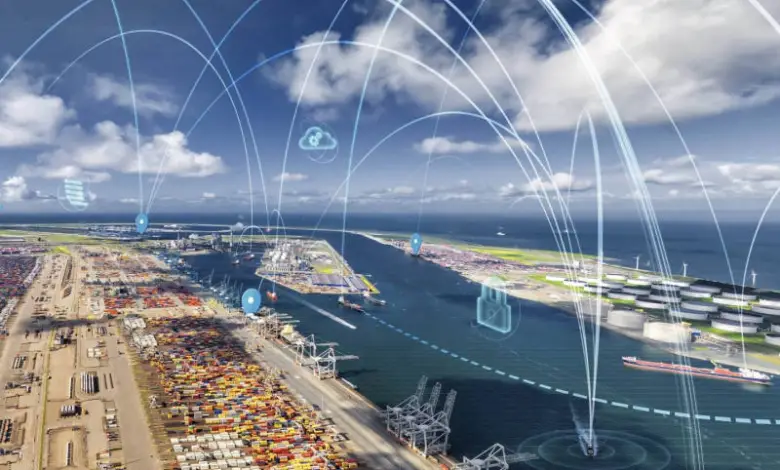
The development of land-based fiber-optic routes extending from the Gulf to Europe is adding a new digital dimension to Iraq’s traditional energy corridors. Thus, Iraq’s strategic geography is beginning to be shaped not only by where oil will pass, but also by which routes data will travel.
This is actually part of a much larger global transformation.
More than 99 percent of the world’s internet traffic is carried through submarine telecommunications cables. For this reason, these cables are no longer regarded as ordinary communication infrastructure, but as critical infrastructure for finance, public services, communications, and national security.
It is no coincidence that many countries, from Europe to Australia, have recently begun attaching greater importance to the security of submarine cables. Damage to a cable does not merely reduce internet speeds; it can affect a wide range of areas, from financial transactions to public services. The United Kingdom’s preparation of new security measures for submarine cables in 2026 and Australia’s testing of critical infrastructure, including its banking system, against possible prolonged cable disruptions demonstrate that digital infrastructure is increasingly being viewed directly as a national security issue.
Therefore, the geopolitical maps of the future will not contain only oil pipelines, ports, railways, and energy corridors.
Fiber-optic cables, data centers, satellite networks, cloud infrastructure, and artificial intelligence computing centers will also become part of the strategic map.
Companies are approaching critical capabilities traditionally held by states
The most important development blurring the line between technology companies and states is that some private companies are approaching capabilities traditionally possessed by states.
SpaceX is one of the most striking examples.
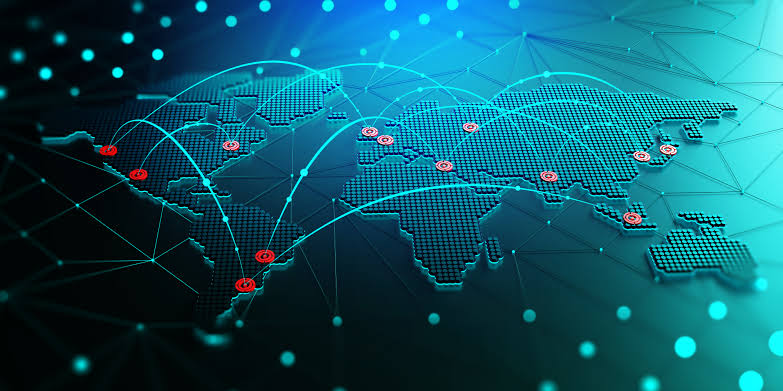
The role played by Starlink in military communications during the war in Ukraine demonstrated how satellite infrastructure owned by a private company can affect operational capabilities on the battlefield. A satellite network operated by a company can become a critical layer of communication for the conduct of war.
The issue that emerges here is not merely technological capability. It is where decision-making authority lies.
If a state’s military needs a private satellite network for an operation, technical, commercial, or political decisions made by the company that owns that network can produce military consequences.
This is even more applicable to artificial intelligence.
In the future, many military processes, from target identification to intelligence analysis, from logistics planning to air defense, will be conducted through artificial intelligence-supported systems. These systems, in turn, will require advanced processors, data centers, cloud infrastructure, and software ecosystems in order to function.
Thus, the distinction between the producer of the weapon used on the battlefield and the company providing the digital infrastructure of warfare will become increasingly important.
A state may be able to produce its own missile. But if the processor, satellite network, or artificial intelligence infrastructure feeding that missile’s targeting system is controlled by a company in another country, there is still a serious question mark regarding strategic independence.
Europe’s pursuit of technological sovereignty is no coincidence
The United States and China are not the only actors recognizing this transformation.
The European Union also placed technological sovereignty clearly at the center of its strategic agenda in 2026. In June, the European Commission announced a new technological sovereignty package covering chips, artificial intelligence, cloud systems, and open-source technologies. The main objective of the package is to reduce Europe’s dependence on external suppliers in critical digital technologies and expand its own options.

The EU’s approach to cloud sovereignty is particularly noteworthy. European institutions are now considering not only the cost or performance of a cloud service, but also which legal jurisdiction the data is located in, how secure the supply chain is, how independently the technology can be used, and how easily the service provider can be replaced in a crisis.
This development actually summarizes the concept of the state in the new era.
Sovereignty no longer means “I produce all technology myself.”
It means I have alternatives in critical technologies, I can protect my data, I can move my system to another provider, and I do not lose my ability to make decisions in times of crisis.
This understanding is also extremely important for Türkiye.
The indigenous capabilities Türkiye has developed in recent years in unmanned systems, electronic warfare, satellite technologies, communications, radar, missile systems, and artificial intelligence in its defense industry should not be viewed merely as an economic achievement. These investments are also part of an effort to reduce strategic dependencies.
However, digital sovereignty cannot be achieved simply by increasing the number of domestic products. The entire ecosystem, from chip architecture to data centers, from operating systems to cloud infrastructure, from cybersecurity to satellite communications, must be addressed as a whole.
The real threat is not dependence itself, but the lack of alternatives
Technological dependence is not something that can be completely eliminated.
It is not economically sustainable for any country to produce all processors, all software, all satellite systems, all cloud infrastructure, and all artificial intelligence models on its own.
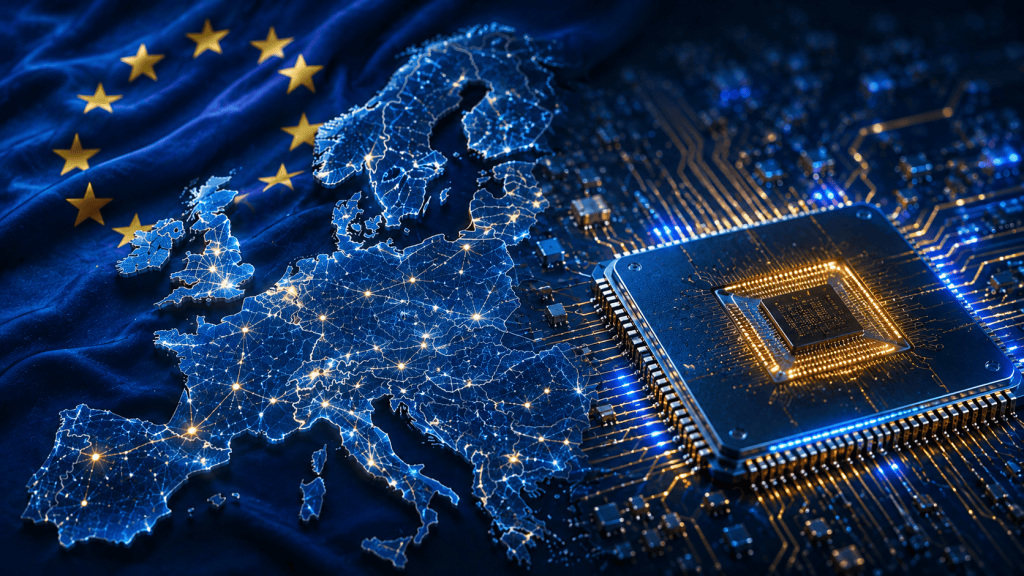
The real problem arises when a country becomes dependent on a single provider for a critical system.
If all the data of a government institution is stored on a single foreign cloud platform and it is technically impossible to leave that system, economic dependence can eventually turn into political dependence.
If a military’s critical communications depend on a single satellite network, the same problem emerges in the military sphere.
If a country’s artificial intelligence infrastructure relies solely on processors from a few foreign companies, export restrictions or supply-chain crises can directly become national security issues.
Therefore, one of the most important strategic concepts of the new era will be “redundancy.”
Digital warfare is moving beyond borders
The military dimension of this transformation is even more critical.
In traditional warfare, military force had to be used to cross a country’s borders. In the digital age, however, it is not necessary to cross a border to damage a country’s critical infrastructure.
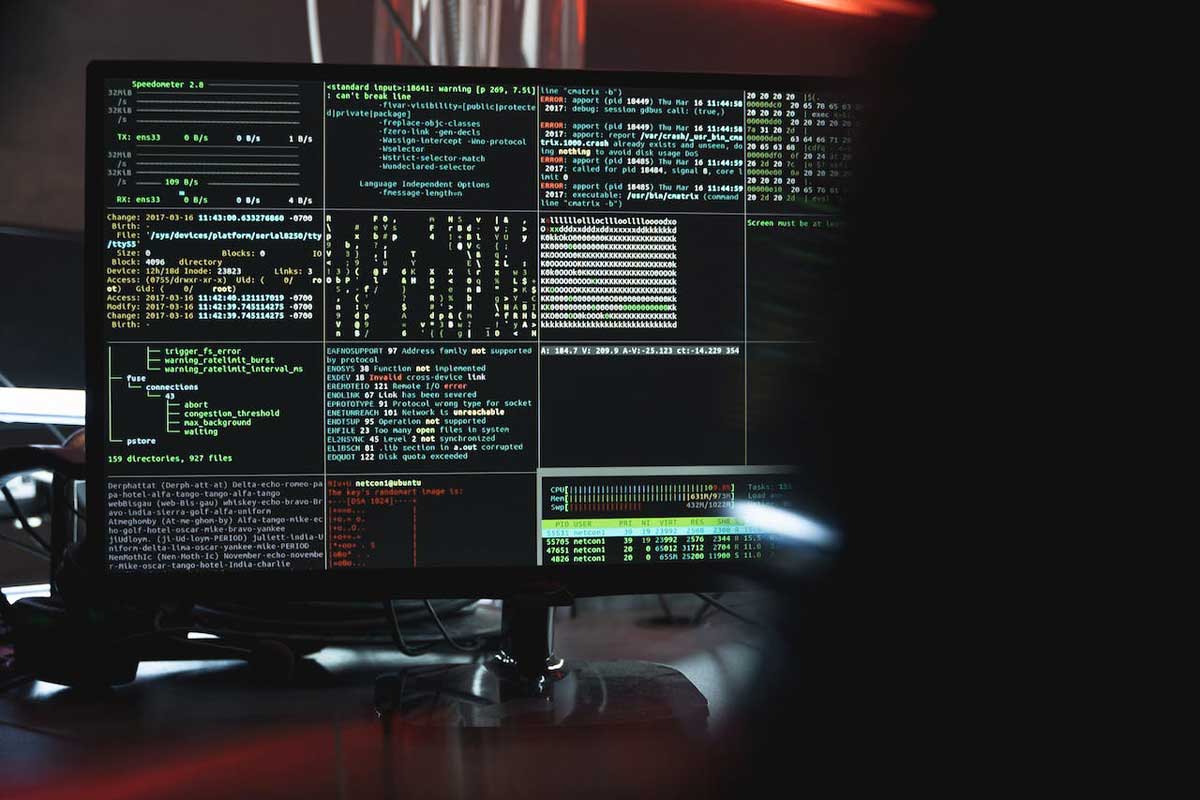
There is no need for tanks to cross a border to launch a cyberattack against an electricity grid, target a financial system, disable a communications network, or disrupt data infrastructure.
For this reason, cybersecurity is no longer merely technology policy; it is directly a national security policy.
As artificial intelligence becomes more deeply integrated into offensive and defensive systems, the importance of this field will increase even further. The acceleration of AI-supported attacks, the spread of autonomous systems, and the growing interconnectedness of critical infrastructure will reshape how states understand security.
At this point, for all medium-sized states, including Türkiye, the fundamental objective should not be to produce everything independently in the technology race, but to prevent external pressure in critical areas from paralyzing strategic decision-making capacity.
The state will not disappear in the new world order
All these developments do not mean that the nation-state is coming to an end.
On the contrary, the growing power of companies is increasing the importance of states in another way.

Because ultimate legal authority still lies with states. States can regulate companies, tax them, restrict their exports, impose sanctions, and intervene in strategic sectors when necessary.
But there is a serious paradox here.
States must simultaneously regulate the companies they increasingly depend on.
A government can impose regulations on an artificial intelligence company. But if the same government uses that company’s cloud infrastructure for public services, it may also put its own infrastructure at risk while regulating the company.
A country may restrict the export of advanced chips. But if its own defense industry needs the same technologies, the cost of the sanctions may be reflected not only on the target country but also on itself.
This is why the relationship between the state and technology companies is now moving far beyond the traditional “public-private sector” relationship.
A new power relationship based on mutual dependence is emerging.
Conclusion: Sovereignty is being redefined
At the beginning of the 21st century, the fundamental indicators of sovereignty were control over borders, military power, and economic independence.
In the second quarter of the 22nd century, a new layer is being added:
Having technological options.
A state does not have to produce all technologies itself. However, if a critical technology is controlled by a single company, a single country, or a single supply chain, its strategic decision-making capacity can become vulnerable.
But in the world of the future, these two forms of power will increasingly influence one another.
Data routes will be added alongside energy routes.
Artificial intelligence systems will join armies.
Computing capacity will become a strategic resource alongside oil reserves.
Data centers will gain importance alongside ports.
Satellite fleets, fiber-optic cables, and chip factories will be considered elements of national security.
States will have to protect not only their borders but also their data, algorithms, communication networks, computing capacity, and access to critical technologies.
Therefore, the sovereignty struggle of the future will not simply consist of a competition for power between states and companies. The real struggle will be shaped by whether states can preserve their freedom of strategic decision-making while benefiting from technologies provided by private companies.
The most important lesson that can be drawn from the history of the East India Company also lies here: When economic power is transformed into political power, the boundary between the state and the company is redrawn.
Today, technology companies are not yet states.
But they control an increasingly large share of the infrastructure used by states.
Therefore, the fundamental question of the coming period will not be “Will companies replace states?”
The more critical question will be:
How much control will states be able to retain over the technologies they need in order to exercise their own sovereignty?
The global balance of power is no longer determined solely by the size of armies, economies, and populations. The new measure of power will be what systems a country can operate on its own in times of crisis and which systems it can change without seeking permission from outside.
Therefore, technological independence does not mean complete self-sufficiency. True strategic autonomy means diversifying dependencies, protecting critical infrastructure, controlling data, developing domestic human resources, and maintaining the capacity to produce alternatives when necessary.
In the digital age, sovereignty is not disappearing, but its boundaries are expanding.