


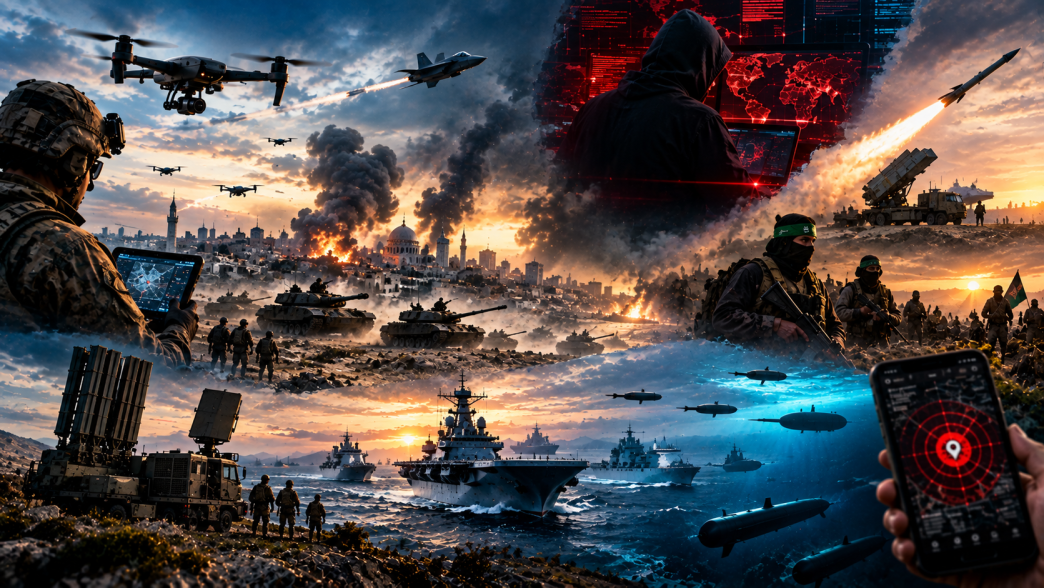
One of the most striking transformations in modern warfare is that small and relatively low-cost attacks can no longer be measured solely by the direct damage they inflict. Even if an energy facility, airbase, port, or logistics center is not physically destroyed, the measures taken to protect these systems can produce much greater economic and strategic consequences.
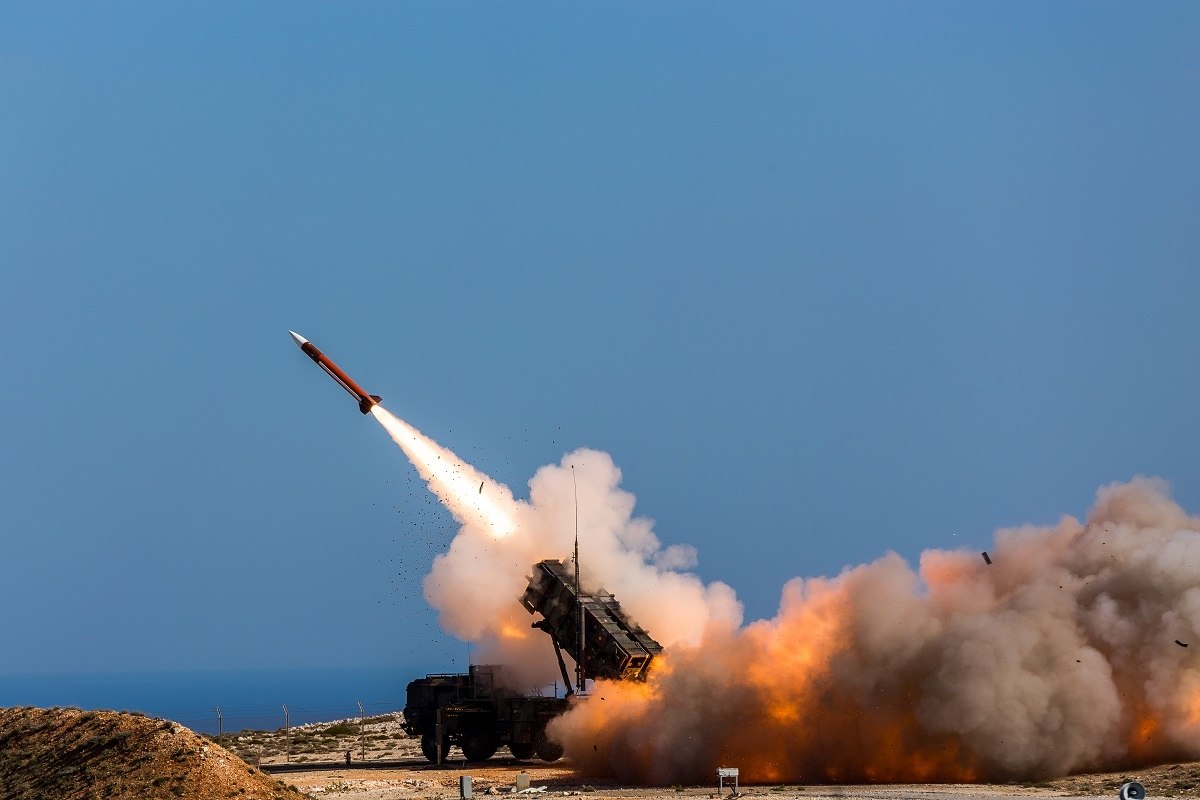
For this reason, military power can no longer be assessed solely by how many powerful weapons a country possesses. The real question is to what extent critical systems can continue operating in the face of repeated and low-cost attacks.
The real cost of an attack
Conflicts in recent years have shown that small-scale attacks can produce much broader consequences. Drone attacks against energy infrastructure may not directly halt production, but they can lead to increased security measures, changes in transportation routes, and a slowdown in commercial activity. Redirecting maritime traffic to alternative routes, meanwhile, can significantly increase delivery times and costs even without a physical attack taking place.
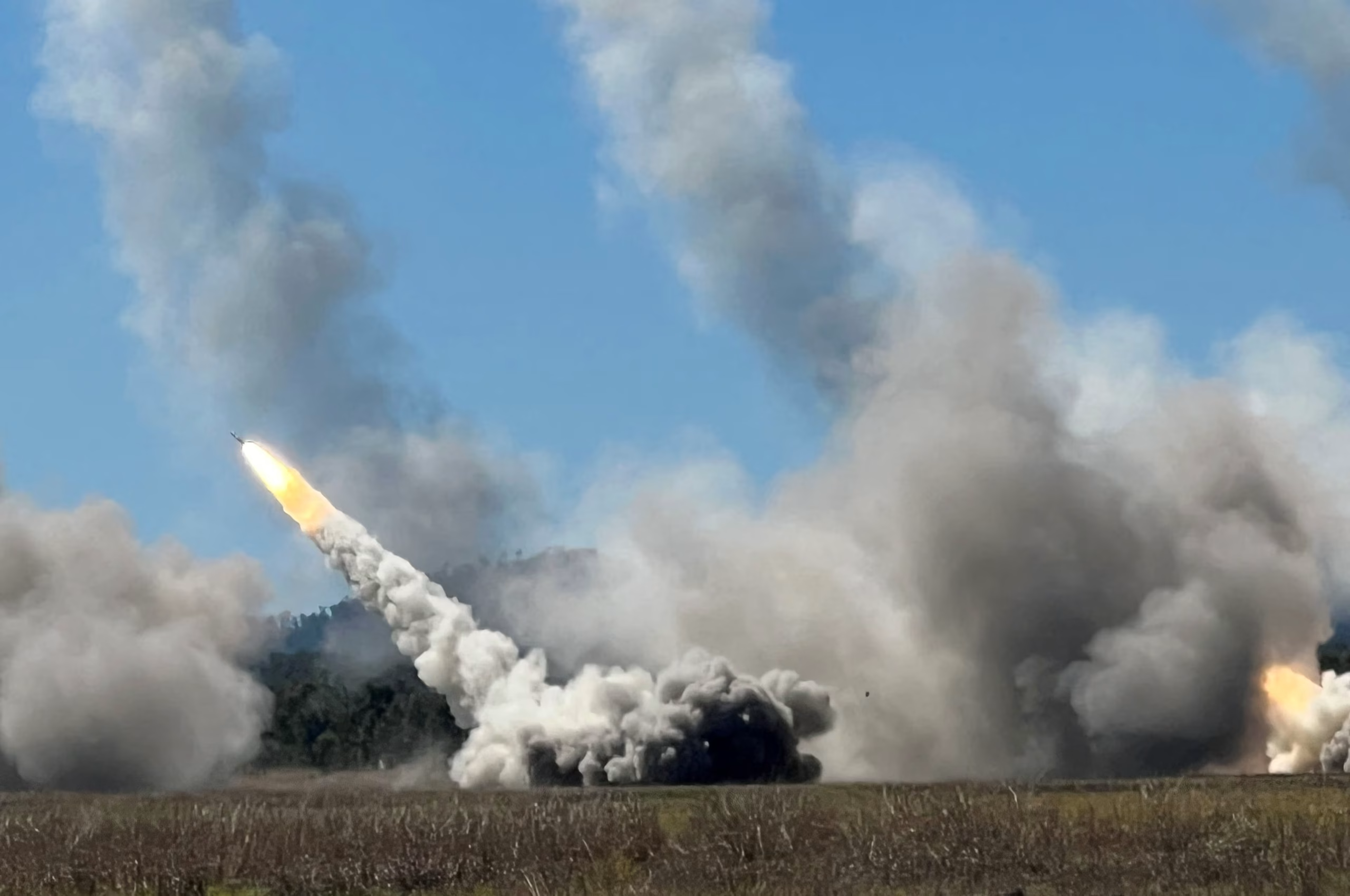
Similarly, the impact of low-cost unmanned systems on airbases and critical military infrastructure in the war in Ukraine has demonstrated that expensive platforms cannot be protected solely through their technological capabilities. Attacks on logistics centers during the Iran conflict revealed another aspect of the same reality: it is not necessary to directly destroy a fleet or military force; disrupting the support chain that sustains it can also limit operational capacity.
The fundamental issue here is the difference between the price of the attacking weapon and the total cost it creates. A cheap drone or missile may require the use of a far more expensive interceptor system. But the cost does not end there. Raising alert levels, keeping personnel on constant standby, temporarily shutting down facilities, changing transportation routes, activating backup systems, and restoring damaged infrastructure to operational condition are all part of the same calculation.
The defence mechanism becomes a new target
This situation points to a new strategic vulnerability in modern warfare. The purpose of an attack may not always be to directly destroy the target. Sometimes the primary objective is to force the adversary to use its own security mechanisms as extensively as possible.
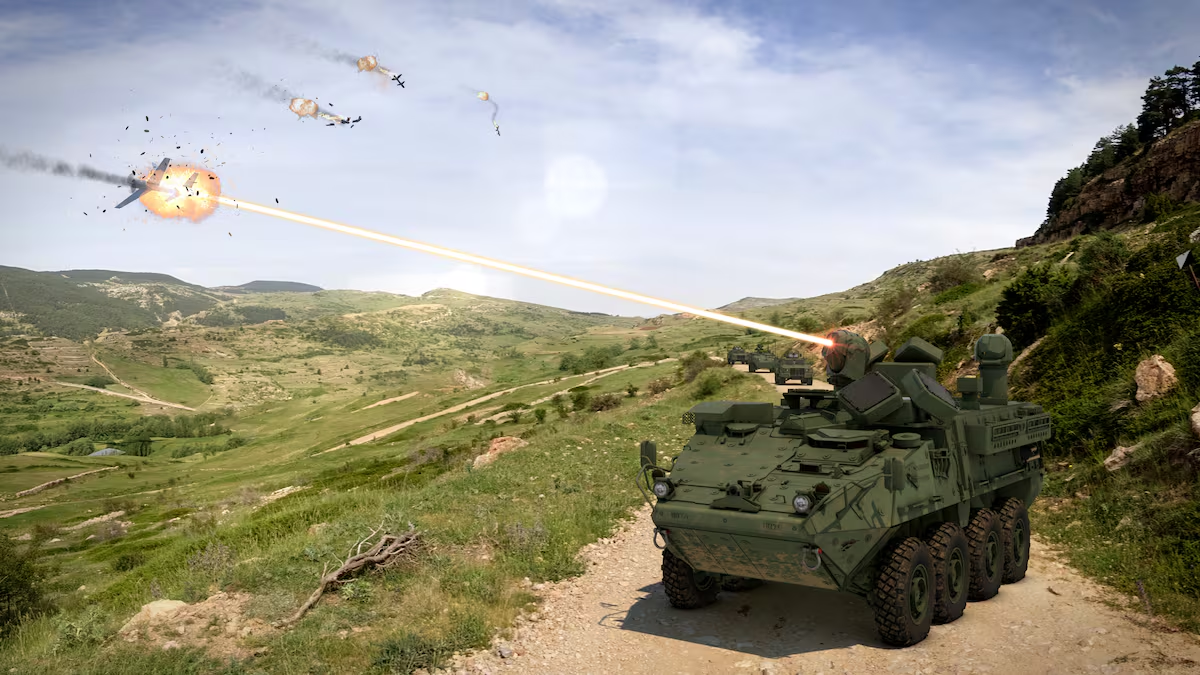
Continuously closing a port because of the threat of attack reduces its economic value even if it has suffered no physical damage. Dispersing aircraft to protect an airbase can reduce operational efficiency. Excessive precautions around energy infrastructure, meanwhile, can create cascading disruptions in production and distribution processes.
Taken individually, all of these decisions are rational. The problem emerges when they accumulate. When the defense mechanism prevents an attack while simultaneously beginning to narrow a country’s economic and military room for maneuver, the attacker can indirectly render a system it cannot directly destroy ineffective.
For this reason, in modern conflicts, the question “How many attacks were intercepted?” is no longer sufficient. The question “How many critical activities were able to continue?” is equally important.
Expensive weapons are not losing their importance
This transformation should not be interpreted as meaning that advanced fighter aircraft, air defense systems, or strategic weapons have become irrelevant. On the contrary, sophisticated defense systems remain necessary to protect high-value targets.
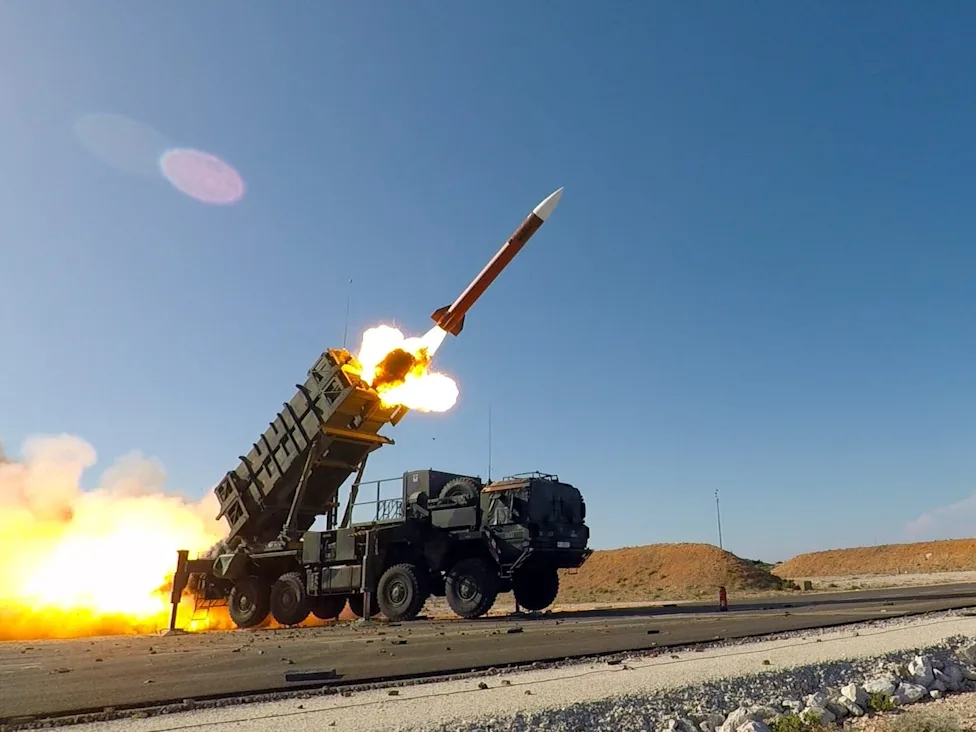
However, possessing a powerful weapons system and being able to operate that system sustainably are not the same thing. The effectiveness of even the most advanced fighter aircraft remains limited without the airbase, fuel, ammunition, maintenance infrastructure, communications network, and personnel that support it.
Therefore, defense planning must take into account the resilience of the systems behind military platforms as much as the platforms themselves. A country’s military capacity should be measured not only by the totality of its most advanced weapons, but also by how long that capacity can remain operational under attack.
The target is now to stop the system
The new strategic approach here is more complex than the simple equation of “defeating expensive weapons with cheap weapons.” The real issue is how significant an impact an adversary can generate across the system as a whole.
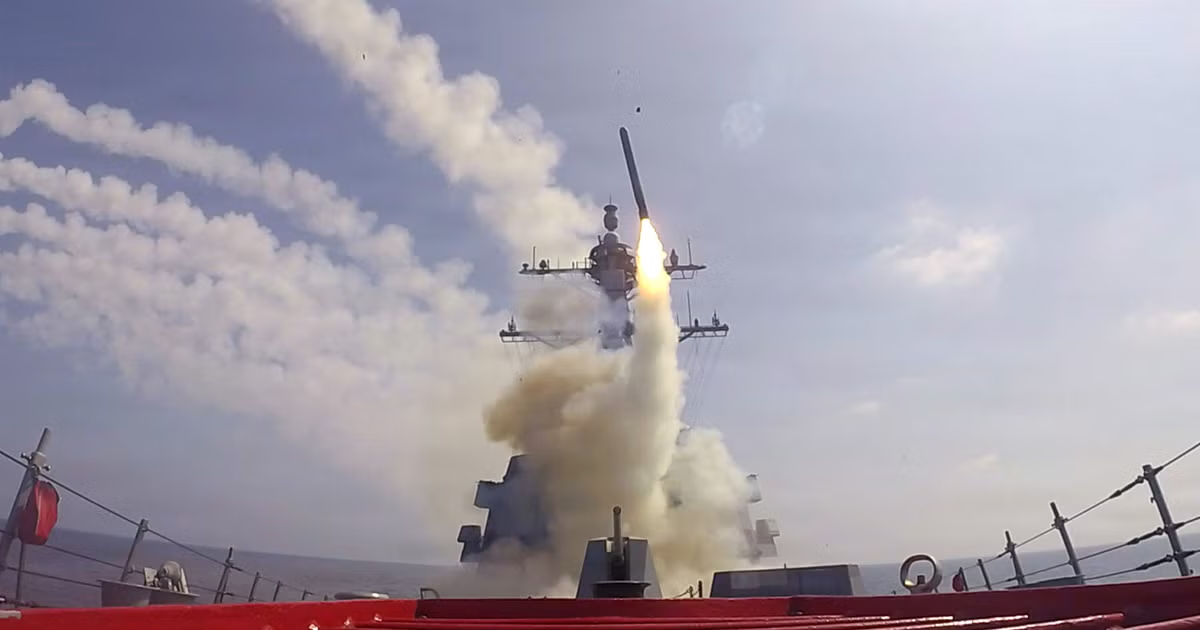
The direct damage caused by an attack may be limited. But if the attack requires transportation routes to be changed, facilities to be closed, air defense units to remain on constant alert, personnel to endure prolonged strain, and logistics chains to be reorganized, the overall cost can quickly increase.
For this reason, defense investments cannot focus solely on interception capabilities. Physical protection, redundancy, alternative communications networks, rapid repair, distributed infrastructure, and independent logistics capacity must also become parts of the same defense architecture.
True redundancy also becomes important here. The existence of two separate facilities does not by itself mean resilience. If both facilities depend on the same power line, communications infrastructure, supplier, or technical personnel, that apparent redundancy does not constitute a genuine alternative.
Resilience as a new defense criterion
In the defense architecture of the future, the critical question will not only be whether a threat can be defeated, but also how quickly the system can recover after an attack.
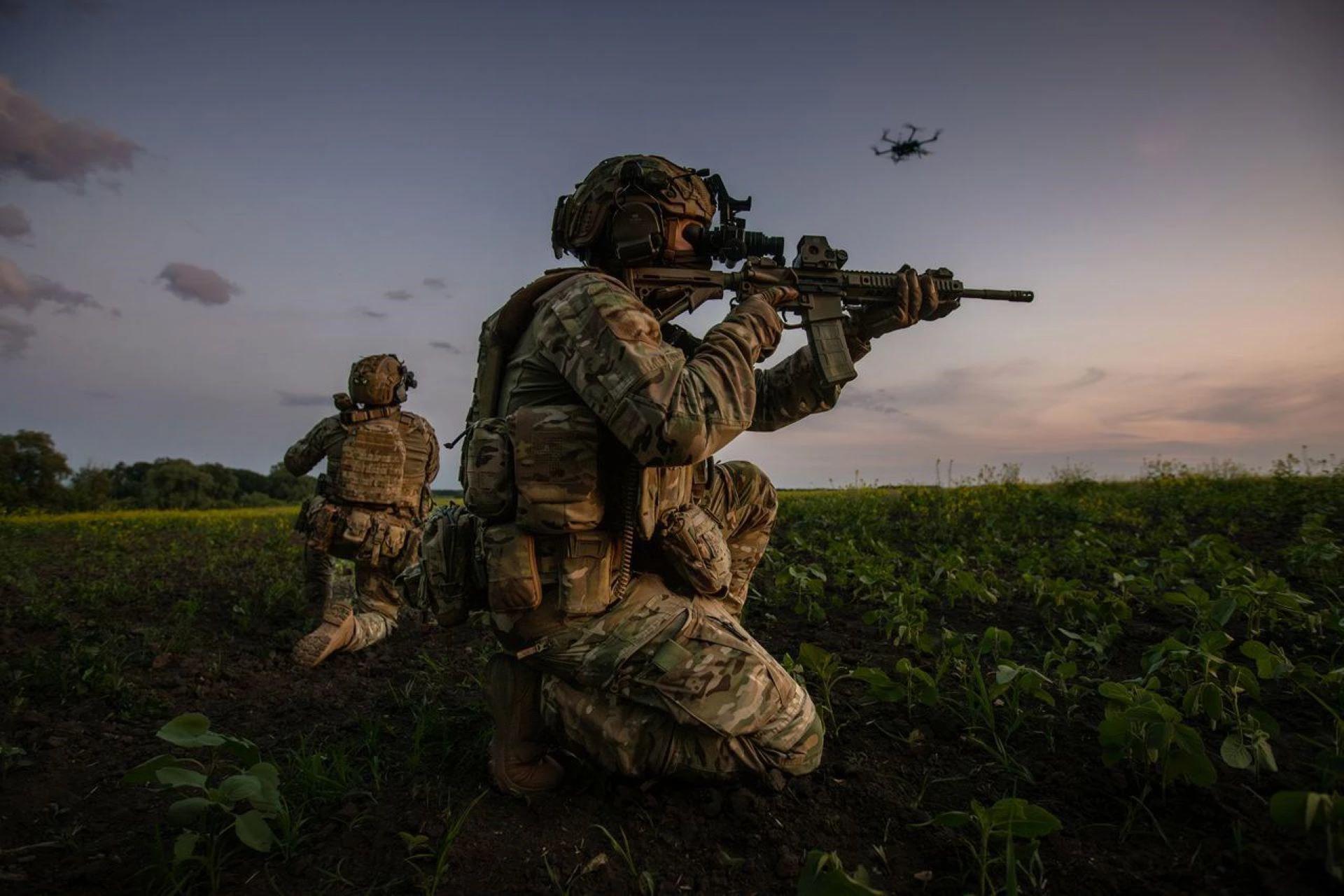
Rather than shutting everything down in response to an attack, maintaining critical activities for as long as possible is becoming one of the central objectives of defense. This requires greater distribution of infrastructure, preparation of alternative operating methods in advance, stockpiling critical components, and strengthening repair capabilities.
The same approach also brings the relationship between the military and civilian spheres back into focus. Modern militaries depend heavily on civilian infrastructure for energy, transportation, communications, and supplies. Therefore, national resilience cannot be achieved solely by protecting military facilities.
Exercises must also take this reality into account. A system successfully performing its mission while all of its support elements are functioning may not demonstrate how it would perform if several of those elements were simultaneously disabled. True resilience should be measured by whether a system can continue performing its mission with reduced capacity.
The hardest system to stop will gain the advantage
The new asymmetry of modern warfare is not that small weapons automatically render large armies ineffective. More important is how much systemic cost a small attack can generate through the defender’s own defense mechanisms.
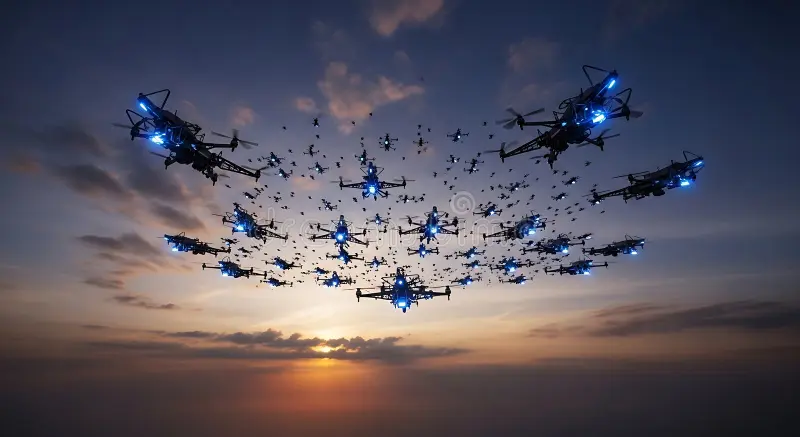
For this reason, the defense architecture of the future must focus not only on producing more powerful weapons, but also on limiting the effects of attacks. More resilient energy infrastructure will become as important as better air defenses, faster repair capabilities as important as greater ammunition stocks, and alternative communications systems as important as more advanced sensors.
Ultimately, strategic advantage will not be measured solely by the ability to strike harder. The real advantage will emerge from the ability to sustain economic, military, and social activities in the face of repeated attacks.
In the wars of the future, the decisive question may not be “Who can strike harder?” but rather, “Who can remain standing and operational for longer without being stopped?”
Source: Times of Defence