


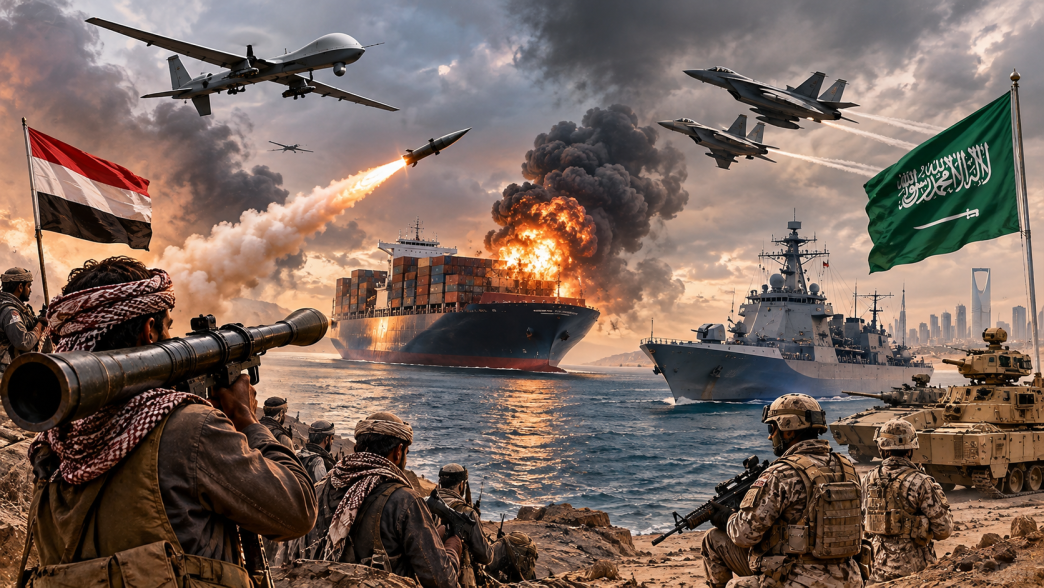
The long-running conflict in Yemen has once again brought the Houthis’ military capabilities and their potential to pose a regional threat to the forefront. In particular, attacks targeting Riyadh, the capital of Saudi Arabia, and its strategic facilities demonstrate that the conflict in Yemen has now evolved into a broader security problem extending beyond the country’s borders. The attacks carried out by the Houthis using ballistic missiles and unmanned aerial vehicles (UAVs) can be regarded as part of a strategy that directly tests Saudi Arabia’s air defense systems, critical infrastructure, and level of military preparedness.

The Houthis’ designation of symbolically significant locations in Riyadh, such as the King Abdullah Financial District, as targets is not intended solely to cause physical damage. Through these attacks, the organization seeks to create the perception that Saudi Arabia is struggling to protect its capital and strategic facilities. In this way, it aims to raise questions about the security capabilities of the Riyadh administration, undermine the country’s regional deterrence, and place pressure on its political decision-making mechanism. 
However, there are significant differences between the Houthis’ statements regarding the consequences of their attacks and the realities on the ground. Allegations that some images and videos released by the organization have been altered using artificial intelligence or presented in a misleading manner demonstrate that information warfare has also become part of the military struggle. In statements by Saudi authorities, it has been indicated that damage to certain facilities was caused not by direct missile impacts but by falling fragments of munitions intercepted by air defense systems.
For this reason, it is not sufficient to assess the Houthis’ attacks solely in terms of their missile and UAV capabilities. The organization is attempting to influence Saudi Arabia’s security policies by combining military attacks with psychological warfare, propaganda, and political pressure. The fundamental issue for Riyadh, meanwhile, is to prevent these attacks from recurring, limit the Houthis’ offensive capabilities, and stop the threat originating in Yemen from spreading into Saudi territory.
The Houthis’ Attack Strategy and Target Selection
Three main categories of targets stand out in the Houthis’ attacks against Saudi Arabia. The first consists of facilities of financial and strategic importance. Structures such as the Public Investment Fund Tower, located within Riyadh’s King Abdullah Financial District, are highlighted in the organization’s propaganda activities because they are situated in areas where international companies and regional headquarters are concentrated. Designating such locations as targets is intended to call into question Saudi Arabia’s ability to protect its strategic centers.
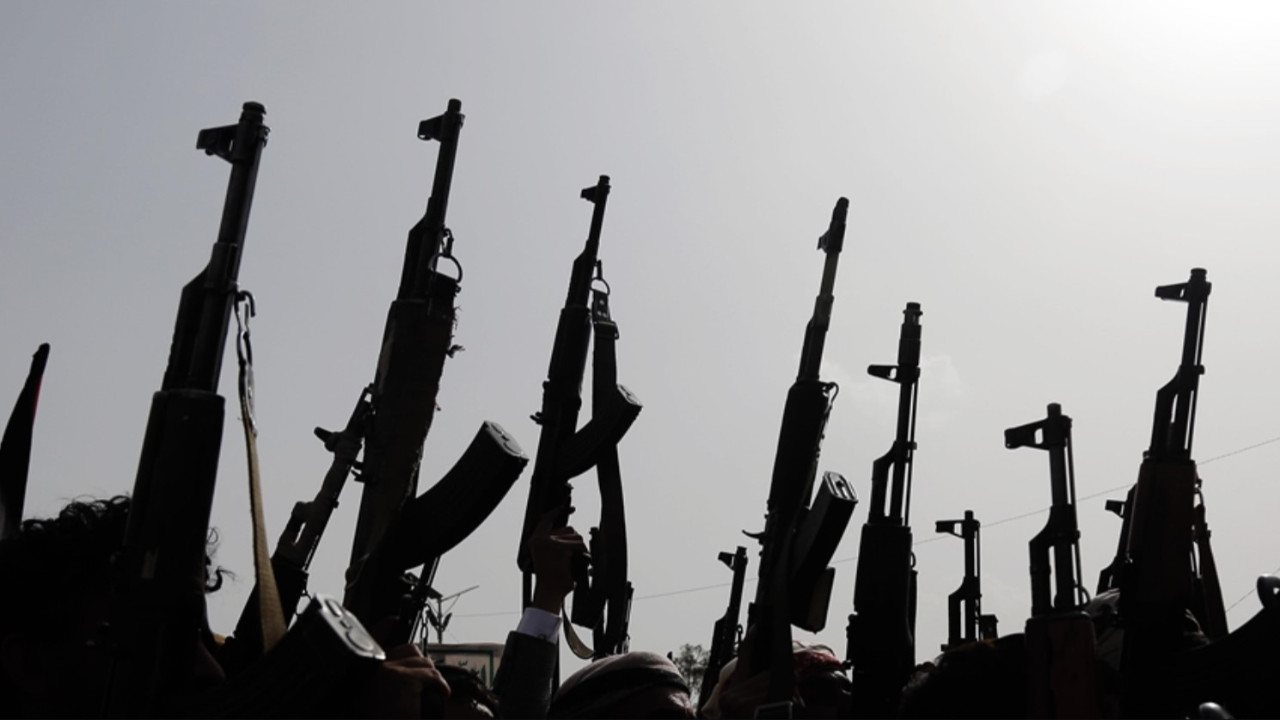
The second category of targets consists of civilian transportation infrastructure. Facilities such as King Khalid International Airport are particularly critical in terms of both military and civilian mobility. Reports indicating that 13 people were killed and more than 300 injured in the attack on the airport on October 10 reveal the security risks arising from civilian transportation infrastructure becoming one of the direct targets of the conflict.
The third category comprises energy facilities and their administrative infrastructure. It was announced that the damage sustained by the Aramco building in Riyadh on November 8 had been caused by fragments of a missile intercepted by the Saudi Ministry of Energy. The selection of such targets demonstrates the Houthis’ efforts to exert strategic pressure on Saudi Arabia through energy security.
What these targets have in common is that they do not merely carry physical or military value. They also represent state authority, economic continuity, and the perception of national security. Consequently, the Houthis are attempting to use their limited military capabilities in a manner that generates the greatest possible psychological and political impact.
At the same time, targeting civilian residential areas, airports, and critical infrastructure raises serious issues under international humanitarian law. The principles of distinction between military objectives and civilian objects, proportionality, and the protection of civilians are binding on all parties to the conflict. Such attacks by the Houthis further increase the threat posed by the organization’s military activities to regional security.
Saudi Arabia’s Search for Military Deterrence
One of the main expectations behind the Houthis’ attacks is to compel Saudi Arabia to change its policy toward Yemen. By increasing military and political pressure on Riyadh, the organization seeks to force the Saudi leadership into direct negotiations, a new diplomatic process mediated by Iran or Oman, or a change in its current military approach in Yemen.
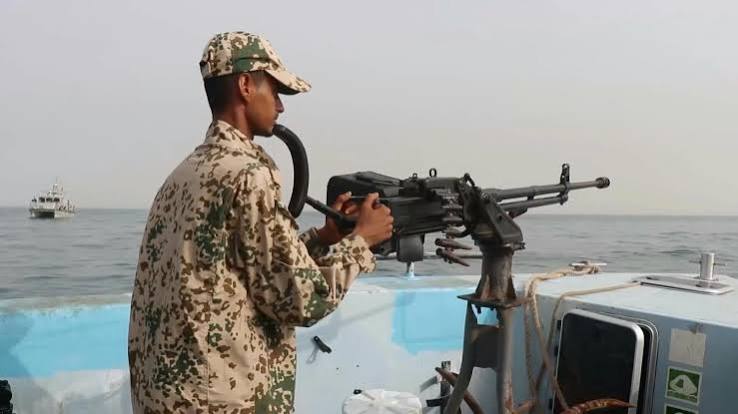
However, Saudi Arabia is not expected to shape its response to these attacks solely around diplomatic concessions. Riyadh’s priority is to reduce the Houthis’ capacity to launch attacks against Saudi territory and deter the organization from undertaking similar actions in the future. For this reason, options such as strengthening air defenses, neutralizing missile and UAV launch infrastructure, targeting ammunition depots, and severing the organization’s logistical connections are coming to the forefront.
Saudi Arabia’s military options include precision operations targeting ballistic missile launch platforms, UAV depots, ammunition facilities, training camps, and weapons production workshops. The primary objective of this approach is not merely to intercept Houthi attacks in the air but also to weaken the military infrastructure that makes those attacks possible.
In particular, controlling smuggling routes used to bring into the country components required for missile and UAV production is of great importance. Preventing the Houthis from obtaining military materials through ports and maritime transportation routes could limit the organization’s long-term operational capacity. At this point, maritime security, intelligence activities, and border control stand out as key elements complementing air operations.
The fundamental difference in Riyadh’s approach is that it views the Houthis’ attacks not merely as part of the current conflict but as an indication of a military capability that could develop into a much greater security threat in the future. Therefore, the Saudi leadership’s priority is to gradually weaken the organization’s offensive capabilities and strengthen the military capacity of Yemen’s internationally recognized government.
Saudi Arabia’s Air Defense and Operational Options
Air defense capabilities constitute the most important pillar of the military strategy Saudi Arabia could develop against the Houthis. Ballistic missiles and kamikaze UAVs are among the weapons that can generate significant strategic effects at relatively low cost in modern warfare. For this reason, destroying only the incoming munitions is not sufficient; launch sites, command centers, and logistical networks must also be identified.
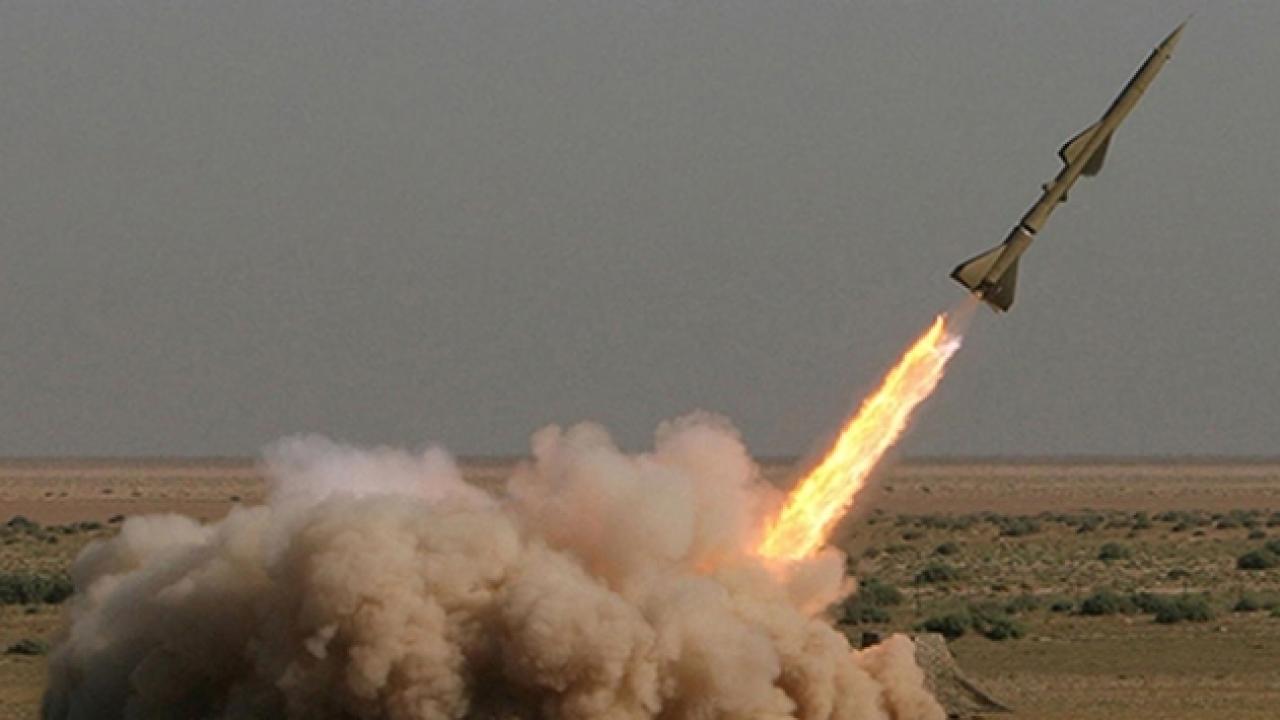
Saudi Arabia’s air and missile defense systems, such as Patriot and THAAD, provide significant protection against the ballistic missile threat. However, missile and UAV attacks conducted from different altitudes and directions demonstrate that an approach relying on a single defense system will not be sufficient. Therefore, radar networks, early warning systems, electronic warfare assets, and short-range air defense capabilities need to be employed in an integrated manner.
A layered defense architecture is particularly important against UAVs flying at low altitudes, which can be difficult for radar systems to detect. This architecture should not be limited to protecting critical facilities; it must also provide early detection and interception capabilities across different parts of the country’s airspace.
Nevertheless, basing a defense strategy on continuous interception operations could allow the attacking side to strain defense systems by using low-cost munitions. Therefore, it is important for Saudi Arabia to complement its defensive capabilities with intelligence and precision-strike capabilities that can neutralize attacking systems before they even reach the launch stage.
Indeed, according to statements by Coalition Spokesperson Major General Turki Al-Maliki, 60 targets were destroyed on November 18, while seven targets and six workshops used in the production and assembly of missile and UAV launch platforms were destroyed on November 20. The nature of the assets targeted in these operations demonstrates that weapons depots, production facilities, supply lines, and launch sites have become priorities in Saudi Arabia’s military approach.
The effectiveness of such operations should not be measured solely by the number of targets destroyed. The real determining factor is the extent to which the Houthis’ ability to produce new munitions, repair existing weapons systems, redeploy launch platforms, and carry out attacks has been weakened. Consequently, intelligence, target identification, operational coordination, and post-strike assessment processes are of critical importance in Saudi Arabia’s military strategy.
Could the Houthis’ Attacks Trigger a New Regional Conflict?
The Houthis’ attacks against Saudi Arabia increase the likelihood that the conflict in Yemen could evolve into a broader regional struggle. In particular, the continuation of ballistic missile and UAV attacks could lead Riyadh to move beyond defensive measures and pursue more comprehensive military operations. Such a development would also have a direct impact on Iran’s regional policies and the security balance in the Red Sea.

For Saudi Arabia, the primary objective is not to completely eliminate the Houthis’ military capabilities but rather to neutralize the organization’s ability to sustain attacks against Saudi territory and deter it from launching further attacks. To achieve this, air defense, precision-strike capabilities, intelligence, maritime security, and the military capabilities of local allies must be considered together.
In conclusion, the Houthis’ attacks against Riyadh and Saudi Arabia’s strategic facilities are not merely an extension of the power struggle in Yemen; they are an indication of a broader threat that could affect Gulf security and the military balance in the Red Sea. Riyadh can be expected to expand its military options in response to this threat, strengthen its defense capabilities, and target the infrastructure supporting Houthi attacks.
However, Saudi Arabia’s long-term success will not depend solely on the military results achieved through airstrikes. Establishing mechanisms to prevent the Houthis from rearming, strengthening Yemen’s legitimate government, and developing regional security cooperation will be equally important. In the coming period, the decisive factor will be the extent to which Riyadh can combine military deterrence with diplomatic initiatives and limit the Houthis’ operational capacity to sustain attacks against Saudi Arabia.

