


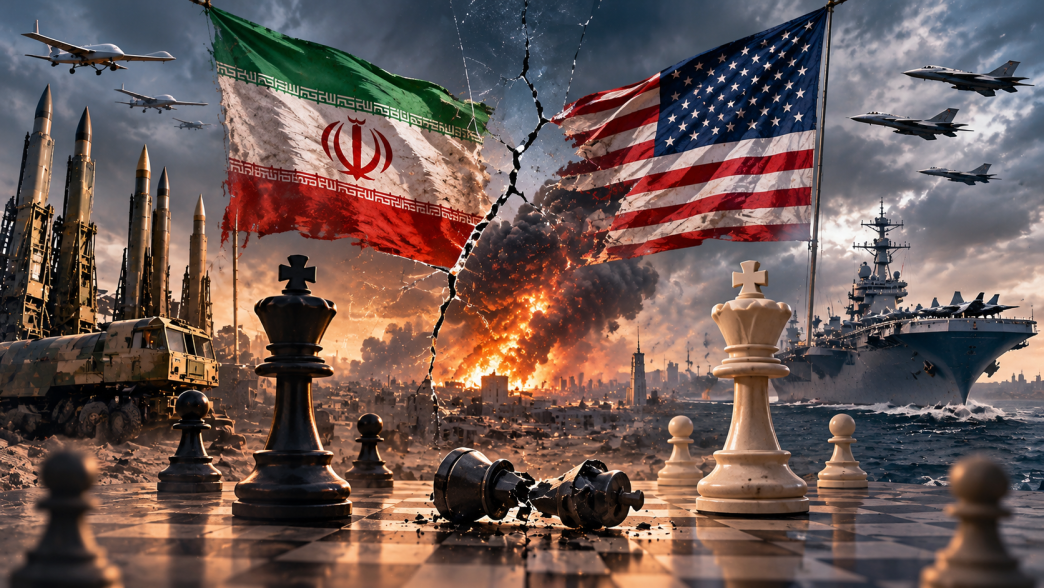
As the diplomatic deadlock between Washington and Tehran deepens, mutual distrust and strategic calculations are increasing the likelihood of a new war
In international politics, the greatest danger sometimes stems not from the military capabilities of an adversary or the war itself, but from delays in making decisions. The ongoing tensions between the United States and Iran have now reached precisely such a stage. Despite the Washington administration’s continued efforts to pursue a diplomatic solution, Tehran’s unwillingness to back down is increasing the likelihood that the crisis between the two countries will once again turn into a military confrontation. When the statements of both sides, developments on the ground, and their respective strategic expectations are considered together, it becomes clear that the current diplomatic process is laying the groundwork for a new period of conflict rather than bringing the war to an end.
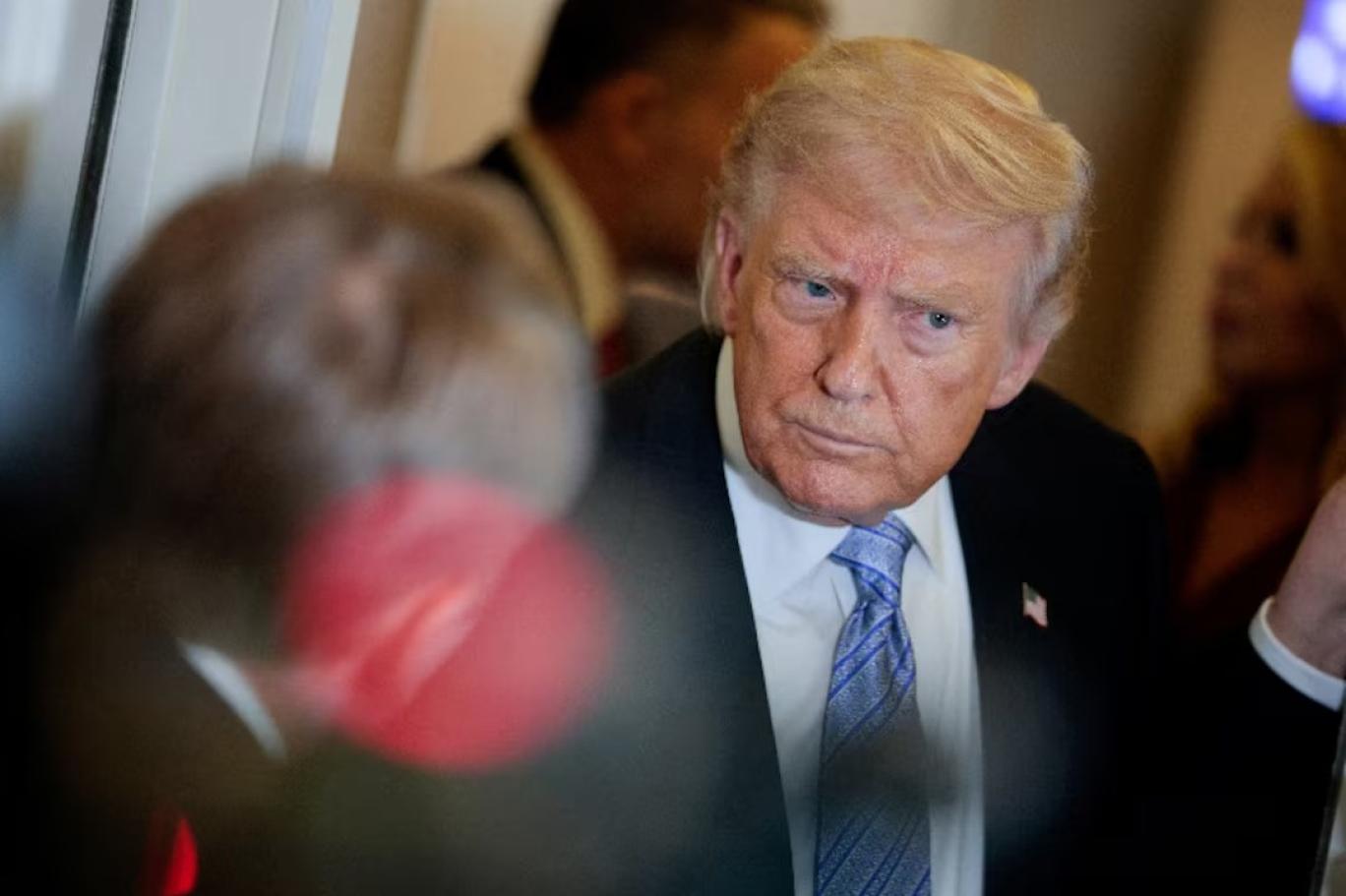
US President Donald Trump has not abandoned his efforts to achieve a negotiated outcome on Iran, even as he maintains military pressure on Tehran. However, Washington’s political timetable is becoming increasingly constrained. Expectations that Democrats will take control of Congress, divisions within the Republican Party, the war’s lack of support among the American public, and Israel’s security concerns are limiting the Trump administration’s room for maneuver. In particular, as Congress strengthens its oversight mechanisms, the administration’s Iran policy can be expected to face more intense scrutiny. The possibility that defense and national security officials will be required to testify before congressional committees is also among the developments that could make it more difficult for Washington to implement its military options. 
Nevertheless, political pressure does not eliminate the strategic dilemma facing the Trump administration. On the contrary, the narrowing window of opportunity makes the need for a decision even more pressing for Washington. The US administration must either seek an understanding with Iran under the current conditions or aim to change Tehran’s calculations by increasing military pressure once again. However, the Iranian leadership’s conduct so far indicates that diplomatic initiatives are unlikely to produce a lasting outcome in the short term.
Why is diplomacy failing?
The fundamental problem with negotiations between the United States and Iran is that the two sides have entirely different expectations regarding how the conflict should end. While Washington is seeking an agreement that would restrict Iran’s nuclear activities, ballistic missile capabilities, and regional influence, Tehran is primarily attempting to secure economic and political concessions that would guarantee the regime’s survival. Therefore, the fact that the two sides sit at the same negotiating table does not mean they have reached an understanding on a common strategic objective.
From the Iranian leadership’s perspective, the negotiation process is regarded not only as a means of reducing military and economic pressure but also as an instrument for buying time. Tehran believes it can exploit domestic political divisions in the United States, Israel’s security concerns, and the American public’s reaction to the war to its own advantage. It calculates that the longer Washington remains indecisive, the stronger Iran’s bargaining position will become.
This is where Trump’s most significant dilemma emerges. Although the US president has taken steps capable of weakening Iran’s current leadership militarily, he has failed to present a consistent and workable roadmap explaining what political outcome he ultimately intends to achieve through this pressure. The administration’s repeated shifts between advocating regime change and pursuing an agreement through negotiations are undermining the strategic coherence of American policy. Meanwhile, the Iranian leadership continues to test Washington’s resolve by taking advantage of this uncertainty.
Consequently, developments today have evolved beyond a conventional diplomatic bargaining process into a power struggle in which both sides are testing the other’s ability to endure pressure. The United States cannot force Iran to make concessions without increasing the pressure, while Iran believes that making concessions would jeopardize the regime’s future. Under these circumstances, diplomacy is becoming a temporary instrument used to prepare for the next phase rather than a means of resolving the conflict.
Regime survival in Iran conflicts with Washington’s priorities
A proper analysis of the Iranian question requires distinguishing the country’s social structure from its ruling political system. The historical heritage, cultural identity, and state tradition of the Iranian people cannot be equated with the political order that emerged following the 1979 Revolution. Iranian society and the religious and military elites governing the country do not represent the same political will.
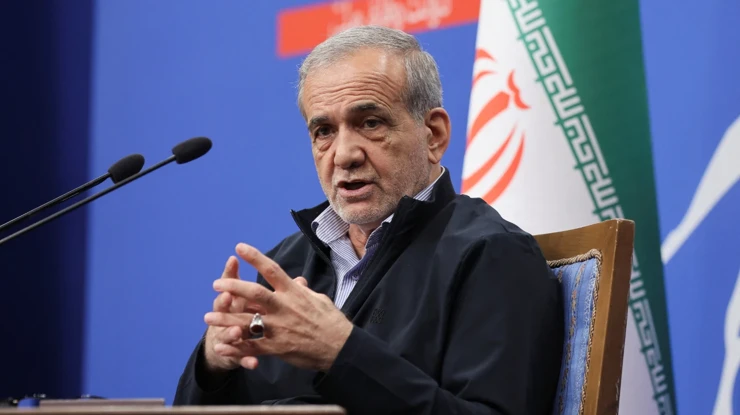
Since 1979, the system that has shaped Iran’s governing structure has gradually evolved into a center of power in which not only religious institutions but also the security and military bureaucracy, particularly the Islamic Revolutionary Guard Corps (IRGC), play decisive roles. This structure controls a significant portion of the country’s economic resources, exercises influence over regional relations, and possesses mechanisms for directing the state’s security policies. Therefore, any political transformation in Iran would not be limited to replacing individuals at the top of the leadership. It would also require a fundamental restructuring of military, economic, and ideological power relations.
One of the fundamental problems with US policy toward Iran is its failure to sufficiently distinguish between weakening the regime’s strategic capabilities through military operations and achieving lasting political transformation within the country. Targeting a country’s military command centers, missile infrastructure, or specific elements of its security bureaucracy does not, by itself, constitute regime change. The continuity of state institutions and security mechanisms in Iran could enable the system to survive even if significant losses occur among its senior leadership.
Indeed, although previous US and Israeli military operations inflicted substantial damage on Iran’s command structure and senior security personnel, these developments did not bring an end to the political order in Tehran. The Trump administration’s inability to translate military successes into a political outcome stands out as one of the most important reasons behind the current deadlock.
Tehran’s strategy of threats and the regional security risk
The Iranian leadership’s strategy during periods of crisis does not rely solely on its direct military capabilities. Ballistic missiles, unmanned aerial vehicles, regional armed networks, cyber activities, and asymmetric attack options are among the instruments Tehran uses to impose costs on its adversaries. This approach enables Iran to establish deterrence against opponents that possess conventional military superiority.
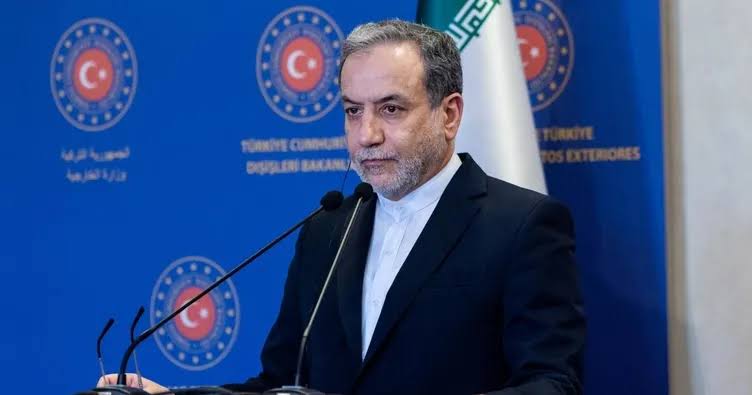
Iran’s missile and UAV capabilities, in particular, are among the principal elements enabling it to threaten the US military presence in the region and Israel’s strategic facilities. Allegations concerning chemical and biological weapons, as well as discussions about potential capabilities in these areas, further complicate regional security calculations. However, verified intelligence must be distinguished from political rhetoric when assessing such threats.
Another dimension of Tehran’s regional strategy involves increasing the security costs faced by its adversaries without entering into direct confrontation. The energy infrastructure of Gulf countries, maritime trade routes, military bases, and Israeli security facilities are among the principal areas that could be affected by this approach. In this way, Iran seeks to demonstrate that an attack against it would not remain limited to a military confrontation between two countries but could generate consequences affecting the entire region.
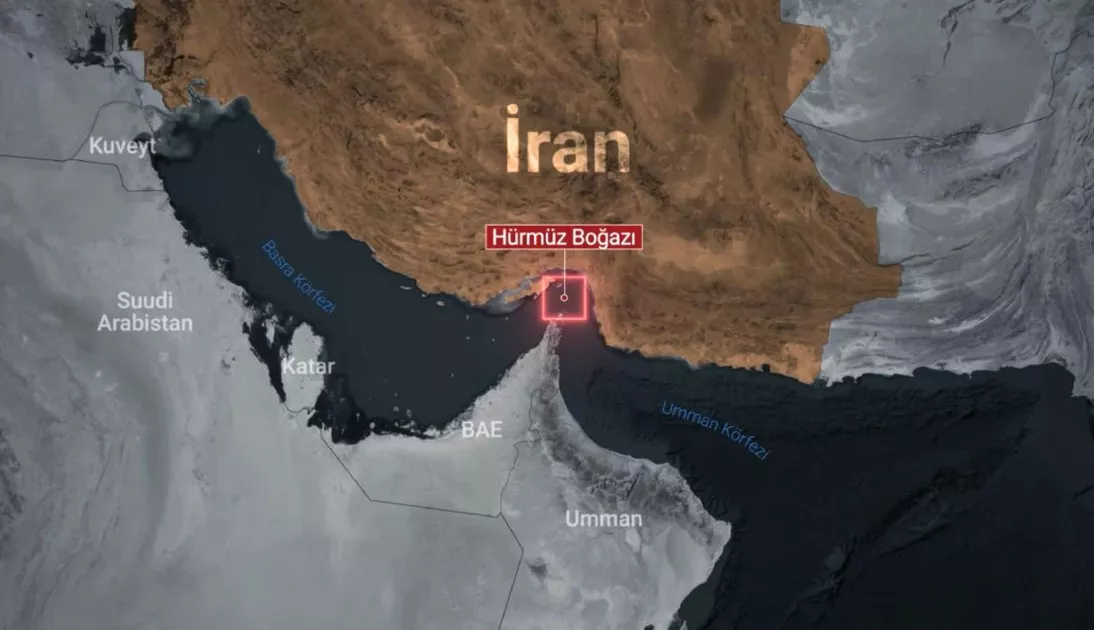
This situation also limits the United States’ military options. From Washington’s perspective, a new operation against Iran would not simply mean targeting Tehran’s military capabilities. It would also require reassessing numerous issues, including the security of Gulf allies, energy supplies, maritime traffic through the Strait of Hormuz, and Israel’s defense requirements. Consequently, Iran’s asymmetric warfare capabilities remain one of the most significant obstacles preventing Washington from translating its military superiority into a political outcome.
What roles are Russia and China playing in the Iran crisis?
Assessing tensions between the United States and Iran solely within the geographical boundaries of the Middle East risks overlooking the global dimension of the issue. Iran is attempting to balance Western pressure through the relationships it has developed with Russia and China. Although the nature of these two countries’ relations with Tehran differs, the resulting strategic picture is making Washington’s Iran policy increasingly complicated.
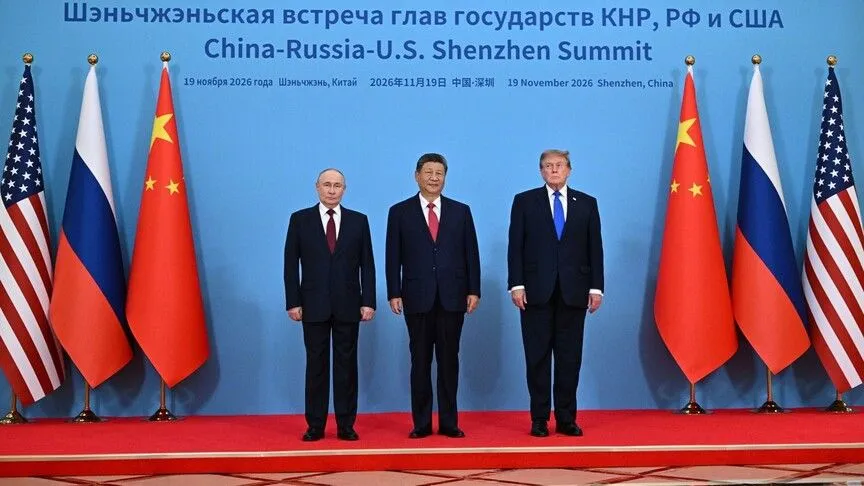
For Russia, Iran is an important partner in preserving its influence in the Middle East and limiting the United States’ room for maneuver in the region. Moscow’s reluctance to see the existing political order in Tehran disappear is closely connected to the nature of the military and political relations between the two countries. The Putin administration believes that an uncontrolled political transformation in Iran could also undermine its own regional calculations.
China, meanwhile, approaches its relations with Iran primarily through the perspectives of energy security, economic interests, and balancing American global influence. Beijing’s priority is to prevent a large-scale conflict in Iran from damaging energy markets and international trade. At the same time, China also calculates that Washington’s involvement in a prolonged military and political burden in the Middle East could provide it with strategic advantages.
For this reason, the Iran crisis has become part of a much broader power competition rather than merely a bilateral struggle between the United States and Tehran. The political and economic support provided by Russia and China at different levels is increasing the Iranian leadership’s resilience in the face of international pressure. As a result, Washington’s policy of isolating Tehran and forcing it to negotiate is struggling to produce the expected outcome.
Trump’s options are becoming increasingly limited
The Trump administration is currently facing three fundamental problems. First, security concerns regarding Iran’s nuclear and missile capabilities have not been resolved. Second, no strategy has been established that would completely eliminate Tehran’s regional influence and asymmetric attack capabilities. Third, the American administration has failed to develop a clear approach regarding the political objective that military pressure is supposed to achieve.
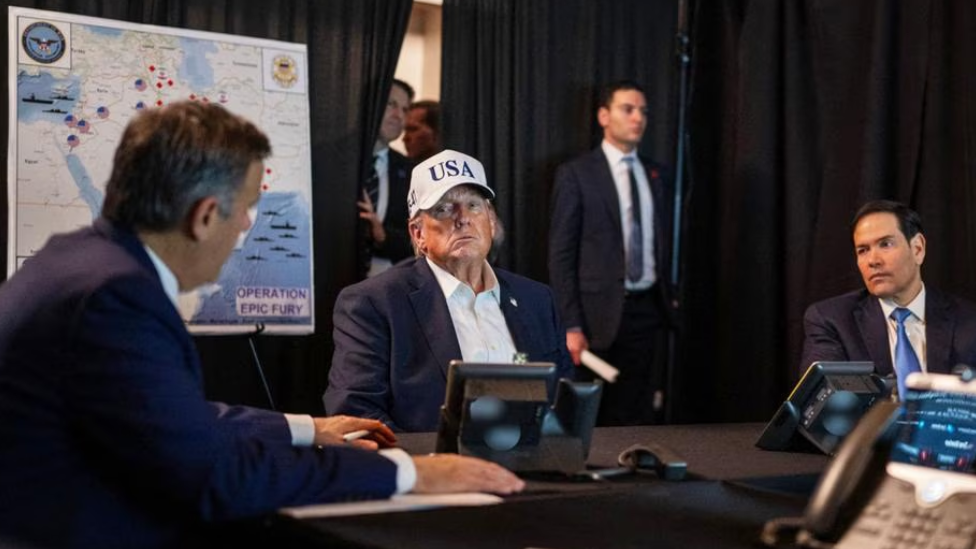
This situation is steadily narrowing Washington’s available options. The failure of diplomatic initiatives, the inability to transform the current ceasefire or period of reduced hostilities into a lasting security arrangement, and Iran’s continued efforts to rebuild its military capabilities are reinforcing the perception that time is working in Tehran’s favor.
Moreover, developments in American domestic politics are also restricting Trump’s room for maneuver. An increase in Democratic oversight power in Congress could lead to greater political and legal scrutiny of new military operations. Disagreements among Republicans and the American public’s reluctance to engage in a prolonged war in the Middle East are also making the administration’s decision-making process more difficult.
However, these political costs do not mean that security problems originating from Iran have disappeared. On the contrary, there is a growing belief that Tehran could turn the current situation to its advantage if Washington continues to delay its decisions. For Trump, the real issue is not merely the cost of entering a new war but also the prospect of facing the image of an administration that has failed to achieve results despite applying both military and diplomatic pressure.
Why is the resumption of war becoming a stronger possibility?
The most significant characteristic of the current deadlock between the United States and Iran is that neither side appears willing to abandon its fundamental expectations. Washington wants Iran to make concessions regarding its nuclear program, missile capabilities, and regional activities. Tehran, meanwhile, is unwilling to pursue a comprehensive understanding without first securing the regime’s continued survival. Unless common ground emerges between these two approaches, it will be extremely difficult for diplomatic contacts to produce a lasting solution.
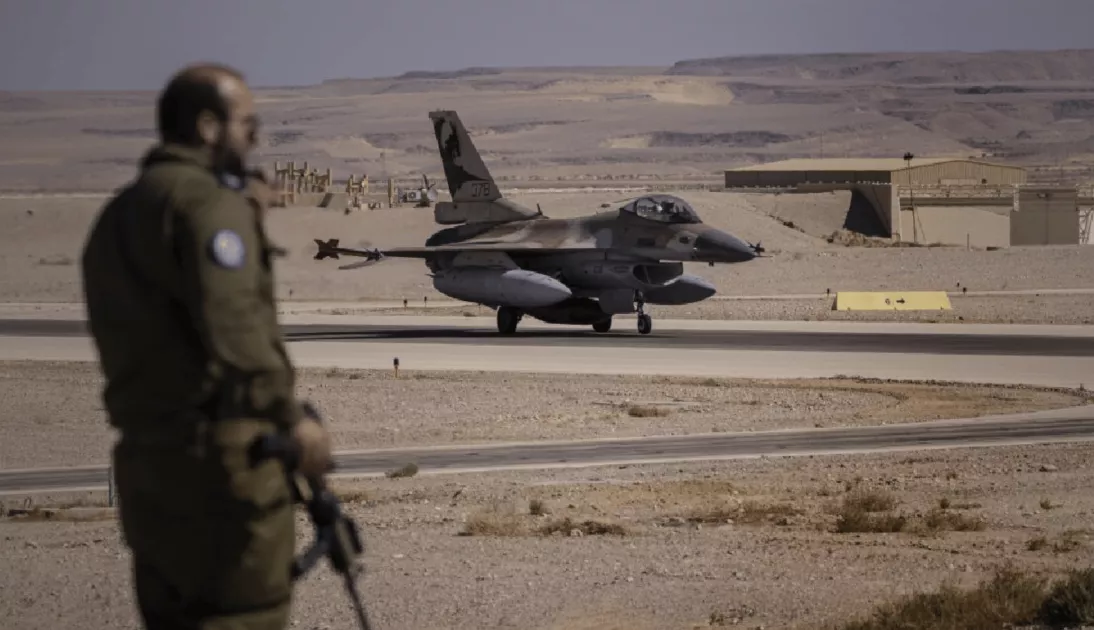
For this reason, the resumption of war must now be regarded not merely as one possibility among several, but as an increasingly likely consequence of the existing strategic deadlock. In particular, the lack of trust between the parties, the continuation of military preparations, and the failure of diplomatic initiatives to produce tangible results are increasing the risk of a new confrontation.
Nevertheless, there is an important distinction between claiming that the resumption of war is inevitable and recognizing that current conditions are making war increasingly likely. A military confrontation will not automatically produce a strategic solution for Washington. Further damage to Iran’s military infrastructure may not bring the regime’s political existence to an end. It could even lead the Tehran administration to tighten its control over society, further harden its security bureaucracy, and expand its regional attacks.
Therefore, returning to war without establishing a clear strategy regarding the objectives and scope of a new military operation, as well as the political order intended to emerge afterward, could mean repeating previous mistakes for the United States. Washington’s fundamental problem is not a lack of military capabilities but uncertainty over the political outcome for which those capabilities should be used.
On the other hand, the Iranian leadership’s use of the current period of reduced hostilities to rebuild its military capabilities, strengthen its security mechanisms, and preserve its regional influence rather than transform the situation into a lasting agreement is further increasing the obstacles to a diplomatic solution. Under such circumstances, expecting the two sides to make additional mutual concessions does not appear realistic.
What lies ahead for the Middle East in the new phase?
The beginning of a new period of conflict between the United States and Iran could have direct consequences for the balance of power in the Middle East. Israel’s security calculations, the energy infrastructure of Gulf countries, the security of the Strait of Hormuz, and the American military presence in the region could become central elements of a new crisis.
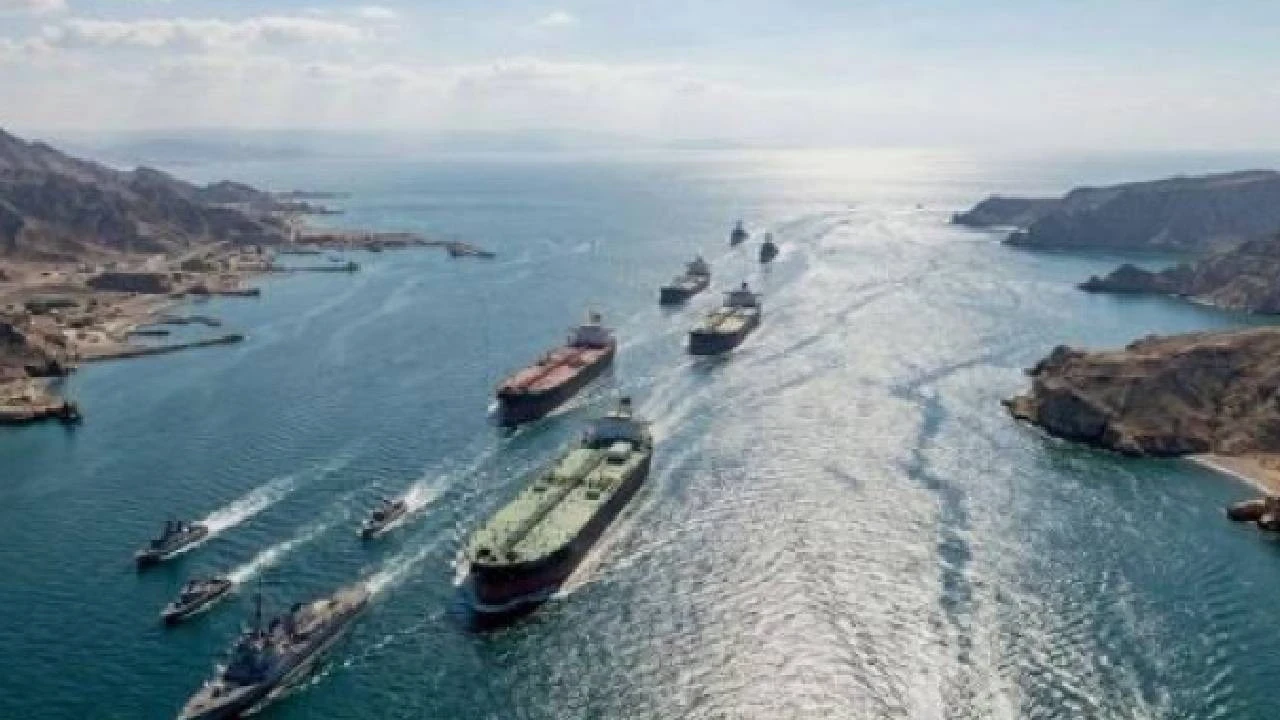
Iran’s geographical position along the Strait of Hormuz also amplifies the potential global economic consequences of a possible war. Disruptions along this route, through which a significant portion of global energy trade passes, could have far-reaching effects ranging from oil and natural gas prices to international maritime transportation. Therefore, the costs of a new war would not be borne solely by the United States, Israel, and Iran; numerous countries stretching from Europe to Asia would also be affected.
For the Gulf countries, the most important issue is the extent to which American security guarantees remain sustainable. A new confrontation with Iran could lead Saudi Arabia, the United Arab Emirates, Qatar, and other regional countries to reassess their defense policies. While these countries continue to need American military support, they may increasingly recognize the risks of tying their security exclusively to Washington’s policies.
For Türkiye, a renewed escalation of the Iran crisis would also have significant consequences in terms of border security, regional stability, energy supplies, and trade routes. Ankara’s priority should be to prevent an uncontrolled conflict that could threaten Iran’s territorial integrity and regional stability. At the same time, preserving Türkiye’s diplomatic and security capabilities against the risk of terrorist organizations and external interventions exploiting the resulting power vacuum in the region remains critically important.
Washington must make a decision
The current stage of tensions between the United States and Iran demonstrates that diplomatic contacts alone may not be sufficient. Without a change in the Iranian leadership’s current political and military approach, it will be extremely difficult for Washington’s demands to be met. Conversely, increasing American military pressure alone cannot guarantee regime change or the establishment of a lasting security order.
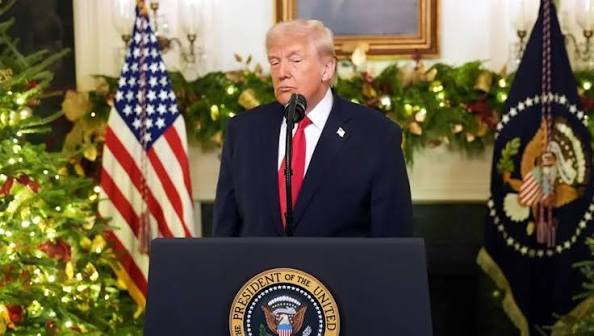
The fundamental choice facing the Trump administration is not simply whether to resume the war, but also what strategic objective a renewed conflict would pursue and how it would ultimately end. Demonstrating military superiority alone may not be sufficient to break the political will of the opposing side. This is particularly evident in the case of Iran. While the regime uses the country’s economic and social resources to ensure its own survival, it may also exploit external pressure to strengthen its control at home.
However, a diplomatic solution requires both sides to demonstrate a willingness to reach a certain level of compromise. Under current circumstances, there are few convincing indications that the Iranian leadership is prepared to demonstrate such willingness. Washington’s continued efforts to open new channels of negotiation could amount to nothing more than a waste of time unless Tehran’s strategic calculations change.
Ultimately, the standoff between the United States and Iran is approaching a new phase. The declining prospects of the current diplomatic process are once again bringing the military option to the forefront of Washington’s agenda. Although the resumption of war is becoming an increasingly strong possibility under current conditions, it cannot be assumed that such a development would deliver a strategic victory for the United States. The decisive factor will be whether Washington can combine its military power with a realistic political objective.
This is where Trump’s historic test lies. In dealing with Iran, he must either transform the diplomatic process into an agreement that delivers concrete and verifiable results or acknowledge its failure and prepare for a new period of military confrontation. However, considering Tehran’s current position and the deep strategic distrust between the two countries, the first option appears to be growing increasingly unlikely. As long as Washington remains indecisive, the Iranian leadership will continue to buy time. For this reason, the resumption of conflict between the United States and Iran is no longer merely a remote possibility but is emerging as the most serious scenario that the unresolved strategic confrontation could produce in the period ahead.

