


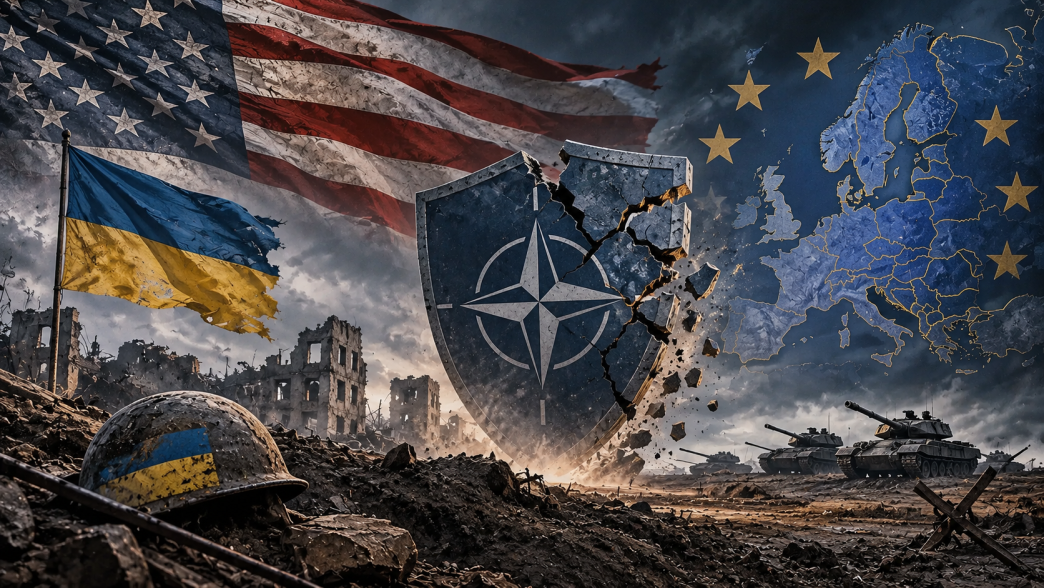
As Washington’s long-term commitments to Kyiv come under scrutiny, NATO’s concept of collective defense and Europe’s security architecture are also facing a serious test
At a time when diplomatic efforts to end the Russia-Ukraine War are gaining momentum, statements coming out of Washington have once again brought discussions about Ukraine’s postwar security to the forefront. Jared Kushner, son-in-law and special envoy of U.S. President Donald Trump, drew considerable attention in Kyiv and European capitals by announcing that security guarantees similar to Article 5 of the NATO Treaty for Ukraine were back on the negotiating table. Kushner claimed that Moscow was also prepared to accept such an arrangement and that Washington could make a commitment to Ukraine’s defense.
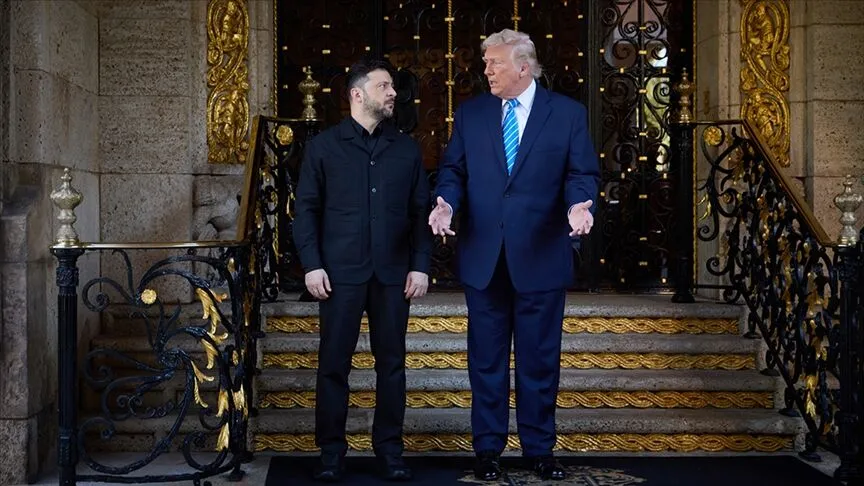
However, Kremlin officials quickly rejected these statements, making clear that the proposed approach was not yet based on any concrete agreement. Nevertheless, the remarks strengthened hopes that the United States might change its long-term security policy toward Ukraine. For European countries in particular, such a possibility would mean establishing a security mechanism capable of preventing Russia from launching another military operation after the war ends. 
At the same time, serious questions must be raised about whether expectations that Washington could offer Ukraine security guarantees equivalent to NATO’s Article 5 are realistic. Previous U.S. decisions have repeatedly demonstrated its reluctance to assume direct military responsibility for defending Ukraine. Therefore, overlooking the distinction between political statements and actual military commitments could make not only Ukraine’s security but also Europe’s overall security more vulnerable.
What lies behind the security guarantees debate?
The Ukrainian government regards guarantees for the country’s future security as one of the fundamental conditions for ensuring that any agreement to end the war is sustainable. From Kyiv’s perspective, securing a ceasefire or signing a peace agreement with Russia will not be enough. The central issue is establishing a deterrent mechanism capable of preventing Moscow from launching another attack several years down the line.
Ukraine’s NATO membership has long been considered the most important option for meeting this security requirement. However, the Trump administration has made it clear that the current war will not result in Ukraine joining NATO. Consequently, Kyiv has begun seeking assurances from the United States and European countries that would resemble NATO’s collective defense principle if membership in the alliance remains out of reach.
Yet the scope of the Article 5-like security guarantees now being discussed remains unclear. It has not been established whether such an arrangement would require the United States to intervene militarily in the event of another Russian attack on Ukraine, or whether its obligations would be limited to providing weapons, intelligence, logistics and economic assistance.
Some circles in Kyiv and Europe want such a guarantee to become a mutual defense commitment that would make the United States responsible for Ukraine’s defense. However, beyond political rhetoric, the legal and military framework for such an obligation must also be established. Otherwise, an arrangement presented as a security guarantee may fail to generate the kind of genuine deterrence that would alter Russia’s calculations.
Washington’s past decisions offer little reassurance
One of the most important aspects of the debate over U.S. security guarantees for Ukraine is directly linked to Washington’s previous conduct. When Russia annexed Crimea in 2014 and launched its full-scale invasion in 2022, the United States chose not to send its own military personnel directly into combat to defend Ukraine.
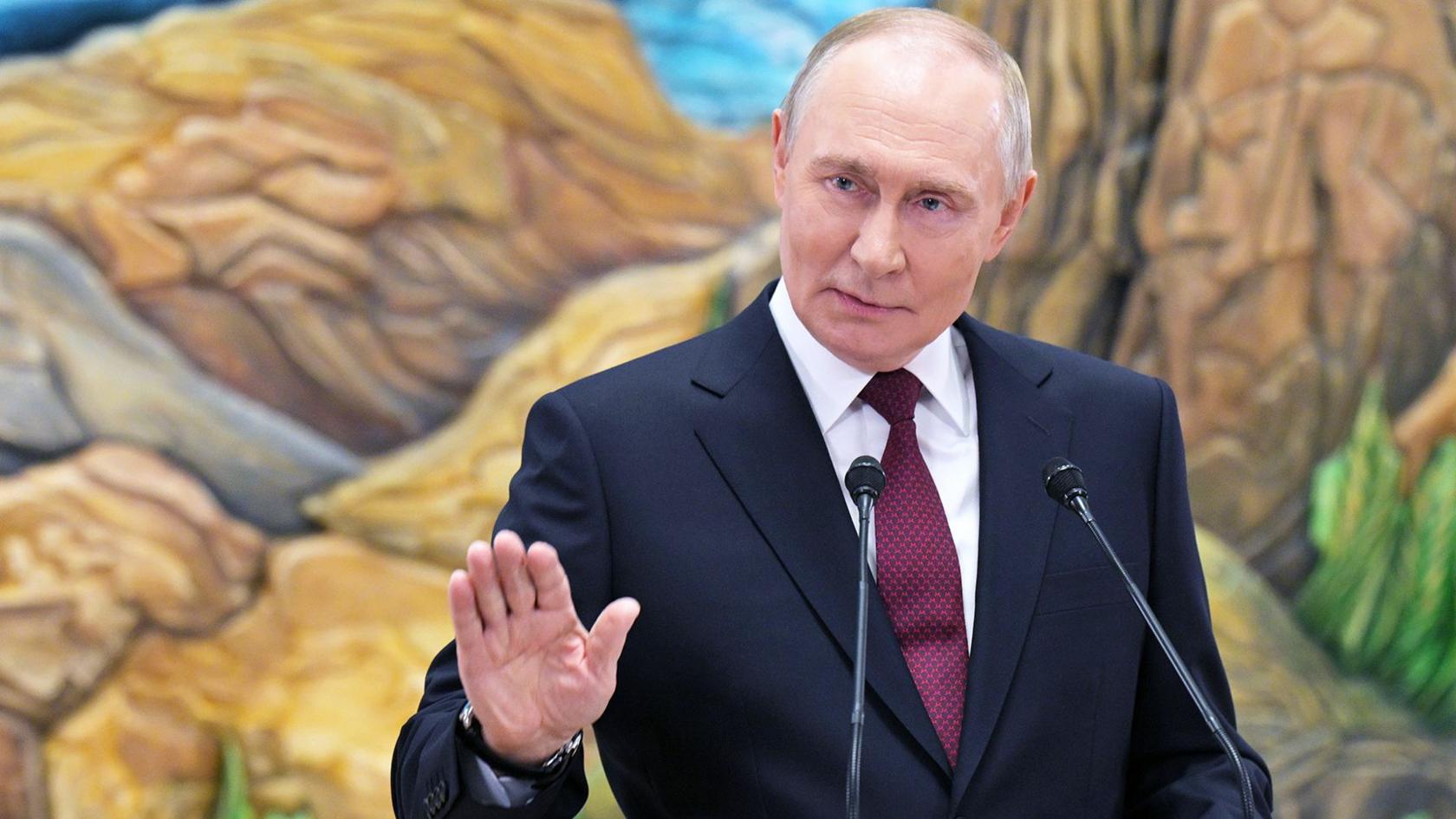
During both periods, successive U.S. administrations acted with an awareness of the potential consequences of a direct military confrontation with Russia. Washington provided Ukraine with weapons, ammunition, intelligence and economic assistance, but avoided allowing American troops to engage directly with the Russian military.
This approach highlights the difference between supporting Ukraine’s independence and sovereignty and accepting responsibility for defending the country with American military forces. Indeed, U.S. presidents from different political administrations have expressed, in various ways, that Ukraine’s security is not an issue directly tied to the national survival of the United States.
Consequently, uncertainty remains over the circumstances under which any security guarantee Washington might offer today would actually be implemented in the future. Signing an agreement would not automatically create the willingness within the U.S. administration to enter a direct war with Russia. The decisive factor would be how prepared the American administration and public are to bear the costs of such a conflict.
Would a signed agreement change the U.S. decision to go to war?
Some argue that an agreement containing a mutual defense commitment to Ukraine could influence Washington’s future decisions. According to those who support this view, a legally binding agreement could make it politically difficult for the United States to avoid military intervention in the event of another attack on Ukraine.
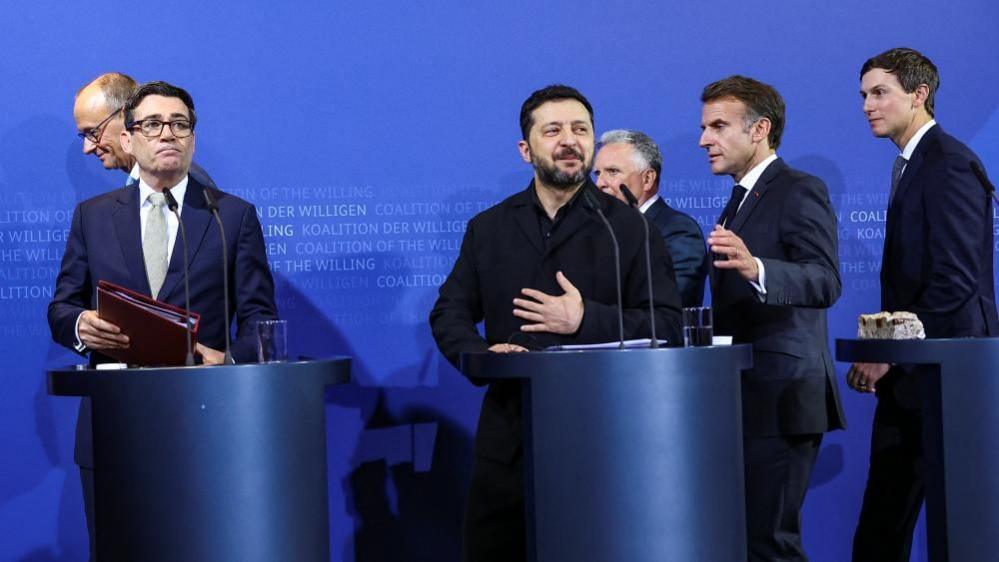
However, in international relations, the existence of security agreements and their actual implementation do not always mean the same thing. An examination of past U.S. military interventions shows that Washington has been willing to use military force without necessarily requiring a defense treaty when it considers its fundamental interests to be under threat. Conversely, when conflicts are not seen as directly connected to its national interests, the absence of legal or political commitments makes it easier for Washington to avoid intervention.
For this reason, it may be misguided to assume that an agreement with Ukraine would fundamentally alter American strategic calculations. From Washington’s perspective, the possibility of a direct confrontation with Russia is determined not only by the legal nature of an agreement but also by the risks of escalation between nuclear powers and the United States’ global military priorities.
Moreover, implementing such a commitment could run up against the political preferences of future U.S. administrations. Whether an arrangement signed by one president would be maintained with the same determination by subsequent administrations remains a significant source of uncertainty for Ukraine.
The Qatar example reopens the debate over American security commitments
The presidential executive order issued for Qatar in 2025 provides another important example in assessing how far U.S. security guarantees can be implemented in practice. The Trump administration sought to strengthen America’s approach to Qatar’s defense by making a commitment concerning the country’s security.
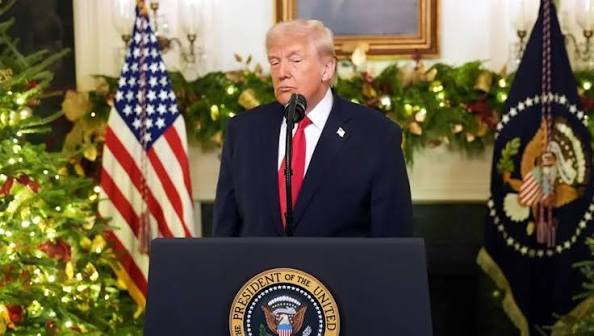
However, the fact that Qatar was seriously affected by Iranian attacks during the 2026 war between the United States and Iran increased questions about what such guarantees actually mean in practice. As the security of U.S. military bases in the region came under threat, the evacuation of some personnel and military assets from Al Udeid Air Base once again brought the limits of Washington’s ability to protect its allies into focus.
These developments demonstrate that even countries hosting a U.S. military presence may not receive absolute protection under all circumstances. While it is understandable that Washington would take precautions to protect its own military personnel and assets, the risks faced by allied countries during such developments are deepening the debate over the reliability of the American security umbrella.
This example is even more significant for Ukraine. The security mechanism Kyiv needs requires not merely political support during peacetime, but a concrete defense plan that can be implemented if Russia attacks again. If such a plan is not backed by America’s actual military capabilities and willingness to intervene, the deterrent value of the promises made may remain limited.
The U.S. Senate and American public opinion will be decisive
The Ukrainian government is demanding more than political statements from Washington. Kyiv wants a legally binding security agreement approved by the Senate, one that future U.S. administrations would find difficult to withdraw from easily.
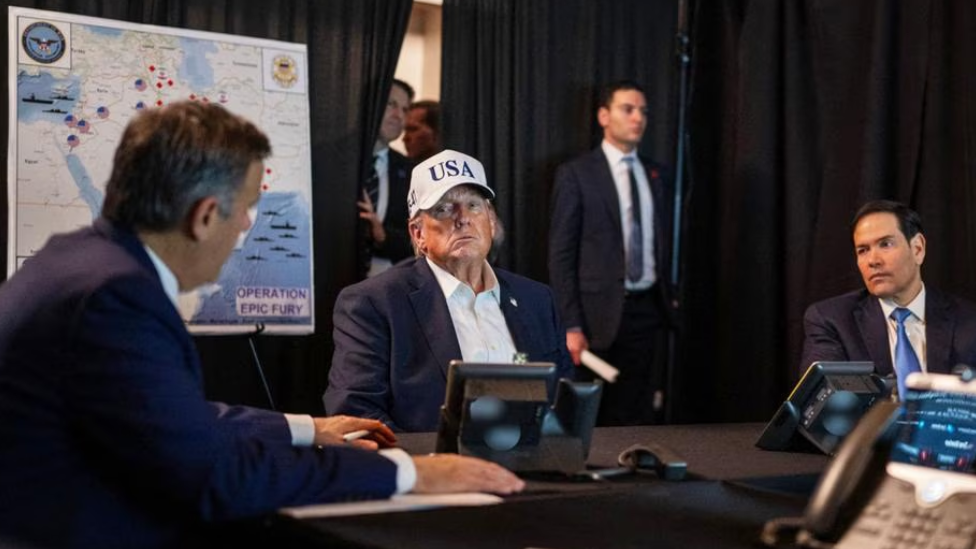
However, securing sufficient support for such an arrangement in American politics appears particularly difficult. Whether in the current Senate or under the political balance that emerges in the next term, obtaining the necessary backing for an agreement that could require the United States to enter a direct military confrontation with Russia may prove challenging.
Nor can it be said that American public opinion is enthusiastic about entering another prolonged war on behalf of Ukraine. Given the security challenges facing the United States in the Middle East and the Asia-Pacific, it is understandable that Washington may be unwilling to tie its military and economic resources to an unlimited commitment to Ukraine.
For this reason, security guarantees for Ukraine cannot be shaped solely through statements made at the presidential level. Congressional support, legal enforceability, defense budgets and military planning must all be considered together. Any arrangement established without these elements could become ineffective when political circumstances change.
Europe’s security is also at the center of this debate
European leaders also support the idea of providing Ukraine with security guarantees similar to NATO’s Article 5. However, as they advocate this approach, European countries must also consider the future of NATO’s existing collective defense system.
This is because a questionable U.S. commitment to Ukraine could affect how other NATO members perceive the security guarantees Washington has extended to them. If the United States describes a mechanism being developed for Ukraine in terms similar to Article 5, questions will inevitably arise over whether that arrangement can genuinely be implemented.
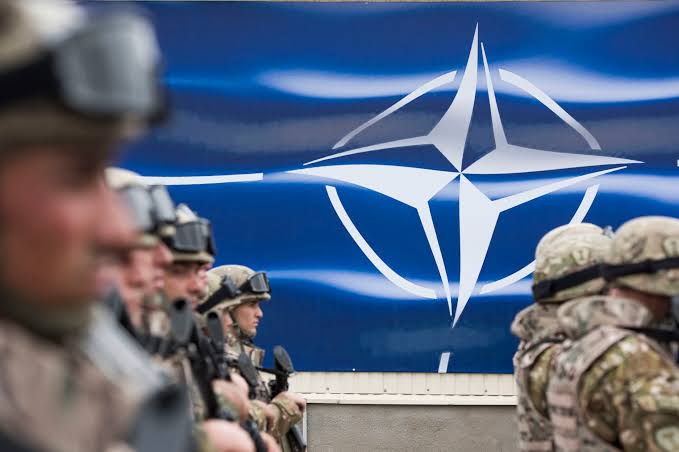
NATO’s principle of collective defense is one of the alliance’s most fundamental deterrent mechanisms. For the Baltic countries, which share a direct border with Russia, this guarantee is regarded as one of the main pillars of their national security. Countries such as Estonia, Latvia and Lithuania rely on NATO’s collective defense commitment in the face of Russian military pressure.
Therefore, a new U.S. security commitment to Ukraine is not merely an issue concerning Kyiv’s future. It could also trigger a broader debate over how binding NATO’s promises really are and under what circumstances Washington is prepared to defend its allies.
If the United States is unwilling to implement a security guarantee for Ukraine when necessary, questions will arise over how similar commitments should be interpreted by other allies. This could heighten security concerns, particularly among countries on NATO’s eastern flank.
Europe must assume responsibility for its own defense
The war in Ukraine has clearly exposed the risks created by Europe’s excessive dependence on the United States in security matters. The fact that changes in Washington’s foreign policy priorities directly affect Europe’s security architecture demonstrates why the continent needs to strengthen its own defense capabilities.
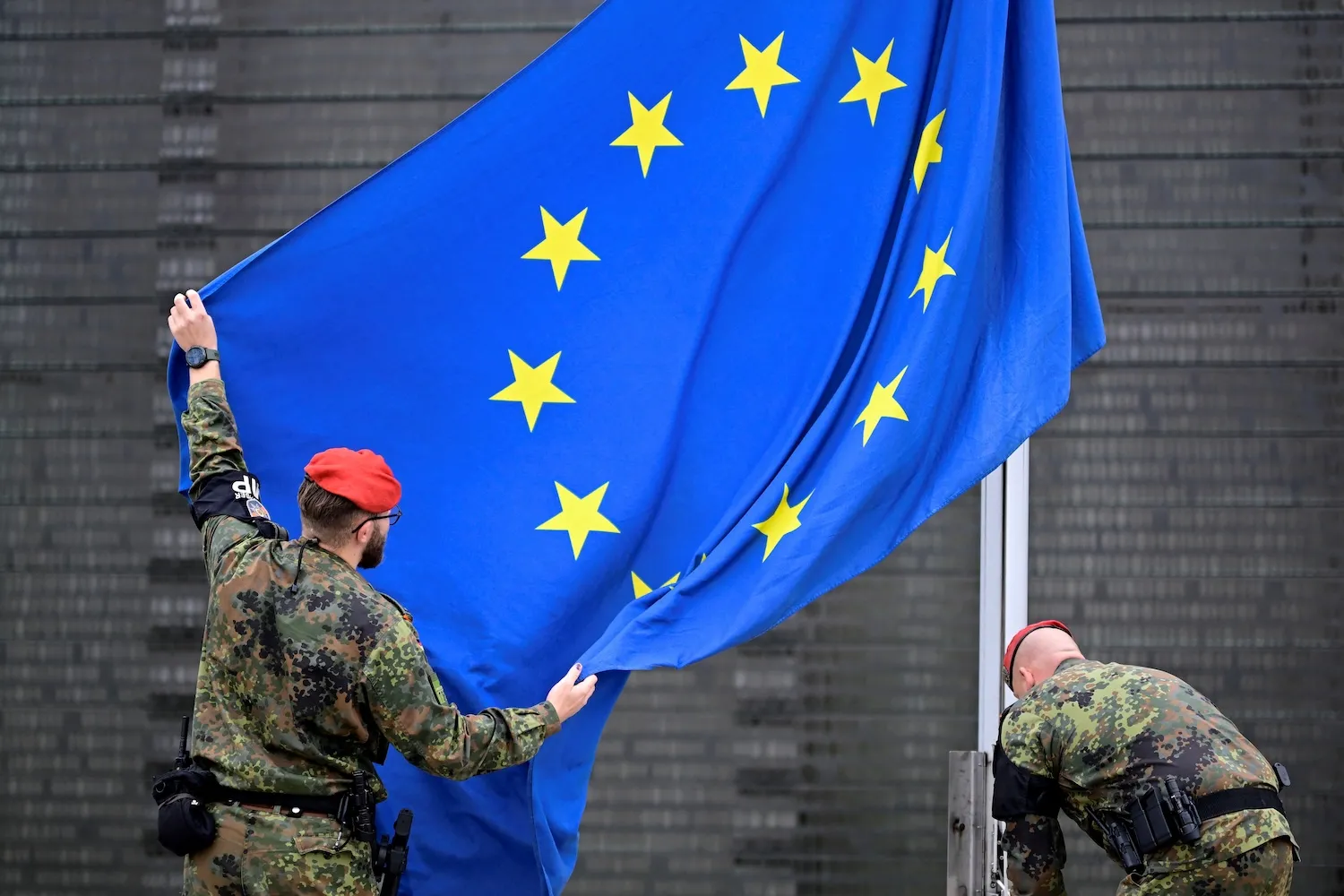
For many years, European countries shaped their security policies around NATO’s military capabilities and, in particular, the United States’ nuclear deterrent. However, the Russia-Ukraine War exposed significant European shortcomings in ammunition production, air defense systems, military logistics, intelligence and the defense industry.
For this reason, while security guarantees for Ukraine are being debated, how Europe will develop its own military capabilities must also become a central issue. Attempting to deter Russia by relying solely on Washington’s political will could leave Europe facing a more vulnerable security environment in the long term.
European countries need to increase defense industry production, develop joint procurement mechanisms, strengthen their air and missile defense capabilities, and assume greater responsibility for military planning. Expanding cooperation with countries such as Türkiye, which possesses significant military capabilities, a growing defense industry and a strategic position within NATO, is also an issue that should be taken into consideration when assessing the future of European security.
Security guarantees or a new era of uncertainty?
Ultimately, the new proposals put forward regarding U.S. security guarantees for Ukraine may initially appear to be a positive development in terms of preserving peace after the war. However, for such commitments to generate genuine deterrence, they must go beyond political rhetoric. Without legal enforceability, military capabilities, funding and the willingness to intervene when necessary, guarantees are unlikely to change Russia’s strategic calculations.
Washington’s previous reluctance to defend Ukraine directly through military intervention, combined with the American public’s unwillingness to enter another war with Russia, raises questions about the credibility of future commitments. Moreover, as the Qatar example demonstrates, even U.S. commitments to close security partners can face serious challenges under the conditions of a regional war.
For this reason, providing Ukraine with guarantees similar to NATO’s Article 5 should not be regarded as a solution that, by itself, will ensure the country’s security. An unrealistic security promise could lead Ukraine to base its future defense plans on false expectations, while also undermining Europe’s confidence in NATO.
The central issue in the coming period will not simply be whether the United States makes a new security promise to Ukraine, but under what conditions and to what extent that promise can be implemented. As Washington’s strategic priorities evolve, a reshaping of Europe’s security responsibilities appears inevitable. The outcome of this debate will determine not only Ukraine’s future but also NATO’s deterrence and Europe’s defense capabilities.
Therefore, although it is still too early to say that U.S. security guarantees to Ukraine have come to an end entirely, it is clear that Washington is not prepared to assume responsibility for defending the country as its own military obligation. Europe needs to take this reality into account and strengthen its own security architecture. Otherwise, the guarantees planned for Ukraine, whose practical implementation remains uncertain, could push both Kyiv and NATO’s eastern flank into even greater strategic uncertainty rather than creating a more secure Europe after the war.

