


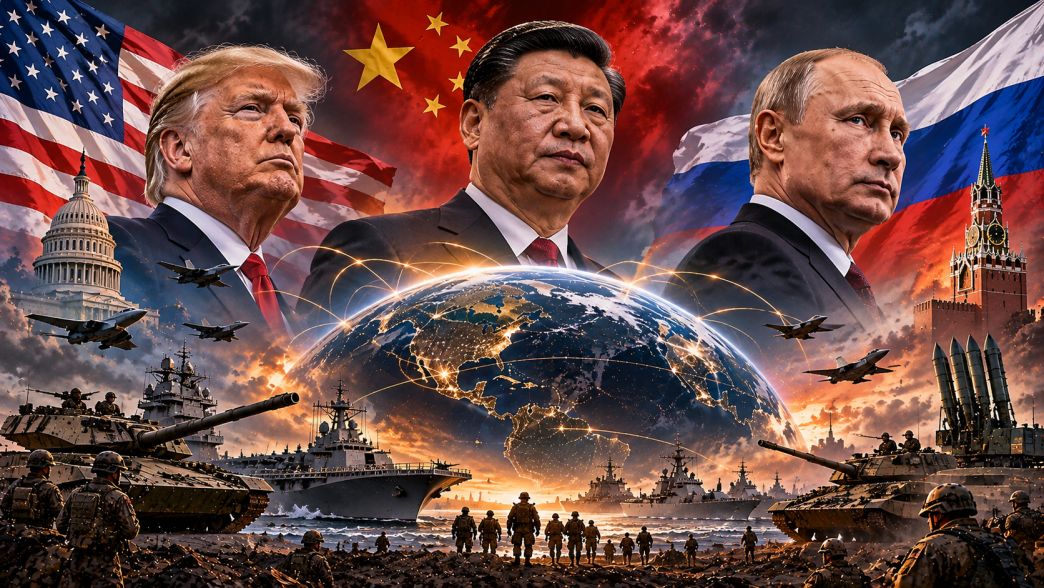
The possibility of Donald Trump, Xi Jinping and Vladimir Putin meeting on the sidelines of the Asia-Pacific Economic Cooperation (APEC) Summit, scheduled for November 18–19, has brought a new debate over the distribution of global power to the forefront of international politics. Such a meeting is being compared to the 1945 Yalta Conference, held toward the end of World War II and attended by the leaders of the United States, the United Kingdom and the Soviet Union.
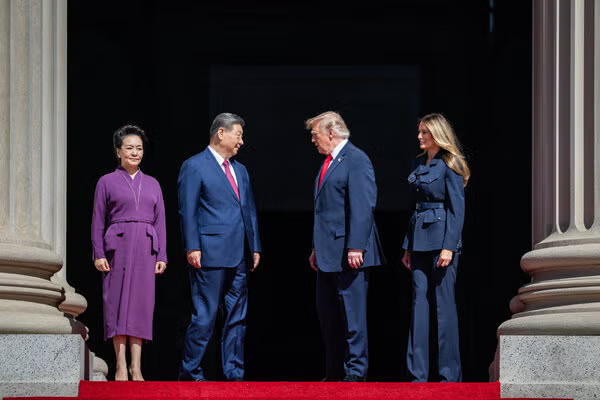
Although global politics, economic relations and military balances have changed considerably over the past 80 years, the great powers’ desire to shape the international system in line with their own interests remains. What Trump, Xi and Putin have in common is their pursuit of an order in which their respective countries play a decisive role in global decision-making, while other states largely act in accordance with the preferences of these major power centers. 
The approach adopted by US President Trump, particularly in his relations with Putin and Xi, also reflects this perception of power. While Washington has at times taken a distant and confrontational stance toward its traditional allies, Trump’s willingness to engage directly in great-power diplomacy with the leaders of Russia and China has drawn attention.
One of the clearest indications of this approach is the United States’ 2025 National Security Strategy, which defines the Western Hemisphere as an area in which American primacy should prevail. Similarly, the idea that Russia and China could be given a certain degree of latitude to establish spheres of influence in their respective regions raises the possibility of reshaping the international system around major power centers.
Washington’s involvement in political change in Venezuela and its support for governments aligned with its interests in Latin America demonstrate that this approach is not merely theoretical. Putin’s ambition to reassert control over Ukraine, along with Russia’s use of political, economic and military instruments to establish governments sympathetic to Moscow across the former Soviet space, likewise shows that Russia’s efforts to expand its sphere of influence are continuing.
The administration of Xi Jinping, meanwhile, has not abandoned its objective of bringing Taiwan back under Chinese control. At the same time, Beijing is seeking to expand its political and strategic influence in Southeast Asia, particularly in Myanmar, as well as in the South China Sea.
Another common feature of these three major powers is their unease with the European Union. The EU offers an alternative international model in which different countries can achieve stability and prosperity through shared sovereignty, common rules, the rule of law and respect for human rights. The approaches adopted by the United States and Russia in supporting far-right and anti-EU political movements in Europe are also regarded as part of an effort to weaken the Union’s cohesion.
The concept of empire is changing, but the struggle for influence continues
The great powers’ desire to divide the world into spheres of influence cannot be explained solely by their ambition to acquire territory. Today’s power struggle extends from control over energy resources and trade routes to technology, defense cooperation and the ability to influence the political decisions of other countries.
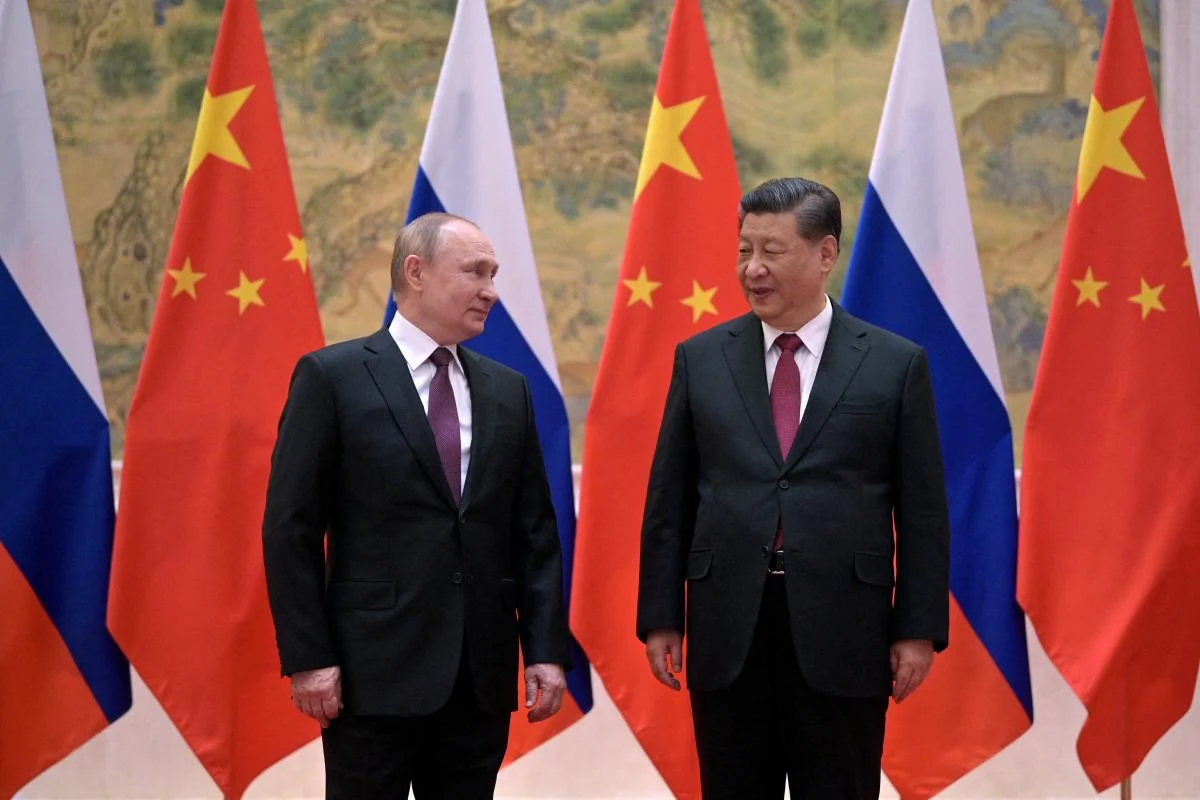
For this reason, imperialism can survive in forms that go beyond direct military occupation, including economic dependency, political manipulation and institutional pressure.
The liberal international order established after World War II was not always regarded as an equitable system by many countries that had recently gained independence. Although they achieved political independence, the fact that their economic models, governance systems and trade relations continued to be shaped from abroad led to criticism that the old colonial order was being maintained through different instruments.
Nevertheless, there are significant differences between the imperial system of the 19th century and today’s international order. In the past, bringing different religions, languages and cultures under a single authority formed the basis of how empires were governed. The rise of nationalism and the spread of nation-states eventually made these structures unsustainable.
However, a form of nationalism centered on national interests and driven by constant competition also failed to deliver lasting stability. Although the balance-of-power system in Europe prevented major conflicts for a time, it ultimately laid the groundwork for the two most destructive world wars in human history between 1914 and 1945.
With the emergence of nuclear weapons at the end of World War II, humanity acquired the capacity to bring about its own destruction. This experience demonstrated that international disputes could not be resolved through military force alone and accelerated the search for a new world order.
The importance of the multilateral system and the right to sovereignty
The United Nations, established after the war with an initial membership of 43 countries in 1946, has expanded to 193 members today. This growth was made possible by the end of colonial rule and the inclusion of newly independent states in the international system.
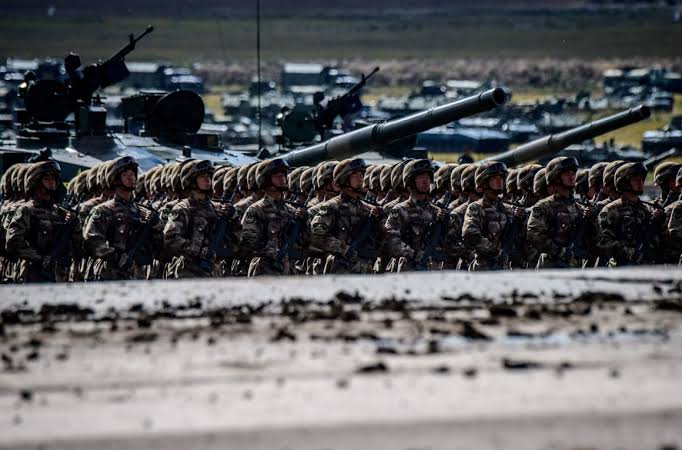
One of the fundamental objectives of the multilateral order was to safeguard the sovereignty of smaller countries and prevent states from becoming bargaining chips among major powers. The intention was to leave behind an approach in which countries’ territories and populations could be transferred or reshaped in accordance with the interests of powerful states.
Yet the right of states to determine their own futures continues to face serious pressure today. As the example of Greenland demonstrates, societies are resisting unilateral decisions by major powers about their future. The cases of Ukraine and Iran, despite their different circumstances, also reveal how strongly societies can assert their determination to shape their own political destinies.
The uncertainty surrounding the future of the interim administration that came to power in Venezuela with US support is another example of how fragile political arrangements established through external intervention can be.
These developments demonstrate that sovereignty is more than a legal status. A state can only achieve genuine independence if it is able to make its own political decisions, manage its economic resources and determine its security policies in accordance with its own interests.
Technology, the economy and the changing nature of warfare
Although globalization has lost much of its former popularity in political debates, economic interdependence between countries has not disappeared. The approximately 4,500 percent increase in global trade since 1950 illustrates the extent to which international economic relations have expanded. This growth is also closely linked to population growth and rising income levels.
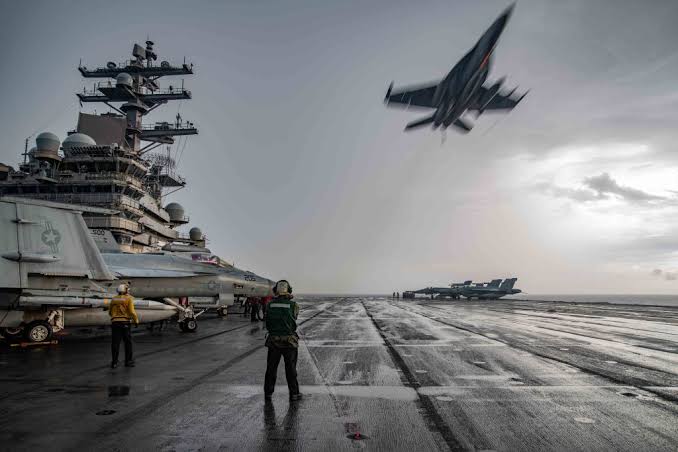
Consequently, all governments, whether democratic or authoritarian, must maintain economic prosperity. Disruptions to trade, investment and technological production affect not only economic indicators but also the political stability of governments.
Technological transformation is another factor reshaping the nature of the struggle for power. While the internet has expanded communication between societies and states on a global scale, control over digital infrastructure, data and technology is creating new areas of dependency.
In the military sphere, unmanned aerial vehicles, electronic warfare, cyber operations and precision-strike systems are significantly transforming the traditional rules of warfare.
The conflicts in Iran, Ukraine, Iraq, Afghanistan, Syria and Gaza demonstrate that military superiority alone does not guarantee political victory. Weaker parties can use advanced technologies and asymmetric methods to impose substantial costs on opponents that are far more powerful than themselves.
This does not diminish the importance of military power, but it does limit the ability of military force to produce political outcomes. Protracted wars that fail to deliver results can exhaust resources while pushing the parties involved into a lasting deadlock.
Moreover, in today’s security environment, the support of allies is just as important as military personnel, financial resources and weapons systems. The Trump administration’s distant approach toward the United States’ traditional partners is damaging Washington’s international credibility and alliance relationships. It will not be easy for an administration taking office after 2028 to repair this loss of trust in a short period of time.
The decisive role of small and middle powers
Some leaders, including Canadian Prime Minister Mark Carney, argue that middle powers should act together to preserve the rules-based international order. However, it is not possible to claim that all these countries share the same strategic priorities. In regions such as the Middle East in particular, some states may view the weakening of the existing order as an opportunity to advance their own national interests.
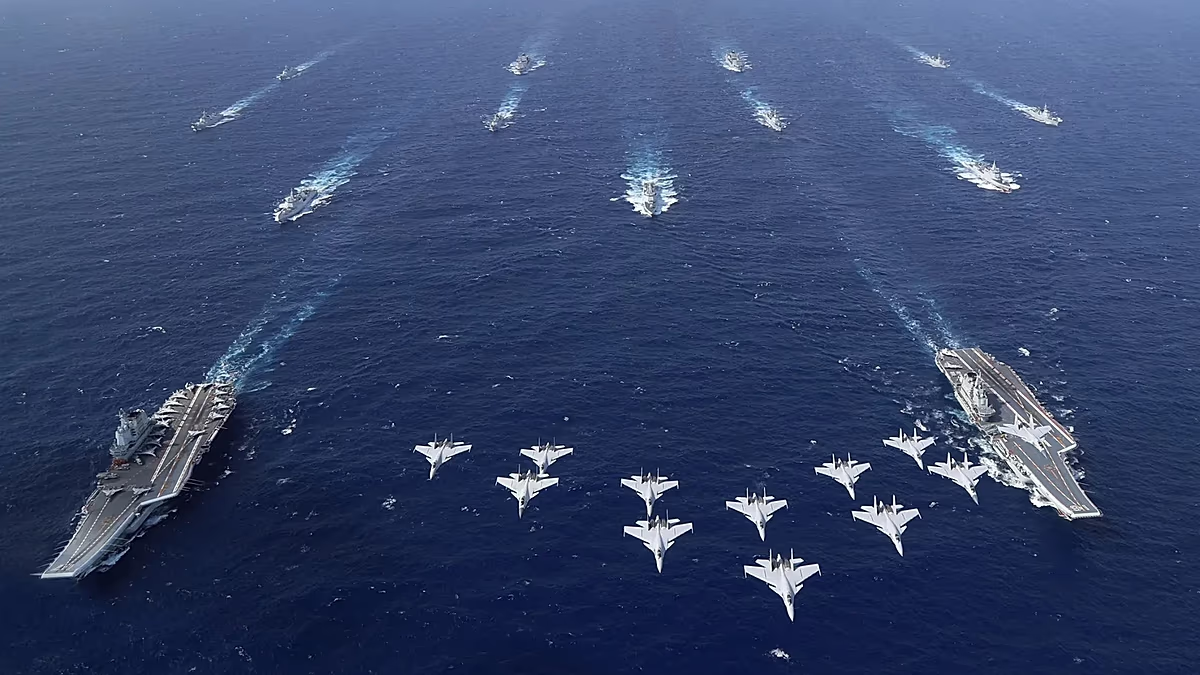
Nevertheless, the countries outside the major power centers—particularly smaller states—should play a decisive role in determining the future of the international system. The vast majority of the world’s 193 countries are small or middle-sized states. Their shared interest lies in maintaining an order in which sovereignty is protected, international law functions to a meaningful extent, trade can continue safely and military power does not become an unlimited political instrument.
As major powers seek to expand their spheres of influence, the most important guarantee for smaller states is that international rules apply equally to everyone. Otherwise, countries with limited economic and military capabilities will find their ability to make independent decisions increasingly restricted.
The real test of the new world order
The fundamental challenge facing the international system today is not simply the power rivalry between the United States, China and Russia, but the extent to which this competition will restrict the sovereign rights of other states.
A possible meeting between Trump, Xi and Putin could be an important indication that great-power diplomacy is being reshaped. However, determining the future of global politics through negotiations among these three leaders would pose serious risks to the interests of the rest of the international community.
The world of the 21st century is different both from the conditions that prevailed after 1945 and from the imperial order of the 19th century. Economic interdependence, technological advances, the political awareness of societies and international institutions make it increasingly difficult to determine the future of countries through military power alone.
The real question is not whether major powers will establish new spheres of influence among themselves, but whether other states will be able to protect their sovereignty and their right to make independent decisions throughout this process. For this reason, preserving the rules-based international order has become a shared responsibility not only of middle powers but, in particular, of smaller states. The priority of the world’s democratic governments should also be to defend a more inclusive system based on the equal sovereignty of states and international law, rather than an order in which the world is divided according to the interests of major powers.

