

The character of modern warfare is undergoing a fundamental transformation as unmanned systems become more widespread and artificial intelligence increasingly influences military decision-making. In the past, military superiority was primarily measured by personnel numbers, firepower, air superiority, and the technological capabilities of platforms. Today, another factor has become equally important: the ability to process, interpret, protect, and, when necessary, deny the enemy access to data. An army’s strength is no longer determined solely by the weapons it possesses, but also by the information those weapons use to operate and how securely that information can be maintained.
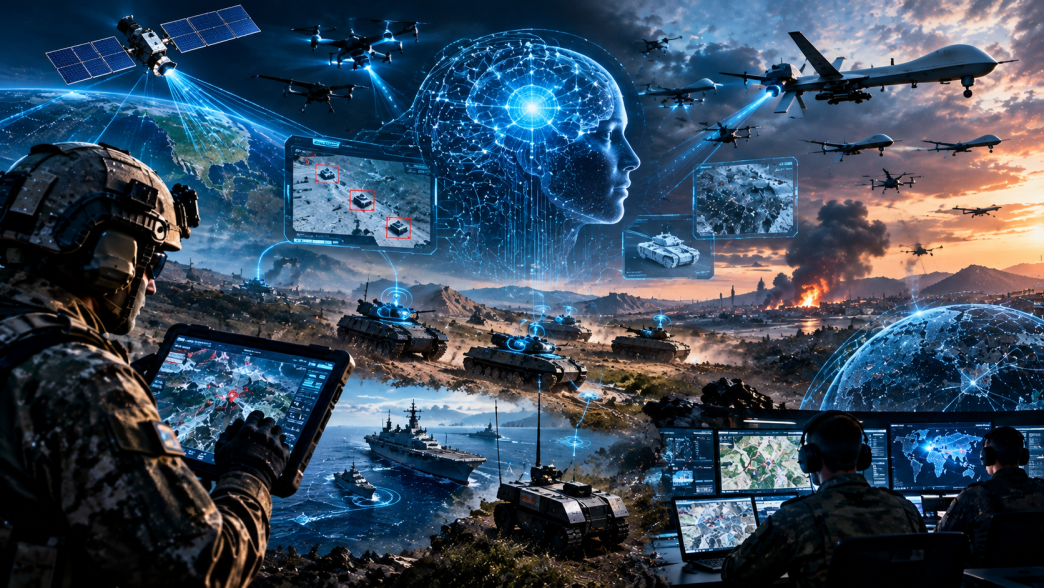
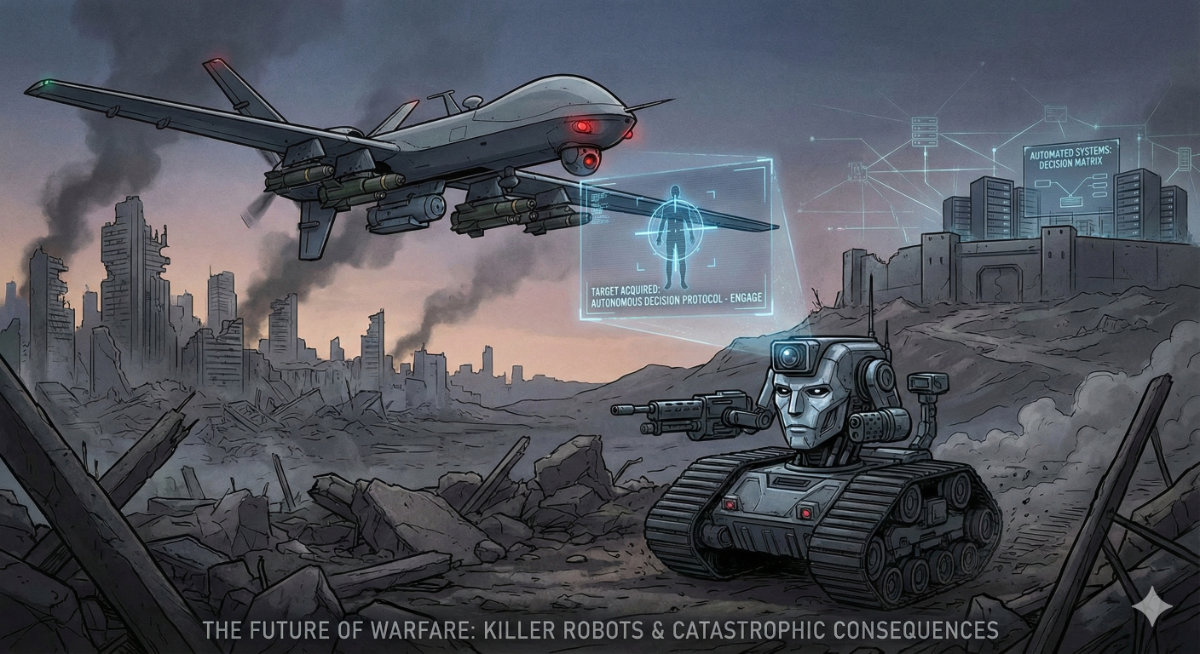 Major military powers, particularly the U.S. Department of Defense, are preparing for a battlefield in which thousands of unmanned aerial vehicles, autonomous ground vehicles, unmanned maritime platforms, and AI-powered sensors operate simultaneously. This approach is shifting decision-making away from centralized headquarters toward units and platforms operating in the field. However, the decentralization of military capabilities also creates a new security vulnerability. Increasingly, critical battlefield information is no longer held exclusively in secure central facilities but resides directly within the systems carrying out missions.
This development changes one of the fundamental questions of military planning: When a platform is lost, is the damage limited to the loss of equipment, or does the adversary also gain access to the technological and operational knowledge it contains? 
Data is becoming as important as firepower on the battlefield
The integration of artificial intelligence into military systems has significantly transformed traditional computing infrastructure. Previously, much of the processing took place on centralized servers or at headquarters. Today, unmanned aerial vehicles, autonomous ground systems, maritime platforms, and tactical sensors can process the data they collect directly in the field. As a result, tasks such as target detection, environmental analysis, route planning, and threat assessment can be completed more quickly.
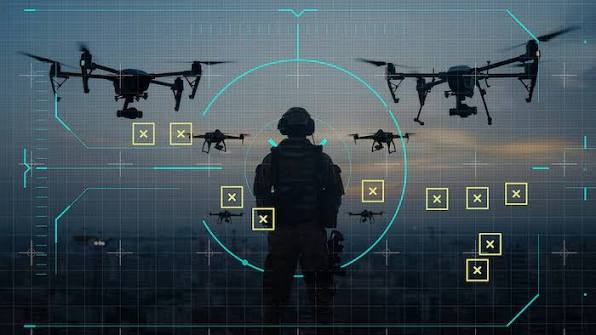
Known in military literature as the tactical edge, this approach offers a critical advantage in environments where communications infrastructure is disrupted, electronic jamming is intense, or access to centralized command systems is unavailable. An unmanned aerial vehicle continuing its mission by analyzing its surroundings without waiting for constant instructions from headquarters, or a ground vehicle following predefined safety rules after losing connectivity, illustrates this transformation.
However, moving computing power into the field also means distributing military data across a wider range of systems. Mission plans, target lists, sensor recordings, navigation information, communications settings, and AI models are no longer stored exclusively in centralized information systems. Much of this information is now retained in the memory of operational platforms and the portable devices that support them.
Consequently, the destruction, capture, or abandonment of a system following a technical failure may involve far more than the loss of the vehicle itself. An adversary may examine the captured hardware to understand how its opponent thinks, plans, and employs particular technical methods. Data security has therefore evolved from a secondary technical concern into a strategic issue directly affecting operational capabilities.
What can a captured unmanned system reveal?
One of the principal advantages of unmanned systems is their ability to operate in dangerous areas without directly exposing human personnel to risk. Nevertheless, the possibility of capture or technical examination can never be entirely eliminated, whether the platform is an inexpensive commercial drone or an advanced military unmanned aerial vehicle.
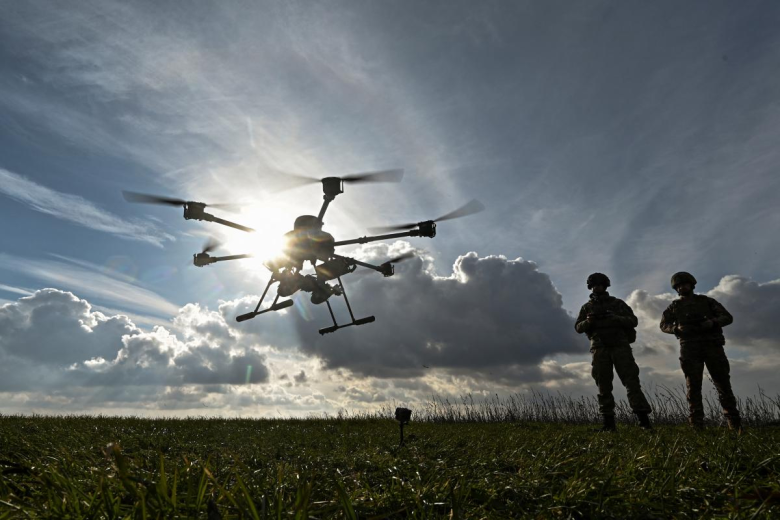
The loss of sophisticated systems such as the MQ-9 Reaper during operations involving Iran and armed actors in the region illustrates that this risk is not merely theoretical. Similarly, unmanned systems shot down or captured during the war in Ukraine have created opportunities for both sides to conduct technical examinations and gather intelligence.
When a platform is physically captured, the information available to the adversary may extend far beyond the images it recorded. Mission histories, flight paths, targeting data, communications protocols, electronic warfare parameters, network connection details, and cryptographic materials can all be valuable in understanding how the system operates. Such information can reveal not only what happened during a previous operation but also provide clues about how future missions might be conducted.
For example, identifying the sensors an unmanned aerial vehicle uses in particular areas could help an adversary adjust its concealment techniques or air defense arrangements. Deciphering its communications architecture could facilitate the development of electronic attacks against similar systems. Examining mission plans and flight histories could also reveal information about specific units’ activities, operational priorities, and probable routes.
The most critical vulnerability, however, lies in the software layer. The way an autonomous system classifies targets, combines information from different sensors, and generates decisions under particular conditions reflects years of research and development. Capturing these algorithms and trained AI models could enable an adversary not only to examine the existing system but also to develop similar capabilities or devise countermeasures against its weaknesses.
In such circumstances, the loss extends well beyond the cost of the vehicle. A technological advantage developed through billions of dollars in research investment could become a resource that accelerates the adversary’s own development efforts.
The Ukraine war and the intelligence value of captured technology
The war in Ukraine has demonstrated the role of unmanned systems in modern conflicts while revealing how vulnerable these platforms can be to technical examination by the opposing side. Systems ranging from commercial drones to more sophisticated military platforms are being used for reconnaissance, target detection, artillery fire correction, and attack missions. Examining vehicles lost on the battlefield allows both sides to assess their opponent’s technological capabilities and understand how its systems function.
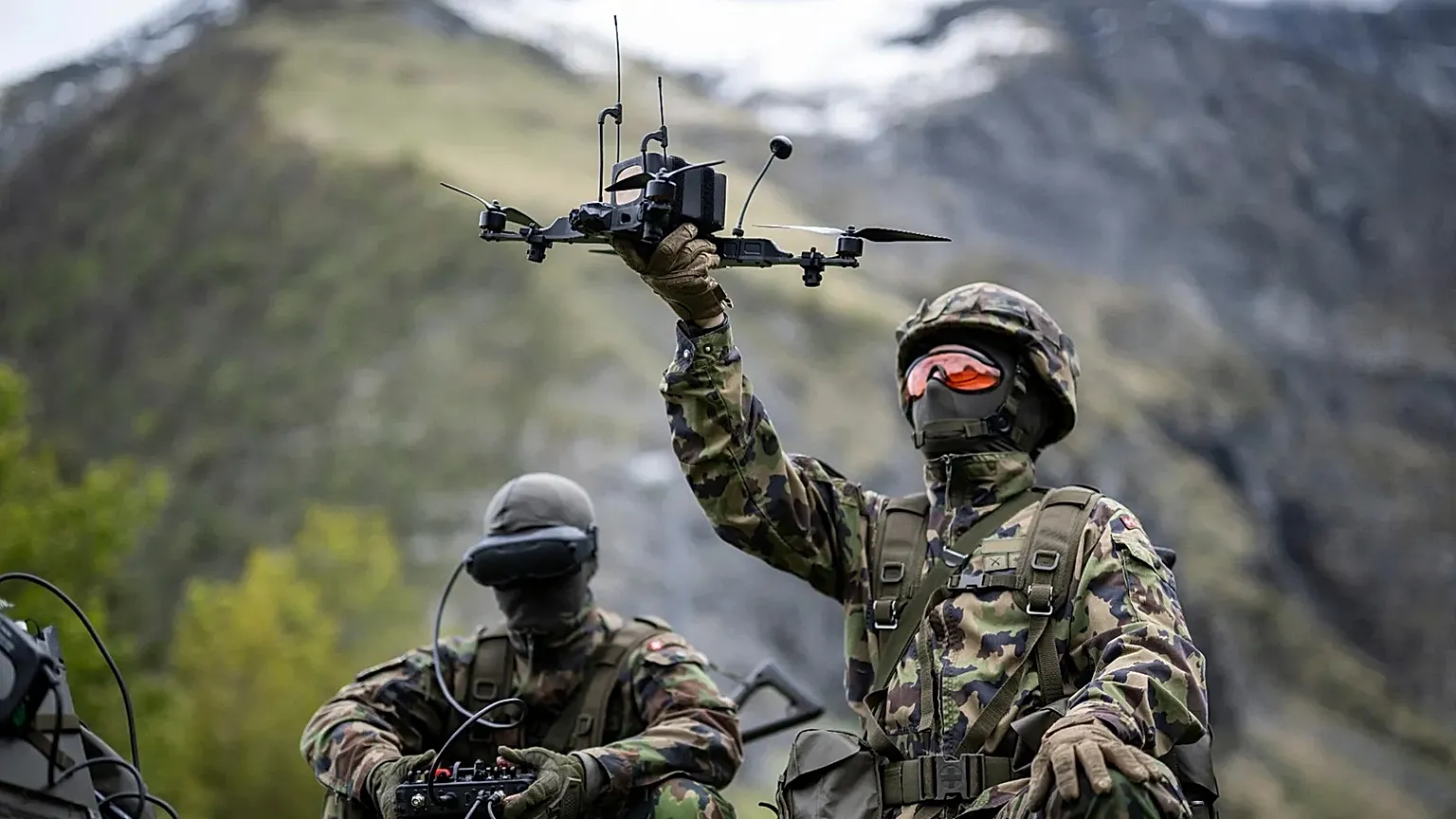
In this process, the electronic components, software, and stored data carried by an unmanned aerial vehicle have proved as valuable as its physical components. Understanding the frequencies on which a system operates, the signal-processing methods it employs, or its responses to electronic jamming can help an adversary improve its offensive and defensive capabilities.
Moreover, such intelligence is not valuable solely to the forces directly confronting the captured platform. Technical findings can be shared with allied countries, compared with other systems, and incorporated into broader research and development programs. The loss of a single platform can therefore become part of a much wider technological competition.
These risks are expected to grow as AI-enabled military systems become more widespread. The data carried by a platform consists of more than the information needed to complete its immediate mission. Training data, traces of the system’s decision-making logic, sensor calibration information, and new records generated during operations may all form part of the same information environment.
In future conflicts, therefore, capturing an unmanned system will mean more than examining a weapon. It could become an intelligence opportunity to understand an adversary’s algorithms, operational preferences, and technological development trajectory.
Security must expand beyond hardware to include data
Traditional military doctrines largely assessed a platform’s survivability in terms of its physical characteristics. Armor, mobility, low radar visibility, electronic countermeasures, and redundant systems were among the principal features intended to help platforms survive enemy attacks.
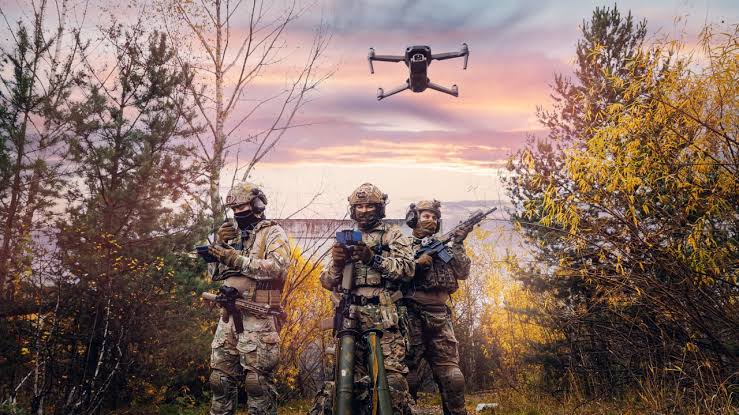
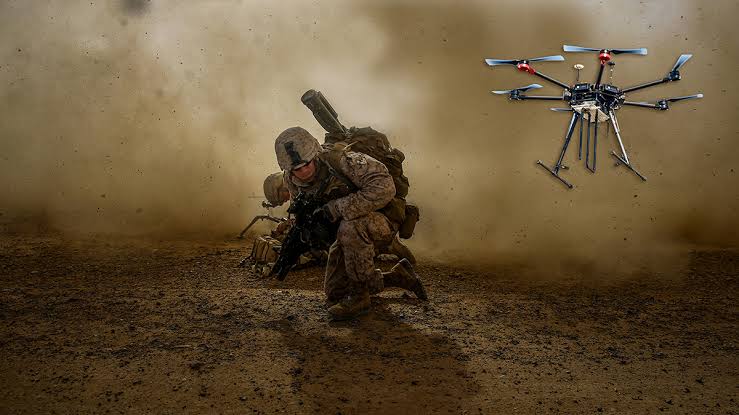
However, the proliferation of autonomous systems has demonstrated that this approach is no longer sufficient on its own. Physically protecting every unmanned vehicle, particularly inexpensive systems that can be manufactured in large quantities, may be economically and operationally unrealistic in intense combat environments. The loss of some platforms may become an unavoidable part of large-scale military operations.
The essential distinction is that losing a platform and losing the information it carries are not necessarily the same thing. An unmanned aerial vehicle may be shot down before completing its mission, yet the sensitive data stored inside it can still be rendered unreadable to the adversary. The hardware may be captured while access to its software and operational records remains blocked.
This requires a significant shift in military design philosophy. Future systems must be designed not only to withstand attacks, move effectively, or operate autonomously, but also to protect sensitive information if captured. Safeguarding mission data, securing encryption keys, preventing unauthorized access, and making sensitive software more difficult to examine must all be incorporated from the earliest stages of development.
Security measures must also extend beyond the systems installed inside aircraft, ground vehicles, and maritime platforms. Mission-planning computers, ground control stations, portable storage devices, maintenance equipment, field servers, and tactical computing devices must all be included in the same risk assessment.
The capture of a single platform may expose information about one mission, whereas a breach involving its supporting infrastructure could reveal a much broader operational architecture. Information about how units communicate, how missions are planned, and how different systems connect through networks could provide an attacker with a far more comprehensive intelligence picture.
Technical solutions for data security already exist
Protecting information stored on field systems does not depend entirely on emerging technologies. Safeguarding data on devices against unauthorized access has long been a fundamental element of information security. The central challenge is applying established methods in ways that meet the operational realities of military systems.
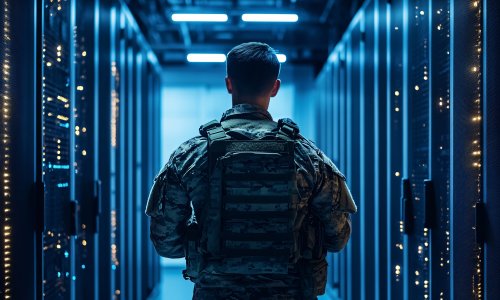
For devices processing classified or sensitive information, protecting stored data through strong encryption and requiring access to pass through independent security layers are particularly important. Even if a device is physically captured, gaining direct access to its storage medium should not be sufficient for an adversary to read its contents.
The Data-at-Rest approach developed under the U.S. National Security Agency’s (NSA) Commercial Solutions for Classified (CSfC) program provides one framework for addressing this challenge. Layered encryption and authentication, implemented through approved architectures and components, aim to reduce the risk of unauthorized access to sensitive information when a device is lost or captured.
These solutions become especially important when network connectivity is unavailable. Battlefield systems cannot always remain connected to centralized security infrastructure or corporate networks. Electronic warfare, communications disruptions, and enemy attacks may disable security measures that depend on network connectivity. Mechanisms that operate within the device itself and continue protecting data without a connection are therefore critical.
Nevertheless, encryption alone cannot resolve every problem. The storage of access keys, the security of authentication mechanisms, software update procedures, and the information exposed during maintenance must also be considered. Some data may need to be deleted after a mission, sensitive records should be retained for only as long as necessary, and procedures for responding to potential capture must be established in advance.
In other words, security should not be treated merely as a software feature installed inside a device. It requires a comprehensive systems approach covering design, production, operation, maintenance, and the period following a mission.
Secure design matters as much as mass production
U.S. initiatives to accelerate the production of unmanned and autonomous systems, expand defense industrial capacity, and deploy AI-enabled military capabilities more rapidly are among the defining elements of the emerging approach to warfare. These efforts reflect the recognition that future conflicts cannot be fought exclusively with a small number of extremely expensive platforms.
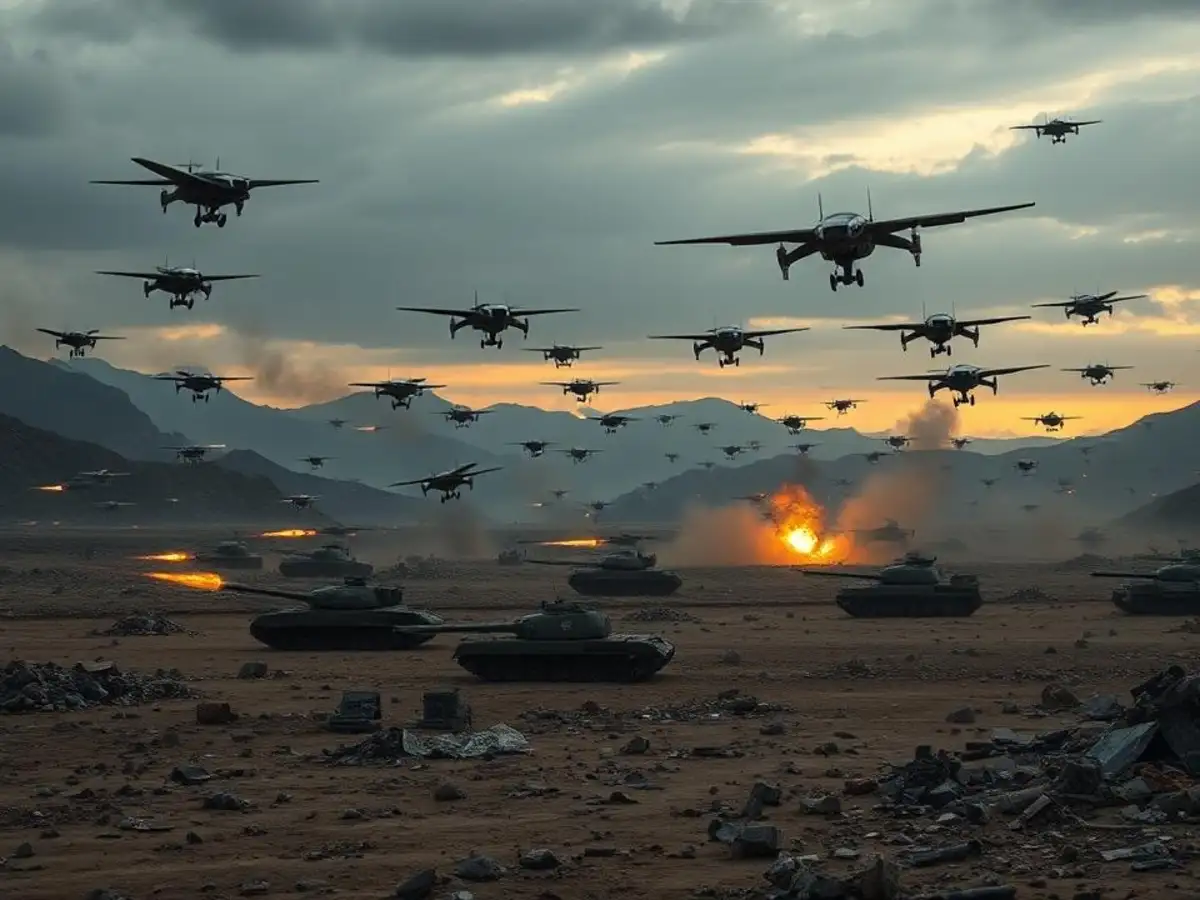
Deploying large numbers of relatively inexpensive systems capable of performing different missions can help replace battlefield losses, overwhelm an adversary’s defenses, and distribute military effectiveness across a wider area. However, increasing production speed must not come at the expense of security standards.
The fact that a system can be manufactured cheaply and quickly does not mean that the data it carries is unimportant. On the contrary, when thousands of platforms rely on the same software architecture, similar communications protocols, or shared mission-planning infrastructure, a single vulnerability can affect a large number of systems. The widespread exploitation of a weakness in common software components could have consequences far more serious than the loss of individual platforms.
For this reason, the concept of mass autonomy must advance alongside standardized security measures. Security testing, software integrity verification, sensitive data protection, and assessments of how systems might be compromised must become integral parts of mass-production processes.
The responsibilities of the defense industry are expanding accordingly. Companies can no longer focus solely on producing systems that are faster, cheaper, or more advanced. They must also assess what information could be exposed if their platforms fall into enemy hands. This approach requires an engineering philosophy that places security at the center of the entire military technology life cycle.
How can strategic superiority be preserved in AI warfare?
Today, military competition is no longer determined solely by weapon range or platform specifications. The speed at which sensor data is processed, the accuracy of AI models, resilience against electronic attacks, and the ability of different systems to operate within the same operational network have all become decisive factors.
Under these conditions, technological superiority cannot be achieved simply by developing a new capability. Preventing an adversary from understanding, replicating, or neutralizing that capability is equally important. A country that cannot protect the software and mission data of an autonomous system developed over many years may gradually lose the advantage it initially secured.
Competition in artificial intelligence is also advancing at a different pace from traditional defense technologies. Technical information extracted from a captured system can be combined with other software architectures and used to develop new countermeasures. This process may allow an adversary not only to neutralize an existing weapon but also to influence the design of future systems.
Military planning must therefore consider three fundamental requirements together: autonomous systems must be able to perform their missions physically, maintain their functionality in the face of communications disruptions and electronic attacks, and protect the critical information they carry even if they are lost.
Neglecting any one of these requirements can diminish the value of superiority achieved in the others. If an advanced unmanned aerial vehicle exposes all its operational records when captured by the enemy, part of the technological advantage it represents is effectively transferred to the adversary’s intelligence capabilities.
The decisive question in future conflicts will not simply be how many unmanned systems can be produced or how cheaply they can be deployed. It will be how long the advantages they provide can be preserved and how the transformation of battlefield losses into intelligence opportunities for the adversary can be prevented.
Conclusion: Platforms may be lost, but strategic information must be protected
Artificial intelligence and autonomous systems are creating new opportunities for speed, flexibility, and scale on the battlefield. Yet their proliferation is also broadening the definition of military security. A platform’s survival is no longer the only concern; the amount of information it could provide to an adversary if captured has become equally important.
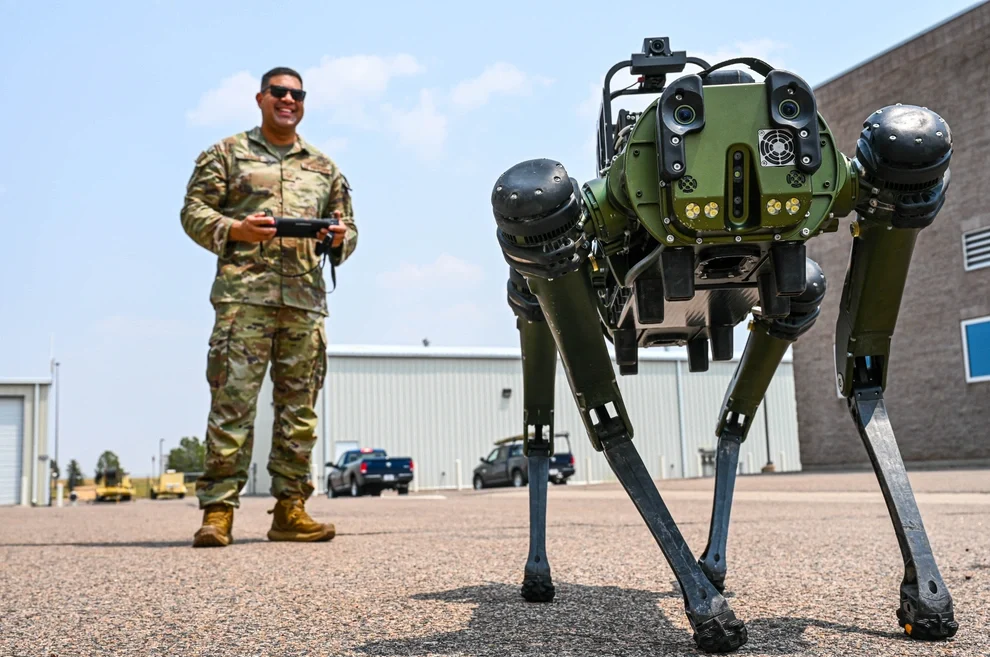
Traditional military thinking accepts that some equipment will inevitably be lost during combat. Protecting every platform may be impossible, particularly in an environment where large numbers of inexpensive unmanned systems are deployed. However, it is not necessary to accept the loss of every platform’s critical data as equally inevitable.
Data security can therefore no longer be treated as the sole responsibility of information technology departments or cybersecurity specialists. It is directly connected to operational capabilities, the competitiveness of the defense industry, and a country’s ability to preserve its technological superiority.
In the period ahead, the success of military systems will not be measured solely by their ability to detect and neutralize targets. Their capacity to protect algorithms, operational records, mission plans, and sensitive information from enemy access will also become a fundamental measure of effectiveness.
In the age of artificial intelligence, losing an unmanned aerial vehicle does not necessarily mean losing only an aircraft. The greater danger is that years of research, operational experience, and strategic advantage may fall into the hands of the adversary along with it. In future warfare, true success will depend not merely on producing more autonomous systems, but on protecting the accumulated knowledge they carry even when those systems are lost.