


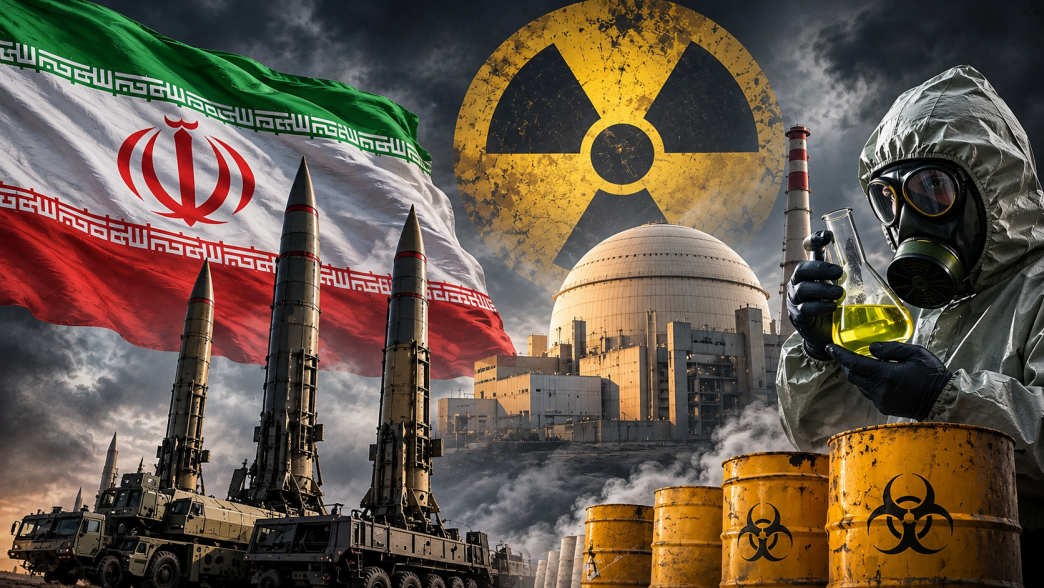
The war between Iran, the United States and Israel has once again brought Tehran’s nuclear and chemical weapons capabilities to the forefront of international debate. In particular, the fact that several senior Iranian officials have openly raised the possibility of using nuclear weapons, alongside the Assembly of Experts calling on the government to consider withdrawing from the Treaty on the Non-Proliferation of Nuclear Weapons (NPT), signals a significant shift in Tehran’s longstanding official position.
For years, the Iranian government has maintained that its nuclear programme is intended exclusively for civilian and energy purposes. However, the level of uranium enrichment, problems surrounding international inspections and statements emerging since the outbreak of the war have increasingly called this position into question. Indeed, suggestions by some Iranian politicians that nuclear weapons could be used in the event of a US attack indicate that Tehran may view its nuclear capabilities not merely as a deterrent but also as a potential component of a future military confrontation. 
The central issue, therefore, is not simply whether Iran currently possesses nuclear weapons, but how much of the technical and material infrastructure required to develop them it has managed to preserve.
Nuclear capabilities and the risks posed by uncertain stockpiles
One of the most significant pieces of evidence concerning Iran’s nuclear programme is the uranium stockpile identified during the International Atomic Energy Agency’s (IAEA) last inspections in June 2025. At the time, Iran was estimated to possess approximately 440 kilograms of uranium enriched to 60 percent.
Under certain conditions, this quantity could provide the material needed to produce several nuclear explosive devices without requiring further enrichment to higher levels. Enrichment to 90 percent, meanwhile, could allow Iran to manufacture a greater number of more practical weapons from the same quantity of nuclear material. Therefore, dismissing 60 percent enriched uranium as insignificant simply because it has not yet reached weapons-grade levels would be misleading.
Moreover, nuclear weapons production involves much more than uranium enrichment. The physical location of the existing material, Iran’s ability to access it and whether the technical processes required to manufacture weapons have been completed are all decisive factors. There is still no definitive information about how much of the stockpile survived the June 2025 strikes or where the remaining material is located.
US President Donald Trump maintains that the enriched uranium remained buried underground following the attacks and that Iran cannot access it. However, these claims have not been independently verified. Furthermore, certain stages of nuclear weapons production can be carried out in relatively small laboratory facilities without requiring large industrial installations. This makes it difficult to rule out the possibility that Iran may have already converted some of its existing stockpile into weapons.
Consequently, there is insufficient evidence to conclude that Tehran currently possesses completed nuclear weapons. Nevertheless, the possibility that Iran could move towards weapons production within a relatively short period, provided it has preserved access to a substantial portion of its pre-war nuclear material, cannot be dismissed.
Pickaxe Mountain and the future of Iran’s nuclear programme
Another important issue concerning Iran’s nuclear infrastructure is the Pickaxe Mountain facility, whose full operational status has yet to be confirmed. The complex, constructed deep underground, is believed to have been designed to protect Iran’s nuclear activities against military attacks.
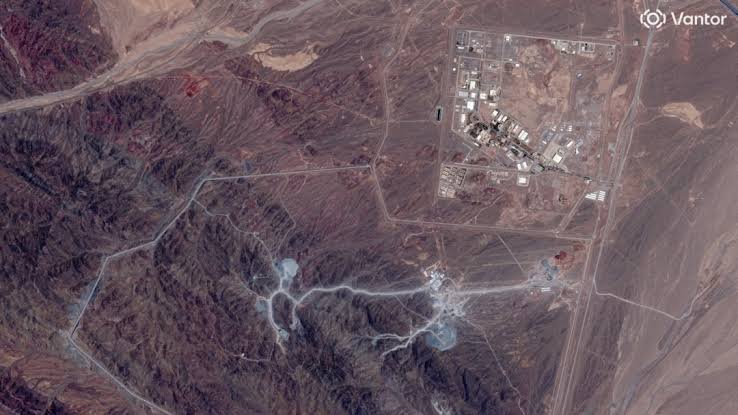
Intelligence reports suggest that centrifuges and various pieces of equipment may have been transferred to the facility. However, it remains unclear whether the site is currently capable of enriching uranium or when it might become fully operational.
There are also conflicting assessments regarding the complex’s depth. Some estimates place it approximately 100 metres underground, while others suggest a depth of around 600 metres. This discrepancy creates considerable uncertainty over the extent to which conventional bunker-busting weapons could damage the facility.
Washington’s refusal to completely rule out another strike against the site demonstrates that the future of Iran’s nuclear infrastructure remains an important consideration in military planning. However, completely disabling underground facilities is considerably more complicated than conducting conventional airstrikes. The use of nuclear weapons would represent an even more serious threshold because of the resulting radiation, civilian casualties and wider international consequences.
For this reason, military efforts to halt Iran’s nuclear programme cannot be assessed solely in terms of destroying individual facilities. The fundamental question is whether it is possible to eliminate the country’s technical expertise and its capacity to rebuild its nuclear infrastructure.
How credible is the chemical weapons threat?
While uncertainty surrounding Iran’s nuclear capabilities continues, publicly available information about its chemical and biological weapons capabilities is considerably more limited. Some reports citing Israeli intelligence suggest that Iran may be considering the use of chemical weapons if its confrontation with the United States escalates. Some Israeli officials have reportedly even described the chemical weapons threat as a more immediate security concern than Iran’s nuclear ambitions.
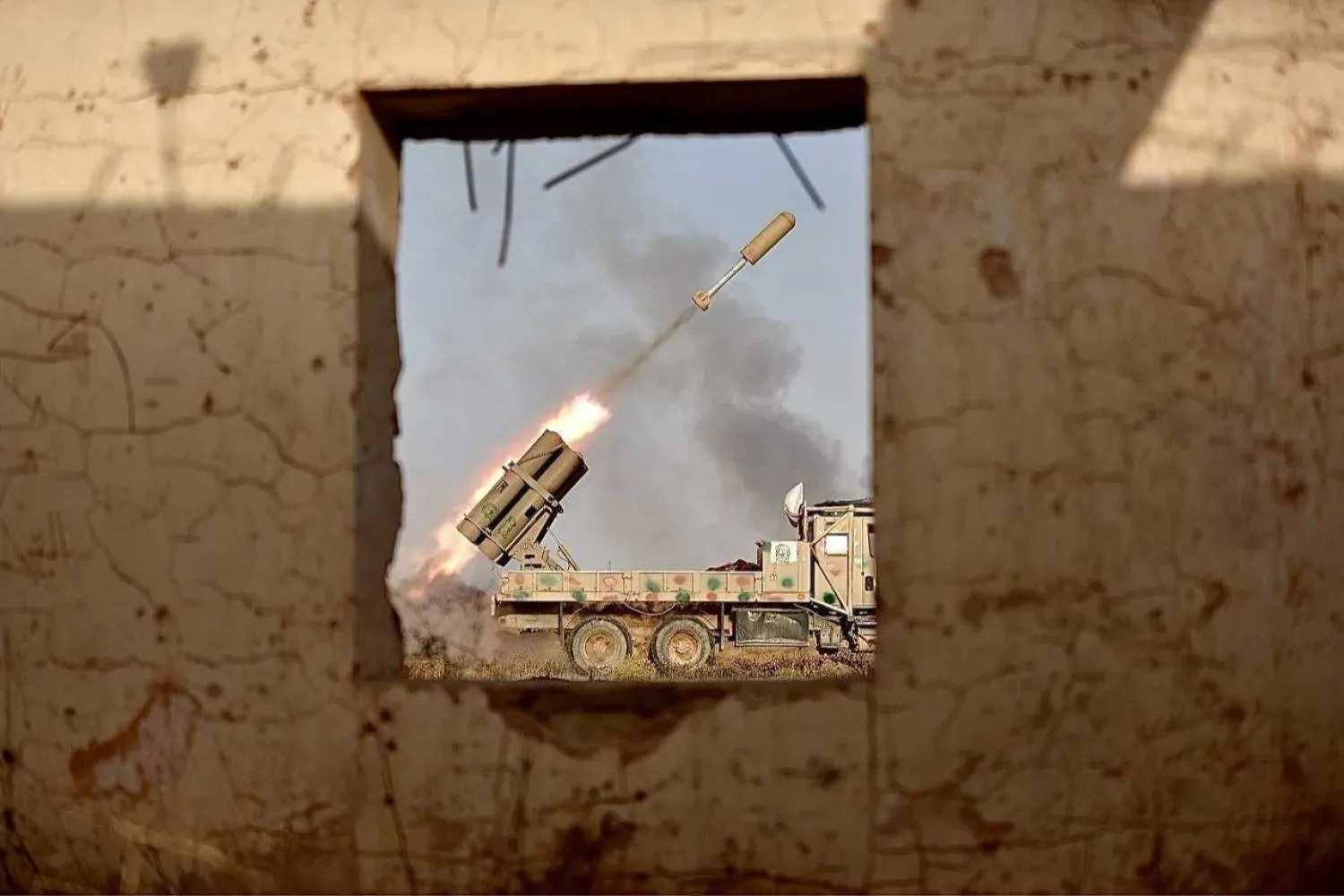
However, there is no independent technical evidence to substantiate these claims. The size of Iran’s existing chemical weapons stockpile, the agents it may possess and the extent to which it has developed delivery systems for military use remain unknown.
There are assessments suggesting that Tehran developed its own chemical weapons production infrastructure after being exposed to chemical attacks during the Iran-Iraq War. Some experts believe Iran may have retained at least part of its capacity to produce and weaponise various chemical agents, including mustard gas, choking agents and nerve agents.
An important risk in this regard stems from the dual-use nature of the chemical and biotechnology industries. Certain facilities used for pharmaceutical production, chemical manufacturing and biological research can also be adapted for military production if the necessary technical infrastructure is available. Therefore, assessing Iran’s chemical and biological capabilities solely through its known military facilities may be insufficient.
Nevertheless, possessing chemical weapons and having an effective military capability to deploy them are two different matters. Such weapons could be used as instruments of terrorism and coercion, potentially causing substantial casualties in civilian areas. However, their effectiveness against organised military forces on the battlefield depends on the nature of the munitions, weather conditions, delivery systems and available protective measures.
Claims that Iran is preparing to use chemical weapons have not yet been verified. Furthermore, unlike the statements made by Iranian officials regarding nuclear weapons, Tehran has issued no comparable official declaration explicitly threatening chemical weapons use.
Weapons of mass destruction and regional security dynamics
Much of the debate surrounding Iran’s nuclear and chemical weapons capabilities concerns not only its existing military capacity but also the deterrent effect created by uncertainty. Tehran understands that even a limited nuclear arsenal could fundamentally alter the military calculations of the United States and Israel. The possibility of possessing weapons capable of striking major cities and critical infrastructure could have strategic consequences extending far beyond Iran’s conventional military strength.
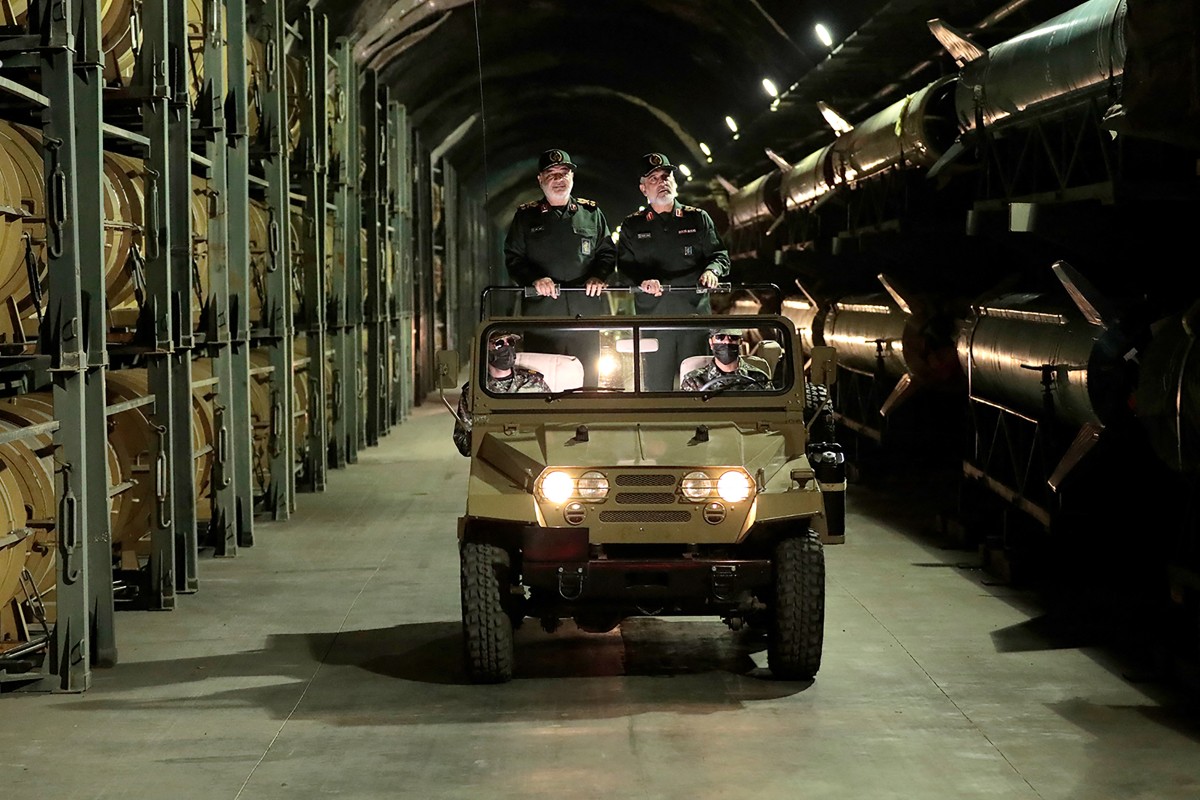
Nevertheless, the credibility of Iran’s nuclear threats does not necessarily mean that such weapons have actually been produced or will be used. The status of its existing uranium stockpile, whether the necessary weapons production stages have been completed and the current capabilities of its chemical weapons infrastructure all remain unresolved.
This is also where Iran differs fundamentally from Iraq in 2003. While many of the claims made at the time about Iraq’s weapons of mass destruction could not be substantiated, IAEA records confirm that Iran possessed a substantial quantity of highly enriched uranium before the war. Consequently, concerns about Iran’s nuclear capabilities are not based solely on intelligence allegations.
In conclusion, Iran’s nuclear weapons threat represents a possibility that must be taken seriously from both technical and strategic perspectives. However, the available evidence does not conclusively establish that the country currently possesses operational nuclear weapons.
Uncertainty is considerably greater regarding its chemical and biological weapons capabilities. This makes independent inspections and international verification mechanisms increasingly important in determining Iran’s actual capabilities. Otherwise, allegations surrounding nuclear and chemical weapons could evolve beyond a military threat and become major factors in the regional power struggle and a new cycle of escalation.

