

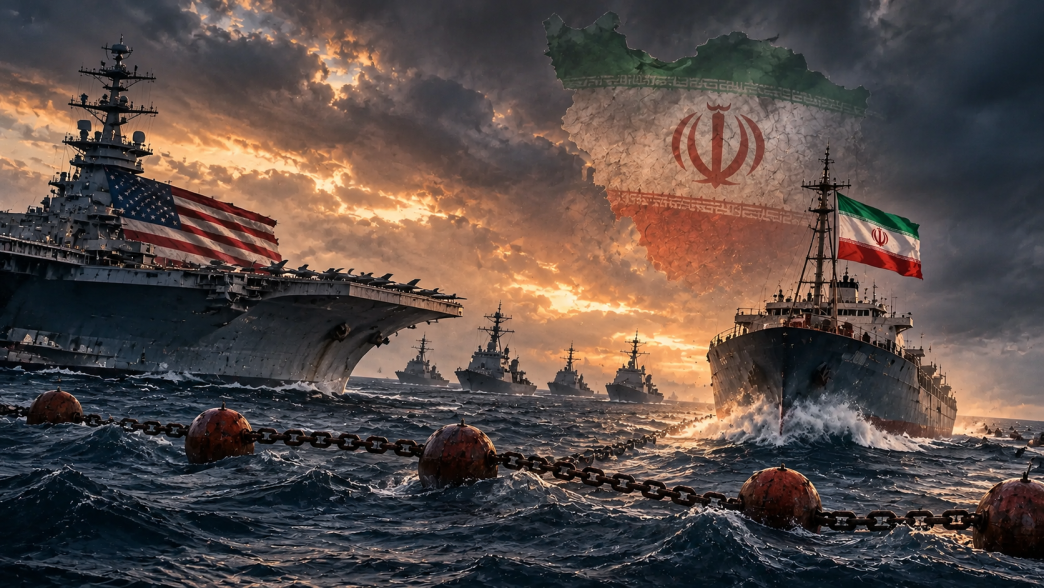
The fragile balance that emerged following the war between the United States and Iran, which began in February 2026, is once again on the verge of collapse amid recent developments. The Washington administration’s continued naval blockade of Iranian ports represents an effort to bring Tehran’s oil exports and international trade connections largely under control. However, beyond weakening Iran economically, this strategy is bringing the two countries closer to the possibility of another direct military confrontation.
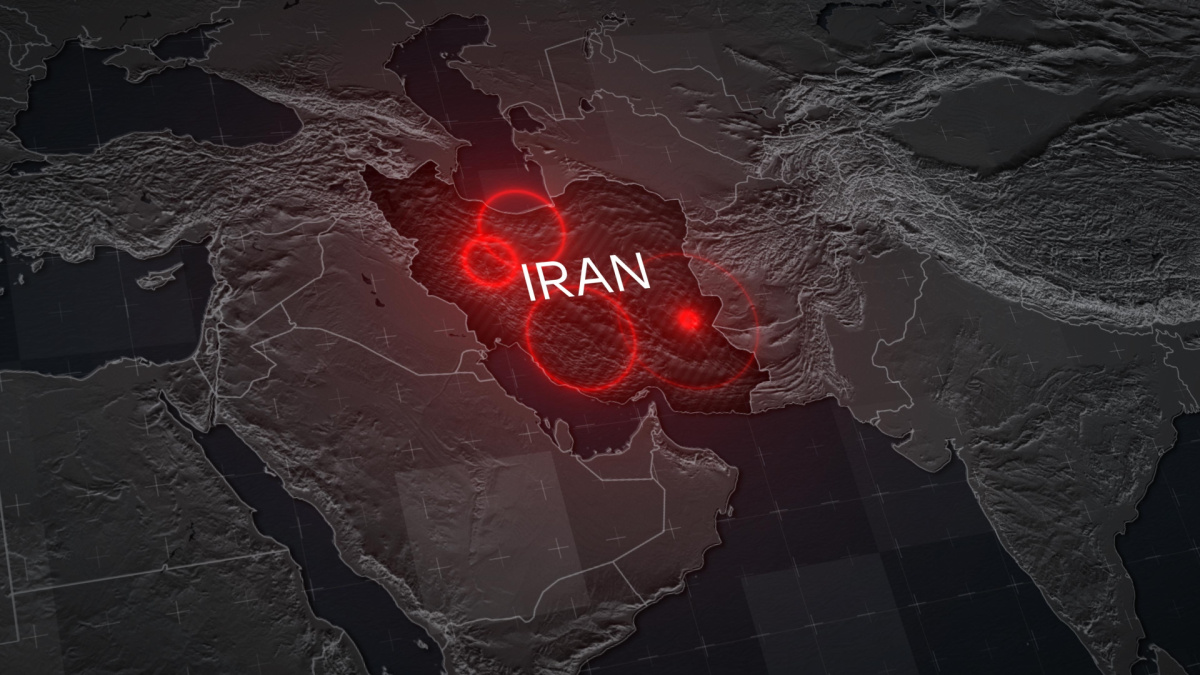
In recent days, speculation has intensified that Iran could attempt to circumvent the US blockade through the Strait of Hormuz. Satellite imagery and maritime traffic data have revealed that a large number of oil tankers have arrived at Kharg Island, Iran’s main oil export hub. This activity has strengthened expectations that Tehran could dispatch a convoy of tankers from the Persian Gulf towards the Gulf of Oman, effectively testing the blockade imposed by the US Navy. 
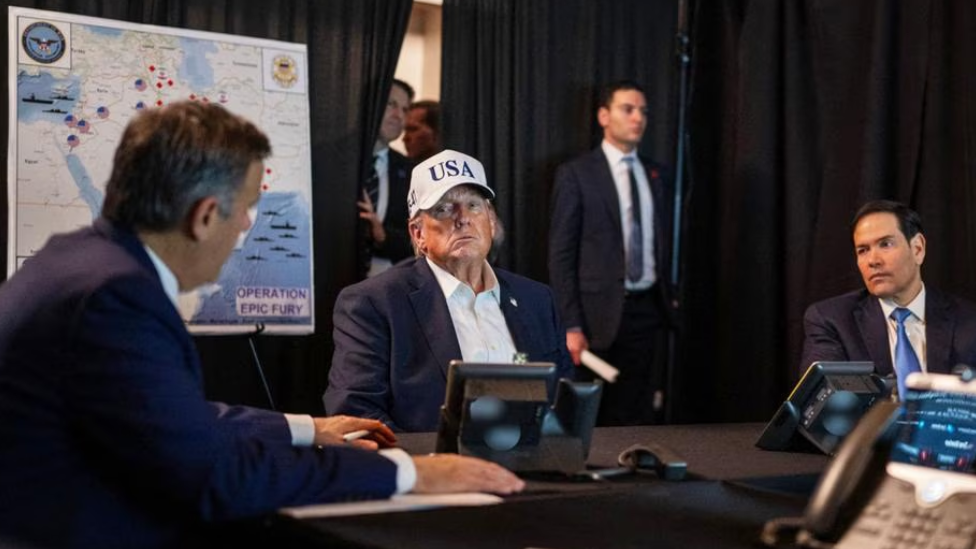
More forceful statements by Iranian officials opposing the blockade have also kept this possibility in the spotlight. Foreign Minister Abbas Araghchi has stressed that the naval blockade must be broken, while Foreign Ministry spokesperson Esmaeil Baghaei has stated that Tehran will use all available means under the current circumstances. In response, US President Donald Trump has threatened that Iran would face severe consequences if it sent its tankers to challenge the US Navy.
Trump’s statement that Iranian tankers could also be sunk by the American Navy clearly demonstrates Washington’s approach of reinforcing economic pressure with military deterrence. However, it remains uncertain whether these threats will force Tehran to back down. For Iran, the issue is no longer simply about selling oil or generating revenue. It is also about resisting external control over the country’s maritime trade and sovereign rights.
How is the US blockade pushing Iran into a corner?
The primary objective of the naval blockade launched by the United States on April 13 is to significantly reduce Iran’s state revenues by halting its oil exports and forcing the Tehran administration to accept Washington’s terms. The destroyers deployed by the US Navy in the Gulf of Oman are exerting pressure on vessels departing from Kharg Island and the Port of Jask, east of the Strait of Hormuz.
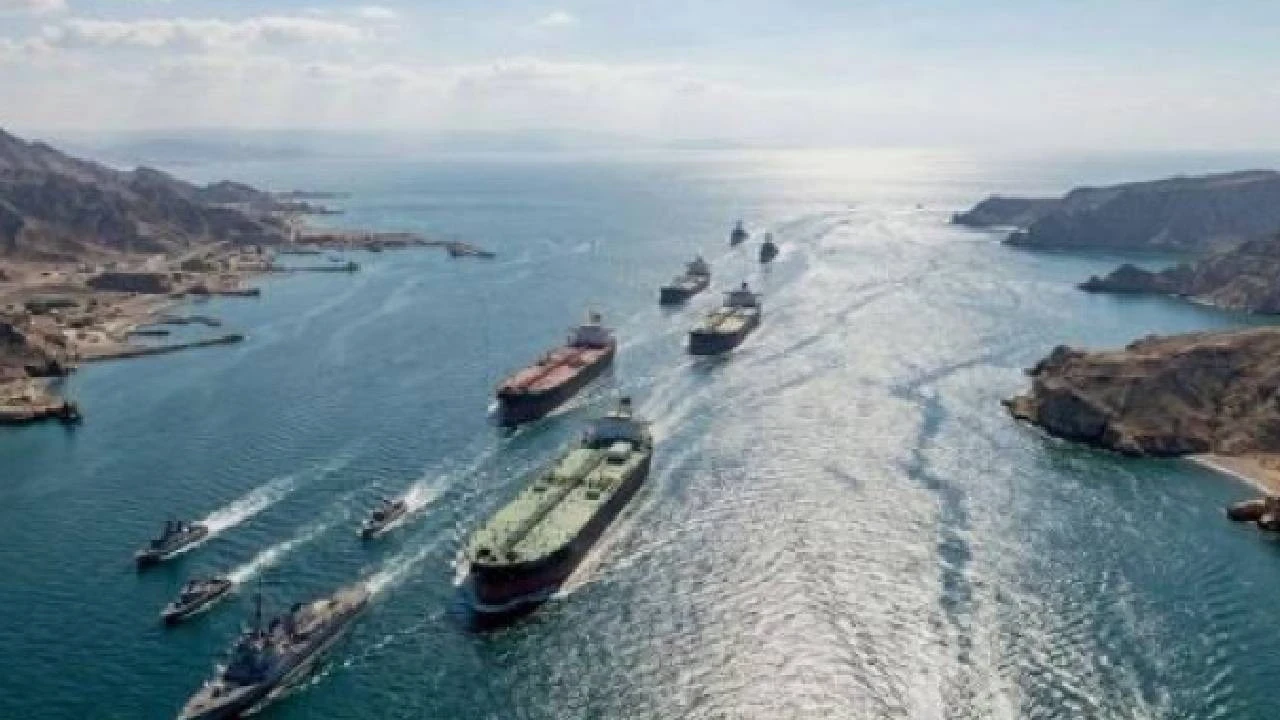
US Central Command (CENTCOM) has announced that 150 Iranian vessels have been turned back since June, while numerous other ships are reportedly believed to have come under attack by American military forces. As a result, the naval blockade has evolved beyond a sanctions mechanism designed to restrict Iran’s economic resources and has taken on the character of an operation directly backed by military force.
Washington’s strategy is not limited to disrupting maritime traffic. The new sanctions package announced by the US Treasury Department in August also aims to further restrict Iran’s access to the international financial system and global trade networks. For an Iranian economy that has been struggling under severe sanctions for years, these measures are deepening existing vulnerabilities.
Nevertheless, the fundamental challenge facing the United States is determining how far economic pressure can produce political results. Reducing Iran’s oil revenues does not automatically compel Tehran to change its military and political decisions. On the contrary, if the Iranian leadership regards economic pressure as a direct intervention in the country’s sovereignty, it could strengthen its willingness to respond militarily.
Why is the Strait of Hormuz at the centre of the war?
For Iran, the Strait of Hormuz is not merely a maritime transportation corridor but one of the fundamental pillars of its economic survival. Before the war, Iran was estimated to be exporting approximately 2 million barrels of crude oil and condensates per day. Most of these exports were transported by tankers through the Strait of Hormuz into the Gulf of Oman and subsequently to international markets.
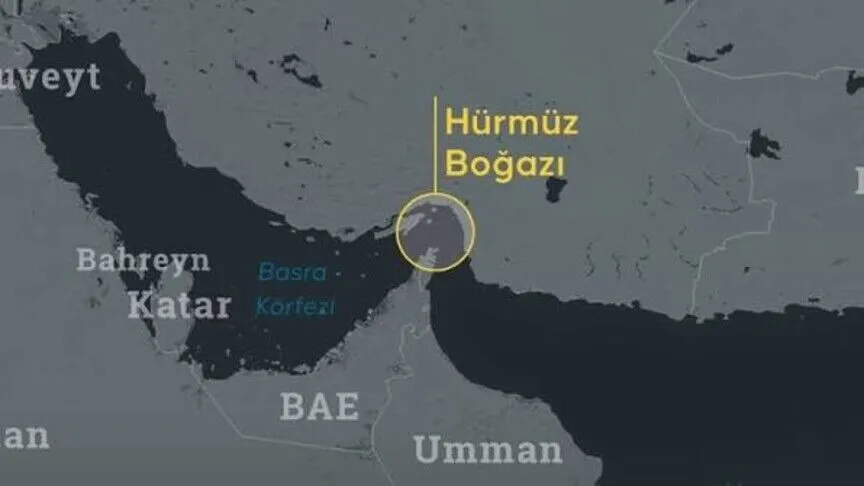
The American blockade therefore targets one of Iran’s most important sources of foreign currency. However, the strategic significance of the strait extends beyond oil exports. A substantial proportion of Iran’s imports, including essential consumer goods, medicines, food supplies and industrial inputs, also enter the country through this route. Disruptions to maritime trade affect not only the state budget but also industrial production capacity and the everyday economic activities of society.
The Strait of Hormuz’s position in international energy trade transforms the confrontation between Iran and the United States into a global security issue. Another military clash in these waters would not merely bring the navies of the two countries face to face. It would also have far-reaching consequences for oil prices, maritime transportation, insurance costs and global supply chains.
For this reason, Tehran’s ability to leverage its strategic position around the strait should be regarded as an instrument of power just as significant as Washington’s determination to maintain the naval blockade. Iran understands that allowing its economic connections to be completely severed would also mean losing its strategic room for manoeuvre. The United States, meanwhile, wants to prevent Iran from exploiting its geographical advantage to exert pressure on international energy markets.
What options does Tehran have to break the blockade?
One option available to Iran is to test the US Navy’s capacity to intervene by moving oil tankers in larger, coordinated convoys. Such an attempt could reveal how far Washington is prepared to go in using force to stop the vessels. However, a direct confrontation with American warships carries serious military risks for Iran.
A second option is to increase pressure on maritime traffic through asymmetric methods. Iran’s coastal missile systems, unmanned aerial vehicles, naval drones and fast attack boats have the potential to challenge the American military presence around the Strait of Hormuz. Rather than engaging in a full-scale naval war, Tehran could choose to increase the operational costs of the US Navy.
A third option would be to expand the geographical scope of the conflict. Statements published in media outlets close to Iran have included threats that energy infrastructure and oil terminals in Gulf countries could become targets in response to an American attack. It has been suggested that an attack on an Iranian tanker could bring the energy facilities of the United Arab Emirates, Saudi Arabia and Qatar into Iran’s retaliatory calculations.
An assessment published by the Fars News Agency, which is affiliated with Iran’s Islamic Revolutionary Guard Corps (IRGC), also conveyed the message that Tehran would not wait for American permission and would attempt to reopen maritime routes using its own capabilities. The statement emphasised that keeping the Strait of Hormuz closed would impose an extremely high cost on the opposing side.
Meanwhile, Iranian Foreign Ministry spokesperson Baghaei argued that economic sanctions and the naval blockade constitute military aggression, invoking the right to self-defence under Article 51 of the United Nations Charter. This approach indicates that Tehran is seeking to justify any potential military moves not merely as acts of retaliation but as defensive actions under international law.
However, which of these options Iran ultimately chooses will depend on the intensity of the American blockade and Washington’s response. An Iranian attempt to break the blockade by directly dispatching a convoy could turn a limited maritime incident into a much wider war within a short period.
Is the resumption of war inevitable?
An Iranian attempt to break the American naval blockade could become one of the most critical turning points in the current crisis. From Tehran’s perspective, moving tankers is not simply an economic step intended to resume oil exports. It also represents a strategic message that Iran does not accept the control the United States has established over maritime routes. For Washington, allowing such an attempt to succeed could undermine the credibility and deterrent value of the blockade.
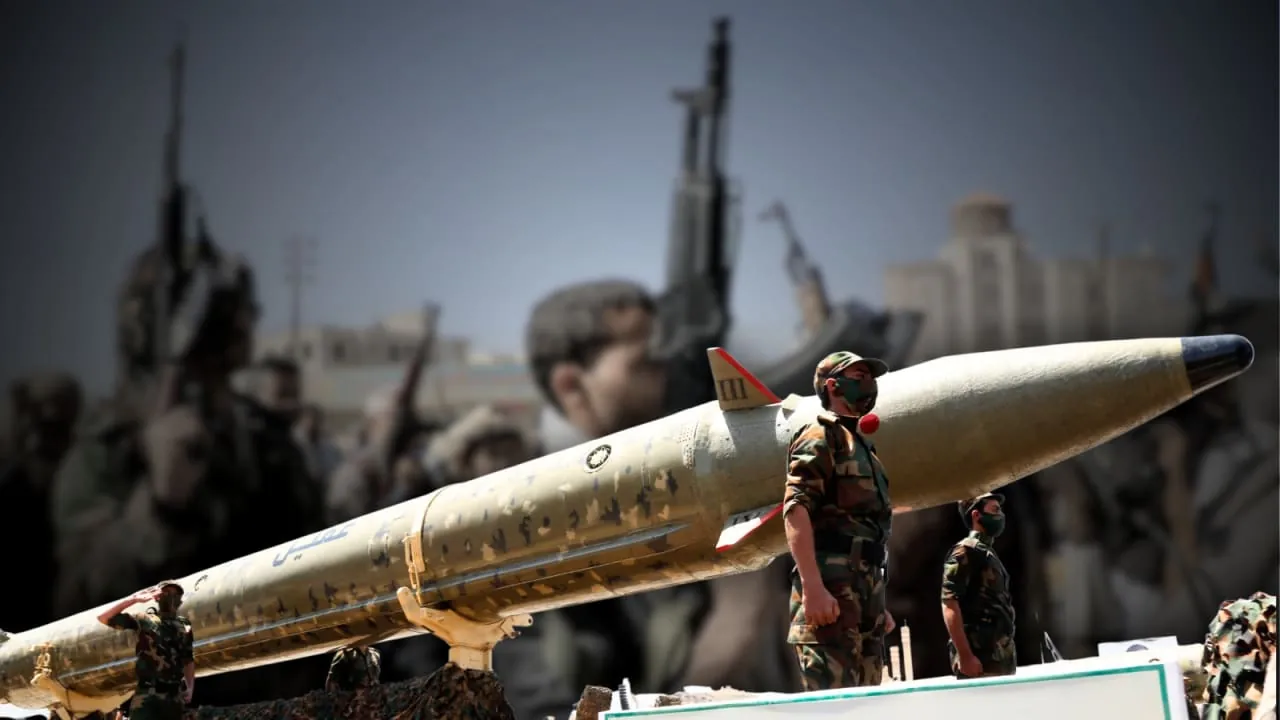
Consequently, the possibility of the United States intervening against Iranian vessels and Iran responding militarily is becoming increasingly significant. A comprehensive decision to go to war may not even be necessary for another confrontation to erupt between the two sides. The interception of a tanker, an attack on an American warship or the targeting of energy infrastructure in the Gulf could completely destroy the already fragile ceasefire.
The fundamental problem is that both sides appear to have begun accepting the costs of war in the current crisis. Although the United States is aware that crippling Iran’s economy will take time, it appears determined to maintain the naval blockade. Iran, meanwhile, is unwilling to surrender its strategic position in the Strait of Hormuz, even as its economic losses continue to mount. Under these circumstances, attempts by either side to force the other to back down are steadily weakening the prospects for a diplomatic solution.
Therefore, the resumption of war is no longer merely one possible scenario. It is becoming an increasingly likely outcome if current policies continue. As the space for diplomacy narrows, the continuation of the naval blockade and Iran’s attempts to break it could trigger a new military confrontation.
Ultimately, the struggle over the Strait of Hormuz has become one of the key issues that will determine whether the war between the United States and Iran can come to an end. Washington is unwilling to back down without bringing Tehran’s economic resources under control. Iran, meanwhile, refuses to leave its maritime trade and oil exports at the mercy of the US Navy. If both sides maintain their current positions, sustaining the existing ceasefire will become extremely difficult. In other words, unless the naval blockade is lifted and a new basis for compromise is established between the two sides, there may be no alternative left but a resumption of the war.