


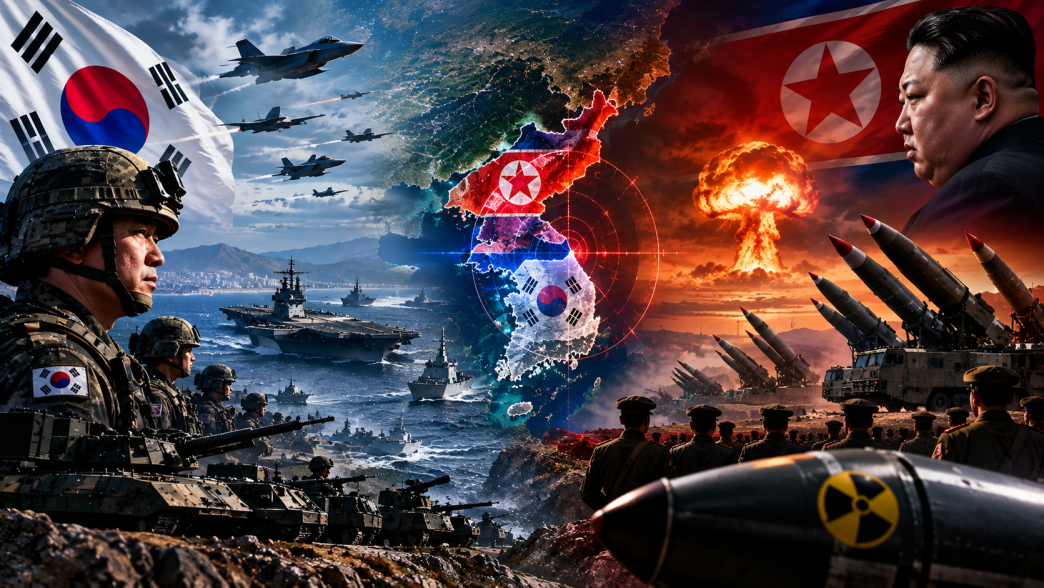
The recent rise in military tensions on the Korean Peninsula has entered a new phase with North Korea’s threats of retaliation against South Korea.
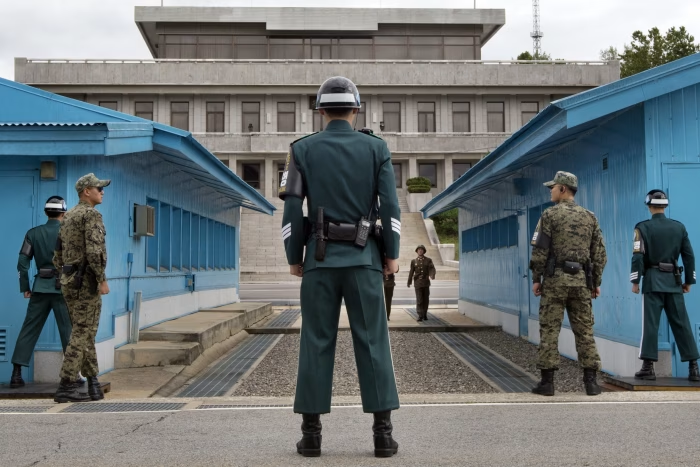
A statement by Kim Yo-jong, the sister of North Korean leader Kim Jong-un, warning that Pyongyang would respond forcefully if Seoul continued activities it considers provocative has once again brought the region’s fragile security environment into focus. These developments indicate that the two countries may be entering a period in which miscalculations could escalate beyond verbal tensions into armed conflict. 
Military deterrence is being questioned again
For decades, South Korea has regarded American military support as its primary security guarantee against North Korea. US air and naval power, advanced fighter aircraft, aircraft carriers, and intelligence capabilities form the main pillars of this deterrence.
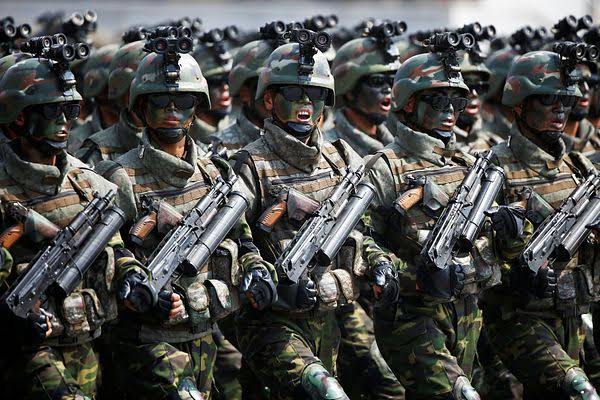
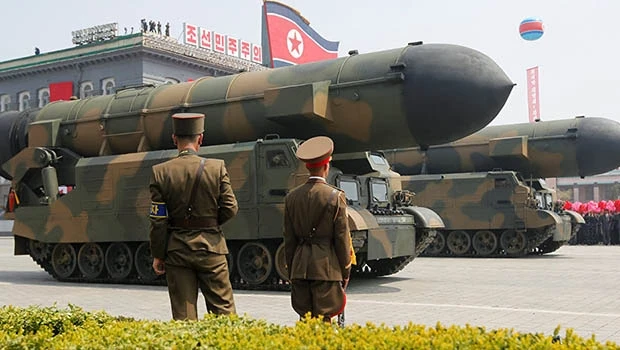
However, Pyongyang’s development of its ballistic and hypersonic missile capabilities is challenging the existing defense framework by threatening US bases and South Korea’s critical infrastructure.
Although air defense systems such as THAAD and Patriot provide significant protection, they cannot guarantee the interception of every missile in a large-scale, simultaneous attack. Moreover, South Korea’s dense population and advanced industrial infrastructure could expose the country to severe economic and social losses in the event of a conflict. This situation demonstrates that military superiority alone cannot guarantee security.
South Korea’s structural challenges
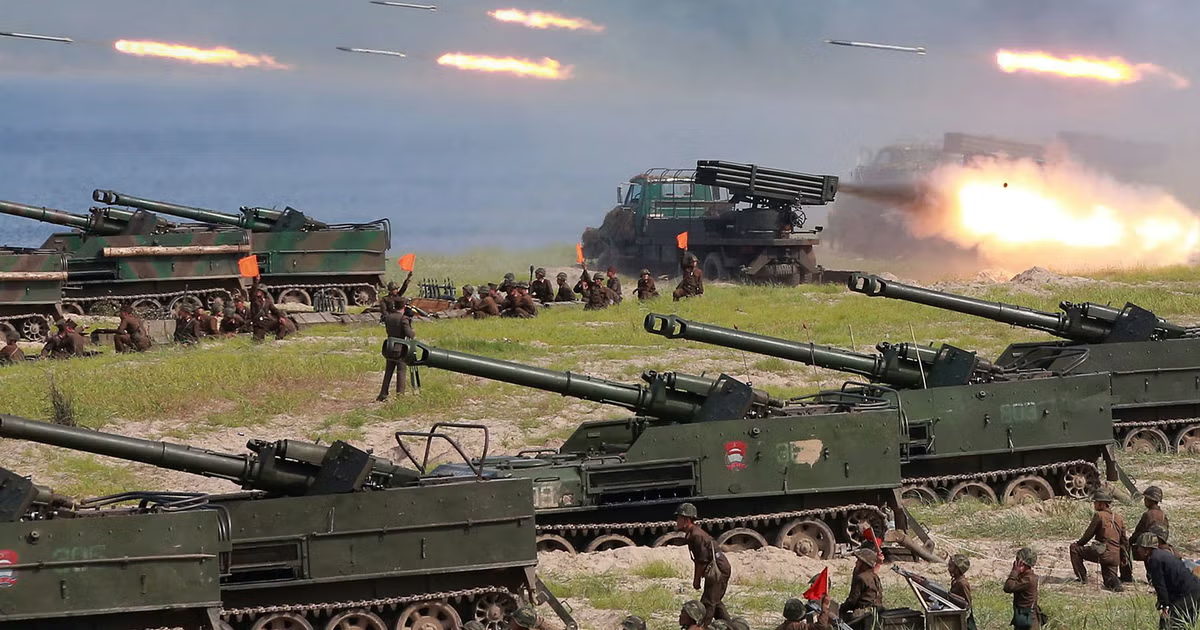
North Korea poses a significant conventional threat through its large military personnel base and extensive artillery capabilities.
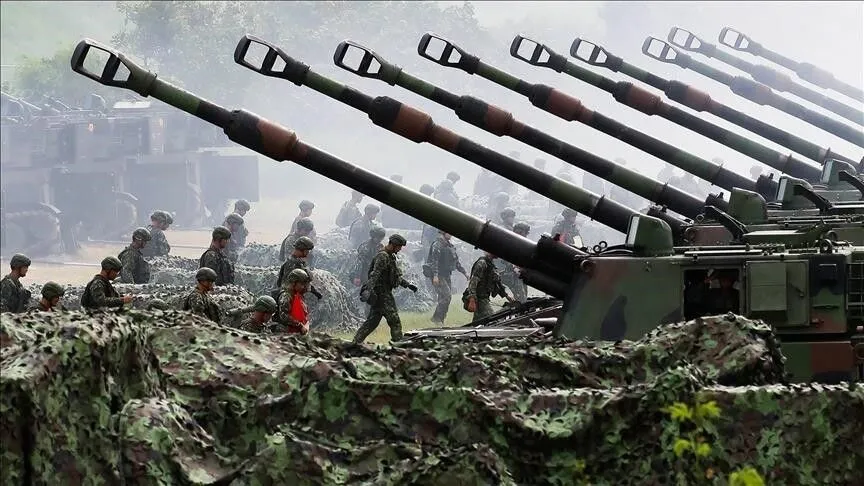
South Korea, meanwhile, faces long-term challenges in maintaining its military manpower due to declining birth rates. Seoul is investing in artificial intelligence, unmanned systems, advanced surveillance technologies, and precision-strike capabilities to address this shortfall.
Nevertheless, technological superiority does not necessarily translate into success on the battlefield under all circumstances. North Korea’s acquisition of experience in modern warfare through its military cooperation with Russia could also strengthen Pyongyang’s capabilities in unmanned aerial vehicles, electronic warfare, and emerging operational methods.
Nuclear weapons are changing the calculations
North Korea’s nuclear arsenal is making the balance of power on the peninsula more complex. Although the United States enjoys significant military advantages, it cannot ignore the possibility of nuclear retaliation by Pyongyang. A potential attack against South Korea or a large-scale military operation could have consequences that draw not only the two Koreas but also other major regional powers into the conflict.
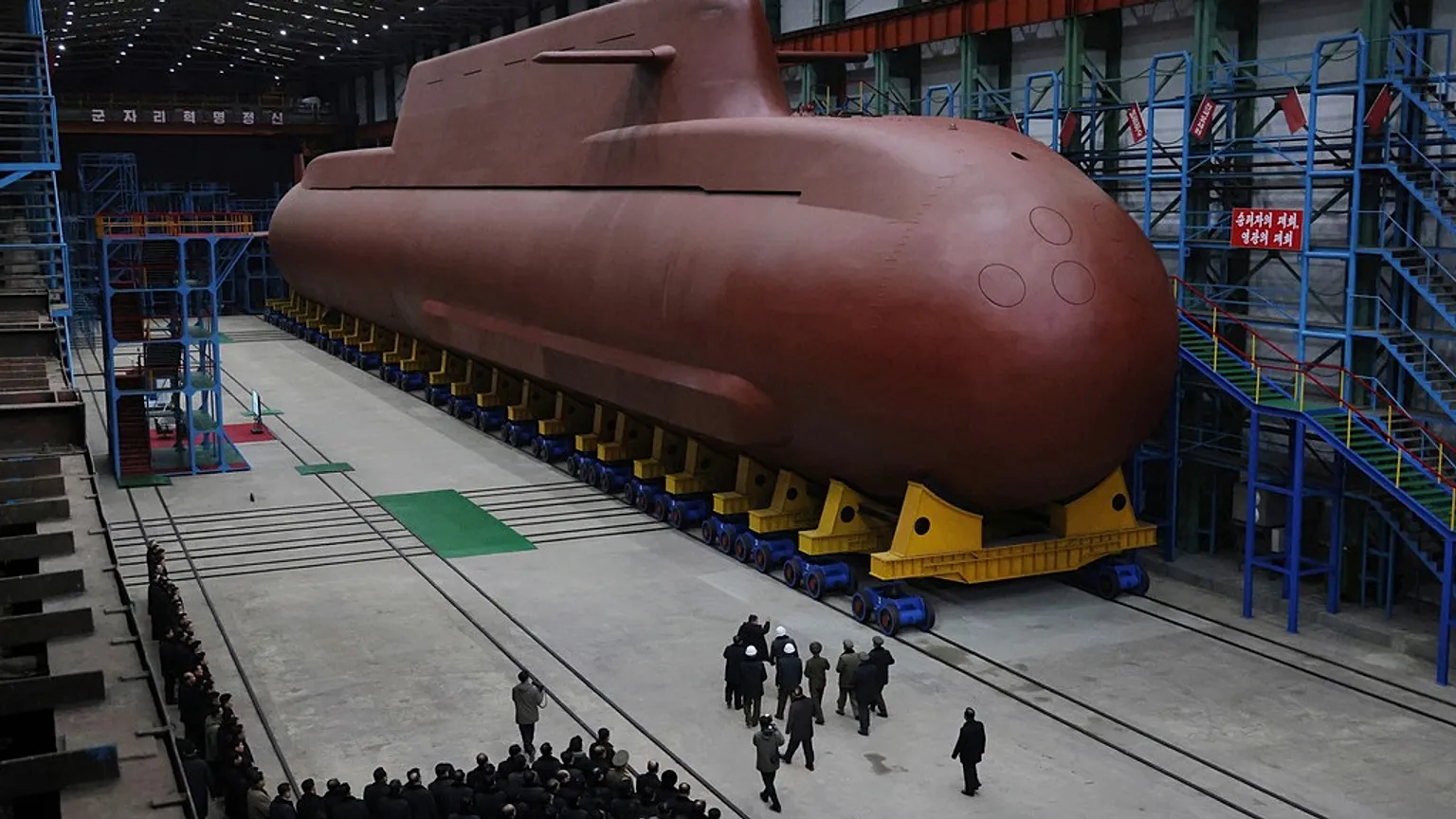
North Korea’s nuclear and advanced missile capabilities may therefore constrain Washington’s military options while making Pyongyang feel more secure. However, this does not mean that North Korea could win a war. On the contrary, it increases the risk of miscalculation in an environment where mutual deterrence is becoming less stable.
The weakening of dialogue mechanisms between the two Koreas is one of the most dangerous aspects of the current crisis. In the past, negotiations and limited cooperation initiatives provided opportunities to keep tensions under control. Today, the declining effectiveness of these channels makes it more difficult for the parties to accurately assess each other’s intentions.
Differences between the United States and South Korea over military spending, the transfer of wartime operational control, trade, and defense-industrial cooperation are also raising questions about the alliance’s future. Washington’s priorities in different regions, particularly the Middle East, could fuel concerns in Seoul about the long-term reliability of American security guarantees.
The influence of Russia and China
North Korea’s expanding military ties with Russia and its continued strategic partnership with China are broadening Pyongyang’s room for maneuver in the face of international pressure. Cooperation with Russia offers a potential channel for military experience and economic support, while China remains an important actor in strengthening North Korea’s regional position.
These relationships could make North Korea feel less isolated and encourage it to challenge the existing security order more assertively. However, China’s and Russia’s priorities will not necessarily align with Pyongyang’s objectives in every situation. For this reason, developments in the region cannot be adequately understood solely through the rivalry between the two Koreas.
A regional crisis could have global consequences
The impact of the war in Iran on US military resources and strategic priorities could also alter security calculations in other regions. If Washington faces pressure on multiple fronts simultaneously, its rivals may reassess the credibility of American deterrence. Such a shift in perceptions could create new risks on the Korean Peninsula.
The consequences of a potential war would not be limited to East Asia. Given South Korea’s position in global industrial and technological supply chains, a conflict could seriously disrupt investment, production, and international trade. Therefore, regional actors, including India, must invest not only in economic cooperation but also in diplomacy, confidence-building measures, and crisis-management mechanisms.
Conclusion: War is not inevitable
North Korea’s growing military capabilities, South Korea’s demographic challenges, the weakening of diplomatic channels, and competition among major powers are making the security environment on the Korean Peninsula increasingly fragile.
However, these developments do not mean that war is inevitable. The real danger lies in the parties misinterpreting each other’s intentions and allowing a limited military incident to escalate into an uncontrollable conflict.
To achieve lasting stability, the United States and South Korea must preserve their deterrence capabilities while keeping diplomatic options open. North Korea’s security concerns should be addressed through negotiations, and actors such as China and Russia should contribute to initiatives aimed at reducing tensions. Peace on the Korean Peninsula is a shared interest not only of the two Koreas but also of the global economic order and international security. Therefore, action to prevent conflict must begin now, before the crisis deepens further.

