


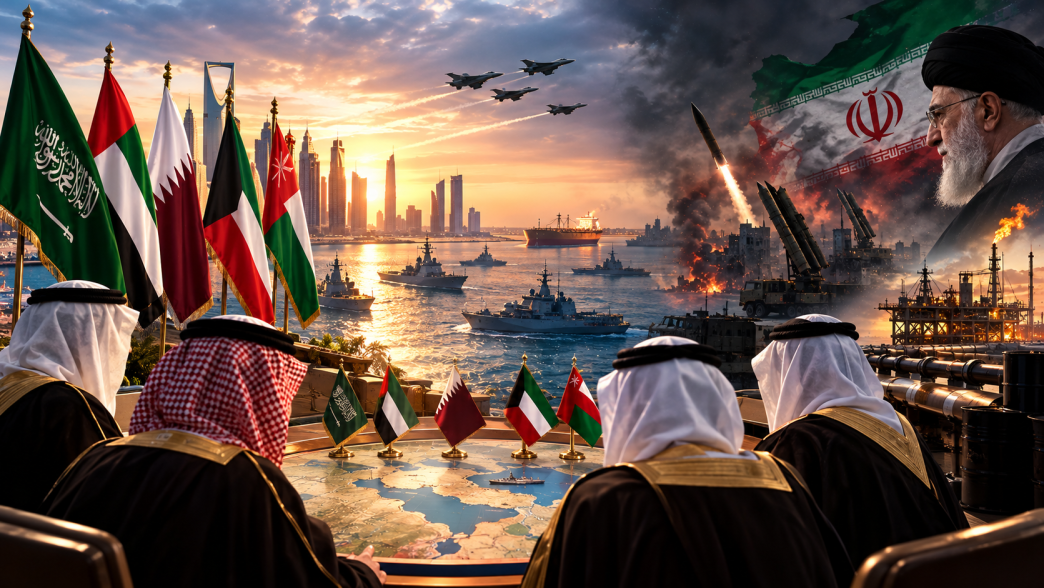
The Iran War has demonstrated over the past months how difficult it is for the United States, Israel, and Iran to achieve their strategic objectives.
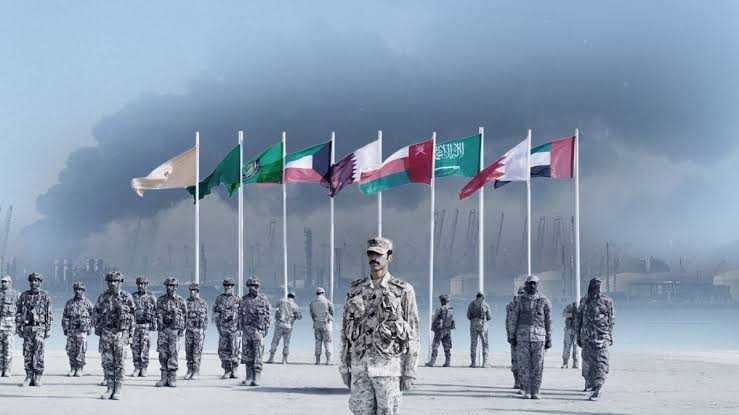
Although Washington and Tel Aviv have inflicted serious damage on Iran’s military capabilities, they have failed to accomplish their main goals, including regime change, the complete elimination of Iran’s nuclear program, and the reopening of the Strait of Hormuz. Tehran, meanwhile, has managed to survive intense attacks but has been unable to overcome economic pressure. At this stage, prolonging the war is increasing the parties’ losses rather than their gains. 
Why should the Gulf countries intervene?
The Gulf countries can play a critical role in ending the war. Saudi Arabia, the United Arab Emirates, Qatar, and other regional states can use their relations with both Iran and the United States to establish an indirect cease-fire framework between the parties. The first step could involve providing Tehran with economic and humanitarian assistance in exchange for Iran lifting restrictions on maritime traffic through the Strait of Hormuz. Washington could then contribute to reducing tensions by lifting its own naval blockade.
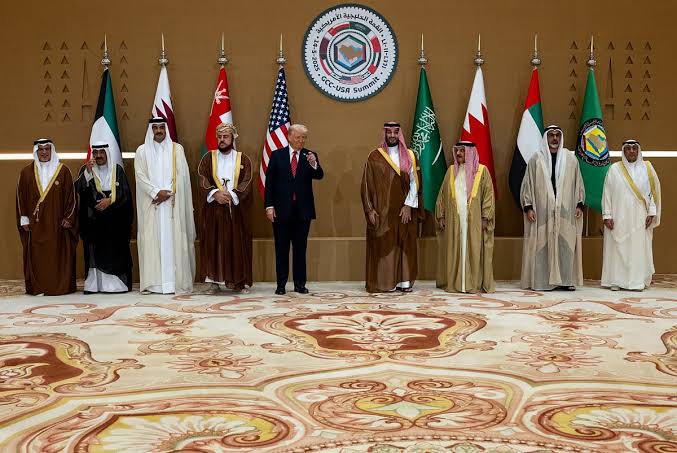
This model could provide the United States and Iran with a way out of the conflict without requiring them to make direct concessions to each other. However, economic incentives alone will not be sufficient to ensure a lasting cease-fire. Diplomatic assurances must be established to reduce Iran’s concerns about being subjected to renewed attacks, while regional actors must use their political and strategic influence to prevent Washington from resuming military operations.
Can regional rivalries be overcome?
One of the biggest obstacles to such an initiative is the lack of consensus among the Gulf countries. Rivalry between Saudi Arabia and the UAE, along with their differing approaches toward Iran, could make it difficult to establish a common security policy. Nevertheless, a prolonged crisis in the Strait of Hormuz threatens the economic future of the entire region. Gulf economies, which depend on energy exports, international trade, and foreign investment, are among the actors most vulnerable to the continuation of the conflict.
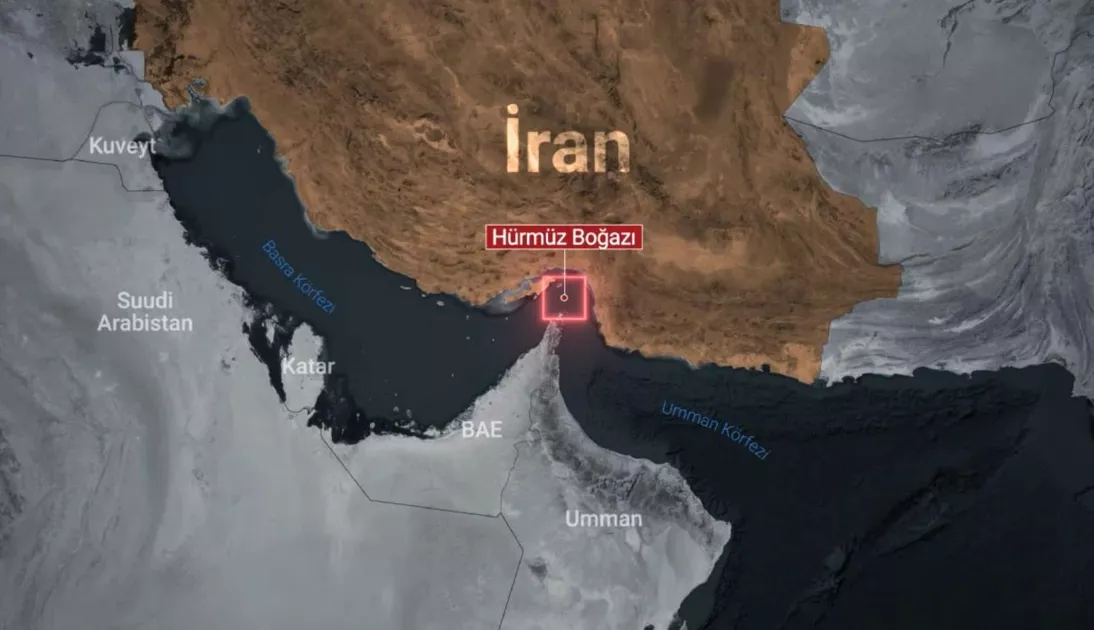
Moreover, threats originating from Iran are not limited to maritime trade. Further attacks involving the Houthis in Yemen and armed groups across the region could place additional pressure on the energy infrastructure and air defense systems of the Gulf countries. For this reason, negotiations with Tehran must address not only maritime security but also the containment of attacks across the region.
Why is ending the war a global necessity?
Instability in the Strait of Hormuz is having an impact across a wide range of areas, from oil and natural gas prices to maritime transportation, global inflation, and industrial production. Alternative energy routes and strategic reserves may ease the pressure in the short term, but they cannot fully offset the economic costs of a prolonged war. The consequences extend beyond the Gulf countries, affecting all economies dependent on energy imports, from Europe to Asia.
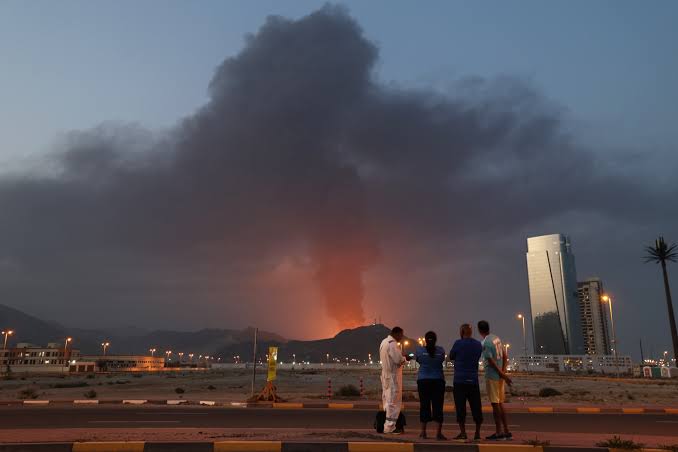
Mediation by the Gulf countries cannot, by itself, resolve Iran’s nuclear program or all the disputes between Washington and Tehran. Under the current circumstances, however, the priority should be to prevent the conflict from escalating into a wider war and create space for diplomacy. Countries such as Türkiye, with their diplomatic experience and ability to maintain communication with different regional actors, can also play important roles in this process.
Ultimately, the Gulf countries can bring economic incentives, diplomatic pressure, and security cooperation together through coordinated action. Although such an initiative would not resolve every problem, it represents one of the most realistic options for reducing the costs of the war. As it becomes increasingly clear that there will be no winner in this conflict, regional actors must shift their priorities away from seeking military victory and toward establishing lasting stability.
Conclusion: Regional diplomacy may be the last way out
The most important lesson of the Iran War is that military superiority alone does not guarantee political victory. The efforts by the United States and Israel to put Iran under pressure have neither completely eliminated Tehran’s regional capabilities nor prevented global energy security from facing serious risks. Iran’s strategic position around the Strait of Hormuz has demonstrated how the consequences of a conflict can extend far beyond a country’s own borders.
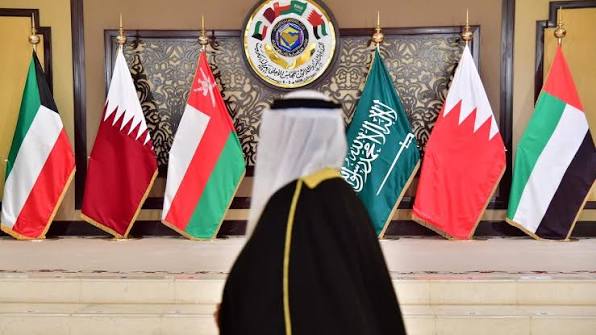
For this reason, a cease-fire initiative led by the Gulf countries should not be viewed merely as a temporary measure to stop the fighting, but as an opportunity to reshape the regional security order. Türkiye’s diplomatic experience and its relations with regional actors could also contribute to supporting this process. Lasting peace requires addressing the parties’ mutual security concerns, safeguarding maritime trade, and sustaining negotiations. Otherwise, every new crisis in the Strait of Hormuz will once again threaten energy markets and international security. If the Gulf countries act collectively today, they will not only protect their own economies but also be able to play a decisive role in preventing a much larger conflict on a global scale.

