


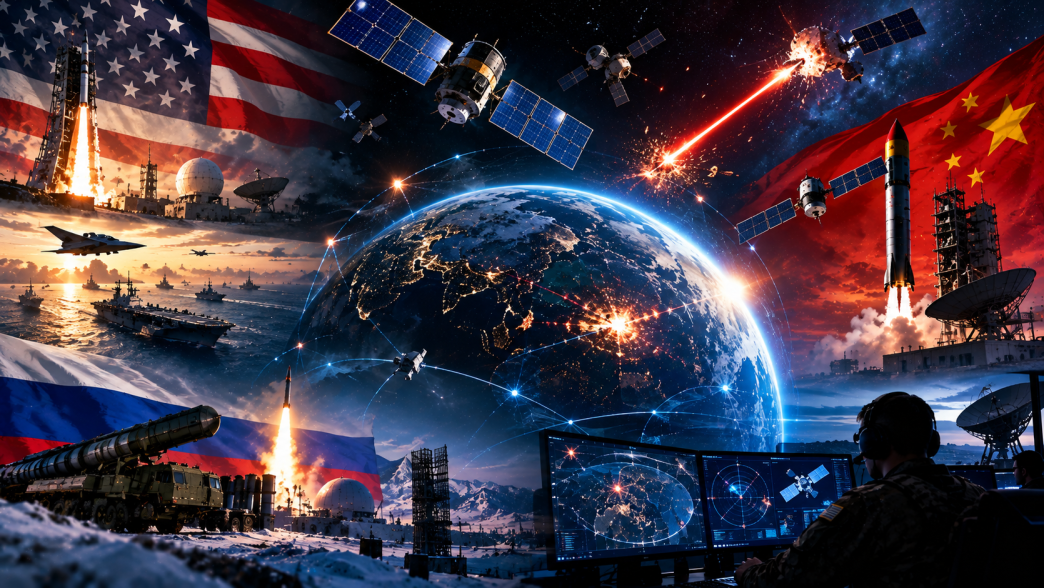
The emergence of space as a new front in military competition signals a profound shift in the global security landscape. Last month, U.S. Air Force Secretary Troy Meink acknowledged that the American military possesses on-orbit space control weapons designed to protect U.S. satellites and neutralize the space systems of rival countries.
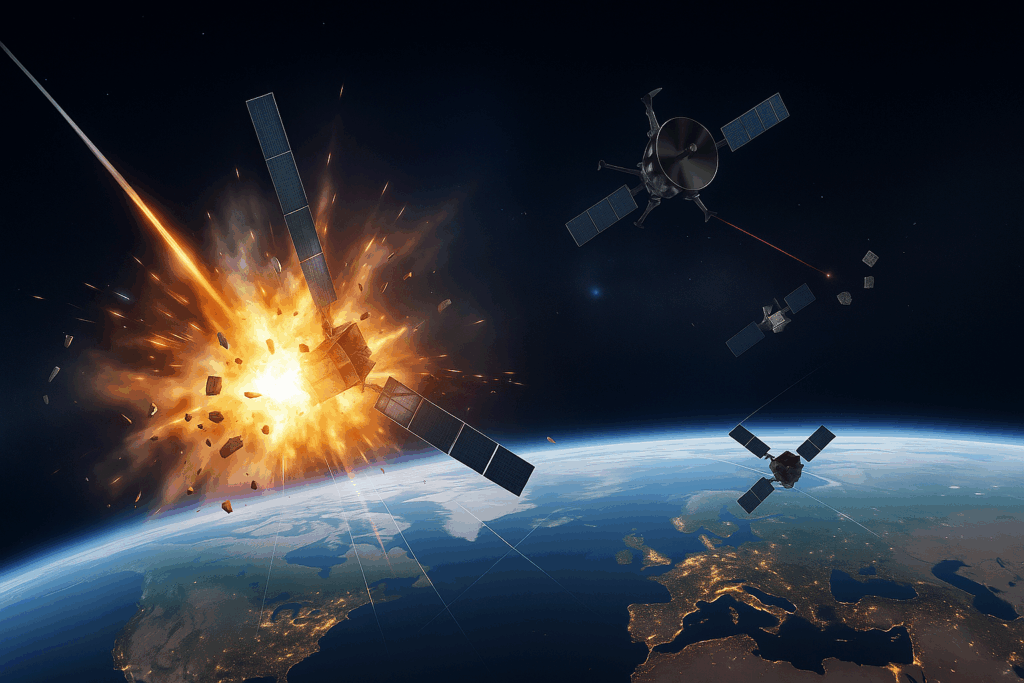
His statement was a significant indication of this transformation, demonstrating that space is no longer merely a domain for scientific research and commercial activities, but a strategic front that could determine the outcome of future wars. 
Satellites at the center of future warfare
Modern militaries rely heavily on satellite systems for communications, intelligence, precision-guided munitions, early warning, and navigation. Disabling this infrastructure would not only disrupt military operations but also affect a wide range of civilian activities, from financial networks and energy infrastructure to air transportation and emergency response systems. Consequently, achieving superiority in space now means directly safeguarding military and economic power on Earth.
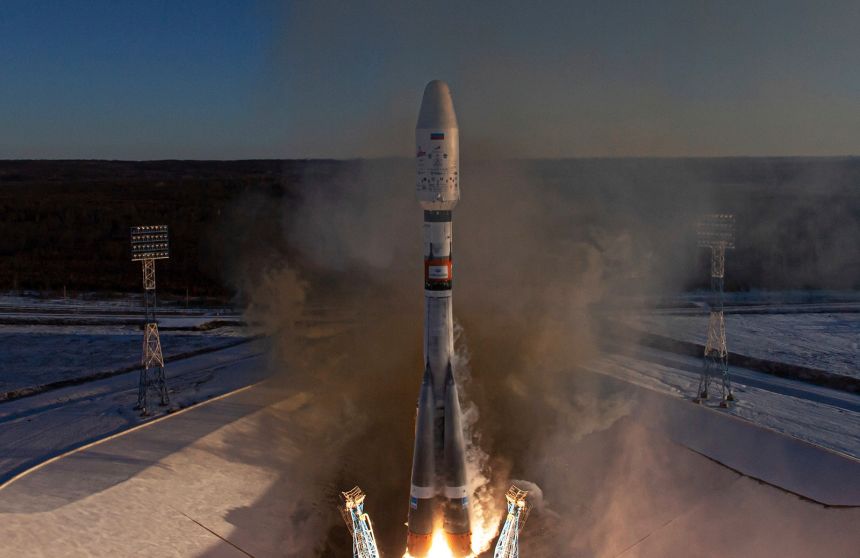
An attack on satellite systems could leave modern armed forces significantly blinded. The loss of precise positioning data and real-time intelligence would reduce operational effectiveness while making conflicts longer, more costly, and more destructive. For this reason, protecting space infrastructure is becoming an increasingly important priority in the defense planning of major powers.
The space race between the U.S., China, and Russia
The militarization of space is not a new development. In 2007, China destroyed a defunct weather satellite during an anti-satellite missile test, generating thousands of pieces of orbital debris. Russia has also been developing anti-satellite weapons for decades and demonstrated its capabilities in this field with a test conducted in 2021. Washington’s statements regarding defense and control systems that can be deployed in space further demonstrate that this competition is acquiring an increasingly overt military dimension.
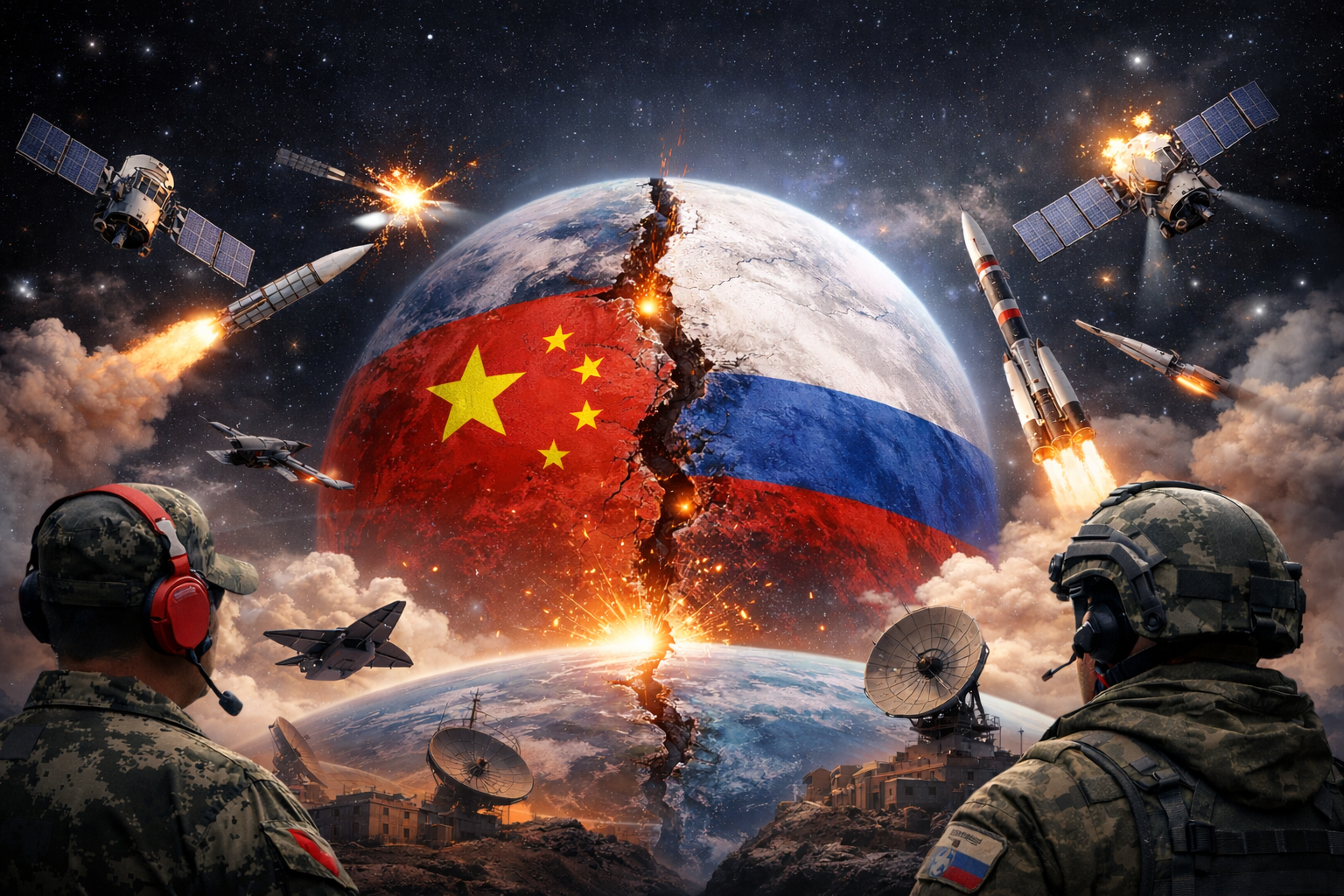
For Washington, the primary objective is to deter adversaries from attacking American satellites and develop the capability to respond if such an attack occurs. However, this approach could also accelerate the arms race in space by encouraging other countries to invest in similar systems. Capabilities developed by each side in the name of security could thus create a new strategic environment characterized by growing mutual distrust.
International law faces a new challenge
The 1967 Outer Space Treaty prohibits placing nuclear weapons and other weapons of mass destruction in Earth’s orbit. However, there is no comprehensive framework explicitly banning all systems that disable satellites through electronic means or target them using conventional weapons. This legal gap is fueling new debates over how the boundaries of military competition in space should be defined.
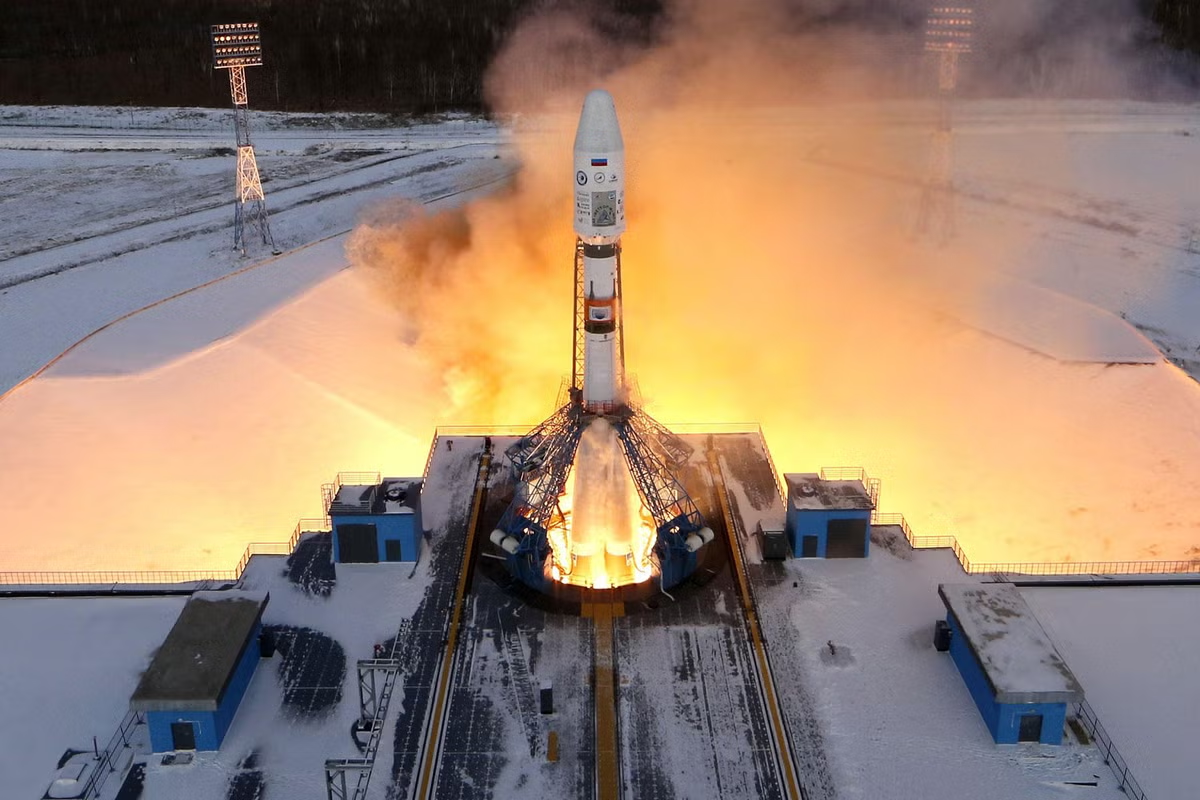
In particular, reports concerning nuclear-capable anti-satellite systems suggest that the consequences of a potential conflict could extend far beyond military targets. Extensive destruction in orbit, space regions rendered unusable for long periods, and disruptions to critical infrastructure could also affect countries that are not parties to the conflict.
Is the era of space warfare beginning?
Space is increasingly evolving from a supporting domain for land, sea, and air operations into a front where strategic superiority is contested directly. In future conflicts, the opening moves could involve operations targeting an adversary’s communications satellites, early-warning systems, and military communication networks before missile strikes even begin.
Nevertheless, not every military preparation in space means that war is inevitable. Satellite protection and counterattack capabilities can also strengthen deterrence by warning adversaries of the potential costs of aggression. However, the lack of common rules and mechanisms for communication during crises could cause miscalculations to escalate rapidly.
In conclusion, although the era of space warfare has not yet fully begun, military preparations and strategic competition in this domain are already taking shape. In the coming years, the power of states will be measured not only by the number of aircraft, ships, and missiles they possess, but also by their ability to protect their assets in space and limit their rivals’ superiority in this domain. How deterrence is established in space is becoming one of the key issues shaping the future of global security.

