

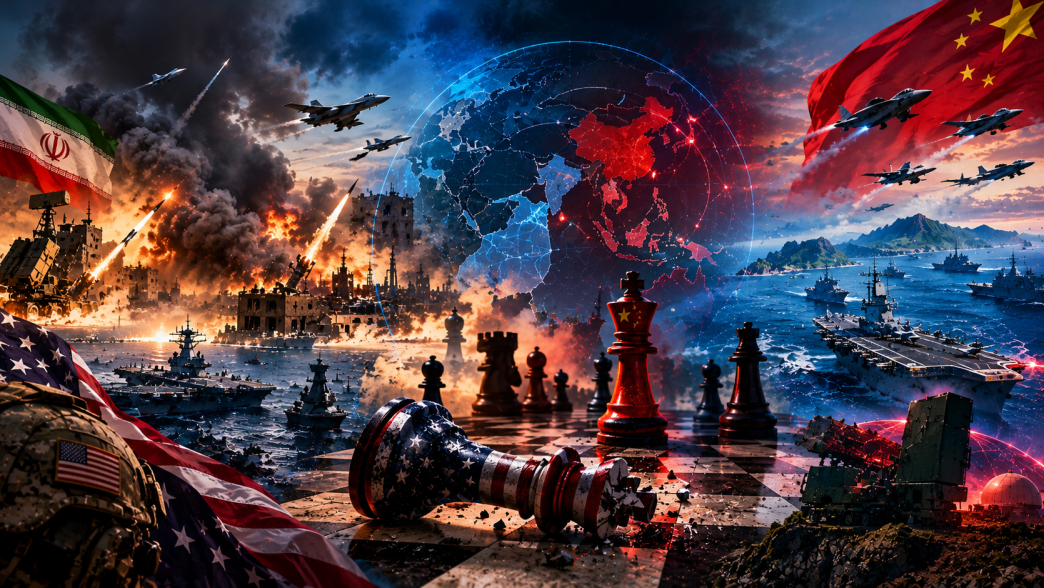
The attacks by the United States and Israel against Iran have once again raised the question of what strategic outcomes military power can produce in international politics.
It is argued that the military capabilities demonstrated by Washington against Iran will force China to back down over Taiwan and reassure US allies in the Asia-Pacific. However, demonstrating superiority in one war and establishing deterrence in another region are not the same thing. The Iran war has exposed not only US military strength but also its limitations, problems related to ammunition stockpiles, and the costs of maintaining a military presence on multiple fronts simultaneously. 
The strategic rationale for attacking Iran remains controversial
The reasons behind the United States launching a new military operation against Iran in February appear likely to remain the subject of debate for years to come. Given that Iran’s nuclear program was claimed to have suffered severe damage in previous attacks, the decision to launch a new bombing campaign raised questions about Washington’s ultimate objectives.
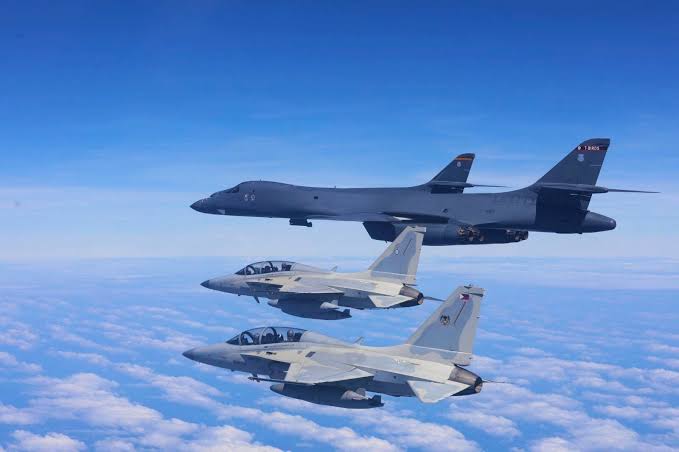
The inclusion of different goals within the same strategy, such as limiting nuclear capabilities, weakening missile infrastructure, forcing Tehran to make political concessions, and changing the regime, made the boundaries of the operation unclear.
Pointing to the failure of diplomacy as a justification for continuing or resuming the war does not resolve this uncertainty. What matters is not only whether military operations have achieved their initially stated objectives, but also the conditions under which the conflict will end. Striking a country’s military infrastructure does not necessarily mean breaking its political will or permanently changing its regional behavior.
The central question is what the operation against Iran has contributed to US global strategy. The use of military force by Washington in one region does not automatically mean that it will deter its rivals in another.
Global deterrence is not a reputation earned in every war
The fundamental problem with Washington’s approach is the assumption that military resolve will produce the same results in every geographical region. In international relations, however, deterrence depends not only on a state’s willingness to fight but also on its ability to fulfill its security commitments against a particular threat.
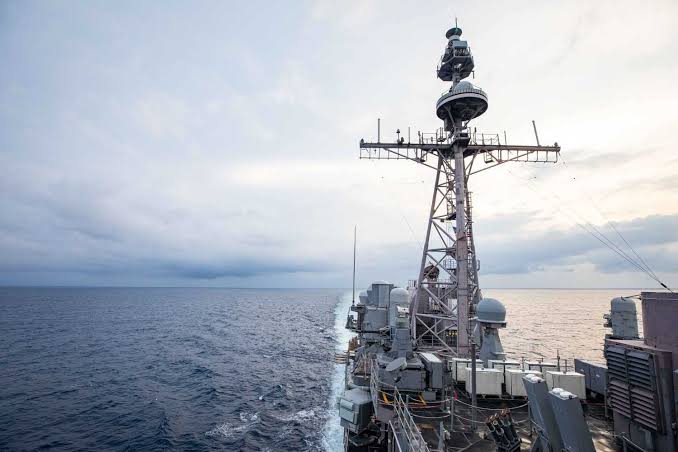
The credibility of the US commitment to defend Japan rests less on its operations against Iran than on its defense treaty with Japan, its military presence in the region, and its ability to respond promptly to a potential attack. Similarly, if Washington wants to deter China over Taiwan’s security, it needs to strengthen its forces, logistical infrastructure, and coordination with allies across the Indo-Pacific.
During the Vietnam War, the US administration was also concerned that a withdrawal would weaken American commitments in other parts of the world. A similar debate emerged in assessments linking the withdrawal from Afghanistan in 2021 to Russia’s subsequent attack on Ukraine. However, these examples do not prove that continuing a war always enhances a country’s global reputation. State decisions depend on numerous factors, including an adversary’s military capabilities, political objectives, alliance relationships, and the anticipated costs of conflict.
Therefore, retreating in one country cannot always be considered a sign of weakness, just as entering a war in another does not automatically demonstrate strength. What matters is the consistency between military means and political objectives.
The Iran war also exposes the limits of US military power
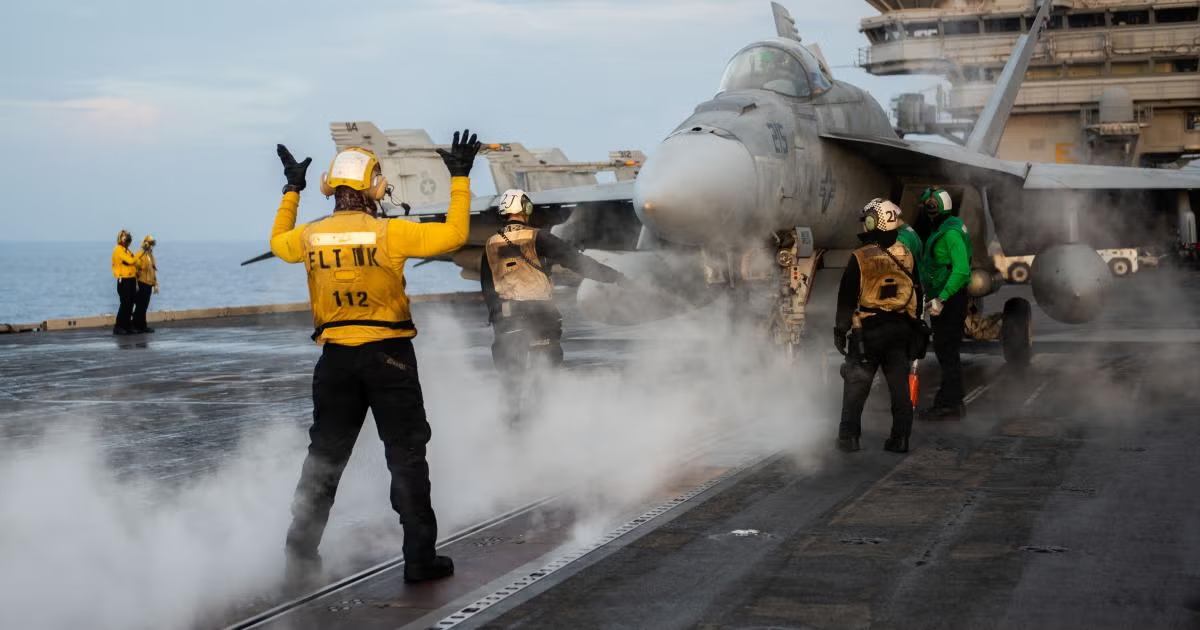
When discussing the message the Iran operation sends to China, it is impossible to ignore the logistical and ammunition-related challenges faced by the United States during the campaign. The extensive use of missiles, the depletion of air-defense interceptors, and the redeployment of aircraft carriers between different regions are placing pressure on the US military’s ability to sustain prolonged and simultaneous conflicts.
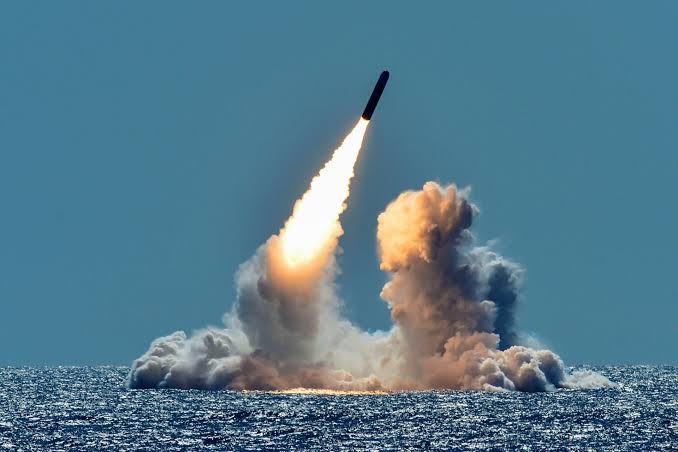
The strategic significance of this situation extends beyond the cost of the current war. A potential conflict across a vast region such as the Indo-Pacific would require large quantities of precision-guided munitions, air-defense systems, fuel, and continuously operating supply lines. If replenishing the ammunition expended against Iran takes time, the United States could face a more difficult allocation of resources from the outset of a potential crisis with China.
Moreover, military power cannot be measured solely by the number of weapons in a country’s inventory. The speed at which those weapons can be produced, delivered to the front lines, and sustained in prolonged operations is at least as important as existing stockpiles. The Iran war has therefore become a test not only of US technological superiority but also of the production capacity and logistical resilience of its defense industry.
China can be expected to monitor this situation closely. Military pressure around Taiwan and the activities of the Chinese navy in the Western Pacific demonstrate that regional competition is unfolding alongside developments in Iran rather than independently of them. The activities of China’s Liaoning aircraft carrier group in the Philippine Sea in October also indicate that Beijing continues to maintain its operational presence in the region.
Deterring China requires a sustained advantage in the Indo-Pacific
It cannot be ruled out that the attacks against Iran have had a deterrent effect on China. The United States demonstrated its ability to conduct joint operations, project force over long distances, and strike complex targets. However, the same operations also showed that Washington has had to distribute its resources across different fronts and that the costs of prolonged conflicts are steadily increasing.
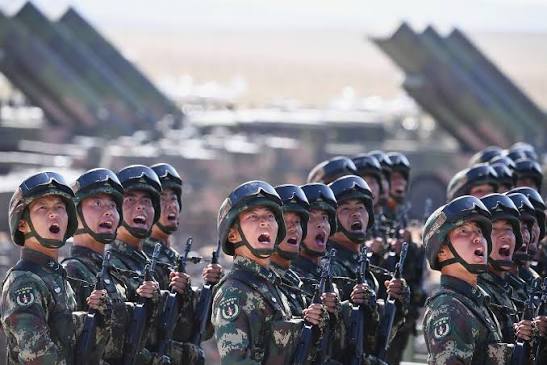
For this reason, the military strength displayed during the initial days of an operation must be assessed alongside the operational picture that emerges months later. A country’s ability to conduct successful strikes with advanced weapons does not mean that its adversary would lose under every possible scenario. Deterrence depends on whether the other side considers not only the initial phase of an attack but also the military and economic consequences it would face if the conflict were prolonged.
Washington’s priority should be to make its military presence in the Indo-Pacific sustainable, replenish critical ammunition stockpiles, and strengthen the defense capabilities of its regional allies. US military plans aimed at denying access in the region and limiting China’s freedom of action are also part of this approach.
Furthermore, deterrence cannot be built solely around aircraft carriers and missiles. Allies must believe that the United States will act in a crisis, joint defense plans must be practical, and military commitments must be maintained in line with political objectives.
Conclusion: Demonstrating power and achieving strategic results are different things
The Iran war has revealed the limits of the global distribution of power, going beyond an operation that demonstrated US military capabilities. Operational success achieved by Washington in one region does not automatically translate into strategic superiority in another. Indeed, the excessive use of military resources can increase the risks that gains on one front create elsewhere.
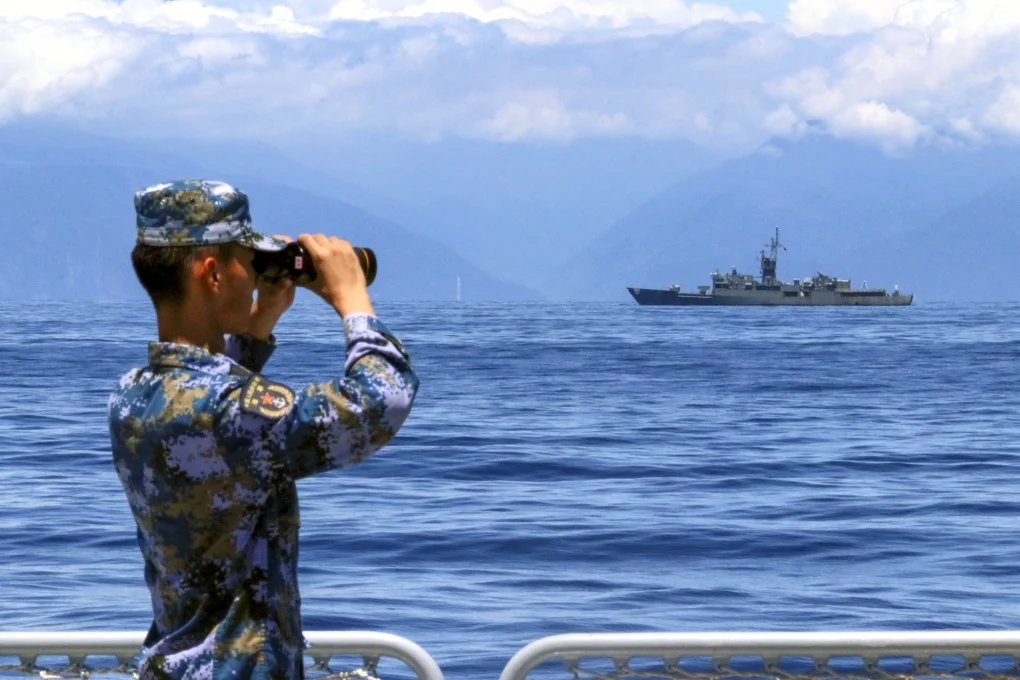
If China considers a potential military move against Taiwan, its decision will depend not only on the lessons it draws from US attacks in Iran but also on how long the American military can sustain a war, how quickly it can replenish its ammunition, and how effectively it can protect its allies.
Ultimately, the true measure of deterrence is not how large an attack a state can launch, but how convincingly it can demonstrate to its adversary that the latter will be unable to achieve its objectives. The military force used by the United States in Iran does not guarantee that China will be compelled to back down. Preserving Washington’s global position depends less on attempting to use force simultaneously across different regions than on setting the right priorities and supporting its security commitments with sustainable capabilities.