

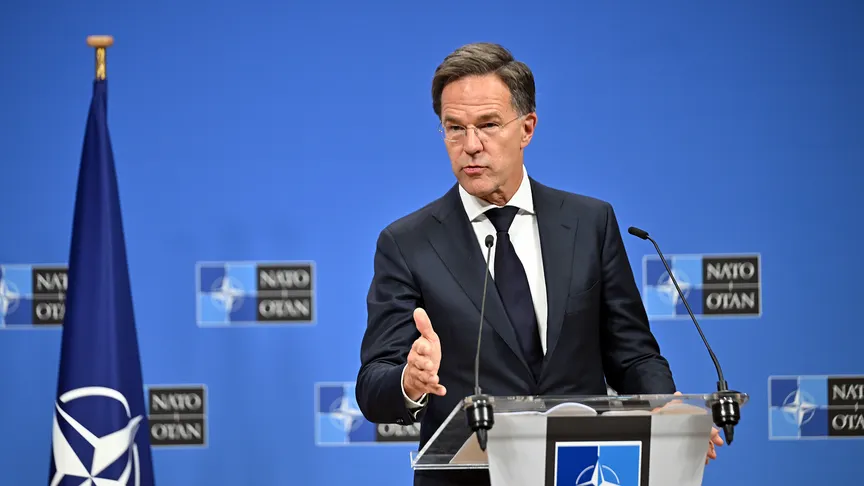
Recent debates over European security policy have centered on Russia’s military capabilities, Ukraine’s battlefield gains, and NATO’s deterrence. From retired generals to senior politicians, many argue that Moscow is weakening and Vladimir Putin is failing to achieve his objectives in Ukraine. NATO Secretary General Mark Rutte’s remarks that the Russian president is in a difficult position and is not winning the war reflect this view. Denmark’s warning that Europe should prepare for a potential Russian attack, however, highlights the growing scale of threat perceptions across the continent.
Polish Foreign Minister Radosław Sikorski’s revelation that he keeps stocks of rice at home, makes preserves from fruit grown in his garden, and has a hand pump to secure his water supply is another striking part of this debate. At first glance, this may look like ordinary civilian crisis preparedness. In reality, it exposes a major weakness in Europe’s security thinking: no matter how advanced a country’s weapons are, it cannot sustain a prolonged war if it cannot meet its basic needs. 
Defense spending as a share of GDP, the number of next-generation fighter aircraft, missile stockpiles, and the deterrent power of military alliances all matter. But the real test of war is whether the resources needed to sustain armies are available not just during the first days of fighting, but for months or even years. Soldiers need food, fuel, drinking water, and medical care just as much as they need ammunition. The transportation networks that deliver supplies to the front are equally decisive.
This fundamental reality is often pushed into the background when Europe assesses the possibility of war with Russia. Yet a country’s ability to fight is measured not only by its battlefield performance but also by how well its economy and society can withstand prolonged pressure.
History shows that wars are not lost on the battlefield alone
A review of Europe’s major wars reveals that many military defeats were closely linked to logistical shortcomings, food crises, energy shortages, and economic exhaustion. Napoleon’s invasion of Russia in 1812 is one of the clearest examples. The French army had to contend not only with Russian forces but also with vast distances, extended supply lines, disease, and malnutrition. The harsh winter compounded the disaster, while the army’s inability to meet its basic needs became one of the factors that made its retreat inevitable.
Similar problems emerged during the German campaign against France in the early stages of the First World War. German military planning was built around rapid advances and the encirclement of Paris. However, long marches, heavy equipment, extreme heat, and overstretched supply lines undermined the physical endurance of German troops. The success of battlefield plans depended on supplies reaching soldiers on time, and this requirement became increasingly apparent as the campaign progressed.
In the later years of the First World War, the Allied naval blockade also had devastating consequences for Germany and Austria-Hungary. Restricted imports, disrupted food supplies, and shortages of basic consumer goods affected civilian life far beyond the battlefield. As the war dragged on, malnutrition and social exhaustion deepened. Military strength was tested not only against enemy armies but also by failures in domestic production and distribution.
Oil became one of the decisive resources during the Second World War. The mobility of mechanized armies, air force operations, and industrial production all depended heavily on energy. Germany’s efforts to secure access to oil influenced the decision to advance toward the Caucasus during its invasion of the Soviet Union. Hitler’s regime sought to capture the oil fields around Baku and secure the fuel needed to sustain its war machine. This strategic ambition became part of the broader campaign that culminated in the devastating German defeat at Stalingrad.
These examples demonstrate that wars cannot be explained solely through generals’ decisions or soldiers’ battlefield performance. Even the most ambitious strategies can fail when the fuel, food, ammunition, and spare parts needed to sustain an army cannot be delivered on time. Understanding military history therefore requires examining not only battlefield maps but also warehouses, railways, ports, energy facilities, and production centers.
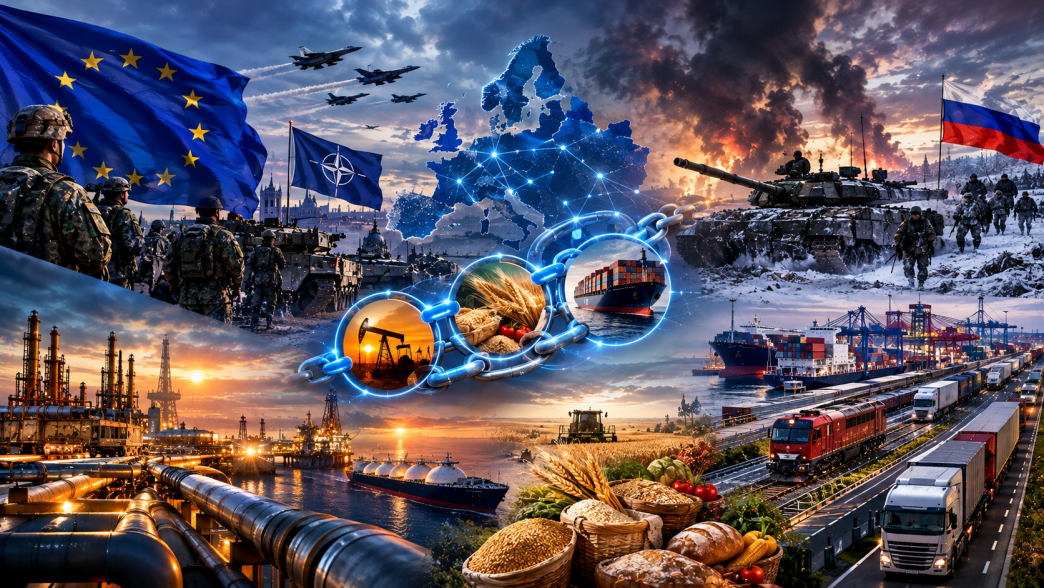
Energy, food, and transportation form a single security Chain in modern warfare
Logistics has not become less important in modern warfare. On the contrary, it has grown more complex. Precision-guided munitions, unmanned aerial vehicles, advanced air defense systems, and electronic warfare capabilities have increased the effectiveness of modern militaries. Yet all these systems depend on energy, spare parts, software, electronic components, maintenance infrastructure, and regular resupply.
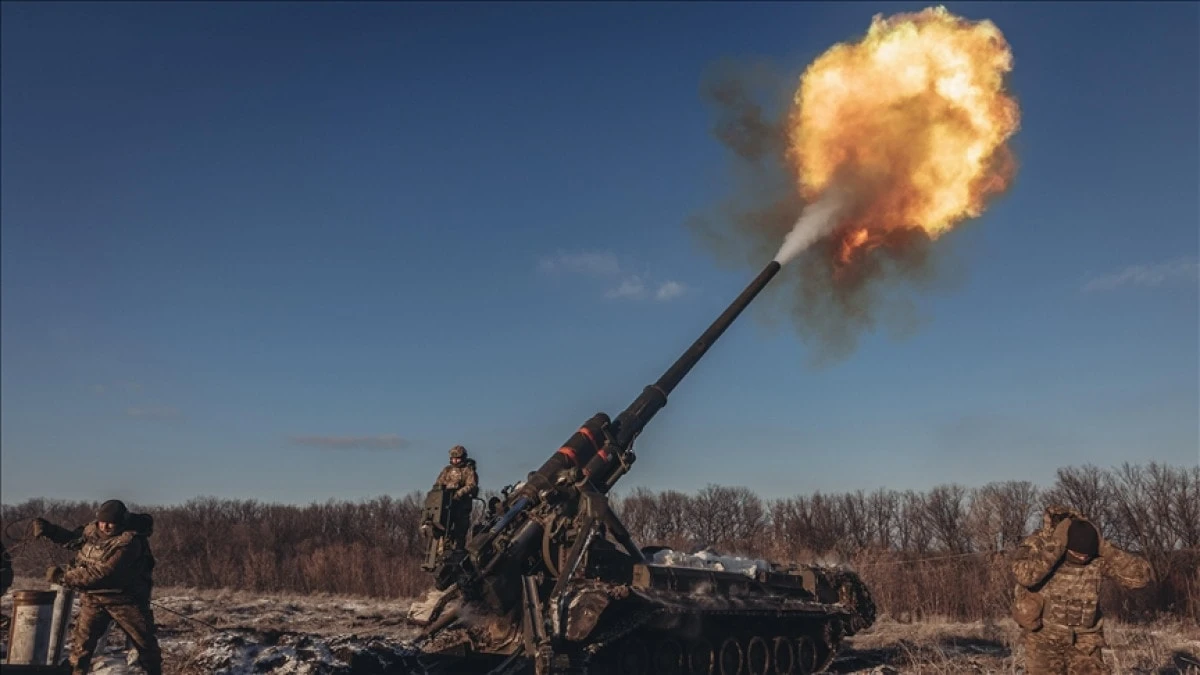
An air defense system can begin to lose its effectiveness when its interceptor missiles run out or when new production cannot keep pace with battlefield consumption. The production of unmanned systems depends not only on designing platforms but also on supply networks extending from engines and batteries to semiconductors and communications components. The strength of a defense industry must therefore be measured not only by the number of systems in service but also by its ability to increase production and replace losses during wartime.
The same applies to the civilian economy. A country running out of diesel faces disruptions not only to military vehicles but also to food trucks, agricultural machinery, port equipment, and emergency services. Electricity and natural gas shortages can shut down factories, make it difficult to heat homes, and disrupt defense production. A serious break in any link of this chain can quickly spread across other sectors.
National security can no longer be understood solely in terms of protecting borders or repelling military attacks. Energy security, food supplies, critical infrastructure protection, industrial production, and financial stability are integral to defense policy. A country’s strategic autonomy ultimately depends on its ability to make decisions and meet its needs despite external pressure in these areas.
The Ukraine war and the Iran crisis are increasing Europe’s energy vulnerability
Although Europe’s current challenges differ from historical examples, they reflect the same fundamental reality. The war in Ukraine has fundamentally transformed energy relations between Russia and Europe. Conflicts centered on Iran have once again exposed the fragility of global energy markets. Fluctuations in oil and natural gas prices affect not only energy companies but also industrial production, transportation costs, inflation, and government budgets.
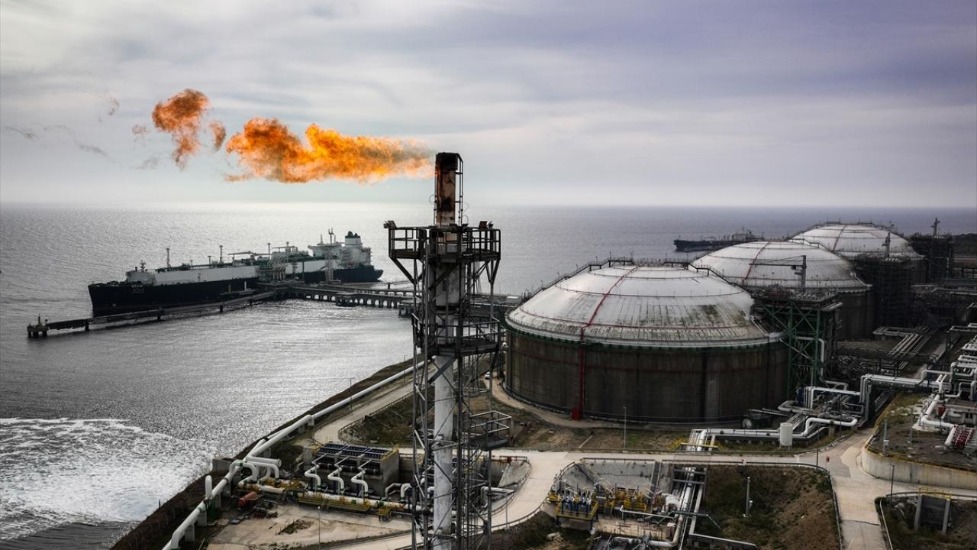
Tensions around the Strait of Hormuz have again demonstrated how energy supplies can become an instrument of geopolitical pressure. A prolonged disruption to this narrow waterway, through which a significant share of global oil trade passes, could affect not only Gulf countries but also a broad region stretching from Asia to Europe. The transportation of liquefied natural gas (LNG) and the security of production facilities are also critical components of the global energy system. Damage to production infrastructure in Qatar, for example, illustrates why supply cannot always be increased quickly.
The situation is even more complicated for Europe. As the continent seeks to reduce energy imports from Russia, it has increasingly turned to LNG, Norwegian supplies, and alternative routes. This transition does not mean that dependence has disappeared; rather, its nature and suppliers have changed. A contraction in the global LNG market could force Europe to compete with Asian buyers for the same supplies. Price pressures could intensify further as demand rises during the winter months.
When diesel shortages are added to natural gas concerns, the scale of the risks facing the European economy becomes clearer. Because transportation across much of the continent relies heavily on road freight, diesel is not merely a transport fuel but a fundamental input for the entire economic system. Moving food from farms to warehouses and supermarkets, delivering raw materials to factories, and transporting industrial goods to ports all depend on it.
The possibility that the United States could restrict energy and fuel supplies to Europe also raises questions about the security dimension of transatlantic relations. Washington’s decisions to prioritize its domestic market and strategic objectives weaken the assumption that Europe will always have access to the resources it needs. The Trump administration’s willingness to question American military and economic commitments to Europe has also raised concerns about how much confidence allies can place in US support.
The central issue is not that the United States will necessarily take such action against Europe. It is the risk created when Europe leaves access to critical resources dependent on the political decisions of a single external supplier. Security partnerships may be strong, but relying on outside support without viable alternatives in energy and industrial policy can create serious vulnerabilities during a crisis.
Russia’s resilience must be considered alongside its vulnerabilities
Much of the European debate focuses on Russia’s military losses, economic pressures, and the effects of sanctions. Moscow has clearly faced substantial costs in Ukraine, suffered attacks on its energy infrastructure, and committed significant resources to sustaining its war economy. Nevertheless, the extent to which these problems limit Russia’s ability to sustain a prolonged conflict must be assessed separately.
Russia has responded to disruptions caused by Ukrainian attacks on its energy infrastructure by reorganizing production, prioritizing domestic fuel supplies, and temporarily restricting exports. Such measures can reduce global supply and contribute to higher prices. In other words, Moscow’s efforts to protect its domestic market can also have indirect consequences for energy-importing countries.
Russia’s agricultural output and position in global grain exports should not be overlooked either. Extensive arable land, substantial agricultural infrastructure, and large-scale grain production provide the country with certain food security advantages. However, this does not mean Russia is insulated from economic problems or unaffected by sanctions. Agricultural output still depends on financing, equipment, fertilizer, transportation, and export infrastructure. High production volumes alone also do not guarantee that every section of the population can afford all essential food products.
Assessing Russia solely through its battlefield losses or the effects of economic sanctions therefore provides an incomplete picture. The key questions are how efficiently Moscow can use its resources, how well it can preserve production capacity, and how long it can bear the costs of war. The same criteria must be applied to European countries.
The NATO secretary general’s assertion that Russia is not winning can be interpreted as a political message about the military course of the war. However, an army’s failure to achieve its objectives is not the same as its opponent being capable of winning a prolonged conflict. Russia’s difficulties do not automatically give Europe an advantage, just as Ukraine’s resistance has not eliminated Russia’s military capabilities.
Financial resilience: The invisible front of war
Alongside military and energy resources, financial capacity is one of the decisive factors in prolonged conflicts. Increasing defense spending, producing new weapons systems, protecting infrastructure, and meeting society’s basic needs place heavy pressure on government budgets. As a war continues, governments must not only spend more but also determine how to finance those expenditures.
Rising public debt, persistent budget deficits, and higher interest rates can narrow governments’ room for maneuver. As borrowing costs increase, expanding defense budgets can place greater pressure on other public services. Higher energy prices can also fuel inflation and complicate central bank policies. In such an environment, slowing economic growth combined with rising security expenditures leaves policymakers with increasingly difficult choices.
The United States benefits from the world’s largest financial markets and the dollar’s role as a global reserve currency. It would therefore be misleading to argue that high debt levels will quickly leave the country financially vulnerable. Nevertheless, rising interest payments and budget deficits can reduce fiscal flexibility over the longer term. Similarly, increasing defense spending in European economies such as France and Germany can make existing budgetary trade-offs more difficult.
Russia’s relatively low public debt may provide Moscow with some fiscal flexibility. But low debt alone is not a reliable measure of economic resilience. Fluctuating energy revenues, sanctions, high military spending, inflation, and restricted access to technology remain significant risks for the Russian economy. Comparisons between Russia and the West must therefore consider not only debt indicators but also productive capacity, financial market depth, trade opportunities, and long-term growth potential.
The broader lesson is that wars consume not only ammunition stockpiles but also a state’s financial resources. When a country’s financial system comes under pressure, meeting military requirements becomes increasingly expensive. The ability of the defense industry to sustain production, the government’s capacity to finance it, and the private sector’s willingness to make necessary investments are all interconnected. Financial stability is therefore one of the most important foundations of national security behind the front lines.
A new phase in the Ukraine war: Ammunition, air defense, and supply lines
The war in Ukraine remains one of the clearest examples of the decisive role logistics plays in modern conflict. In its early stages, rapid maneuvers and large-scale ground operations dominated the battlefield. Over time, however, drones, long-range strikes, electronic warfare, air defense, and attacks on energy infrastructure transformed the nature of the conflict. Today, success is measured not only by the territory each side controls but also by how long it can sustain its military capabilities.
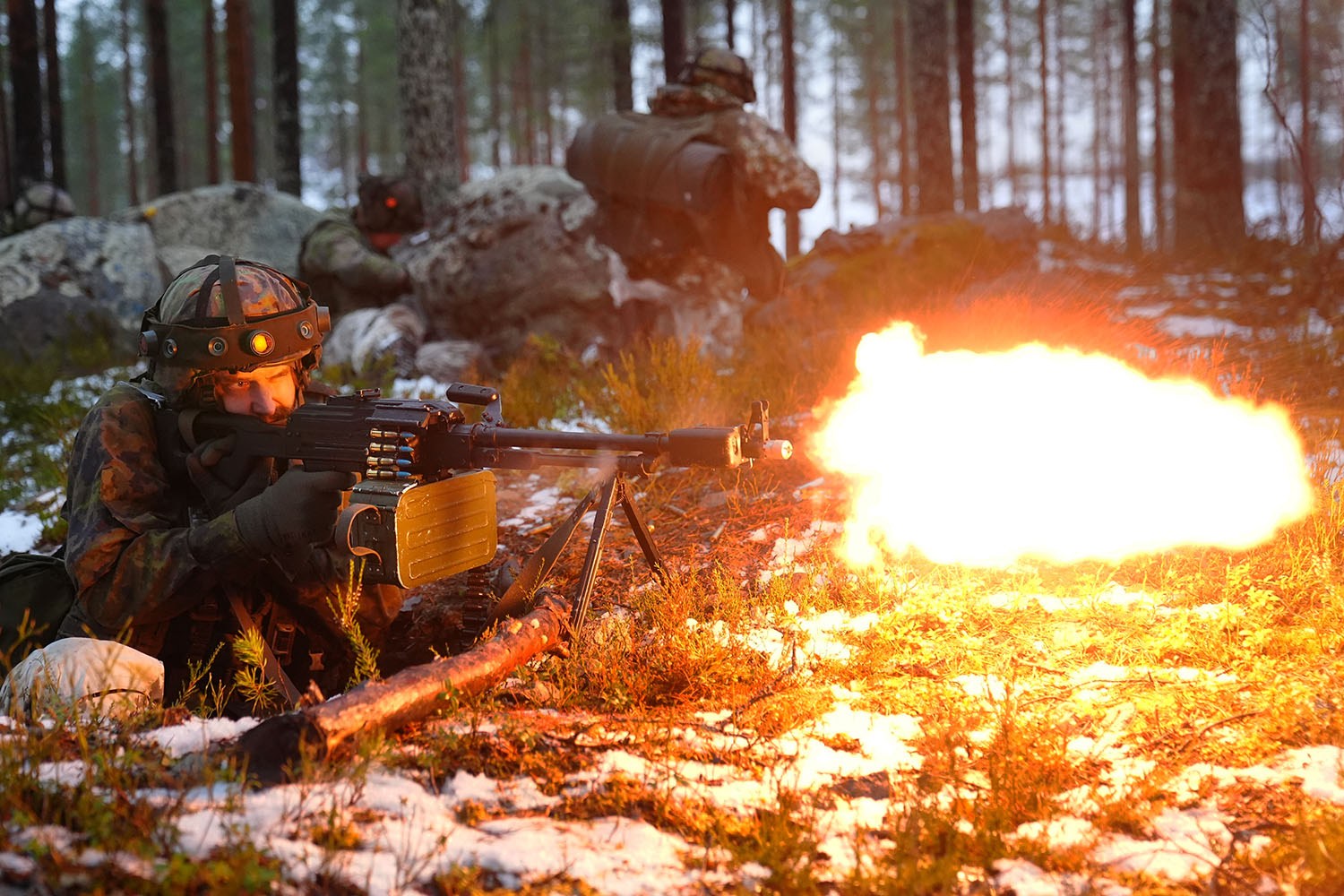
One of Ukraine’s most critical challenges is maintaining sufficient interceptor ammunition to counter Russian missile and drone attacks. Effective air defense requires more than advanced radars and launchers. Interceptor missiles must be produced regularly, delivered to the front, and supported by maintenance systems and trained personnel. The intensity of attacks can force the defending side into a costly cycle of resource consumption.
The same applies to Western countries. The ammunition and air defense systems supplied to Ukraine also draw on NATO members’ own stockpiles. As European countries seek to expand defense production, increasing factory capacity, signing new procurement contracts, and securing critical components all take time. Political willingness to provide support therefore does not always translate directly into meeting military needs on the battlefield.
Another dimension of the war is the security of supply infrastructure extending into Europe. Military and logistical shipments passing through countries such as Germany and Poland play an important role in supporting Ukraine. Sabotage, cyberattacks, or operations targeting critical infrastructure could disrupt the flow of supplies to the front. However, it would be wrong to attribute every incident to Russia without examining the available evidence. The perpetrators, methods, and strategic objectives of such attacks must be assessed on the basis of concrete findings.
The diplomatic situation also remains deadlocked. Differences over territory, security guarantees, and the postwar order make a lasting agreement difficult to achieve. The conflict between Russia’s demands concerning Donbas and Ukraine’s objective of preserving its territorial integrity remains one of the principal obstacles to negotiations. The extent to which the United States and European countries will continue their support is another factor shaping the war’s future.
Taken together, these developments suggest that the conflict could increasingly become a broader war against infrastructure. Energy facilities, railways, ports, ammunition depots, and communications networks are as strategically important as military targets. Rising energy demand during the winter and more intensive attacks on critical infrastructure could increase the risks for both Ukraine and Europe.
The risk of a direct conflict between Russia and NATO
One of the most dangerous scenarios arising from the Ukraine war is a direct military confrontation between Russia and NATO. Such a development could extend beyond the boundaries of the existing conflict and trigger a security crisis affecting the entire continent. Airspace violations, drones crossing borders, misidentification of targets, or military incidents during supply operations could create pressure for retaliation on both sides.
For example, if Russia were to shoot down an aircraft carrying supplies to Ukraine over NATO territory, the alliance would face an extremely consequential decision about how to respond. The appropriate military response would depend not only on the nature of the attack but also on where it occurred, how responsibility was established, and whether the allies could reach a political consensus. NATO’s collective defense mechanism does not produce the same automatic outcome in every incident, but a direct attack would likely generate significant pressure within the alliance for a broader response.
The real danger is that a conflict initially intended to remain limited could spiral out of control. A direct war between Russia and NATO cannot be assessed solely by comparing conventional military capabilities, given both sides’ nuclear arsenals. Nuclear deterrence can help prevent a large-scale war, but it cannot completely eliminate the risks of miscalculation, broken communication channels, and escalating mutual threats.
At the same time, it would be equally misleading to conclude from Russia’s difficulties in Ukraine that Moscow could never prevail in a war with NATO or would inevitably back down. NATO’s combined economic and military capabilities are substantially greater than Russia’s. Nevertheless, the alliance’s geographical reach, decision-making processes, ammunition stockpiles, political will, and the economic costs of a prolonged conflict would all shape the course of any potential war.
Europe should neither underestimate the Russian threat nor assume that war is inevitable. The priority must be to strengthen deterrence while preserving diplomatic and military communication channels that can prevent escalation. Defense preparedness is not simply about buying more weapons; it also means maintaining the strategic mechanisms needed to reduce the risk of war.
Conclusion: Victory depends on endurance
Military power, defense budgets, and weapons systems dominate European discussions about a potential conflict with Russia. Yet the war in Ukraine, tensions in the Middle East, and competition among major powers demonstrate that modern warfare is a much broader struggle over resources. A country’s military capabilities can quickly reach their limits if its economy cannot secure energy, its industry cannot obtain essential components, its transportation networks run out of fuel, or its financial resources become exhausted.
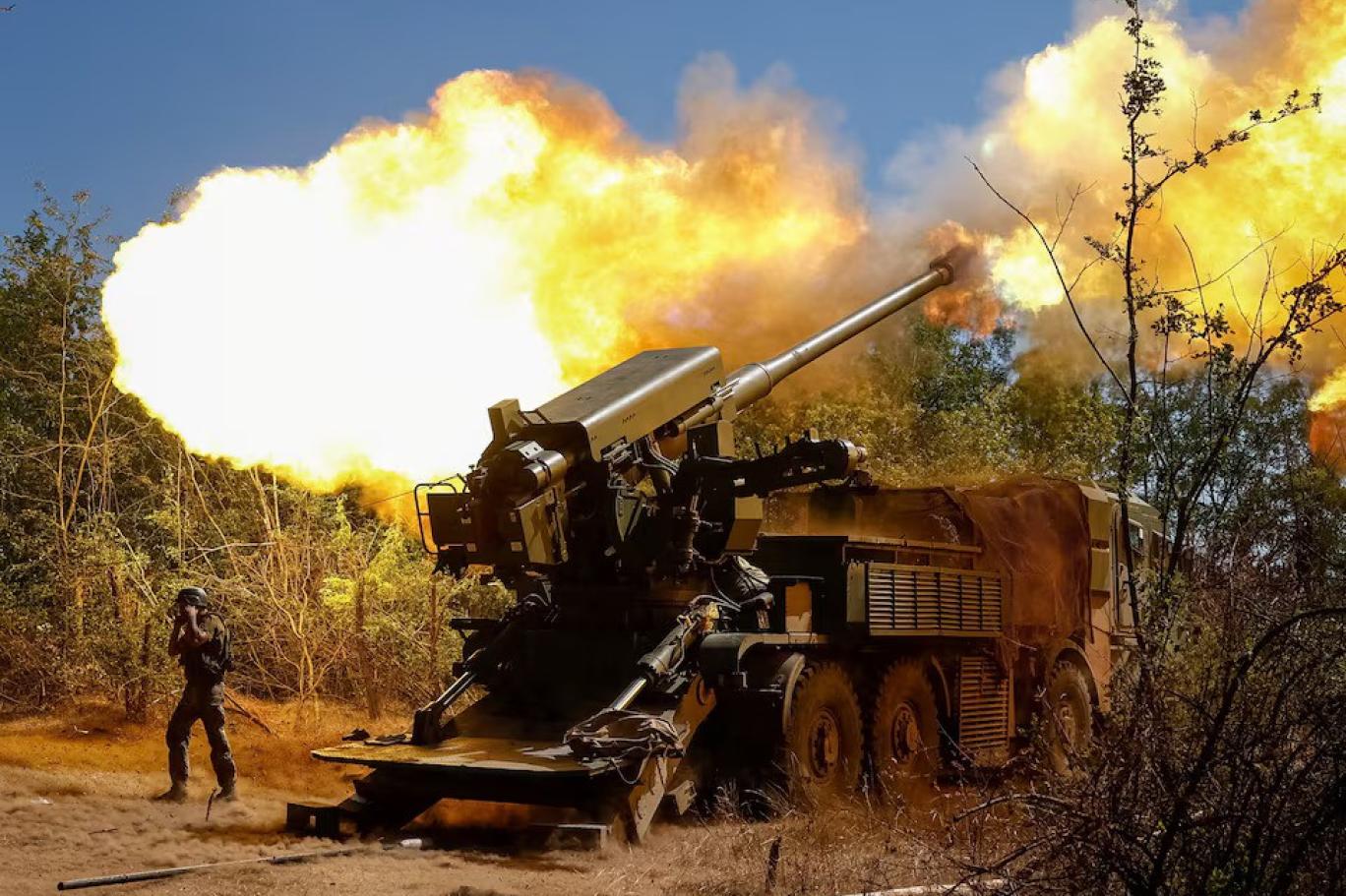
The fundamental question facing Europe is therefore not simply how strong or weak Russia is. It is whether European countries can meet their own needs during a prolonged crisis, sustain industrial production, secure energy supplies, and replenish military stockpiles. Increasing defense spending may be necessary, but without energy security, productive capacity, effective logistics, and fiscal sustainability, those expenditures may not deliver the expected results.
Russia, too, has no unlimited resources. The costs of war, sanctions, restricted access to technology, and manpower losses continue to strain Moscow’s capabilities. But Russia’s difficulties do not automatically guarantee European superiority. Both sides’ ability to sustain a prolonged conflict will depend not only on their military inventories but also on the resilience of their societies and economies.
More broadly, the possibility that the Ukraine and Iran crises could influence one another reveals how interconnected the global security system has become. A disruption to energy supplies, a bottleneck in ammunition production, or a shock to financial markets can have military consequences on a battlefield thousands of kilometers away. Security policy can no longer be confined to a narrow focus on a potential adversary’s military movements.
The lesson for Türkiye is equally clear: a strong military, a sustainable industrial base, secure energy supplies, robust logistics infrastructure, and economic resilience must be considered together. Strategic independence is not achieved by searching for solutions after a crisis begins, but by preparing alternatives before it emerges.
Ultimately, the course of a war is not determined solely by what happens on the battlefield. Sometimes, the decisive factor is not the range of a missile or the distance an army advances, but whether that army receives fuel, ammunition, and food the following day. This is the reality Europe must not overlook when assessing a possible war with Russia: Starting a war may be a military decision, but sustaining it depends on the capacity of an entire country, from its economy and energy supplies to its industry and social resilience.