


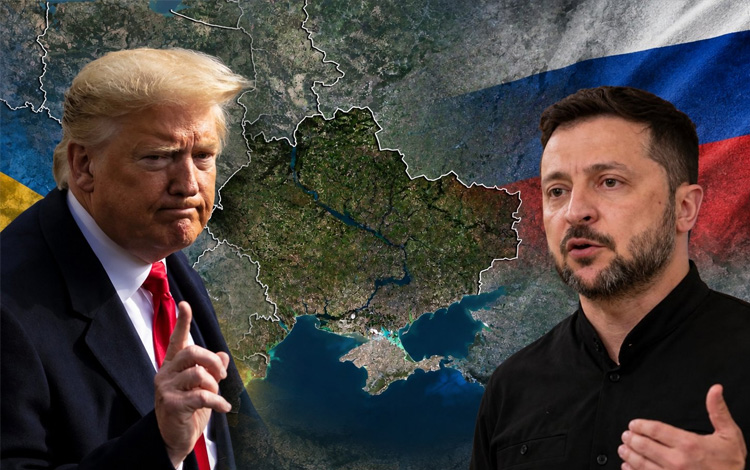
WASHINGTON / KYIV — Reports published by the Financial Times indicate that the United States issued warnings to Ukrainian officials during high-level negotiations in Miami, threatening to restrict or suspend tactical and strategic intelligence sharing if Ukrainian forces continue long-range unmanned aerial vehicle (UAV) strikes against Russian oil refineries and export infrastructure.
The friction coincides with recent shifts in U.S. sanctions policy regarding Russian diesel exports. Despite Washington’s diplomatic warnings, Ukrainian Defense Forces executed a successful long-range drone strike on October 10, 2026, targeting the “Yug Rusi” oil transshipment terminal in Rostov-on-Don. The facility—possessing an annual handling capacity of ~2.5 million metric tons—serves as a primary logistics hub for fuel distribution to Russian forces and maritime export terminals.
Kyiv has signaled its intention to maintain deep-strike operations against Russian energy and refining infrastructure to degrade fuel supply lines and limit Moscow’s war revenue. European intelligence services continue to provide independent imagery, signals intelligence (SIGINT), and target-acquisition metrics to sustain Ukrainian deep-strike operations. 
STRATEGIC ASSESSMENT & TARGETING DYNAMICS
* Key Political & Intelligence Friction Points:
* US Position: Concerns over global energy market volatility, refined product price spikes (diesel/gasoil), and diplomatic negotiations regarding energy sanctions relief. Threatens conditional throttling of intelligence feeds.
* Ukrainian Position: Deep strikes against refining, storage, and transport logistics viewed as essential asymmetric counter-measures to degrade Russian frontline military mobility and economic war funding.
* Executed Strike Focus (October 10, 2026):
* Target Facility: Yug Rusi Oil Transshipment Terminal (Zheleznodorozhny district, Rostov-on-Don).
* Operational Impact: Multiple drone impacts resulting in major storage fires; secondary damage reported to regional railway supply infrastructure.
* Intelligence Redundancy & European Support:
* European Intelligence Sharing: Independent satellite imagery (EO/SAR), radar tracking, and SIGINT feeds provided by European allies remain operational to support long-range target selection and battle damage assessment (BDA).
* Platform Reliance: Domestic Ukrainian long-range strike drones (e.g., Lyutyi, Beaver, Bober-series) utilize multi-constellation satellite navigation, optical terrain-matching, and alternative intelligence feeds to sustain deep-strike sorties.