


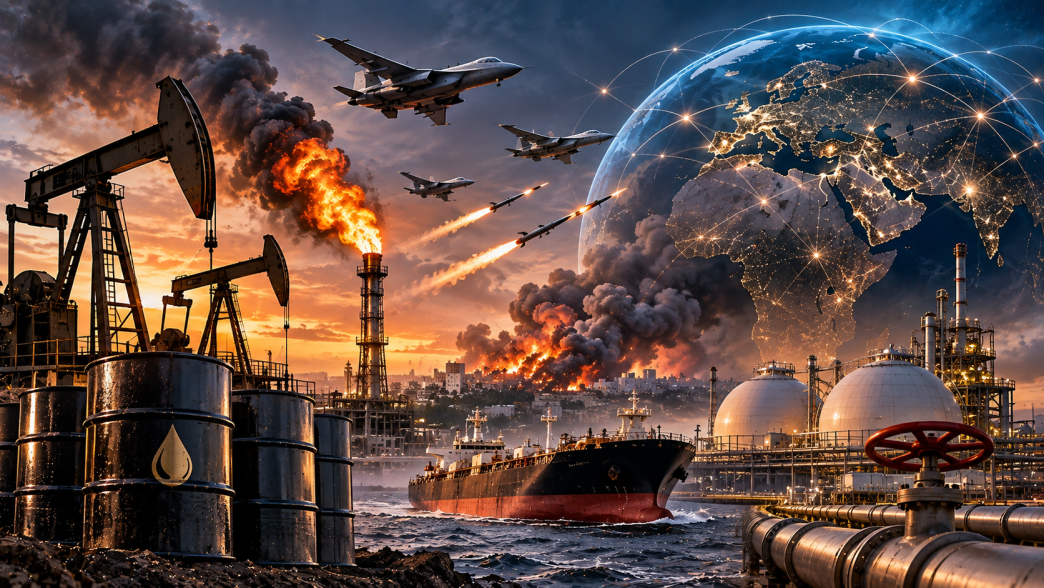
The ongoing war in Iran is deepening uncertainty in global energy markets while increasing the pressure of energy costs on societies. Rising oil prices are no longer an issue felt only at fuel stations; they are generating broader economic consequences that extend to electricity, heating, food and transportation costs. In economies heavily dependent on energy imports, this situation is raising household living expenses while making economic and social policymaking more difficult for governments.
The potential increase in costs faced by families in the United States that rely on heating oil to warm their homes during the winter illustrates the scale of the crisis. Estimates suggest that heating expenses for these households could rise by as much as 50%, adding approximately $900 to their annual costs. Moreover, these increases are placing an additional burden on the budgets of millions of people who were already struggling to pay their energy bills before the war. 
Increasing power outages, unpaid energy bills and families being forced to choose between basic necessities demonstrate that the energy crisis has become not only an economic issue but also a matter of social security.
Energy prices and the rising cost of living
The impact of rising energy prices is not limited to direct fuel consumption. Petroleum products are among the key inputs determining production and transportation costs across almost every sector of the global economy.
Rising diesel prices, in particular, are increasing costs across a wide range of activities, from agricultural machinery and heavy industry to logistics and construction. Over time, these additional costs are passed on to food, consumer goods and services. As a result, a crisis originating in energy markets develops into a broader cost-of-living problem that affects the purchasing power of different segments of society.
In the United States, people dependent on social security payments, minimum-wage workers and households with limited incomes are particularly vulnerable to these developments. However, rising energy costs are no longer affecting only low-income groups. Middle-income families are also struggling to cover increasing fuel, electricity and heating expenses.
For this reason, energy security cannot be measured solely by how much oil or natural gas a country produces. Ensuring that all segments of society can access energy at an economically sustainable cost is equally fundamental to energy security.
The Strait of Hormuz and global energy security
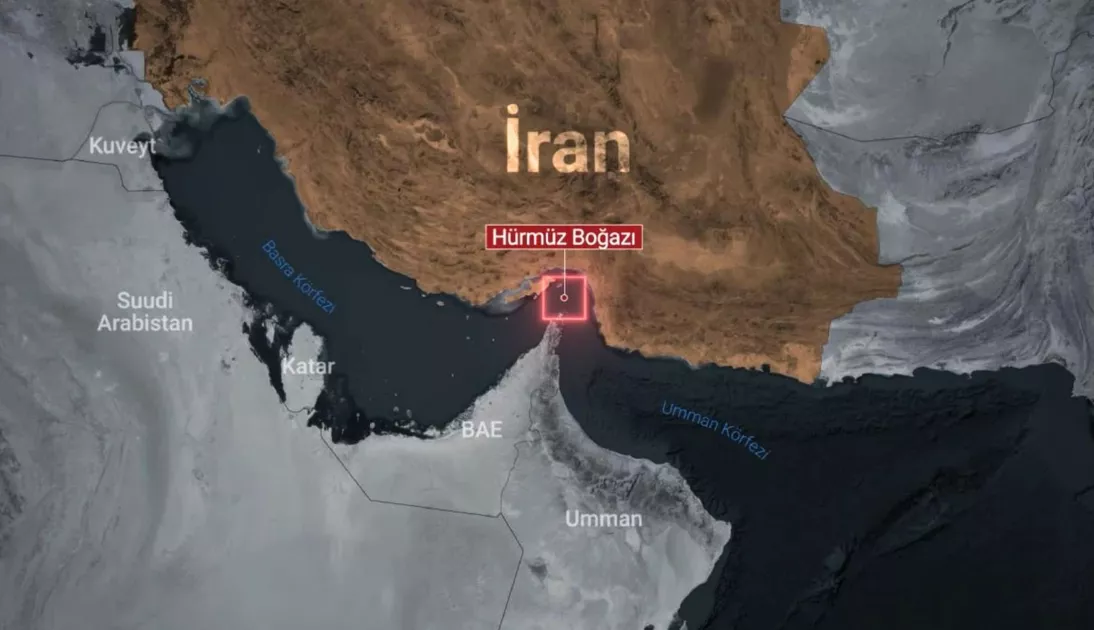
The strategic importance of the Strait of Hormuz has once again come to the forefront with the war in Iran. This narrow maritime passage, through which a significant share of global oil and natural gas trade flows, demonstrates how military tensions in the region can reverberate throughout the world economy.
Any disruption in the Strait of Hormuz could affect not only energy producers in the Middle East but also a much wider geographical area, extending from Asia to Europe and North America. Rising oil prices can undermine the external trade balances of energy-importing countries while increasing consumers’ energy bills.
The fact that the United States remains vulnerable to global price shocks despite its substantial oil and natural gas production demonstrates that energy security cannot be achieved through production capacity alone. Since oil is traded on global markets, a war anywhere in the world can also increase energy costs for consumers in the United States.
This makes diversifying energy sources and reducing risks in international energy markets even more important.
The crisis may continue even after the war ends
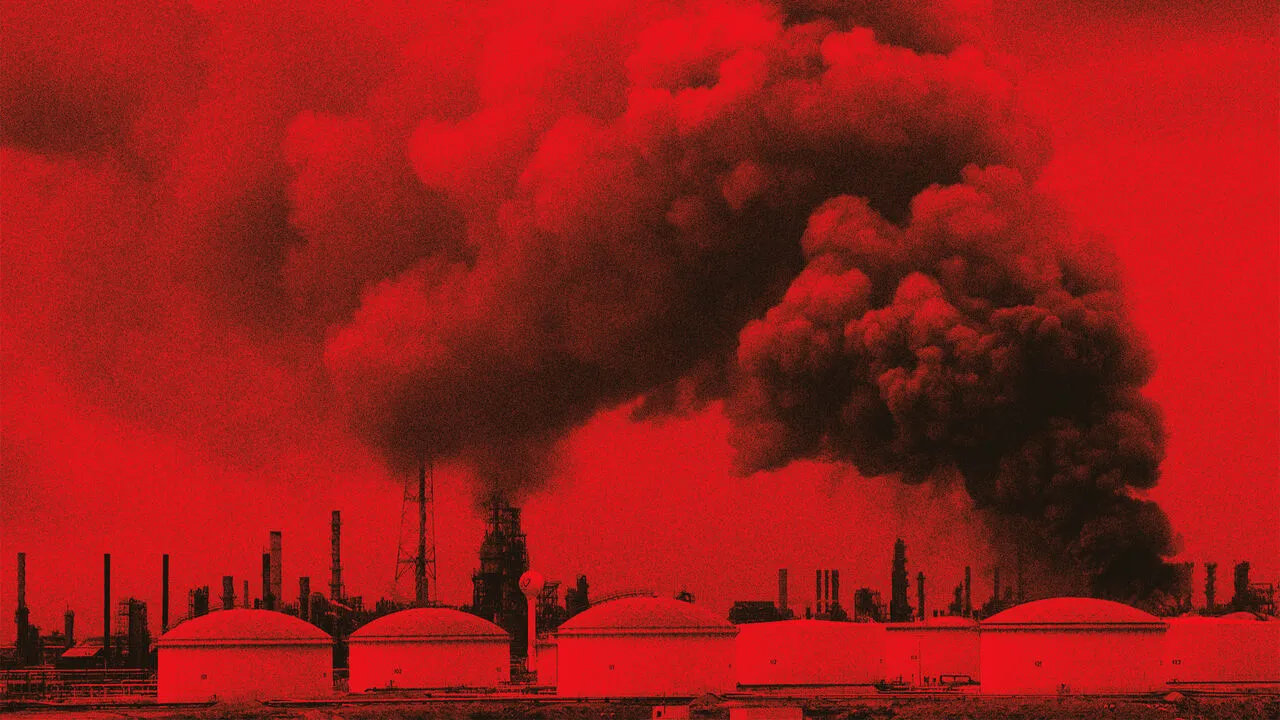
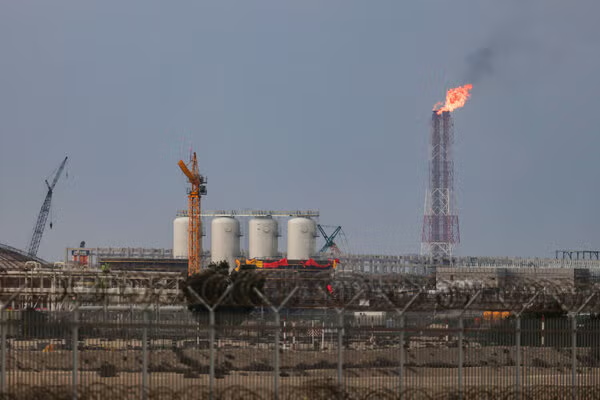
The end of hostilities in Iran does not necessarily mean that pressure on energy markets will disappear immediately. Restoring damaged refineries to operation, normalizing maritime transportation and replenishing depleted oil reserves may all take time.
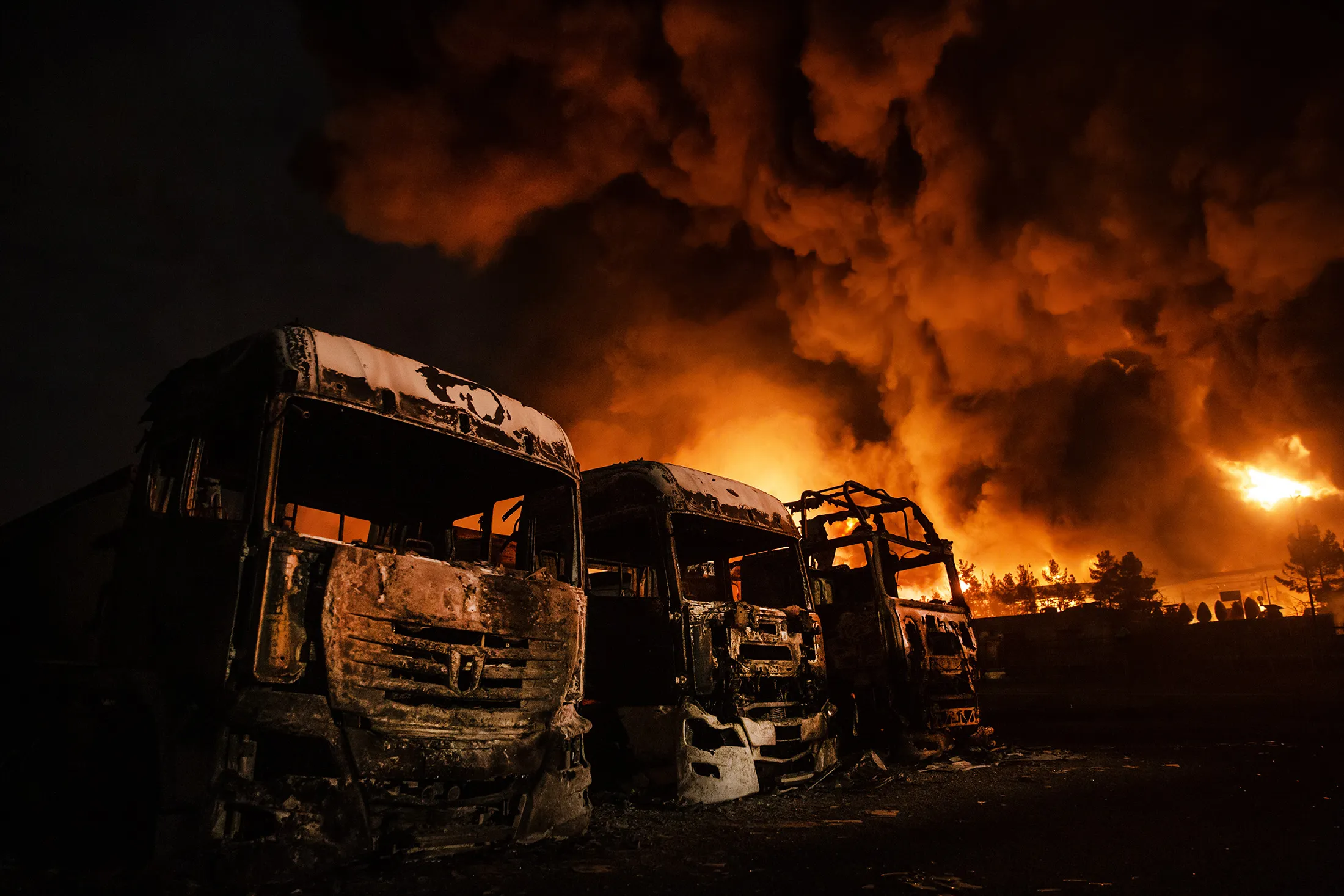
Consequently, even after the war ends, energy prices may take a considerable period to return to their previous levels. The inability to postpone heating needs during the winter months makes the financial burden on households particularly severe.
This is why expanding support programs that help low-income families in the United States pay their energy bills is becoming an increasingly important issue. However, restricting energy assistance exclusively to the lowest-income groups could also leave middle-income households in a difficult position: their earnings may be too high to qualify for assistance but still insufficient to cover their bills.
Rising energy prices are forcing families to reduce heating in their homes, cut food spending or give up other basic necessities. This demonstrates that the energy crisis could have long-term consequences for public health, quality of life and social welfare.
A new approach to energy security
One of the main lessons of the global energy crisis is that energy security cannot be achieved simply by increasing domestic oil and natural gas production. Even countries with substantial production capacity remain exposed to international conflicts and price fluctuations when their energy systems depend heavily on fossil fuels.
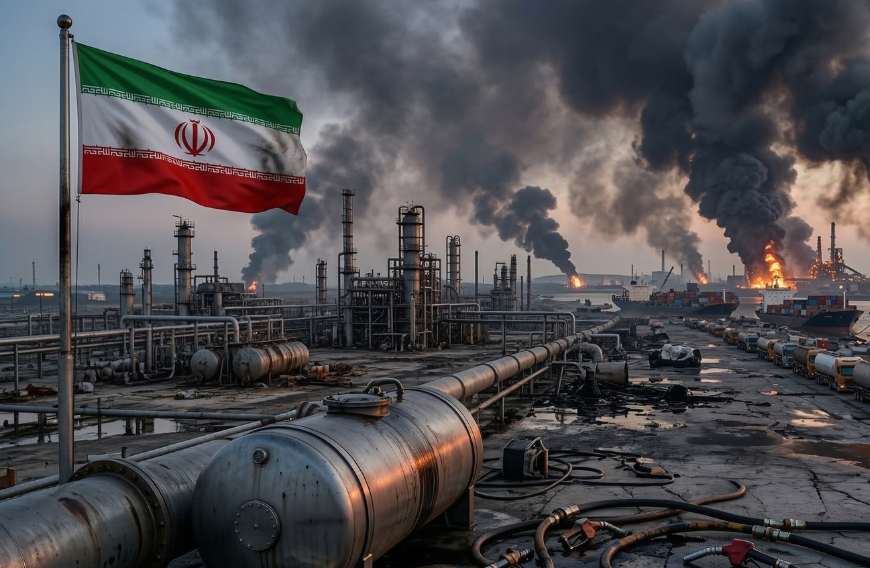
For this reason, diversifying energy sources, increasing investment in renewable energy and improving energy efficiency have become strategically important. One of the key advantages of solar and wind power is that their generation costs are not directly affected by fluctuations in international oil prices.
However, the energy transition alone will not eliminate short-term crises. Existing energy infrastructure must be strengthened, storage capacity expanded and consumers protected against price shocks.
For Türkiye, too, the war in Iran has brought the economic and strategic dimensions of energy security back into focus. Reducing dependence on energy imports, diversifying supply sources and strengthening domestic energy production are important not only for economic growth but also for foreign policy and national security.
Global security and economic resilience
The war in Iran has once again demonstrated that the consequences of modern conflicts are not confined to military front lines. Disruptions in energy markets can directly affect the daily lives of people living thousands of kilometers away.
Rising energy prices, higher production costs and declining household purchasing power are extending the economic consequences of war across a much wider area. This highlights the close relationship between energy security and economic resilience.
The war may eventually come to an end. However, repairing damaged energy infrastructure, rebuilding supply chains and restoring price stability may take considerably longer. Countries therefore need to develop policies that protect their populations during the current crisis while building more resilient energy systems capable of withstanding similar shocks in the future.
The true measure of energy security is not simply how much energy a country produces, but whether it can provide that energy continuously, reliably and affordably to all segments of society in the face of international crises.

