


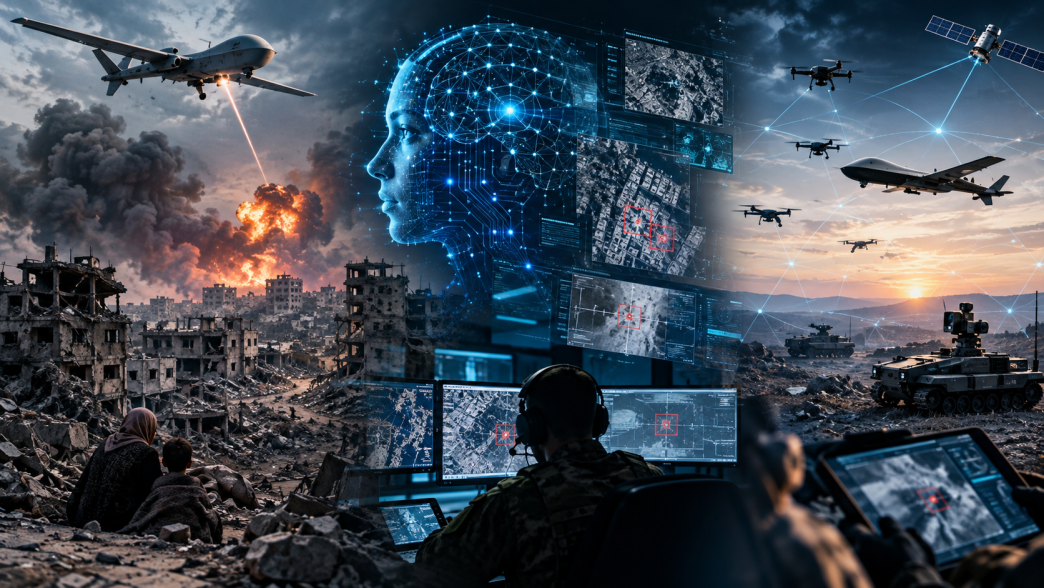
The entry of artificial intelligence into the battlefield has accelerated debates over whether future wars will be waged by machines completely independent of humans. Yet what is happening in Gaza raises another, more important question that must be answered today: If machines are not yet making the final decision, what decisions are the humans using these systems making?
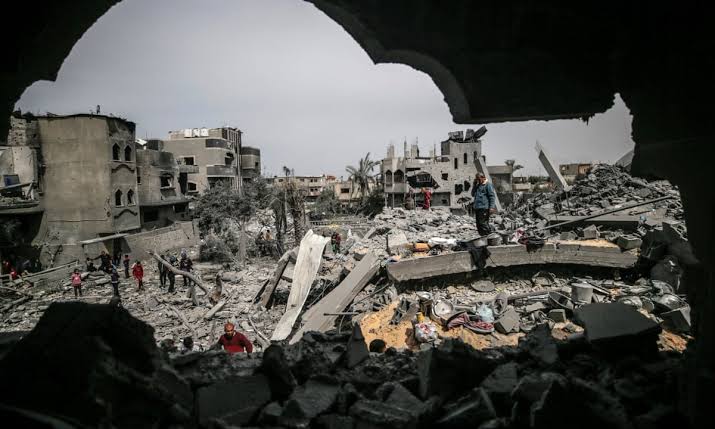
The war waged by Israel in Gaza has become one of the clearest examples of how artificial intelligence is being incorporated into military decision-making processes and how severe the consequences can be for civilians. The issue here is not merely algorithms identifying targets. The real issue is that different stages of warfare, from gathering intelligence to classifying targets, categorizing individuals and buildings according to risk, and determining the timing of attacks, are increasingly being shaped by data, automation and artificial intelligence.
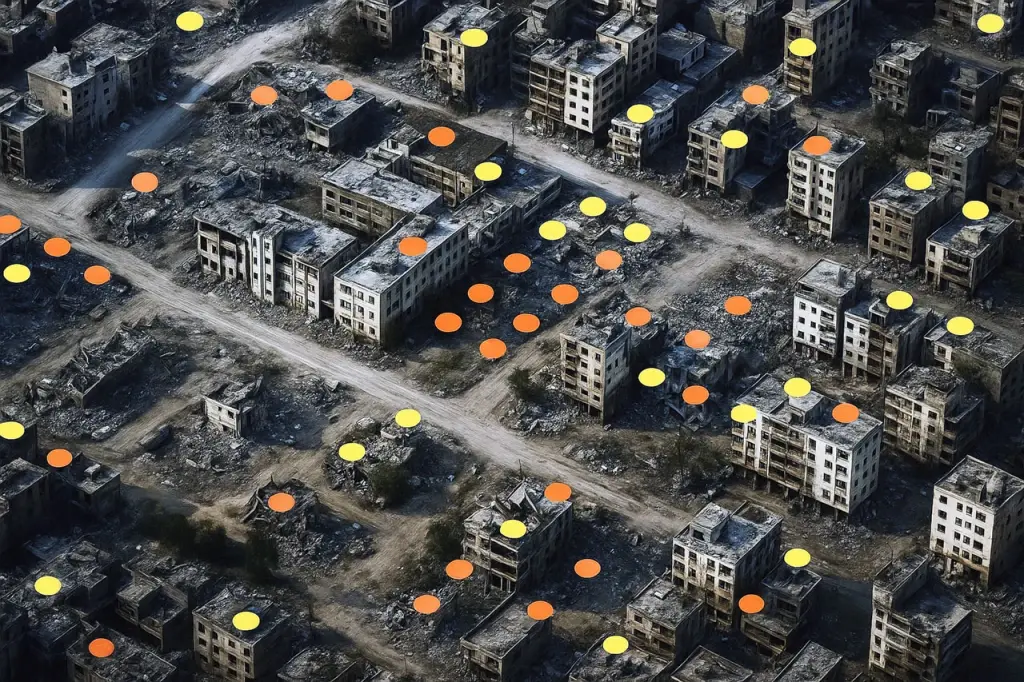
Human Rights Watch has documented various digital tools used by the Israeli military in Gaza that employ artificial intelligence or automation in targeting and military planning. These include systems such as “The Gospel,” which helps identify structures as potential targets; “Lavender,” which has reportedly classified individuals according to their likelihood of being connected to armed groups; and “Where’s Daddy?”, which is used to determine whether targeted individuals are at a particular location. The organization has warned that the use of these systems with inaccurate or incomplete data can create serious risks for civilians.
However, the critical point is more complicated than simply saying, “Artificial intelligence is killing people.” Humans are still making the decisions to kill. And that is precisely where the problem begins.
The human-machine boundary is becoming blurred in the Gaza war
The fundamental advantage of artificial intelligence in warfare is speed. Data that a human intelligence analyst might spend days or even weeks examining can be processed within seconds. Millions of phone records, images, location data, social media information, communications traffic and other intelligence sources can be brought together to create an enormous pool of potential targets.

But speed does not mean accuracy.
The greatest danger emerging from the Gaza example is that the output produced by an algorithm may be accepted as correct by humans without sufficient scrutiny. According to research cited by Human Rights Watch, the “Lavender” system reportedly classified tens of thousands of people as potential targets, while in some cases human operators were said to have evaluated the system’s recommendations in approximately 20 seconds. In such an environment, whether the human is genuinely the “decision-maker” must be seriously questioned.
Because if there is an algorithm-generated result on the screen and the human has only a few seconds to “approve” it, then even if human control appears to continue legally, in practice the decision-making process becomes dependent on the machine’s output.
This increases the risk known in military literature as “automation bias.” Humans may stop questioning an algorithm’s conclusion because they assume that the machine is capable of calculating more accurately than they are. Yet no matter how advanced artificial intelligence becomes, it remains limited by the quality of the data provided to it. A system operating on incorrect data does nothing more than make incorrect decisions more quickly.
Therefore, perhaps the greatest danger in future wars will not be the emergence of completely autonomous robots. It may be that humans continue to retain legal and moral responsibility while transferring the responsibility for making decisions to algorithms.
Artificial intelligence is becoming the new intelligence infrastructure of warfare
Developments in Gaza are not limited to the military systems used by Israel. Behind the war is also a vast technology and cloud-computing infrastructure.
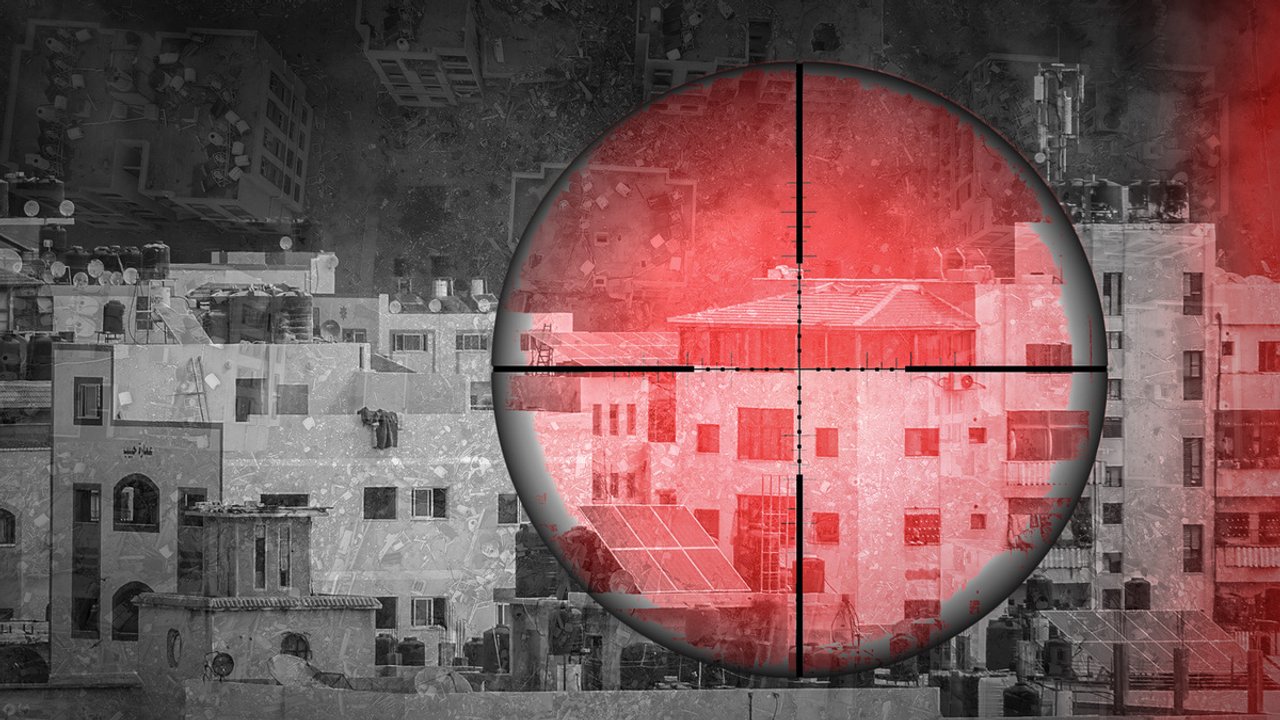
The cloud and artificial intelligence services provided by U.S.-based technology companies to Israel’s military and intelligence capabilities have come under serious scrutiny in recent years. The Washington Post revealed that Google responded to requests from Israel’s Defense Ministry to expand its artificial intelligence capabilities after October 7, 2023, and that Google employees accelerated processes to enable the Israeli military to gain greater access to AI services.
Research concerning Microsoft, meanwhile, showed that its Azure cloud infrastructure had begun to be used more extensively in the Israeli military’s intelligence and operational activities. Documents reviewed by the Guardian revealed Microsoft’s relationship with Israeli defense institutions and the cloud and technical support capacity provided, particularly during periods of intense bombardment.
New allegations published in 2026 took the debate even further. The Washington Post reported a whistleblower complaint alleging that Google’s Gemini technology was being used by an Israeli military contractor to analyze drone footage. The same report also recalled earlier findings concerning Israel’s acquisition of artificial intelligence and cloud services from American technology companies during the war.
This picture shows that modern warfare is no longer conducted solely with tanks, aircraft, missiles and ammunition. Data centers, cloud systems, algorithms, satellite imagery, mobile-phone signals and artificial intelligence models are also becoming part of the logistical infrastructure of war.
Therefore, when assessing a country’s military power, it will no longer be sufficient to look only at how many fighter aircraft or missiles it possesses. The real question will be how much data that country can process, how quickly it can process it during wartime, and how accurately it can turn that data into operational decisions.
Gaza is becoming a laboratory for AI-enabled warfare
One of the most dangerous dimensions of the war in Gaza for the world is emerging precisely here.
New technologies used in a conflict zone do not merely change the outcome of that particular war. They also create testing grounds for other states. The long-standing debate over Israel’s development of surveillance, intelligence and military technologies in the Palestinian territories and its subsequent export of these technologies to different countries has acquired much greater significance in the age of artificial intelligence.
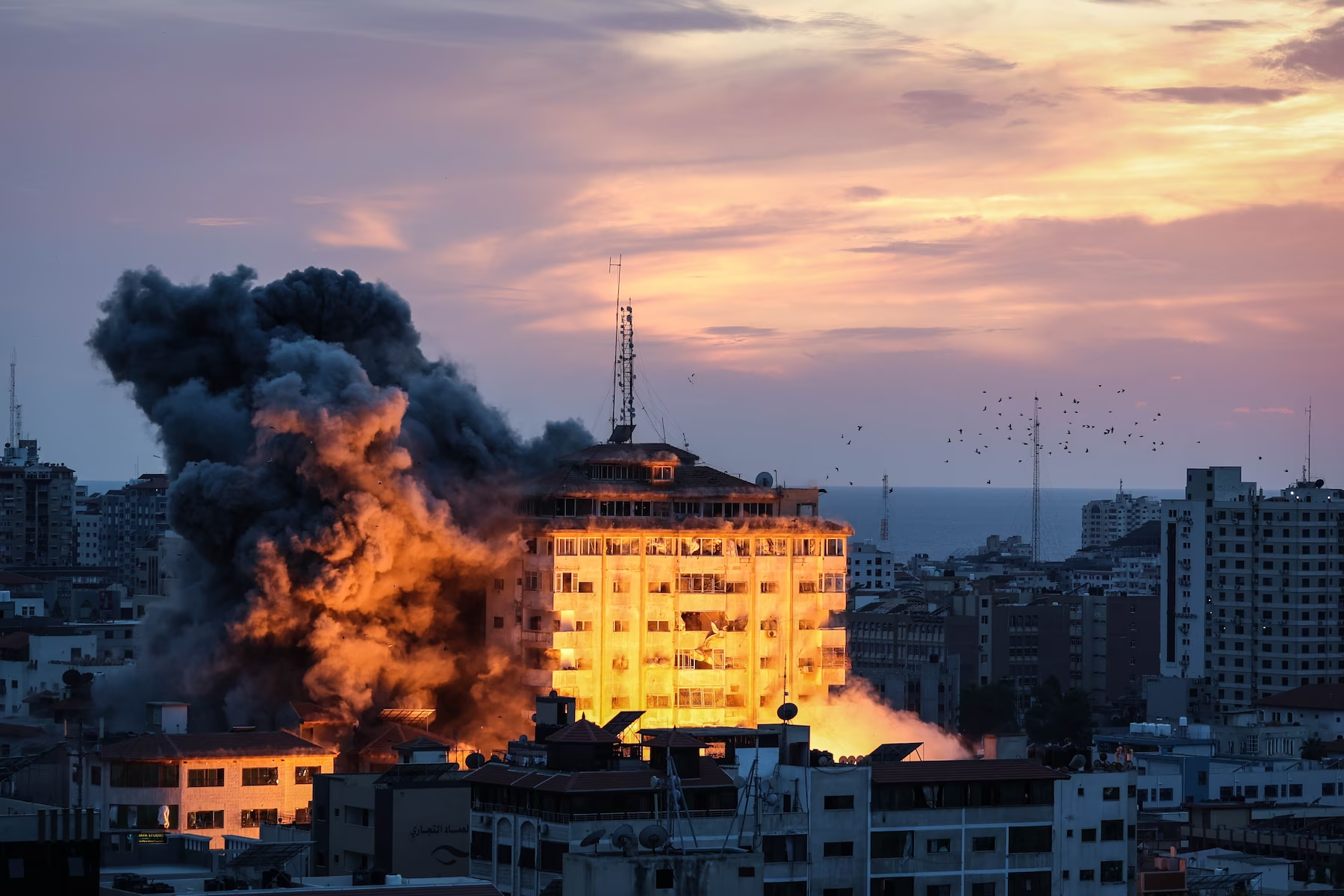
This is also why allegations concerning “The Gospel,” “Lavender” and similar systems are being closely examined around the world. Because the model emerging here can be replicated by other countries: First, vast amounts of data are collected; then algorithms classify potential threats; human operators rapidly approve the machine’s recommendations; and finally, the attack is carried out.
If this model becomes widespread, the cost of warfare and the time required for decision-making could decline. The number of targets that a military can evaluate simultaneously could increase dramatically.
At the same time, however, the possibility of killing the wrong targets could also grow with the scale of the system.
This is why Gaza should not be assessed merely as part of the Israeli-Palestinian conflict. Gaza should be treated as an extremely important example of how the high-tech wars of the future may take shape.
Responsibility cannot hide behind the algorithm
A highly important problem also emerges here from the perspective of international law.
Identifying a target in war, assessing the presence of civilians, making proportionality calculations and deciding to launch an attack are directly connected to the fundamental principles of international humanitarian law. The fact that an algorithm classifies a target as “high risk” does not eliminate the legal responsibility for that decision.
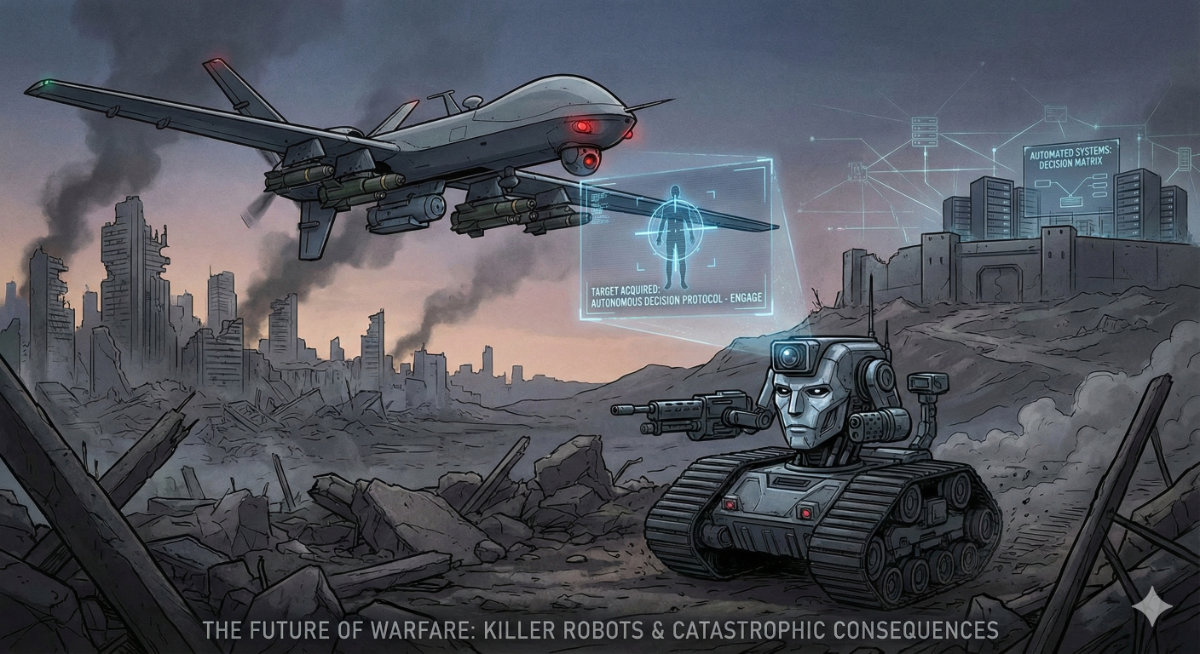
On the contrary, the more technology becomes involved in the decision-making process, the more critical the question of who bears responsibility becomes.
If a system incorrectly identifies someone as a target, who is responsible? The company that developed the algorithm? The institution that provided the data to the system? The intelligence unit that used it? The commander who ordered the attack? Or the political decision-making mechanism?
If these questions are not answered clearly enough today, a much greater legal vacuum could emerge in the wars of tomorrow.
Because, for the first time in the history of warfare, a human making a decision to kill may see not the story of another human being, but a dataset. Instead of a person’s name, age, family and life, there may simply be a “risk score” on the screen.
Turning a human being into a number through a machine may become one of the most dangerous transformations of warfare.
The issue is not merely artificial intelligence getting out of control
Discussions about artificial intelligence often focus on scenarios in which machines get out of control in the future. Autonomous weapons selecting their own targets, unmanned systems independently conducting attacks and artificial intelligence exceeding human control are undoubtedly serious risks.
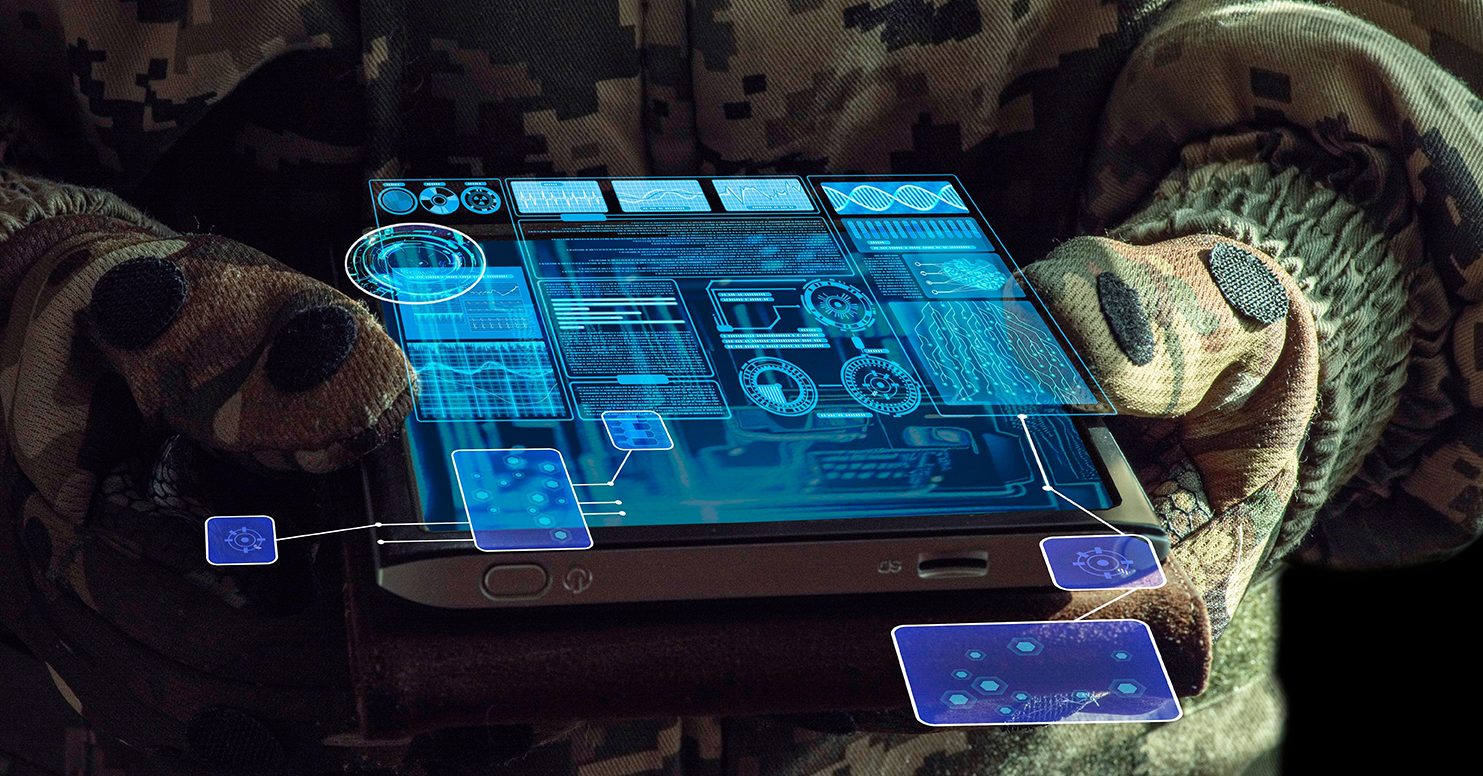
But Gaza shows us a reality that is closer and perhaps more disturbing:
We do not need to wait for machines to become completely autonomous. Humans are already placing the results produced by artificial intelligence at the center of wartime decisions.
Moreover, these systems are not independent of ideology.
Artificial intelligence is not inherently a neutral technology. Humans decide what data will be collected, which behavior will be considered a threat, which criteria will be treated as indicators of risk, and for what purpose an algorithm will be used.
For this reason, when discussing the use of artificial intelligence in warfare, it is not enough to ask only, “Is there human control?” The questions “Which human is in control, which ideology guides that control, and toward what objective is the decision being made?” must also be asked.
Technology companies are now indirect actors in warfare
At this point, it is becoming clear that the boundaries between the defense industry and the technology sector are gradually disappearing.
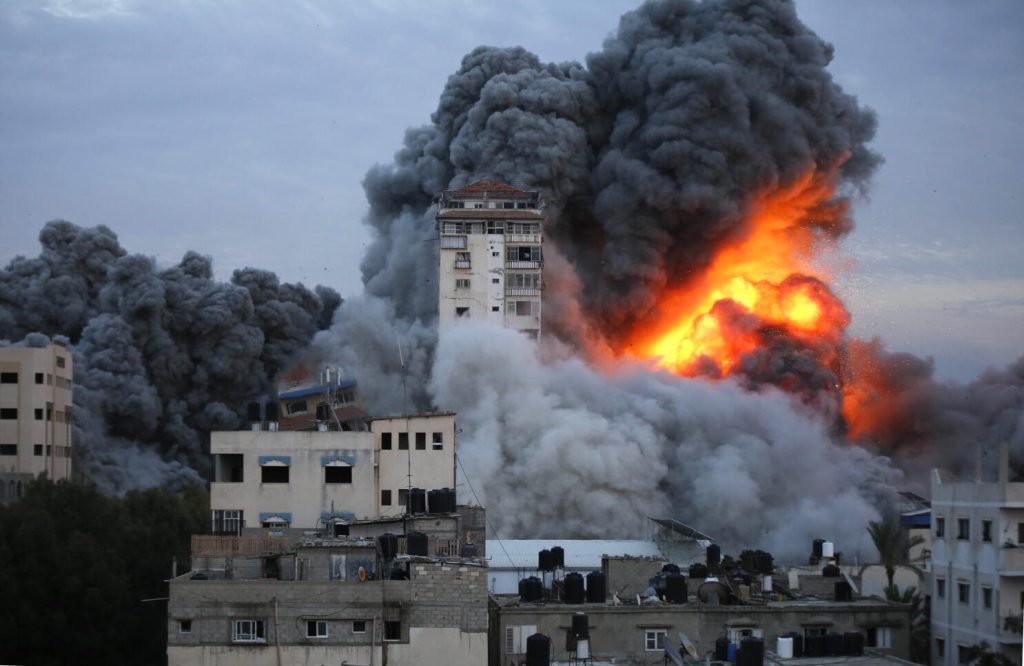
The rise of companies such as Palantir in the fields of defense and intelligence, the deepening relationship between Silicon Valley and the Pentagon, and the computing capacity provided by major cloud providers to military institutions demonstrate that warfare is no longer being shaped solely by traditional defense companies.
The reason this debate has grown even further in 2026 is that artificial intelligence is increasingly being used not only for target identification, but also for intelligence analysis, logistics, image processing, electronic warfare, unmanned systems, cyber operations and command-and-control processes.
This is creating a new definition of power in the defense industry.
In the past, the strength of warfare was measured largely by the number of platforms available. Today, however, the software, data, sensors, satellites, processing capacity and artificial intelligence algorithms behind those platforms have become at least as important as the platforms themselves.
Therefore, in the defense industry of the future, the question “Who produces the best weapon?” must be accompanied by another question: “Who collects the best data and processes it the fastest?”
The real test in the new era of warfare is remaining human
Today, from Gaza to Iran and from Lebanon to Ukraine, warfare technologies are becoming increasingly digitalized. Israel’s AI-enabled targeting practices in Gaza, unmanned systems and AI-supported target identification in the Russia-Ukraine war, and the use of advanced sensor and data systems in U.S. operations in the Middle East all demonstrate that the battlefield has entered a new era. Human Rights Watch also noted in 2026 that the military use of artificial intelligence is advancing faster than mechanisms for testing, verification and legal oversight.

Yet amid all this technological transformation, one fundamental reality must not be forgotten:
Wars are still started by humans.
Algorithms can classify targets. Artificial intelligence can process millions of pieces of data within seconds. Drones can transmit images from thousands of kilometers away. Cloud systems can process an army’s entire intelligence inventory simultaneously.
But it is still humans who determine the political objective of a war, decide what level of risk is acceptable, and ultimately issue the order to attack.
For this reason, it would be a major shortcoming to place only the question “What happens if machines get out of control?” at the center of discussions about the wars of the future.
The real question today is this:
When human beings are given the most powerful warfare technologies in history, for what political purposes and within what moral boundaries will they use them?
This is the most painful lesson Gaza has to offer. Technology can make warfare more precise, faster and smarter. But technology does not eliminate human responsibility for the decision to kill.
On the contrary, the greater the capacity to kill, the greater the responsibility of the human being.
The future of artificial intelligence on the battlefield will be determined not only by how advanced algorithms become, but also by how effectively states, militaries and technology companies protect human life in the face of those algorithms. If these boundaries are not established today, the model we have seen in Gaza could cease to be an exception and become the standard in the wars of the future.
And when that happens, the greatest danger facing humanity will not be that machines wage war against humans; it will be that humans use machines to make the responsibility for war invisible.