

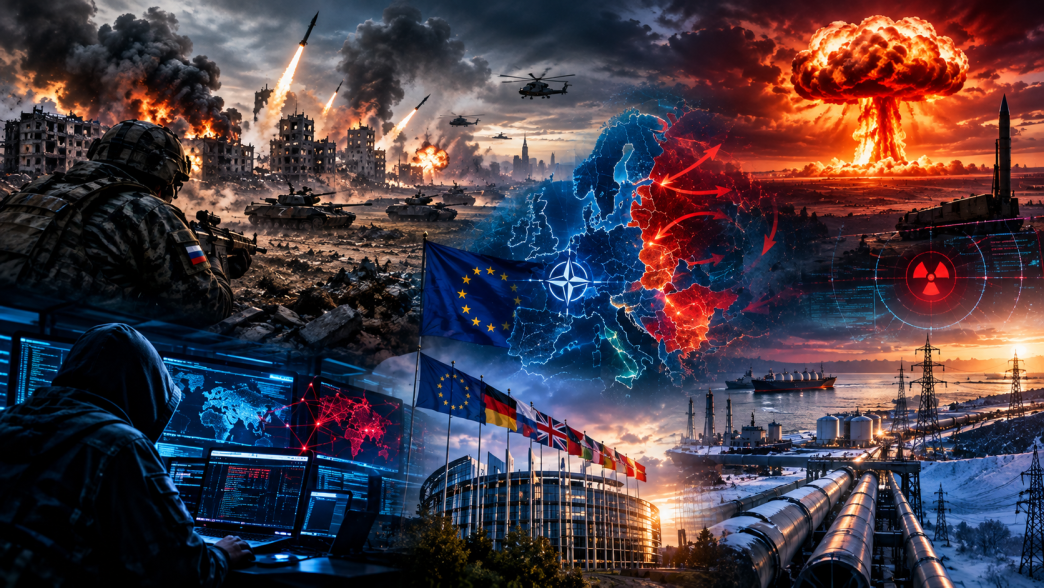
The ongoing war between Russia and Ukraine has entered a new phase in the second half of 2026. Ukraine’s increasing long-range attacks on energy facilities, defense industry factories, fuel depots, and logistics centers deep inside Russian territory are extending the effects of the war far beyond the front lines. For Moscow, the issue is no longer simply about achieving military superiority on Ukrainian territory, but also about protecting the country’s economic functioning, social stability, and the infrastructure that makes it possible to sustain the war.
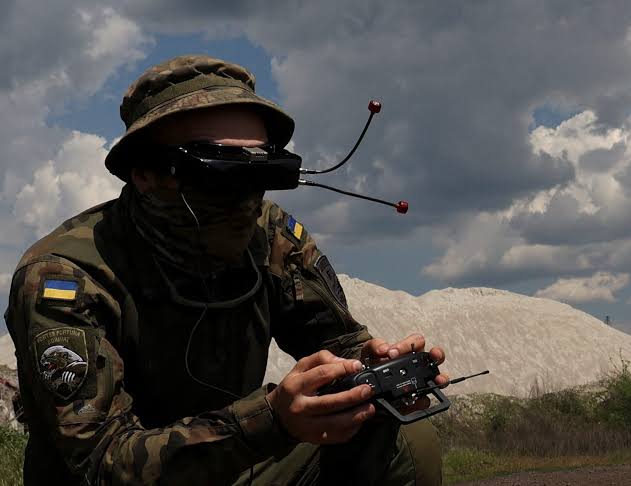
These developments show that Ukraine, which has largely faced Russian attacks since the beginning of the war, has developed the capacity to strike back at Moscow’s strategic depth. Attacks on Russia’s energy and logistics infrastructure are also undermining the Kremlin’s efforts to keep the war distant from the everyday lives of Russian society. How Moscow responds to this pressure in the coming period will directly affect not only the course of the war but also the future of European security.
Ukraine’s deep strikes are putting pressure on Russia’s domestic stability
Since June 2026, there has been a significant increase in Ukrainian drone and missile attacks deep inside Russian territory. These operations, targeting strategic facilities such as refineries, tankers, weapons production facilities, ammunition depots, and transportation networks, are directly affecting Russia’s warfighting capacity while increasing its economic costs. Disruptions to energy supplies, fuel shortages, companies’ difficulties in maintaining their operations, and declining government revenues are making the domestic consequences of the conflict increasingly visible.
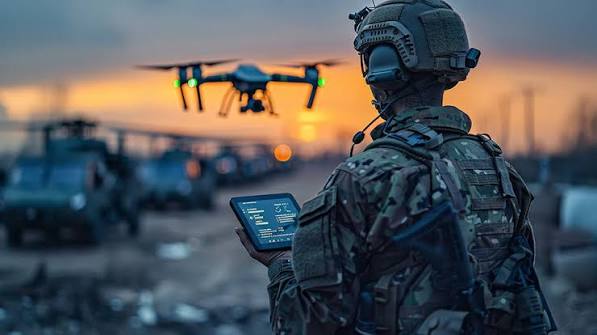
At the heart of Kyiv’s strategy is not merely the aim of wearing down Russia’s military strength on the battlefield, but also of turning the economic burden of the war into an increasingly heavy cost for Moscow. By disrupting Russia’s energy exports and military logistics, Ukraine aims to force the Kremlin either to reconsider the cost of continuing the war or to accept a ceasefire.
The political dimension of this strategy is just as important as its economic consequences. Although the legitimacy of Vladimir Putin’s rule rests on various factors, it is closely linked to the perception that the state can maintain stability and allow society to continue its daily life. Russia’s military operations in Ukraine have long been perceived by large segments of the population as a distant war. Problems with energy supplies and economic disruptions within the country are narrowing that distance.
If Ukraine continues its long-range attacks, the resulting effects may not remain confined to the energy sector. Agricultural production and distribution networks, the banking system, aviation, and industrial output could also be affected by interconnected economic problems. Nevertheless, the extent to which these consequences will alter Russia’s war policy will depend on the continuity of the attacks and Moscow’s ability to manage the economic pressures it already faces.
Why is the Kremlin finding it difficult to back down?
Moscow’s rejection of Ukraine’s proposals for a ceasefire and a mutual halt to long-range strikes reveals the political constraints shaping Russia’s approach to the war. For the Kremlin, accepting a compromise may mean more than making concessions on military objectives. It could also call into question Putin’s image as a strong leader and the official narrative that the war is necessary for Russia’s security.
Calls for a tougher response from Russian state media, military bloggers, and ultranationalist circles are among the factors narrowing the government’s room for maneuver. These groups may view Ukraine’s ability to carry out effective attacks on Russian territory as a weakness in the Kremlin’s deterrence and military capabilities.
For this reason, Moscow appears more likely to intensify military pressure in the short term than to demonstrate diplomatic flexibility. The Kremlin may seek to increase pressure on Kyiv by targeting Ukraine’s civilian infrastructure, make Ukraine pay for attacks inside Russia, and weaken Western support.
This approach is consistent with a Russian strategy of raising tensions during a crisis to force the opposing side to back down. However, such a strategy also carries the risk of strengthening the opponent’s resolve rather than breaking it, while potentially expanding the scope of the conflict.
Rising missile and drone production could make Ukraine’s defenses more difficult
In Russia’s attacks on Ukraine, the number of weapons available for use will be as decisive as the diversity of targets. According to information released by Ukrainian intelligence in August 2026, Russia is reportedly capable of producing more than 200 cruise and ballistic missiles per month. If this production level can be sustained, Moscow could gain the capacity to intensify pressure on Ukraine’s major cities, particularly Kyiv.
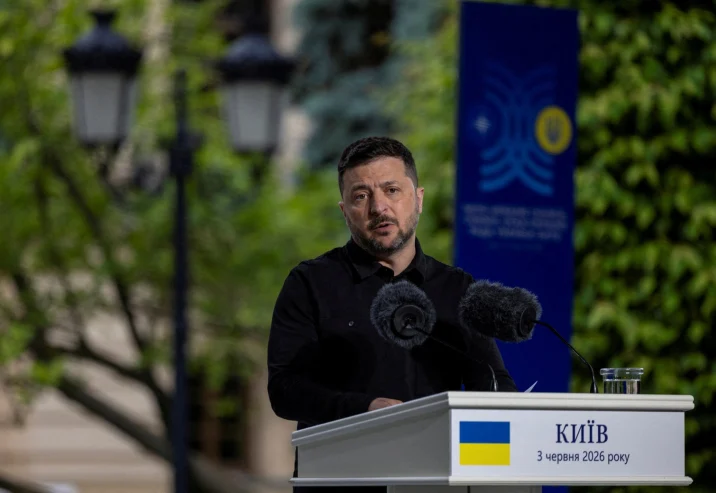
Russia’s ability to produce large quantities of relatively inexpensive, long-range weapons creates two major challenges for Ukraine. First, the growing intensity of attacks requires air defense systems to use more interceptor missiles. Second, the spread of attacks across different cities and strategic facilities makes it necessary to take more complex decisions about where available defensive resources should be deployed.
Ukraine must protect not only its capital but also its air bases, command centers, ammunition depots, energy facilities, and logistics routes. If Russia develops the capacity to strike numerous targets simultaneously, the cost of defense will rise, while protecting critical facilities will become more difficult.
The issue is not simply about acquiring more air defense systems. Developing Ukraine’s radar and early-warning networks, strengthening its electronic warfare capabilities, and expanding the deployment of lower-cost interception systems are also important. The intensive use of expensive interceptor missiles against much cheaper drones may not produce a sustainable defensive balance over the long term.
Russia also has other options for expanding its offensive capabilities, including drawing Belarus more directly into the war, obtaining additional military personnel from North Korea, increasing the number of foreign fighters, or announcing another large-scale mobilization. However, each of these steps would entail different military, economic, and political costs for Moscow.
The key question, particularly as the conflict moves toward 2027, will be how extensively Russia can deploy additional manpower and weapons capacity. If Ukraine’s attacks on Russia’s military production and logistics infrastructure disrupt these preparations, Moscow’s plans to expand the war could become more costly than anticipated.
Why is nuclear rhetoric back on the agenda?
Nuclear weapons and other weapons of mass destruction must be considered separately when assessing Russia’s options for escalating the war. Throughout the conflict, Moscow has used its nuclear capabilities as an instrument of deterrence against the West. Meanwhile, attacks that endanger the safety of nuclear facilities, the destruction of the Kakhovka Dam, and allegations of chemical weapons use in Ukraine have further intensified international security debates.
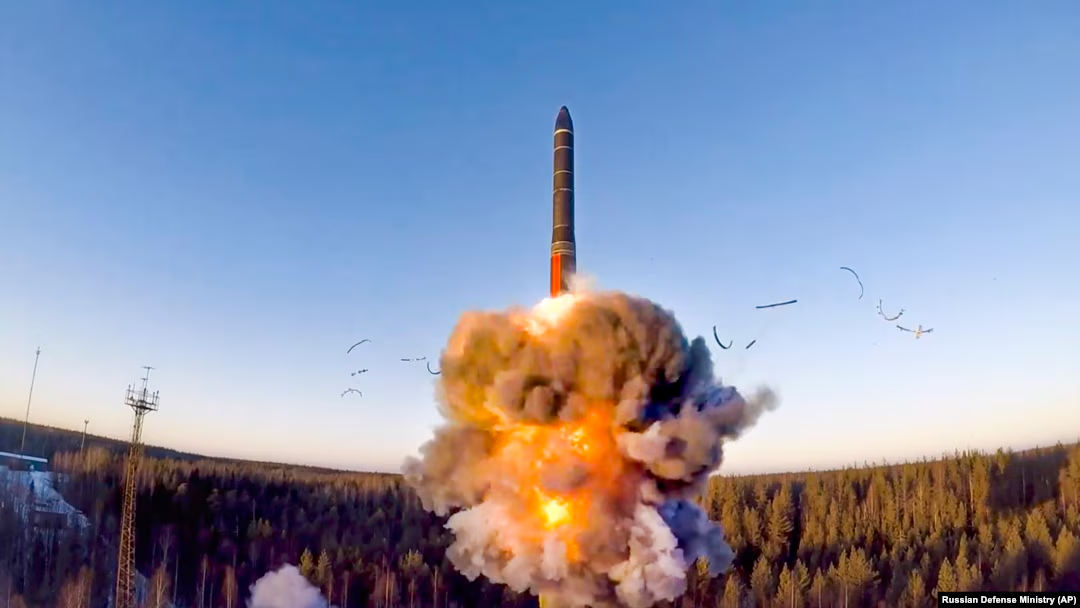
Although each of these developments has different legal and technical characteristics, they point to a common problem: the way the war is being conducted can affect not only military targets on the battlefield but also civilian populations and the environment on a much wider scale. The limited international response to such actions has also raised questions about the effectiveness of deterrence.
Nevertheless, there is an important distinction between Russia actually using nuclear weapons and continuing to employ nuclear threats. In the near term, the Kremlin is more likely to place greater emphasis on nuclear deterrence, revisit its military doctrine, or conduct exercises involving systems capable of carrying nuclear warheads than to use nuclear weapons directly.
Russia could also consider conducting a nuclear test as a way of sending a political and military message to the West. Such a move could be interpreted as an attempt to reinforce the perception that nuclear weapons might once again be used and to influence risk calculations in Western capitals.
By contrast, launching another attack on a nuclear facility in Ukraine, carrying out a demonstrative nuclear detonation in an uninhabited area, or using a tactical nuclear weapon would represent a far more dangerous escalation. The last option, in particular, could produce consequences that extend beyond the boundaries of the war and directly shake the international security system.
For Moscow, the greatest risk of using nuclear weapons is that the balance between military gains and political and strategic costs could be completely overturned. Breaking the norm against nuclear use, which has endured for nearly eight decades, could change the positions not only of Western countries but also of states that maintain relations with Russia. A strong reaction from countries such as China and India could narrow Moscow’s diplomatic room for maneuver and increase Russia’s international isolation.
Another risk is that Ukraine has demonstrated throughout the war that it can reach targets deep inside Russia. If the international response to nuclear use proved insufficient, more dangerous retaliation scenarios could enter the debate. Even measures capable of causing radiological contamination could trigger a new security crisis. However, it must be remembered that such options would have serious humanitarian, environmental, and legal consequences and could push the conflict into a phase that would be extremely difficult to control.
Therefore, although the possibility of nuclear escalation cannot be entirely ruled out, the costs of such a move for Moscow would be extremely high. Under current circumstances, Russia is more likely to emphasize its nuclear capabilities for threatening and deterrent purposes rather than use them directly.
Why is a Russian attack on NATO territory unlikely?
One of the most prominent recent debates in Europe concerns whether Russia might extend the war in Ukraine to the territory of NATO or European Union member states. A potential military confrontation in the Baltic region or around the Black Sea would directly affect Europe’s security architecture.
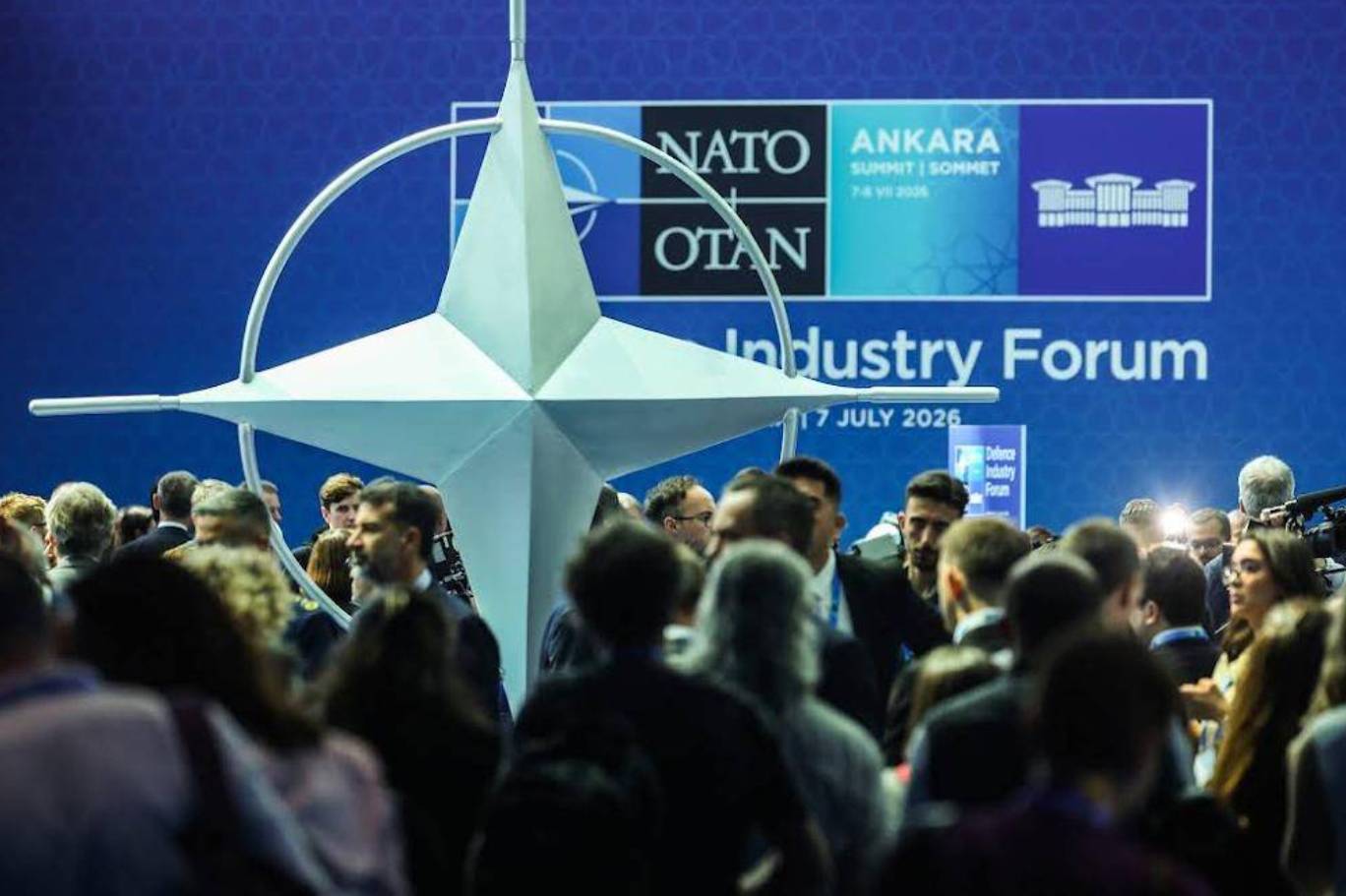
In such a scenario, Moscow might aim to force NATO and EU countries to reconsider the costs of their support for Ukraine. However, an overt military attack against a member of either alliance could produce the opposite of the intended result: it could increase Western support for Kyiv and strengthen coordination among European countries on defense.
Article 4 of the NATO Treaty allows consultations when the territorial integrity, political independence, or security of an ally is threatened. Article 42(7) of the Treaty on European Union establishes an obligation for other member states to provide aid and assistance if a member is subjected to armed aggression on its territory. Activation of these mechanisms could turn a war that Russia has sought to keep confined to Ukraine into a much broader confrontation.
Such a development would require Russia to continue its war in Ukraine while simultaneously managing the risk of direct military conflict with NATO countries. Given the existing pressures on Russia’s economic resources, military personnel, and defense industry, such an expansion could have severe consequences for Moscow.
For this reason, the possibility of Russia launching an overt and large-scale conventional attack against NATO or EU territory in the short term can be considered low. Nevertheless, the use of more ambiguous and indirect methods designed to put pressure on European countries without engaging in direct warfare represents a much more realistic risk.
Europe’s new security challenge: Hybrid warfare
One of the most likely forms of Russian pressure against Europe involves hybrid activities that remain below the threshold of direct military attack. Cyberattacks, sabotage attempts, attacks on defense industry facilities, interference with logistics infrastructure such as railways and ports, GPS jamming, airspace violations, and suspicious drone flights all fall within this category.
The defining feature of such activities is that they make it difficult to establish the source and purpose of an attack with certainty. Identifying the actor behind a cyberattack, determining whether a malfunction in critical infrastructure was caused by sabotage, or establishing the purpose of a drone flight can take time. This ambiguity makes it harder for targeted countries to respond quickly and collectively.
Disinformation campaigns conducted during election periods also constitute the political dimension of this strategy. Deepening divisions within societies, encouraging doubts about military assistance to Ukraine, and undermining public confidence in governments are among the outcomes Russia may seek to achieve without directly employing military force.
The problem facing Europe is that although each of these threats may appear limited in isolation, their combined effects can be serious. If sabotage at a port, disruption to a railway network, a cyberattack on a logistics hub, and GPS jamming occur during the same period, the delivery of military supplies to Ukraine could be disrupted. Hybrid activities can therefore acquire the capacity to influence developments on the battlefield indirectly.
One of the main shortcomings of NATO and EU countries in this area is their inability to achieve full coordination on the circumstances under which they should respond to common threats and how quickly they should do so. As uncertainty about the source of an attack increases, decision-making can be delayed, potentially working to the advantage of the actor responsible.
It is therefore important for European countries to develop common standards for protecting critical infrastructure, strengthen early-warning systems, and establish predefined response procedures for sabotage attempts. The ports, airports, railways, and storage facilities of countries providing military assistance to Ukraine are critical not only to national security but also to Europe’s collective defense capabilities.
How can Russia’s escalation strategy be neutralized?
In the coming period, Russia’s most likely methods of escalation appear to involve intensifying attacks on Ukraine’s civilian and critical infrastructure and expanding hybrid activities against Europe, rather than taking extremely risky steps such as using nuclear weapons or launching a direct attack on NATO territory. These methods could allow Moscow to increase pressure while avoiding the costs of a direct and large-scale war.
To reduce the effectiveness of this strategy, the European Union must first focus on the supply chains of foreign-made electronic components used in Russia’s defense production. Identifying the origins of components used in Russian missile and drone manufacturing, uncovering intermediary companies and suppliers, and implementing sanctions more quickly and effectively are critically important.
However, focusing sanctions solely on closing existing supply channels may not be sufficient. International coordination must be strengthened to make it more difficult for Russia to establish alternative supply networks, while gaps in the implementation of sanctions must be addressed.
Strengthening Ukraine’s air defenses is equally important. Western countries and other partners cooperating with Ukraine could increase the joint production of low-cost interception systems and electronic warfare solutions. This approach could strengthen Ukraine’s defensive capabilities while ensuring more efficient use of expensive ammunition stocks.
European countries also need to develop common protection protocols for the logistics infrastructure supporting Ukraine. Early detection of threats, rapid responses to suspicious activities, rerouting transportation when necessary, and quickly restoring damaged facilities to operation could reduce the disruptions caused by hybrid attacks.
Finally, NATO and the European Union must strengthen their capacity to act jointly in response to cyberattacks and sabotage attempts. Uncertainty over the source of attacks must not be allowed to paralyze decision-making processes. Predefined consultation, response, and coordination mechanisms should be established for different scenarios.
Conclusion: The future of the war will not be determined by the front line alone
The future course of the Russia-Ukraine war will not depend solely on the gains made by either side on the battlefield. Ukraine’s attacks on energy and defense industry targets deep inside Russia could place greater pressure on Moscow’s war economy and domestic stability. In response, Russia could intensify its attacks on Ukrainian cities and critical infrastructure, expand its military resources, and increase hybrid activities across Europe.
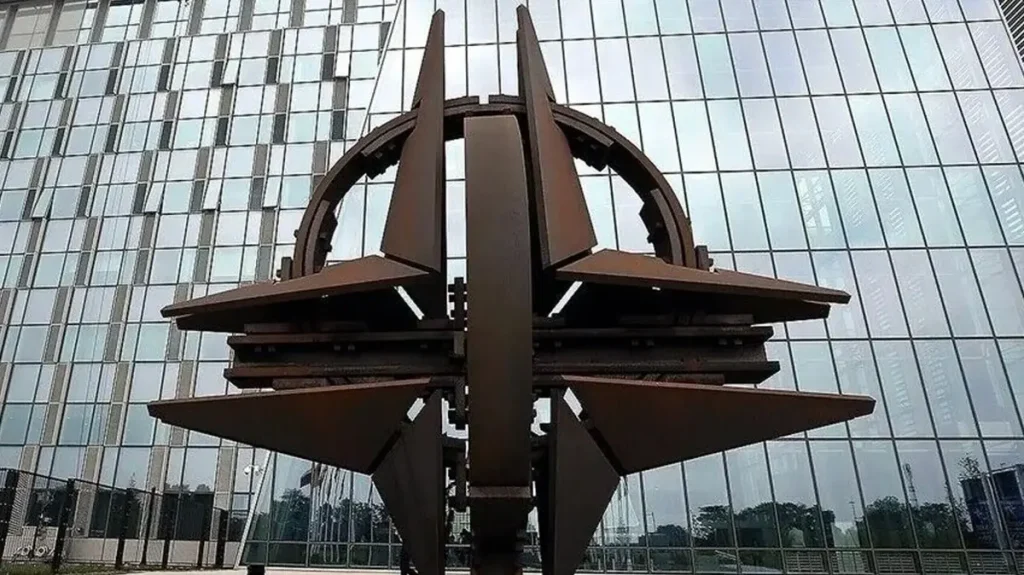
Nevertheless, options such as using nuclear weapons or launching a direct attack on NATO territory carry extremely high costs for Russia. Rather than resolving the problems Moscow faces, such actions could provoke a stronger Western response and weaken Russia’s international position.
The fundamental challenge facing Europe is therefore not merely to prepare for a potential large-scale war, but also to establish effective deterrence against attacks conducted below the threshold of open warfare. Strengthening the defense industry, protecting critical infrastructure, developing low-cost defensive technologies, and improving coordination among allies will be essential elements of this process.
For Türkiye, preserving stability in the Black Sea, maintaining solidarity within NATO, and developing concrete areas of cooperation in response to Europe’s changing defense needs will also remain important.
Ultimately, Russia’s most likely move in the coming period will not be to expand the boundaries of the war all at once, but rather to intensify military pressure on Ukraine and exploit Europe’s security vulnerabilities. The success of this strategy will depend on how quickly Europe can detect these threats, how effectively it can adapt its defensive capabilities, and how sustainably it can maintain its support for Ukraine.
Source: Times of Defence