


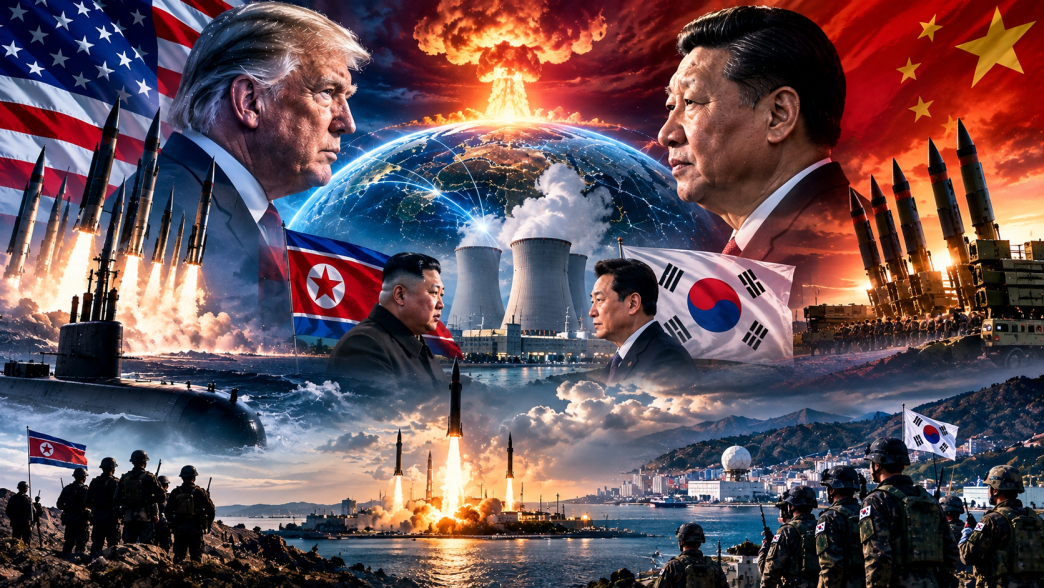
Global competition in the field of nuclear energy has now moved beyond being an issue that can be understood solely through energy production, climate policies, or electricity supply security. Especially as strategic competition between the United States and China deepens, nuclear energy is becoming a strategic domain where industrial capacity, technological superiority, critical supply chains, human resources, and geopolitical influence intersect simultaneously.
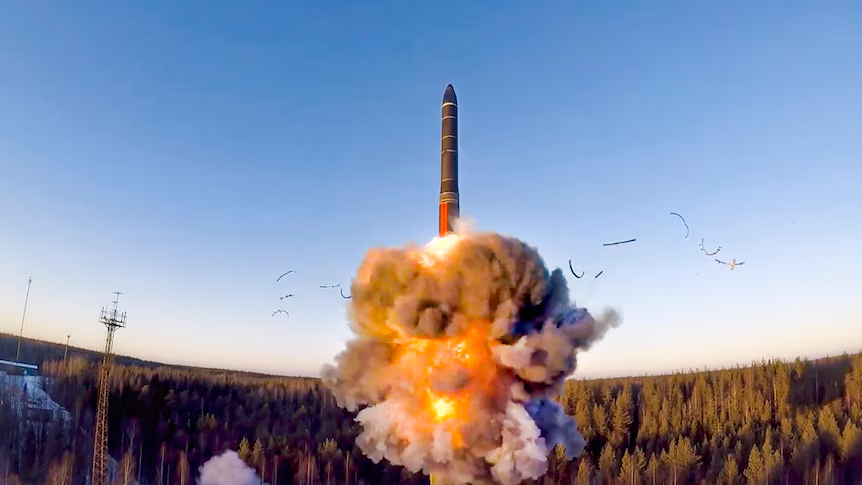
One of the most striking fronts of this competition is the Korean Peninsula. The geopolitical division that has continued for decades along the 38th parallel is today taking on a new dimension in which civilian nuclear technology and military nuclear capabilities confront each other within the same strategic equation.
For the United States, it will not be enough to simply develop more advanced reactors or win individual nuclear power plant projects in the nuclear energy competition with China. What Washington needs is to build a sustainable nuclear industrial ecosystem in which every new power plant project strengthens American industrial capacity, engineering expertise, supply chains, and human resources.
At this point, South Korea constitutes an extremely important example for the United States.
South Korea’s success in the field of nuclear energy demonstrates that it is possible to transform externally acquired technology into national industrial capacity over time. Seoul is today not merely a country operating nuclear power plants; it has become a nuclear power capable of designing reactors, producing equipment, providing engineering services, and exporting its own technology to other countries.
Moreover, this transformation has acquired a broader strategic meaning as nuclear cooperation between the United States and South Korea has entered a new phase. In 2026, Washington and Seoul accelerated negotiations on a broader field of cooperation including civilian nuclear energy, nuclear fuel, small modular reactors, and South Korea’s nuclear-powered submarine program. The official talks that began in June revealed that the two countries do not view nuclear cooperation as being limited solely to electricity generation.
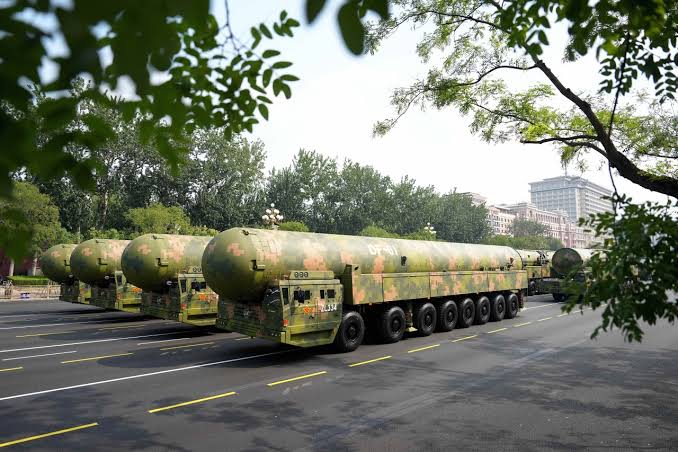
The inclusion of eight nuclear power plant projects in the broader U.S.-South Korea investment plan announced at the end of September also demonstrates that nuclear energy has now become an important pillar not only of the economic relationship between the two countries but also of their strategic competition.
However, on the other side of these developments lies North Korea’s steadily expanding nuclear weapons capability. Pyongyang’s expansion of its nuclear infrastructure, the emergence of new uranium enrichment facilities at Yongbyon, and its clear continuation of its goal of increasing its nuclear weapons capability demonstrate why South Korea’s civilian nuclear capacity has increasingly begun to be viewed as part of its security strategy as well.
Therefore, the competition taking place on the Korean Peninsula today is not simply a matter of “who will build more nuclear power plants?” The real issue is how nuclear technology will shape the economic and military balances of power of the future.
China’s advantage is not only the number of reactors
The main reason behind the United States’ interest in the South Korean experience lies in China’s rapid rise in the field of nuclear energy.
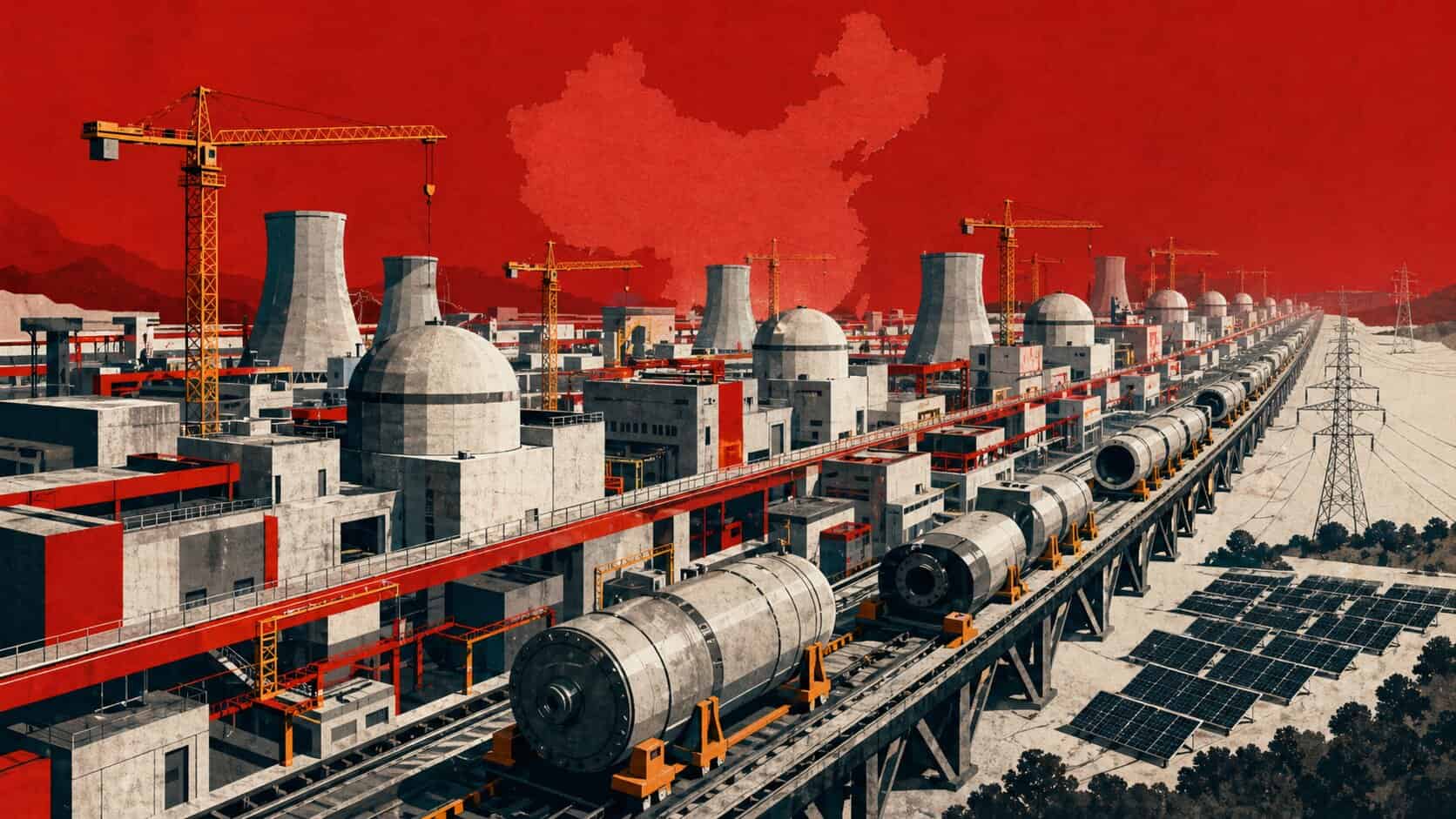
China’s advantage is not simply that it is building more nuclear power plants. Every new project improves China’s engineering capacity, supply chains, manufacturing capabilities, the experience of its regulatory institutions, and its pool of qualified human resources.
As a result, a “compound return” mechanism is emerging in the nuclear energy race.
The more reactors a country builds, the more experience it gains for building the next reactor. Supply chains expand, costs decline, the skilled workforce grows, and companies gain easier access to international markets.
China’s acceleration in the nuclear energy sector therefore does not pose a threat to the United States merely in terms of energy production. Through nuclear technology, China is gaining the capacity to set standards for the future energy infrastructure, provide financing, and establish long-term dependency relationships with developing countries.
This makes it necessary to evaluate nuclear energy together with the Belt and Road Initiative, critical minerals, electricity grids, artificial intelligence data centers, and high-tech industries.
Especially at a time when the artificial intelligence economy requires enormous amounts of continuous and reliable electricity, nuclear energy is becoming not merely a means of reducing carbon emissions, but a strategic resource powering the infrastructure of the digital economy.
This broader equation lies behind the United States’ efforts to expand nuclear cooperation with South Korea.
North Korea is expanding its nuclear capabilities
The factor making the picture on the Korean Peninsula even more complicated is the expansion of North Korea’s nuclear weapons program.
The International Atomic Energy Agency uncovered significant indications in 2026 that a new uranium enrichment facility had been constructed at Yongbyon. The facility, which is believed to be two stories high, is reportedly capable of housing 28 centrifuge cascades. The IAEA also stated that there are indications of continuing nuclear activities at Yongbyon and Kangson.
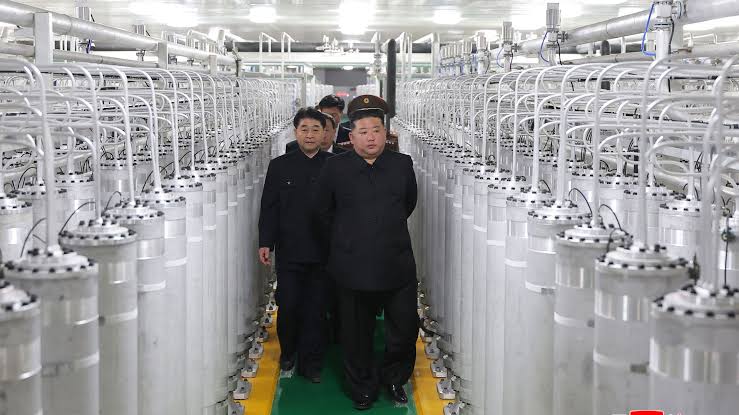
More importantly, North Korea’s nuclear weapons program is now being viewed not merely as a deterrence tool guaranteeing the survival of the regime, but as a capability reshaping regional military balances.
Pyongyang’s approach to nuclear weapons is becoming increasingly institutionalized. Developments emerging in 2026 indicate that North Korea continues to expand its capacity to produce nuclear material that could be used in weapons production. According to 38 North assessments, the country significantly increased its capacity to produce weapons-grade nuclear material during the 2021-2025 period and took steps in 2026 toward expanding this capacity even further.
At this point, South Korea’s rise in nuclear energy and North Korea’s increase in nuclear weapons capabilities cannot be viewed as independent developments.
On one side is South Korea, which has transformed its civilian nuclear technology into a global export sector; on the other is North Korea, which is expanding its nuclear weapons capability.
Therefore, the 38th parallel is no longer merely the dividing line between two different political systems; it is becoming a strategic fault line where civilian nuclear technology, nuclear deterrence, and great-power competition intersect.
China influences the balance even if it does not control North Korea
Here, China’s role needs to be defined correctly.
There is no publicly available evidence that Beijing directly finances North Korea’s nuclear facilities or directs its nuclear weapons program. However, China’s economic and diplomatic weight over North Korea is significant enough to affect Pyongyang’s room for maneuver in the face of international pressure.
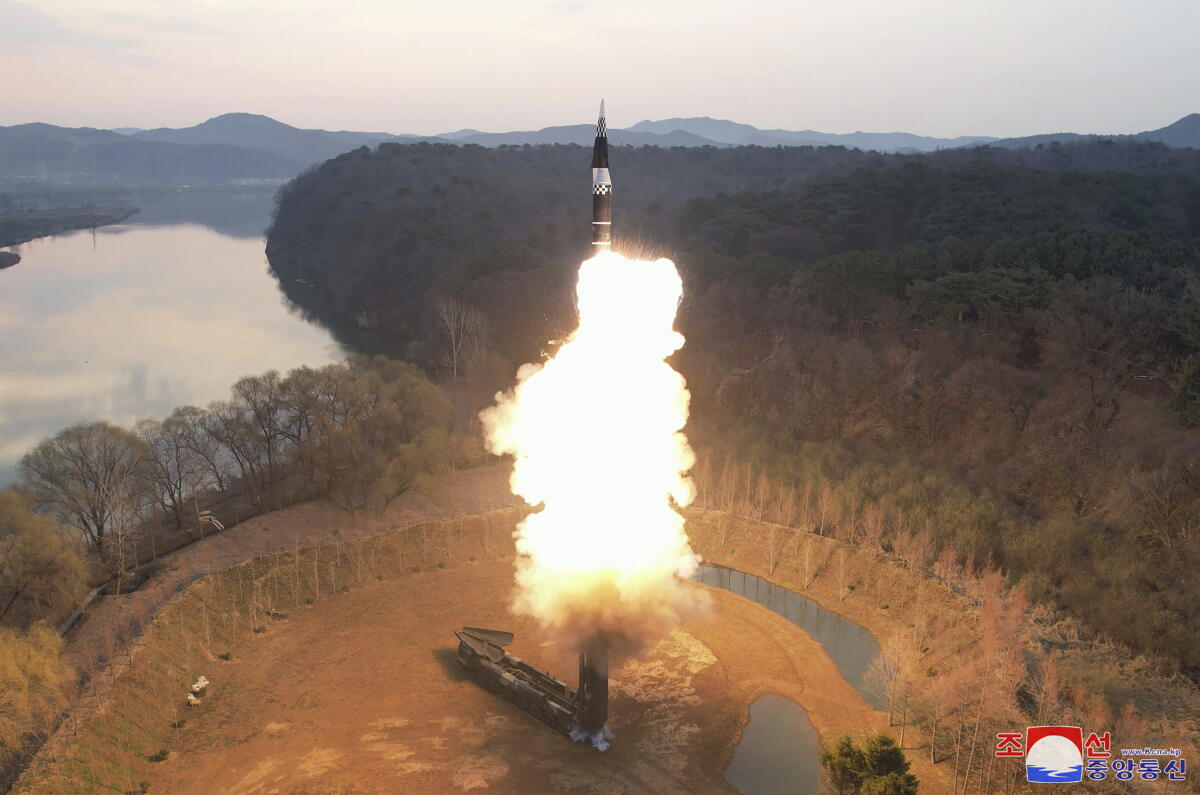
One of the most important factors preventing North Korea from becoming completely economically isolated is its relationship with China. This creates an important strategic problem for Washington.
Because China does not need to directly determine North Korea’s nuclear decisions. North Korea’s development of its nuclear capabilities already affects the military planning of the United States, China’s greatest strategic rival in East Asia.
In other words, Beijing can benefit from the strategic consequences that emerge without directing Pyongyang’s nuclear policy.
As North Korea’s nuclear capabilities grow, the importance of American security guarantees to South Korea and Japan increases. Washington’s military presence in the region becomes stronger. U.S. missile defense systems, strategic bombers, and nuclear deterrence assets become increasingly important.
This, in turn, leads to an even deeper China-U.S. rivalry.
The sensitive line between nuclear energy and nuclear weapons
The most sensitive dimension of developments on the Korean Peninsula is the increasingly intense debate over the relationship between civilian nuclear energy and military nuclear capabilities.
South Korea’s possession of a world-class nuclear energy capability, its acquisition of greater capabilities in the nuclear fuel cycle, and progress toward its nuclear submarine program are creating not only new opportunities but also new sensitivities for Washington.
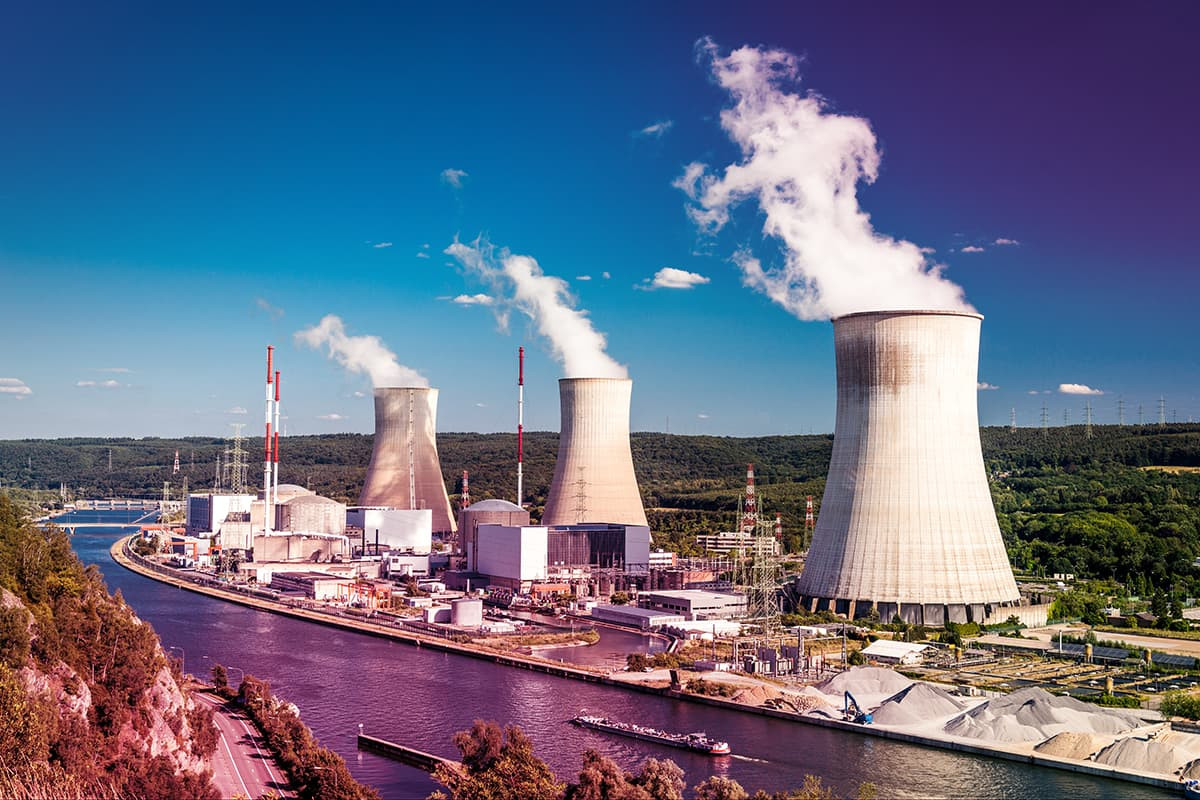
For this reason, the discussions between the United States and South Korea in 2026 on uranium enrichment and spent fuel reprocessing, alongside civilian nuclear cooperation, are particularly noteworthy. For Seoul, such capabilities have strategic importance in terms of energy security and nuclear fuel supply chains. For Washington, however, South Korea’s nuclear technological capabilities need to be expanded in a controlled manner.
Because the fundamental issue regarding nuclear technology is not simply “having a reactor.”
Nuclear fuel production, uranium enrichment, reprocessing, nuclear submarine technology, and advanced reactor designs constitute different layers of the same technological ecosystem.
Therefore, every new development in South Korea’s nuclear capabilities is viewed by Washington both as an economic opportunity and as an area that must be carefully monitored in terms of non-proliferation.
South Korea’s nuclear submarine move is changing the equation
At this point, the military dimension of nuclear energy becomes even more apparent.
South Korea’s goal of developing nuclear-powered submarines, when considered together with North Korea’s submarine capabilities and ballistic missile capabilities, cannot be viewed merely as naval force modernization.
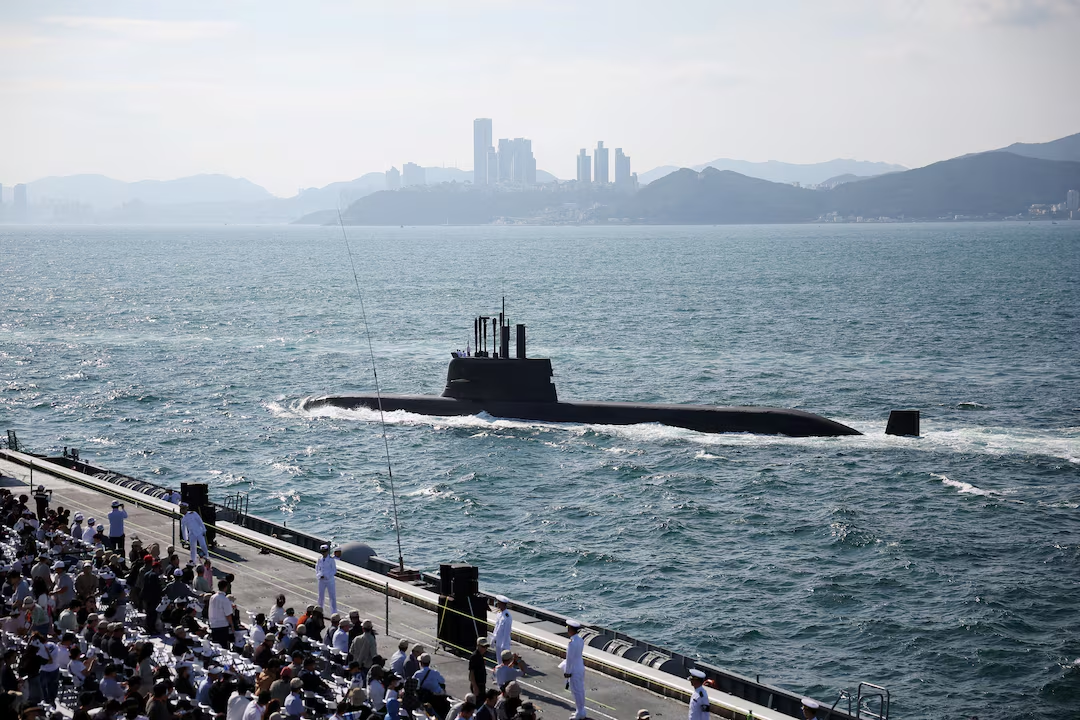
Nuclear-powered submarines are among the important instruments of strategic maritime operations because they can remain underwater for long periods and possess high mobility. Seoul’s objective in this field is not only part of deterrence against North Korea but also part of South Korea’s pursuit of a more independent defense capability.
Indeed, in 2026, South Korean President Lee Jae Myung once again emphasized the goal of transferring wartime operational control to South Korea and achieving greater self-reliance in defense, while also bringing forward plans to develop nuclear-powered submarines by the mid-2030s.
This development demonstrates that the future of nuclear technology on the Korean Peninsula will not be limited solely to nuclear power plants.
The Korean Peninsula is becoming a laboratory for the new nuclear order
The Korean Peninsula is actually becoming a small-scale model of the future global nuclear order.
On one side is China’s rapidly growing nuclear energy industry; on the other is the United States’ effort to rebuild its nuclear capabilities. While South Korea is becoming one of the important partners in the technological and economic competition between these two powers, North Korea continues to expand its nuclear weapons program.
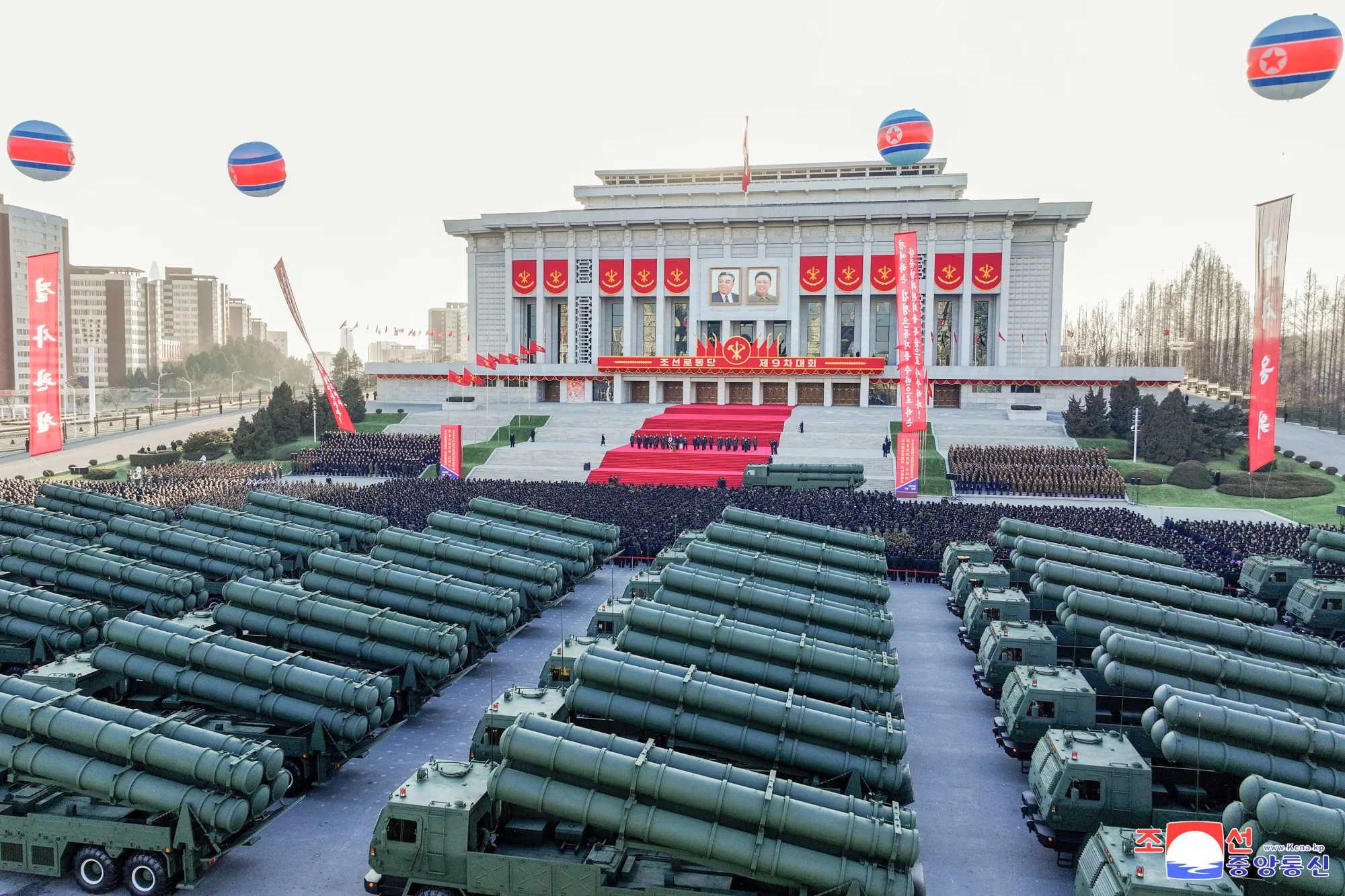
Moreover, this picture is not limited to East Asia.
Russia’s use of nuclear energy exports as a geopolitical instrument, China’s pursuit of nuclear projects in developing countries, the United States’ efforts to revive its nuclear energy sector, and competition among countries such as France, the United Kingdom, Japan, and South Korea in the nuclear export market all demonstrate that a new nuclear technology race has begun around the world.
At the center of this competition is no longer uranium or reactor technology alone. The energy needs of artificial intelligence data centers, the security of electricity grids, energy independence, critical minerals, the defense industry, and military deterrence are also increasing the strategic value of nuclear energy.
The fact that the United States and China began discussing even the possibility of reciprocal visits to nuclear facilities on October 6, 2026, demonstrates that the strategic stability dimension of nuclear competition is becoming increasingly important alongside its economic dimension. These discussions are reportedly being conducted within the framework of contacts among the five permanent members of the United Nations Security Council.
Therefore, the distinction between nuclear energy and nuclear weapons is becoming increasingly complex.
Conclusion: Nuclear power is no longer only about producing energy
Developments on the Korean Peninsula demonstrate that nuclear power is being redefined in the 21st century.
In the past, nuclear energy was largely addressed in the context of electricity generation and energy security. Today, however, nuclear technology has become an element of power where industrial policy, strategic autonomy, energy security, the artificial intelligence economy, the defense industry, and nuclear deterrence converge within the same equation.
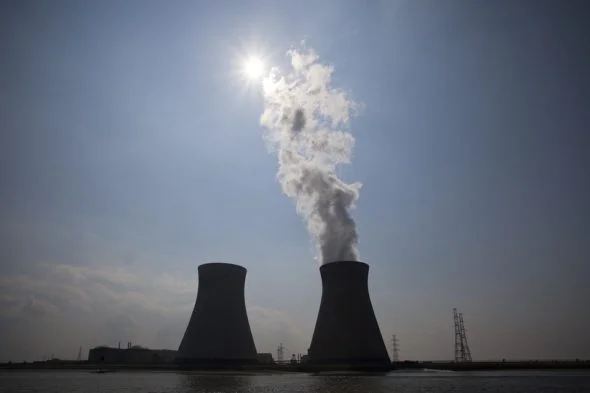
South Korea’s success offers Washington an important model: Nuclear superiority is not achieved by developing a single technology, but by building an industrial system that continuously develops, produces, exports that technology, and generates new capabilities from every new project.
However, the equation on the Korean Peninsula is far more dangerous than in the past because of North Korea’s nuclear weapons capabilities.
As South Korea’s nuclear energy capacity grows while North Korea increases its nuclear weapons capability, it becomes strategically understandable for the United States to deepen nuclear cooperation with Seoul. Yet the same process, if mismanaged, could also increase pressure for nuclear arms proliferation in the region.
Therefore, the issue facing Washington is not merely winning the nuclear energy competition with China. It is also maintaining the delicate balance between nuclear deterrence and nuclear proliferation on the Korean Peninsula while strengthening South Korea’s technological capabilities.
The developments taking place along the 38th parallel today are therefore not simply a new version of the division of the past. The Korean Peninsula is becoming a strategic laboratory where the future nuclear energy economy and the nuclear weapons order are being shaped simultaneously.
And in this race, the ultimate winner will not simply be the country possessing more reactors or more nuclear warheads. The countries that most successfully integrate nuclear technology with energy, industry, defense, technology, and strategic autonomy will become the most important actors in the new global distribution of power.