


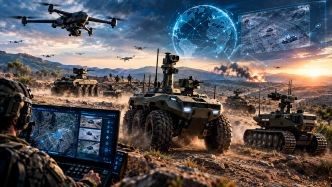
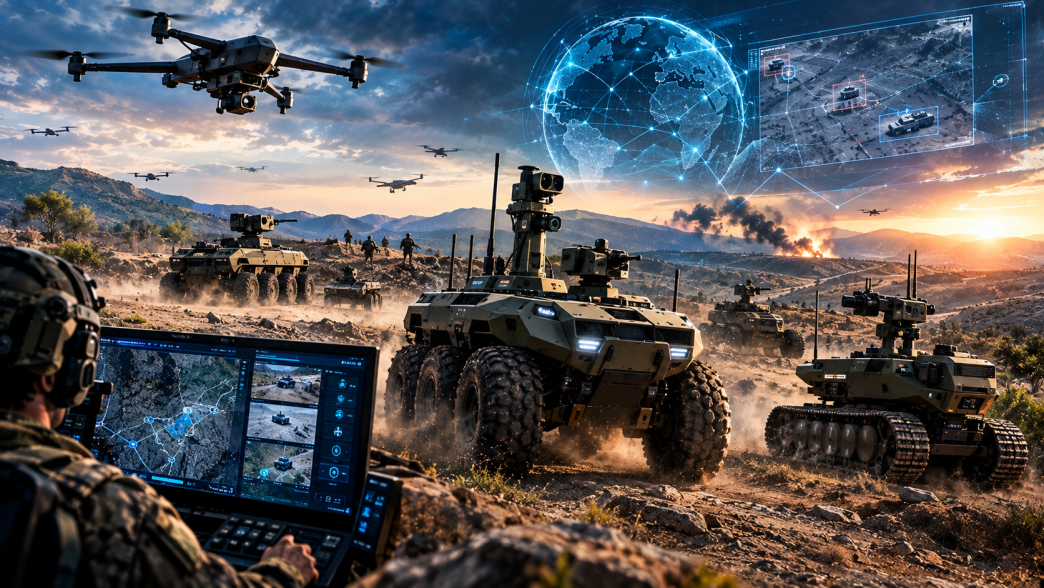
When it comes to technological transformation on the battlefield, unmanned aerial vehicles have so far been the first element that comes to mind. However, the war in Ukraine has revealed that the real transformation is not taking place only in the skies, and that ground combat is also increasingly being reshaped by robotic systems.
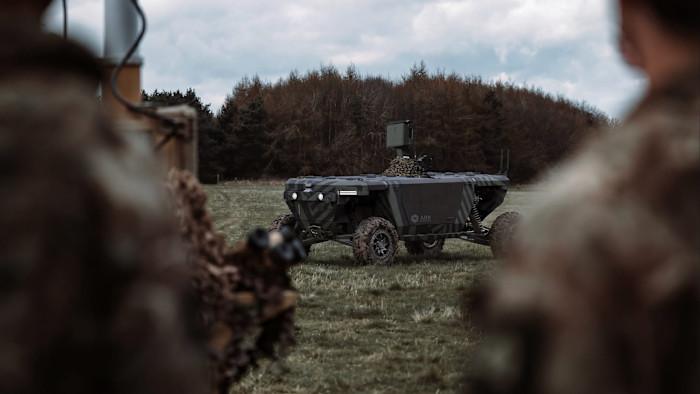
Although the Russia-Ukraine war remains a conflict in which tanks, artillery, and infantry are still decisive, it has created a new technological layer that is changing how these elements perform their missions. Following unmanned aerial vehicles, unmanned ground vehicles, or UGVs, have begun to be used across an increasingly broad range of missions, from transporting ammunition and logistics to evacuating the wounded, from reconnaissance and surveillance to laying mines, and from providing electronic warfare support to conducting direct assault missions.
For Ukraine, this development is no longer an experimental technology. The contracting of more than 22,000 UGVs for the Ukrainian Defense Forces in 2026, with the majority produced domestically, shows that ground robots are beginning to move beyond being auxiliary elements of warfare and are becoming a permanent part of the force structure. Ukrainian units used ground robotic systems in more than 16,600 logistics and evacuation missions in June alone.
What is truly important here is not the numbers themselves, but the military logic that is emerging. The idea of replacing humans with machines on the battlefield is no longer a scenario belonging to the future; it is an operational requirement of today.
From trenches to a robotic warfare order
One of the most important characteristics of the war in Ukraine is the emergence of a frontline structure shaped largely by artillery fire, minefields, continuous drone surveillance, electronic warfare, and extensive fortifications. In such an environment, even a distance of a few kilometers can carry an extremely high risk to human life.
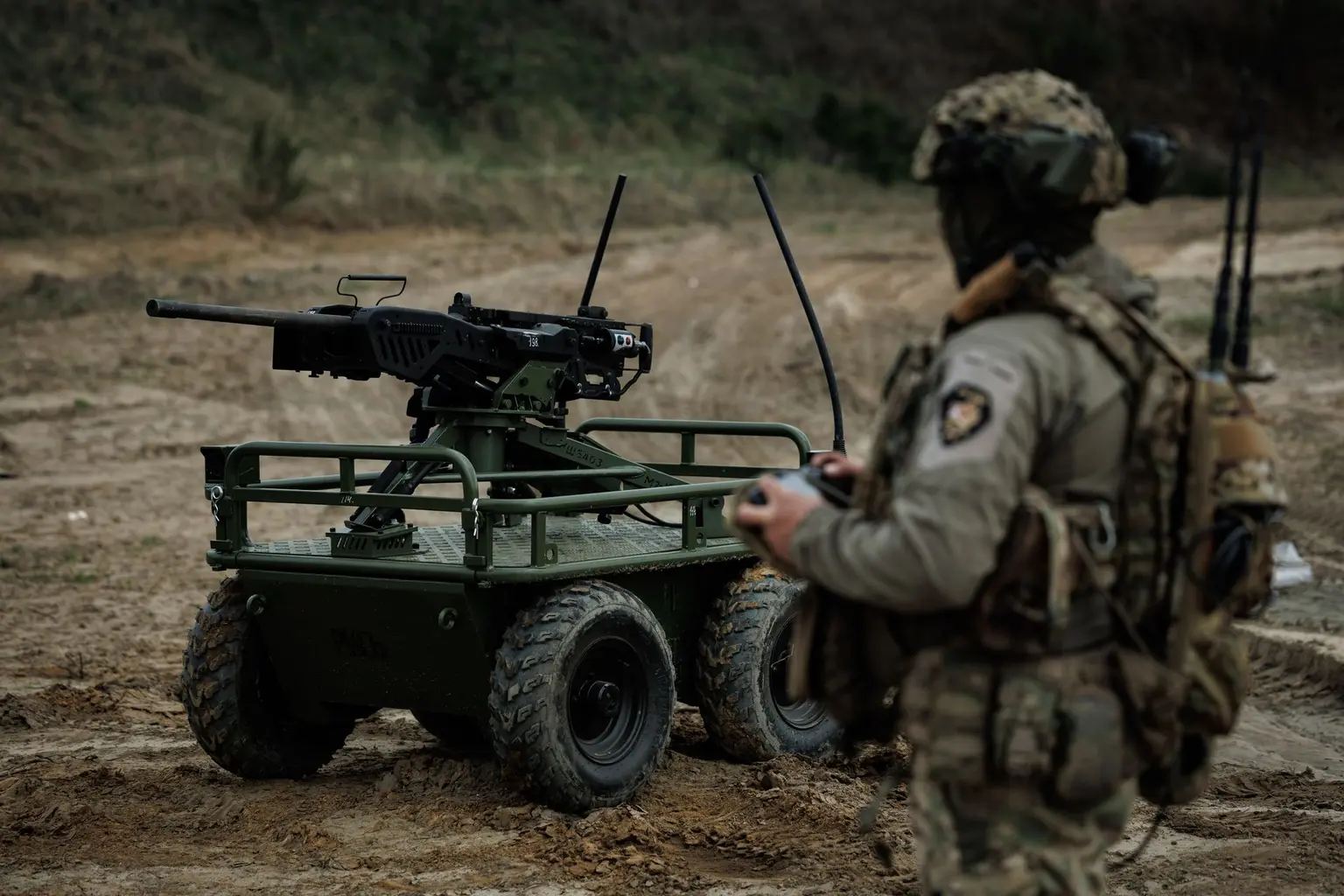
For this reason, transferring tasks that require soldiers to reach the frontline to robots whenever possible provides a major advantage.
There is not only an economic but also a strategic difference between losing a robot sent to deliver ammunition and losing a soldier performing the same mission. The same applies to casualty evacuation. Using an unmanned ground vehicle instead of sending an ambulance or evacuation team into an area under intense enemy surveillance both reduces personnel losses and changes commanders’ calculations of operational risk.
Ukraine’s rapid expansion in 2026 of the use of UGVs for logistics, ammunition delivery, and evacuation missions, as well as its goal of eventually unmanning almost all frontline logistics, is therefore particularly noteworthy.
This development shows that future ground forces will not consist solely of tanks, armored vehicles, and infantry. Robotic units that operate alongside human personnel while directly undertaking certain dangerous missions are becoming the new complementary element of ground warfare.
The biggest test facing ground robots
However, as with aerial vehicles, being “unmanned” does not automatically mean that ground robots are easy to operate.
An aerial vehicle can fly over obstacles. A ground vehicle, by contrast, has to overcome an obstacle when it encounters one. Mud, snow, sand, rocks, trenches, debris, barbed wire, tree roots, and mines directly affect the mobility of robotic systems.
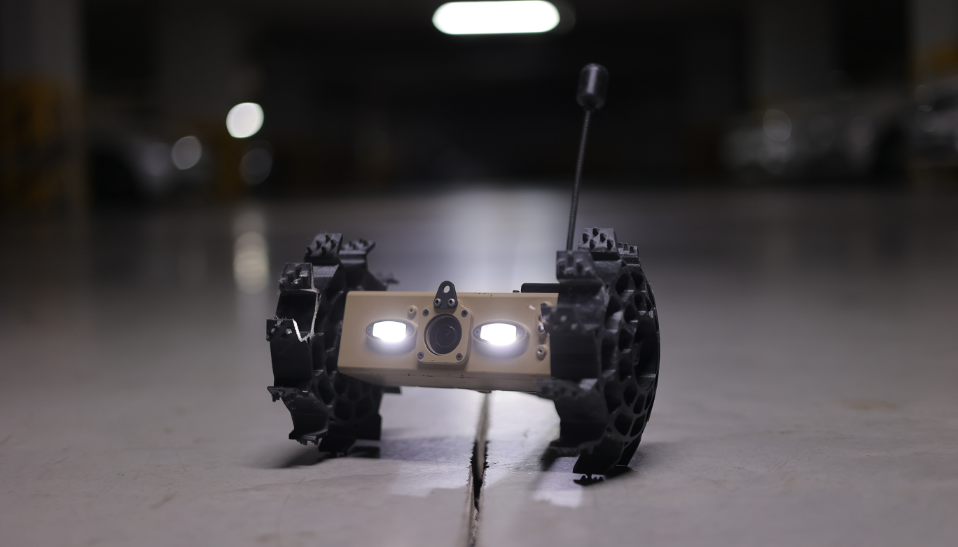
The reality of the Ukrainian front has demonstrated this repeatedly. A robot that operates flawlessly in a laboratory but cannot move through mud on an actual battlefield represents a system that is technically successful but operationally unsuccessful.
For this reason, simply increasing engine power will not be enough for future UGVs. Hybrid propulsion systems capable of changing their mode of movement according to different terrain conditions, more advanced suspension systems, low-pressure track and wheel configurations, autonomous balance control, and obstacle-crossing capabilities will become increasingly important.
The fundamental issue here is not actually how much heavy weaponry a robot can carry, but how long it can continue moving on the battlefield.
Ukraine’s experience therefore offers a very important lesson for the defense industry: the durability and repairability of a system under real battlefield conditions are at least as important as, and in some cases even more important than, its technical specifications.
Electronic warfare is also the enemy of robots
The second major challenge facing ground robots is electronic warfare.
On the modern battlefield, jamming communications channels, suppressing GPS signals, or transmitting false positioning data is no longer an exceptional occurrence. The Russia-Ukraine war has shown that the struggle between electronic warfare and unmanned systems has become one of the most critical fronts of warfare. Today, in addition to UAVs, ground robots must also be capable of continuing their missions despite communication disruptions.
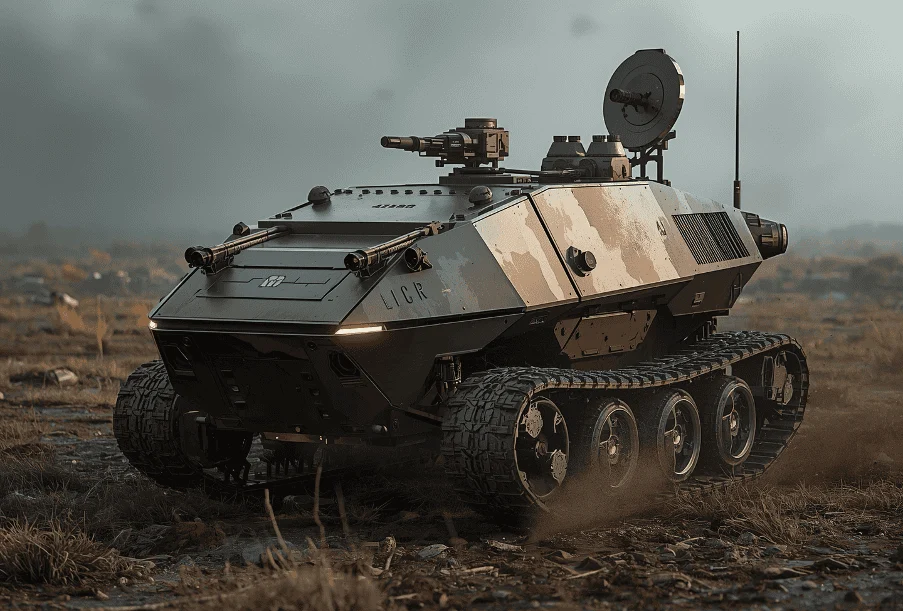
This is directly changing UGV design.
A system in which a robot constantly waits for commands from an operator can easily be rendered ineffective under electronic warfare conditions. Instead, vehicles need to be capable of following predetermined routes, switching to a safe mode when communications are lost, detecting obstacles using their own sensors, and determining their position with as little dependence on GPS as possible.
The fact that some of the new systems developed in Ukraine use multiple communication channels simultaneously is a direct result of this requirement. For example, the Ukrainian-made Bizon-L UGV, which entered operational service in 2026, has six different communication channels, demonstrating that maintaining connectivity under electronic warfare conditions has become one of the fundamental design criteria.
Therefore, the ground robot of the future will not merely be a mechanical vehicle. It will also be a mobile digital platform combining communications, electronic warfare, navigation, artificial intelligence, and cybersecurity systems.
Artificial intelligence is replacing the operator’s eyes
The real breakthrough, however, is taking place in the field of artificial intelligence.
Many UGVs today are still remotely controlled. Yet given that communications on the battlefield cannot always be considered reliable, having an operator direct the robot every second is not a sustainable model.
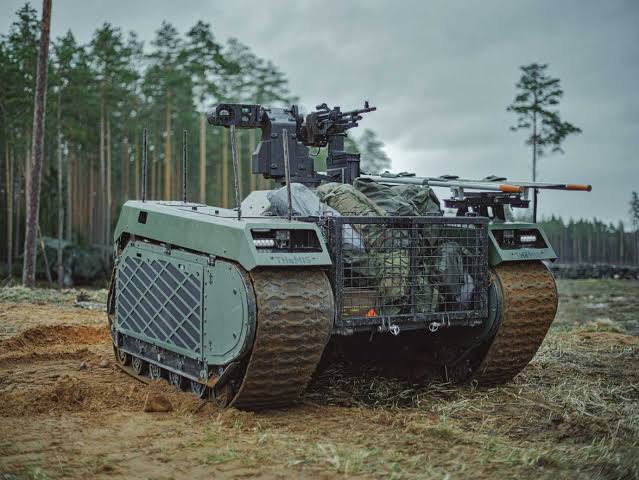
In the future, robots will need to perceive their surroundings, recognize obstacles, change their routes, classify certain targets, and select one of several predefined behaviors when communications are lost.
At this point, artificial intelligence becomes the robot’s “brain.”
Through computer vision, sensor fusion, machine learning, and autonomous navigation systems, robots will be able to collect data from their surroundings and perform part of the decision-making process themselves. This process does not necessarily mean that humans will be completely removed from the loop. On the contrary, the most realistic model in the near future will be “human-supervised autonomy.”
However, seconds matter on the battlefield. When communication between the operator and the robot is delayed or completely lost, what the system will do must already be predetermined.
For this reason, the experience emerging from Ukraine has transformed the debate over the use of artificial intelligence in warfare from an abstract future scenario into a concrete operational issue.
Indeed, the United States’ establishment of a new Autonomous Warfare Command at the end of September demonstrates that Washington is also beginning to treat autonomous and robotic systems not merely as separate technology projects, but as a strategic component of military organization.
The problem encountered today by a ground robot in Ukraine is becoming a prototype of the problem that the armies of the United States, Europe, or Asia may face tomorrow.
Robot swarms could transform ground warfare
The next stage is for not one robot, but dozens or even hundreds of robots to operate together.
The concept of “swarms” has long been discussed in relation to aerial vehicles. However, transferring this concept to the ground environment is far more complicated. Ground robots must avoid collisions with one another, share terrain, divide into different routes, continue their missions in the event of communication loss, and coordinate without relying on a central command.
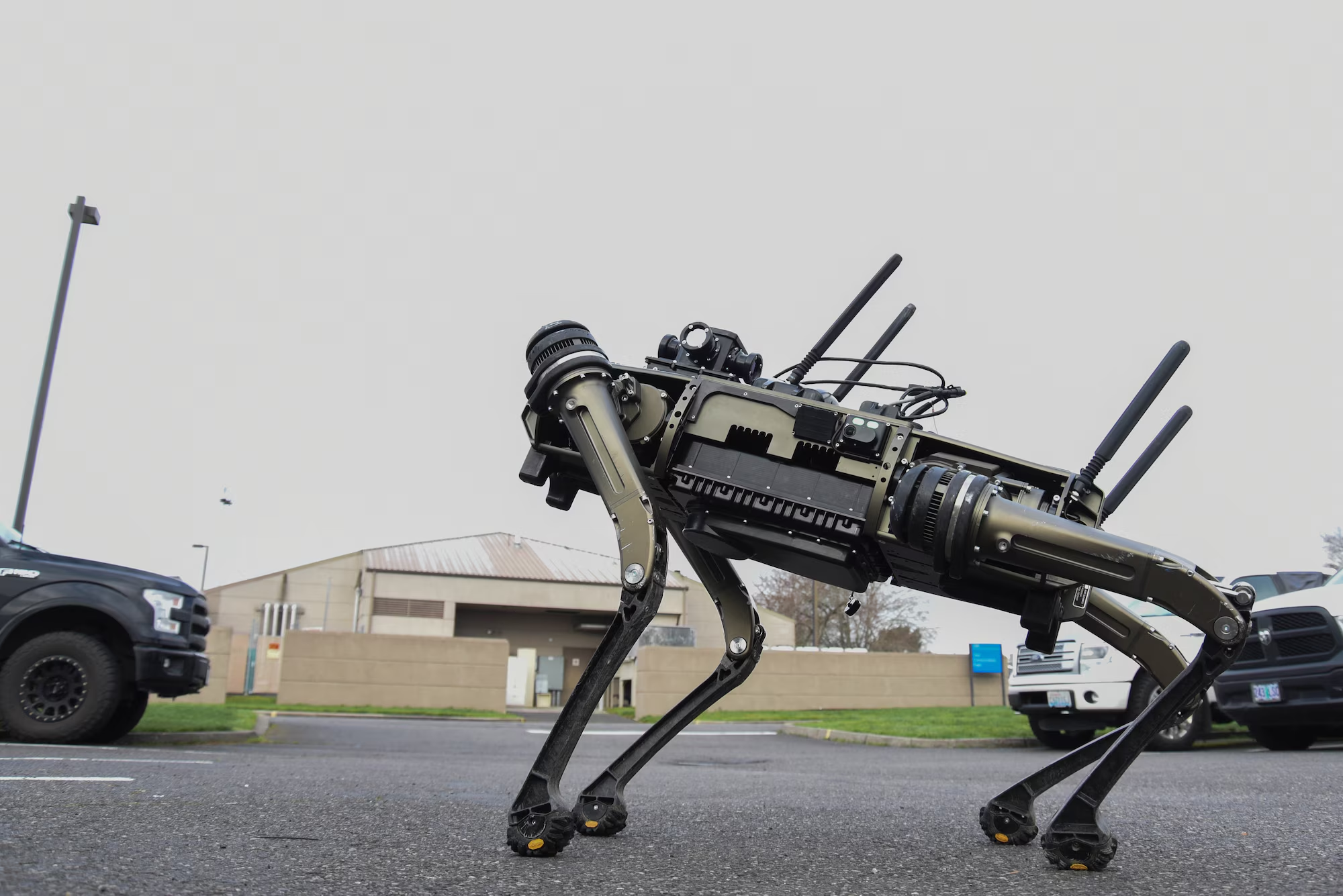
Despite this, work in this direction is accelerating.
In Türkiye, HAVELSAN’s artificial intelligence-supported command-and-control approach being developed for the BARKAN 3 system, along with the future concept of mixed air-ground swarms in which dozens of robots could operate together, demonstrates that this transformation is not unique to Ukraine.
If such a structure becomes operational, the logic of ground combat could change.
Several robots advancing ahead of an infantry platoon could detect mined areas. Another group could transport ammunition. Another could provide electronic warfare support. UAVs operating in the air could provide these systems with targeting information. Armed UGVs could provide fire support when necessary.
What emerges here is not a single robot, but a new “combat ecosystem” consisting of manned and unmanned systems.
The robot of the future must be affordable and scalable
One of the most important obstacles to all these technological developments is cost.
A system that is highly likely to be lost in war being excessively expensive makes it difficult for an army to use that system on a mass scale. Therefore, future ground robots will require a very delicate balance between technology and cost.
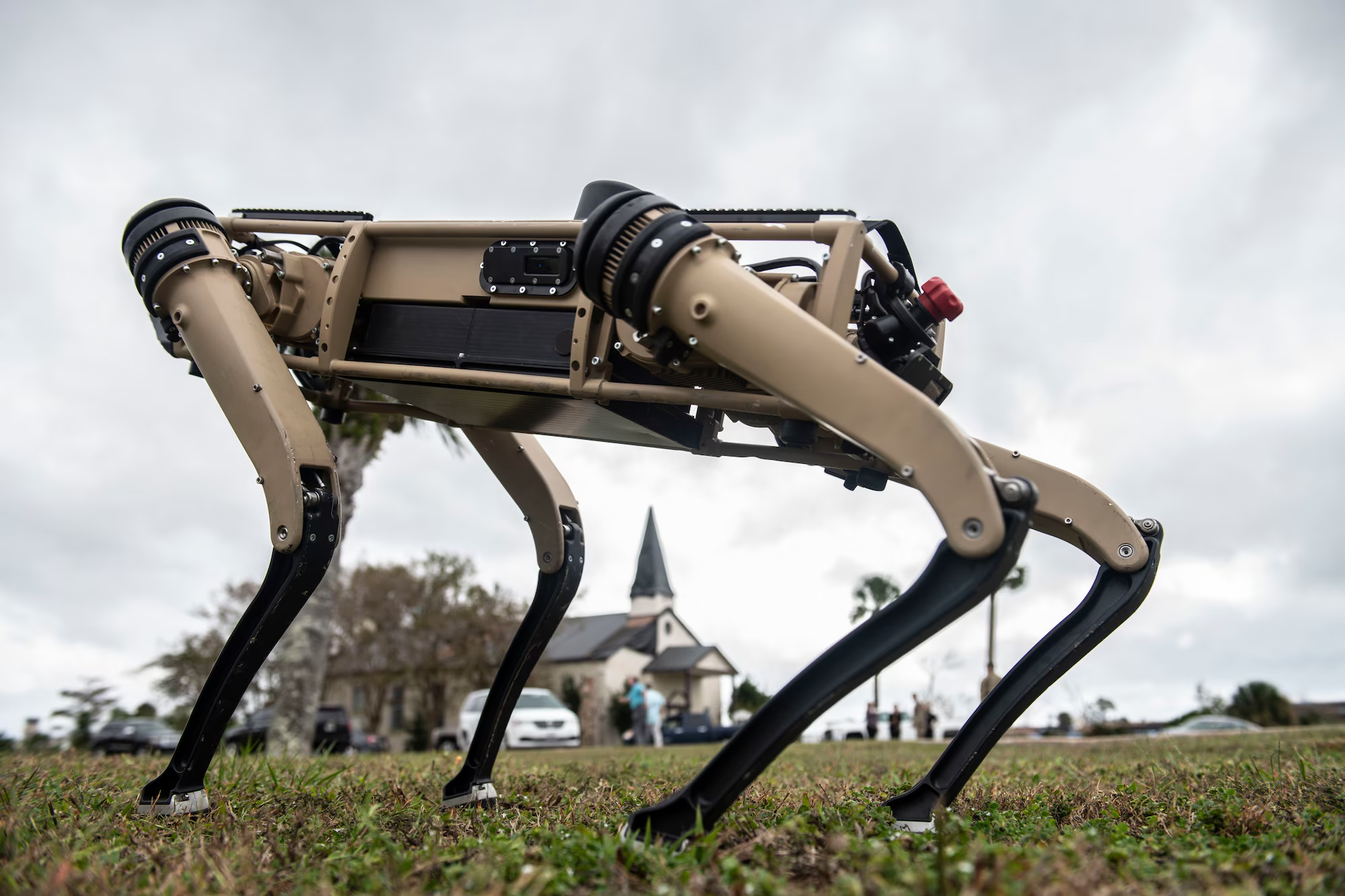
Ukraine’s wartime experience offers an important lesson here as well. It is not only important for a robot to have dozens of advanced sensors; it is equally important for it to be repairable within a few hours and for its components to be replaceable in the field when necessary.
For this reason, modular architecture, commercially available components, 3D manufacturing, domestic electronics, and standardized parts are becoming increasingly important.
One of the most striking aspects of the model Ukraine has created in its defense industry is that the state does not purchase products only from large companies. An ecosystem is being established that allows small enterprises and technology companies to rapidly modify systems tested on the battlefield.
Ukraine’s integration of UGVs into the DOT-Chain Defence system in 2026, allowing units to select systems directly according to their own needs, is also an important example of this approach. Units can directly select the system they need, while the procurement process is managed through a centralized mechanism.
This model differs from the traditional defense procurement approach.
Under the traditional system, the military requirement is determined, a tender is launched, the product is developed, and the system enters the inventory years later. In Ukraine, however, the distance between battlefield requirements and the product developed by defense companies is being reduced as much as possible.
One of the future competitive advantages in the defense industry will be precisely this: the country that gains the advantage will not necessarily be the one that makes the best product, but the one that converts battlefield feedback into a product most rapidly.
No robotic army without standardization
However, there is another problem standing in the way of robotization that is just as important as technology: standardization.
The development of completely independent systems by different manufacturers may accelerate innovation in the short term. In the long term, however, it makes it more difficult for an army to operate dozens of different platforms within the same command-and-control architecture.
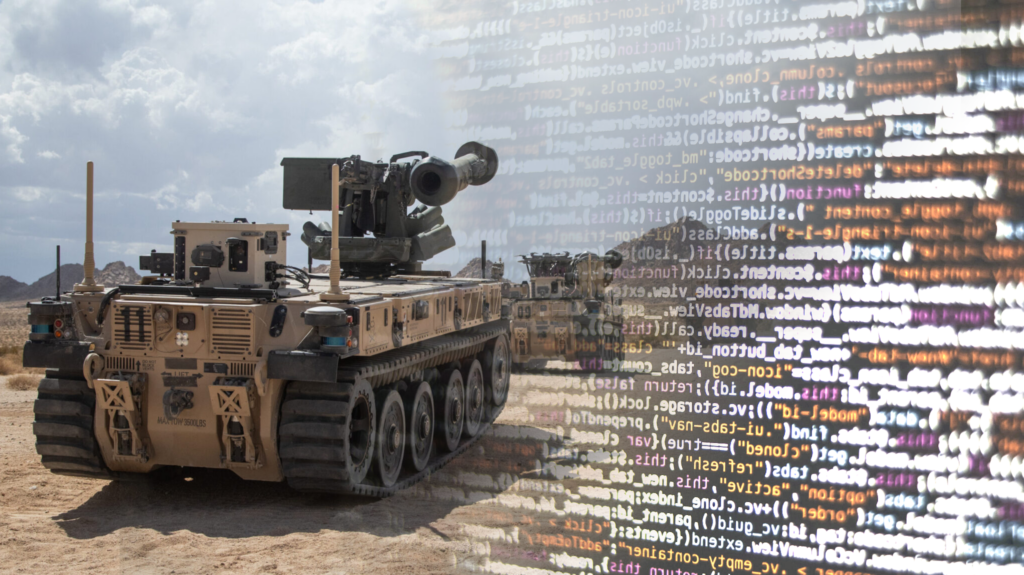
If the communications system used by one robot is incompatible with that of another, if sensors from different manufacturers cannot share data over the same network, or if the ammunition and battery systems of one platform are incompatible with other platforms, it becomes impossible to fully integrate robotic units.
For this reason, although Ukraine’s codification in 2026 of 67 new UGV models for operational use is important, the larger challenge will be connecting this diversity to a common architecture over time.
This is precisely why NATO countries are closely monitoring Ukraine’s experience. The use of Ukrainian-origin UGVs in NATO exercises in 2026 is one of the clear indications that the alliance has lagged behind aerial drones in the field of ground robotics and is seeking to close this gap.
Therefore, the issue is no longer simply a question of “which country produces the better robot?” The real question is how effectively different robots can operate within the same battlefield network.
The new equation of warfare: Humans, machines, and artificial intelligence
The war in Ukraine is actually providing us with an important indication of how warfare will be shaped in the future.
In the battlefields of the future, there will not only be larger tanks, faster aircraft, or longer-range missiles. There will also be far greater numbers of lower-cost systems capable of communicating with one another and performing certain tasks without human intervention.
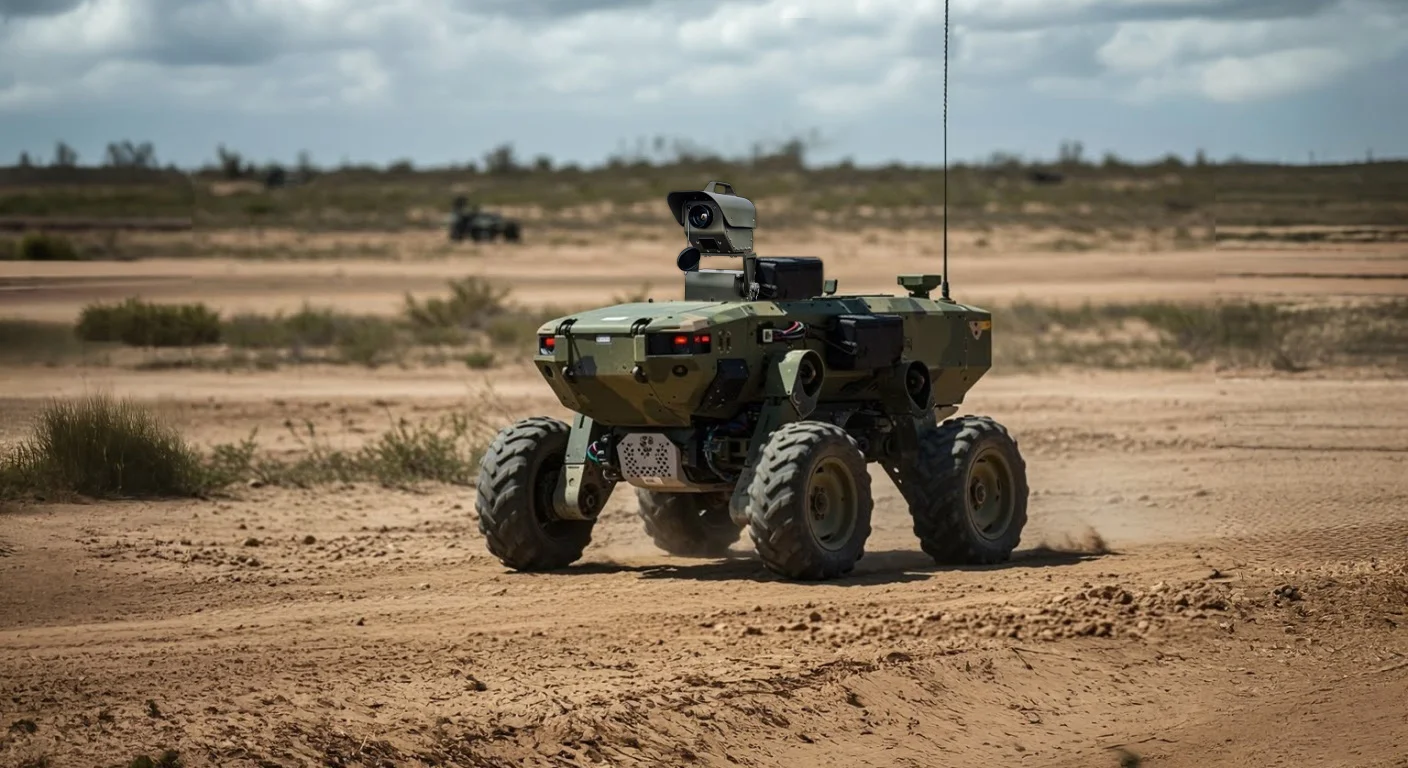
Artificial intelligence will be at the center of this transformation.
However, an important distinction must be made here. The proliferation of AI-supported robots on the battlefield should not mean that human decision-making disappears completely. When it comes to critical decisions such as target identification, target selection, and the use of lethal force, the boundaries of human control will become far more important from the perspective of international law and military ethics.
The real struggle will not be limited to the technical capabilities of robots. It will also concern which decisions can be delegated to machines and which decisions must require human authorization.
The process that has begun in Ukraine today could influence NATO’s ground force doctrines, the military structure of the United States, and the procurement policies of countries with strong defense industries, including Türkiye, tomorrow.
Washington’s creation of a separate military command for autonomous warfare, Europe’s efforts to transfer Ukraine’s robotic warfare experience to its own armed forces, and Ukraine’s deployment of thousands of UGVs directly in frontline missions demonstrate that this transformation is no longer theoretical.
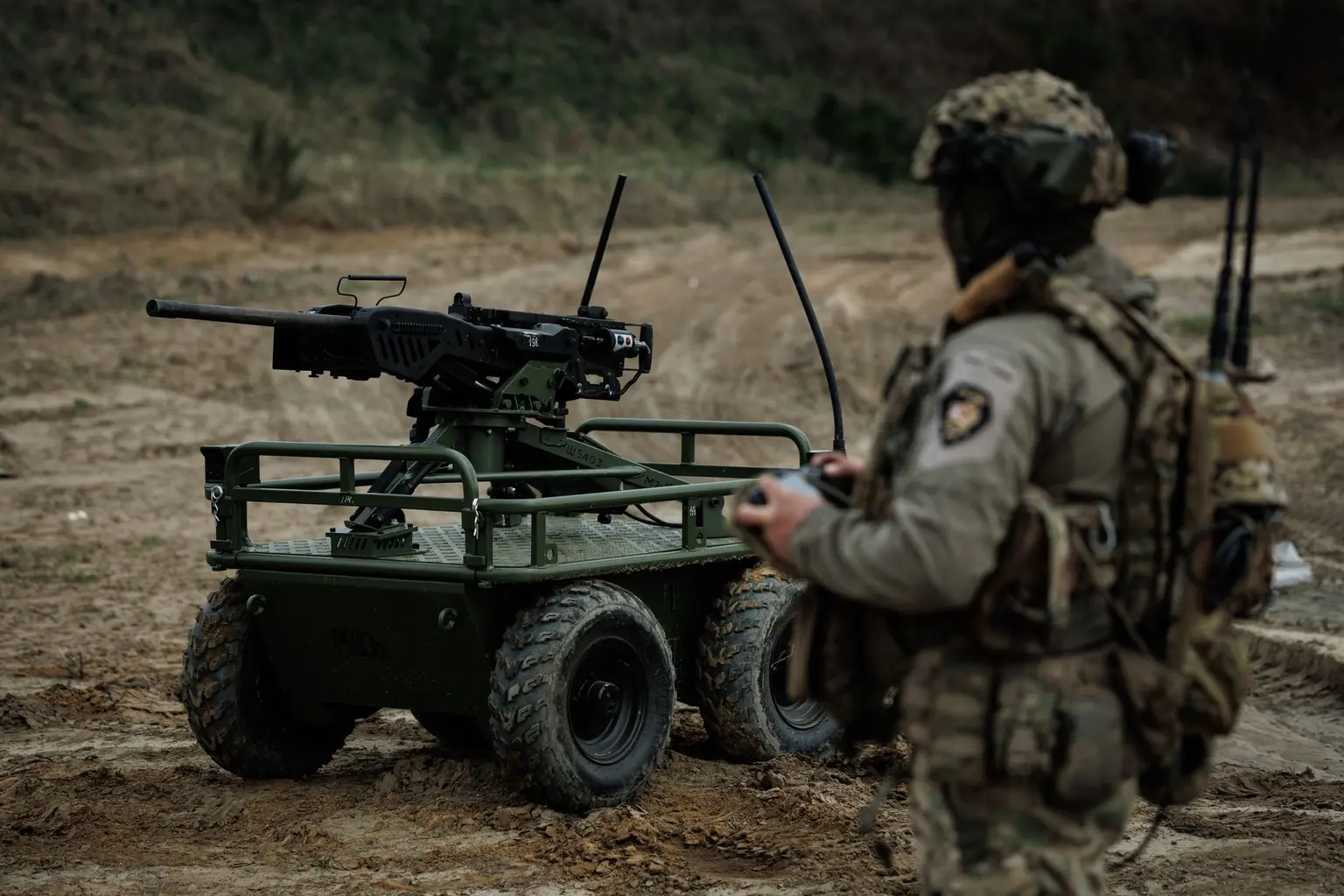
In conclusion, the war in Ukraine is opening the door to a new era in ground warfare. In this era, robots will not completely replace tanks, but they will change how tanks, infantry, artillery, and aerial assets are employed.
The future of warfare will probably not be explained by the simple concept of “unmanned armies.” A more accurate description would be hybrid armies in which manned and unmanned elements operate within a common AI-supported battlefield network.
The ground robots that Ukraine is testing today under conditions of mud, mines, electronic warfare, and intense fire are not merely shaping Ukraine’s future. These systems are serving as a laboratory for how different armies around the world will fight in the coming years.
And in this race, the advantage will belong not to the country that produces the largest robot, but to the country that learns fastest, produces fastest, updates fastest, and most effectively connects humans and machines within the same battlefield network.