


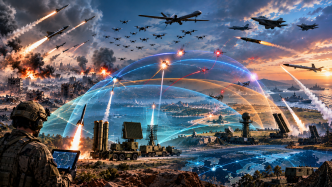
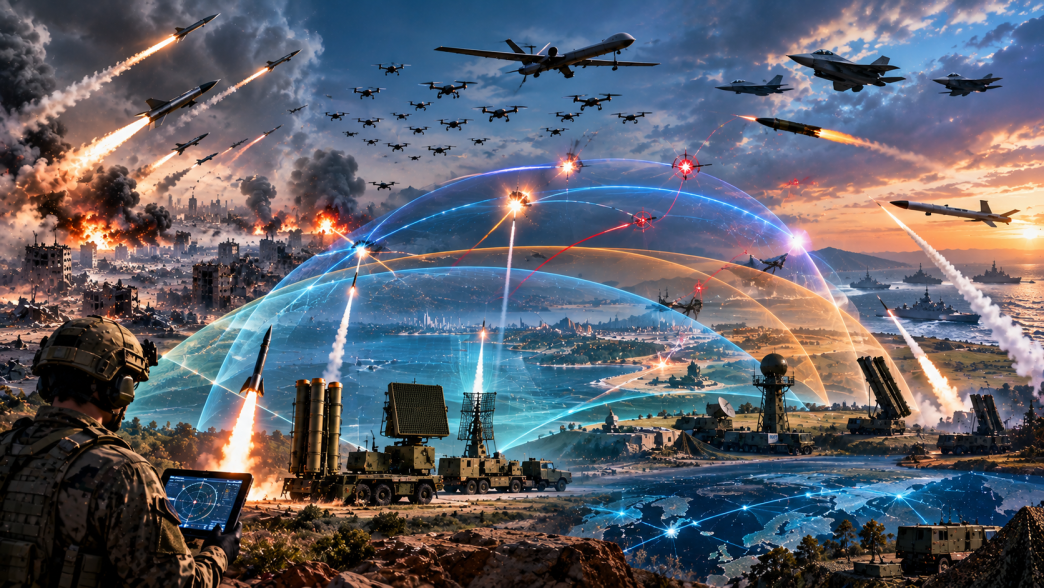
The Russia-Ukraine war and the military operations conducted by the United States and Israel against Iran have demonstrated that air defence in modern warfare is no longer limited to protecting military bases or strategic facilities. Today, ballistic missiles, cruise missiles, kamikaze UAVs, swarms of unmanned aerial vehicles and advanced air attacks are fundamentally changing countries’ approaches to defence. In the face of these threats, having a powerful military alone is no longer sufficient; countries need to establish coordinated systems capable of protecting their airspace at different altitudes and across different ranges.
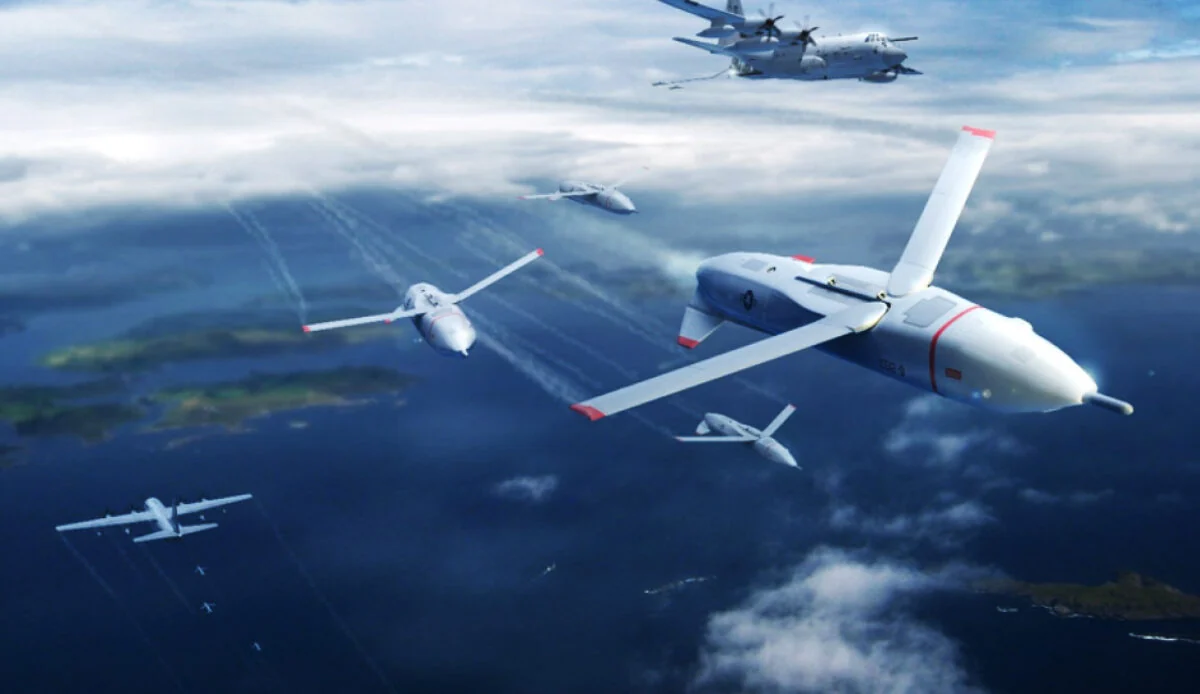
The Russia-Ukraine war has shown that intensive missile and UAV attacks can threaten a wide range of targets, from energy infrastructure and military facilities to cities and logistics centres. The conflict between the United States, Israel and Iran has also highlighted the importance of advanced air defence systems, even for countries with substantial offensive capabilities. In modern warfare, the attacking side aims not only to strike targets but also to overwhelm defensive systems, increase ammunition consumption and weaken the opposing side’s economic, military and social resilience. 
Why did the Golden Dome, Iron Dome and Steel Dome emerge?
Although the United States’ Golden Dome initiative, Israel’s Iron Dome system and Türkiye’s Steel Dome project emerged from different security requirements, they are based on the same strategic reality: as aerial threats become more diverse, defence systems must also become more integrated.
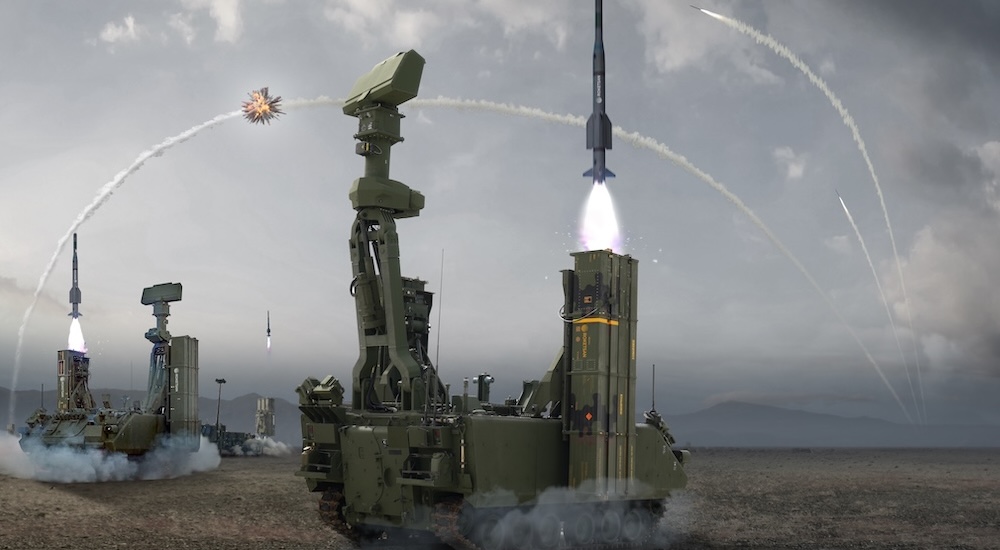
The United States’ Golden Dome initiative emerged with the objective of providing broader protection for the country’s territory, particularly against advanced ballistic and hypersonic threats. Israel’s Iron Dome system, meanwhile, was developed primarily to counter short-range rockets and certain types of aerial threats. Türkiye’s Steel Dome approach aims to bring together radars, sensors, command-and-control elements and interception systems operating at different ranges and altitudes within a common architecture.
There is an important distinction to make between these systems: an air defence shield is not a magical technology capable of stopping every threat on its own. Its effectiveness depends on how early radars detect targets, how quickly the command-and-control system makes decisions, whether the appropriate interceptor can be deployed in time, and whether sufficient defensive ammunition is available.
The importance of Steel Dome for Türkiye’s defence industry
Türkiye’s Steel Dome initiative is strategically significant because it aims to transform the country’s air defence from a collection of independent weapon systems into an integrated structure managed through a common network. Within such an architecture, early-warning radars, electronic warfare assets, command-and-control infrastructure and interceptors operating at different ranges can work from a shared operational picture, enabling an appropriate response to each threat.
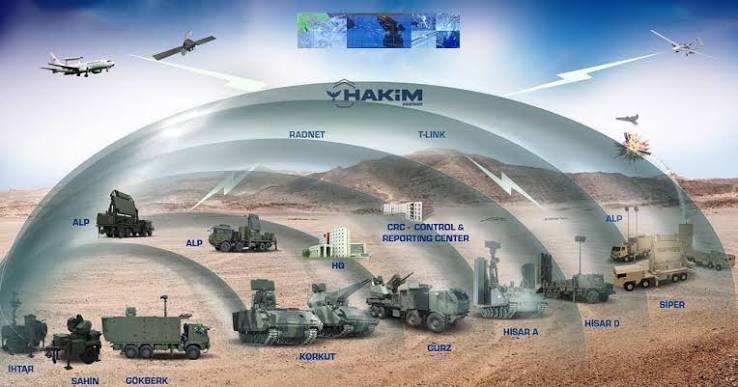
The radars, electronic warfare systems, unmanned aerial vehicles, missile technologies and air defence solutions developed by Türkiye’s defence industry provide a strong technological foundation for this transformation. Integrating domestically developed systems into a common network offers significant advantages, including reduced dependence on foreign suppliers, greater control over ammunition and maintenance processes, and a faster response to operational requirements.
The real value of Steel Dome lies not in the performance of a single weapon but in its ambition to bring different capabilities together within the same defence architecture. This approach strengthens Türkiye’s ambition to become a country that not only develops defence products but also integrates them into interoperable systems and designs comprehensive solutions tailored to its own operational requirements. Ultimately, however, success will be measured by how effectively these systems perform under real-world conditions and how sustainably they can protect against different types of threats.
The future of defence: Layered and integrated networks
The main reason countries are turning to layered air defence networks is that no single system can neutralise every threat simultaneously and under all circumstances. While cost-effective solutions are needed to counter low-flying UAVs, cruise missiles, combat aircraft and ballistic missiles require different detection and interception capabilities. A layered architecture can increase defensive effectiveness by ensuring that the right system is used according to the type and location of the threat, while also reducing the unnecessary expenditure of expensive interceptor ammunition.
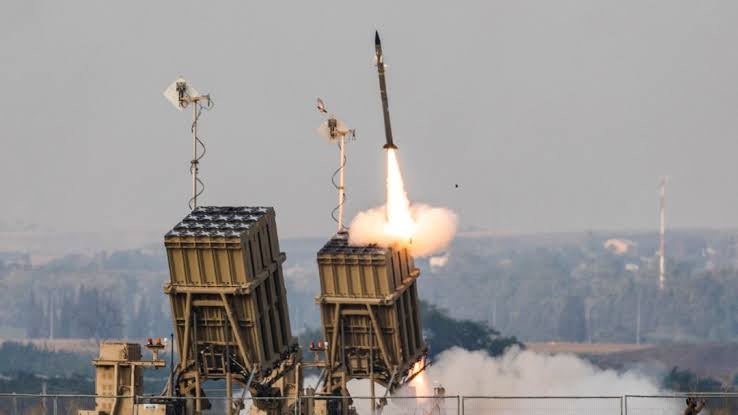
Moreover, modern air defence is not limited to firing missiles. Early warning, electronic jamming, target tracking, data sharing, cybersecurity and command-and-control infrastructure are also integral components of the system. If data flows between different elements of the defence network are disrupted, even the most advanced interceptors may fail to deliver their expected performance.
In conclusion, the Russia-Ukraine war and conflicts in the Middle East demonstrate that air defence is no longer optional but has become one of the fundamental pillars of national security. The United States’ pursuit of Golden Dome, Israel’s experience with Iron Dome and Türkiye’s Steel Dome initiative are examples of this shared need emerging under different circumstances. For Türkiye, Steel Dome represents an important step towards integrating indigenous defence technologies within a common architecture and creating a more comprehensive national air defence capability. In next-generation warfare, superiority will depend not simply on possessing more weapons, but on building a defence network capable of detecting different threats in time, deploying the right system at the right moment and sustaining operations over an extended period.

