


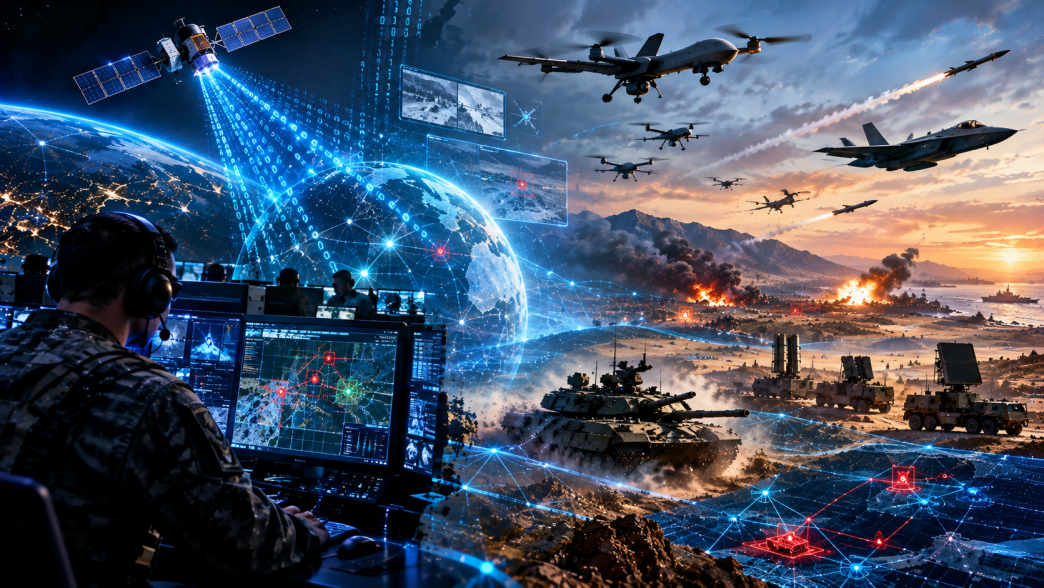
The Russia-Ukraine war has exposed one of the most significant military challenges facing modern armed forces: generating large amounts of information on the battlefield is not enough; the real challenge is processing that information at the right time and turning it into operational decisions. Unmanned aerial vehicles, satellite imagery, radars, electronic intelligence systems and reconnaissance units continuously generate data. However, if information from these sources remains confined to separate networks and cannot reach the relevant units in time, technological superiority fails to deliver the expected results.
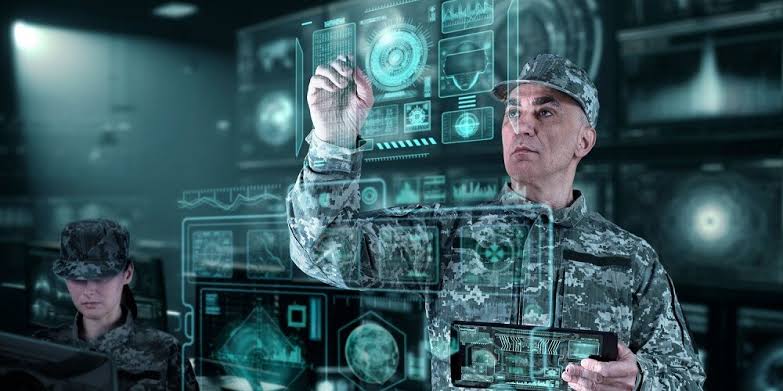
For this reason, command-and-control systems have become as strategically important as weapons platforms in modern warfare. Shortening the time between detecting a target and taking action against it increases the chances of friendly forces surviving while making it more difficult for the adversary to make decisions. In military terminology, ISTAR refers to the collection and assessment of information from sensors and its use in target identification, while C4ISR encompasses the integration of command, control, communications, computer systems, intelligence, surveillance and reconnaissance capabilities. In next-generation warfare, bringing these capabilities together within a shared digital infrastructure is becoming increasingly decisive. 
Ukraine’s battlefield experience and the Delta system
In response to Russia’s full-scale invasion, Ukraine developed a digital combat management system called Delta to monitor battlefield developments more rapidly and strengthen information flows between different units. Initially focused on providing situational awareness through a shared digital map, the system gradually evolved into a more comprehensive platform integrating different information sources and operational tools. The official steps taken in August 2025 to deploy the system across all levels of Ukraine’s defence forces demonstrated its growing importance within the military structure.
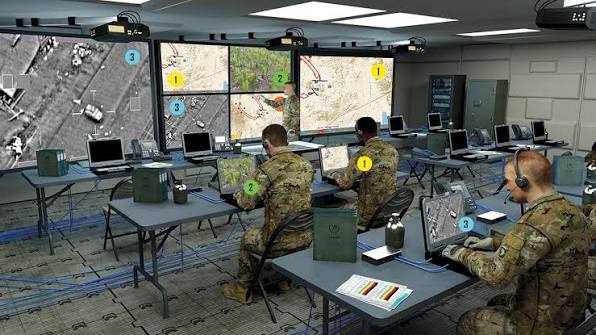
Delta integrates imagery from unmanned aerial vehicles, reconnaissance reports, sensor data and target locations into a common operational picture. This enables frontline units and senior commanders to monitor the same developments, share target information more rapidly and coordinate fire support more effectively. The system’s AI-assisted image analysis capabilities are also designed to accelerate the examination of numerous image feeds and the identification of enemy assets.
The military significance of this approach extends beyond simply identifying more targets. Determining a target’s location, monitoring the status of friendly forces, coordinating fire support and assessing operational outcomes are all parts of the same information chain. The faster and more reliably this chain operates, the more quickly commanders can adapt to changing conditions.
The US command-and-control gap and its AI initiative
The US military is working to develop an integrated command-and-control approach known as CJADC2, or Combined Joint All-Domain Command and Control, with the aim of bringing the information systems of different military services together within a common architecture. The objective is to combine information from the land, maritime, air, space and cyber domains to provide commanders with a more comprehensive operational picture. This approach becomes particularly important when multiple military services and allied forces operate together in the same campaign.
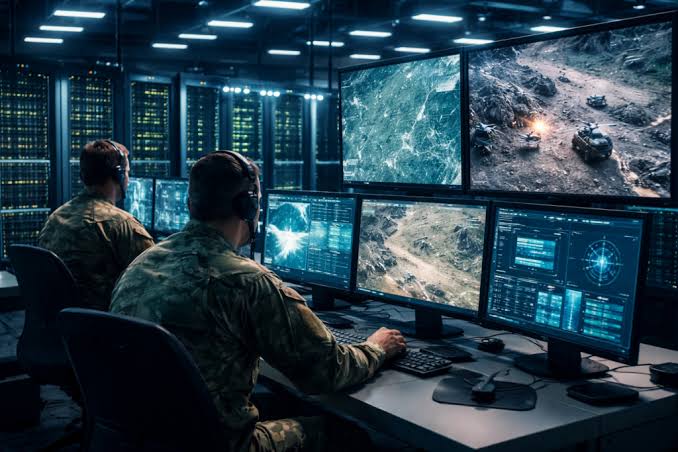
Developed by Palantir, the Maven Smart System is one of the platforms intended to support this objective through AI-enabled analysis and decision support. By processing imagery and data from different sources, the system helps military personnel assess developments more rapidly. In a statement published in March 2026, the US Army also reported efforts to integrate Maven into command-and-control training and military training processes.
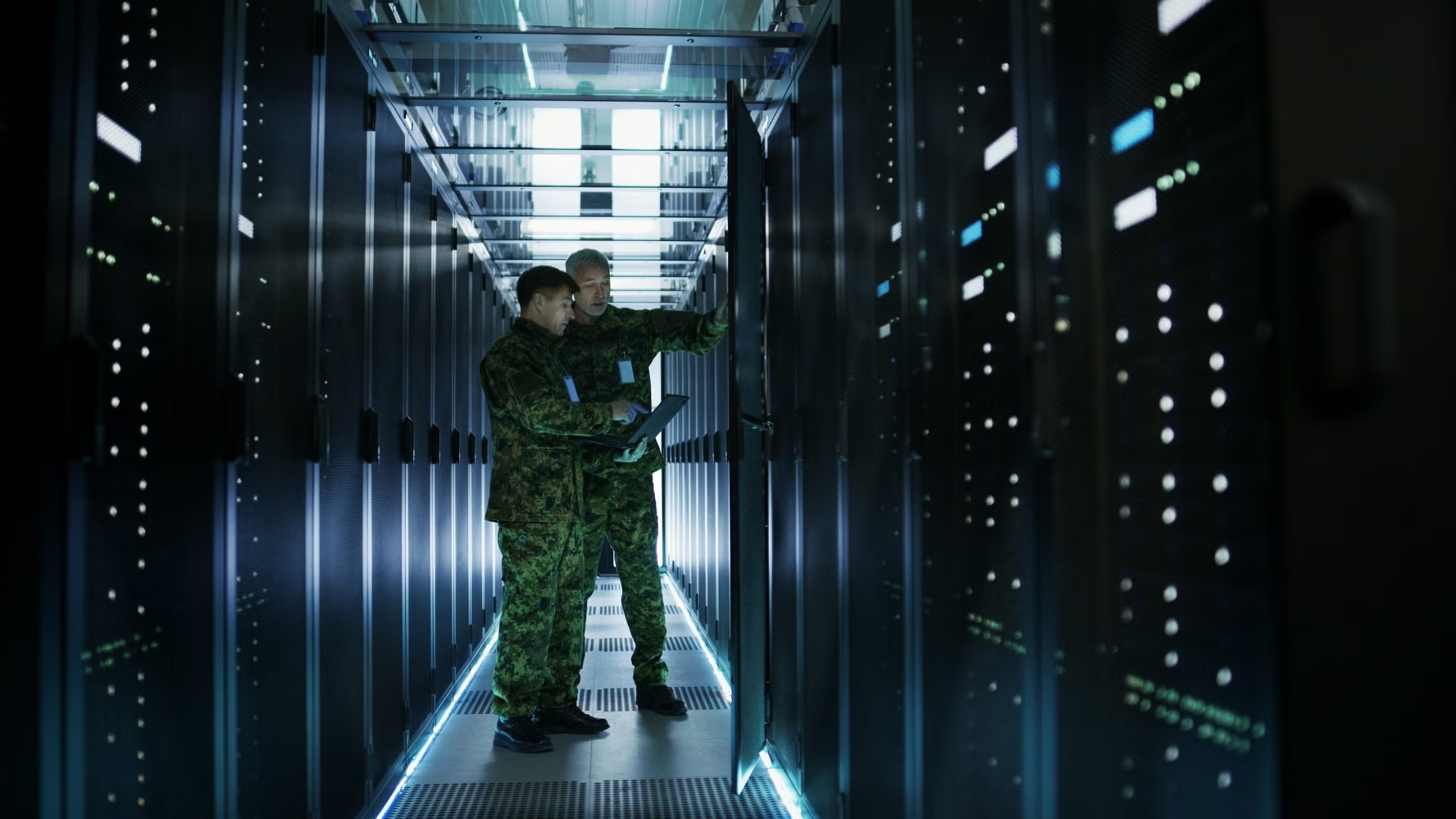
Nevertheless, introducing new software does not automatically resolve every problem. The radars, communications networks, weapons-control systems and intelligence infrastructure used by different military services may operate according to different technical standards. While some systems can transmit data in real time, others may share information with delays or in limited formats. The real challenge, therefore, is not simply developing AI software but ensuring that existing military infrastructure can operate together securely and seamlessly within the same network.
Such a transformation also requires personnel training and updates to military doctrine. Commanders must be able to interpret information from new systems correctly, understand the limitations of automated analysis and independently verify decisions when necessary. Artificial intelligence can accelerate decision-making, but a system fed inaccurate, incomplete or misleading data can also lead to incorrect decisions being made more quickly.
Integrating electronic warfare, communications and fire support
On the battlefields of the future, digital command-and-control systems cannot be separated from electronic warfare and communications capabilities. An adversary’s ability to jam communications networks, disrupt satellite links or deceive positioning systems can undermine the shared operational picture available to military units. An advanced command-and-control network must therefore be capable not only of collecting data but also of withstanding communications disruptions and cyberattacks.
Another critical military factor is the connection between reconnaissance and fire support. When an unmanned aerial vehicle identifies a target, the information must be transmitted securely to artillery units, missile systems or relevant air assets. This requires target information to be verified, friendly force positions to be monitored, firing areas to be coordinated and rules of engagement to be observed. As data flows become faster, ensuring that these processes retain adequate security and accuracy checks becomes even more important.
Interoperability among allied forces is equally decisive. Ukraine’s efforts to improve the compatibility of its Delta system with NATO standards and the command-and-control infrastructure of different countries demonstrate the importance of this requirement. During NATO’s 2024 Coalition Warrior Interoperability eXploration, eXperimentation, eXamination Exercise (CWIX), Delta’s ability to exchange data with other systems was tested. Such activities are essential to enabling forces from different countries to share a common operational picture during joint operations.
The key lesson for the armed forces of the future
The Russia-Ukraine war demonstrates that technological superiority does not depend solely on advanced weapons or large defence budgets. Interpreting information gathered by sensors, delivering it to commanders at the right time and using it to enable different military services to operate together have become fundamental elements of military effectiveness.

However, digitalisation is not a solution that eliminates every challenge facing armed forces. Data security, electronic jamming, communications disruptions, personnel training and incompatibilities between systems remain risks that must be carefully managed. The most effective command-and-control architecture is therefore one that treats artificial intelligence, human decision-making, secure communications and different weapons systems as interconnected components of a single whole.
In future warfare, the decisive factor will not simply be seeing the enemy first, but accurately assessing the information obtained, deploying the necessary forces at the right time and preventing the adversary from carrying out the same process effectively. Information superiority becomes a genuine military advantage only when all these elements work together.

