




Egyptian President Abdel Fattah el-Sisi’s stance on Houthi attacks against Saudi Arabia highlights the extent of a regional security crisis that extends far beyond Yemen. Although Cairo and Riyadh have prioritized diplomacy in responding to Iran’s efforts to expand its regional influence, developments threatening state sovereignty and national security are increasing the need for stronger collective defense arrangements.
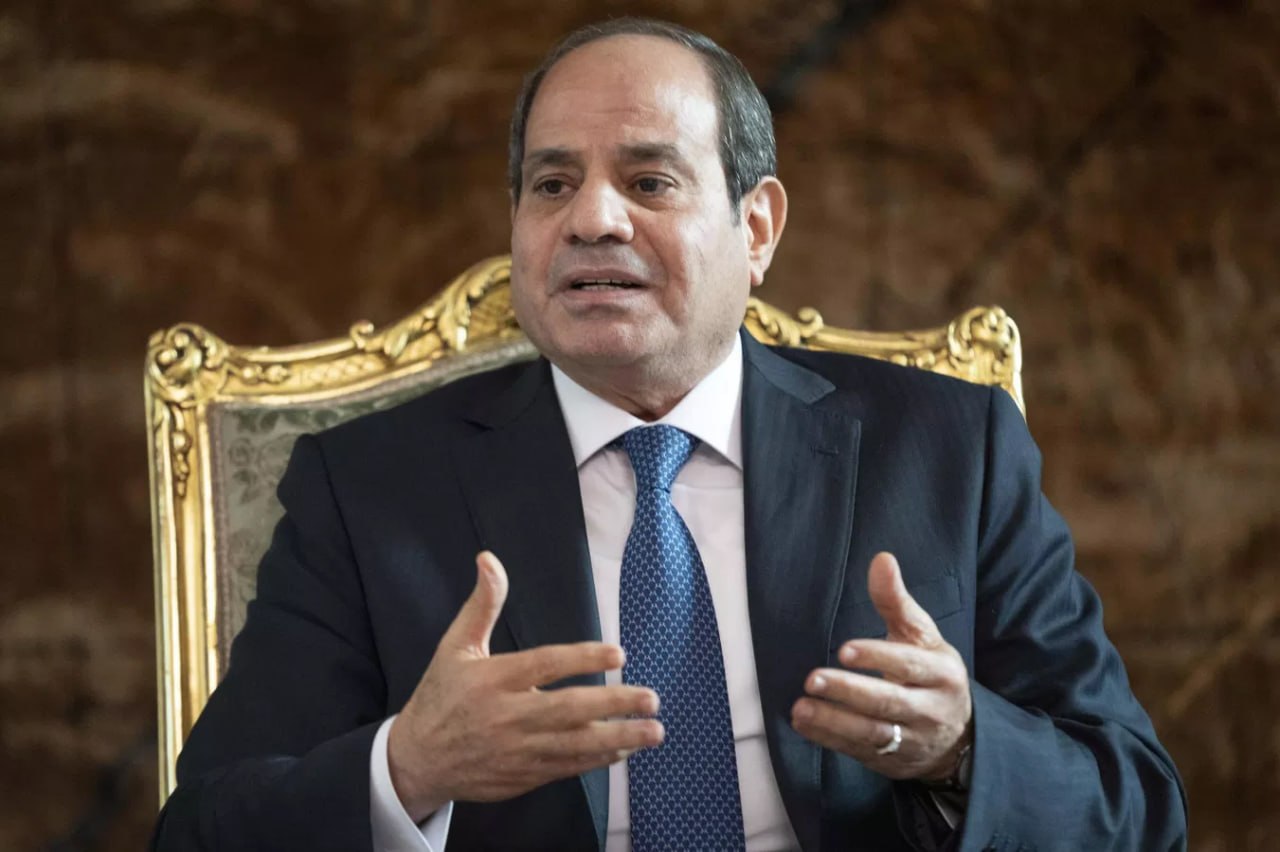
The strategic rapprochement between Egypt and Saudi Arabia is rooted in the recognition that neither country’s security can be considered in isolation from the other. The weakening of state authority in Yemen, Houthi pressure on the Red Sea and the Bab el-Mandeb Strait, and attacks targeting Saudi Arabia threaten not only Gulf security but also global trade routes and energy supplies. 
For both countries, the challenge is no longer limited to containing individual attacks. It also involves preventing regional instability from undermining state sovereignty, disrupting maritime commerce, and creating security vacuums that external powers and armed non-state actors can exploit.
Europe’s defense dilemma between Trump and Zelenskiy
Developments in the Middle East must be considered alongside the tensions between Donald Trump and Volodymyr Zelenskyy and the growing debate over Europe’s military capabilities. Washington’s demand that its allies assume greater responsibility for their own defense, uncertainty over the future of American support for Ukraine, and Europe’s difficulties in expanding its military capacity continue to test the cohesion of the Western alliance.
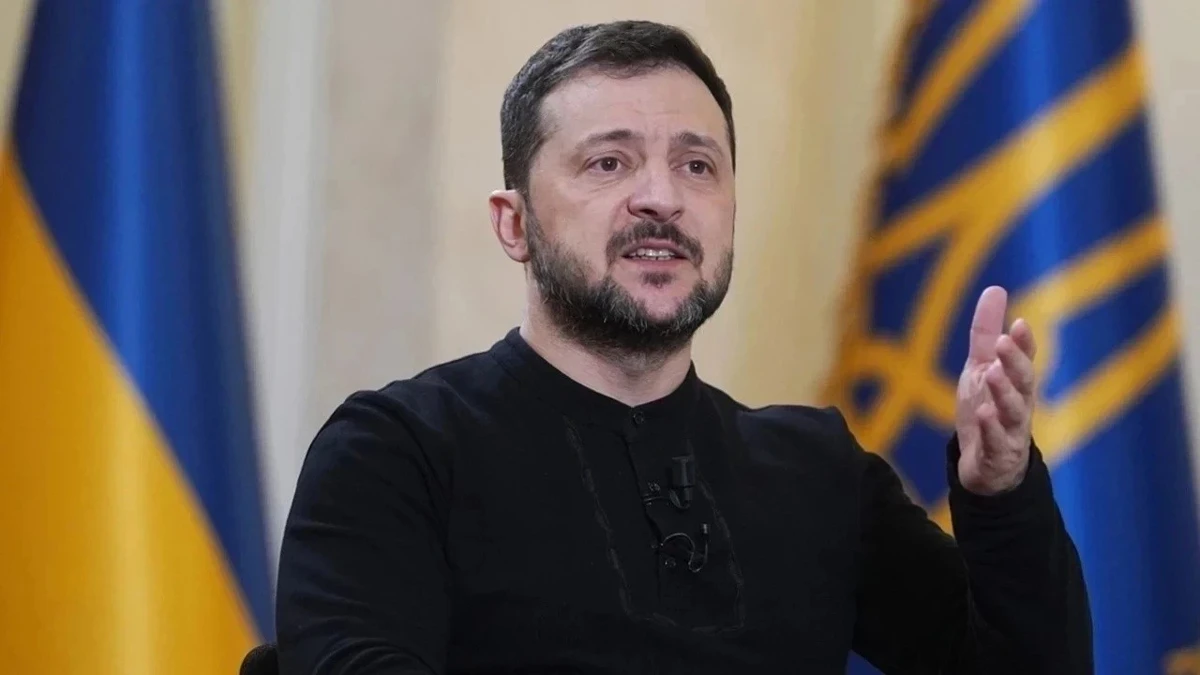
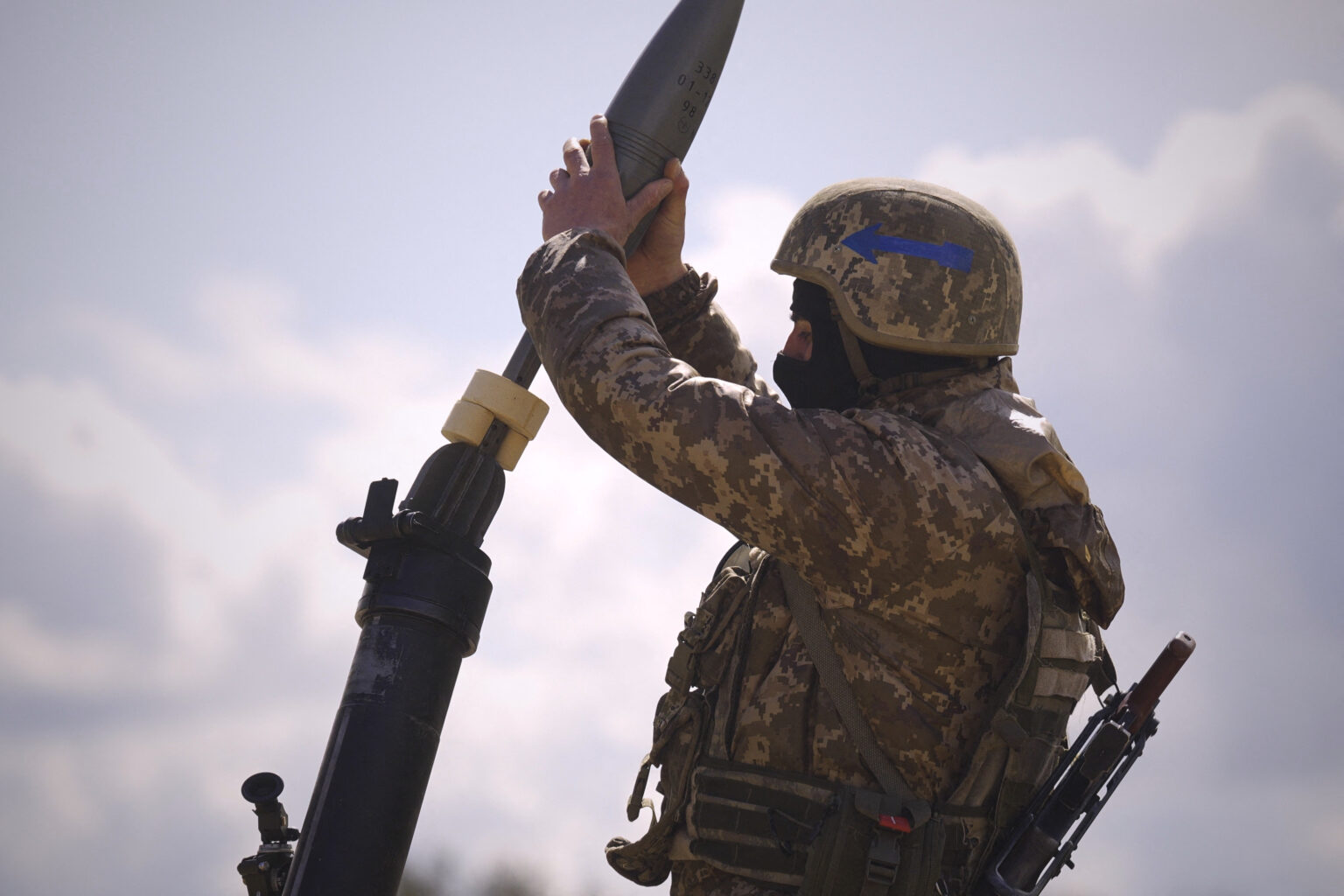
The war in Ukraine has exposed the limitations of a European security model built for decades around American military guarantees. The possibility that the Trump administration may redirect its strategic priorities is pushing European countries to increase defense spending and expand production of ammunition, air defense systems, unmanned platforms, and other critical military equipment. However, political divisions, industrial bottlenecks, and difficulties in reaching common decisions remain significant obstacles.
This crisis is not simply a question of how much Europe spends on defense. It also concerns whether European countries can develop the industrial infrastructure, command structures, logistical networks, and political unity required to sustain a prolonged conflict without excessive dependence on Washington.
These developments have important implications for the Middle East as well. As the United States faces increasingly complex security commitments in Europe, the Indo-Pacific, and the Middle East, regional powers have stronger incentives to develop independent defense capabilities and establish more resilient security partnerships. This creates an opportunity for Türkiye to expand its strategic role as a regional military power and a defense-industrial partner capable of contributing to security beyond its immediate neighborhood.
The strategic impact of the Mecca Pact and the Badr defense agreement
For Türkiye, defense cooperation involving Saudi Arabia and Pakistan has gained strategic significance amid this changing security environment. The potential of cooperation associated with the Mecca Pact and the Badr defense agreement should be assessed not only in terms of military capabilities but also through political coordination, strategic autonomy, and the ability to establish credible collective deterrence. The practical impact of these arrangements, however, depends on the precise scope of the parties’ commitments, their operational coordination, and the mechanisms through which cooperation is implemented.
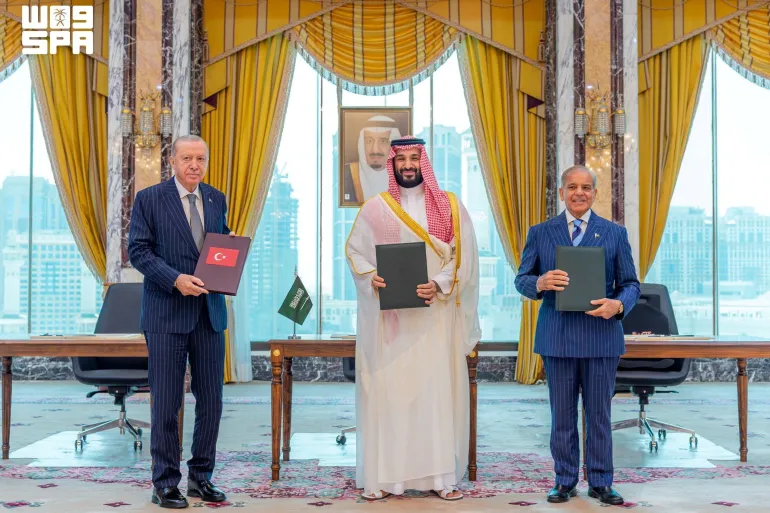
Türkiye’s defense industry could make a substantial contribution through its expertise in unmanned aerial vehicles, electronic warfare, missile systems, naval platforms, and military production. Combined with Pakistan’s military experience and Saudi Arabia’s financial resources, Türkiye’s industrial and technological capabilities could help the participating countries reduce external dependencies and strengthen their capacity to respond to emerging threats.
For Ankara, the strategic value of such cooperation extends beyond arms sales. Joint production, technology transfer, military training, intelligence sharing, and compatible operational systems could create longer-term partnerships while opening new markets for the Turkish defense industry. Such arrangements would also strengthen Türkiye’s ability to influence regional security decisions rather than remain dependent on the priorities of external powers.
Nevertheless, sustainable deterrence requires more than political declarations or defense procurement agreements. Clear commitments, regular joint exercises, interoperable systems, reliable logistics, and agreed procedures for responding to threats are essential. The distinction between political alignment and a fully operational collective defense mechanism must remain clear.
If developed through consistent institutional cooperation, these partnerships could help create a more balanced regional security architecture. At a time when Europe is struggling with its defense shortcomings and Washington is reassessing its global commitments, greater cooperation among Türkiye, Saudi Arabia, and Pakistan could strengthen regional capacity while giving each country greater room for independent strategic decision-making.
Türkiye’s particular advantage lies in its ability to combine NATO membership with an increasingly capable domestic defense industry and working relationships across different geopolitical blocs. This position gives Ankara opportunities to facilitate dialogue, support defense cooperation, and contribute to regional stability without automatically aligning its policies with the priorities of any single external power.
Regional tensions and the emerging balance of power
Houthi attacks, Iran’s relationships with armed groups across the region, and the risk of further escalation around the Strait of Hormuz continue to raise the prospect of a wider conflict in the Middle East. Tehran’s assertions that such groups make their decisions independently complicate efforts to establish accountability and develop effective mechanisms for de-escalation.
Against this backdrop, Egypt and Saudi Arabia have sought to preserve diplomatic channels while maintaining a firm position on sovereignty and national security. Their approach reflects a broader regional dilemma: diplomacy remains essential, but it becomes less effective when states cannot adequately protect their territory, infrastructure, and maritime interests.
Türkiye also has a direct stake in preventing further destabilization. Disruptions in the Red Sea, the Gulf, and the Eastern Mediterranean could affect energy security, international trade, supply chains, and the security of Türkiye’s surrounding regions. Strengthening defense partnerships and developing domestic military capabilities therefore serve not only Ankara’s strategic ambitions but also its economic and security interests.
The wider lesson is that regional stability cannot depend indefinitely on the military presence or political calculations of external powers. More capable regional partnerships could help deter attacks, protect maritime routes, and reduce the likelihood that local crises escalate into broader confrontations. However, such cooperation must be designed to reinforce sovereignty and stability rather than create new rivalries or deepen existing divisions.
Conclusion: Türkiye’s opportunity in a changing security order
The disagreements between Trump and Zelenskiy, combined with Europe’s defense-industrial weaknesses, are affecting not only the future of Ukraine but also the credibility of the wider international security system. Uncertainty over American commitments is encouraging both European and Middle Eastern countries to reconsider their defense priorities and the extent to which they can rely on traditional security guarantees.
In this environment, Türkiye has an opportunity to strengthen its position through defense-industrial cooperation, strategic partnerships, and a more active role in regional security. Cooperation involving the Mecca Pact and the Badr defense agreement could contribute to regional deterrence if it develops into a practical framework supported by clear commitments, joint planning, and sustainable military capabilities.
Türkiye’s growing defense-industrial capacity gives it an advantage that extends beyond conventional military strength. It can offer partners access to technologies, production capabilities, and expertise while reducing their dependence on a limited number of suppliers. Combined with diplomatic flexibility and its established position within NATO, this could allow Ankara to become an increasingly influential contributor to regional security.
Ultimately, the success of these emerging partnerships will depend on whether political ambitions can be translated into effective institutions and credible capabilities. For Türkiye, the objective should be to strengthen strategic autonomy, deepen cooperation with compatible partners, and help shape a regional security order in which the countries of the region have a greater capacity to protect their own interests.

