



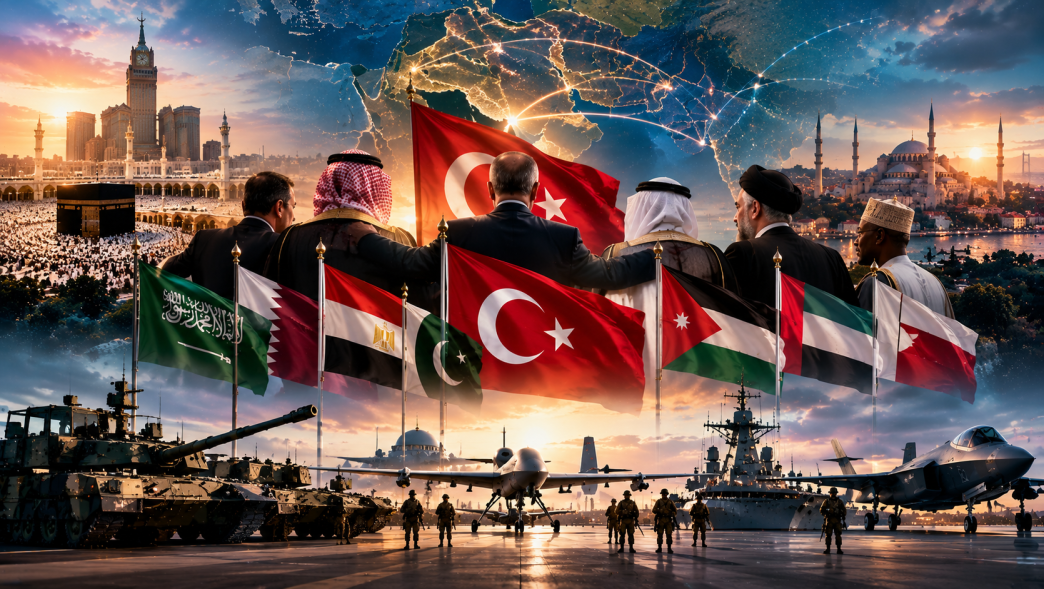
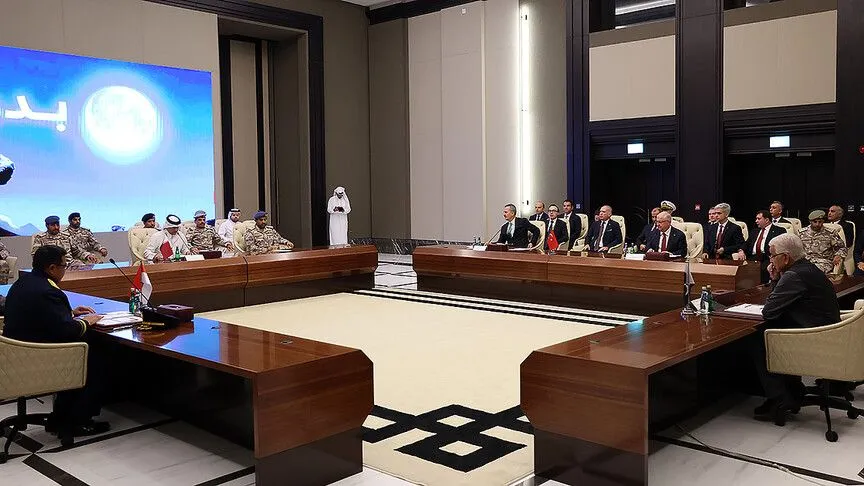
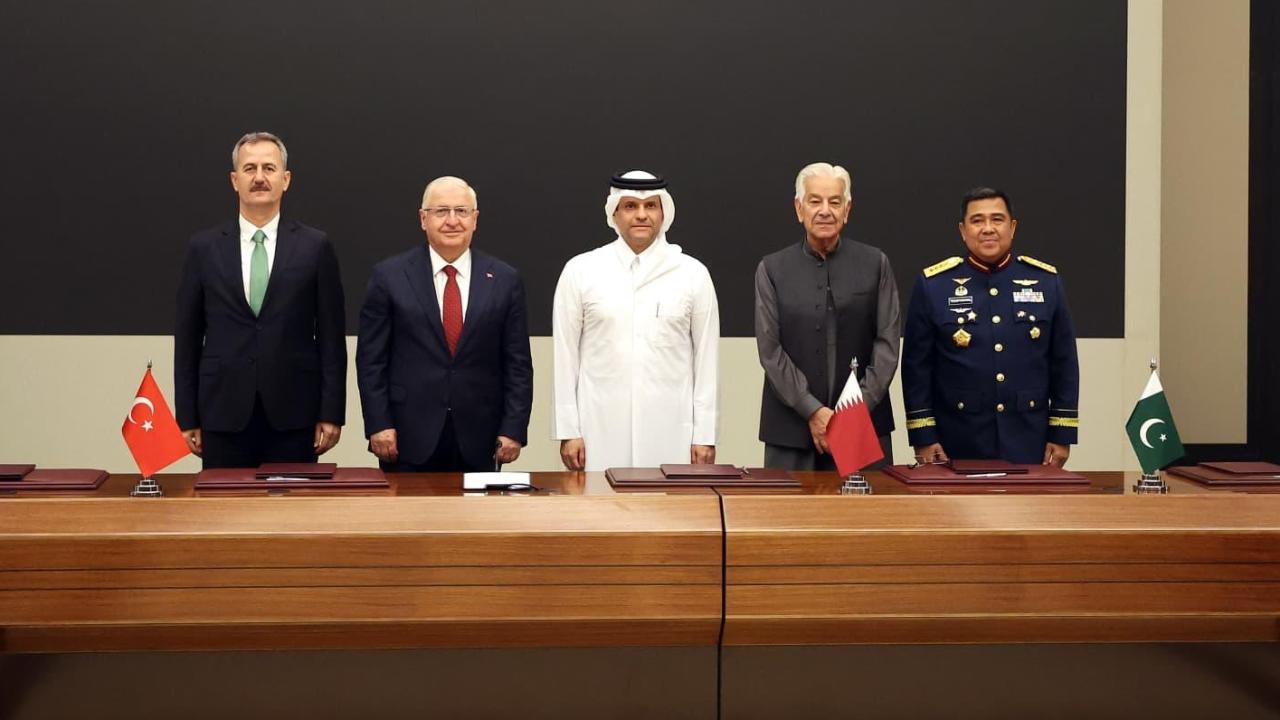
At first glance, the Badr Defence Industry Cooperation Memorandum signed in Doha, the capital of Qatar, may appear to be a technical agreement designed to strengthen defence cooperation among four countries. However, viewing the partnership established between Türkiye, Qatar, Pakistan and Indonesia solely in terms of weapons production, military training or technology sharing would mean overlooking the broader strategic transformation extending from the Middle East to South Asia.
Regional countries no longer want to base their security exclusively on the military protection of external powers, foreign weapons systems or the promises made by existing alliances. The crises of recent years have weakened expectations that the United States’ security umbrella will be available under all circumstances. Although Washington continues to maintain a military presence in the region, the belief that this presence can prevent every threat facing its allies is increasingly being questioned. 
The blockade imposed on Qatar in 2017, the Israeli attack on Doha in 2025, and the war waged by the United States and Israel against Iran in 2026 are among the developments that have prompted regional actors to reassess their security calculations. These events have highlighted the importance not only of military deterrence but also of a broader question of independence encompassing everything from the procurement and maintenance of defence systems to spare-parts supplies and control over software.
Possessing advanced fighter aircraft, air defence systems or naval platforms is not sufficient on its own. It is equally important to keep these systems operational during crises, ensure a sustainable supply of ammunition and develop critical technologies without remaining dependent on decisions made by foreign suppliers. The Badr agreement has emerged at a time when precisely these needs are becoming increasingly apparent.
The Mecca Pact focuses on security, while Badr focuses on production
The distinction between the Mecca Joint Defence Agreement, signed by Türkiye, Saudi Arabia and Pakistan on 7 August 2026, and the Badr memorandum must be properly understood. Although the two initiatives form part of a complementary approach, they do not serve the same purpose.
The Mecca Pact provides a framework for strengthening the parties’ shared security and collective deterrence. Its central strategic dimension is the principle that an attack against one member should also be treated as a security concern by the others. Saudi Arabia’s steps in October towards activating joint deterrence mechanisms following Houthi attacks also demonstrate an effort to ensure that the agreement does not remain merely a political declaration.
Badr, by contrast, focuses on joint defence industry projects, research and development, co-production and military training. The memorandum signed by the four countries does not contain a mutual-defence clause requiring the other countries to intervene militarily automatically in response to an attack against one of the parties. Therefore, it would not be accurate to describe Badr directly as a new military alliance or as NATO for the Islamic world.
The main point is that these two structures address different needs. While the Mecca Pact focuses on the framework within which countries can act together during a crisis, Badr raises the question of which technologies and production infrastructure these countries can use to strengthen their defence capabilities.
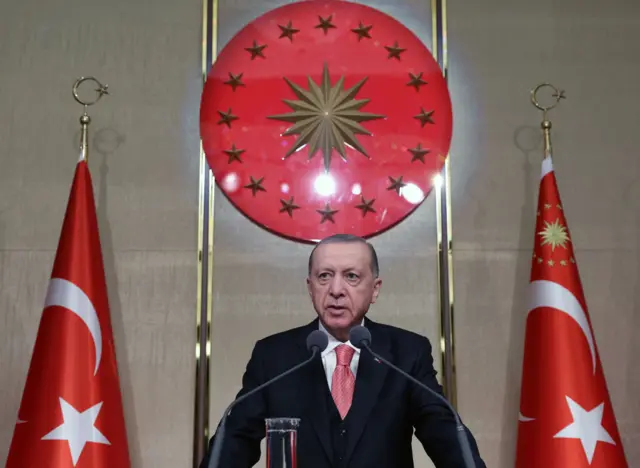
This distinction is particularly important for Türkiye. Ankara is not merely a country participating in regional security partnerships; it is also emerging as a defence industry hub that develops naval platforms, armoured vehicles, unmanned systems, electronic warfare technologies and various weapons systems. Türkiye’s production capacity is one of the principal factors that could provide a concrete foundation for the complementarity between the two initiatives.
Why is Türkiye in a central position?
Understanding the strategic value of the Badr memorandum requires examining the existing defence industry relationships among the four countries. They have previously established projects, launched joint production initiatives and developed partnerships based on technology sharing. The new agreement aims to bring these efforts together within a broader framework of cooperation.
Türkiye’s defence relationship with Pakistan has a substantial history, particularly in naval platforms and military modernisation. The Babur-class corvettes built in Istanbul are a concrete example of defence industry cooperation between the two countries. The development of shipyard infrastructure in Pakistan to complete the remaining vessels in the programme also reflects an approach based not merely on supplying products but on strengthening local production capacity.
A similar model is evident in Ankara’s relationship with Indonesia. Turkish and Indonesian defence companies are gaining experience in joint production and technology development through the KAPLAN MT medium-weight tank project. Such projects demonstrate that, rather than simply selling defence products from one country to another, it is possible to share production processes and technical expertise.
In Qatar, the BARQ initiative, developed through cooperation between ASELSAN and Barzan Holdings, is one example of efforts to manufacture defence systems locally. The Qatari government’s plans for a domestic defence production hub also indicate that the country does not want to remain merely a customer purchasing large quantities of weapons over the long term.
Taken together, these examples make Türkiye’s position clearer. Ankara can help connect Pakistan’s engineering and manufacturing experience, Qatar’s financial capacity and Indonesia’s industrial infrastructure. However, this central position does not mean that Türkiye must control every process on its own. On the contrary, for the partnership to endure, each participant must make a meaningful contribution to production, technology and decision-making mechanisms.
The success of Badr will be measured by whether Türkiye can transform its existing bilateral relationships into four-party projects. If the countries continue to purchase defence products from Türkiye separately, the agreement’s impact may remain limited. By contrast, bringing Pakistani engineers, Qatari investors, Indonesian manufacturers and Turkish defence companies together on the same projects could pave the way for a much stronger industrial ecosystem.
Why is confidence in the US security umbrella weakening?
One of the fundamental challenges facing the Middle East’s security order is the renewed questioning of the relationship between military protection and strategic independence. The United States remains an important military partner for the Gulf countries, a supplier of advanced weapons systems and one of the principal actors shaping the regional balance of power. However, there is no longer an automatic relationship between Washington’s military capabilities and its allies’ sense of security.

At the heart of this problem lies the fact that US regional priorities do not always align with the security expectations of its partners. Washington determines the scope of its military interventions according to its global interests, domestic political considerations and broader strategic calculations. Gulf countries, meanwhile, may expect threats directed against them to be addressed independently of Washington’s other priorities.
The difference between these two approaches becomes more visible during crises. The presence of US military bases and the deployment of advanced defence systems in the region provide significant advantages in terms of deterrence. However, this presence does not guarantee that every attack will be prevented or that Washington will intervene to the same extent in every crisis.
The regional uncertainty intensified by the war with Iran has further strengthened this debate. For the Gulf countries, the issue is no longer simply which state will provide military support; it is also how energy infrastructure, ports, airports and critical facilities can be protected during a potential conflict. Answering these questions requires the development of domestic defence capabilities alongside external security partnerships.
Consequently, the weakening of confidence in the United States should not be interpreted as meaning that Washington is being completely excluded from the region or that Gulf countries will sever their relations with it. A more realistic assessment is that these countries no longer want their security to depend entirely on the decisions of a single external power.
The alternative Türkiye offers is an approach that does not require the complete abandonment of existing Western security relationships but instead focuses on enabling countries to develop their own defence capabilities. Domestic production, joint technology development and regional cooperation are emerging as instruments that can complement security support obtained from abroad.
New members and the possibility of expansion
The potential expansion of the Mecca Pact is one of the issues that could affect security balances in the Middle East and its surrounding regions. Egypt is frequently mentioned as a potential new member. Statements indicating that Bangladesh and Syria are considering membership also point to a broader search for security cooperation. The possibility of Qatar joining this framework is being discussed as well.
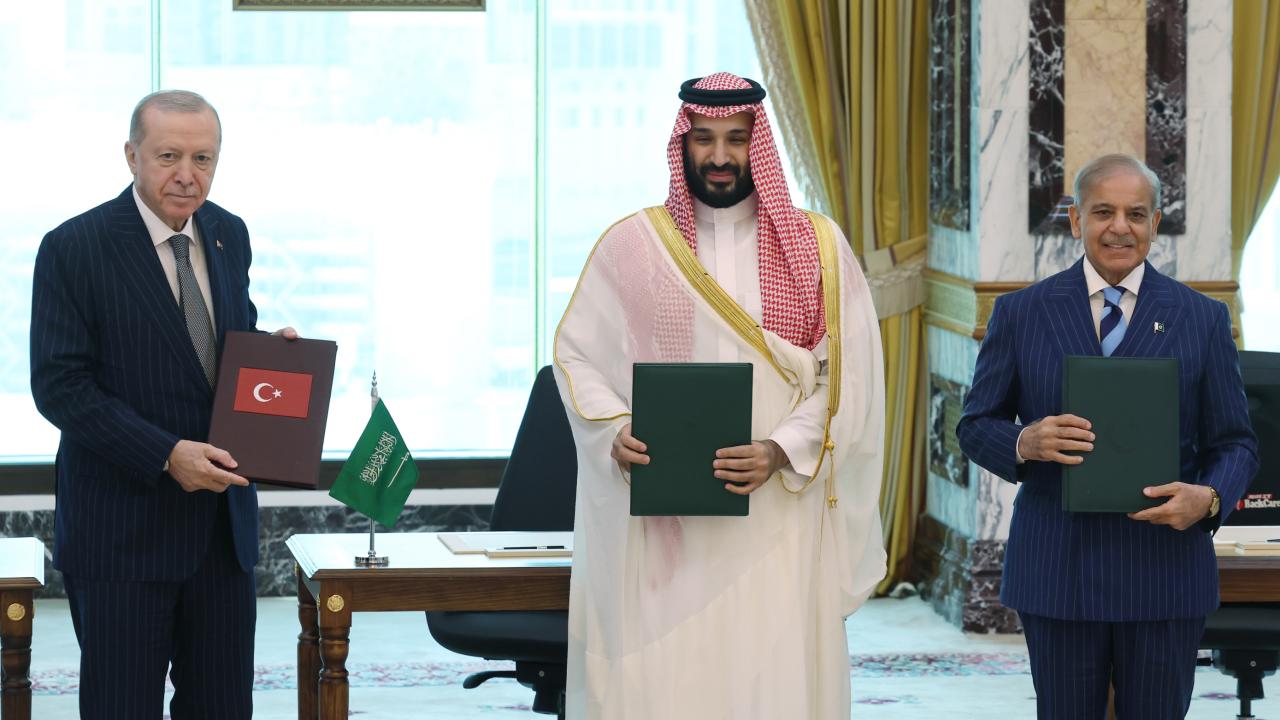
However, the expansion of the Mecca Pact and the opening of Badr to new partners should not be treated as the same process. The Mecca Pact directly concerns countries’ security commitments and their approach to collective deterrence. Badr, by contrast, is based on different criteria, including industrial infrastructure, technology sharing, financing and production capacity. For this reason, expanding defence industry partnerships may prove to be a more flexible process than expanding collective-defence agreements.
Countries that use Turkish defence products or wish to establish technology development partnerships with Ankara may seek closer cooperation through mechanisms similar to Badr in the future. However, it cannot be said that the memorandum, in its current form, establishes a membership system open to all countries. New projects, partnership conditions and decision-making mechanisms would need to be clearly defined for that to happen.
If such an expansion takes place, Türkiye’s influence could extend beyond that of a country exporting defence products. Ankara could strengthen its position as an actor that brings together the production infrastructure of countries across different regions, contributes to the development of common standards and facilitates technology development processes.
Conclusion: A more independent security approach under Türkiye’s leadership
The Badr memorandum has not yet reached the stage at which it can be characterised as a new regional military alliance. Nevertheless, it provides a political and technical framework for developing more comprehensive defence industry cooperation among Türkiye, Qatar, Pakistan and Indonesia. When considered alongside the Mecca Pact, it points to a broader approach that treats security and production capacity as complementary elements.
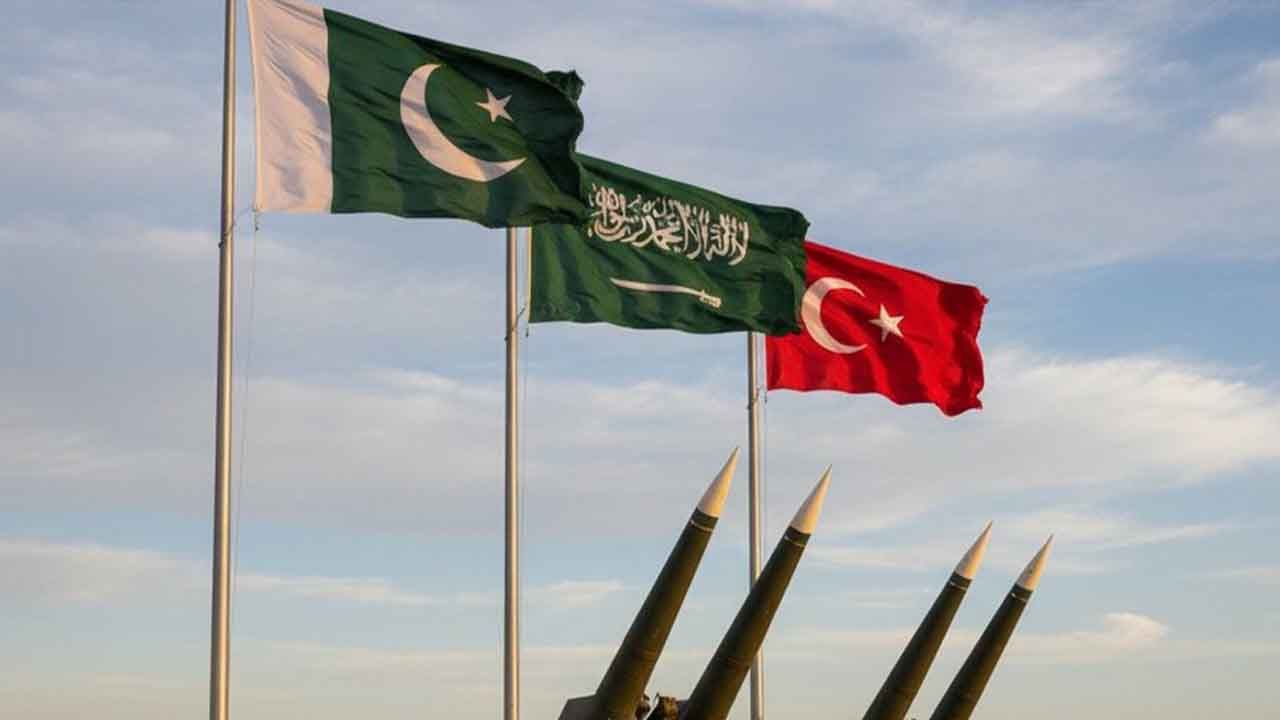
The fundamental dynamic behind this approach is that regional countries’ confidence in the US security umbrella is no longer as unconditional as it once was. While Washington’s military power and regional presence remain significant, countries are increasingly aware of the risks of tying their security solely to US political decisions or the support provided by foreign suppliers.
Türkiye’s advantage in this changing environment lies not only in its political support for regional security initiatives but also in its ability to develop defence systems that partners need and contribute to their production processes. Ankara’s existing projects with Pakistan, Qatar and Indonesia provide a starting point for turning this partnership into tangible results.
Nevertheless, the sustainability of Türkiye’s leadership role depends on a partnership model that enables the other countries to develop their own capabilities. The objective should not be to concentrate all production in a single centre, but to bring together the financial, engineering, manufacturing and technological resources of different countries in pursuit of common goals.
The real success of Badr will lie not in acquiring the name of a new alliance, but in establishing a sustainable production network through which its partners can meet their own defence needs. If this objective is achieved, Türkiye could become not only an important component of the regional security architecture but also one of the countries providing its technological and industrial foundations.

