

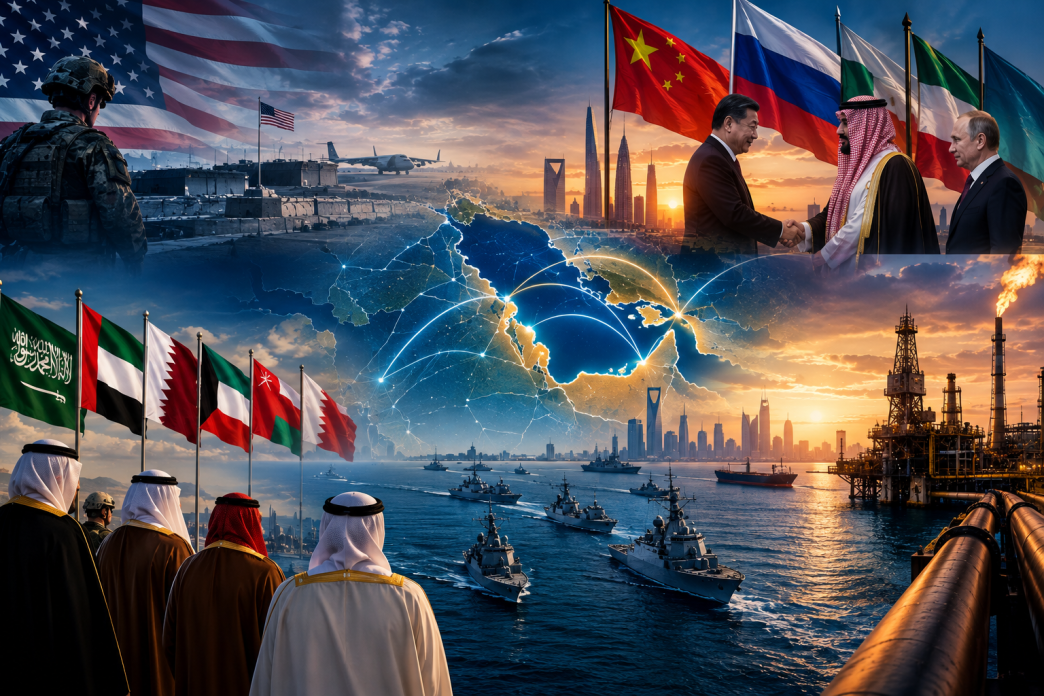
The war waged by the United States and Israel against Iran and the effects of the conflict spreading across the Middle East are forcing the members of the Gulf Cooperation Council (GCC) to reassess the security approach they have relied on for many years. Iran’s retaliatory attacks with missiles and unmanned aerial vehicles have made not only the Gulf countries’ military infrastructure but also their energy facilities, trade routes, and economic transformation objectives vulnerable to threats.
These developments have increased questions about the role of the United States in regional security. While the Gulf monarchies continue to need Washington’s military power, they are also seeing that American security guarantees may not always align with their own interests under all circumstances. Therefore, the main trend in the region is not to move completely away from the United States, but to reduce dependence on external security, develop indigenous defense capabilities, and expand their room for maneuver through alternative partnerships.
The emerging order can be expected to take shape between the continuation of the old security model and the pursuit of greater regional autonomy. However, the direction in which this transformation will proceed will depend on the outcome of the war and the extent to which the Gulf countries can improve coordination among themselves.
U.S. security guarantees are being questioned again
For the Gulf countries, the United States has for many years been the main external actor in regional deterrence. American military bases, intelligence cooperation, arms supplies, and maritime security activities are at the center of the defense policies of the Gulf monarchies. However, the war with Iran has made the limitations of this security model more visible.
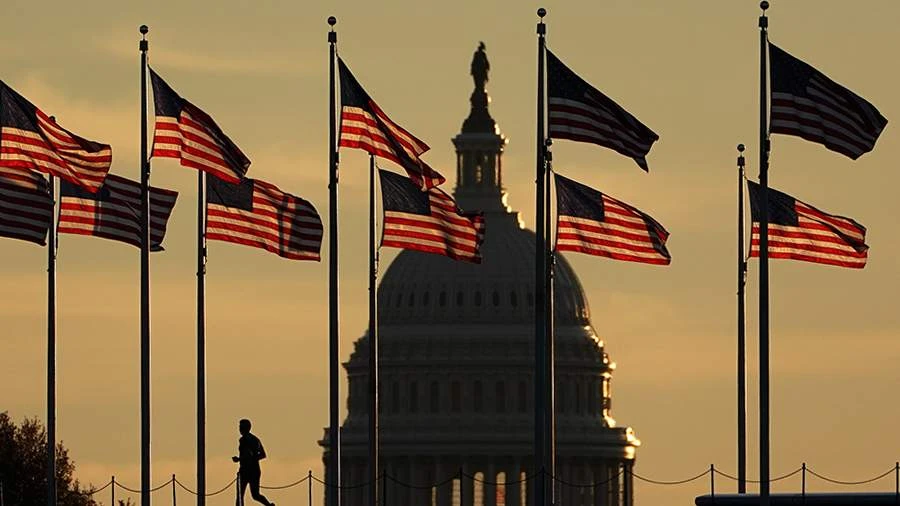
Although the U.S. military presence in the region provides the Gulf countries with a certain degree of protection, it can also expose these countries to the direct consequences of Washington’s conflicts with Iran. Iran’s threats targeting the American military presence and the missile and UAV attacks in the region have shown that external security guarantees alone may not be sufficient.
Nevertheless, a short-term break between the Gulf countries and the United States does not appear realistic. Washington remains important because of its military capabilities in the region, intelligence network, and defense partnerships. Therefore, the more likely scenario is not for another power to replace the United States, but for the Gulf countries to reduce their dependence on Washington by diversifying their security relationships.
Is a security order that excludes Iran sustainable?
One of the main challenges facing the Gulf countries is that, despite their mistrust of Iran, they will not be able to exclude Tehran from the regional security equation. Iran will remain a decisive actor in the Gulf’s future because of its geographical position, military capabilities, and influence over the Strait of Hormuz.
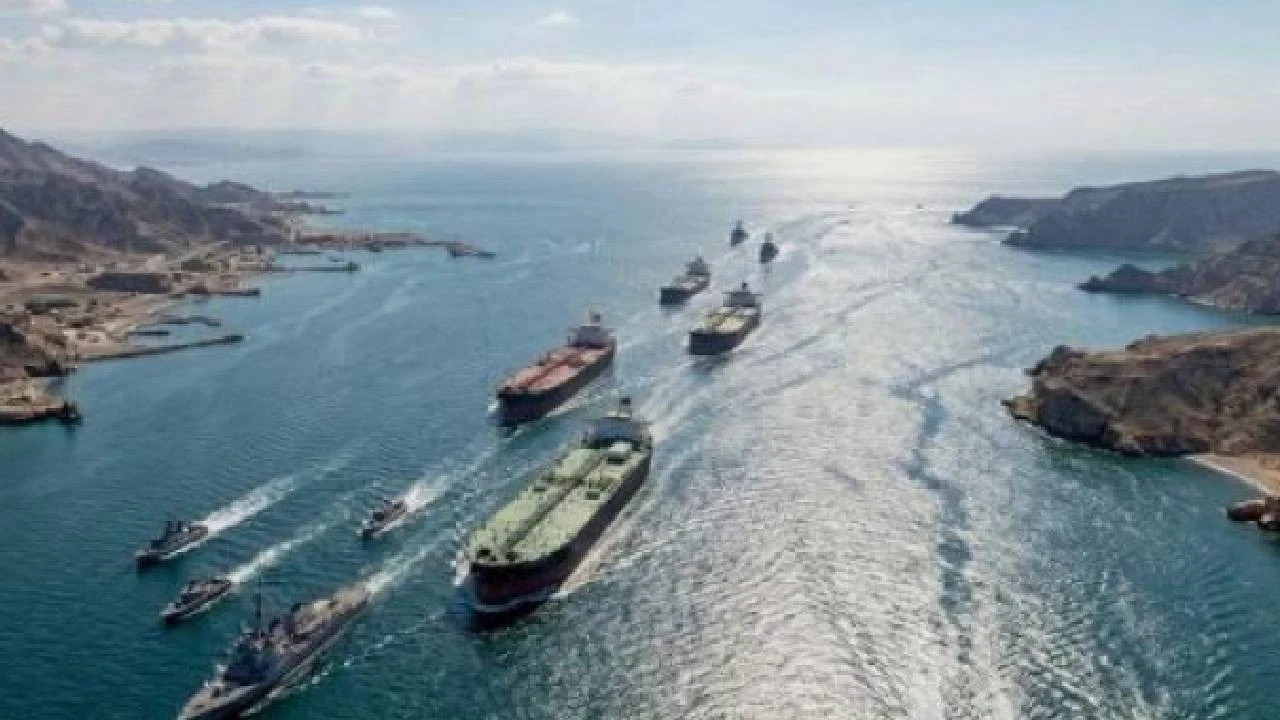
Qatar’s Emir Sheikh Tamim bin Hamad Al Thani’s emphasis on a regional collective security system at the United Nations General Assembly, and Anwar Gargash, diplomatic adviser to the President of the United Arab Emirates, calling for direct dialogue between Arab countries and Iran, can be regarded as signs of this search.
These statements do not mean that a comprehensive reconciliation between the Gulf countries and Iran will be achieved in the near future. In particular, the security concerns of countries that have been subjected to Iranian missile and UAV attacks remain. Nevertheless, the war has demonstrated that limiting Iran solely through pressure and isolation is not sufficient to establish regional stability.
A lasting security order requires mechanisms that take into account the threat perceptions and fundamental security concerns of all sides. Keeping diplomatic channels open with Iran does not mean that the Gulf countries are abandoning their military preparations. On the contrary, conducting diplomacy and deterrence together is important for preventing miscalculations and a new regional war.
Defense partnerships are diversifying
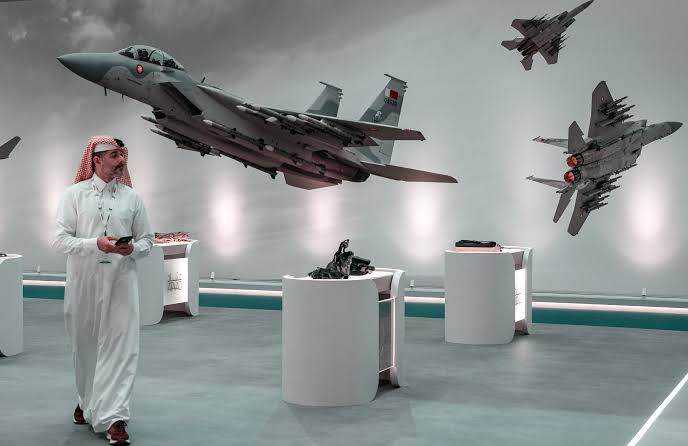
The changing security policies of the Gulf countries are also becoming visible in the defense industry and arms procurement. Missile and unmanned aerial vehicle threats are increasing the need for air defense systems, early-warning infrastructure, electronic warfare capabilities, and the protection of critical facilities.
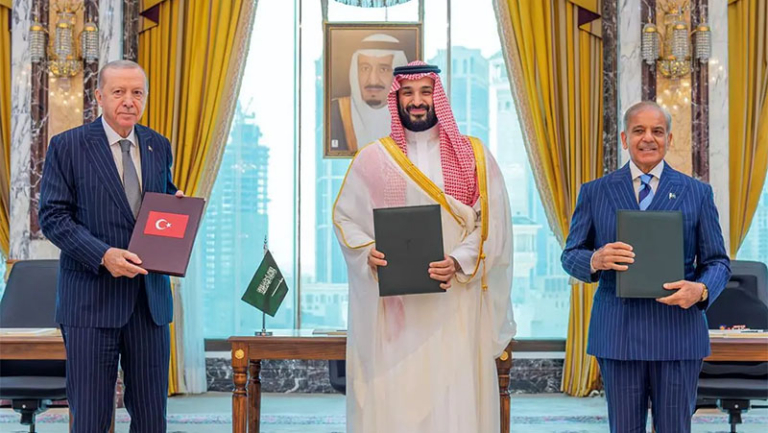
While maintaining their military relations with the United States, these countries may also seek to develop their relations with France, China, Türkiye, Pakistan, and other defense partners. The aim is to build capabilities capable of addressing different operational requirements without becoming dependent on a single supplier or security partner.
The development of indigenous defense industries is also an important pillar of this strategy. However, purchasing defense systems from different countries alone does not provide strategic autonomy. These systems must be able to operate through a common command-and-control infrastructure, maintenance and ammunition supplies must be sustainable, personnel must be trained, and intelligence sharing must be secured.
Therefore, the success of the new defense approach in the Gulf will depend not only on arms purchases but also on the extent to which regional cooperation and indigenous production capabilities can be developed.
The Strait of Hormuz: Economic security is part of national security
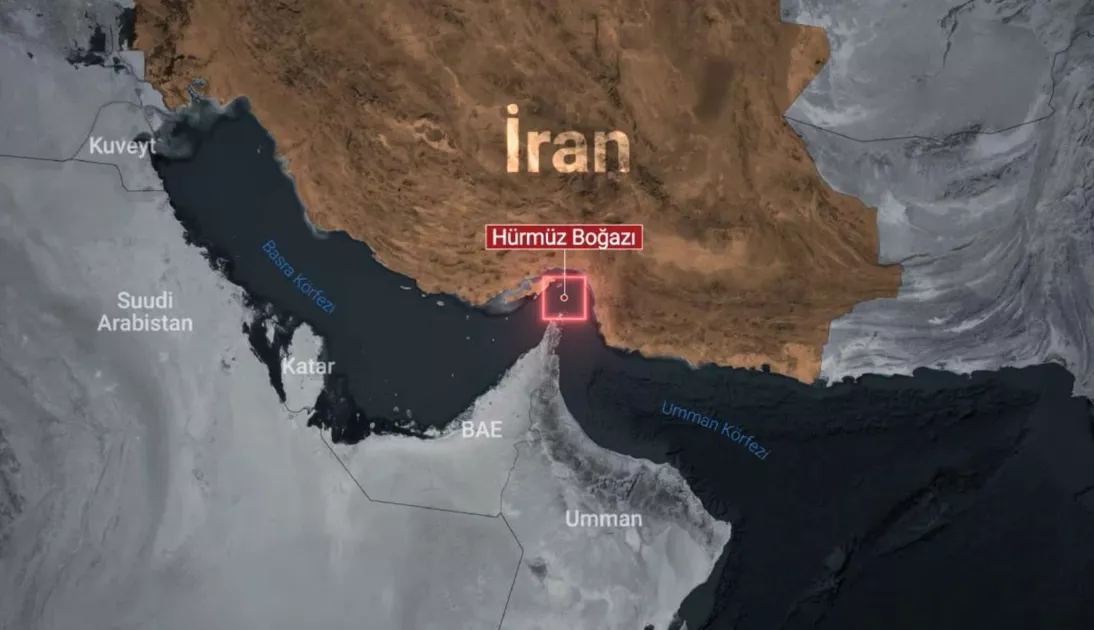
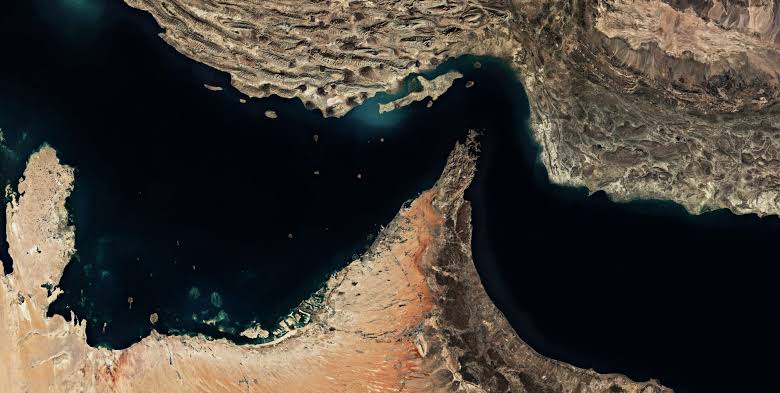
The war with Iran has shown the Gulf countries that economic security and military security cannot be considered separately. Disruptions to maritime traffic in the Strait of Hormuz or threats to energy exports affect not only oil and natural gas revenues but also global trade, investment flows, and the region’s economic transformation projects.
The economic diversification objectives of the Gulf countries, particularly Saudi Arabia’s Vision 2030 program, depend on a stable regional environment, reliable supply chains, and investor confidence. Attacks on energy facilities or maritime transportation routes could directly increase the cost of achieving these objectives.
The geographical position of the Gulf countries also represents an important constraint. Possessing substantial financial resources and advanced weapons does not eliminate the importance of a narrow and strategic passage such as the Strait of Hormuz. Therefore, ensuring maritime security, developing alternative trade and energy routes, and keeping regional tensions under control must be addressed together.
The Gulf’s future: Autonomy, deterrence and diplomacy
The emerging picture shows that the Gulf countries are seeking not so much to end their relations with the United States as to place these relations on a more balanced footing. Washington’s military power will continue to occupy an important place in the region’s security equation for the foreseeable future. At the same time, the Gulf monarchies may place greater emphasis on developing their own defense capabilities, establishing cooperation with different countries, and strengthening direct channels of communication with Iran.
However, there are serious obstacles to this process. The threat perceptions and foreign-policy priorities of the Gulf countries differ from one another. Developing a common approach to normalizing relations with Iran will not be easy, while the strategic priorities of the United States in the region will continue to influence the choices of these countries.
In conclusion, the war with Iran has accelerated a transformation in the Gulf’s security architecture. The defining feature of the new period will not be the disappearance of the American military presence, but rather the unwillingness of regional countries to leave their security entirely in the hands of a single external power. The development of defense industries, diversification of military partnerships, and continuation of diplomatic contacts with Iran are complementary elements of this search.
Achieving lasting stability, however, will not be possible through military superiority alone. While maintaining their deterrence against the security risks posed by Iran, the Gulf countries will have to develop common mechanisms capable of managing regional crises. Otherwise, reducing dependence on external powers could lead not to the prevention of new security problems, but to regional competition evolving into a more fragmented and less predictable structure.
Source: Times of Defence