

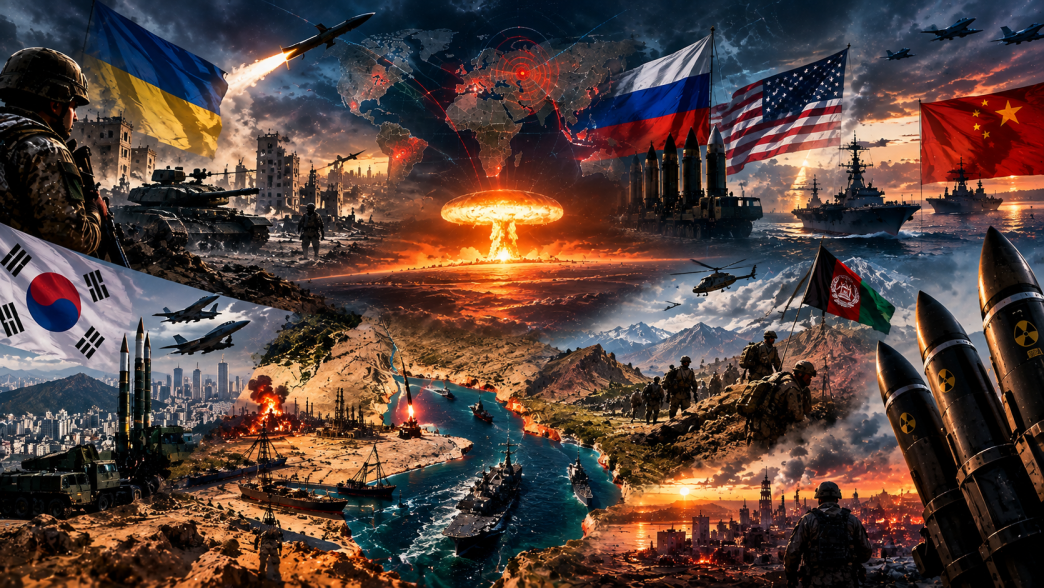
The impact of nuclear weapons on international security has largely been assessed through the concept of deterrence since the Cold War. However, developments stretching from Ukraine to the Middle East and from the Korean Peninsula to Europe are making it necessary to reconsider this approach. Intensifying competition among major powers, the possibility of regional wars expanding, and rapid advances in military technology are causing nuclear risks to become more than merely a theoretical concern.
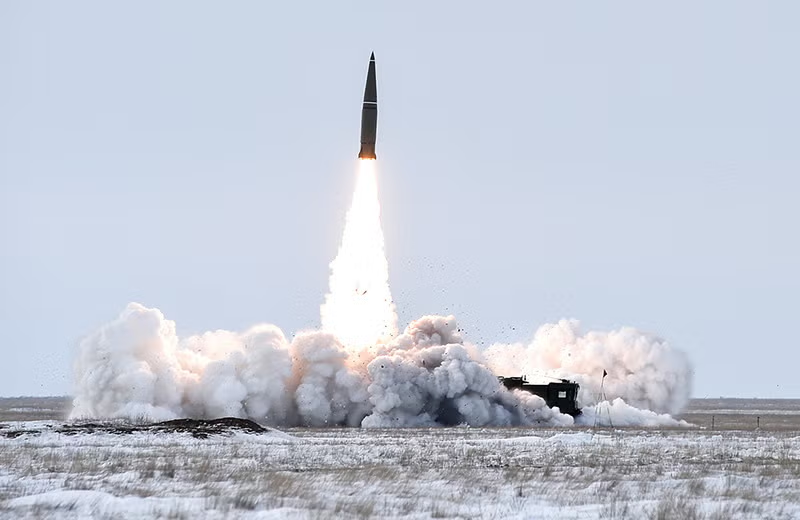
One of the most critical dimensions of this picture is the role tactical nuclear weapons may play in future wars. Designed for use against specific military targets, these weapons can be presented as a more limited option compared with strategic nuclear weapons. However, having a lower explosive yield does not mean that their consequences will be limited or that a conflict can be kept under control. 
The real danger lies in the transition from a security approach in which nuclear weapons are regarded solely as a last resort to an order in which they are considered among the tools that could be used under certain military conditions. Such a transformation could lower the threshold for nuclear use and turn a regional war into the beginning of a global catastrophe.
Why are tactical nuclear weapons back on the agenda?
Tactical nuclear weapons generally refer to nuclear weapons that can be used against military targets on the battlefield. Strategic nuclear weapons, meanwhile, are part of a deterrence framework designed to target an adversary’s military capabilities and national security on a broader scale. Nevertheless, there is no clear and universally applicable technical boundary between these two categories. The nature of a weapon depends not only on its explosive yield but also on its delivery system, target, and intended purpose.
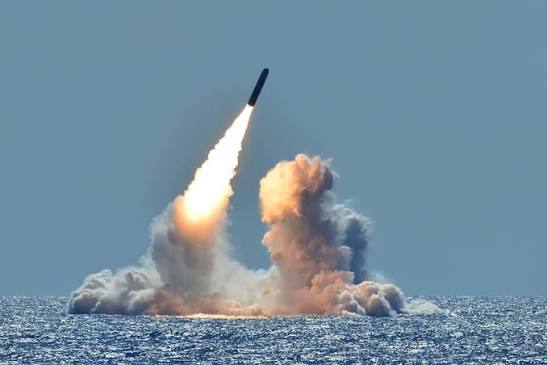
Three main developments lie behind the renewed debate over tactical nuclear weapons. The first is the return of military considerations to the forefront of competition among major powers. The second is the resurgence of high-intensity conventional warfare. The third is the acceleration of military decision-making processes through technologies such as artificial intelligence, hypersonic weapons, unmanned systems, and electronic warfare.
Mutual distrust, particularly between Russia and NATO, has once again placed nuclear deterrence at the center of European security. Competition among the United States, Russia, and China is making this picture even more complex.
The fundamental problem here is not so much the existence of nuclear weapons as the growing political and military perception that they are usable. Deterrence depends on an adversary taking the potential damage it could suffer into account, while the normalization of the possibility of nuclear use also increases the risk of miscalculation.
The war in Ukraine: The limits of nuclear deterrence
The war in Ukraine is one of the clearest examples of how a state possessing nuclear weapons can turn nuclear threats into an instrument of political pressure while waging a conventional war. Russia’s nuclear rhetoric is intended to influence the limits of military support provided to Ukraine by Western countries, while also keeping the risk of direct confrontation between Moscow and NATO constantly in the spotlight.
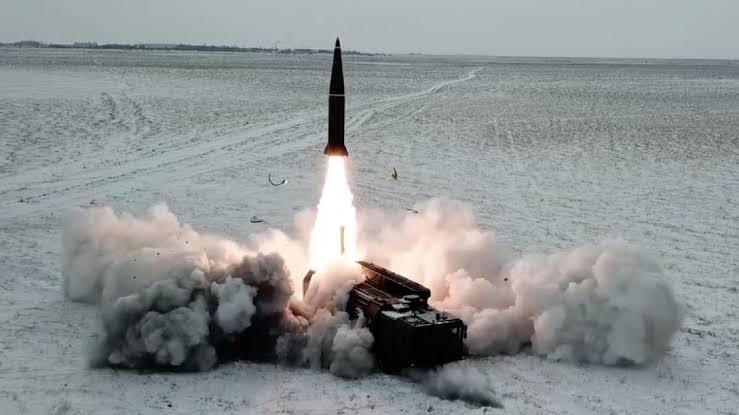
However, one of the realities demonstrated by the war is that nuclear weapons do not automatically provide Russia with military superiority. Ukraine’s operations against Russian military and logistical targets, together with Western weapons support, show that nuclear deterrence cannot entirely prevent conventional military activities.
From Russia’s perspective, the potential role of tactical nuclear weapons is discussed in scenarios in which conventional forces come under severe pressure or the war reaches a stage that threatens Moscow’s core security interests. It is assumed that using these weapons could halt the adversary’s military advance or force Western countries to negotiate.
Yet such use would not guarantee that the opposing side would back down. Rather than responding directly with nuclear weapons, NATO could expand its conventional military intervention, intensify attacks against Russian targets, or raise the readiness level of its forces. If Moscow interpreted these steps as a new escalation, the conflict could spiral out of control.
Moreover, the use of nuclear weapons on the battlefield would not affect military targets alone. The blast, heat, radiation, and radioactive fallout could have severe consequences for civilian populations, healthcare systems, agricultural land, and the environment.
The fundamental lesson of the Ukraine case is this: Nuclear weapons may help prevent a war from starting, but once a war has begun, they cannot control every move made by the parties involved.
Europe and NATO: The balance between deterrence and escalation
After the end of the Cold War, Europe developed a strong perception that the possibility of nuclear war had receded into the distance. However, the Russia-Ukraine war has reshaped the continent’s security architecture. Military preparations on NATO’s eastern flank, Russia’s nuclear rhetoric, and debates over the United States’ role in European security have once again brought nuclear deterrence to the forefront.
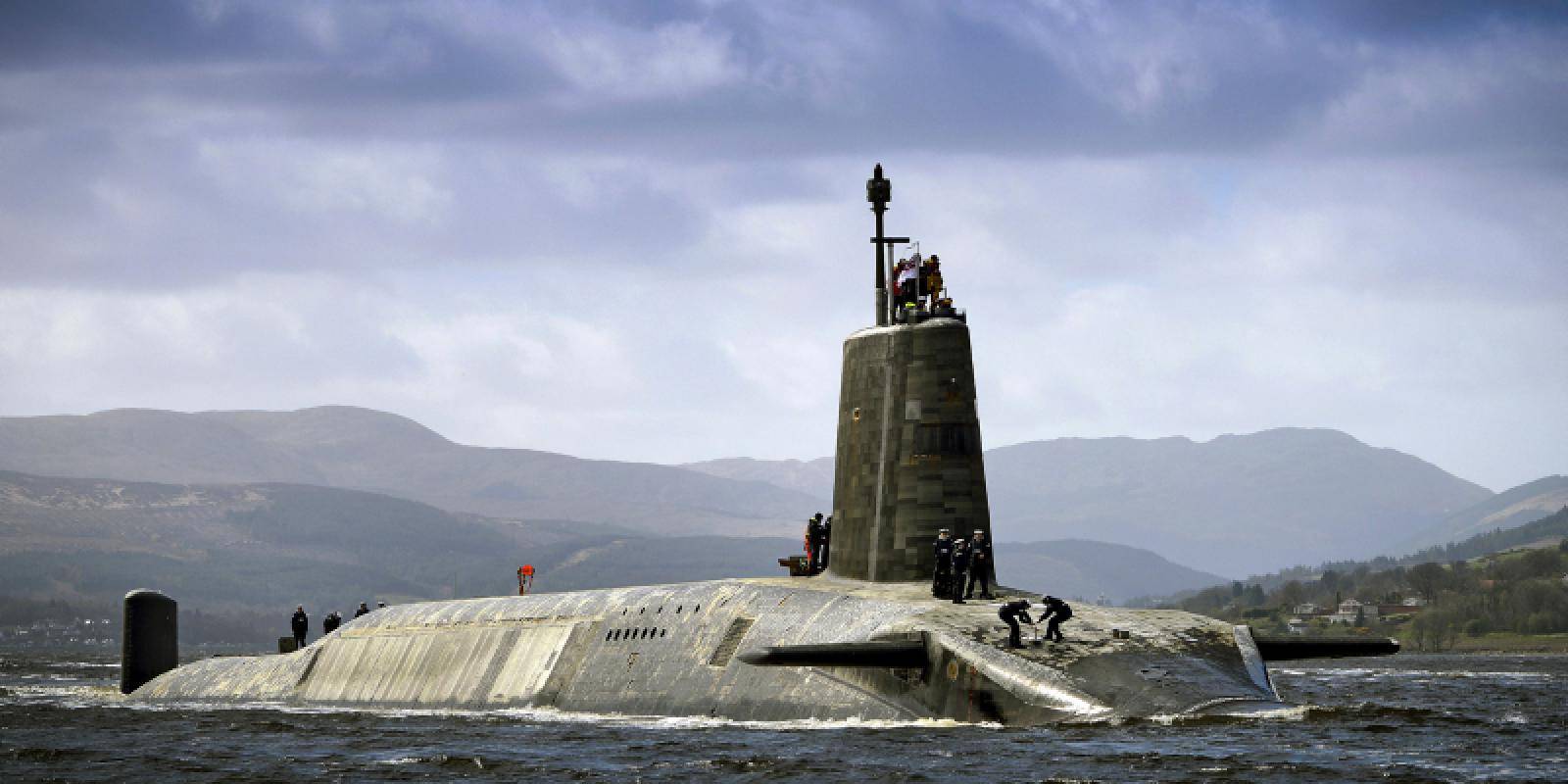
NATO’s nuclear capabilities are considered alongside its conventional forces and missile defense systems. U.S. nuclear weapons deployed in Europe, together with the independent nuclear capabilities of the United Kingdom and France, constitute different elements of this security architecture.
However, measures taken to strengthen deterrence can also heighten the adversary’s perception of a threat. Operations involving nuclear-capable aircraft, military exercises, or changes in force readiness levels may be interpreted by the opposing side as preparations for an attack.
Russia’s statements concerning the deployment of nuclear weapons in Belarus and European countries’ efforts to strengthen their own deterrence capabilities are examples of this mutual distrust.
Europe’s options are not limited to developing greater nuclear capabilities. Improving the reliability of early-warning systems, keeping crisis communication channels open, and developing mechanisms to prevent miscalculations are also important components of deterrence.
This is because the nuclear balance of power is determined not only by how many weapons a state possesses but also by how predictable the conditions under which those weapons might be used are.
The United States, Russia, and China: A new nuclear rivalry
One of the key factors that will shape the future of the global nuclear order is the strategic competition among the United States, Russia, and China. The differing security priorities of these three countries, combined with the modernization of nuclear forces and the weakening of arms control mechanisms, are creating an increasingly complex balance.
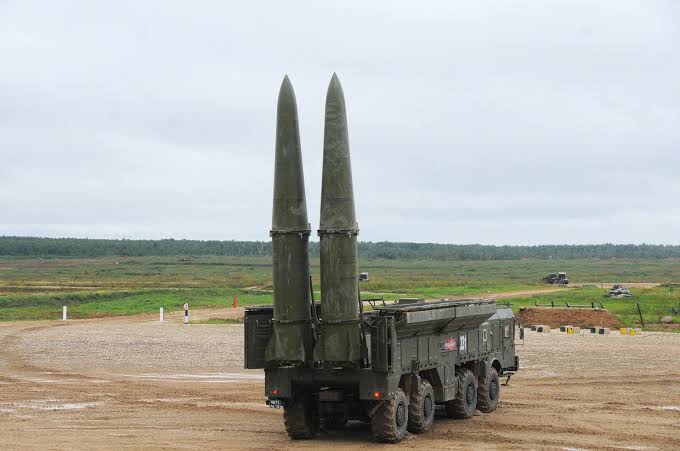
According to the Stockholm International Peace Research Institute’s 2026 assessment, the combined inventory of the nine nuclear-armed states consists of approximately 12,187 warheads. Around 9,745 of these are held in military stockpiles. The slowdown in the dismantling of older warheads worldwide and the deployment of new weapons demonstrate that nuclear competition has not come to an end.
Russia is seeking to maintain its deterrence against the United States and NATO by modernizing its nuclear forces. The United States, meanwhile, must take into account both Russia’s capabilities and China’s rapidly expanding nuclear arsenal. China’s expansion of its capabilities is transforming Washington’s calculations of a bilateral strategic balance into a more complex competitive environment.
The most significant consequence of this transformation is that states are being forced to take more than one nuclear adversary into account simultaneously. A measure taken by the United States against China may be perceived as a threat by Russia, while Moscow’s response could affect China’s military planning. In this way, a bilateral rivalry could evolve into a broader arms race.
The diversification of tactical nuclear weapons is also an important dimension of this competition. Warheads with lower explosive yields may create the impression that decision-makers have access to a more limited option. However, it is impossible to know with certainty in advance how the opposing side would interpret such an attack.
Therefore, although diversifying nuclear capabilities may strengthen deterrence in some scenarios, expanding the range of options available during a crisis can also create new risks.
The Middle East: From regional conflict to nuclear crisis
The Middle East is one of the world’s most sensitive regions when it comes to the future of nuclear weapons. Although Israel is widely believed to possess nuclear weapons, it maintains a policy of official ambiguity regarding this capability. Disputes surrounding Iran’s nuclear program, the rivalry between Israel and Iran, and the U.S. military presence in the region add broader dimensions to the security equation.
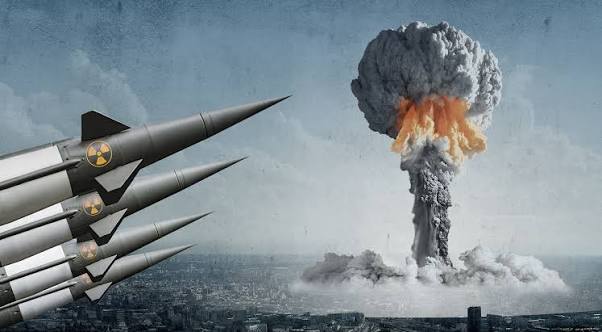
Israel’s perception of the possibility that Iran could acquire nuclear weapons as an existential threat may keep the option of military intervention on the table. Conversely, Iran’s view of itself as a state requiring stronger deterrence could increase the strategic importance it attaches to its nuclear program.
This mutual distrust can lead each side to interpret the other’s defensive measures as preparations for an attack. Military operations targeting nuclear facilities are not merely a matter of delaying the development of nuclear programs; they also carry risks of radiological leaks, environmental damage, and reciprocal retaliation.
The possibility of wider nuclear proliferation in the region must not be overlooked. If uncertainties surrounding Iran’s nuclear capabilities become entrenched or security guarantees weaken, other countries may become more inclined to seek independent deterrence capabilities.
However, acquiring nuclear weapons does not automatically increase security. A new nuclear capability could prompt rival countries to increase their military readiness, harden alliances, and make crises more dangerous.
The worst-case scenario for the Middle East would be an escalation chain in which a regional conflict intensifies the parties’ security concerns and brings the possibility of nuclear use seriously into play. Such a development could also affect global energy markets, trade, and the international security order.
The Korean Peninsula: The risk of miscalculation
The Korean Peninsula demonstrates how sensitive nuclear deterrence can become when combined with geographical proximity, a high state of military readiness, and political distrust.
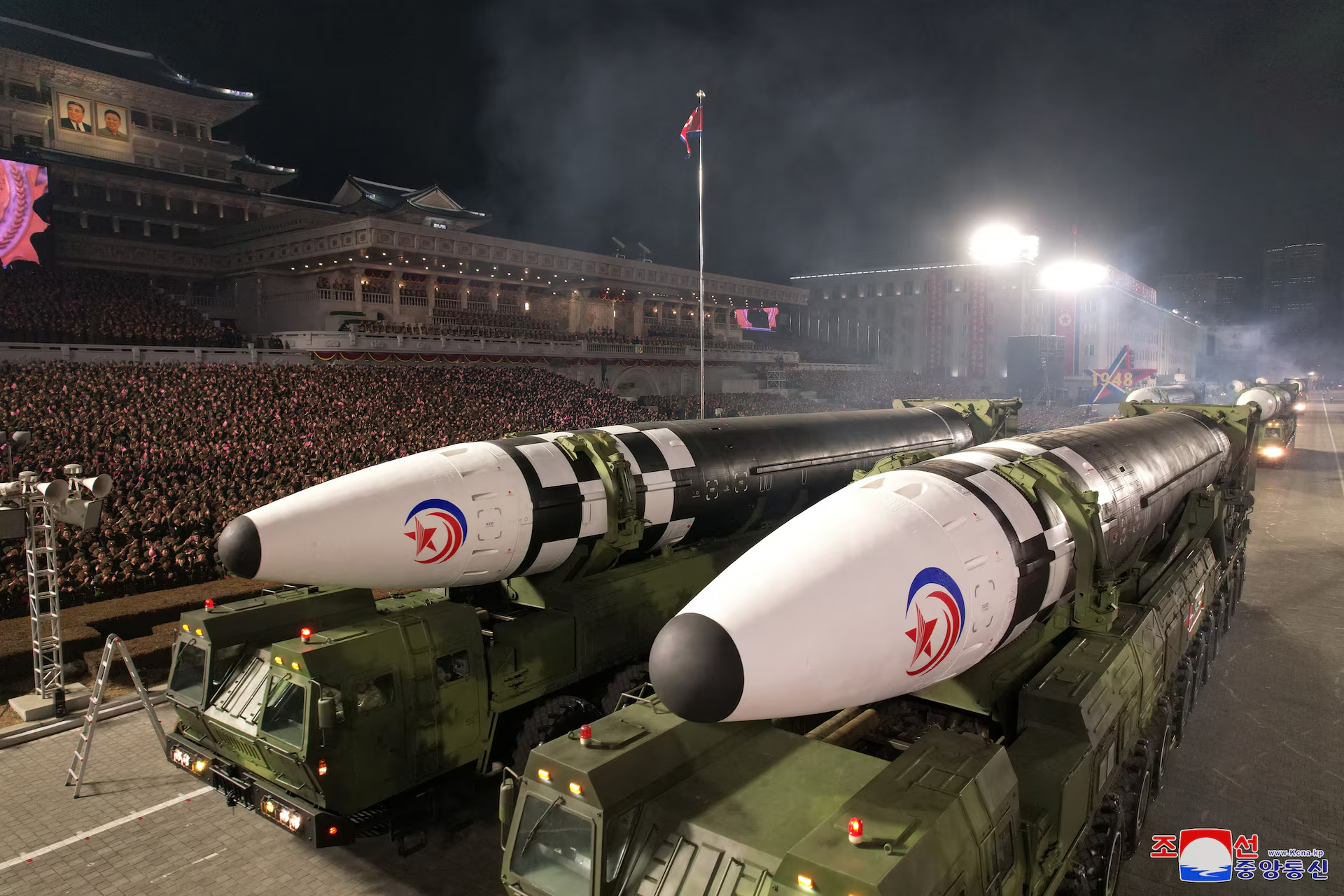
For North Korea, nuclear capabilities are one of the central elements of a strategy intended to ensure the regime’s survival and deter external intervention. However, nuclear weapons do not eliminate other threats, such as conventional attacks, cyber operations, or economic pressure.
One of the region’s most dangerous characteristics is the limited time available to make decisions during a potential crisis. Incomplete or inaccurate information about missile launches, early-warning systems, and reciprocal military movements could cause the parties to act before determining whether an actual attack is taking place.
Military activities by South Korea and the United States may be interpreted by North Korea as preparations for an attack. North Korean missile tests or the placing of its forces on alert can generate similar concerns on the other side. Mistaking an exercise for preparations for an actual attack, or misinterpreting a technical malfunction, could have serious consequences.
For this reason, maintaining stability on the Korean Peninsula cannot be achieved solely by balancing military capabilities. Keeping military communication channels open, developing crisis management mechanisms, and reducing the risk of false alarms are also vital.
Future wars: Artificial intelligence and nuclear risk
In the future, nuclear risk will not be determined solely by the number of warheads. Artificial intelligence, hypersonic weapons, unmanned systems, cyber operations, and space-based military capabilities will also transform nuclear decision-making processes.
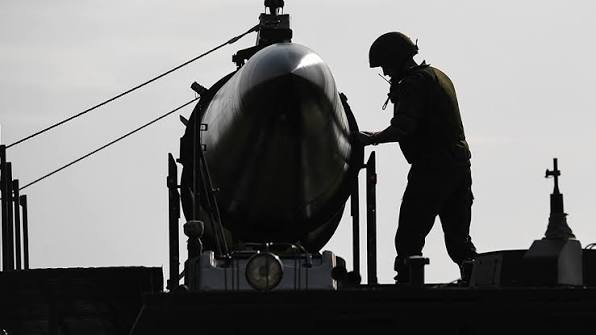
AI-supported early-warning systems can process large amounts of data more quickly. However, faulty data or algorithmic problems could also cause an erroneous assessment of an attack to reach decision-makers rapidly.
Missile systems capable of carrying both conventional and nuclear warheads create uncertainty for the side under attack. The inability to determine with certainty which warhead a missile carries or which target it is heading toward may increase pressure to retaliate.
Unmanned systems, electronic warfare, and cyberattacks can also affect the communications and command-and-control infrastructure of nuclear forces. If a state believes that it is under attack intended to disable its nuclear capabilities, the crisis could escalate more rapidly.
Damage to space-based early-warning satellites or military communication networks could also make it more difficult to understand the other side’s intentions. In such circumstances, decision-makers may be inclined to act on the basis of worst-case scenarios in the face of uncertainty.
The common feature of these technologies is that, while accelerating military decisions, they can also magnify the consequences of erroneous decisions. Speed is not always an advantage in nuclear crises. In some circumstances, decision-makers need more time to obtain accurate information and understand the other side’s intentions.
Why is nuclear arms control critical?
One of the dangerous aspects of nuclear competition is the weakening of arms control mechanisms that help preserve trust among major powers. These agreements do more than limit the number of weapons; they also help the parties monitor each other’s capabilities, understand military activities, and prevent miscalculations.
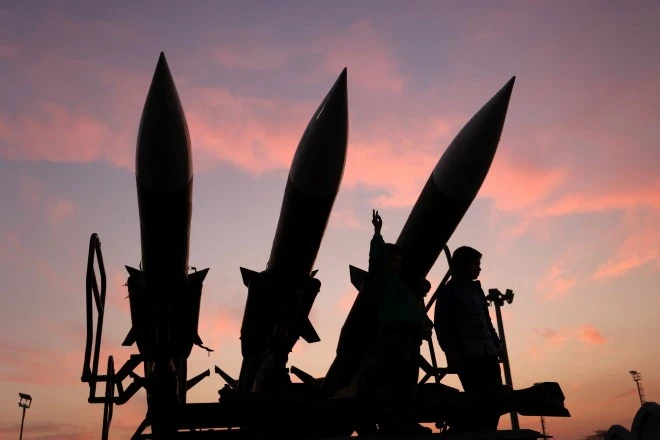
The expiration of the New START treaty between the United States and Russia in February 2026 created a significant gap in the limitation of strategic nuclear weapons. Unless a new, verifiable arrangement is established, mutual transparency may decline and a new arms race could accelerate.
Efforts to prevent the proliferation of nuclear weapons cannot be considered separately from the nuclear-armed states’ responsibilities for disarmament. When states cannot predict how many weapons their adversaries may possess in the future, they may be inclined to prepare for the worst-case scenario.
For this reason, reducing nuclear risks requires a more comprehensive dialogue among the United States, Russia, and China, stronger crisis communication mechanisms, and verifiable steps toward arms control. Preserving human oversight of AI-supported military systems and improving the reliability of early-warning infrastructure are also important components of this effort.
Conclusion: The success of deterrence lies in preventing the use of nuclear weapons
After the end of the Cold War, the world expected the importance of nuclear weapons in international politics to decline. However, the war in Ukraine, U.S.-Russian competition, China’s growing capabilities, tensions in the Middle East, and security problems on the Korean Peninsula demonstrate that nuclear weapons continue to occupy a central place in the global order.
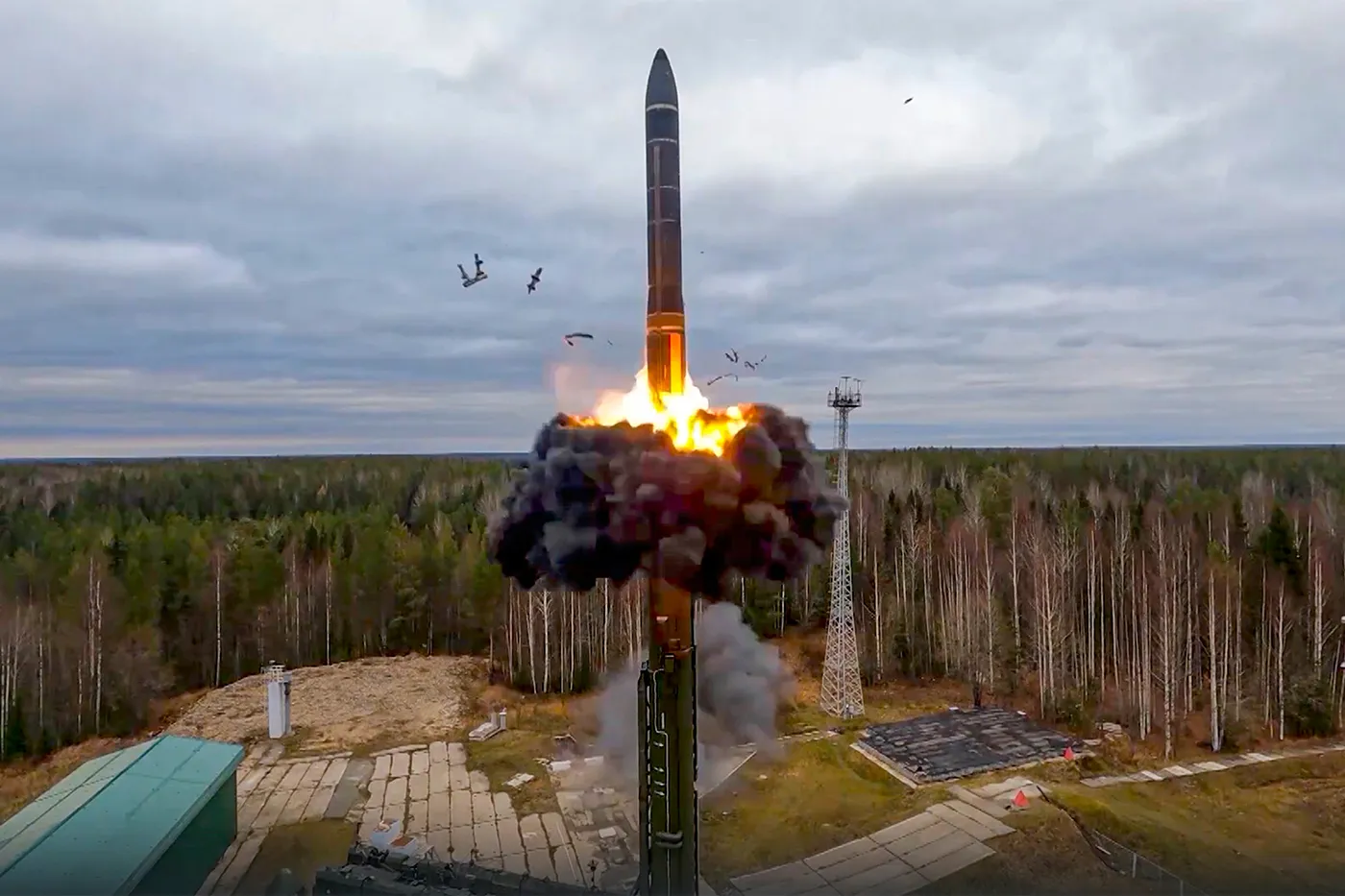
The future of tactical nuclear weapons cannot be assessed independently of this transformation. The idea that weapons with lower explosive yields could be used in a limited manner may appear to offer decision-makers new options, but it does not eliminate the political and military consequences of nuclear use. On the contrary, the perception that these weapons could be used under certain conditions may make crossing the nuclear threshold more likely.
In the future, the success of nuclear deterrence will be measured not only by the number of warheads states possess but also by the reliability of decision-making processes, the accuracy of early-warning systems, and the extent to which political leaders can exercise sound judgment during a crisis.
The real danger facing the world is not that nuclear weapons will inevitably be used one day, but that states may increasingly come to believe that these weapons can be used in a limited manner. Once the nuclear threshold has been crossed, it is impossible to predict where the conflict will stop or which side will be able to regain control.
In the future security order, genuine strategic superiority will be measured not merely by possessing nuclear capabilities capable of deterring an adversary, but by establishing the political and military mechanisms necessary to prevent a nuclear conflict from beginning.