

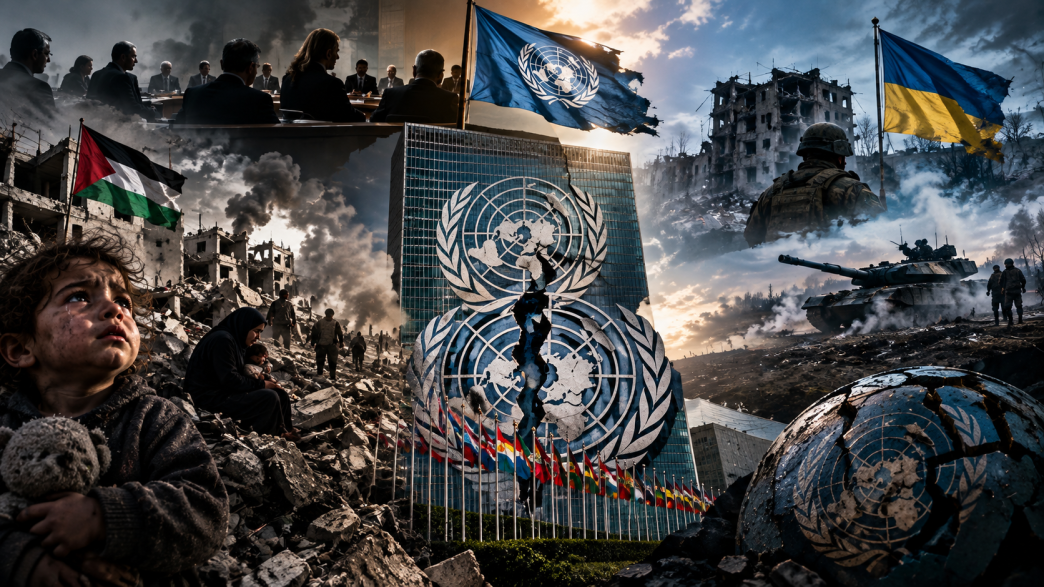
The 81st session of the United Nations General Assembly carries significance far beyond that of an ordinary diplomatic gathering when it comes to the future of the international system.
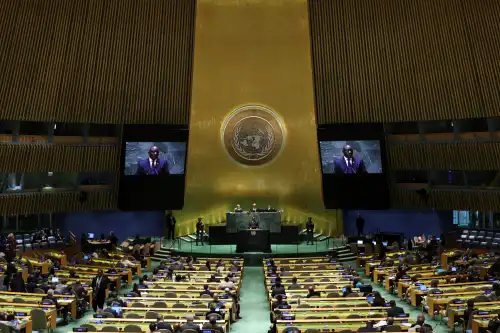
In New York, the leaders of approximately 130 countries are once again gathering under the same roof to discuss wars, global security, artificial intelligence, climate change, and the international economy. Yet behind this year’s meetings lies a much more fundamental question: Is the multilateral order established after World War II capable of responding to the balance of power in the 21st century?
This is not a debate raised only by circles critical of the UN. The inability to resolve wars in Ukraine and the Middle East, the persistent deadlock caused by the veto mechanism in the Security Council, the organization’s financial problems, and the rivalry among the great powers clearly reveal the limits of the existing system.
The UN’s regular budget approved for 2026 stands at $3.45 billion, approximately 7 percent lower than the previous year’s budget. At the same time, the UN warns that the failure to meet financial obligations on time directly affects the organization’s operational capacity.
However, it would also be inaccurate to conclude from this that the UN has become ineffective. The real issue is not that the organization has completely failed; it is that the growing mismatch between the existing distribution of international power and the decision-making mechanisms of international institutions is becoming increasingly apparent.
Institutions remain unchanged as the balance of power shifts
One of the UN’s biggest structural problems is the structure of the Security Council, which largely preserves the balance of power that existed when the organization was founded. The five permanent members can use their veto powers to prevent decisions they consider critical to their interests from being implemented.
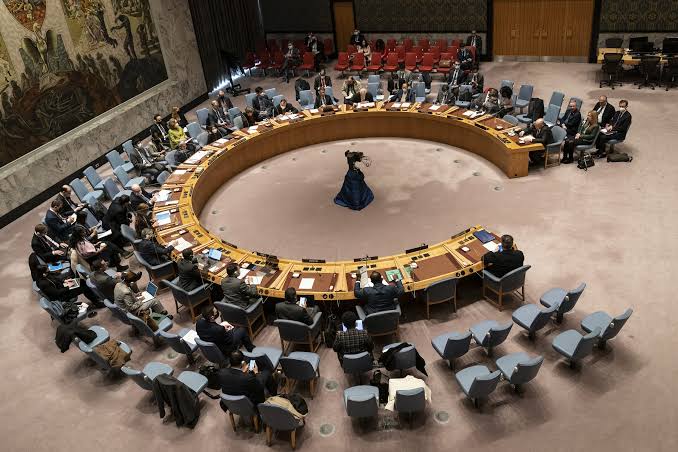
This mechanism is not a newly emerging problem. Since the Cold War, the Security Council has been an arena in which rivalry among the great powers has been directly reflected. Therefore, the deadlocks seen today over issues such as Ukraine or Gaza should be understood less as a sudden breakdown of the system in recent years and more as the re-emergence of a structural contradiction that has existed since its foundation.
The problem is that the world is no longer the same as it was in 1945. Many states that had limited economic, military, and political weight at that time have now become important regional or global actors. While the influence of power centers in Asia, Africa, Latin America, and the Middle East has increased, the representation structure of the UN’s most important decision-making body has remained largely unchanged.
Indeed, intergovernmental negotiations on Security Council reform have been continuing for years. The General Assembly also decided in 2026 to continue this process. Yet reaching a broad consensus on reform still does not appear easy.
The veto mechanism is both the strength and weakness of the system
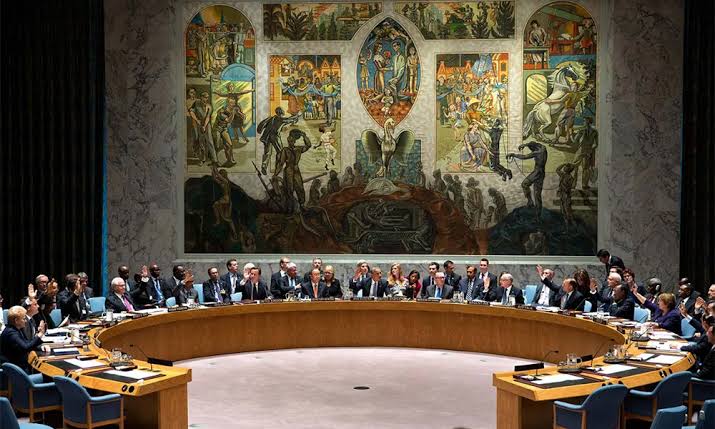
The fundamental contradiction in the current structure of the Security Council becomes apparent here. On the one hand, the veto mechanism functions as a safety valve that keeps the great powers within the same institution and reduces the risk of direct confrontation. On the other hand, the same mechanism can make it almost impossible for the Council to reach a common decision when one of the great powers objects.
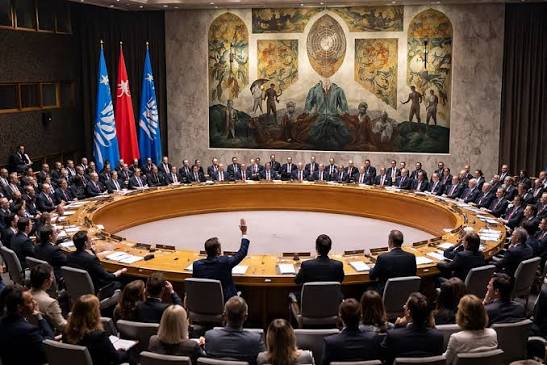
The war in Ukraine and Gaza provide contemporary examples of this. Russia’s use of its veto over Ukraine and the United States’ use of its veto over Gaza demonstrate that the problem does not stem solely from the policies of a particular country. Different great powers can use the same mechanism at different times in accordance with their own strategic priorities.
For this reason, when discussing the future of the UN, it is insufficient to focus solely on the question, “Why can’t the UN stop wars?” The more important question is how decision-making mechanisms can be redesigned to enable common decisions at a time when the interests of the great powers have become so far apart.
This is also critical for the future of international law. The international system was created not only to prevent wars but also to ensure that relations among states are conducted within a certain set of rules. When the implementation of those rules becomes dependent on great-power rivalry, the legitimacy of the system itself comes under question.
The UN is more than the Security Council
At the same time, measuring the effectiveness of the UN solely through Security Council decisions would be a serious mistake. The organization’s humanitarian assistance, healthcare, food aid, refugee support, development, and crisis-management activities around the world constitute a much broader sphere that often remains invisible on the political agenda.
Particularly in conflict zones, the activities of UN agencies have become a direct part of daily life, unlike the organization’s central political mechanisms. As in Gaza, humanitarian assistance mechanisms continue to play a role in meeting the basic needs of millions of people even when a political solution cannot be produced.
According to the UN’s own data, its humanitarian, educational, healthcare, and water-related efforts in Gaza have reached millions of people.
Therefore, it is necessary to distinguish between the organization’s political decision-making capacity and its operational capacity on the ground. The Security Council’s inability to reach a common decision on a war does not mean that all other functions of the UN system have disappeared.
On the contrary, at a time when international crises are multiplying, this humanitarian and technical capacity is becoming even more important.
The financial crisis is as important as the political crisis
The second major problem facing the UN is financing. The failure of member states to fulfill their financial obligations on time affects not only the organization’s bureaucratic activities but also a wide range of areas extending from peacekeeping operations to humanitarian assistance programs.
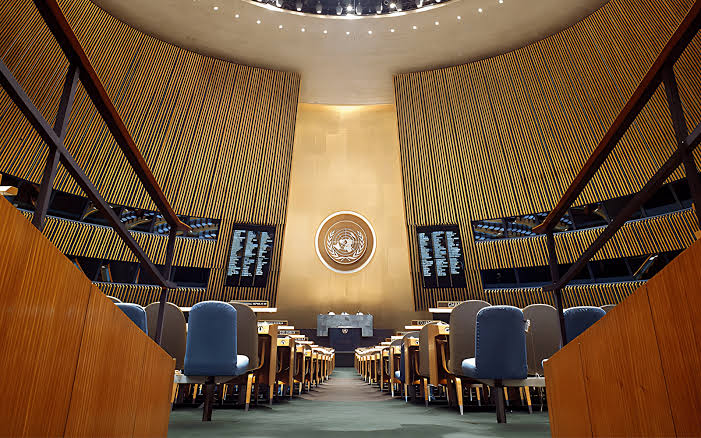
One of the main reasons for the reforms to the UN’s financial structure in 2026 is precisely this liquidity problem. The financial arrangement adopted by the General Assembly in June was intended to prevent more than $900 million in additional financial pressure on peacekeeping operations and approximately $400 million in additional pressure on the regular budget. However, the UN administration has explicitly emphasized that this alone does not resolve the structural financing problem.
The US approach to UN financing is also at the center of this debate. The Washington administration has long criticized the UN’s spending, efficiency, and some of the organization’s activities. In September, a US payment of $725 million partially eased the organization’s financial pressure; however, the United States still has more than $1 billion in outstanding obligations related to the regular budget.
The picture that emerges here is highly significant: the UN is expected to manage more crises while its financial resources are simultaneously becoming more constrained. Without resolving this contradiction, it will be extremely difficult to increase the organization’s capacity.
Is multilateralism retreating?
The real transformation taking place today may be occurring less within the UN itself and more in the way states seek to resolve international problems.
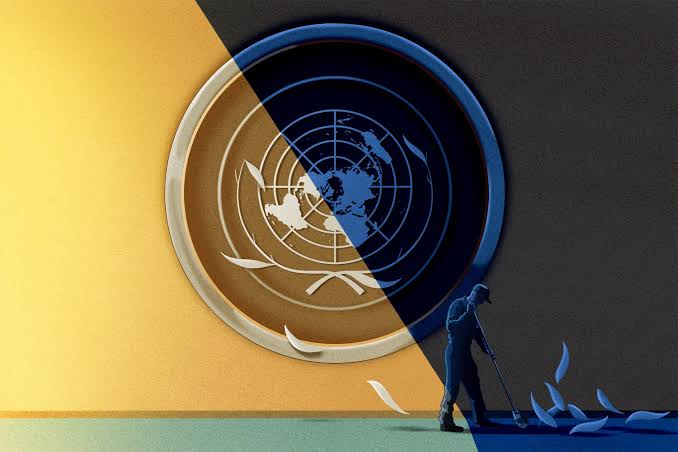
As rivalry among the great powers intensifies, states are increasingly turning toward bilateral agreements, regional alliances, temporary coalitions, and direct diplomatic negotiations. Although the UN General Assembly retains enormous diplomatic significance, a substantial portion of the actual bargaining takes place in bilateral meetings behind closed doors among leaders.
For this reason, the most important aspect of the summit in New York is not limited to the speeches delivered by leaders from the podium. The meetings conducted by states on issues such as Ukraine, Iran, Gaza, energy security, artificial intelligence, and global trade are at least as important as General Assembly resolutions for the international relations of the coming period.
The agenda of the 2026 General Assembly also clearly demonstrates this transformation. Alongside wars in Ukraine and the Middle East, the regulation of artificial intelligence, climate change, and global economic problems are being discussed within the same diplomatic framework. In his latest General Assembly address, UN Secretary-General António Guterres also reiterated his call for the development of international governance mechanisms for artificial intelligence and collective action against global crises.
The real issue is not the UN’s existence, but its transformation
A significant part of today’s debate about the UN revolves around the question, “Does the organization still work?” But there may be a more appropriate question: To what extent can the existing UN structure reflect the changing international order?
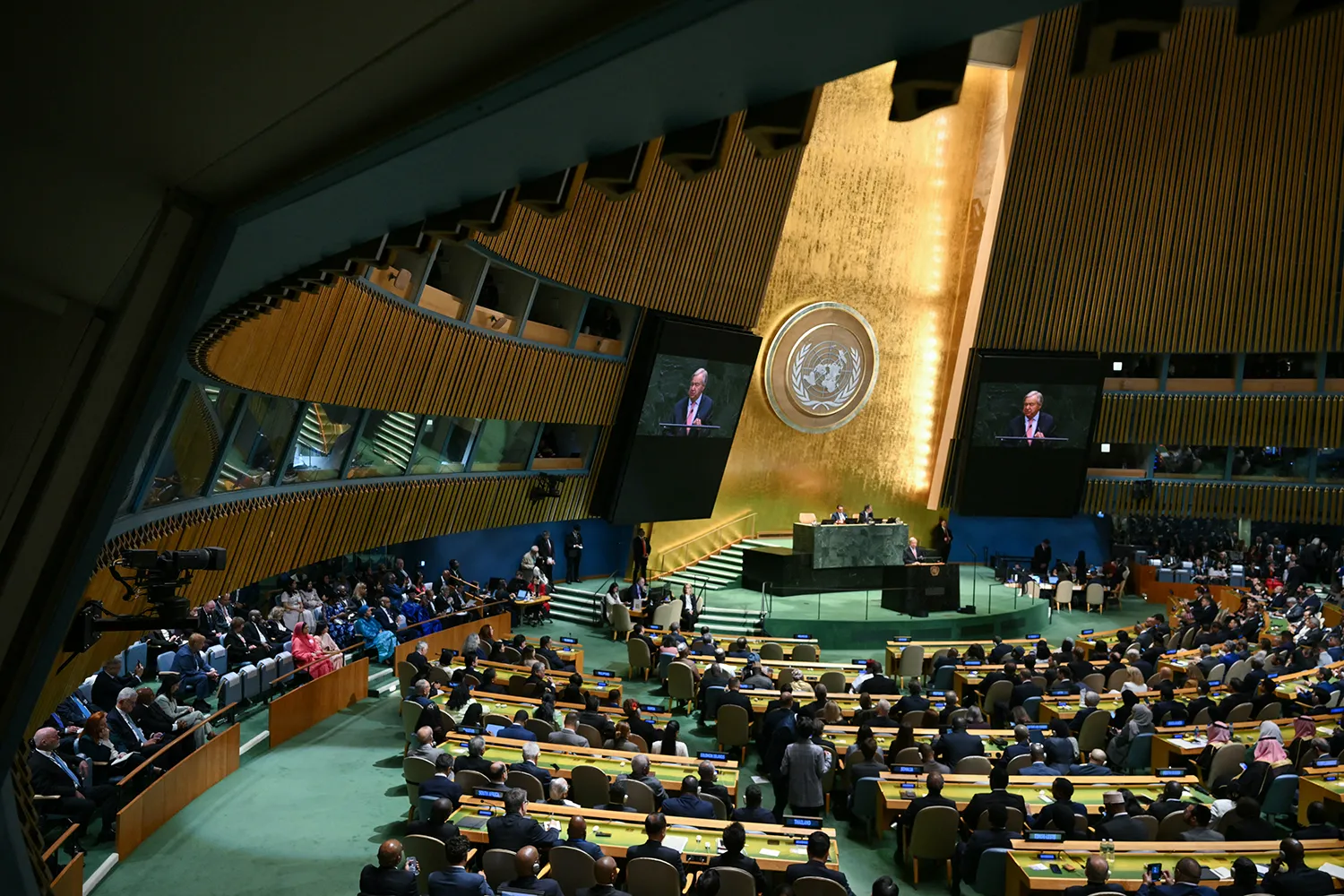
On the one hand, the international system is becoming more fragmented, rivalry among the great powers is deepening, and the number and nature of wars are changing. On the other hand, problems such as climate change, artificial intelligence, energy security, pandemics, cyber threats, and global migration are growing — problems that no state can solve on its own.
This creates an important paradox. As the world’s need for common institutions increases, the ability of those institutions to make collective decisions is weakening.
Therefore, the UN is not trapped between preserving its existing structure exactly as it is and becoming completely ineffective. The real debate centers on how to reform the multilateral system so that it can adapt to new balances of power and new threats.
The main theme of the 81st General Assembly is therefore noteworthy: “Renewing trust, managing change and delivering for everyone.” The president of the new session of the General Assembly has also emphasized that the organization’s structure, established under the conditions of the world in 1945, is not the same as the realities of today.
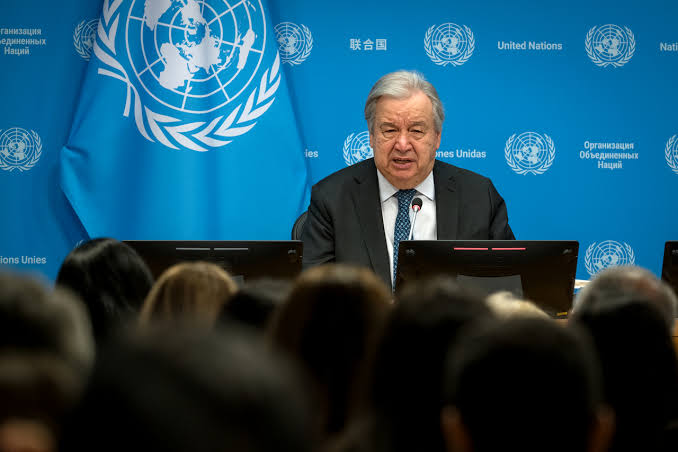
Ultimately, the crisis facing the UN should not be viewed merely as a management or budgetary problem affecting an institution in New York. This crisis should be understood as the reflection at the institutional level of the transformation taking place within the international system itself.
The future of the UN will not be determined solely by statements from the Secretary-General or the number of vetoes cast in the Security Council. The extent to which the great powers adhere to international rules, how much representation emerging actors receive in decision-making mechanisms, how the organization’s financing will be sustained, and whether common rules can be developed to address threats emerging from new technologies will all be decisive.
From this perspective, the problems the UN is experiencing today do not demonstrate why the organization has become unnecessary. Rather, they show that the international architecture established in 1945 now needs to be brought back into alignment with the realities of the 21st century.
The crisis does not signal the end of the UN; it brings to the forefront the question of what kind of UN the world needs.
Source: Times of Defence