

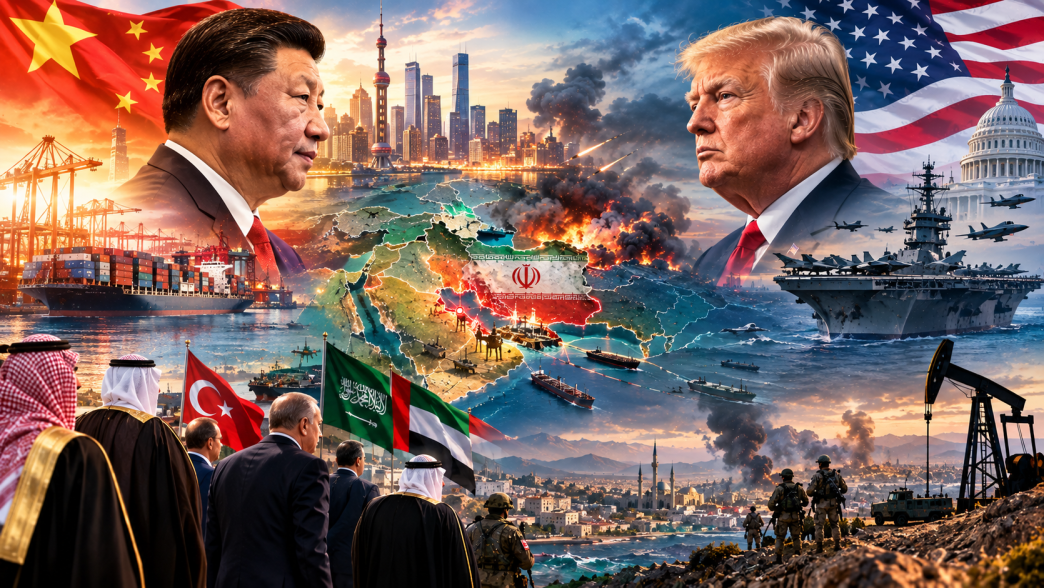
The impact of wars in the Middle East is no longer limited solely to the security calculations of the countries in the region. In particular, the expansion of the Iran-centered conflict toward the Gulf, Yemen and the Red Sea is creating a much broader systemic risk, extending from energy markets to global trade routes.
This situation is also creating a new equation for China, which has closely followed developments in the Middle East for many years while avoiding direct military engagement.
Beijing’s traditional approach has been based on protecting its economic interests, ensuring the continuity of energy flows and staying outside military competition as much as possible, rather than becoming a party to power struggles in the region. China has no intention of establishing an extensive network of military bases in the Middle East like the United States or becoming the direct manager of the regional security architecture. However, the prolongation of the war and the expansion of the conflict to a level that threatens maritime trade routes could increasingly challenge China’s cautious approach.
Because from China’s perspective, the Middle East is not merely a geopolitical arena, but also one of the critical arteries of the global economic system.
China’s cautious policy may no longer be enough
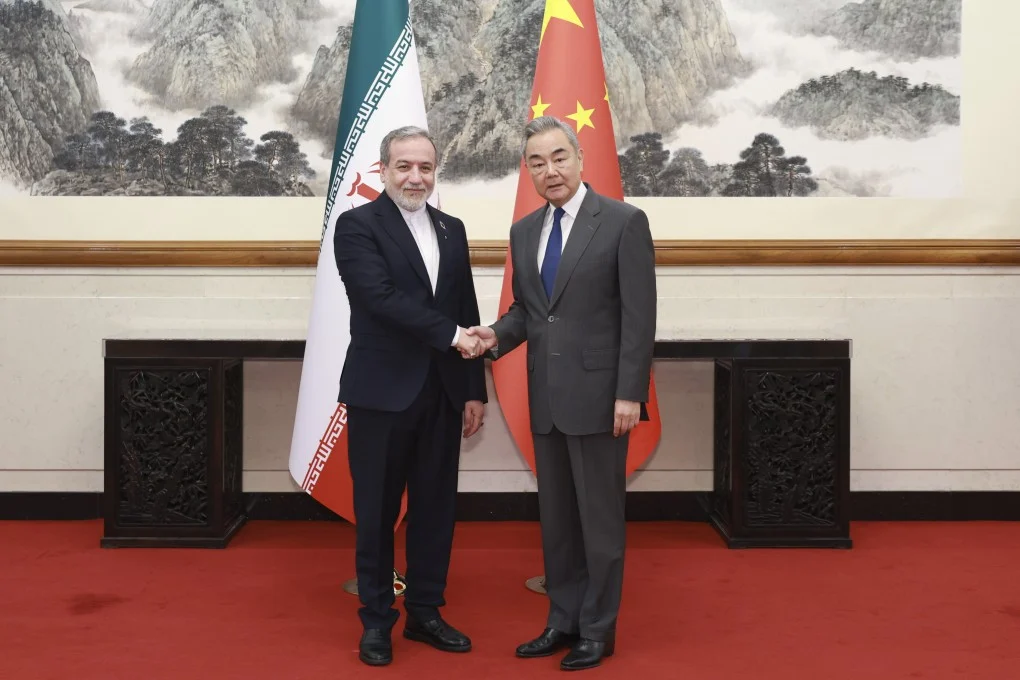
So far, Beijing has avoided acting as a direct party to the war in Iran. Instead, it has advocated a ceasefire, the resumption of negotiations and the strengthening of dialogue among regional countries. The messages delivered by Chinese Foreign Minister Wang Yi during his meeting with Iranian Foreign Minister Abbas Araghchi on September 16 clearly outlined this approach.
While Beijing stated that Iran’s legitimate rights and interests should be protected, it also called for Tehran and Washington to return to the negotiating table, for dialogue between Iran and the Gulf countries to be strengthened, and for the Strait of Hormuz to be safely reopened. China also emphasized that tensions in Yemen and the Red Sea should not escalate further.
These statements show that China is no longer merely an external actor opposing the war, but is attempting to establish a diplomatic framework for resolving the conflict.
The fundamental change here is that economic and diplomatic leverage, rather than military power, is becoming more prominent in China’s approach to the Middle East. Beijing’s influence over Tehran is important because of Iran’s economic relations with China, energy trade and China’s diplomatic support for Iran within the international system. Therefore, China’s influence over Iran is fundamentally different in nature from the military instruments available to Washington.
Hormuz and Bab el-Mandeb are outside China’s borders but at the center of its interests
One of the most important reasons behind China’s increasingly active diplomatic position is energy security. Instability in the Strait of Hormuz and the Bab el-Mandeb Strait directly affects not only the trade of countries in the region, but also the energy costs and supply chains of Asian economies, including China.
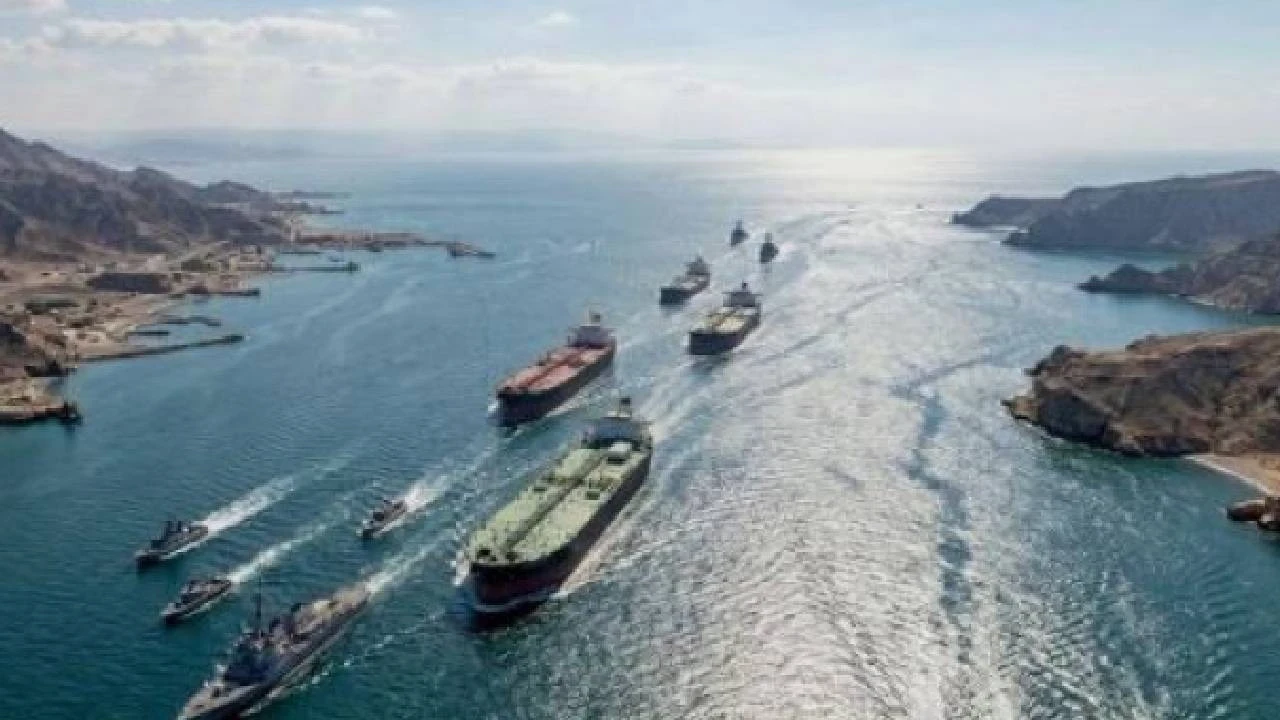
For this reason, from Beijing’s perspective, Iran’s activities in the Gulf and the actions of the Houthis around the Red Sea cannot be treated as separate issues. China’s recent statements at the United Nations Security Council, in which it drew attention to the serious impact of the conflict in Yemen on maritime transportation around Bab el-Mandeb and to the increased regional risk posed by attacks against energy infrastructure in Saudi Arabia, also demonstrate this.
The critical issue for China here is not whether a particular country gains an advantage in regional competition, but whether the maritime routes remain open. The closure of Hormuz has the potential to directly affect energy supplies, while security problems in Bab el-Mandeb can directly affect maritime trade between Europe and Asia. The simultaneous destabilization of these two routes would mean that the war is no longer merely regional but is producing global economic consequences.
Therefore, China’s priority is increasingly shifting from the question of “who will win?” to “how can this conflict be contained?”
Economic dependence is Beijing’s most important advantage over Iran
The fundamental reason why China occupies a different position from Washington regarding Iran is that its relationship with Tehran is not merely diplomatic. China provides an important channel through which Iran can maintain its connection to the international economic system.
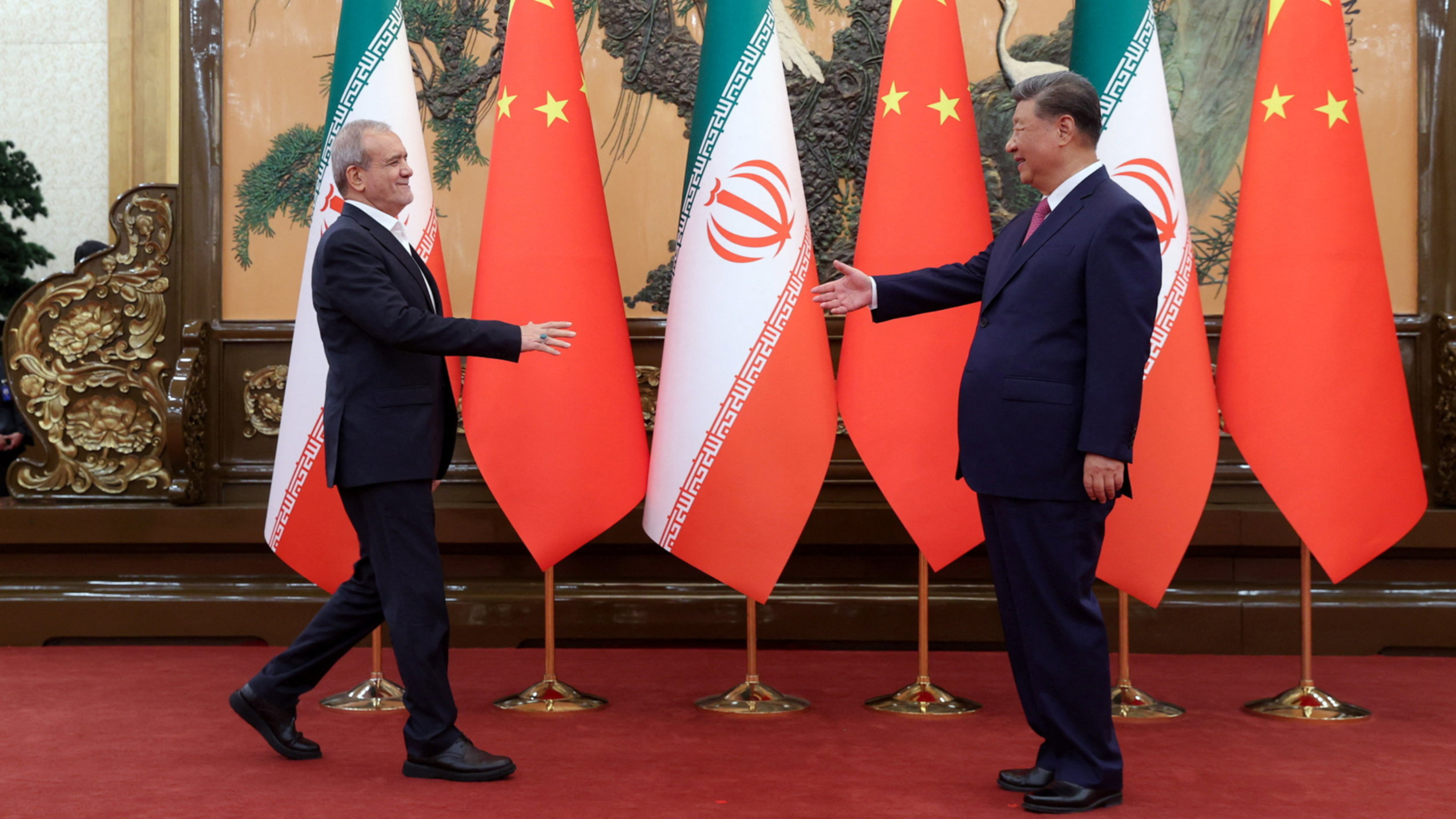
This gives Beijing a certain degree of diplomatic leverage over Tehran without having to resort to military pressure. For Iran, damaging its relationship with China could create a cost that would be difficult to accept, particularly at a time when it is already under heavy economic pressure.
For this reason, China’s approach toward Iran has two dimensions. On the one hand, it argues that Iran’s sovereignty and legitimate interests must be protected; on the other hand, it wants Tehran to contain regional tensions and return to diplomatic negotiations.
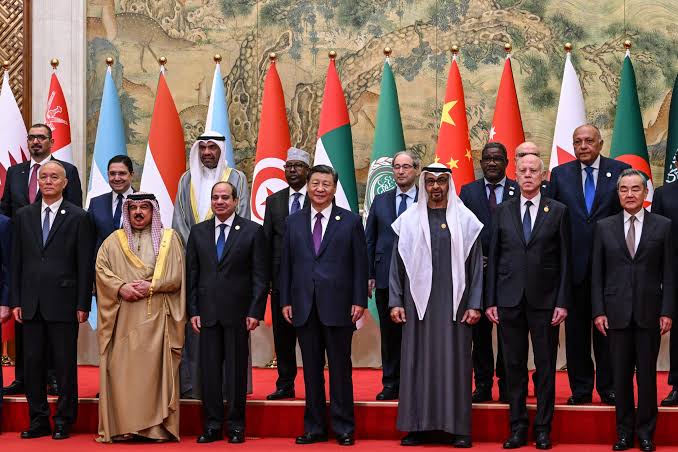
Beijing’s recent contacts with the Gulf countries constitute the other pillar of this policy. China is seeking to position itself as an actor capable of maintaining communication between the regional parties by engaging not only with Tehran but also with Qatar and other Gulf countries. The fact that energy, maritime transportation and a new regional security architecture were among the prominent issues discussed during talks with Qatar in early September is one clear indication of this.
China’s main advantage is that it is not one of the parties
The most important advantage China can use in a potential mediation role is that it is not viewed as a direct party to the war like Washington or Tel Aviv.
China has both a strategic partnership with Iran and strong economic ties with the Gulf countries. Therefore, it has channels through which it can communicate with both sides.
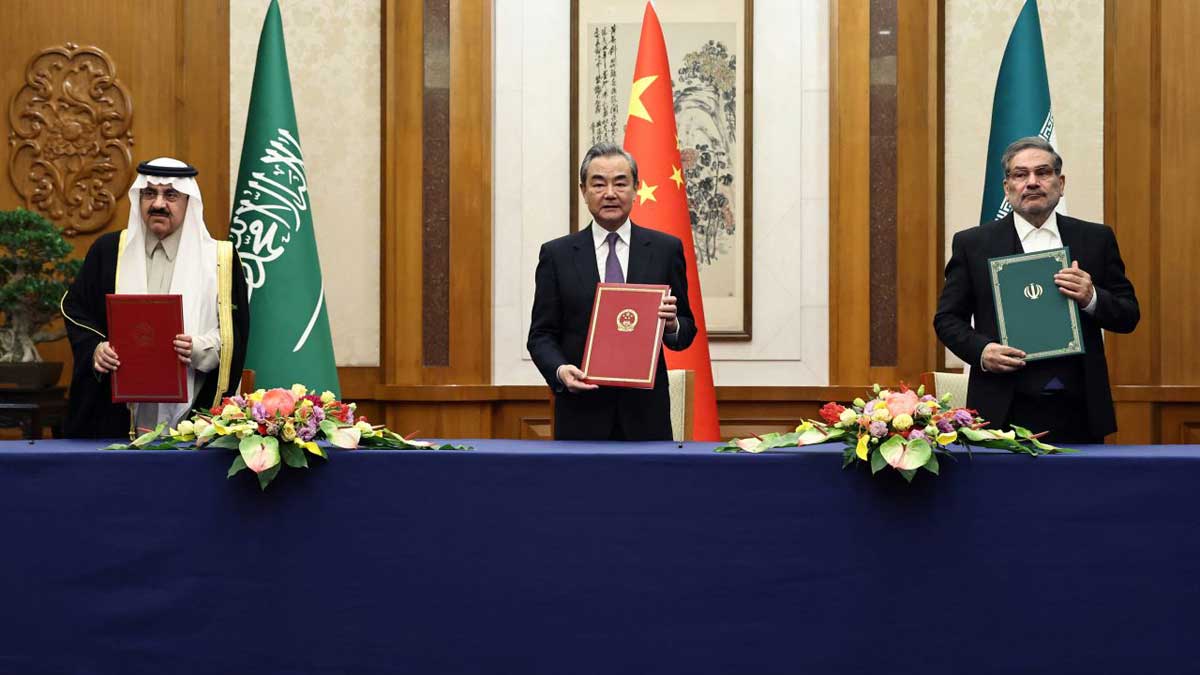
Moreover, Beijing’s mediation of the restoration of diplomatic relations between Iran and Saudi Arabia in 2023 had already demonstrated that China’s capacity for regional mediation was not merely theoretical.
Under current conditions, a similar approach could be expanded into a broader framework. Addressing the security problems between Iran and the Gulf countries not merely through bilateral relations but within a regional security architecture also aligns with China’s priorities.
Because permanently reducing tensions between the Gulf countries and Iran could create a security environment that makes a renewed war more difficult. One of the main obstacles to this, however, is the position of non-state armed actors linked to Iran within the regional security equation.
The activities of the Houthis around the Red Sea and Saudi Arabia, together with the role of pro-Iranian armed groups in Iraq in the regional equation, are becoming important sources of mistrust between Tehran and the Gulf capitals. If China can become effective on this issue, mediation could go beyond being limited to US-Iran negotiations and become part of a broader regional security agreement.
The Trump-Xi meeting made China’s role more visible
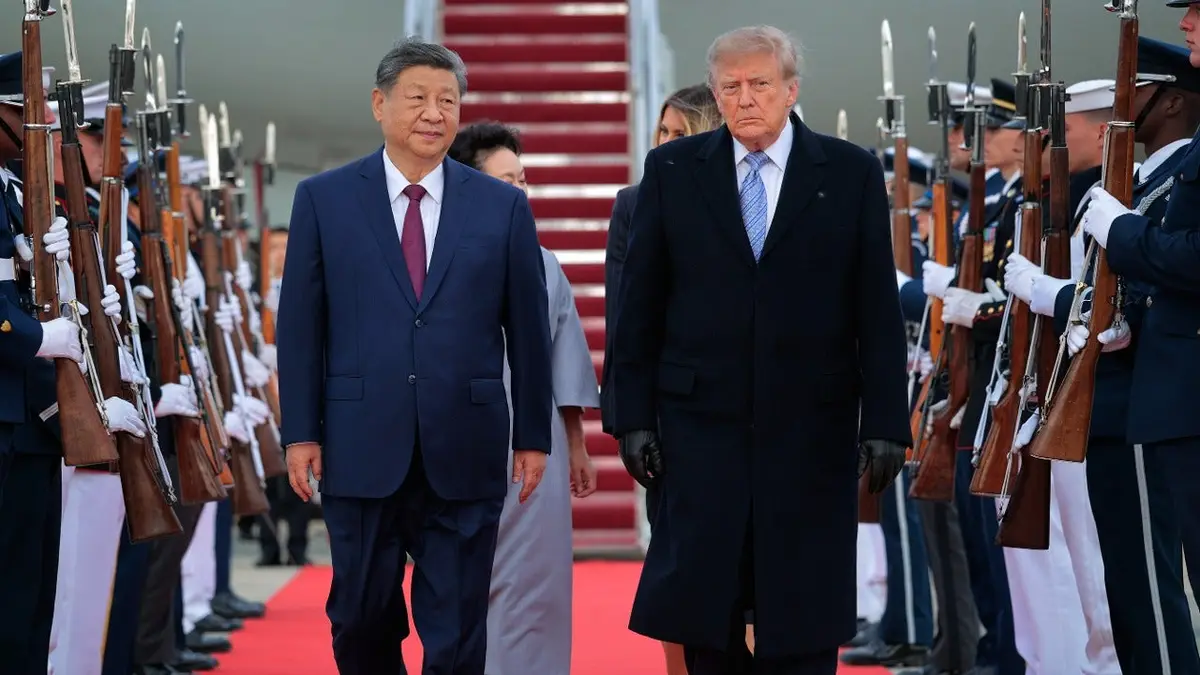
The Trump-Xi meeting on September 24, 2026, was a particularly notable development in terms of this transformation. According to Washington’s statement, the two leaders also discussed Iran and expressed a common position that Iran should not develop nuclear weapons. In addition, it was announced that they agreed that no country or institution should impose fees or transit charges for passage through international waterways.
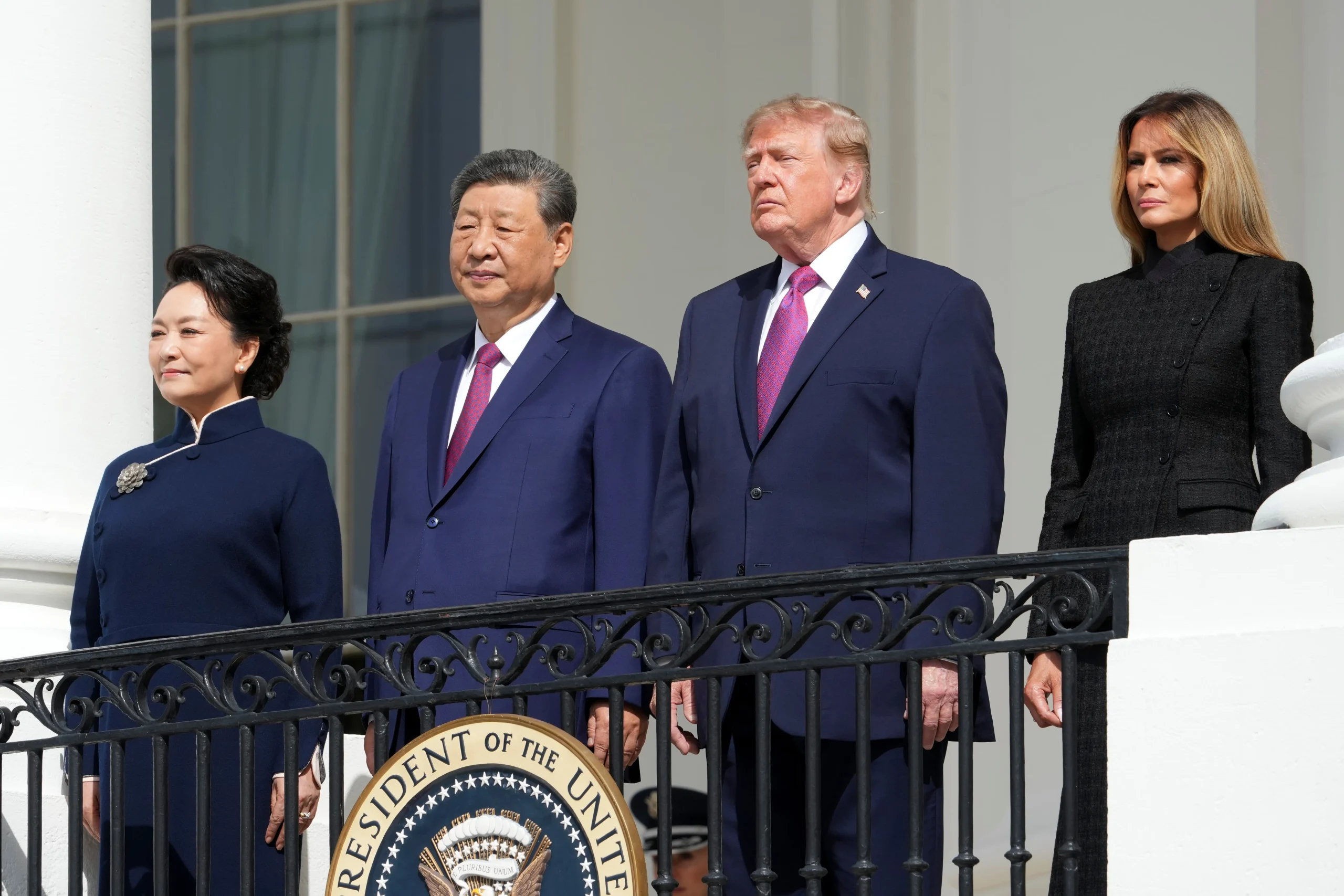
This issue is directly important to the crisis surrounding the Strait of Hormuz. The reason is that the security of energy transportation has now become an area of shared economic interest that goes beyond competition between Washington and Beijing.
US officials also stated that Trump asked China during the meeting to end its support for Iran. The Chinese side, meanwhile, argued that tensions over Iran should be reduced and the diplomatic process should be revived.
Therefore, it is not possible to speak of a complete strategic understanding between Washington and Beijing over Iran. However, it is clear that the two countries have certain shared interests on fundamental issues such as energy security, keeping international waterways open and preventing Iran from acquiring nuclear weapons.
This situation could create a new space in which China’s influence over Iran becomes a diplomatic complement to, rather than an alternative to, the US pressure policy.
China does not seek to take over America’s role in the Middle East
It would be an oversimplification to interpret Beijing’s growing diplomatic activity as an indication that China is preparing to replace the United States in the Middle East.
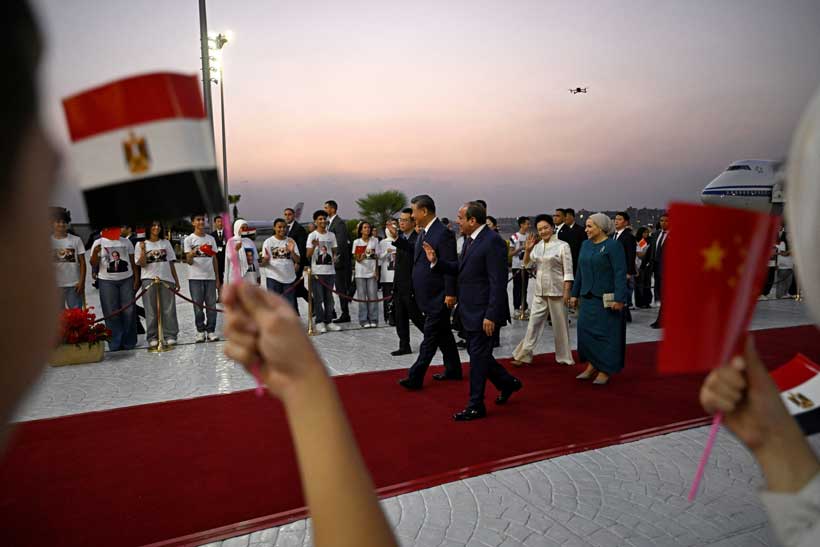
China’s primary objective is not to assume responsibility for a comprehensive military security architecture in the region. Rather, it seeks to establish a stable regional environment in which it can secure its economic interests, energy supplies and trade routes.
Therefore, China’s approach can be understood less as a classical quest for hegemony and more as the transformation of economic power into diplomatic influence.
Beijing’s energy relations with the Gulf countries, its strategic partnership with Iran, the ties it has developed with Saudi Arabia and its previous mediation between Iran and Saudi Arabia are all becoming parts of the same strategic framework.
There is another important consequence of this model: China is seeking to reduce the impact of great-power competition on the Middle East by encouraging countries in the region to resolve their security problems among themselves. The Chinese Foreign Ministry has also clearly emphasized in recent months that the existing Middle Eastern security architecture is inadequate and that the countries of the region need to develop a common, comprehensive and sustainable approach to security.
The new equation could involve more than mediation
China’s main opportunity is not simply to contribute to securing a ceasefire between Washington and Tehran, but to help establish a broader regional security order.
For this to happen, issues such as normalizing relations between Iran and the Gulf countries, limiting the influence of non-state armed actors over regional security, ensuring freedom of navigation in Hormuz and Bab el-Mandeb, and preventing attacks against energy infrastructure need to be addressed within the same framework.
China’s most important advantage here is its ability to reach all sides simultaneously. However, this also creates an important limitation. The actual extent of Beijing’s influence over Iran, the degree to which Tehran can be persuaded to alter its security policies, and the extent to which the Gulf countries would embrace China as a security guarantor remain uncertain.
Nevertheless, current developments indicate that an important threshold has been reached in China’s Middle East policy. After long preferring to stay outside regional conflicts while protecting its economic interests, Beijing may now be forced to assume greater diplomatic responsibility because the consequences of the war are directly affecting its economy and energy security.
Ultimately, assessing China’s growing role in the Middle East solely through the framework of competition with the United States would be incomplete. From Beijing’s perspective, the issue is less about taking over Washington’s position in the region and more about containing security crises that are beginning to threaten China’s own economic rise.
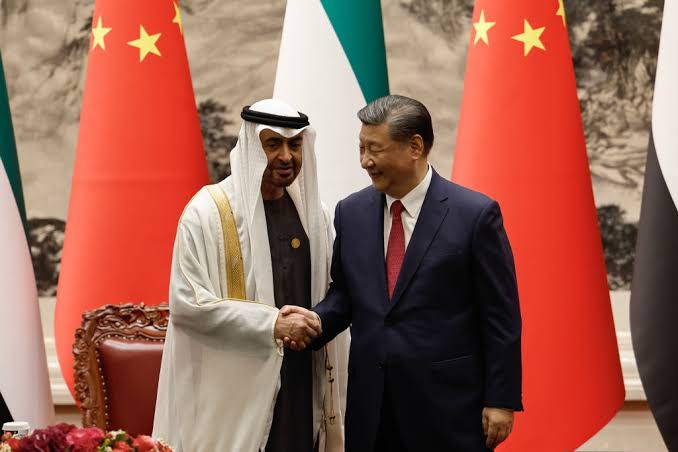
At a time when Hormuz and Bab el-Mandeb are simultaneously unstable, energy prices are putting pressure on the global economy, and the possibility of the Iran war spreading to new fronts remains, China’s neutrality is becoming increasingly costly. For this reason, it would not be surprising if Beijing uses its diplomatic weight more openly in the period ahead, supports the establishment of a new security dialogue between Iran and the Gulf countries, and assumes a facilitating role in negotiations between Washington and Tehran.
China’s real test, however, will begin here: whether it can transform its economic and diplomatic influence into a genuine regional stability mechanism without becoming militarily engaged.
Source: Times of Defence