

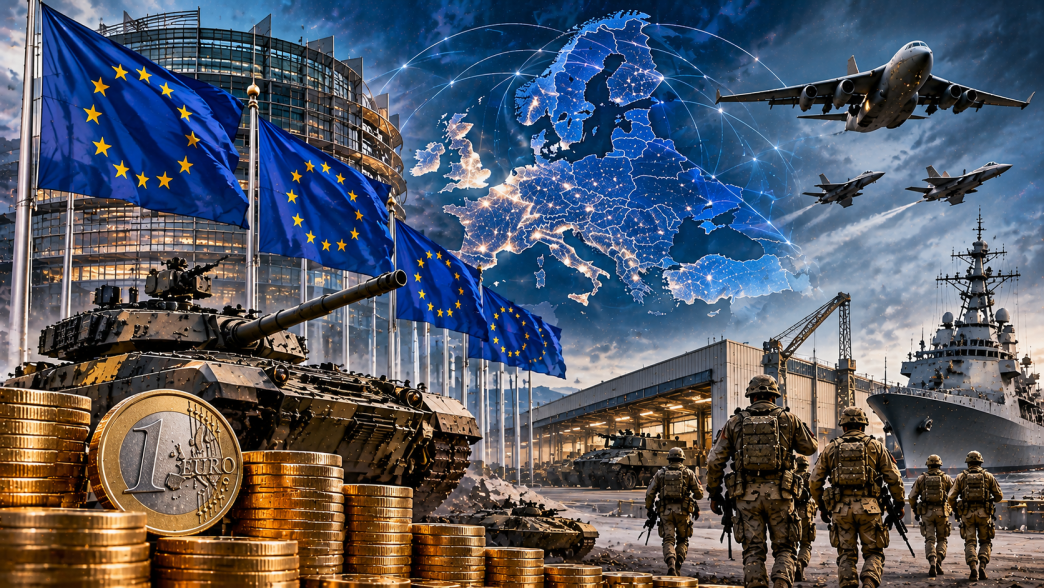
The Russia-Ukraine war has triggered a fundamental shift in Europe’s security outlook. Uncertainty surrounding the future of transatlantic relations with the United States is also pushing European countries to strengthen their own defense capabilities. As military spending expands on a scale not seen since the end of the Cold War, Europe’s main challenge is no longer simply allocating more resources, but transforming these investments into sustainable military and industrial capabilities.
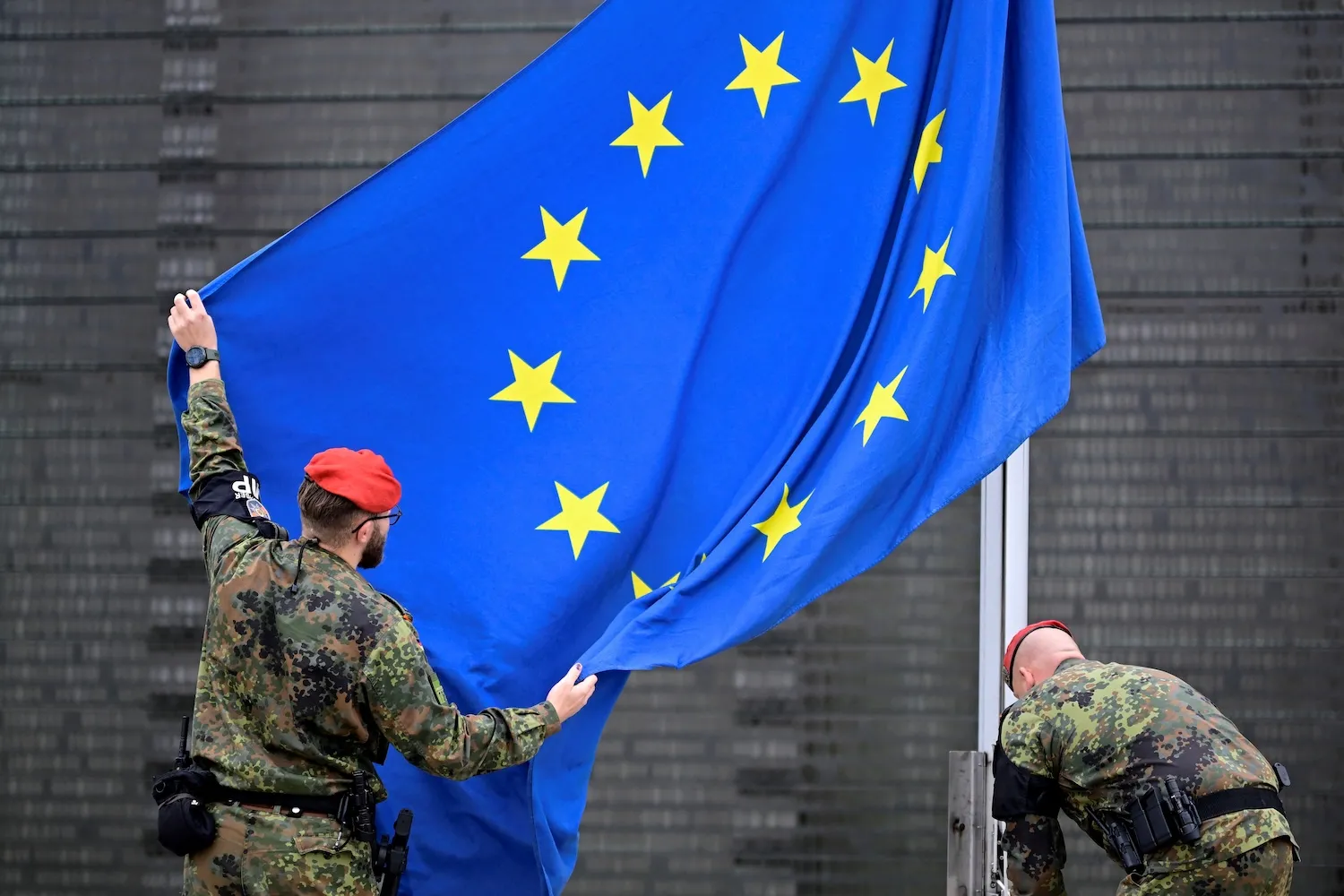
Total defense spending by European Union (EU) member states stood at approximately €240 billion in 2022 before rising to €418 billion in 2025. This figure is expected to reach €454 billion by the end of 2026, equivalent to 2.4 percent of EU gross domestic product. Meanwhile, resources allocated to defense equipment procurement and research and development are projected to reach €163 billion, representing a 159 percent increase compared with 2021. 
However, this substantial financial expansion is not translating into equivalent growth for Europe’s defense industry. Between February 2022 and mid-2023, following Russia’s invasion of Ukraine, approximately 78 percent of EU defense procurement was sourced from suppliers outside the bloc, primarily from the United States. Although this share has declined since then, the fact that 45-48 percent of defense investments are still directed toward non-EU suppliers demonstrates that Europe remains dependent on external providers as it seeks to strengthen its military capabilities.
The structural fragmentation of Europe’s defense industry
One of the main reasons Europe struggles to channel its growing defense budgets into its own industrial infrastructure is the fragmented nature of its defense technological and industrial base. The EU’s 27 member states have different military requirements, national budget priorities and independent procurement policies. Moreover, defense companies are regarded in many countries not merely as commercial enterprises but as essential components of national sovereignty and strategic independence.

A comparison with the United States illustrates the scale of this challenge. While Washington operates a more centralized defense procurement and planning system, Europe maintains more than 170 distinct weapon systems across 27 national budgets. Developing different platforms to meet similar military requirements disperses research and development resources, increases production costs and undermines the advantages of large-scale manufacturing.
Although Brussels has supported joint initiatives such as the Permanent Structured Cooperation (PESCO) framework to address this problem, the results remain below expectations. In 2022, collaborative defense procurement accounted for only 18 percent of total equipment expenditure. This was considerably below the European Defence Agency’s 35 percent benchmark established in 2007 and the 40 percent target set for 2027.
The fact that only eight of the 83 projects launched under PESCO between 2018 and 2025 have been completed further illustrates Europe’s slow progress in joint production and procurement. Lengthy processes and insufficiently large joint orders are making defense contractors increasingly cautious about investing in new manufacturing facilities and expanding production capacity.
Barriers to consolidation among defense companies
The obstacles to building a more integrated European defense industry are not limited to differences in national requirements. Corporate mergers, joint ventures and cross-border investments also face financial, legal and political constraints.
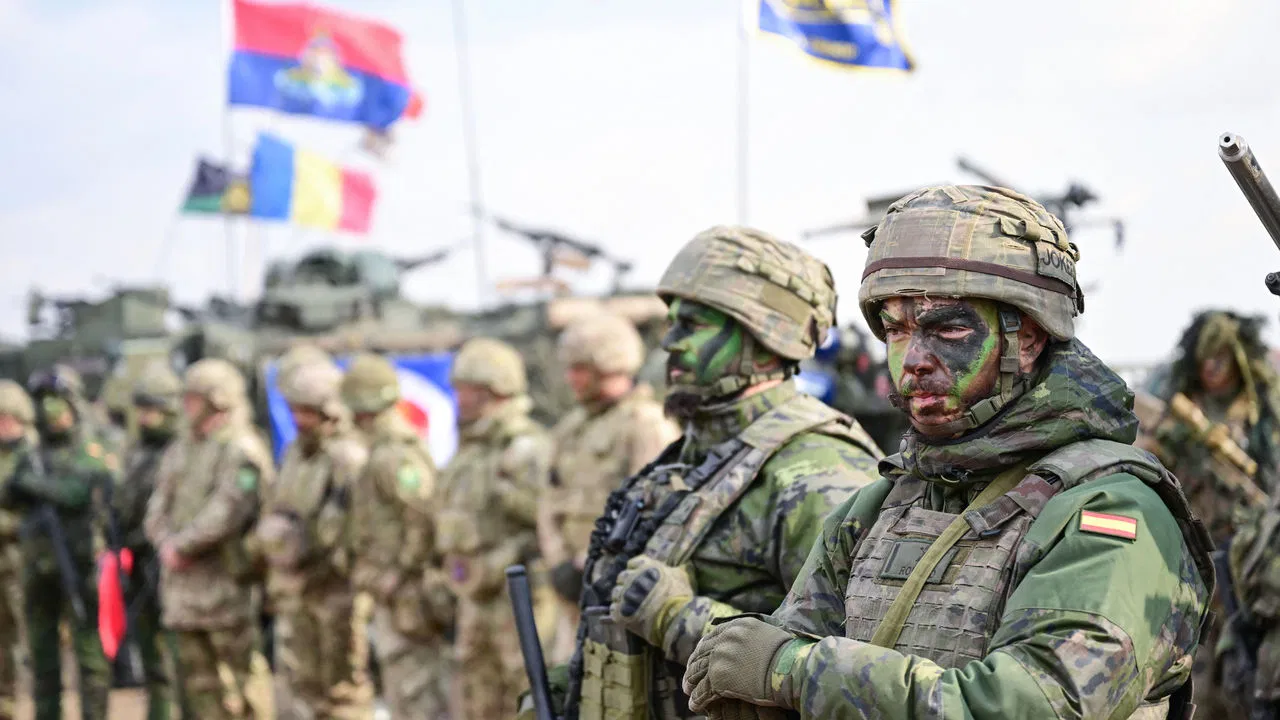
High market valuations of defense companies make acquisitions more difficult to finance. At the same time, banking policies based on environmental, social and governance (ESG) criteria can restrict access to traditional credit and capital markets for certain defense investments.
Furthermore, governments maintain direct ownership or strategic influence over many of Europe’s major defense companies. Italy’s Ministry of Economy holds a 30 percent stake in Leonardo, while Spain owns 28 percent of Indra Sistemas. France, meanwhile, retains a special golden share mechanism in Thales, granting it specific veto rights.
Consequently, cross-border mergers in the defense industry are not treated as purely commercial decisions. Priorities such as protecting domestic employment, keeping production within national borders and maintaining national control over critical technologies directly influence government decisions. Even mergers that could create a more efficient industrial structure across Europe may be delayed by these political sensitivities.
The EU’s competition rules governing corporate mergers represent another potential constraint. Although efforts are underway to introduce regulations that better account for defense-readiness requirements, certain transactions continue to be assessed individually under the existing framework.
Europe’s initiatives to strengthen industrial capacity
Brussels is developing new regulations and financing mechanisms to reduce these obstacles and strengthen Europe’s defense readiness by 2030. The Defence Readiness Omnibus package, introduced in June 2025, subsequently advanced through the Omnibus V legislative process and received final Council approval on October 9, 2026. Its primary objectives are to reduce bureaucracy, prevent administrative delays and facilitate defense investments.
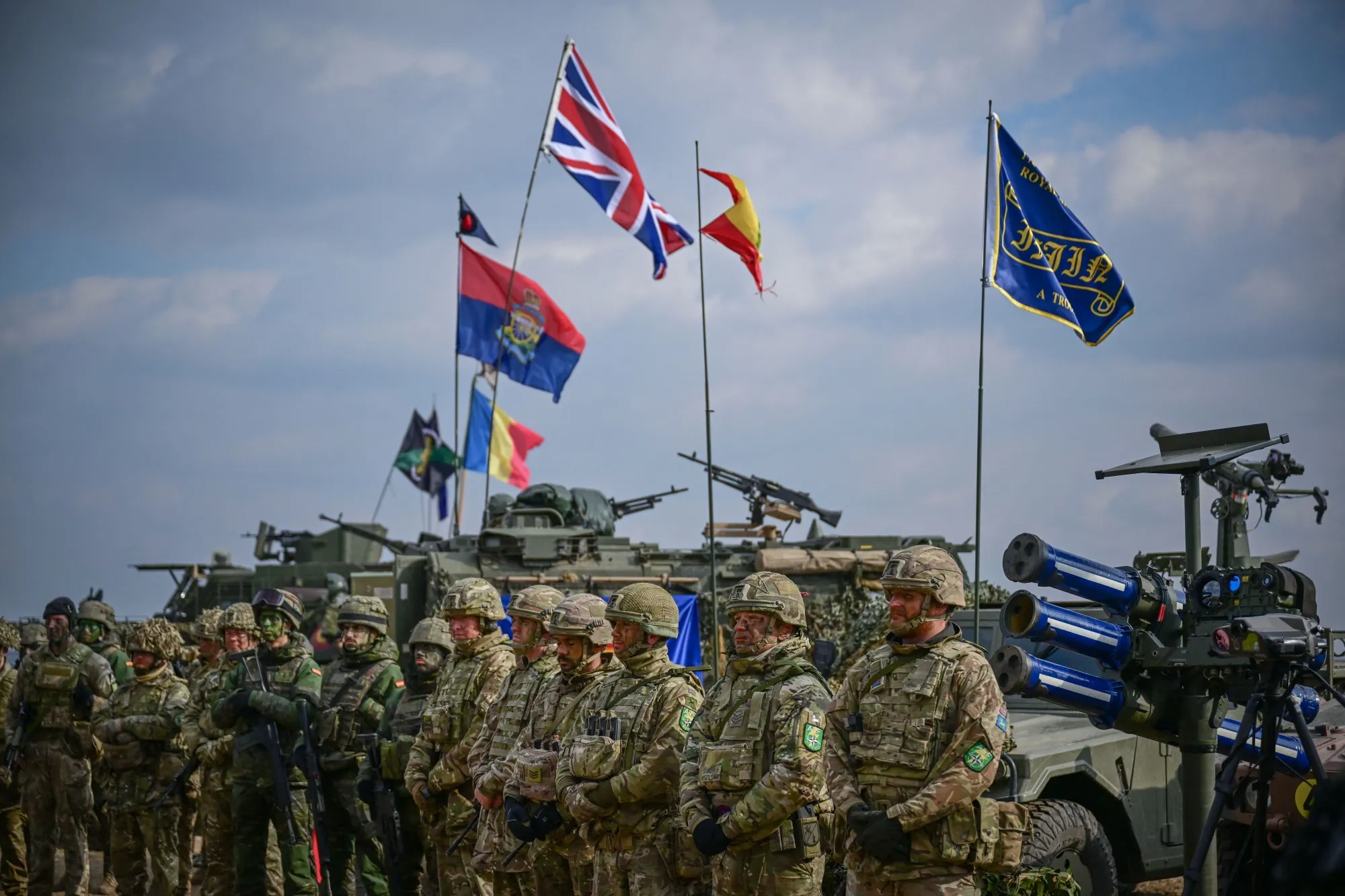
On the financing side, the €150 billion Security Action for Europe (SAFE) instrument has emerged as a key initiative. It enables member states with limited budgetary resources to finance major defense procurement projects through long-term EU loans. This means countries do not have to cover the entire cost through immediate national budget allocations.
The European Defence Industry Programme (EDIP), with a budget of €1.5 billion for the 2025-2027 period, also aims to encourage domestic production. Under the programme, at least 65 percent of component costs for eligible products must originate from the EU or associated countries.
In addition, the €17 billion European Peace Facility (EPF) provides resources for developing joint military capabilities and supporting partner countries. The European Defence Fund (EDF) allocates €8.8 billion to collaborative defense research and development projects. The activation of the National Escape Clause also provides member states with additional budgetary flexibility under EU fiscal rules for qualifying defense investments.
Joint production and technological integration for strategic autonomy
Despite all these initiatives, increased spending alone will not be sufficient to resolve the structural problems facing Europe’s defense industry. What is needed is a common strategic framework that brings together the production infrastructure, technological capabilities and procurement processes of different countries.
Joint ventures such as Project Bromo, which aims to combine the space activities of Airbus, Leonardo and Thales, represent important steps in this direction. Cooperation between major defense contractors and high-growth technology companies could also accelerate the integration of innovative technologies into existing industrial infrastructure.
Furthermore, simplifying production permits, streamlining cross-border export procedures through General Transfer Licenses and introducing targeted exemptions from certain chemical regulations that restrict the production of critical components are all important measures. Such steps could transform Europe’s fragmented peacetime procurement model into an industrial base capable of responding rapidly under crisis and wartime conditions.
Ultimately, Europe’s ambition to achieve strategic autonomy cannot be fulfilled simply by increasing defense budgets. Genuine security independence requires an integrated defense industry capable of joint production, sustained technological innovation and large-scale manufacturing. Although uncertainty remains over how long Europe can maintain its current increase in military spending, the need to convert these investments into tangible industrial capacity is becoming increasingly clear.