




The Russia-Ukraine war clearly demonstrates the changing nature of ground combat. The persistent use of unmanned aerial vehicles (UAVs) for intelligence, surveillance and reconnaissance (ISR) operations is making it increasingly difficult to conceal military units and vehicles.
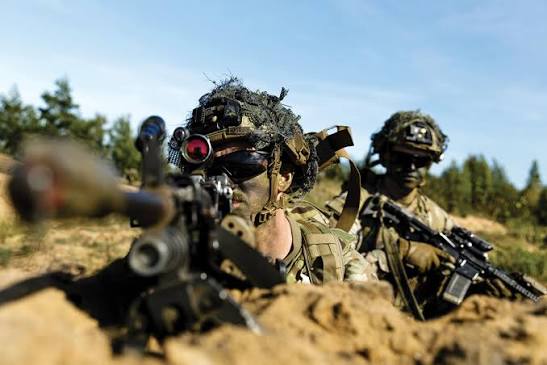
When combined with the threats posed by electronic warfare, mines, artillery systems and first-person-view (FPV) drones, these developments have made movement along the frontline both more dangerous and more costly. Even unmanned ground vehicles (UGVs) can fall victim to mines or kamikaze drones while attempting to cross just a few kilometers of open terrain. As a result, reaching the target has become one of the most challenging and casualty-prone stages of modern military operations. 
Moreover, defining the frontline through clear geographical boundaries is becoming increasingly difficult. Rather than confronting each other along distinct defensive lines, the opposing sides operate across an extensive battlespace populated by small infantry groups, reconnaissance drones and various unmanned systems. This environment significantly restricts the fundamental elements of maneuver warfare: mobility, concentration of force and the ability to achieve surprise. Since conventional units are often detected before reaching their objectives, the conflict has largely evolved into positional warfare and a strategy of attrition.
However, Ukraine’s recent developments in robotic warfare are introducing a new approach that could help overcome this operational deadlock.
Coordinated operations of unmanned systems and a new tactical approach
In July 2026, Ukraine carried out a notable operation involving the combined use of maritime and ground-based robotic systems. During an operation conducted by the 123rd Separate Territorial Defense Brigade at Kinburn Spit, an unmanned surface vessel transported an unmanned ground vehicle (UGV) to the shoreline. Once ashore, the ground robot engaged opposing positions using a remotely operated Wolly 7.62 weapon station.
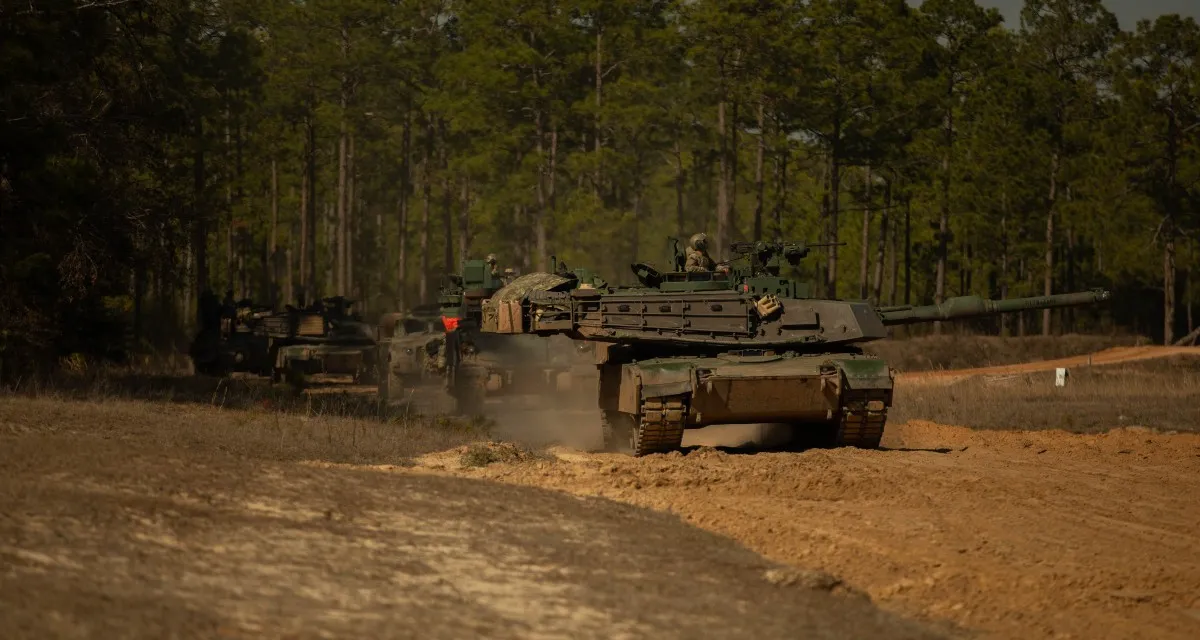
A similar approach was employed in August. Ukrainian forces used a heavy unmanned aerial vehicle to deploy an ARK-1 ground robot carrying an anti-tank mine behind Russian lines. After reaching its designated position, the robot continued its mission independently. This approach, in which one unmanned platform transports another to an area that the latter would otherwise be unable to reach on its own, is known in military terminology as the ‘marsupial tactic’.
The significance of this method lies in its ability to extend operational reach by allowing different platforms to compensate for one another’s limitations. The coordinated deployment of aerial, maritime and ground robots offers opportunities to advance with reduced personnel exposure, particularly in areas restricted by minefields, heavily contested routes and persistent surveillance.
Operation Vivaldi and the operational application of robotic maneuver
The most notable example of this emerging approach was Operation Vivaldi, conducted by Ukraine’s Third Army Corps north of Lyman. Announced publicly on September 20, 2026, the operation involved the use of heavy bomber drones to transport kamikaze ground robots approximately 10 kilometers behind Russian defensive lines. This enabled the ground platforms to be deployed close to targets that would otherwise have been extremely difficult for them to reach independently.
The success of the operation was not based solely on delivering robots behind enemy lines. Ukrainian forces sought to weaken Russian defenses and create routes for advancing troops by deploying unmanned ground vehicles and aerial platforms ahead of their infantry units. Meanwhile, artillery systems and UAVs targeted Russian command posts, logistics facilities, river crossings, communications infrastructure and reserve forces. Electronic warfare and air defense assets also contributed to protecting the operational area.
These coordinated efforts made it more difficult for Russian forces to identify the scale and direction of the Ukrainian offensive. By assigning unmanned systems a leading role, Ukrainian forces were able to create gaps in the defensive structure before exposing their ground troops to direct enemy fire.
The results of Operation Vivaldi also demonstrate the operational potential of this approach. According to Ukrainian statements, robotic systems completed approximately 15,700 missions and transported around 3,300 tons of cargo. Ukrainian forces also reported preventing Russian troops from encircling the fortified Defense Belt, retaking the settlements of Drobysheve, Shandryholove and Derylove, and reclaiming approximately 19 square miles of territory.
Can robots bring maneuver warfare back?
The most significant contribution of robotic systems to land warfare is their ability to reduce soldiers’ exposure to danger during the riskiest stages of an offensive. Assigning tasks such as approaching enemy positions, making initial contact, testing defensive arrangements and opening routes of advance to unmanned platforms has the potential to limit personnel casualties.
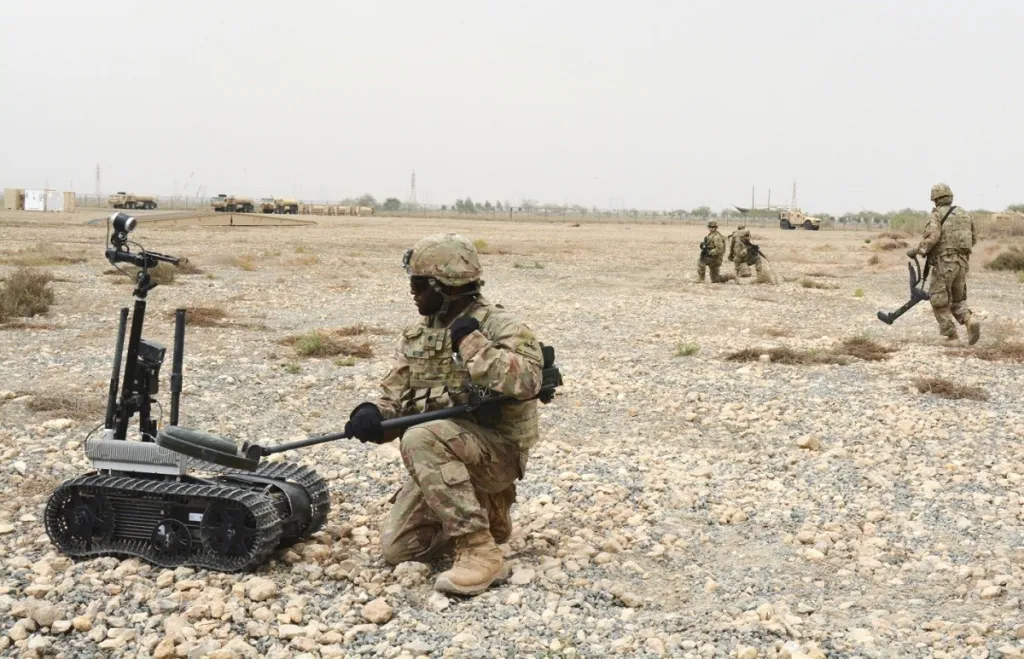
These systems should not be viewed merely as platforms providing additional firepower. They can also distract enemy defenses, put forward positions under pressure, identify mined routes and create temporary gaps in defensive lines. Infantry and mechanized units can exploit these openings to advance under more favorable conditions and take control of strategically important terrain.
The approach of Major General Andrii Biletskyi, commander of Ukraine’s Third Army Corps, summarizes this understanding: Infantry wins wars, but infantry must be protected; therefore, robots should be the first to confront the enemy.
Accordingly, rather than replacing conventional ground forces, robotic systems are emerging as force multipliers capable of restoring their freedom of movement. Operation Vivaldi demonstrates that Ukraine has managed to move beyond positional warfare to a limited extent at the tactical level and reintroduce elements of maneuver through the use of unmanned ground vehicles.
The limitations of robotic systems and the future of ground forces
Ukraine’s ambitions in this field are also expanding. Kyiv’s procurement plan, which envisages replacing up to 30 percent of combat personnel with robotic systems, signals a changing approach to the future structure of ground forces. Nevertheless, the complete replacement of soldiers by unmanned ground vehicles does not yet appear feasible. Human personnel remain essential for capturing, holding and defending territory when necessary.
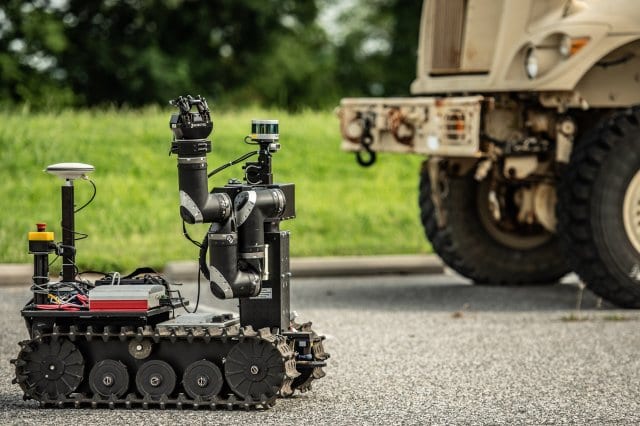
Furthermore, robotic platforms remain vulnerable to electronic jamming, FPV drones and mines. The success of Operation Vivaldi depended heavily on operational secrecy and the coordination of electronic warfare, artillery support, UAVs and air defense assets. Therefore, rather than independently transforming the course of warfare, robots are more likely to deliver effective results when integrated with other military capabilities.
Overall, Operation Vivaldi represents a potential turning point in the evolution of land warfare. Based on the combined deployment of aerial and ground-based robots, this emerging model demonstrates that maneuver capabilities can be restored even on a transparent battlefield dominated by persistent surveillance and the threat of fire. Robots have not yet fully restored conventional maneuver warfare. However, Ukraine’s approach could be regarded as one of the first concrete examples of how new operational opportunities can be created in ground conflicts that have long been constrained by positional warfare and attrition.

