


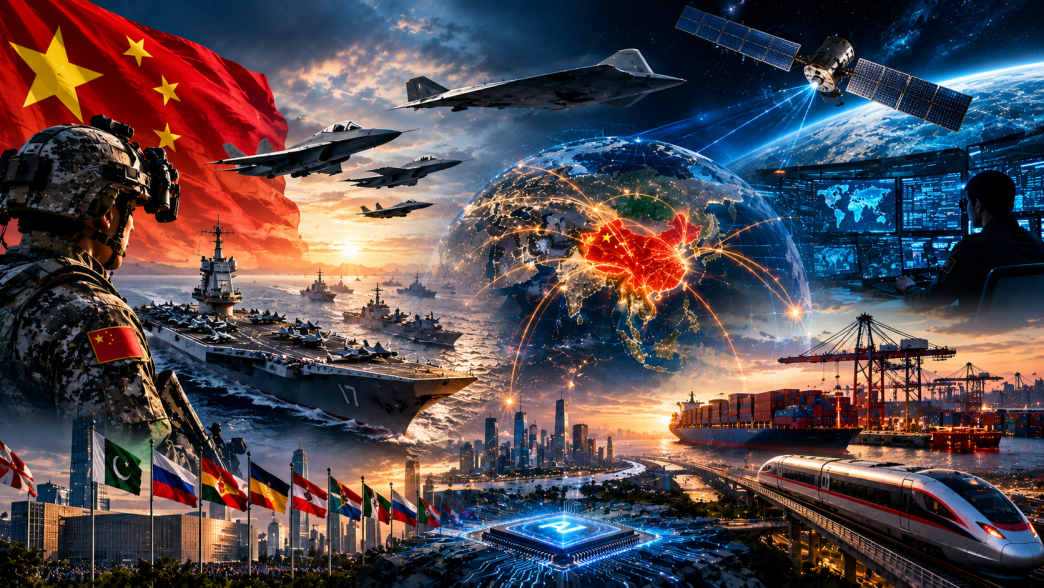
China is not developing its military power solely in terms of troop numbers, weapons inventories, or defense spending. Beijing’s primary objective is to achieve long-term strategic superiority by combining its technological capabilities, industrial infrastructure, and global connections. Within this approach, military power is not separate from economic and technological influence but is positioned as a complementary element that reinforces both.
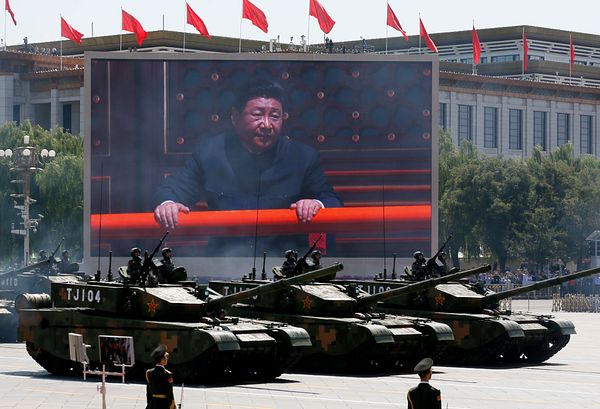
Growing competition with the United States, the Taiwan issue, and the struggle for power in the Indo-Pacific are among the main factors accelerating China’s military modernization. Beijing aims, in particular, to restrict the United States’ freedom of military movement in the region and make Washington’s intervention more costly in the event of a potential conflict. To this end, missile systems, naval forces, air power, space capabilities, and electronic warfare capabilities are being developed in an integrated manner. 
Technology at the center of the battlefield
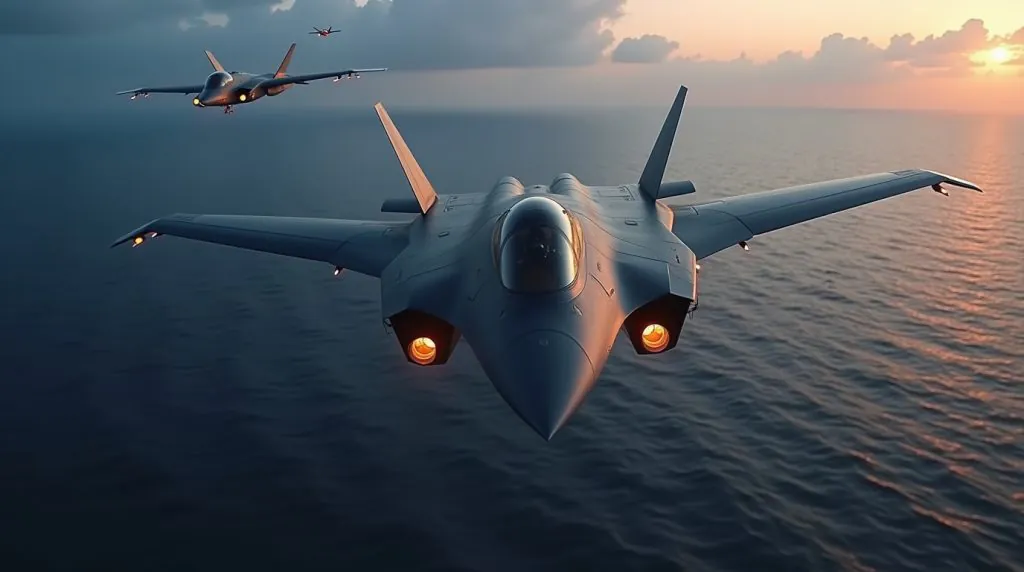
One of the most significant transformations in China’s military strategy is the integration of advanced technologies into operational capabilities. Artificial intelligence, unmanned systems, satellite networks, cyber operations, and electronic warfare are becoming decisive elements of modern warfare. These technologies not only increase offensive capabilities but also accelerate target detection, intelligence gathering, command and control, and decision-making processes.
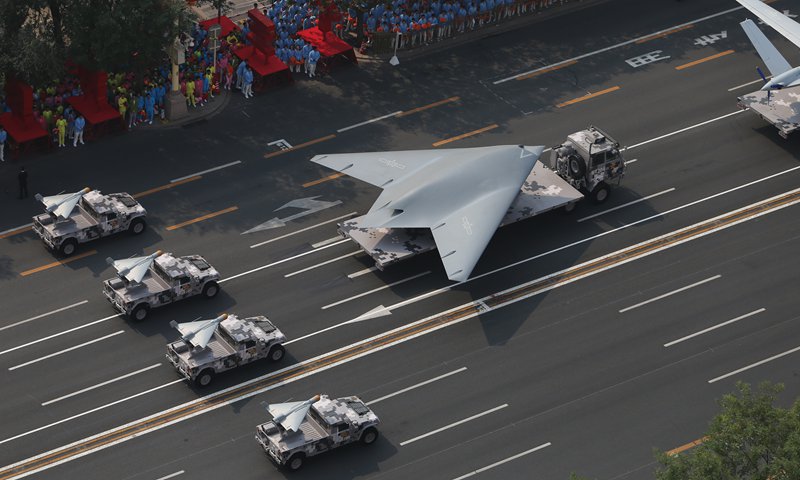
Strengthening its domestic defense industry is therefore of critical importance to China. Reducing dependence on foreign suppliers in semiconductors, advanced electronic components, communication systems, and precision manufacturing technologies helps sustain military capabilities in the face of potential sanctions or supply chain disruptions. Space infrastructure is also an integral part of this picture. Satellite-based communications, navigation, and reconnaissance and surveillance systems strengthen China’s ability to conduct coordinated military operations across vast geographical areas.
However, technological superiority cannot be achieved simply by producing new weapons. The ability to manufacture these systems at scale, integrate them across different branches of the armed forces, and use them effectively under real operational conditions will also be decisive.
The military dimension of global influence
China’s international relationships, developed through ports, transportation corridors, energy connections, and critical technology sectors, make an indirect but significant contribution to its military strategy. While these networks strengthen Beijing’s economic presence in different regions, they also create opportunities in terms of logistical access, supply security, and long-term strategic partnerships.
Maritime routes across the Indian Ocean and its surrounding areas are particularly important for China’s energy security and the operational mobility of its naval forces. The military base in Djibouti is one concrete example of China’s overseas military presence. Nevertheless, it would be incorrect to assume that every port receiving Chinese investment can be used directly for military purposes. The conversion of commercial infrastructure into military logistics depends on the positions of host countries, access agreements, and operational conditions.
Relations with Russia also occupy a distinct place within this strategic framework. While cooperation in energy, industry, and technology provides China with significant advantages, Russia’s increasing reliance on Chinese supplies due to Western sanctions is reinforcing the asymmetric nature of the relationship between the two countries. At the same time, Beijing is seeking to preserve its own strategic room for maneuver while maintaining cooperation with Moscow.
The struggle for power in Taiwan and the Indo-Pacific
One of the most tangible tests of China’s military modernization will be potential crises surrounding Taiwan. By developing its naval and air forces, ballistic and cruise missiles, unmanned systems, and joint operational capabilities, Beijing aims to shift the regional military balance in its favor. In a potential conflict, the objective may be not only to increase pressure on Taiwan but also to constrain the intervention capabilities of the United States and its allies.
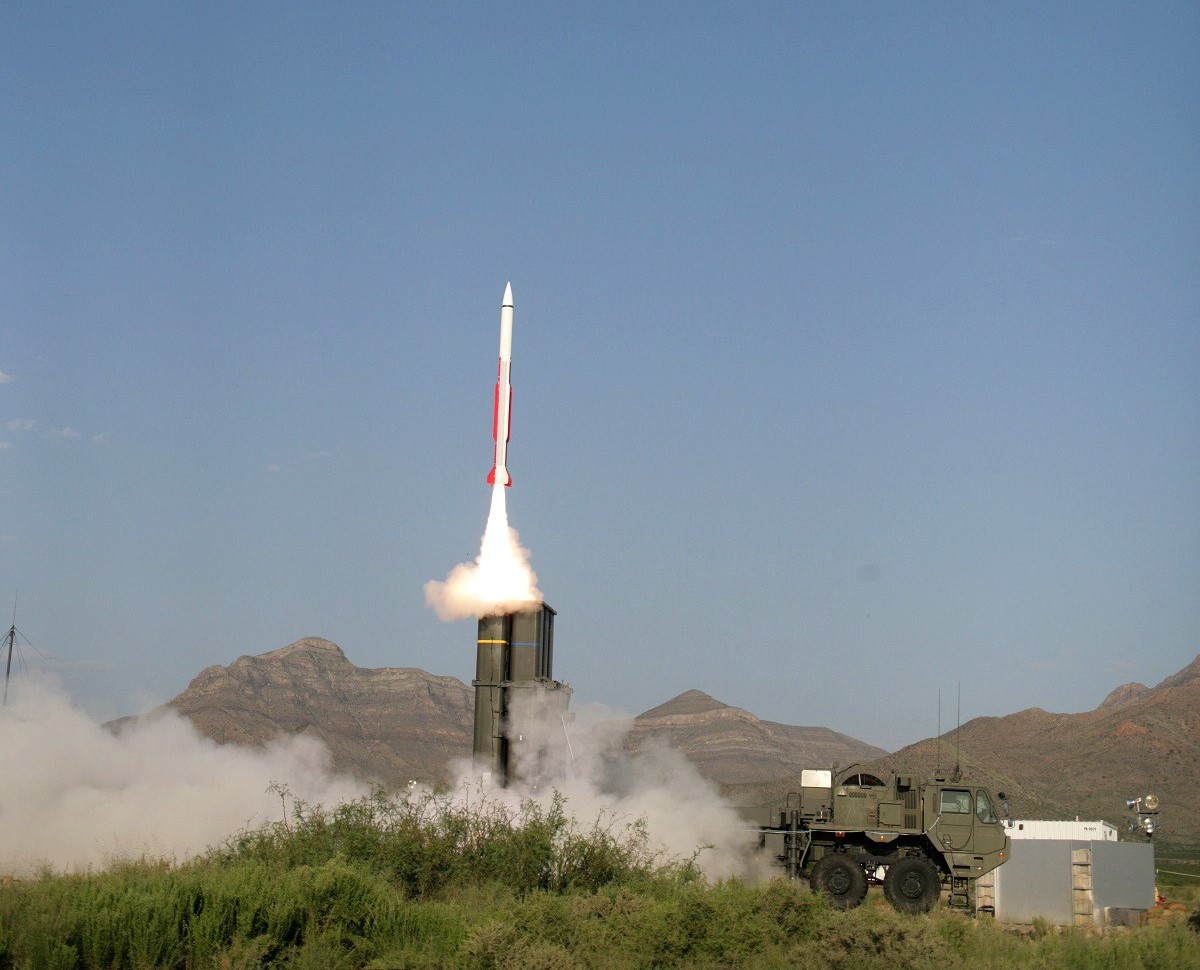
This strategy increases the importance of maritime routes and regional bases in the Western Pacific. As China strengthens its military capabilities, the United States, Japan, Australia, and other regional actors are also reinforcing their defense cooperation, missile defenses, and military preparedness. Consequently, Beijing’s growing capabilities are accelerating mutual arms buildups and strategic competition rather than necessarily guaranteeing unilateral superiority.
Conclusion: Technology, industry, and military deterrence
What distinguishes China’s approach is its assessment of military power, technological independence, and global influence within the same strategic framework. Beijing is seeking to reduce external supply risks by strengthening its defense industry, achieve operational superiority through advanced technologies, and expand its long-term room for maneuver through international connections.
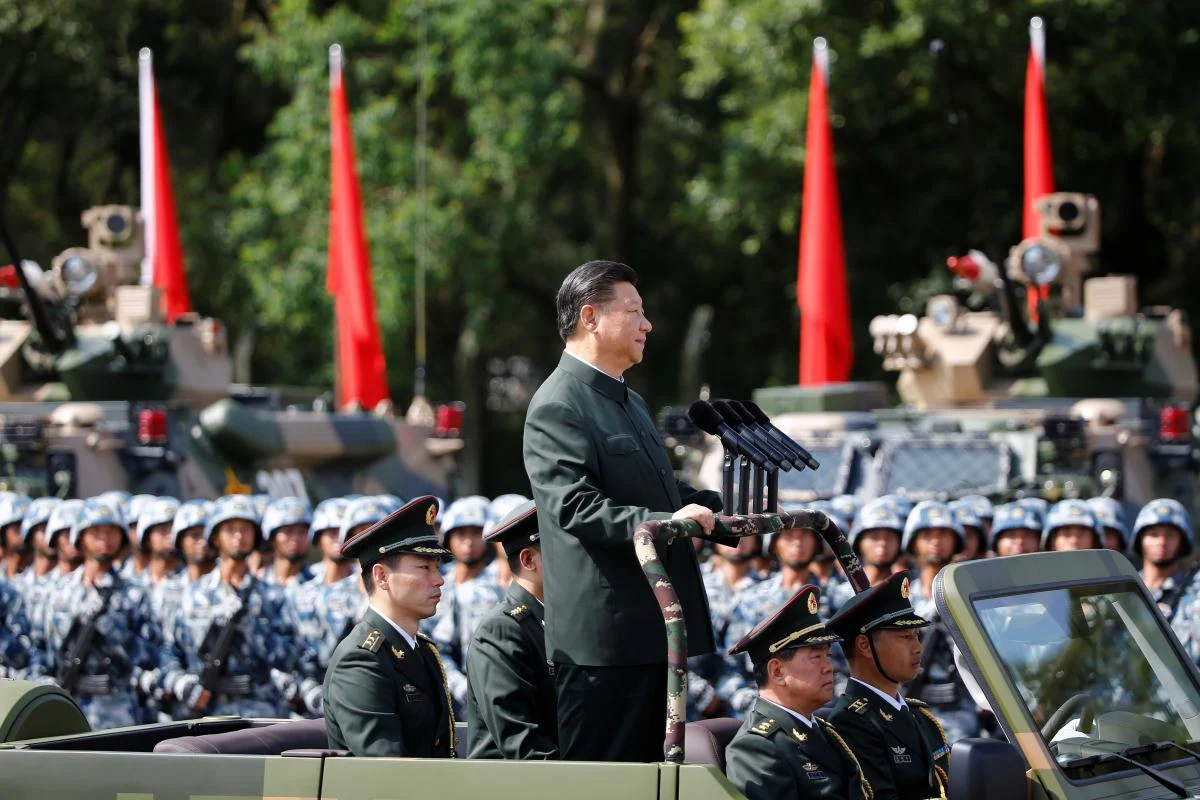
Nevertheless, it would be inaccurate to equate China’s global influence directly with military control. Economic dependencies, technological standards, and logistical connections can create strategic advantages, but their conversion into military superiority during a crisis is not guaranteed. The key factors determining China’s success will be its ability to integrate the technologies it develops into reliable command-and-control systems, ensure logistical sustainability, and conduct effective joint operations under actual combat conditions.
Ultimately, Beijing’s objective is not simply to build a stronger military but to reshape the international balance of power over the long term by supporting its military capabilities with industry, technology, and global connections. The extent to which this strategy succeeds will depend on China’s ability to translate technological progress into military effectiveness on the battlefield.

