


As the Russia-Ukraine War challenges Europe’s security architecture, the West’s ability to develop a common strategy is being called into question
Recent developments in the Russia-Ukraine War demonstrate that the conflict is no longer merely a battlefield confrontation between two countries but has evolved into a broader security crisis capable of affecting the entire European continent. Ukraine’s destruction of a newly commissioned Russian warship docked at the Port of Benghazi in Libya, approximately 2,200 kilometers from Kyiv, using naval drones has revealed just how far the geographical boundaries of the war have expanded. Nearly five years after Russia launched its full-scale invasion in 2022, the continuation of intense fighting and its spread into different regions are producing increasingly serious consequences for international security.
The severe damage inflicted on a Russian cargo vessel in the Baltic Sea by a Ukrainian attack, along with previous operations targeting Russian naval assets and oil tankers in the Black Sea, indicate that the maritime dimension of the war is also expanding. Meanwhile, allegations that Russia carried out missile and drone attacks against Poland, the targeting of Western diplomatic missions in Kyiv, and intensive bombardments of Ukraine’s energy infrastructure are increasing the possibility that the conflict could reach a stage with direct implications for NATO member states. 
Moscow’s efforts to exert pressure across Europe through hybrid activities such as sabotage, arson and cyberattacks are further complicating the security landscape. As a result, the war is moving beyond conventional military operations and becoming a multidimensional threat affecting Europe’s economic infrastructure, energy security, diplomatic relations and social stability.
War fatigue in Europe is becoming a strategic risk
The prolongation of the Russia-Ukraine War has created a noticeable sense of war fatigue among public opinion in Europe and the United States. Nearly five years of fighting, rising casualties and unsuccessful diplomatic initiatives have made ending the war increasingly complicated. Washington’s repeated attempts to pursue peace at different stages, without producing a lasting outcome, have also weakened international expectations of a resolution.
However, the fact that the war has continued for so long does not mean that the threat it poses has diminished. On the contrary, the continuation of the conflict is further deepening military and political tensions between Russia and the West. In addition to Ukraine’s human losses and economic devastation, pressure on Europe’s defense spending, energy costs and security policies is also increasing. More importantly, the possibility that the war could spiral out of control and develop into a direct confrontation between NATO and Russia demonstrates that the existing risks could have far more serious consequences.
For this reason, it is not enough for European countries to assess the Ukraine issue solely in terms of financial and military assistance to Kyiv. What is actually needed is a common strategy capable of preventing the conflict from expanding and creating the conditions for a lasting political settlement. The approach of condemning Russia’s aggressive policies while effectively tolerating the continuation of the conflict reveals that the West is facing a serious strategic problem within its own ranks.
Why can’t Europe develop a common negotiating strategy?
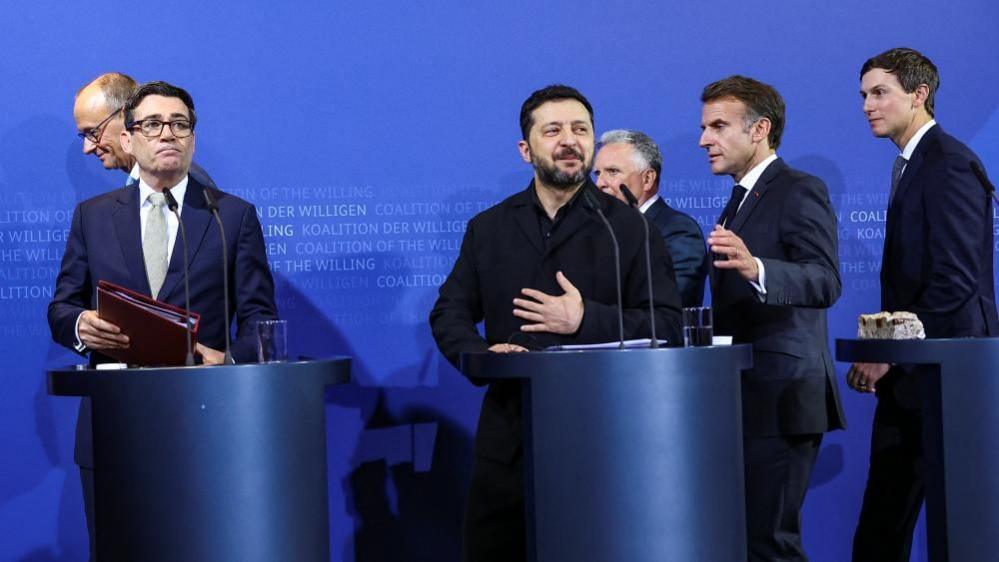
European leaders frequently emphasize that they recognize the threat posed by Russia’s aggression against Ukraine. Indeed, at the latest meeting in Berlin, the Coalition of the Willing, formed by Western countries supporting Ukraine, announced that it was prepared to hold direct talks with the Kremlin. It was also stated that negotiations could address not only ending the war in Ukraine but also the future of Europe’s post-Soviet security architecture.
This declaration suggests that Europe may be preparing for a new diplomatic process in its relations with Russia. However, there is a significant difference between declaring that a common negotiating position exists and turning that position into a concrete diplomatic strategy.
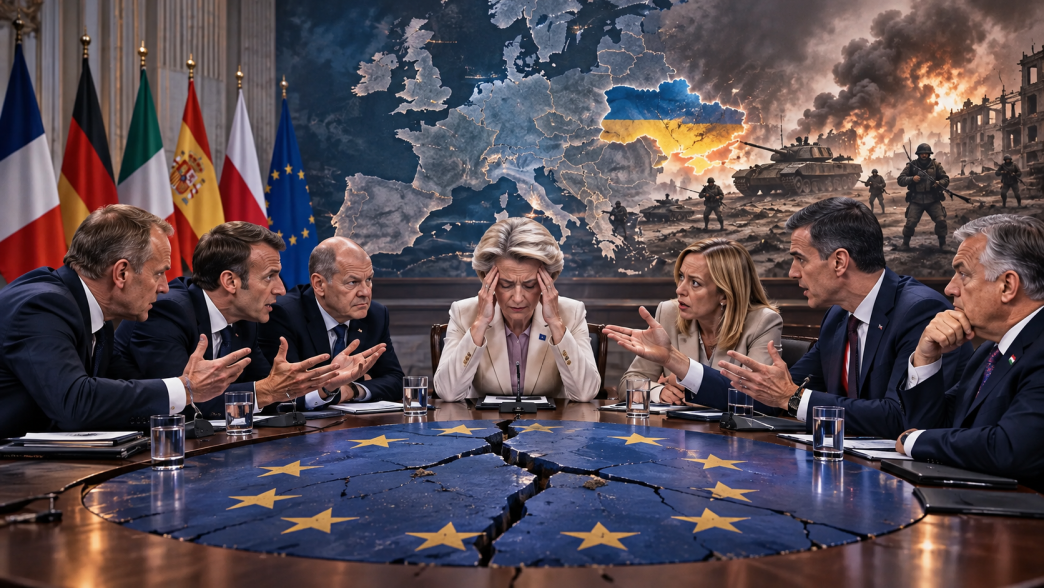
Even among the leaders of France and Germany, the European Union’s leading countries, alongside Italy and Poland, a full consensus has yet to emerge on who should conduct the negotiations. This disagreement between the European Commission and member states has once again raised questions about the Union’s ability to make foreign policy decisions and act collectively.
In fact, one of the European Union’s fundamental problems in foreign and security policy is its difficulty in demonstrating a common political will during periods of crisis, despite its considerable economic and political weight. While France advocates developing a more independent European security policy, Germany places greater emphasis on preserving transatlantic relations with the United States and maintaining NATO’s deterrence. Poland and the Baltic states, meanwhile, regard Russia as a direct and long-term military threat and call for a tougher stance toward Moscow. Other European countries, such as Italy, tend to place greater emphasis on the economic consequences of the war and the need for a diplomatic solution.
These differing priorities make it difficult for Europe to establish a common position on Ukraine. Even the potential inclusion of EU foreign policy chief Kaja Kallas in a negotiating delegation has become a subject of debate. Moscow’s assertion that Kallas’s participation would cause the talks to collapse before they even begin demonstrates Russia’s potential to exploit divisions within Europe during diplomatic negotiations.
However, taking the Kremlin’s preferences into account when deciding who should represent Europe in negotiations is not an acceptable approach either. European countries, acting in close coordination with Ukraine, must be able to decide for themselves who should be part of the negotiating delegation. With the possibility of a European delegation, potentially including the United Kingdom, establishing direct contact with Moscow under consideration, this process must not be made dependent on Russian political pressure.
How is the Trump administration affecting Europe’s common policy?
Another major factor complicating Europe’s ability to act collectively on Ukraine is the unpredictable and inconsistent nature of US policy. Donald Trump’s occasional adoption of a conciliatory tone toward Russia has raised questions among European allies about Washington’s security priorities.
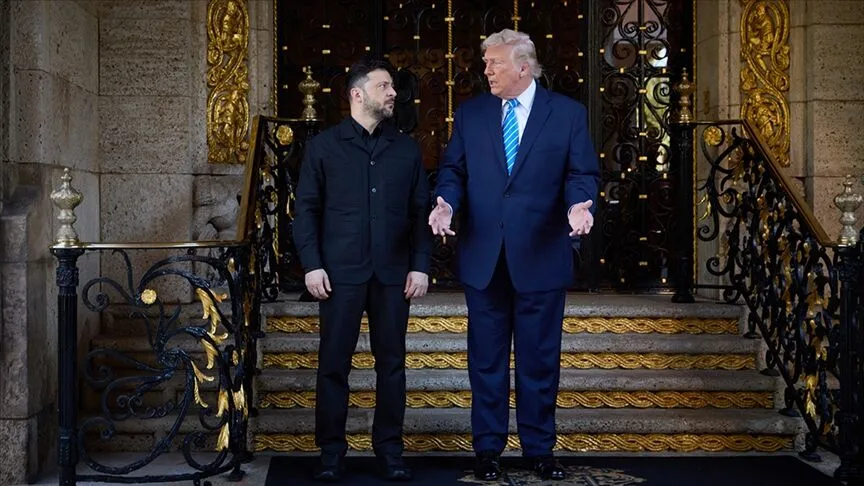
Trump’s remarks about a broad agreement that could also encompass Europe’s security architecture following last week’s trilateral summit in Shenzhen with Chinese President Xi Jinping and Vladimir Putin have further increased this uncertainty. While Russian attacks on civilian settlements in Ukraine continue, Trump’s description of Putin as a friend and the images of close personal interaction between the two leaders have been among the developments causing concern in European capitals. The easing of US sanctions targeting Russian oil has also intensified discussions about the extent to which Washington’s position toward Moscow could change.
The fundamental problem here is not opposition to the United States conducting negotiations with Russia. The real concern is the possibility that Washington could negotiate directly with Moscow without first establishing a common security framework with Europe and Ukraine. Such an approach could leave Europe outside the decision-making process regarding the future of the war.
For this reason, Europe needs to establish a common negotiating framework with the US administration in advance. It must be clearly determined which issues are open to negotiation, which security demands cannot be abandoned and which principles concerning Ukraine’s future must be preserved. Otherwise, sudden political statements and shifts in the Trump administration’s position could weaken the West’s common stance and allow Russia to gain a diplomatic advantage.
At the same time, Europe must also take account of the political balance of power in Washington. The influence of politicians and institutions in the US Congress that support Ukraine could serve as an important counterweight to the Trump administration’s policies. Congress’s authority over the budget and public spending provides mechanisms that could prevent US policy toward Ukraine from being shaped solely by the president’s personal preferences.
Consequently, it is important for European leaders not to limit their diplomatic engagement with Washington to the White House but also to strengthen their relations with Congress and foreign policy institutions. A coordinated diplomatic initiative by France, Germany, the United Kingdom and the European Commission could help the United States develop a more predictable approach to Ukraine that is also compatible with Europe’s security interests.
What conditions are indispensable for lasting peace?
Achieving lasting peace in Ukraine does not depend solely on a temporary ceasefire agreement aimed at halting hostilities. Security guarantees that would prevent the war from restarting, protection of Ukraine’s territorial integrity and the establishment of a mechanism capable of deterring future Russian military interventions are all necessary.
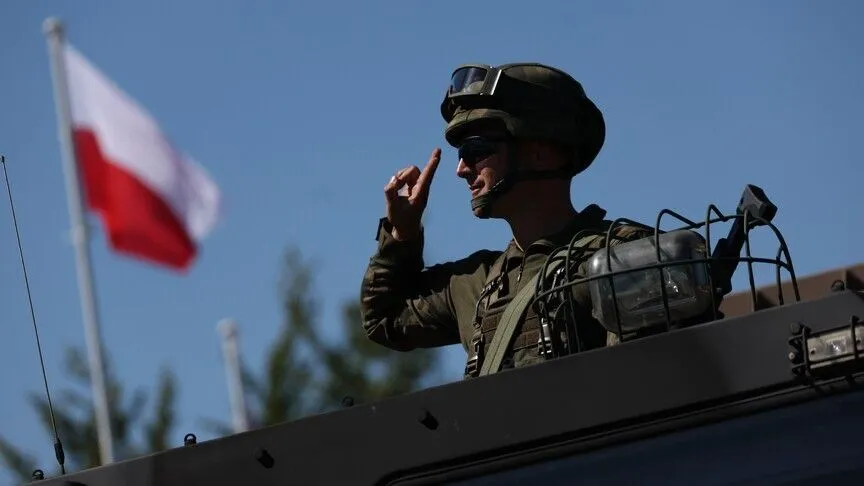
Within this framework, Russia’s complete withdrawal from Ukrainian territory, the provision of security guarantees backed by NATO, the establishment of a compensation mechanism for the destruction caused by the war, and an independent international investigation into human rights violations in the occupied Donbas region should be among the fundamental demands at the negotiating table.
The United States and Europe acting together on these issues is also important in preventing Moscow from exploiting divisions within the West. In particular, decisions concerning Ukraine’s future made without Kyiv’s participation would undermine the legitimacy and sustainability of any peace settlement in the long term.
On the other hand, addressing Russia’s security concerns at the negotiating table must not mean accepting Moscow’s claims of sovereignty over Ukraine. Although Europe may be open to discussions about a broader security architecture, this process must not turn into a bargain that undermines Ukraine’s independence and sovereignty.
NATO’s deterrence and the future of European security
The fact that Russia’s attacks have reached a scale capable of affecting NATO member states has direct implications for the alliance’s deterrence policy. NATO’s decision to hold an emergency meeting following allegations of missile and drone attacks targeting Poland demonstrates that security risks along the alliance’s eastern flank are no longer merely theoretical possibilities.
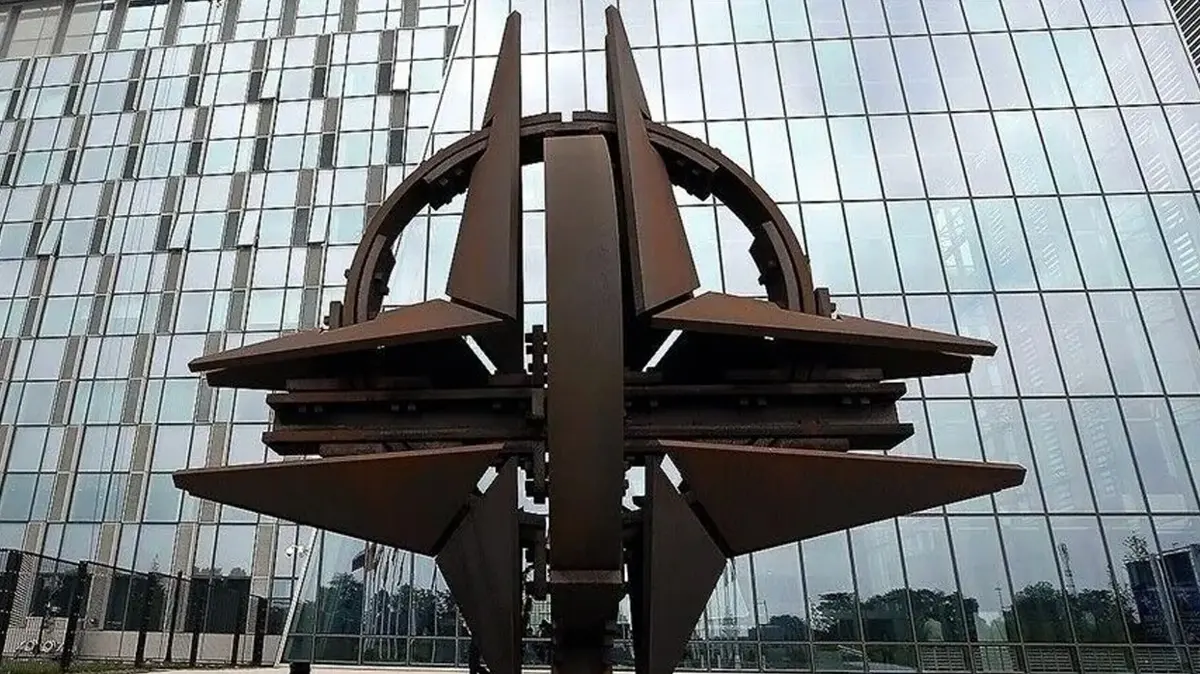
Nevertheless, NATO’s fundamental challenge is not so much how to respond to Russia as how to prevent a potential direct confrontation. Moscow’s expansion of military and hybrid activities against targets beyond Ukraine requires the alliance to reassess its existing approach to deterrence.
In this respect, strengthening NATO’s defense capabilities, maintaining its military presence on the eastern flank, improving air defense systems and developing joint capabilities in cybersecurity are all important. However, strengthening deterrence must not pave the way for uncontrolled military escalation. While maintaining a firm stance against Russia’s aggressive policies, diplomatic channels for a resolution must also remain open.
Europe assuming greater responsibility in the field of defense is another important part of this process. The United States’ shift in security priorities toward the Asia-Pacific region and its demand that Europe shoulder a larger share of the defense burden make it necessary for the continent to develop its military capabilities. However, strengthening Europe’s independence in defense must not mean distancing itself from NATO. On the contrary, increasing Europe’s military, technological and industrial capabilities could contribute to creating a more balanced transatlantic alliance.
Could Europe’s strategic fragmentation pave the way for a new world war?
Vladimir Putin’s strategic objectives in pursuing the war in Ukraine are becoming increasingly complicated as Russia’s military and economic costs continue to rise. Although the period of the Trump administration has presented Moscow with an opportunity for a diplomatic settlement, how this opportunity will be used remains uncertain. Putin’s insistence on continuing the war could further deepen Russia’s international isolation and security tensions with Europe.
However, Europe’s inability to develop a common strategy internally allows Moscow to take advantage of the situation. Russia could seek to undermine the West’s capacity for collective action by exploiting differing security perceptions among European countries and political disagreements between the United States and Europe.
For this reason, Europe’s fundamental challenge is not merely how much military and financial assistance it can provide to Ukraine, but whether it can demonstrate a common political will regarding the future of the war. France, Germany, Poland, Italy, the United Kingdom and the institutions of the European Union need to bring their differing priorities together under a common security strategy.
Otherwise, the possibility of the war that began in Ukraine evolving into a broader security crisis extending from the Mediterranean to the Baltic Sea and from Eastern Europe to Northern Europe will increase. A direct military confrontation between NATO and Russia would threaten not only Europe’s stability but also that of the entire global security system.
Ultimately, as long as Europe cannot speak with one voice on Ukraine, it will struggle to become a strong and effective diplomatic actor in dealing with Russia. Establishing a common negotiating framework with Washington, keeping Kyiv at the center of decision-making processes and preserving NATO’s deterrence are among the fundamental conditions for lasting peace. Current developments, which evoke memories of the security darkness that descended upon Europe before the First World War, demonstrate that the continent must avoid repeating the same strategic mistakes. Europe still has an opportunity to contain the conflict through diplomacy. However, to seize that opportunity, it must first overcome its internal political divisions and demonstrate a common will on Ukraine.

