


Strategic competition between the US, Russia and China is opening the door to a new nuclear era
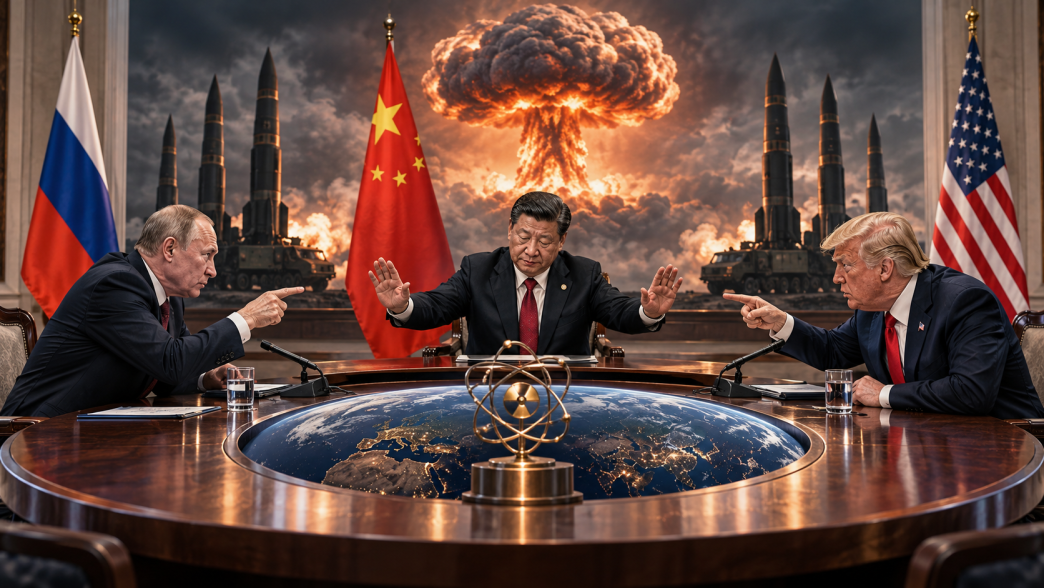
Recent developments in the international security environment have once again brought discussions about the future of nuclear weapons to the forefront. The increasingly deepening strategic rivalry between the United States, Russia and China is shaping not only the struggle for military and economic power but also the future of the global nuclear balance. In this context, last week’s meeting in southern China between Donald Trump, Vladimir Putin and Xi Jinping, during which nuclear weapons and disarmament were placed on the agenda, can be considered a significant development. The fact that the leaders of the world’s three largest nuclear powers have come together for direct discussions on this issue for the first time highlights the scale of the threat facing the international system.
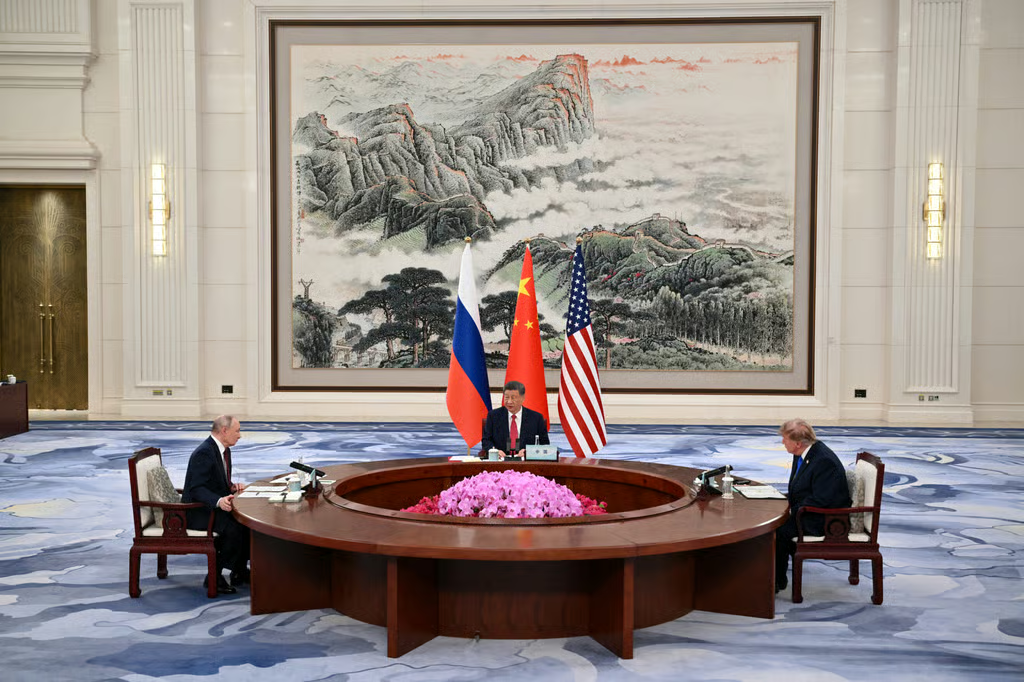
However, the mere occurrence of diplomatic contacts does not mean that a nuclear arms race will be prevented. Mutual distrust between Washington, Moscow and Beijing, the weakening of arms control mechanisms, and the rapid transformation of military technologies are creating the conditions for a new era of arms competition. Therefore, the issue is not simply whether the three leaders can issue a joint statement on nuclear disarmament, but whether such declarations can be translated into concrete and verifiable agreements. 
Why are nuclear arms control mechanisms weakening?
Since the Cold War, the United States and the Soviet Union have signed numerous arms control agreements aimed at reducing the possibility of nuclear confrontation. Negotiations continued even during the most intense periods of rivalry between the two superpowers, demonstrating that nuclear weapons could be limited. Thanks to agreements negotiated between Washington and Moscow over nearly half a century, the nuclear arsenals of both countries were substantially reduced. During this process, their combined nuclear stockpiles declined by approximately 88 percent.
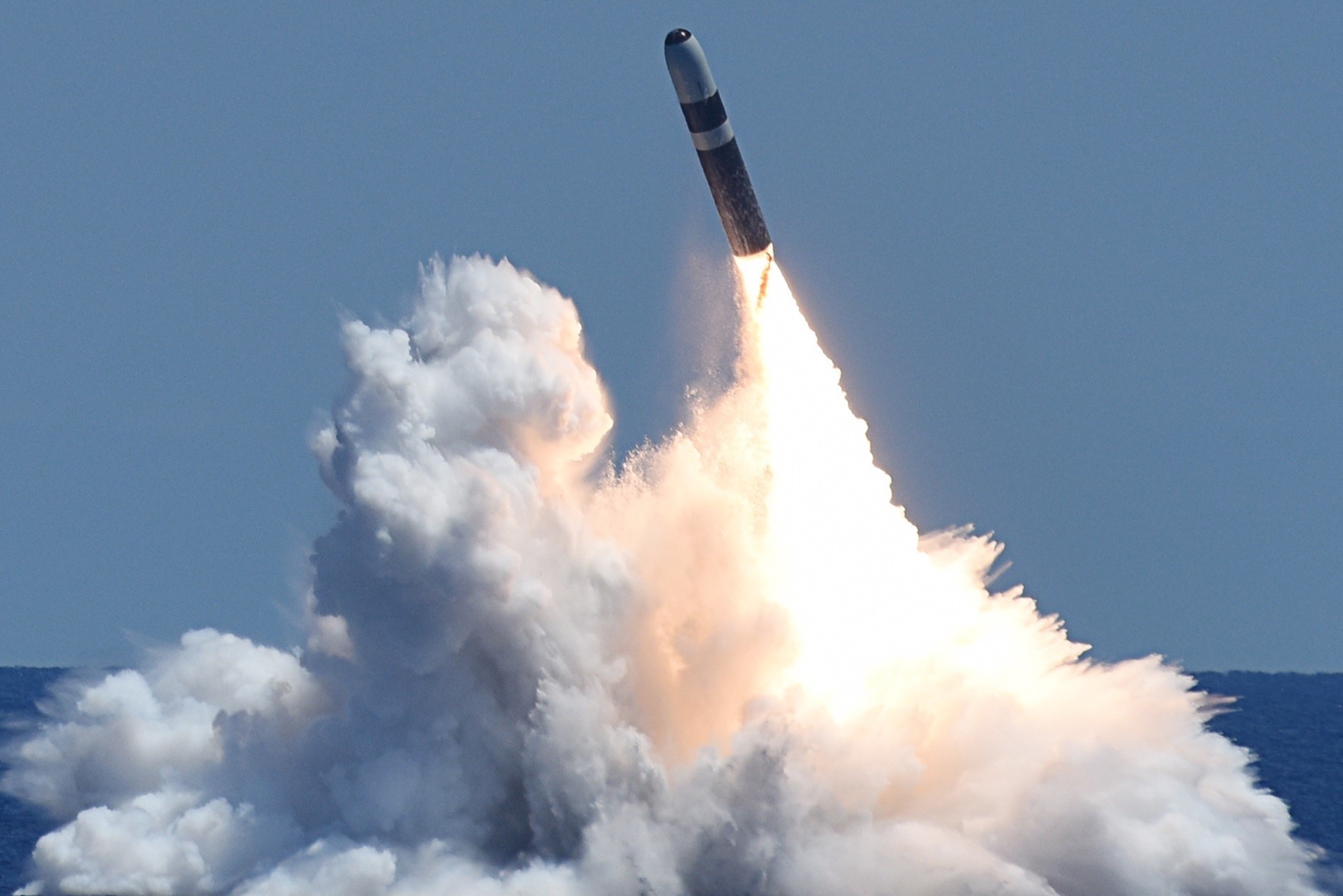
This progress demonstrated that nuclear deterrence cannot be sustained simply by producing more weapons and that mutual security concerns can be managed through diplomacy. Indeed, two rival states that regarded each other as fundamental security threats were able to find common ground to prevent a war that could have existential consequences.
Today, however, this architecture is facing serious erosion. The expiration of the New START Treaty in 2026, the last major legal arrangement limiting strategic nuclear weapons between the United States and Russia, without a replacement agreement entering into force, has created a significant gap in the nuclear balance. As a result, legally binding restrictions on the two countries’ strategic nuclear arsenals have disappeared. China’s absence from any comparable arms control agreement with Washington and Moscow has made the equation even more complicated.
This situation increases the risk that the international system could move away from the bipolar nuclear rivalry of the past and become entangled in a new arms race shaped by the calculations of three major powers. Moreover, the modernization of nuclear weapons, the development of new missile systems and the diversification of warheads with different ranges are further deepening the existing uncertainty.
How is China’s growing nuclear capability affecting the new equation?
One of the most significant challenges facing a three-way nuclear arms race is the disparity in capabilities between China and the United States and Russia. According to current estimates, Washington and Moscow each possess approximately 4,000 nuclear warheads, while China’s nuclear arsenal is believed to number around 600. Beijing’s expansion of its arsenal in recent years, diversification of its nuclear capabilities and efforts to strengthen its strategic deterrence indicate that this picture could change in the coming years.
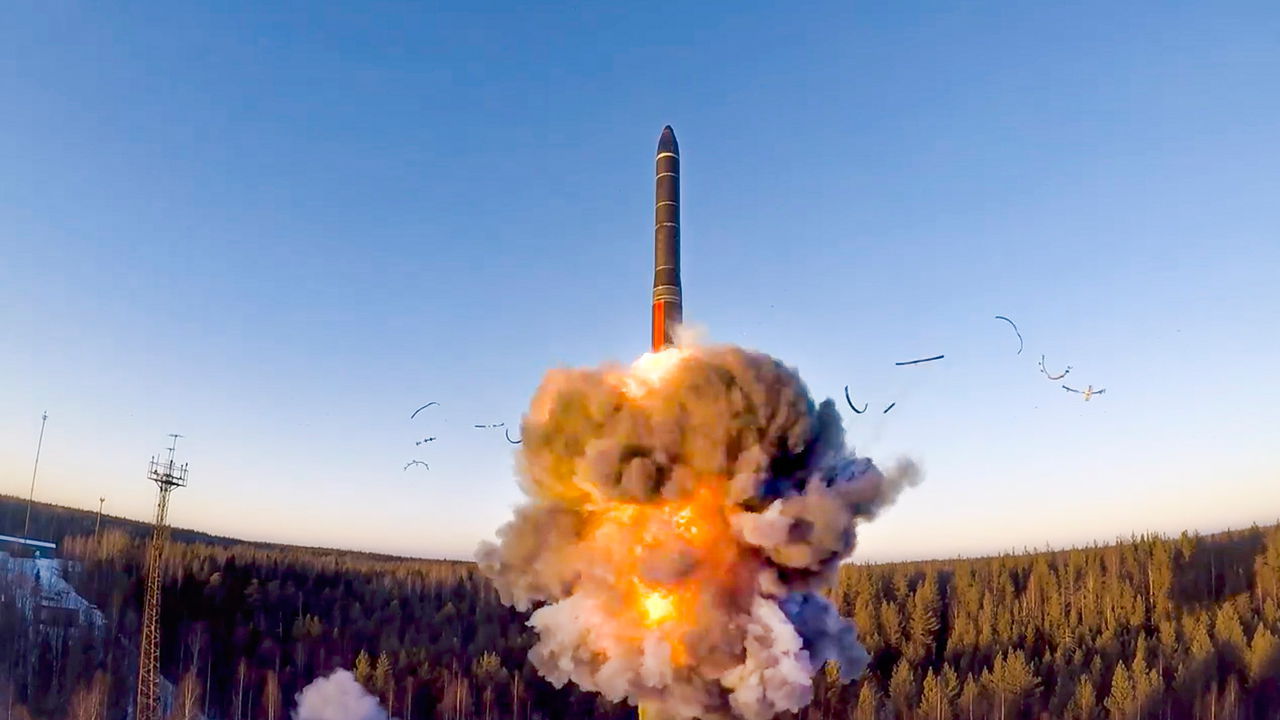
Nevertheless, expecting China to undertake nuclear reductions under the same conditions as the United States and Russia is not a realistic approach. Beijing remains reluctant to accept an agreement imposing equal obligations, arguing that the two countries possess nuclear arsenals far larger than its own. China’s priority is to ensure its own deterrence before reaching the nuclear capabilities currently held by the United States and Russia.
Therefore, the different capabilities and security concerns of all three countries must be taken into account if the nuclear disarmament process is to succeed. Washington and Moscow’s insistence that Beijing halt its nuclear buildup while they retain their existing arsenals would make it difficult to bring China to the negotiating table. Likewise, an unlimited expansion of China’s nuclear arsenal could heighten the security concerns of the other two powers and trigger another wave of arms competition.
The primary objective should therefore be to establish a sustainable balance among the three countries by reducing the arsenals of the other two powers to lower levels, rather than encouraging China to reach the current nuclear capabilities of the United States and Russia.
Is a new agreement between the US and Russia possible?
For the nuclear disarmament process to resume, relations between Washington and Moscow must first be placed within a defined security framework. Russia’s repeated references to the possibility of using nuclear weapons throughout the war in Ukraine, and its use of this capability as a deterrent to restrict Western countries’ involvement, constitute one of the main obstacles to negotiations.
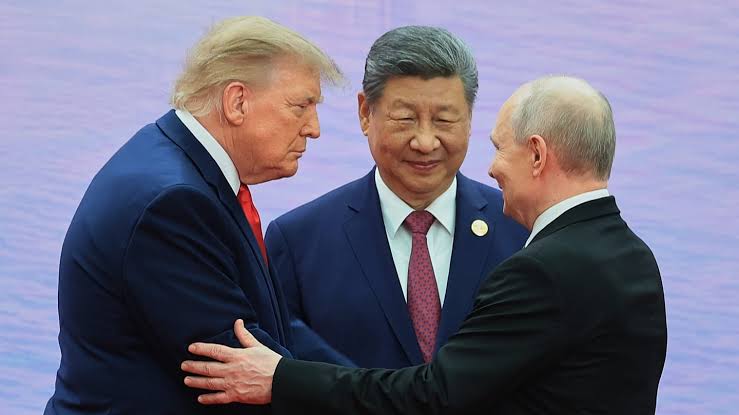
Nevertheless, Moscow also has significant reasons to avoid entering a new nuclear arms race. Expanding and modernizing nuclear arsenals not only increases military capabilities but also creates substantial long-term financial burdens on national budgets. Considering Russia’s economic resources and ongoing military expenditures, dedicating the next decade to another strategic arms race would entail considerable costs for Moscow as well.
Indeed, shortly before the expiration of New START, Russia proposed to the United States that the existing limits on strategic nuclear weapons be maintained voluntarily while negotiations continued on a new agreement. However, the Trump administration’s failure to respond positively to this proposal resulted in a significant missed opportunity for arms control.
Washington needs to reconsider its approach. If the United States and Russia first temporarily freeze their existing strategic nuclear capabilities and then work toward a more comprehensive agreement to replace New START, this could pave the way for a trilateral negotiation process.
Moreover, simply restoring the existing limits would not be sufficient for a new agreement. As part of a more ambitious objective, the United States and Russia could consider reducing their total arsenals to 1,000 warheads each, covering both strategic and tactical nuclear weapons. Such an arrangement could not only reduce the risk of nuclear war but also help lower the resources allocated by both countries to weapons production, maintenance and modernization.
What path should be followed for trilateral nuclear disarmament?
Any potential agreement between the United States and Russia is critically important for bringing China into the process. The most realistic way to prevent Beijing from expanding its nuclear capabilities is not to force it into an agreement that excludes its position in the existing balance of power, but rather to create a negotiating environment that addresses and reduces its security concerns.
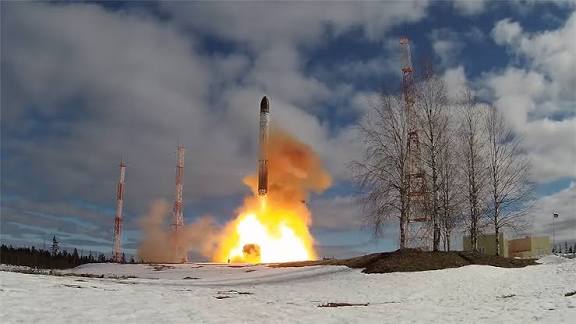
Within this framework, the first step expected from China could be a commitment not to make major further increases in its nuclear arsenal, provided that the United States and Russia make tangible progress toward substantially reducing their own nuclear stockpiles. This would allow the three countries to establish a gradual model that does not require simultaneous and equal reductions in weapons but takes the security interests of all parties into account.
For such an approach to succeed, verification and transparency mechanisms must also be re-established. Political commitments will be difficult to sustain without mutual information-sharing regarding the number of nuclear warheads, deployed systems, missile capabilities and modernization programs. For this reason, new agreements must be based not merely on understandings between leaders but on technical arrangements open to international verification.
On the other hand, the issue of limiting nuclear weapons is not confined to the bilateral or trilateral relations of these three countries. The policies of other nuclear powers, including the United Kingdom, France, India, Pakistan, Israel and North Korea, also influence the global security balance. Although bringing all these countries into the same negotiating framework does not appear feasible in the short term, a new arms control arrangement between the United States, Russia and China could serve as a starting point for broader international initiatives.
Nuclear superiority or strategic stability?
Some circles in the United States argue that reducing Washington’s nuclear arsenal at a time when China is expanding its capabilities would be strategically misguided. This approach is based on the belief that the United States must preserve its nuclear superiority over China. However, the pursuit of nuclear superiority and the achievement of national security are not the same thing.
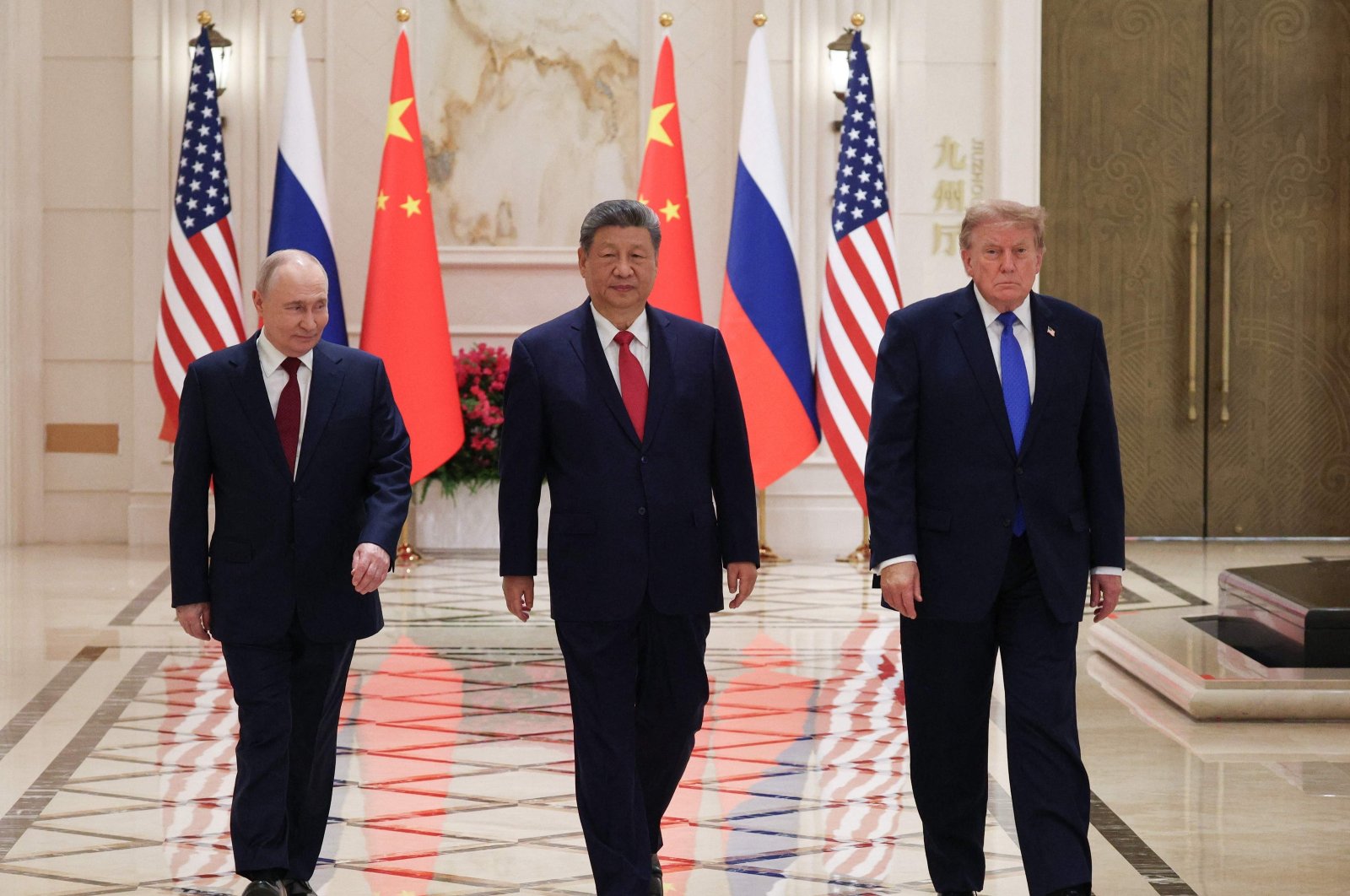
States possessing thousands of nuclear warheads on both sides cannot establish a definitive military advantage over one another. Nor does further expanding these capabilities eliminate security concerns. On the contrary, mutual suspicion regarding intentions, excessive dependence on early-warning systems and the possibility of misjudgments during periods of crisis increase the risk of nuclear confrontation.
In particular, the proliferation of artificial intelligence-enabled military systems, hypersonic weapons, advanced missile defense technologies and space-based military capabilities is making the functioning of nuclear deterrence more complex. The acceleration of decision-making processes could reduce the time available to political and military leaders to assess developments during a crisis. Faulty intelligence, technical malfunctions or an incorrect perception of a threat could lead to irreversible consequences.
When climate change, global economic vulnerabilities and regional conflicts are added to this picture, it becomes clear that nuclear arms competition cannot be treated merely as a military rivalry among major powers. The environmental, economic and humanitarian consequences of a potential nuclear conflict would also affect countries that are not directly involved in the confrontation.
Can a new nuclear arms race be prevented?
A three-way nuclear arms race involving the United States, Russia and China represents one of the most serious security risks to the future of the international system. Such a process would impose enormous costs on the defense budgets of all three countries while further eroding international trust. Moreover, increasing the number of nuclear weapons would not, by itself, strengthen deterrence. On the contrary, it would make crises more difficult to manage and increase the likelihood of miscalculation.
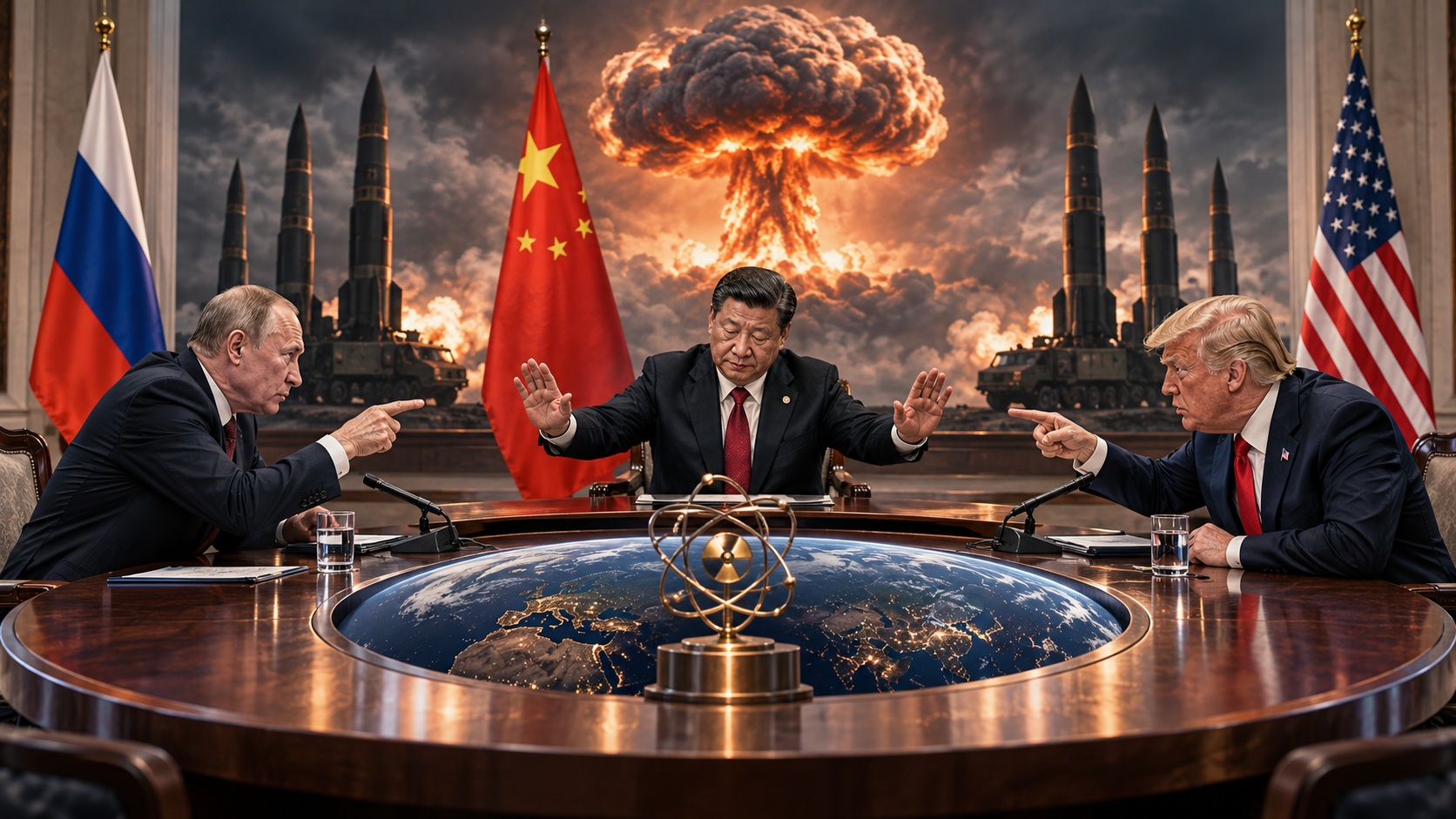
For this reason, Washington, Moscow and Beijing need to abandon the idea of defining nuclear security through the accumulation of ever-greater numbers of weapons against one another. Limiting the existing arsenals of the United States and Russia, bringing China’s nuclear expansion under control, and establishing a gradual arms control mechanism among the three countries could lay the foundations for a new era of strategic stability.
The meeting between Trump, Putin and Xi can be regarded as a diplomatic starting point in this respect. However, unless the leaders’ statements on nuclear disarmament are backed by concrete measures, they will not produce lasting results for international security. In particular, the United States needs to assume a leading role in the negotiation process, Russia’s proposal to maintain existing arms limitations should be brought back to the table, and China should be incorporated into a gradual agreement.
Ultimately, the world is not condemned to another nuclear arms race. Preventing this danger, however, depends on major powers embracing a shared understanding of security rather than pursuing superiority over one another. Nuclear disarmament should be regarded not merely as a diplomatic choice but as a strategic necessity for the stability of the international system and the future of humanity.

